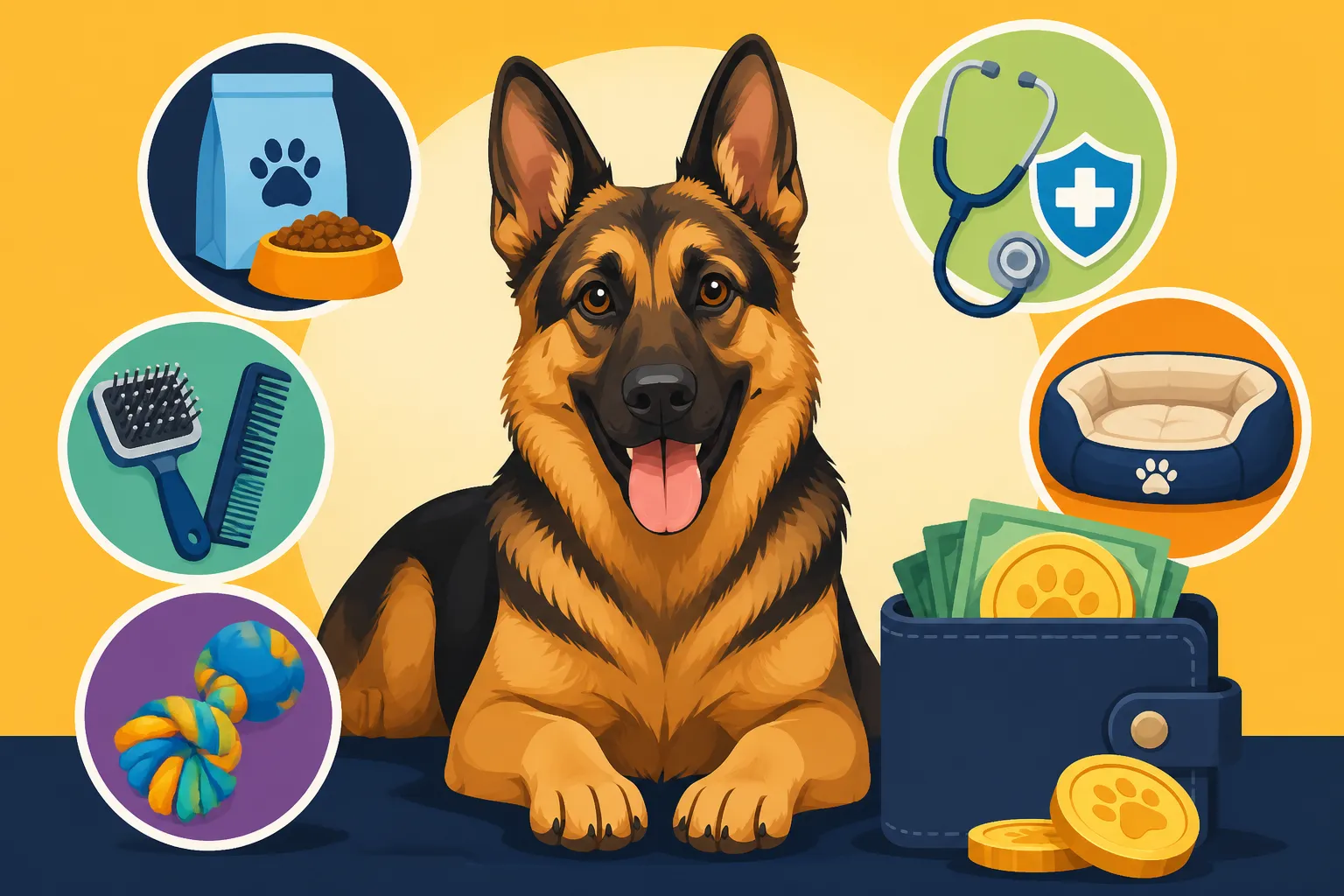
German Shepherd First-Year Expenses Explained
Bringing a magnificent German Shepherd into your life is an incredibly rewarding experience, but let's be honest: the financial aspect can feel like navigating a dense forest without a map. Many prospective owners get caught off guard by the sheer volume of expenses, especially in that whirlwind first year. This comprehensive guide is here to shed light on exactly what you can expect to spend to ensure your new German Shepherd puppy thrives, from the moment they arrive home through their first birthday.
Initial Costs: Bringing Your German Shepherd Home
The very first financial decision you'll make is whether to purchase from a breeder or adopt from a rescue. Both paths have their own set of costs, and understanding these upfront can help you budget realistically for your new companion. It's not just about the sticker price; it's about the value and support you receive.
Breeder vs. Rescue Costs
When considering a German Shepherd puppy from a reputable breeder, you're looking at a significant investment. Prices can range widely, often from $1,500 to $5,000 or even more, depending on the puppy's lineage, the breeder's reputation, health testing, and location. For example, a puppy from a proven working line with parents who have titles in Schutzhund or IGP, along with extensive health clearances, will command a higher price than a pet-quality puppy. This higher initial cost often reflects the breeder's dedication to health, temperament, and adherence to the breed standard, which can actually save you money on potential health issues down the line. It's worth diving deeper into "German Shepherd Puppy Price Explained" to understand these variations.
On the other hand, adopting a German Shepherd from a rescue organization or shelter is typically less expensive in terms of the initial fee, usually falling between $300 and $800. This fee often includes initial vaccinations, spay/neuter surgery, and sometimes microchipping. While the upfront cost is lower, many rescue dogs come with unknown histories, which can sometimes lead to unexpected behavioral or health challenges that require professional intervention later on. Both options have their merits, and you can explore "German Shepherd Adoption vs Buying" for a more detailed comparison.
Registration and Health Clearances
For puppies acquired from breeders, you'll often receive American Kennel Club (AKC) limited registration papers, which means your dog is recognized as a purebred but cannot be bred or participate in conformation shows. Full registration, which allows breeding and show participation, is typically more expensive and carefully granted by breeders. Beyond registration, the cost of a well-bred puppy implicitly includes the extensive health clearances performed on the parent dogs. This is crucial for a breed prone to conditions like hip and elbow dysplasia, as well as degenerative myelopathy. Reputable breeders invest heavily in these tests for their breeding stock, such as OFA (Orthopedic Foundation for Animals) or PennHIP evaluations, genetic testing for DM, and more. While you don't pay for these tests directly for your puppy, the cost is built into the purchase price, offering peace of mind about your puppy's genetic predispositions. This is a topic thoroughly covered in "German Shepherd Genetic Health Testing".
Essential Setup Costs: Preparing Your Home
Once you’ve committed to bringing a German Shepherd into your family, the next step is outfitting your home to welcome them. This phase involves a significant initial outlay for everything from their sleeping arrangements to their first vet visits.
Necessary Gear and Supplies
Your German Shepherd puppy will need a host of supplies from day one. A sturdy crate is non-negotiable for house-training and providing a safe den, and for a GSD, you'll need a large one, typically a 42-inch or 48-inch model, which can cost anywhere from $70 to $200. You'll also need food and water bowls, preferably stainless steel or ceramic, costing around $20-$50 for a good set. A comfortable bed for their crate or a standalone dog bed can range from $30 to $100, depending on size and material.
Leashes, collars, and harnesses are also essential. A durable 6-foot leash and a comfortable collar will run you about $20-$60. Given their strength and size, many German Shepherd owners opt for a front-clip harness for better control during walks, which can be another $30-$70. Don't forget toys! German Shepherds are intelligent and need mental stimulation. A variety of chew toys, puzzle toys, and fetch toys can easily add up to $50-$100 initially, especially since you'll want durable options that stand up to their strong jaws. Many owners find places like Chewy indispensable for stocking up on these essentials and even subscribing for regular deliveries.
Initial Veterinary Visits and Vaccinations
The first year is packed with essential veterinary care. Your puppy will need a series of vaccinations to protect them from common and serious diseases like distemper, parvovirus, adenovirus, and rabies. These initial vaccinations usually involve 2-3 visits spaced a few weeks apart, costing approximately $50-$150 per visit, including the exam fee. You'll also need regular deworming, which might be included in the vet visit or be an additional $10-$30 per dose. Microchipping is highly recommended for identification if your dog ever gets lost, usually costing around $40-$70. It's vital to follow a proper "German Shepherd Vaccination Schedule" to ensure your puppy's health.
Spay or Neuter Considerations
One of the larger medical expenses in the first year often involves spaying or neutering your German Shepherd. The cost for this procedure varies greatly depending on your location, the veterinary clinic, and your dog's size and gender. On average, you can expect to pay anywhere from $200 to $800. Some rescues include this in their adoption fee, but if you purchased from a breeder, this will be an additional cost. It’s a crucial decision with many health and behavioral implications, and the timing can be important for larger breeds like German Shepherds. You might want to read more about "German Shepherd Spay and Neuter Timing" to help you make an informed choice.
Ongoing Monthly Costs: Keeping Your German Shepherd Thriving
After the initial setup, a German Shepherd's needs continue to incur regular monthly expenses. These are the costs that become part of your everyday budget, from keeping their tummy full to ensuring they're well-behaved and looking sharp.
Nutrition: Food and Supplements
Feeding a growing German Shepherd is a significant ongoing expense. These are large, active dogs with specific nutritional needs, especially during their crucial growth phases. High-quality large-breed puppy food is essential to support their skeletal development and prevent rapid growth, which can contribute to joint issues. A 30-pound bag of premium kibble can cost anywhere from $60 to $90 and might last a German Shepherd puppy only a few weeks, depending on their age and activity level. Popular brands like Purina Pro Plan, Royal Canin, and Taste of the Wild are often recommended for German Shepherds. If you opt for fresh food diets, like those offered by Ollie, your monthly food bill could easily be $100-$200 or more, offering convenience and tailored nutrition.
Beyond regular food, many German Shepherd owners choose to incorporate supplements, especially for joint health. Given their predisposition to hip and elbow dysplasia, glucosamine and chondroitin supplements are common, costing around $20-$50 per month. It's worth discussing "Best Dog Food for German Shepherds" with your vet to ensure your pup gets the right start.
Training and Socialization
German Shepherds are highly intelligent and require consistent training and socialization from a young age. While you can do much of the training yourself, enrolling in puppy classes and basic obedience courses is highly recommended. Group puppy classes can cost $150-$250 for a 6-8 week session. If you opt for private training sessions, which can be more tailored to specific issues, expect to pay $75-$150 per hour. The first year is crucial for laying a strong foundation, and a solid "German Shepherd Puppy Training Guide" is invaluable. Ongoing socialization, which involves exposing your puppy to various sights, sounds, people, and other dogs in a positive way, might not have a direct cost, but it requires time and intentional effort.
Grooming and Dental Care
German Shepherds have a thick double coat that sheds year-round, with "blow out" seasons where they shed even more profusely. While you can do much of the grooming at home, you'll need the right tools: a high-quality deshedding brush (like a Furminator or an undercoat rake), a slicker brush, nail clippers or a grinder, and dog-specific shampoo and conditioner. These initial tools might cost $50-$100.
Regular brushing (several times a week) and occasional bathing (every 1-3 months) are essential. If you choose professional grooming, perhaps for a thorough deshedding treatment, expect to pay $60-$120 per session. Dental care is also vital. Daily tooth brushing with dog toothpaste and a toothbrush, costing around $10-$20 for a kit, is ideal. Dental chews can also contribute to dental hygiene, adding another $10-$30 per month. Understanding "How to Groom a German Shepherd" is key to managing these costs effectively.
Unexpected Costs and Contingency Planning
Even with the best planning, life with a German Shepherd can throw curveballs. It's crucial to factor in potential unexpected expenses and consider how you'll manage them.
Emergency Vet Visits and Illnesses
Puppies, like human babies, are prone to accidents and unexpected illnesses. A sudden case of gastroenteritis, an allergic reaction, or an injury from playful antics can lead to an emergency vet visit, which often costs significantly more than a regular check-up. These visits can quickly rack up $300-$800 or more, especially if diagnostics like X-rays or blood tests are needed. Major surgeries can easily run into the thousands. While we hope for the best, it's wise to prepare for the worst. For instance, bloat, a life-threatening condition common in deep-chested breeds like German Shepherds, requires immediate and expensive emergency surgery. Knowing the "German Shepherd Bloat Emergency: What to Do" can be critical.
Pet Insurance vs. Savings Fund
To mitigate the financial impact of unforeseen medical issues, many German Shepherd owners consider pet insurance. Monthly premiums for a German Shepherd puppy can range from $30 to $70, depending on your location, chosen deductible, reimbursement rate, and specific plan. Companies like Healthy Paws are popular for their comprehensive coverage of accidents and illnesses. Over the course of the first year, this could add up to $360-$840.
Alternatively, you could establish a dedicated savings fund for veterinary emergencies. If you set aside $50-$100 per month, you could accumulate $600-$1,200 by the end of the first year. The decision between pet insurance and a savings fund is personal, but having a plan for these costs is absolutely essential. A detailed look at "Is Pet Insurance Worth It for a German Shepherd" can help you weigh your options.
German Shepherd First-Year Expense Summary
To give you a clearer picture, here's an estimated breakdown of the typical first-year expenses for a German Shepherd. Remember, these are broad ranges, and your actual costs may vary based on your choices, location, and individual dog's needs.
| Category | Low-End Estimate (USD) | High-End Estimate (USD) | Notes |
|---|---|---|---|
| Initial Acquisition | $300 (Rescue) | $5,000 (Breeder) | Price varies significantly based on source. |
| Initial Supplies | $250 | $500 | Crate, bowls, leash, collar, bed, initial toys, grooming tools. |
| Initial Vet Care | $200 | $600 | Puppy shots, deworming, microchip. |
| Spay/Neuter | $200 | $800 | Timing and cost depend on vet, location, and dog's age/size. |
| Food (12 months) | $720 | $2,400 | Based on $60-$200/month for premium kibble or fresh food (e.g., Ollie). |
| Supplements (12 months) | $240 | $600 | Joint, omega fatty acids, etc. (e.g., from Chewy). |
| Training Classes | $150 | $250 | One basic puppy/obedience course. Private sessions add more. |
| Miscellaneous (Toys, Treats) | $200 | $500 | Ongoing treats for training, replacement toys for heavy chewers. |
| Pet Insurance (12 months) | $360 | $840 | For accident & illness coverage (e.g., Healthy Paws). Optional, but recommended. |
| Emergency Fund (Savings) | $0 | $1,200 | Alternative to insurance; aim for at least $1,000. |
| Total Estimated First Year (without emergencies) | $2,420 | $12,190 | Excludes major unexpected medical events. |
As you can see, the range is vast. A German Shepherd is a commitment in every sense of the word, especially financially. Being prepared for these expenses from the outset will ensure you can provide the best possible care for your loyal companion, leading to a happy, healthy first year and many more to come. For a broader perspective on what to expect annually, you can look into "German Shepherd Vet Costs Per Year".
Disclaimer
Please remember that this guide provides general information and estimates for German Shepherd first-year expenses. Individual costs can vary significantly based on location, specific product choices, veterinary clinic rates, and your dog's unique health and behavioral needs. Always consult with a qualified veterinarian for personalized advice regarding your German Shepherd's care.