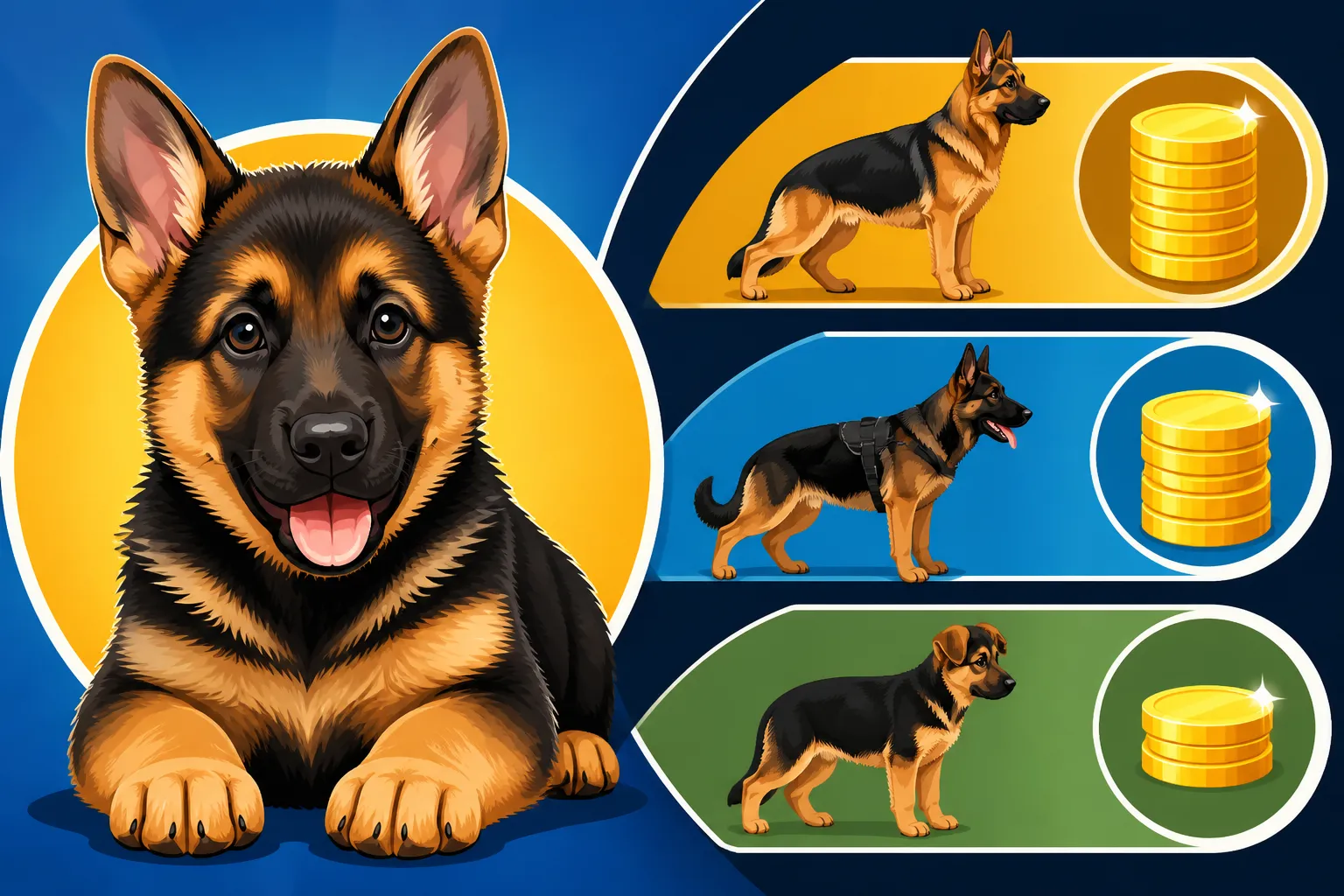
German Shepherd Puppy Price by Line
Bringing home a German Shepherd puppy is an incredibly exciting prospect, but as you start looking into breeders, you quickly realize that the prices can vary wildly, sometimes leaving you feeling completely overwhelmed and confused. It’s not just about finding a healthy puppy; it’s about understanding why one puppy might cost significantly more than another, and how the "line" of a German Shepherd plays a huge role in that price tag. This guide will meticulously break down the German Shepherd puppy price by line, helping you understand these distinctions and make an informed decision that aligns with your lifestyle and budget.
Decoding German Shepherd Lines: Why They Matter for Price
When you hear breeders talk about "lines," they're not just throwing around fancy terminology. These lines represent distinct breeding programs and philosophies, often originating from different parts of the world, with specific goals in mind. Understanding these fundamental differences is crucial because they directly influence a puppy's temperament, appearance, health predispositions, and, yes, its price. It's not just about a pretty face; it's about generations of intentional breeding that culminate in the puppy you're considering.
Show Lines vs. Working Lines: A Core Distinction
The most fundamental split in German Shepherd breeding is often between "show lines" and "working lines." This distinction is absolutely paramount when discussing price, as these two types of dogs are bred for very different purposes and therefore command different values. Many first-time owners might not even realize this difference exists until they start their research, leading to confusion when comparing prices.
Show lines, particularly those from the West German system, are bred primarily for conformation to the breed standard in terms of appearance and gait. These dogs often have the deeply sloped backs and exaggerated angulation that you see in competitive show rings. Their temperaments are typically calmer, more sociable, and geared towards being excellent family companions who can also excel in the show ring. While intelligence and trainability are still present, the intense drive seen in working lines is usually dialed down. You're paying for a dog that embodies the aesthetic ideals of the breed and a more predictable, generally easier-to-manage temperament for a family setting.
Working lines, on the other hand, are bred for performance in demanding roles like police work, search and rescue, protection sports (like IGP or Schutzhund), and military service. These dogs possess incredible drive, intensity, mental fortitude, and a strong work ethic. They typically have straighter backs, less exaggerated angulation, and a more rugged, athletic build. Their focus is on utility, not just looks. When you invest in a working line puppy, you're paying for generations of proven working ability, superior nerve, and a dog that craves a job. This inherent drive and potential for high-level performance is a significant factor in their price. It's a very different kind of value proposition compared to a show line dog.
Geographical Origins and Their Influence
Beyond the show/work split, the geographical origin of a German Shepherd's lineage heavily impacts its characteristics and, consequently, its price. We're talking about specific breeding programs developed in Germany, Czechoslovakia (now the Czech Republic and Slovakia), and the United States, each with its own history, selection criteria, and resulting traits. Each region has left its indelible mark on the breed, leading to distinct "types" that carry different values in the market.
For example, German lines, both show and working, are often considered the gold standard due to the rigorous breeding regulations in Germany. The Verein für Deutsche Schäferhunde (SV), the German Shepherd Dog Club of Germany, maintains strict standards for health, temperament, and working ability. This level of oversight means that dogs from German lines often come with extensive health clearances, working titles, and show ratings from their ancestors, all of which add significant value and cost to a puppy.
Conversely, American lines, while still German Shepherds, have often evolved with less stringent external oversight, allowing for a broader range of appearances and temperaments. While there are certainly responsible American breeders, the lack of universal, mandatory titling requirements for breeding in the U.S. means there's a wider spectrum of quality and, therefore, price. A German Shepherd puppy from a breeder focusing on the traditional German Shepherd Genetic Health Testing standards will naturally cost more than one without such proven lineage.
West German Show and Working Line German Shepherd Puppy Prices
The West German lines are arguably the most well-known and sought-after types of German Shepherds, often associated with the classic image of the breed. Within this broad category, there's a further distinction between show lines and working lines, each with its own price point reflecting its unique characteristics and breeding goals. Many people are surprised to learn that even within "German Shepherds," there are these distinct subsets, each carrying its own heritage and value.
West German Show Line: The Classic Aesthetic
West German Show Line German Shepherds are renowned for their striking appearance, often featuring rich red and black pigmentation, deep angulation, and a powerful, flowing gait. These dogs are meticulously bred to conform to the breed standard set by the SV in Germany, and success in conformation shows (like the annual Sieger show) is a primary breeding goal. Breeders spend years, even decades, perfecting these lines for aesthetics, sound temperament, and structural correctness.
A puppy from a top-tier West German Show Line breeder will typically fall into a higher price bracket. You can expect to pay anywhere from $2,500 to $5,000+ for a well-bred puppy. This price reflects not only the puppy's individual quality but also the immense investment the breeder has made in their breeding stock. This includes importing dogs from Germany, extensive health testing (hips, elbows, DM, etc.), participation in conformation events, and often, maintaining working titles on their breeding dogs to prove temperament and trainability, even if the primary focus is show. The pedigree will likely feature many titled ancestors, indicating a proven lineage of quality. This makes a lot of sense when you consider the comprehensive approach these breeders take, striving for excellence in both form and function, even with a show focus.
West German Working Line: Purpose-Bred Excellence
While sharing a geographical origin, West German Working Line German Shepherds are bred with a completely different focus: performance. These dogs are highly driven, intelligent, and possess strong nerves, making them ideal for protection work, sport, and demanding service roles. They typically have a more moderate build, often with straighter backs, and are evaluated primarily on their working ability, temperament, and health. Their coats might be sable, black, or bi-color, and their appearance is secondary to their inherent drives and capabilities.
The price for a West German Working Line puppy can range from $2,000 to $4,500, sometimes even higher for puppies from exceptionally titled parents or specific, highly regarded bloodlines. The investment here is in proven working ability and genetics that produce dogs with intense focus, courage, and trainability. Breeders of these lines often participate heavily in IGP (formerly Schutzhund) or other dog sports, dedicating significant time and resources to titling their breeding animals. The value is in the demonstrable working pedigree, which suggests a higher likelihood that the puppy will inherit the desired drives and temperament for serious training. This focus on performance and genetic consistency for working traits is what drives their specific price point.
East German DDR and Czech Working Line German Shepherd Puppy Prices
These lines represent a fascinating chapter in German Shepherd history, shaped by the geopolitical landscape of the Cold War. While often grouped, they each have distinct characteristics and price points, reflecting their unique development under different systems. Many enthusiasts specifically seek out these lines for their historical robustness and intensity.
East German DDR Line: Robust and Resilient
The DDR (Deutsche Demokratische Republik) German Shepherds, often called "East German Shepherds," were developed in East Germany under a strict government-controlled breeding program. The emphasis was heavily on working ability, health, and a rugged, robust physique to withstand the harsh border patrol conditions. These dogs typically have strong, substantial bone structure, deep chests, dark pigmentation, and straighter backs. They are known for their exceptional physical endurance, strong prey drive, and unwavering focus. The breeding pool was closed off from West Germany, leading to a distinct genetic line.
A puppy from genuine DDR lines can cost between $2,500 and $4,000. The higher end of this range is often for puppies with extensive, verifiable DDR pedigrees and proven working parents. Finding true, unadulterated DDR lines can be more challenging today, as the separation ended decades ago, and many lines have since been blended. However, dedicated breeders still strive to maintain these traits, valuing the line's historical resilience and working capabilities. The price reflects the rarity of pure lines and the consistent working attributes that have been preserved through generations. These dogs are not for the faint of heart; their drive demands an active and experienced handler.
Czech Working Line: Driven and Intense
The Czech Working Line German Shepherds originated primarily from the breeding programs of the Pohraniční stráž (Border Guard) kennels in Czechoslovakia. Similar to the DDR dogs, these German Shepherds were bred for their exceptional working abilities, specifically for border patrol and military service. They are characterized by their powerful build, strong nerves, high trainability, and intense drive. Often, these dogs have a darker, sable, or black coloration, and a slightly more compact build compared to some German lines. Their genetic purity and consistent working traits make them highly desirable for serious sport enthusiasts and working dog handlers.
Expect to pay in the range of $2,000 to $4,000 for a Czech Working Line German Shepherd puppy. Puppies from parents with high-level working titles (like IPO/IGP, ZVV, or KNPV) or from famous Czech kennels like "z Pohraniční stráže" will naturally command higher prices. These dogs are celebrated for their strong temperament, courage, and exceptional bite work capabilities. The cost is an investment in a dog with a clear genetic predisposition for intense focus, incredible endurance, and a relentless desire to work. This makes them unsuitable for casual pet owners but invaluable for those seeking a dedicated working partner. Understanding these deep-seated drives is key before committing to such a specialized lineage.
American Show and Working Line German Shepherd Puppy Prices
The German Shepherd breed in the United States has evolved quite differently from its European counterparts, primarily due to different breeding regulations and show standards. This has led to distinct American show and working lines, each with its own characteristics and associated price range. It’s important for prospective owners to understand these differences, as they can significantly impact a puppy's temperament, health, and overall suitability for a family environment.
American Show Line: The Modern Standard
American Show Line German Shepherds are bred to conform to the American Kennel Club (AKC) breed standard, which traditionally has placed a strong emphasis on elegance, fluid movement, and a distinctive, often more exaggerated sloped back with extreme angulation compared to European show lines. While still required to have sound temperaments, the focus here leans heavily towards aesthetics and the ability to perform well in the American conformation ring. These dogs often have very flashy movements, beautiful coats, and a more docile temperament than their working line cousins.
A puppy from a reputable American Show Line breeder will typically cost between $1,500 and $3,500. The price will be influenced by the parents' show titles, health clearances (OFA hip and elbow certifications are common), and the breeder's overall reputation. Breeders who consistently produce AKC champions or dogs with proven health records will be at the higher end of this scale. While many American show lines produce wonderful family pets, it's crucial to verify health testing and temperament as strictly as you would for European lines, as the emphasis on structure can sometimes lead to health issues if not carefully managed. Always ask about the health guarantees and what kind of support the breeder offers. For insights into general breed health, check out our guide on German Shepherd Health Problems Guide.
American Working Line: A Niche Within the US
While less common than their show line counterparts, American Working Line German Shepherds do exist, often stemming from breeders who prioritize performance in sports like Schutzhund/IGP, agility, or obedience, or for service dog roles. These lines might have roots in European working lines but have been developed further within the US. They typically exhibit higher drive, stronger nerves, and a more athletic build, often with less of the exaggerated angulation seen in American show lines. Their primary value lies in their innate working ability and trainability.
The price for an American Working Line puppy can range from $1,500 to $3,000. The cost is influenced by the parents' working titles, the puppy's potential for specific disciplines, and the breeder's focus on producing dogs for performance rather than just companionship. These breeders often work diligently to ensure stable temperaments and robust health, understanding that a working dog must be physically and mentally sound. While perhaps not as globally recognized as their European working line kin, dedicated American working line breeders provide excellent options for those seeking a performance-oriented German Shepherd within the US. It's important to remember that all German Shepherds, regardless of line, benefit from robust health checks, which you can learn more about in How to Verify German Shepherd Health Testing.
Factors Beyond Line That Impact Puppy Price
While the specific line of a German Shepherd puppy is a huge determinant of its price, it's far from the only factor. Many other elements come into play, and understanding these can help you appreciate why some puppies carry a higher price tag than others, even within the same general lineage. These additional considerations are vital for any prospective owner who wants to ensure they're making a responsible and educated purchase, rather than just choosing the cheapest option.
Breeder Reputation and Health Clearances
A breeder's reputation is gold, and it significantly impacts the price of their puppies. Reputable breeders invest an enormous amount of time, effort, and money into their breeding programs. This includes comprehensive health testing of both parent dogs for genetic conditions prevalent in German Shepherds, such as hip and elbow dysplasia, degenerative myelopathy (DM), and sometimes even cardiac and eye clearances. For example, puppies from parents with excellent German Shepherd Hip Dysplasia Explained scores or clear DM test results will naturally cost more because the breeder has gone the extra mile to minimize hereditary health risks.
Beyond just testing, a good breeder provides exceptional care for their dams and puppies, including proper nutrition, early neurological stimulation, extensive socialization, and initial veterinary care (first vaccinations, deworming, microchipping). They also offer lifelong support to puppy buyers, often have a strong community, and take back dogs if circumstances change. These investments – in health, care, and ongoing support – are reflected in the puppy's price. Conversely, cheaper puppies often come from breeders who cut corners on health testing or puppy care, leading to potential heartbreak and massive vet bills down the road. This is why resources like How to Find a Reputable German Shepherd Breeder are so important.
Puppy's Pedigree, Training, and Guarantees
The individual puppy's pedigree and the guarantees offered by the breeder also play a significant role in pricing. A puppy from parents that are titled champions in conformation or working sports, or who have achieved high-level certifications, will be more expensive. This premium reflects the proven quality and genetic potential inherited by the puppy. The more decorated the lineage, the higher the price, as the "proof is in the pudding" of the ancestors' achievements.
Some breeders might also include initial training in the puppy's price, such as basic obedience, crate training, or even early leash manners. This added value means you're bringing home a puppy with a head start on its education, which can save you time and money. Furthermore, a comprehensive health guarantee, typically covering hereditary conditions for a certain period, offers peace of mind and adds value to the purchase. These guarantees demonstrate a breeder's confidence in their breeding program and their commitment to the health of their puppies.
Location and Market Demand
Where you live can also influence the price of a German Shepherd puppy. In regions with a high demand for German Shepherds or fewer reputable breeders, prices tend to be higher. Conversely, in areas with a greater supply of puppies, prices might be slightly lower. This is a basic economic principle that applies to dog breeding as well. Shipping costs, if applicable, would also add to the overall price if you're getting a puppy from out of state or even internationally.
Additionally, specific colors, coat types (like the long-haired German Shepherd), or unique markings can sometimes fetch a slightly different price point, although this is generally less impactful than line or health clearances. While not as significant as the primary factors, these regional and market-driven variations contribute to the overall German Shepherd Puppy Price Explained. It's always a good idea to research average costs in your specific area when budgeting for a German Shepherd, keeping in mind that reputable breeders often have waiting lists, indicating high demand for their quality puppies.
Making Sense of the Investment: Is a Higher-Priced Line Worth It?
After delving into the nuances of German Shepherd lines and the myriad factors influencing puppy prices, you might be left wondering: is a higher-priced puppy from a specific line truly worth the investment? This is a question many prospective owners grapple with, and the answer isn't a simple yes or no. It truly depends on your individual circumstances, expectations, and long-term commitment.
Matching Line to Lifestyle
The "worth" of a higher-priced puppy primarily comes down to how well its inherited traits align with your lifestyle and expectations. If you're an active individual or family looking for a dog to excel in protection sports, obedience trials, or even a demanding service role, then investing in a West German Working Line, DDR, or Czech Working Line puppy is likely a very sound decision. These dogs are bred specifically for those drives, intelligence, and physical capabilities. A cheaper puppy without this proven lineage might save you money upfront, but could ultimately lack the inherent talent and drive required for your goals, leading to frustration and disappointment.
On the other hand, if you're seeking a devoted family companion, a well-socialized German Show Line puppy (either West German or American) might be a perfect fit. Their temperament is generally more mellow and geared towards being a beloved household member, while still possessing the intelligence and loyalty the breed is known for. Paying for a show line with solid health clearances and a stable temperament ensures you're bringing home a dog that is likely to thrive in a family setting, without the intense working demands of other lines. Thinking through your daily routine, your activity level, and your experience with high-drive dogs is critical here.
Long-Term Costs vs. Initial Puppy Price
It’s easy to get fixated on the initial puppy price, but it's crucial to consider the broader financial picture. A cheaper puppy from an unverified background might seem like a bargain, but it can quickly become incredibly expensive if it develops significant health or behavioral problems due to poor breeding. This is why many experienced owners will tell you that a well-bred, higher-priced puppy is often cheaper in the long run. The initial investment in a puppy from parents with generations of health clearances can drastically reduce the risk of costly issues like severe German Shepherd Hip Dysplasia: Symptoms and Treatment or other inherited conditions.
Think about vet bills, specialized training to correct behavioral issues, or even simply the cost of quality food and supplements over a dog's lifespan. These ongoing expenses can dwarf the initial purchase price. For example, a monthly food subscription like Ollie or high-quality kibble from Chewy, coupled with routine vet visits and unexpected emergencies, can quickly add up. Investing in pet insurance, such as from Healthy Paws, is also a consideration to mitigate potential large vet bills, but even that premium is easier to justify when you know your dog comes from a healthy lineage. When considering the full German Shepherd Ownership Costs Explained, a responsible purchase from a reputable breeder, even at a higher upfront cost, is often the most financially prudent choice in the long term. This guide on German Shepherd Puppy First-Year Cost Breakdown further elaborates on ongoing expenses.
Ultimately, the German Shepherd puppy price by line isn't just about paying more for a name; it's about paying for predictability, health, temperament, and genetic potential that aligns with your desired outcome. Do your research, ask a lot of questions, and choose a puppy that is not only within your budget but also a good fit for your life.
Disclaimer
This article is for general informational purposes only and does not constitute professional advice. Laws, prices and regulations vary by location and change over time. Consult a qualified professional for guidance on your specific situation.