German Shepherd Hip Dysplasia: Symptoms and Treatment
There are few things more heartbreaking than watching your strong, spirited German Shepherd struggle with everyday movements – the joyous leap into the car replaced by a hesitant step, the energetic run turning into a stiff, painful shuffle. Hip dysplasia is a formidable opponent for many German Shepherd owners, often leaving us feeling helpless and frustrated. This comprehensive guide will walk you through understanding German Shepherd hip dysplasia, from recognizing its subtle symptoms to exploring the full spectrum of treatment options available, helping you navigate this challenging journey with your beloved companion.
Understanding German Shepherd Hip Dysplasia
When we talk about hip dysplasia in German Shepherds, we're not just discussing a minor ache or pain. We're delving into a complex developmental condition that can significantly impact their quality of life. It’s a challenge that many owners face, and understanding its intricacies is the first step toward effective management.
What Exactly Is Hip Dysplasia
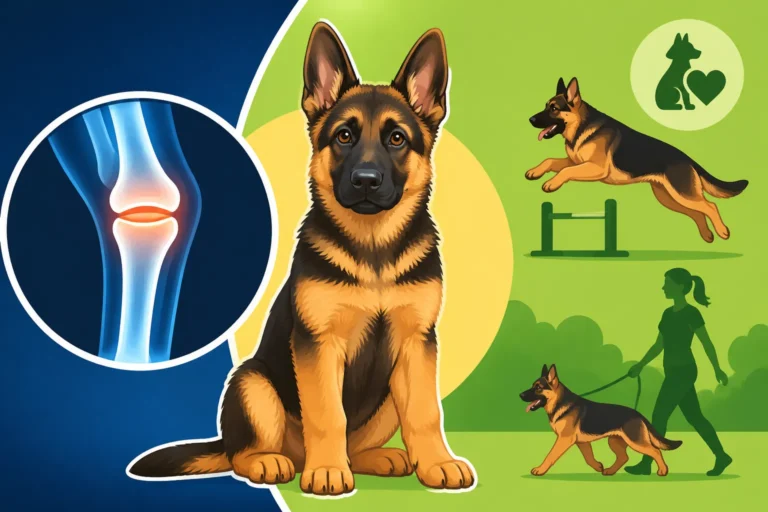
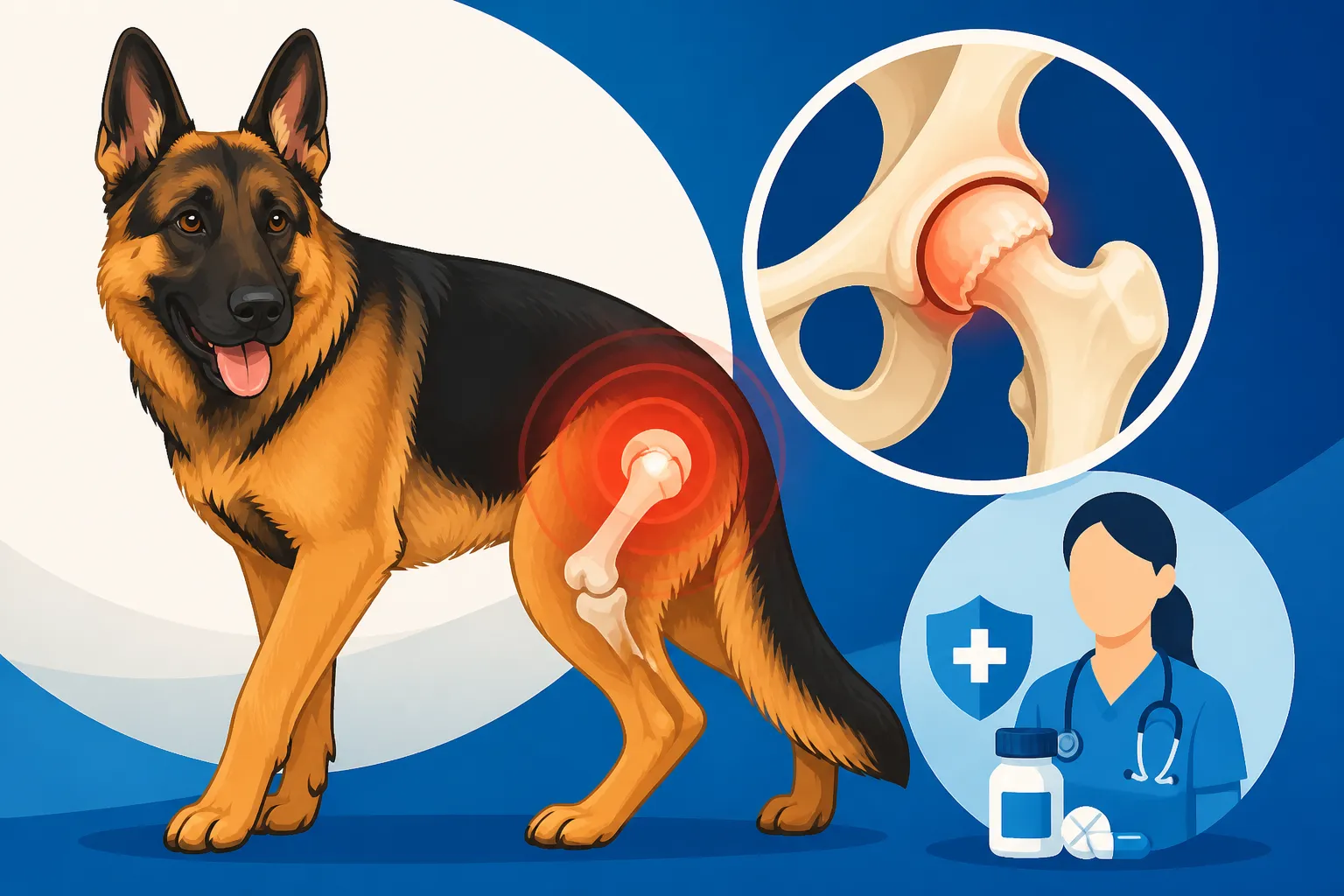
At its core, hip dysplasia is a malformation of the hip joint. Think of the hip as a ball-and-socket joint, where the head of the femur (the "ball") fits snugly into the acetabulum (the "socket") of the pelvis. In a dog with hip dysplasia, this fit isn't as precise as it should be. The socket might be too shallow, or the ball might not be perfectly spherical, or both. This misalignment leads to excessive laxity – the joint is too loose – causing the ball and socket to rub and grind against each other instead of gliding smoothly.
Over time, this constant friction and abnormal movement cause wear and tear on the cartilage and bone. The body tries to compensate by laying down new bone, leading to painful degenerative joint disease, or osteoarthritis. This process results in inflammation, stiffness, and chronic pain, which can gradually worsen, making even simple movements agonizing for your German Shepherd. It's a progressive condition, meaning it tends to get worse over time if not managed.
The Genetic Predisposition in German Shepherds
It's an unfortunate truth that German Shepherds are highly susceptible to hip dysplasia. This isn't a random occurrence; it's primarily due to genetics. While environmental factors like rapid growth, excessive exercise during puppyhood, and nutrition can influence the expression and severity of the disease, the underlying genetic predisposition is a significant component. Responsible breeders understand this and undertake rigorous German Shepherd Genetic Health Testing to screen their breeding stock. However, even with the best intentions and careful breeding, hip dysplasia can sometimes still appear, which can be incredibly disheartening for both breeders and new puppy owners.
The breed's history and genetic makeup contribute to this vulnerability. For generations, certain traits were prioritized, and inadvertently, genes associated with hip laxity may have become more prevalent. This is why organizations like the Orthopedic Foundation for Animals (OFA) and the PennHIP program are so crucial for assessing hip health in breeding dogs. Understanding this genetic component helps us acknowledge that sometimes, despite all our best efforts as owners, our German Shepherds might still develop the condition.
Recognizing the Early Signs and Symptoms
One of the most frustrating aspects of hip dysplasia is how subtly it often begins. It’s not usually a sudden injury, but rather a gradual onset of discomfort that can be easily mistaken for other issues or just typical puppy clumsiness. Learning to spot these early clues is paramount for timely intervention.
Subtle Clues in Puppyhood and Adolescence
In puppies and adolescent German Shepherds, the signs of hip dysplasia can be incredibly elusive. Owners often report seeing their pup exhibit what's affectionately called "bunny hopping," where they use both hind legs simultaneously to propel themselves forward, almost like a rabbit, instead of the normal alternating gait. You might notice a reluctance to engage in activities they once loved, like jumping on the couch, climbing stairs, or even just playing fetch for extended periods. After a period of rest, like waking up from a nap, they might appear stiff or struggle to get up, only to "warm out of it" after a few minutes of movement. This "warming out of it" can make owners question if anything is truly wrong, causing valuable time to pass.
Another common, yet subtle, indicator is a change in their sitting posture. Instead of a neat "square sit" where their hind legs are tucked neatly beneath them, a dysplastic dog might sit with their legs splayed out to the side in a "frog-leg" position, as this puts less pressure on their painful hips. They might also shift their weight predominantly to their front legs, leading to overdeveloped shoulders and chest muscles compared to their hindquarters, which may start to show some muscle atrophy. These small changes often get dismissed as puppy quirks, but they can be vital early warning signals. If you're observing these kinds of behaviors, it's worth taking note and discussing them with your vet. For a more detailed breakdown of what to look for, checking out resources on First Signs of Hip Dysplasia in German Shepherds can be incredibly helpful. It's easy to confuse these symptoms with conditions like German Shepherd Panosteitis Growing Pains, which is why veterinary consultation is so important.
Clearer Indicators in Adult Dogs
As German Shepherds mature and hip dysplasia progresses, the symptoms tend to become much more pronounced and difficult to ignore. You'll likely observe a more consistent lameness, often exacerbated after exercise or periods of inactivity. Their gait might change dramatically, becoming more of a "swaying" or "rolling" walk as they try to minimize hip movement and pain. They might have difficulty getting up from a lying position, especially on slippery surfaces, often needing to push themselves up with their front legs first. You might also notice a decreased willingness to exercise, a reluctance to run, jump, or even walk for long distances.
Muscle atrophy in the hindquarters becomes more evident, as the dog naturally stops using those muscles as much due to pain. You might be able to feel a noticeable difference in muscle mass around their hips and thighs compared to their shoulders. When you gently touch or palpate their hips, they might flinch, whimper, or show signs of discomfort. In severe cases, the pain can even lead to changes in behavior, with some dogs becoming irritable or withdrawn due to chronic discomfort. Recognizing these clearer indicators is crucial, as they usually signify that the condition has progressed and requires urgent veterinary attention to manage the pain and slow further degeneration.
Diagnosing Hip Dysplasia in German Shepherds
Pinpointing hip dysplasia requires a thorough approach, combining your observations as an owner with your veterinarian's expert examination and diagnostic tools. It's a process that often alleviates much of the uncertainty you might be feeling.
The Veterinary Examination and Physical Assessment
When you bring your German Shepherd to the vet with concerns about hip pain or lameness, the first step will always be a comprehensive physical examination. Your vet will observe your dog's gait, both walking and sometimes trotting, looking for any abnormalities like lameness, swaying, or bunny hopping. They will then gently palpate (feel) around your dog's hips, evaluating for pain, muscle atrophy, and any signs of instability or laxity in the joint. A key diagnostic maneuver is the Ortolani sign, where the vet manipulates the hip to detect if the femoral head "clunks" in and out of the socket, indicating excessive joint laxity. This manipulation can sometimes be uncomfortable for the dog, which is why your vet might suggest light sedation for a more accurate assessment and to minimize stress for your pup.
During this assessment, your vet will also check your German Shepherd's overall health, neurological function, and rule out other potential causes for their symptoms, such as spinal issues, knee problems, or other forms of arthritis. It's absolutely vital that you share every observation you've made at home, no matter how minor it seems, as this provides invaluable context for your vet. They are relying on your detailed accounts to piece together the full picture of your dog's condition.
Radiographic Confirmation X-rays
While a physical examination provides strong clues, the definitive diagnosis of hip dysplasia is made through X-rays. These images allow the veterinarian to visually assess the structure of the hip joints, identify any abnormalities in the ball and socket, and look for signs of degenerative joint disease. Typically, X-rays are taken with the dog under sedation or light anesthesia. This is important for two main reasons: firstly, it ensures the dog is still and comfortable, allowing for perfectly positioned images; and secondly, it allows the vet to manipulate the hips into specific positions that reveal the degree of joint laxity and malformation.
There are several methods for hip scoring using X-rays, with the two most common being the Orthopedic Foundation for Animals (OFA) evaluations and the PennHIP method. OFA X-rays are typically taken with the dog's hips extended straight back, providing a single view that's graded by multiple radiologists. PennHIP involves three distinct X-ray views, including one that measures joint laxity while the hips are compressed and distracted. This method can often detect hip laxity at a younger age than OFA. Each method has its pros and cons, and your vet can advise which is most appropriate for your dog, especially if you're considering future breeding. Understanding OFA vs PennHIP Hip Scoring Explained can provide even more insight into these crucial diagnostic tools.
Treatment Options: A Comprehensive Look
Receiving a diagnosis of hip dysplasia can feel overwhelming, but the good news is that there are many effective treatment strategies available. The best approach often involves a combination of methods, tailored to your German Shepherd's age, severity of the condition, and overall health.
Non-Surgical Management
For many German Shepherds with hip dysplasia, particularly in milder cases or when surgery isn't an option, non-surgical management can significantly improve their comfort and quality of life. This multi-faceted approach focuses on reducing pain, inflammation, and slowing the progression of arthritis.
- Weight Management: This is perhaps one of the most critical aspects. Excess weight puts enormous strain on already compromised joints. Working with your vet to achieve and maintain an ideal body weight can drastically reduce pain and improve mobility. This often means carefully measuring food, choosing a high-quality diet, and adjusting portion sizes based on activity level.
- Controlled Exercise: While rest is important during flare-ups, complete inactivity can lead to muscle wasting, which further destabilizes the joint. The key is controlled, low-impact exercise. Short, regular leash walks on soft surfaces are ideal. Swimming is an excellent non-weight-bearing exercise that builds muscle without stressing the joints. Avoid high-impact activities like jumping, intense fetching, or long runs on hard pavement.
- Medications: Your vet will likely prescribe Non-Steroidal Anti-Inflammatory Drugs (NSAIDs) such as Carprofen (Rimadyl), Meloxicam (Metacam), or Galliprant. These medications are crucial for reducing pain and inflammation, allowing your dog to move more comfortably. It's important to use them exactly as prescribed and to monitor for any side effects, often requiring regular blood work to check kidney and liver function. Other pain relievers, like Gabapentin, might be added for neuropathic pain.
- Joint Supplements: Many owners find success with joint supplements containing ingredients like glucosamine, chondroitin, MSM, and Omega-3 fatty acids. These ingredients are believed to help support cartilage health, improve joint fluid viscosity, and reduce inflammation. Popular brands include Dasuquin, Cosequin, and GlycoFlex. While not a cure, they can be a valuable part of a long-term management plan. For more specific recommendations, exploring Best Supplements for German Shepherd Hips can guide your choices.
- Physical Rehabilitation: A certified canine rehabilitation therapist can develop a tailored program for your German Shepherd. This might include hydrotherapy (underwater treadmill), therapeutic exercises to build strength and improve range of motion, massage, and therapeutic ultrasound or laser therapy to reduce pain and inflammation. These specialized therapies can make a profound difference.
- Alternative Therapies: Some owners explore acupuncture, chiropractic adjustments, or pulsed electromagnetic field therapy to complement conventional treatments. These can sometimes offer additional pain relief and improved mobility for certain dogs.
The financial burden of ongoing medications, supplements, and physical therapy can be substantial. This is where a good pet insurance plan from Healthy Paws can truly make a difference, helping to cover a significant portion of these recurring costs and allowing you to focus on your dog's well-being without constant financial worry.
Surgical Interventions
When non-surgical options aren't enough to manage pain or improve quality of life, surgery may be the best course of action. The type of surgery recommended will depend on your German Shepherd's age, the severity of their dysplasia, and the presence of existing arthritis.
- Juvenile Pubic Symphysiodesis (JPS): This procedure is performed on very young puppies, typically between 14 and 20 weeks of age. It involves fusing a small part of the pelvis, which then changes the growth pattern of the pelvis, encouraging the hip sockets to rotate and tighten around the femoral heads as the puppy grows. It's a preventative surgery for puppies identified as being at high risk for developing severe dysplasia.
- Triple Pelvic Osteotomy (TPO) / Double Pelvic Osteotomy (DPO): These procedures are generally reserved for younger dogs (usually under 10-12 months) who have significant hip laxity but minimal or no signs of arthritis yet. The surgeon cuts the pelvic bone in three (TPO) or two (DPO) places, rotates the segment containing the hip socket to improve coverage of the femoral head, and then secures it in place with plates and screws. This aims to create a more stable, functional hip joint.
- Femoral Head Ostectomy (FHO): The FHO is a salvage procedure, typically considered for smaller or less active German Shepherds, or when other surgeries are not feasible. The surgeon removes the head and neck of the femur, eliminating the painful bone-on-bone grinding. Over time, scar tissue forms, creating a "false joint." While it doesn't recreate a normal hip, it can effectively relieve pain and allow for reasonable function.
- Total Hip Replacement (THR): Considered the "gold standard" for treating severe hip dysplasia, a total hip replacement involves replacing both the damaged femoral head and the acetabulum with prosthetic implants made of metal and plastic. This surgery typically offers the best long-term outcome, providing a pain-free, fully functional joint. It's a complex and costly procedure with a significant recovery period, but success rates are very high, often exceeding 90%.
The decision for surgery is a weighty one, involving extensive discussions with your veterinary surgeon about potential outcomes, recovery time, and financial implications. The cost of such procedures can be substantial; for example, understanding German Shepherd Hip Dysplasia Surgery Cost can help you prepare. Again, pet insurance from Healthy Paws can be a lifesaver, covering a large portion of these significant surgical expenses, making these crucial treatments more accessible.
Managing Life with Hip Dysplasia: Long-Term Care
A diagnosis of hip dysplasia means committing to a long-term care plan. It's about more than just medications; it's about creating a supportive environment and working closely with your vet to ensure your German Shepherd remains as comfortable and mobile as possible.
Environmental Adaptations and Home Modifications
Making a few thoughtful changes around your home can dramatically improve your German Shepherd's comfort and safety, reducing the strain on their hips. Slippery floors, for instance, are a major hazard. Lay down non-slip rugs or runners in high-traffic areas, especially where your dog eats, drinks, and sleeps, to provide traction and prevent slips and falls. Orthopedic beds are a must-have; they offer superior cushioning and support compared to standard dog beds, alleviating pressure points on sore joints. Look for beds with dense foam that won't flatten easily.
Ramps can be invaluable. A portable ramp for getting into and out of the car eliminates the need for painful jumping. Ramps or pet stairs can also help your German Shepherd access furniture they enjoy, like the couch or your bed, without undue strain. If your dog struggles with stairs in the house, consider blocking off access or using a ramp for a few steps, if feasible. Even raised food and water bowls can make a difference, allowing your dog to eat and drink without bending their neck and back, which can put additional stress on their hips. These small, thoughtful modifications create a much more comfortable and accessible living space, making daily life easier for your German Shepherd. For further ideas on making your home comfortable, explore German Shepherd Arthritis Management at Home.
Regular Monitoring and Veterinary Partnership
Managing hip dysplasia is an ongoing process that requires a close partnership with your veterinarian. Regular check-ups are essential, typically every 3-6 months, depending on the severity of the condition and your dog's response to treatment. During these visits, your vet will assess your German Shepherd's pain levels, mobility, muscle mass, and overall well-being. They'll also perform necessary blood work if your dog is on long-term medications, to monitor for any potential side effects on organs like the kidneys and liver.
Be prepared to openly discuss any changes you've observed at home – new limping, increased stiffness, changes in appetite, or reluctance to engage in activities. This ongoing dialogue allows your vet to adjust medication dosages, suggest new supplements, or recommend additional therapies as needed. The progression of hip dysplasia can be variable, so what works well for a few months might need tweaking later on. Your active participation in monitoring your dog's condition and communicating effectively with your vet is crucial for adapting the treatment plan to their evolving needs and helping them live a full, active life. It's all part of the commitment to How to Keep a German Shepherd Healthy.
Prognosis and Quality of Life
Receiving a diagnosis of hip dysplasia is undoubtedly upsetting, but it’s important to remember that it is not a death sentence. Many German Shepherds with hip dysplasia, even severe cases, can live long, happy, and fulfilling lives with proper care and management.
Living a Full Life Despite the Diagnosis
The goal of treatment for hip dysplasia is not necessarily to "cure" it, but rather to manage the pain, improve mobility, and maintain a good quality of life for your German Shepherd. With a well-structured plan that might include a combination of pain medications, joint supplements, controlled exercise, physical therapy, and appropriate home modifications, many dogs experience significant relief. You’ll be amazed at how resilient German Shepherds can be when their pain is managed. They can continue to enjoy walks, gentle play, and companionship. The key is to find the right balance of activity and rest, and to continuously monitor their comfort levels.
Focus on enriching their lives in ways that don't exacerbate their condition. Mental stimulation through puzzle toys, scent work, and gentle training sessions is just as important as physical exercise. A dog with comfortable hips is a happy dog, and their joy will be evident in their interactions with you. It's a journey of adjustments and learning, but seeing your German Shepherd thrive despite the challenges is incredibly rewarding. For a broader perspective on their well-being, consider reading up on German Shepherd Life Expectancy: How to Maximize It.
When to Consider Advanced Care or Palliative Measures
While the aim is always to provide the best possible quality of life, there may come a time when hip dysplasia progresses to a point where even maximal medical and environmental management can no longer keep your German Shepherd comfortable. This is an incredibly difficult reality for any pet owner, but it's important to recognize when pain becomes chronic, severe, and unresponsive to treatment. Signs that your German Shepherd's quality of life might be significantly diminishing include constant lameness, refusal to move, loss of appetite, changes in personality (such as increased aggression or withdrawal due to pain), or an inability to perform basic functions like standing, walking, or eliminating without immense struggle.
This is when discussions about advanced palliative care or, ultimately, euthanasia, become necessary. Your veterinarian will be your most trusted partner in evaluating your dog's overall quality of life, helping you assess their pain, comfort, and ability to enjoy their daily existence. Making such a decision is an act of profound love, prioritizing your German Shepherd's well-being and preventing prolonged suffering. It’s a heartbreaking decision, but ensuring a peaceful and dignified end is the final kindness we can offer our beloved companions. Resources like German Shepherd End-of-Life Care can provide support and guidance during these challenging times.
Hip Dysplasia Treatment Comparison
Choosing the right path for your German Shepherd's hip dysplasia treatment involves weighing various factors, from the dog's age and the condition's severity to your financial and emotional capacity. Here’s a summary of common treatment approaches to help you understand the landscape.
| Treatment Type | Description | Pros | Cons |
|---|---|---|---|
| Non-Surgical (Conservative) | Includes weight management, controlled exercise, NSAIDs, joint supplements, physical therapy, alternative therapies. | Less invasive, generally lower immediate cost, can be highly effective for mild to moderate cases, avoids surgical risks. | Requires long-term commitment, ongoing costs (meds, supplements), may not halt progression, less effective for severe cases, risk of medication side effects. |
| Juvenile Pubic Symphysiodesis (JPS) | Surgical fusion of pubic symphysis in young puppies (14-20 weeks) to improve hip socket coverage. | Minimally invasive, relatively lower surgical risk and cost compared to major hip surgeries, excellent preventative measure if performed early enough. | Only effective in very young puppies; small window of opportunity. |
| Triple/Double Pelvic Osteotomy (TPO/DPO) | Pelvis cut and rotated to improve femoral head coverage; secured with plates/screws. For young dogs with laxity, no significant arthritis. | Can create a near-normal hip joint, excellent long-term prognosis if criteria are met, addresses the root cause of laxity. | Major surgery, requires specialized surgeon, significant recovery time, high cost, only suitable for specific age/arthritis stages. |
| Femoral Head Ostectomy (FHO) | Removal of the femoral head and neck, allowing a "false joint" of scar tissue to form. | Effective pain relief, relatively less complex than THR, more affordable than THR, suitable for smaller or less active dogs when THR isn't an option. | Does not restore normal anatomy, can result in altered gait, requires intensive post-op physical therapy, may not yield optimal results for large, active German Shepherds. |
| Total Hip Replacement (THR) | Replacement of both ball and socket with prosthetic implants. | Gold standard for severe dysplasia, provides excellent long-term pain relief and functional restoration, high success rates. | Highly invasive, very high cost, requires specialized surgeon and facility, significant post-op recovery and restrictions, potential for complications (infection, dislocation). |
Disclaimer
The information provided in this guide is intended for general informational and educational purposes only, and should not be considered as a substitute for professional veterinary advice. Always consult with a qualified veterinarian for any health concerns or before making any decisions related to your German Shepherd's health and treatment plan. Individual outcomes may vary.