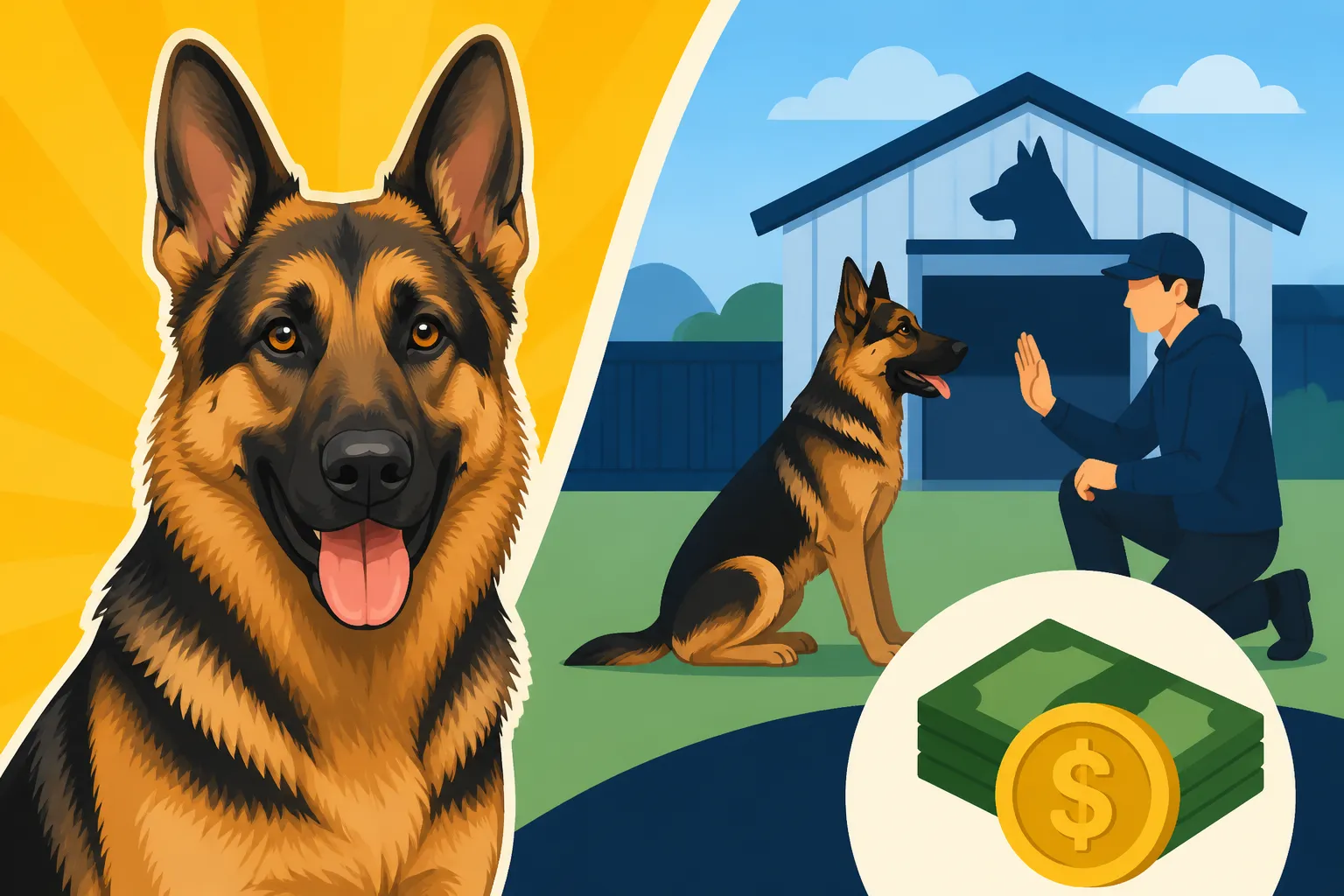
German Shepherd Board and Train Cost
It’s a common scenario: you love your German Shepherd fiercely, but you’re facing behavioral challenges that feel overwhelming. Maybe they’re pulling incessantly on the leash, displaying reactivity towards other dogs, or struggling with basic obedience, and you're at your wit's end trying to manage it all. When the frustration mounts and traditional weekly classes just aren't cutting it, a board and train program often crosses a worried owner's mind. This comprehensive guide will break down everything you need to know about German Shepherd board and train costs, what to expect, and how to determine if it's the right path for your family and your furry companion.
Understanding German Shepherd Board and Train Programs
When we talk about "board and train" for German Shepherds, we're referring to an immersive training experience where your dog lives with a professional trainer, either at their facility or in their home, for an extended period. This isn't just a fancy boarding kennel; it's a dedicated program designed to fast-track learning and address specific behavioral issues through consistent, professional intervention. For many German Shepherd owners, who know how smart yet challenging these dogs can be, it can seem like a beacon of hope.
The Immersive Training Model Explained
The core benefit of the board and train model is immersion. Imagine your German Shepherd spending several weeks in an environment where every interaction is a training opportunity, every walk is a lesson, and every moment contributes to their behavioral development. This constant, consistent structure is incredibly powerful. Unlike once-a-week group classes where you go home and might struggle to replicate the training environment, board and train offers a 24/7 learning experience. Trainers can identify and correct behaviors as they happen, reinforcing good habits repeatedly throughout the day. This level of consistency is particularly effective for strong-willed or highly reactive German Shepherds, who thrive on clear boundaries and predictable routines. It’s like sending your kid to a rigorous summer camp where they learn a new skill every single day.
Common Behavioral Issues Addressed
German Shepherds are magnificent dogs, but they're not without their quirks and challenges. A board and train program can tackle a wide array of issues that might be making your daily life stressful. On the more straightforward side, programs often focus on fundamental obedience commands such as sit, stay, come, down, and heel, both on and off-leash. They can also work wonders for basic manners, like stopping jumping on guests or waiting politely at the door.
However, where board and train truly shines for German Shepherds is in addressing more complex behavioral problems. This could include significant leash reactivity, where your dog barks and lunges at other dogs or people during walks, or even more serious issues like resource guarding or mild forms of aggression. Many owners struggle with their German Shepherd's boundless energy and tendency towards destructive chewing or digging, especially during the adolescent phase. A good board and train program will develop a personalized strategy to address these deep-seated habits. For German Shepherds prone to separation anxiety, professional intervention can help build confidence and teach them to be calm when left alone, though follow-up work at home is always crucial. If you've ever felt utterly defeated by your German Shepherd's antics, a board and train facility offers a chance to reset and build a stronger foundation. This approach can be particularly beneficial for owners looking for solutions to common issues like how to stop German Shepherd separation anxiety or effective methods to handle German Shepherd puppy biting.
Key Factors Influencing Board and Train Costs
The sticker shock of a board and train program can be significant, but understanding what drives those costs can help you make an informed decision. Several variables contribute to the final price tag, and recognizing these factors will allow you to compare programs more effectively.
Program Duration and Intensity
One of the most significant cost drivers is the length of the program. Board and train programs typically range from two weeks to eight weeks, or even longer for severe behavioral issues.
- Two-week programs are usually focused on basic obedience, polite leash walking, and house manners. They can be a good refresher or a solid start for a well-adjusted puppy, but might not be enough for deeply ingrained habits in an adult German Shepherd.
- Four-week programs offer a more comprehensive approach, allowing trainers more time to solidify commands, work on more complex behaviors, and introduce advanced concepts. This is often the sweet spot for many owners looking to address a range of issues effectively.
- Six to eight-week programs, or even longer, are generally reserved for German Shepherds with significant behavioral problems like aggression, severe anxiety, or deeply ingrained reactivity. The extended time allows for thorough behavior modification, desensitization, and consistent proofing in various environments. The longer the stay, the higher the cost, as it requires more dedicated time, resources, and individualized attention from the trainer.
The intensity of the program also plays a role. Some programs offer a lower staff-to-dog ratio, providing more one-on-one attention, which will naturally come at a higher price point.
Trainer Expertise and Reputation
Just like any professional service, the experience and reputation of the trainer or facility significantly impact the cost. A highly sought-after trainer with decades of experience, specialized certifications (like Certified Professional Dog Trainer – CPPT-KA, or similar accreditations from organizations like the Karen Pryor Academy), and a proven track record of successfully rehabilitating German Shepherds will command higher fees.
Consider a trainer who has extensive experience specifically with the German Shepherd breed. Their understanding of German Shepherd temperament and personality, their intelligence, drive, and potential pitfalls (like strong prey drive or guarding instincts) is invaluable. They'll know how to motivate these dogs, understand their physical capabilities, and anticipate breed-specific challenges. Newer trainers, or those with less specialized experience, may offer lower rates, but you run the risk of less effective or even detrimental training, especially if your German Shepherd has complex behavioral issues. Always look for transparent reviews and ask for references.
Geographic Location and Facility Quality
Where the training facility is located can drastically affect the price. Just like real estate, dog training services in high cost-of-living areas, such as major metropolitan cities like Los Angeles, New York, or Boston, or affluent suburbs, will naturally be more expensive than those in rural areas or smaller towns. Operational costs for businesses, including rent, utilities, and staff salaries, are much higher in these regions.
The quality and type of facility also matter. Some trainers operate out of their private homes, offering a more home-like environment, which can be beneficial for dogs that might struggle in a traditional kennel setting. Others have dedicated training centers with climate-controlled kennels, expansive play yards, and specialized equipment. Some facilities might even offer luxury amenities like private rooms, webcams for owners, or specialized enrichment activities. A top-tier facility with state-of-the-art equipment and ample space will incur higher overheads, which are passed on to the client. When researching, make sure to visit the facility if possible, or at least ask for a virtual tour, to assess the environment where your German Shepherd will be staying.
Specific Behavioral Issues Being Addressed
The nature of the behavioral problems your German Shepherd presents will heavily influence the cost. Basic obedience, like learning to sit or stay, requires less intensive and specialized intervention than severe aggression towards other dogs or people.
- Basic Obedience and Manners: These programs focus on foundational commands and polite behavior, often costing less due to the lower complexity and risk involved.
- Minor Behavioral Issues: Problems like excessive barking, digging, or mild leash pulling might fall into this category, requiring more targeted but still manageable training.
- Complex Behavioral Modification: This is where costs escalate. Addressing issues like severe reactivity, dog-on-dog aggression, human aggression, profound fear, or intense resource guarding requires a highly skilled trainer, often a longer program duration, and specialized protocols. The trainer takes on more risk and expends significantly more time and energy safely managing and modifying these challenging behaviors. This might involve extensive desensitization, counter-conditioning, and management strategies that are highly individualized. For owners dealing with deep-seated issues, the investment can be life-changing, ensuring a safer and happier future for both dog and family.
Inclusions and Post-Program Support
Finally, the overall package of the board and train program can impact the price. Some programs are all-inclusive, meaning the quoted price covers:
- Food: High-quality dog food for the duration of the stay. Some trainers might even recommend premium brands like Ollie for optimal nutrition, or accommodate your dog's specific diet.
- Training Equipment: Leashes, collars, muzzles (if necessary), and specialized training tools.
- Grooming: Basic grooming services like baths and nail trims.
- Veterinary Check-ups: While not typically for illness, some programs might include a wellness check or ensure your dog is up-to-date on vaccinations. It’s always smart to have pet insurance from providers like Healthy Paws to cover any unforeseen medical emergencies during their stay, just in case.
Crucially, many reputable programs include follow-up private lessons for the owners once the German Shepherd returns home. This is vital because the dog learns new behaviors, but the owner needs to learn how to maintain and reinforce them. Without proper owner education, the training can quickly unravel. Some programs offer multiple follow-up sessions, group classes, or lifetime support. The more comprehensive the post-program support, the higher the overall cost, but also potentially the greater the long-term success.
Average Cost Breakdown of German Shepherd Board and Train Programs
So, what can you actually expect to pay for a German Shepherd board and train program? It’s not a one-size-fits-all answer, but we can provide some general ranges based on program length and the level of service. Remember, these are averages, and specific quotes will depend on all the factors we just discussed.
Typical Price Ranges by Program Length
Generally, you'll find programs structured in weekly increments, with longer programs often offering a slightly lower weekly rate due to the extended commitment.
- 2-Week Programs: These are usually the most affordable, typically ranging from $1,500 to $3,500. They're best suited for young puppies needing a solid foundation in basic obedience or for adult German Shepherds needing a quick brush-up on manners without significant behavioral problems. Think of it as a "kick-start" program.
- 3-Week Programs: A popular choice for slightly more comprehensive basic obedience and addressing one or two minor behavioral issues. Costs typically fall between $2,500 and $5,000. This duration allows for more repetition and generalization of commands in various environments.
- 4-Week Programs: Often considered the "standard" for serious behavioral modification and advanced obedience. This duration gives trainers ample time to work through more complex issues, like leash reactivity or moderate anxiety, and to thoroughly proof commands. Expect to pay anywhere from $3,500 to $7,000.
- 6-Week Programs and Beyond: Reserved for the most challenging cases, such as severe aggression, deep-seated fear, or multiple complex behavioral problems. These extended stays allow for intensive rehabilitation, slow desensitization, and extensive confidence-building. Costs can range from $5,000 to $10,000+. For these situations, the investment is substantial, but the potential for a complete transformation in your German Shepherd's behavior can be priceless.
It's also worth noting that some trainers offer "refresher" programs at a reduced rate for alumni dogs, or specialized packages that bundle training with boarding for future vacations.
Here's a general table summarizing potential costs:
| Program Duration | Typical Cost Range (USD) | Focus Areas | Ideal For |
|---|---|---|---|
| 2 Weeks | $1,500 – $3,500 | Basic obedience, house manners, leash walking fundamentals | Puppy foundation, adult refresh, mild issues |
| 3 Weeks | $2,500 – $5,000 | Enhanced obedience, minor behavioral fixes (e.g., jumping), recall building | Slightly more ingrained habits, good all-around start |
| 4 Weeks | $3,500 – $7,000 | Advanced obedience, moderate reactivity, confidence building, behavior mod | Most common for serious behavioral problems, strong foundation for GSDs |
| 6+ Weeks | $5,000 – $10,000+ | Severe aggression, profound fear, multiple complex issues, specialized tasks | Deep rehabilitation, specialized working roles, highly challenging cases |
Potential Hidden Costs and Unexpected Expenses
While a reputable board and train program will be transparent about their fees, it's wise to budget for potential hidden or unexpected expenses.
- Veterinary Care: Despite thorough vetting before acceptance, sometimes dogs get sick or injured during their stay. It could be a simple upset stomach from a change in diet, or something more serious. While trainers will typically notify you immediately, you'll usually be responsible for vet bills. This is where having robust pet insurance, like a plan from Healthy Paws, can be a lifesaver, covering unexpected medical costs.
- Specialized Equipment: While some equipment might be included, if your German Shepherd requires a specific type of collar, harness, or muzzle that the trainer doesn't typically provide, you might need to purchase it.
- Extended Stay Fees: If your German Shepherd is making slower-than-expected progress, or if additional unforeseen issues arise, the trainer might recommend an extended stay, which would incur additional costs.
- Transportation: You'll need to factor in the cost of dropping off and picking up your German Shepherd. If the facility is far away, this could mean significant fuel costs or even a need for specialized pet transport services.
- Post-Training Supplies: After the program, you might need to purchase new or updated training tools recommended by the trainer. Online retailers like Chewy are excellent resources for finding specific leashes, long lines, or puzzle toys that support continued training at home.
- "Decompression" Boarding: Some trainers recommend a short period of decompression boarding after a long board and train, allowing your dog to slowly reintegrate into a home environment without immediate pressure, which can also be an added cost.
Being prepared for these possibilities ensures you don't face financial surprises and can focus on your German Shepherd's successful return home. Looking into options like "German Shepherd Vet Costs Per Year" can give you a broader perspective on the financial commitment of owning this breed.
Is Board and Train Worth the Investment for Your German Shepherd?
The decision to send your German Shepherd to a board and train program is a significant one, both emotionally and financially. It’s natural to weigh the pros and cons carefully, especially when considering the substantial cost.
Benefits and Drawbacks to Consider
Let's start with the upsides. The benefits of a well-executed board and train program can be truly transformative:
- Accelerated Learning: This is perhaps the biggest draw. The immersive nature, combined with a professional trainer's expertise, means your German Shepherd can learn and solidify new behaviors much faster than in weekly classes. Consistent repetition and immediate correction build strong habits.
- Professional Expertise: Trainers in these programs have a deep understanding of dog behavior and training methodologies. They can identify the root causes of issues, implement effective strategies, and adapt to your dog's individual learning style. This is especially valuable for complex problems that might stump even the most dedicated owner.
- Behavioral Modification for Difficult Issues: For German Shepherds with serious behavioral problems like aggression, severe reactivity, or deep-seated anxiety, a board and train program might be the safest and most effective path to rehabilitation. The controlled environment and professional handling can prevent escalation and create lasting positive change.
- Consistency and Structure: German Shepherds thrive on consistency. In a board and train, every interaction is purposeful, establishing clear boundaries and expectations that might be difficult for busy owners to maintain around the clock.
- Owner Education: Reputable programs include thorough handover sessions and follow-up support, teaching you how to maintain the training. This is crucial for long-term success.
However, there are drawbacks that need careful consideration:
- High Cost: As we've seen, board and train programs are a significant financial investment, potentially thousands of dollars.
- Separation Anxiety (for you and your dog): Many owners find it incredibly difficult to be separated from their beloved German Shepherd for several weeks. Some dogs might also experience temporary stress or anxiety from being away from their familiar home and family, though good trainers mitigate this.
- Transfer of Learning: While your dog will learn with the trainer, the real test is how well those behaviors transfer back to your home environment and your handling. This is why thorough owner education and follow-up support are non-negotiable.
- Potential for Unforeseen Issues: While rare with reputable trainers, there's always a slight risk of your dog not responding well to the environment or developing new issues if the training methods aren't a good fit. This underscores the importance of choosing a highly vetted program.
- Ethical Concerns: Some programs might use outdated or adverse training methods. It's crucial to research a trainer's philosophy and ensure it aligns with your values.
For many, the benefits of addressing a critical behavioral issue often outweigh the financial and emotional costs, especially if it means preventing rehoming or improving the overall quality of life for their German Shepherd. For those struggling with specific issues, looking into resources like "German Shepherd Aggression" or "German Shepherd Reactivity on Walks" can help determine the severity of their dog's needs.
When to Consider Alternatives
Board and train isn't the only solution, and it's not always the best fit. Sometimes, alternative approaches can be equally effective and more budget-friendly.
- Private In-Home Lessons: If you have the time and dedication, a private trainer who comes to your home can be incredibly effective. They can observe your German Shepherd in their natural environment, tailor exercises to your specific challenges, and directly coach you on handling. This approach fosters a stronger human-dog bond during the training process. This is often a more affordable option, ranging from $75-$200 per session, depending on the trainer and location.
- Group Obedience Classes: For basic obedience and socialization, group classes are an excellent, cost-effective option. They provide a structured environment with distractions, which helps your German Shepherd learn to focus around other dogs and people. Prices typically range from $150-$300 for a 6-8 week course. They are fantastic for building a foundation and are often recommended for German Shepherd puppy training.
- Online Courses and DIY Training: With the abundance of resources available (books, YouTube channels, paid online courses), highly motivated owners can achieve a lot through self-study. This is the most budget-friendly option, but requires significant self-discipline and the ability to critically evaluate information and apply it correctly. Retailers like Chewy offer a vast array of training tools and treats that can support your DIY efforts.
- Day Training: Similar to board and train but your dog goes home with you at the end of the day. A professional trainer works with your German Shepherd during the day, and then transfers the knowledge to you in short sessions. This can be a middle-ground approach, offering professional consistency without the overnight separation.
- Behavioral Consultations with a Veterinary Behaviorist: For severe or complex behavioral issues (like extreme anxiety, phobias, or aggression with a strong medical component), sometimes the first step should be a veterinary behaviorist. These are veterinarians with specialized training in animal behavior, who can prescribe medication if necessary and provide a holistic behavioral modification plan. Their initial consultations can be expensive ($300-$600+), but their expertise is invaluable for cases that go beyond typical training.
The best approach depends on your German Shepherd's specific needs, the severity of the issues, your budget, and your own availability and commitment to participate in the training process. Considering the "Cost of Owning a German Shepherd Per Year" can put these training investments into perspective within the overall budget.
Choosing the Right German Shepherd Board and Train Program
Once you've decided that a board and train program is the right fit for your German Shepherd and your family, the next crucial step is selecting the right program. This isn't a decision to rush, as the quality of the training can profoundly impact your dog's future.
Researching Trainers and Facilities
Begin your search by looking for trainers who specialize in German Shepherds or have extensive experience with large, intelligent, working breeds. Their understanding of the breed's nuances – their drive, protective instincts, and need for mental and physical stimulation – will be invaluable.
- Certifications and Credentials: Look for trainers with recognized certifications such as Certified Professional Dog Trainer (CPDT-KA or CPDT-KSA), Karen Pryor Academy Certified Training Partner (KPA CTP), or those affiliated with professional organizations like the Association of Professional Dog Trainers (APDT). These certifications indicate a commitment to ethical, science-based training methods.
- Reviews and Testimonials: Read online reviews on Google, Yelp, and their social media pages. Pay attention to feedback specifically from German Shepherd owners. Ask for references and don't hesitate to contact them. A reputable trainer will be happy to connect you with past clients.
- Training Philosophy: This is critical. Understand their approach to training. Do they use positive reinforcement exclusively, or do they incorporate a balanced approach? Avoid any trainers who advocate for harsh, punitive, or fear-based methods, especially for a sensitive and intelligent breed like the German Shepherd. Their methods should align with your values and be based on modern canine science.
- Transparency: A good trainer will be transparent about their methods, facility, and costs. Be wary of anyone who is vague or pushes for a quick decision without a thorough consultation.
What to Ask During Consultations
Once you've narrowed down your choices, schedule consultations (often free or for a small fee). This is your opportunity to interview the trainer and assess if they're a good match. Here are essential questions to ask:
- "What specific training methods do you use?": Dig deep here. Ask for examples of how they'd handle your dog's specific issues. Do they explain the "why" behind their techniques?
- "What is a typical day like for dogs in your program?": This will give you insight into their routine, exercise, training sessions, and downtime.
- "How do you handle medical emergencies or illnesses?": Understand their protocol, emergency vet affiliations, and your financial responsibility. This is where you can mention your pet insurance, like Healthy Paws, to show you're prepared.
- "What is the staff-to-dog ratio?": A lower ratio usually means more individualized attention for your German Shepherd.
- "What does your post-program support entail?": Clarify how many follow-up lessons are included, their duration, and any ongoing support (e.g., phone calls, email, refresher courses). This is non-negotiable for success.
- "Can I visit the facility or see where my dog will be staying?": Absolutely demand this. If they refuse or make excuses, it's a red flag.
- "How do you ensure the training transfers to me?": A good program focuses heavily on educating the owner. Ask for details on their handover process.
- "Can you provide references from German Shepherd owners?": Specific breed experience is a plus.
Visiting the Facility
A personal visit to the training facility is paramount. Don't rely solely on photos or videos. When you visit, pay attention to:
- Cleanliness and Safety: Is the facility clean, well-maintained, and safe? Are kennels appropriately sized and secure? Are outdoor areas free of hazards?
- Dog Demeanor: Observe the other dogs currently in training. Do they seem relaxed and happy, or stressed and anxious? A calm, focused environment is a good sign.
- Staff Interaction: Watch how the staff interacts with the dogs. Are they patient, gentle, and enthusiastic, or do they seem rushed or heavy-handed?
- Smell and Sound: While it's a dog facility, it shouldn't be overpoweringly smelly or excessively noisy. This indicates good hygiene and effective management.
- Enrichment: Are there opportunities for play, mental stimulation, and appropriate socialization? German Shepherds are highly intelligent and need more than just rote drills.
Choosing a board and train program is a significant investment in your German Shepherd's future and your peace of mind. Taking the time to research thoroughly, ask the right questions, and visit in person will help ensure you make the best decision for your beloved companion. Finding the right program is as important as understanding the costs, as detailed in guides like "How to Choose a Vet for a German Shepherd" or "How to Choose a German Shepherd Breeder."
Disclaimer
Please remember that the information provided in this guide regarding German Shepherd board and train costs is for general informational purposes only and should not be considered professional advice. Prices can vary significantly based on location, trainer experience, specific program inclusions, and the individual needs of your dog. Always consult with a qualified dog trainer or veterinary behaviorist to discuss your German Shepherd's specific behavioral needs and to get an accurate quote for services. This guide does not endorse any specific training methods or facilities; always do your own thorough research and due diligence before making a decision.