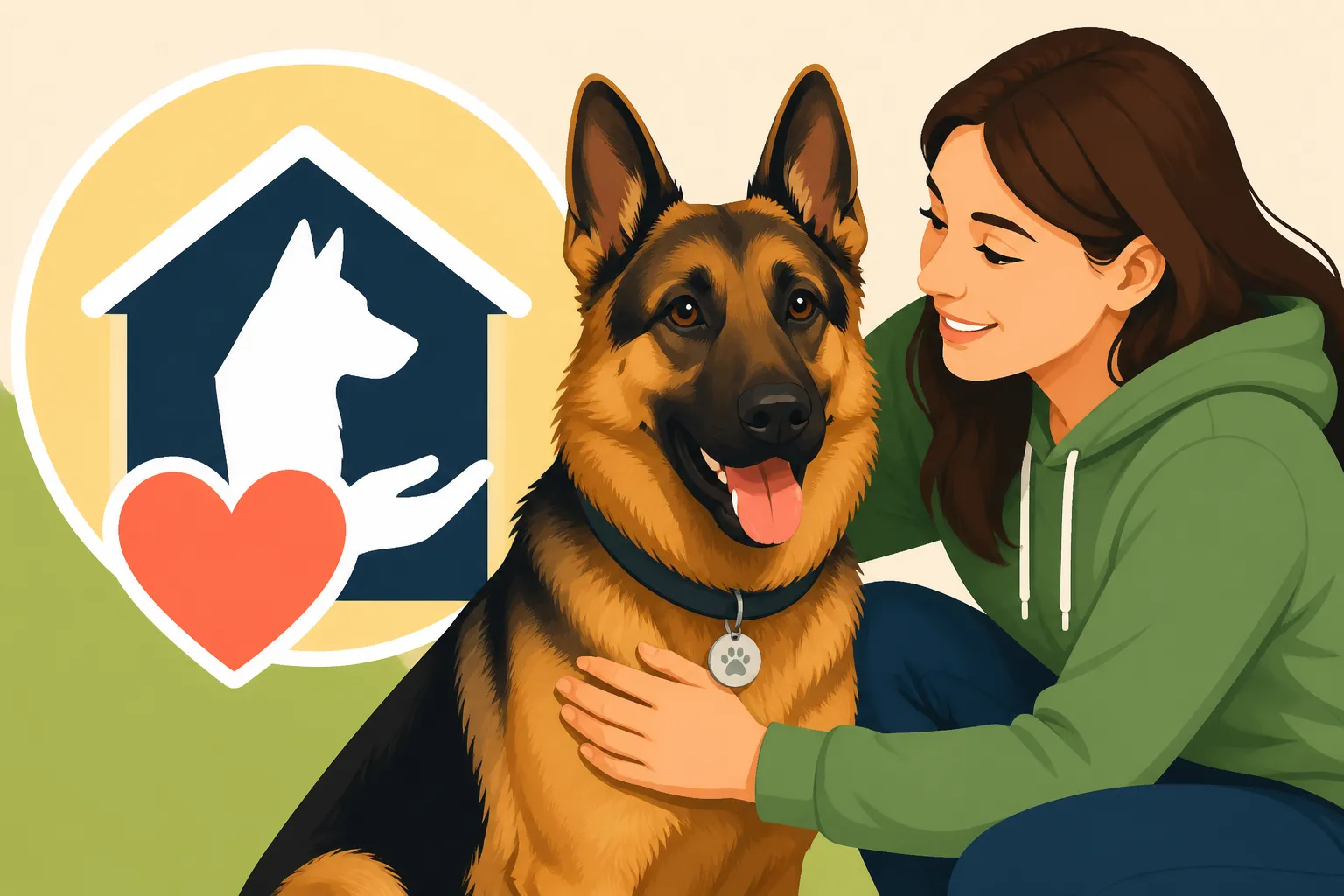
How to Adopt a German Shepherd from a Rescue
Bringing a new German Shepherd into your life is an incredibly rewarding experience, but the journey to finding your perfect companion, especially through a rescue, can feel like navigating a maze. Many prospective adopters feel overwhelmed by the detailed applications, home visits, and the uncertainty of a dog's past, leaving them wondering if they're even "good enough" to adopt. This comprehensive guide is here to demystify the process, walking you through every step of adopting a German Shepherd from a rescue organization, from finding the right match to welcoming your new family member home.
The Heart of the Matter: Why Rescue a German Shepherd?
Deciding to adopt a German Shepherd from a rescue rather than buying from a breeder is a deeply personal choice, and it often comes with a unique set of joys and challenges. For many, the appeal lies in offering a second chance to a dog who truly needs one, turning a difficult past into a bright future. It's not just about saving a life; it's about enriching your own with the profound loyalty and love a rescued GSD can offer.
The Undeniable Benefits of Adoption
There’s something truly special about the bond you forge with a rescue dog. These dogs often come with stories, some heartbreaking, some simply a change in family circumstances, but all deserving of a loving home. When you adopt, you're directly contributing to reducing the number of homeless animals and supporting the tireless work of rescue organizations. Many rescue German Shepherds are already house-trained, understand basic commands, or have started their training journey, which can be a huge bonus compared to a blank slate puppy. Plus, rescue groups often invest in initial veterinary care, including spaying/neutering, vaccinations, and microchipping, which can save you significant upfront costs that you'd face with a new puppy. You might also find that many rescues offer a trial period, giving you peace of mind that it's truly the right fit for everyone.
Addressing the Common Misconceptions and Concerns
It’s easy to think that rescue dogs come with "baggage" or are only available because they have severe behavioral issues. While some may indeed have experienced trauma or neglect, leading to certain quirks, many are simply victims of circumstance. Perhaps their previous owners moved, developed allergies, or underestimated the commitment required for a powerful, intelligent breed like a German Shepherd. Rescues work diligently to assess each dog's temperament, provide necessary rehabilitation, and ensure they are matched with the right family.
One common concern is the unknown history of a rescue dog. Unlike a puppy from a reputable breeder where you might review a detailed pedigree or even understand the temperament of the parents, a rescue GSD's past can sometimes be a mystery. This can lead to questions about health or specific behaviors. However, rescue organizations are typically transparent about what they know, and they often spend weeks or months observing dogs in foster homes to get a true sense of their personality, needs, and potential challenges. They can often tell you about their interactions with children, other pets, and their energy levels. Furthermore, many rescues provide a thorough vet check-up before adoption, offering a baseline of the dog's current health. If you're particularly worried about long-term health, understanding German Shepherd Genetic Health Testing can be helpful in the long run for any GSD, rescue or otherwise.
Navigating the German Shepherd Rescue Adoption Process
Adopting a German Shepherd from a rescue is more than just picking out a cute face; it's a careful matching process designed to ensure the dog finds its forever home and you find the perfect companion. While each rescue organization might have slight variations, the core steps are usually quite similar, emphasizing thorough vetting to prevent future rehoming.
Step-by-Step Guide to a Successful Adoption
The journey often begins with research and a leap of faith. Be prepared for a process that can take anywhere from a few weeks to several months, depending on the availability of suitable dogs and the rescue's protocol.
Finding Reputable German Shepherd Rescues
Start by looking for breed-specific German Shepherd rescues. These organizations specialize in the breed, understand their unique needs, and often have a network of experienced foster homes. A quick online search for "German Shepherd rescue near me" will likely yield several options. Organizations like the German Shepherd Rescue of Orange County, Mid-Atlantic German Shepherd Rescue, or specific regional GSD rescue groups are excellent places to start. Petfinder and Adoptapet are also invaluable resources, allowing you to filter by breed and location, showcasing dogs available from various shelters and rescue groups across the country. Don't be afraid to look a bit further afield if a particular dog catches your eye, as many rescues facilitate out-of-area adoptions.
The Application and Screening Process
Once you've identified a rescue, the first step is usually to fill out a detailed application. This form typically asks about your living situation (house, apartment, yard size), your experience with dogs (especially large breeds), your work schedule, family members (including children and their ages), and any other pets. They want to know about your lifestyle, how you plan to exercise and train the dog, and your understanding of a German Shepherd's needs. Be honest and thorough; this is their way of ensuring you're a good fit.
It's common for rescue organizations to conduct reference checks, often contacting your veterinarian if you've owned pets before, as well as personal references. This helps them confirm you have a history of responsible pet ownership. They're looking for consistency and a genuine commitment to animal welfare.
The Home Visit and Interview
After reviewing your application, a rescue volunteer may schedule a home visit. This isn't an inspection to see if your house is spotless, but rather an opportunity for them to see the environment where the German Shepherd would live. They'll assess your fencing, discuss safe areas for the dog, and get a better feel for your family dynamics. This is also your chance to ask any lingering questions about the adoption process, the rescue's philosophy, or even Is a German Shepherd Right for You in general. They might ask about your plans for training, how you'll manage exercise, and what your daily routine looks like. It's a two-way street for gathering information.
Meeting Your Potential Companion
Once approved, you'll typically be invited to meet potential German Shepherds. This is the exciting part! However, it's important to keep an open mind. The dog you initially saw online might not be the best match in person, or a dog you overlooked might capture your heart. Bring all household members, including other dogs if permitted and handled carefully, to ensure everyone gets along. Observe the dog's behavior, ask questions about their personality, energy levels, and any known quirks. Some GSDs thrive in active homes, while others prefer a calmer environment, making it crucial to find a good temperament match.
Common Hurdles and How to Overcome Them
The adoption process can sometimes feel stringent, and it's not uncommon for applicants to face challenges. Understanding these can help you prepare.
Stringent Requirements and Why They Matter
Rescue organizations often have strict requirements, such as a securely fenced yard, specific age limits for children, or previous experience with large breeds. This isn't to be difficult; it's because they are fiercely dedicated to preventing dogs from ending up back in the rescue system. German Shepherds are powerful, intelligent dogs that require significant exercise, training, and mental stimulation. A secure fence isn't just a suggestion; it can be vital for their safety and for preventing escapes, which is a common reason dogs are surrendered. If you live in an apartment, be prepared to explain in detail how you will meet the extensive German Shepherd Exercise Requirements. Being upfront and demonstrating how you meet their criteria or plan to address any gaps will go a long way.
Dealing with Application Rejections
It can be disheartening to have an application rejected, but try not to take it personally. It simply means the rescue believes a particular dog or the breed, in general, might not be the best fit for your current living situation or lifestyle. Instead of giving up, ask for feedback. Did they have concerns about your fence height? Your work hours? Your experience level? Use this feedback to either adjust your approach for other rescues or to re-evaluate if a German Shepherd is truly the right breed for you at this time. Sometimes, getting a German Shepherd Puppy Training Guide or taking classes beforehand can show commitment.
Preparing for Your Rescued German Shepherd's Arrival
Bringing a rescue German Shepherd home is a momentous occasion, but proper preparation is key to a smooth transition. These dogs thrive on routine and clear expectations, and having everything in place before they walk through your door will minimize stress for both of you.
Creating a Safe and Welcoming Environment
Your home should be a sanctuary, especially for a dog who might have experienced instability. Think about what a GSD needs to feel secure, comfortable, and safe.
Essential Supplies and Home Modifications
Before your new GSD arrives, ensure you have all the basics:
- Crate: A sturdy, appropriately sized crate provides a safe den and is invaluable for How to Crate Train a German Shepherd or reinforcing existing crate training. Ensure it's large enough for them to stand, turn around, and lie down comfortably.
- Food and Water Bowls: Stainless steel or ceramic are generally recommended for hygiene.
- High-Quality Dog Food: Ask the rescue what food they've been feeding. A sudden dietary change can cause stomach upset. If you plan to switch, do so gradually over several days. Brands like Ollie, known for fresh, human-grade food, or popular kibble options available on Chewy, can be excellent choices, but always introduce them slowly.
- Leash, Collar, and ID Tags: A strong 6-foot leash and a comfortable, secure collar or harness are essential. Don't forget an ID tag with your current contact information, even if they're microchipped.
- Toys: Durable chew toys (German Shepherds are strong chewers!), puzzle toys for mental stimulation, and soft toys for comfort.
- Dog Bed: A comfortable, supportive bed in a quiet area.
Beyond supplies, "dog-proofing" your home is crucial. Remove any toxic plants, secure cleaning supplies, medicines, and small items that could be swallowed. If you don't already have one, a secure fence is paramount for a German Shepherd. Walk your yard to check for any gaps or weaknesses that a determined GSD might exploit. If you're bringing home a GSD with a history of anxiety, especially separation anxiety, consider setting up a dedicated "safe space" where they can retreat and feel secure.
Health and Veterinary Care Considerations
Your rescue German Shepherd will likely come spayed/neutered and up-to-date on vaccinations and deworming, but a visit to your own veterinarian within the first week or two is highly recommended. This allows your vet to establish a baseline for their health, address any concerns from the rescue, and get them on your local flea, tick, and heartworm prevention regimen. Discuss any specific health conditions mentioned by the rescue. Some GSDs might come with undiagnosed issues, or conditions like hip and elbow dysplasia may develop later. Having a plan for ongoing care and understanding common German Shepherd Health Problems Guide is crucial. This is also a good time to consider pet insurance, with providers like Healthy Paws offering comprehensive plans that can help manage unexpected veterinary costs.
Setting Expectations and Establishing Routine
A rescue German Shepherd has likely experienced change and uncertainty. A consistent routine will provide predictability and help them feel safe in their new environment.
The "Honeymoon Period" and Beyond
Expect a "honeymoon period" during the first few days or weeks where your new GSD might be quiet, withdrawn, or exceptionally well-behaved. This is often because they are adjusting to a new environment and observing their surroundings. Their true personality may not emerge for several weeks or even months. It’s vital to be patient and understanding during this time. Avoid overwhelming them with too many new experiences, people, or other dogs right away. Let them settle in at their own pace. Be prepared for potential regression in house-training or an increase in anxiety as they become more comfortable and their past experiences resurface.
Initial Training and Socialization Strategies
Even if your rescue GSD has had some training, consistent positive reinforcement training from day one is essential to build a strong bond and establish clear communication. Start with basic commands like sit, stay, come, and leash manners. Keep training sessions short, fun, and rewarding. If they have specific German Shepherd Behavior Problems and Solutions or challenges from their past, consider enrolling in a local obedience class or hiring a professional trainer experienced with rescue dogs. For socialization, introduce them to new people, places, and other calm, well-behaved dogs gradually and always in a positive, controlled manner. Read up on How to Socialize a German Shepherd to ensure a positive experience for your new dog.
Life After Adoption: Thriving Together
The adoption isn't the finish line; it's the beginning of a beautiful journey. Building a lasting relationship with your rescue German Shepherd requires ongoing commitment, patience, and a deep understanding of their needs.
Building Trust and Strengthening Your Bond
The most crucial aspect of life with a rescue GSD is developing trust. Many come from situations where trust was broken or never established. Your consistent, patient, and loving actions will be the foundation of their new, secure life.
Patience and Understanding During Adjustment
It can take weeks, even months, for a rescue German Shepherd to fully decompress and show their true personality. They might exhibit behaviors like anxiety, fear, or insecurity, especially in new situations or around unfamiliar people. For example, a GSD rescued from a noisy, chaotic environment might be easily startled by loud sounds or sudden movements. Patience is paramount. Don't rush their comfort levels. Allow them to approach new things on their terms. Celebrate small victories, like making eye contact, taking a treat from your hand, or relaxing in your presence. Understand that setbacks can happen, and they are not a reflection of your failure, but part of their healing process. If your GSD shows signs of German Shepherd Separation Anxiety Solutions, be prepared to address it with consistency and professional guidance if needed.
Positive Reinforcement and Consistent Routines
German Shepherds are highly intelligent and thrive on structure and positive reinforcement. Consistent daily routines for feeding, walks, potty breaks, and playtime provide a sense of security and predictability. Use rewards-based training methods—treats, praise, toys—to reinforce desired behaviors. Never use punishment-based methods, as these can damage trust, particularly with a dog who may have a history of trauma. Instead, focus on teaching them what you want them to do. For example, instead of yelling when they jump, teach them to "sit" for attention. This consistent, positive approach is key to helping them feel safe and understood, cementing their place as a cherished family member.
Addressing Ongoing Needs and Challenges
Even after settling in, a German Shepherd's needs are ongoing. Their physical and mental well-being requires continuous attention, and potential challenges may arise that need proactive management.
Continuous Training and Enrichment
German Shepherds are working dogs at heart and require consistent mental and physical stimulation throughout their lives. This isn't a "set it and forget it" breed. Continued training, whether it's advanced obedience, trick training, agility, or scent work, keeps their minds engaged and prevents boredom-related destructive behaviors. Incorporate puzzle toys, interactive games, and regular walks or runs to burn off their ample energy. Many German Shepherds excel in dog sports, providing a wonderful outlet for their intelligence and athleticism. Resources like German Shepherd Obedience Training Basics can provide a solid foundation for continued learning.
Health, Nutrition, and Financial Planning
Regular veterinary check-ups are essential for monitoring your German Shepherd's health, especially as they age. They are prone to certain health conditions, and early detection can make a significant difference. Discuss appropriate diet with your vet, especially if your GSD has specific needs or allergies. Review our German Shepherd Feeding Guide for detailed nutritional advice. Remember that German Shepherds can be expensive to own. Factor in costs for quality food, veterinary care, potential training classes, and toys. If you're wondering about the big picture, our guide on the Cost of Owning a German Shepherd Per Year can help you budget. Having an emergency fund or pet insurance, like plans offered by Healthy Paws, is a smart way to prepare for unexpected medical expenses. Many owners use online retailers like Chewy for convenient delivery of food, treats, and other supplies, often at competitive prices. For those interested in higher-end nutrition, a brand like Ollie delivers fresh meals tailored to your dog’s needs.
Dealing with Behavioral Relapses or New Issues
It's not uncommon for rescue dogs to experience behavioral relapses, especially during times of stress or change. Old fears might resurface, or new issues like resource guarding or reactivity might appear. The key is to address these issues promptly and compassionately. Avoid making assumptions about the dog's intentions; instead, observe the behavior and try to understand its root cause. For example, a dog who guards food might have experienced scarcity in the past. Consult with a professional dog trainer or veterinary behaviorist for guidance. They can help you implement strategies to manage and modify challenging behaviors, ensuring a harmonious home for everyone.
Disclaimer
This guide offers general information about adopting a German Shepherd from a rescue. Every dog is an individual, and rescue processes can vary. Always consult with veterinary professionals and certified dog trainers for advice tailored to your specific German Shepherd and situation.