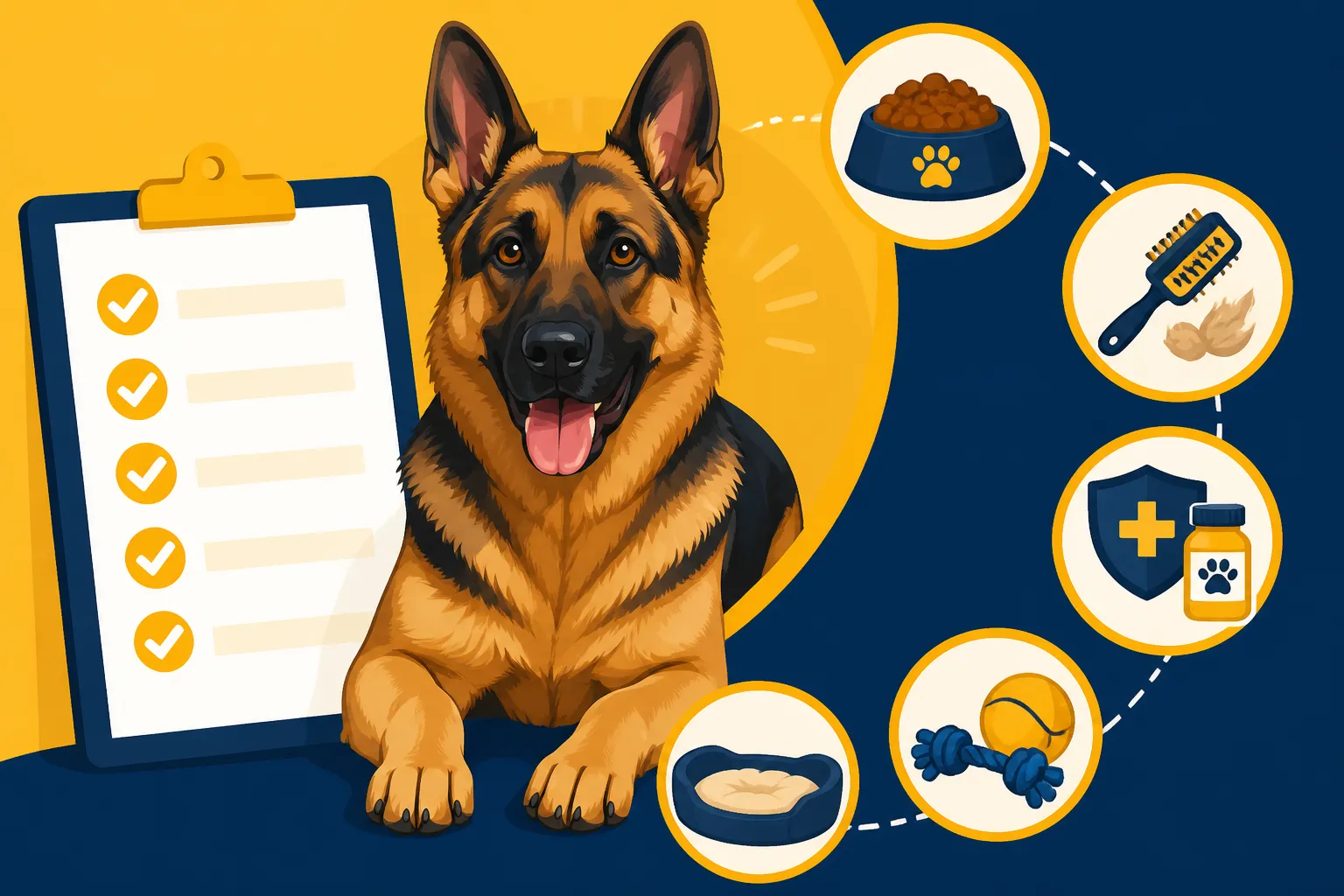
German Shepherd Ongoing Monthly Cost Checklist
Bringing a magnificent German Shepherd into your home is an incredibly rewarding experience, full of loyal companionship and endless joy. However, as any seasoned GSD owner will tell you, the initial puppy price or adoption fee is just the tip of the iceberg when it comes to the true financial commitment. Many new owners feel a bit blindsided by the ongoing monthly expenses, which can really add up. It’s not just about what they eat but everything else that goes into keeping these intelligent, active, and sometimes sensitive dogs happy and healthy. This comprehensive guide is designed to give you a realistic, no-fluff checklist of the monthly costs you can expect when owning a German Shepherd, helping you budget wisely and avoid any unwelcome financial surprises down the line.
Food and Nutrition Expenses
This is often the single largest ongoing expense for a German Shepherd, and it’s an area where cutting corners can have long-term health implications. What your German Shepherd eats directly impacts their energy levels, coat health, and overall well-being.
Choosing the Right Food for Your German Shepherd
The type of food you choose plays a massive role in your monthly budget. German Shepherds are large, active dogs with specific nutritional needs, especially during their crucial growth phases and as they age. High-quality kibble formulated for large breeds is a common choice, offering a balance of nutrients, but prices can vary wildly. A premium kibble brand, often recommended by veterinarians for its quality ingredients and digestibility, can easily cost more per bag than a generic option, but it often means better absorption and fewer digestive issues.
For instance, a high-quality kibble might cost anywhere from $60 to $100+ for a large bag (around 30-40 lbs), which typically lasts an adult German Shepherd about 3-4 weeks, depending on their activity level and specific caloric needs. If you’re looking into fresh food options, which many owners swear by for their health benefits, the costs can be significantly higher. Services like Ollie deliver pre-portioned, human-grade food right to your door, offering excellent nutrition but often at a price point of $100-$200 or more per month, depending on your dog's size and activity level. You’ll want to research "Best Dog Food for German Shepherds" to find what truly suits your budget and your dog's specific needs.
Special Dietary Needs and Treats
Beyond basic kibble or fresh food, you might encounter additional dietary expenses. Some German Shepherds develop allergies or sensitivities that require specialized limited-ingredient diets, which can be more expensive. For example, if your GSD has a sensitive stomach, finding "German Shepherd Sensitive Stomach Solutions" might involve trying a few different specialized foods until you find one that works, and these often come with a premium price tag. Older German Shepherds might need senior formulas or joint supplements, adding to the monthly food budget.
Don't forget treats! Most owners use treats for training, enrichment, or just as a way to show affection. A good supply of training treats, dental chews, or recreational chews like bully sticks or natural bones will add another $20-$50 per month, depending on how generous you are and your dog's chewing habits. Buying in bulk from online retailers like Chewy can sometimes help mitigate these costs, especially for staples like kibble and favorite treats.
Veterinary Care and Preventative Health
Even the healthiest German Shepherd requires regular veterinary attention to stay in top form. These costs are essential for preventing more serious and expensive problems down the line, but they can sometimes feel like a financial strain.
Routine Check-ups and Vaccinations
While annual wellness exams and booster vaccinations might not be a monthly bill, it's wise to set aside a portion of your budget each month to cover these predictable yearly expenses. A typical annual vet visit for a healthy adult German Shepherd, including an exam, basic vaccinations (like distemper/parvo and rabies), and perhaps a fecal test, can range from $150 to $300. Puppies, of course, require a series of vaccinations, deworming, and multiple check-ups in their first year, which makes the initial months significantly more expensive. Understanding the full "German Shepherd Vaccination Schedule" can help you plan.
Beyond vaccinations, routine bloodwork might be recommended for older German Shepherds or those with underlying conditions to monitor organ function. These preventative screenings are critical for early detection of potential issues, but they add to your veterinary expenses. Think of it as investing in your dog's long-term health to avoid larger costs later.
Flea, Tick, and Heartworm Prevention
These medications are non-negotiable for most German Shepherds, especially if they spend time outdoors, which most do! Flea, tick, and heartworm preventatives are usually administered monthly or quarterly and are vital for protecting your dog from parasites that can cause serious, even fatal, diseases. The cost for a large breed like a German Shepherd typically ranges from $20 to $60 per month, depending on the specific product (topical, oral, collar) and brand you choose.
It's tempting to skip these during certain seasons, but veterinarians universally recommend year-round prevention, as parasites can be a threat even in colder months or indoor environments. Heartworm treatment, for example, is extremely expensive, painful for the dog, and a lengthy process if they contract it, making prevention a much wiser financial and welfare choice. This kind of preventative care is a cornerstone of "How to Keep a German Shepherd Healthy."
Grooming and Basic Supplies
German Shepherds have a thick double coat that, while beautiful, requires regular attention. Beyond their fur, there's a whole host of daily necessities that contribute to your monthly spending.
Coat Care and Grooming Tools
German Shepherds are notorious for their shedding, especially during their biannual "blow coat" seasons. To manage this, you’ll need a good set of grooming tools: a sturdy slicker brush, an undercoat rake, a deshedding tool (like a Furminator), and potentially a high-velocity dryer. While these are initial investments, they contribute to the ongoing monthly "cost" in terms of wear and tear or replacement. Regularly brushing your German Shepherd several times a week isn't just about keeping your house cleaner; it prevents matting, promotes healthy skin, and reduces the likelihood of skin infections.
Unless you opt for professional grooming, which can run $60-$100+ per session every few months, you’ll also need dog-specific shampoo and conditioner. A good quality large bottle might cost $15-$30 and last several months, but if your GSD loves mud or has skin issues, you might go through it faster. For more details on maintaining their beautiful coat, check out our guide on "How to Groom a German Shepherd."
Essential Replacements and Hygiene
Beyond the fur, your German Shepherd needs a steady supply of basic hygiene items. This includes nail clippers or a dremel ($10-$30, replaced as needed), ear cleaner ($10-$20 every few months), and dog-specific toothpaste and brushes ($10-$25 for a kit). Consistent dental care is crucial for preventing costly dental disease down the road, and this means regular brushing. You can find more comprehensive advice in our article on "German Shepherd Dental Care Explained."
Then there are the everyday consumables: poop bags (easily $10-$20 a month, depending on how many walks you take!), and possibly puppy pads if you have a young pup or an older dog with incontinence issues. Toys, especially for a powerful chewer like a German Shepherd, will need frequent replacement. Durable chew toys can be expensive, often $15-$30 each, and might only last a few weeks or months. Soft toys rarely last more than a day! These "consumable" supplies are an often-underestimated part of the monthly budget.
Training and Enrichment
A well-behaved, happy German Shepherd is a trained German Shepherd. These intelligent dogs thrive on mental stimulation and consistent training, which is an ongoing investment in their well-being.
Ongoing Training and Classes
While you might invest in puppy classes or basic obedience courses upfront, training for a German Shepherd is truly a lifelong endeavor. Many owners find it beneficial to enroll in refresher classes, advanced obedience, or specialized sports like agility or Schutzhund. These classes often run $150-$300 for a 6-8 week session, which, when amortized, adds $25-$50+ to your monthly budget if you're consistently enrolled in something. Even if you're training at home, you'll be spending on high-value training treats and potentially new equipment like long lines or specific harnesses. Our "German Shepherd Puppy Training Guide" emphasizes the importance of consistent training.
The monthly cost here isn't just monetary; it’s a time investment that pays off immensely in a calm, confident, and well-adjusted dog. Neglecting training can lead to behavioral issues that might then require even more costly intervention from professional behaviorists.
Mental and Physical Enrichment
German Shepherds have significant "German Shepherd Exercise Requirements" and need mental challenges to prevent boredom and destructive behaviors. This means budgeting for puzzle toys, KONGs, snuffle mats, and other items that make them think. These can range from $10-$40 per item, and you'll want a rotating selection to keep things fresh.
Even simple things like interactive feeders or treat-dispensing toys that encourage problem-solving can keep their minds engaged. You might also consider a subscription box service tailored for large, active dogs, which can provide a monthly dose of new toys and treats for around $30-$50. These enrichment items are crucial for preventing boredom, which can lead to destructive chewing, excessive barking, or other undesirable habits that end up costing you more in damaged furniture or disturbed neighbors.
Contingency Fund and Pet Insurance
While not strictly a "monthly" cost in the same way food is, preparing for the unexpected is perhaps the most critical financial aspect of German Shepherd ownership. Ignoring this part of the budget is where many owners get into trouble.
Building an Emergency Fund
German Shepherds, unfortunately, are prone to certain health issues like hip and elbow dysplasia, bloat, and degenerative myelopathy. Even with excellent care and responsible breeding, accidents and illnesses can happen. A sudden emergency vet visit, such as for an ingestion of a foreign object or an injury, can easily run into hundreds, if not thousands, of dollars. For example, emergency surgery for "German Shepherd Bloat (GDV): Symptoms and Treatment" can cost upwards of $3,000-$7,000.
Having a dedicated emergency fund of at least $2,000-$5,000 for your German Shepherd is highly recommended. While you won't be spending this every month, you should ideally be contributing to it monthly until it reaches a comfortable level. This way, if your dog needs urgent care, you won't be faced with the heartbreaking choice between your dog's health and your financial stability. For more insights into these unpredictable expenses, consider reading "German Shepherd Vet Costs Per Year."
The Value of Pet Insurance
Many German Shepherd owners opt for pet insurance as a way to manage these unpredictable, high-cost veterinary bills. Instead of saving a massive emergency fund yourself, you pay a monthly premium, and the insurance company helps cover a percentage of eligible vet costs if your dog gets sick or injured.
Monthly premiums for a German Shepherd can range from $30 to $100+, depending on your dog's age, your location, the plan's deductible, and the reimbursement rate. Companies like Healthy Paws are popular choices among German Shepherd owners for their comprehensive coverage options. While it’s an added monthly expense, pet insurance can offer immense peace of mind, especially when faced with major medical events. It’s worth exploring "Is Pet Insurance Worth It for a German Shepherd" to see if it’s the right fit for your budget and risk tolerance.
German Shepherd Monthly Cost Checklist Table
To give you a clearer picture, here's a general checklist and estimated monthly cost range for owning a German Shepherd. Keep in mind these are averages, and your actual costs may vary based on your choices, location, and your dog's individual needs.
Category Estimated Monthly Cost (Low) Estimated Monthly Cost (Medium) Estimated Monthly Cost (High) Notes & Examples T=0.1
German Shepherd German Shepherd Ongoing Monthly Cost Checklist.
German Shepherds are incredible companions, but the financial commitment doesn't stop after the initial purchase or adoption. Many new owners find themselves surprised by the cumulative weight of monthly expenses. This guide will provide a straightforward, empathetic look at the ongoing costs of owning a German Shepherd, helping you create a realistic budget and ensure your loyal companion receives the best possible care without financial strain.
Food and Nutrition Expenses
The food bowl is often the biggest single line item in a German Shepherd's monthly budget, and for good reason. These aren't small dogs; they require substantial, high-quality nutrition to fuel their active lifestyles and maintain their impressive physique. Skimping on food quality can lead to health issues down the road, potentially costing you far more in vet bills than you saved on kibble.
Understanding Quality and Quantity Needs
When you bring home a German Shepherd, you're signing up for a commitment to their robust appetite. An adult German Shepherd can consume anywhere from 3 to 6 cups of high-quality dry kibble daily, depending on their age, weight, activity level, and the specific caloric density of the food. Puppies have even more demanding nutritional needs per pound of body weight during their rapid growth phase, often requiring several smaller meals throughout the day. It's crucial to select a food specifically formulated for large breeds, as these diets are designed with appropriate calcium and phosphorus ratios to support healthy bone and joint development, a critical factor for a breed prone to orthopedic issues.
The cost for a premium large-breed kibble will typically range from $60 to $100 for a 30-40 lb bag. This bag might last an average adult GSD about three to four weeks. If you opt for specialized diets, like grain-free or limited ingredient formulas due to sensitivities, or if you explore fresh food options like those offered by Ollie, your monthly bill could easily jump to $100-$200 or even more. While the upfront cost of premium food might seem higher, remember that better nutrition often means a healthier dog, potentially reducing future veterinary expenses. You can find excellent options and often better prices on larger bags through online retailers like Chewy, delivered right to your door.
Treats, Supplements, and Special Diets
Beyond their main meals, your German Shepherd will likely have a monthly budget line dedicated to treats and possibly supplements. Treats are invaluable for training, rewarding good behavior, and simply showing your affection. For a GSD, you'll want durable, healthy treats that stand up to their powerful jaws. A typical monthly treat budget could range from $20 to $50, depending on the type and quantity you purchase. Think about sturdy dental chews, high-value training treats, and occasional recreational chews like bully sticks.
Additionally, many German Shepherd owners choose to incorporate supplements into their dog's diet, especially for joint health, given the breed's predisposition to conditions like hip and elbow dysplasia. Glucosamine, chondroitin, and omega-3 fatty acids are common additions. These supplements can add another $15 to $40 per month. If your German Shepherd develops specific health issues, such as allergies or Exocrine Pancreatic Insufficiency (EPI), their diet might need to be further modified, potentially requiring prescription foods or digestive enzymes, which will significantly increase your monthly food-related costs. For instance, managing "German Shepherd EPI: Symptoms and Treatment" often involves a lifelong commitment to specialized enzymes and diet.
Veterinary Care and Preventative Health
Even with the best nutrition and diligent care, veterinary costs are an unavoidable and essential part of German Shepherd ownership. These aren't just for emergencies; consistent preventative care is key to a long, healthy life for your loyal companion.
Routine Check-ups and Vaccinations
While your German Shepherd won't be at the vet every month for a routine check-up, it’s crucial to budget monthly for these annual appointments. An annual wellness exam for an adult German Shepherd, which typically includes a physical examination, necessary booster vaccinations (like rabies, distemper, parvovirus, and adenovirus), and potentially a fecal test, can range from $150 to $300. Puppies, in their first year, will require a more intensive schedule of vaccinations, deworming, and multiple vet visits, making the first few months significantly more expensive. Having a clear understanding of the "German Shepherd Vaccination Schedule" is vital for planning.
These regular visits are fundamental for catching potential health issues early, monitoring weight, and discussing any behavioral or dietary concerns. For older German Shepherds, routine bloodwork might be recommended annually or semi-annually to monitor organ function, thyroid levels, or screen for common age-related conditions, adding to your overall vet expenses. Investing in these preventative measures is a cornerstone of "How to Keep a German Shepherd Healthy" and often helps prevent more serious, expensive problems in the future.
Parasite Prevention and Dental Maintenance
Keeping your German Shepherd free from fleas, ticks, and heartworms is a non-negotiable monthly expense. These parasites can transmit serious diseases, some of which are life-threatening and incredibly costly to treat. Oral or topical medications for flea and tick prevention typically cost $20-$45 per month for a large breed, while heartworm prevention, often given monthly, can add another $15-$30. Many vets recommend year-round prevention, even in colder climates, as parasites can still pose a risk.
Beyond external and internal parasites, dental health is another critical area for ongoing veterinary-related expenses. While regular brushing at home (with dog-specific toothpaste and brushes) is the first line of defense, most German Shepherds will require professional dental cleanings under anesthesia every few years, especially as they age. A professional dental cleaning can cost anywhere from $300 to $800 or more, depending on the severity of dental disease and any extractions needed. Setting aside a small amount monthly for this larger, infrequent expense is a smart move. Learn more about effective oral care in "German Shepherd Dental Care Explained."
Grooming and Essential Supplies
German Shepherds are not low-maintenance in the grooming department, and their daily needs go beyond just food. Their thick double coat, powerful jaws, and general zest for life mean a steady stream of necessary supplies.
Coat Care and Shedding Management
Anyone who shares their home with a German Shepherd knows one truth: they shed. A lot. Especially during their "blow coat" seasons, which can happen twice a year, you’ll be amazed at the sheer volume of fur. To manage this, you need a collection of grooming tools: a sturdy slicker brush, an undercoat rake, and a quality deshedding tool (like a Furminator or a high-velocity dryer). While these are initial investments, they do wear out or need replacing over time. Expect to spend $10-$20 on replacement brushes or blades annually if you’re doing most of the grooming yourself.
You'll also need dog-specific shampoo and conditioner. A large bottle might last several months, costing $15-$30 each. However, if your German Shepherd enjoys rolling in mud or has sensitive skin requiring medicated shampoos, you might go through these more quickly. Some owners opt for professional grooming every few months, especially during heavy shedding periods, which can add $60-$100 or more per session. Managing "German Shepherd Shedding: How to Manage It" effectively is crucial for both your dog's comfort and your home's cleanliness.
Daily Essentials and Replacements
The list of essential supplies for a German Shepherd goes on. Nail care is vital; regularly trimmed nails prevent discomfort and potential paw problems. Whether you use clippers or a dremel, these tools require replacement, and you might factor in $5-$10 monthly for maintenance or occasional professional nail trims. Ear cleaner ($10-$20 every few months) is also important, especially for dogs prone to ear infections.
Then there are the constant consumables: poop bags are a must and can easily cost $10-$20 a month, depending on how many walks your GSD enjoys. Toys are another major factor. German Shepherds are strong chewers, and even the most "indestructible" toys eventually meet their match. Expect to replace durable chew toys, puzzle toys, and enrichment items regularly, budgeting anywhere from $20-$50 per month for new playthings. Beds, leashes, collars, and harnesses also need periodic replacement due to wear and tear. A good quality, comfortable dog bed for a large breed can be a significant investment (hundreds of dollars) but should last a few years if maintained, meaning a small monthly allocation for its eventual replacement.
Miscellaneous and Emergency Planning
Beyond the routine, there are always unexpected costs and opportunities to enhance your German Shepherd's life. Being prepared for these "extras" is a sign of a truly responsible owner.
Contingency Fund or Pet Insurance Premiums
This is perhaps the most critical, yet often overlooked, aspect of German Shepherd ownership. While no one wants to think about their beloved dog getting sick or injured, the reality is that major veterinary emergencies or chronic conditions can arise unexpectedly. German Shepherds are predisposed to certain health issues like hip and elbow dysplasia, bloat, and certain cancers. A sudden illness or accident can lead to vet bills ranging from hundreds to several thousands of dollars for diagnostics, medications, and surgery.
Therefore, setting aside money each month for a dedicated emergency fund (aiming for $2,000-$5,000) or paying for pet insurance premiums is essential. Pet insurance, from providers like Healthy Paws, offers a way to manage these unpredictable costs by covering a significant portion of eligible vet bills in exchange for a monthly premium. For a German Shepherd, premiums can range from $30 to $100+ per month, depending on the plan's coverage, deductible, and your dog's age and location. This monthly investment can provide immense peace of mind and prevent devastating financial strain during a crisis. For a deeper dive, consider our article on "Is Pet Insurance Worth It for a German Shepherd."
Training Refreshers and Doggy Daycare
While initial training classes are often a one-time fee, continued education and socialization are beneficial for a German Shepherd's mental health and behavior. This might involve enrolling in an advanced obedience course, a specialty class like nose work or agility, or simply refreshing basic commands with a trainer. These drop-in or short-course fees can add $25-$50 per month if you're consistently pursuing them.
Additionally, for owners who work long hours, doggy daycare or a dog walker can be an excellent way to provide much-needed exercise and socialization. A few days a week at a quality daycare can cost $20-$40 per day, easily adding $80-$160+ to your monthly budget. Even if it's just an occasional treat, budgeting for these services contributes to your German Shepherd's overall well-being and prevents boredom-related destructive behaviors.
Disclaimer
Please note: This article provides general information and estimated costs based on averages and common scenarios for German Shepherd ownership. Actual expenses can vary significantly depending on your specific location, your dog's age, health status, individual needs, brand choices, and unexpected veterinary emergencies. Always consult with your veterinarian for personalized advice regarding your German Shepherd's care and health.