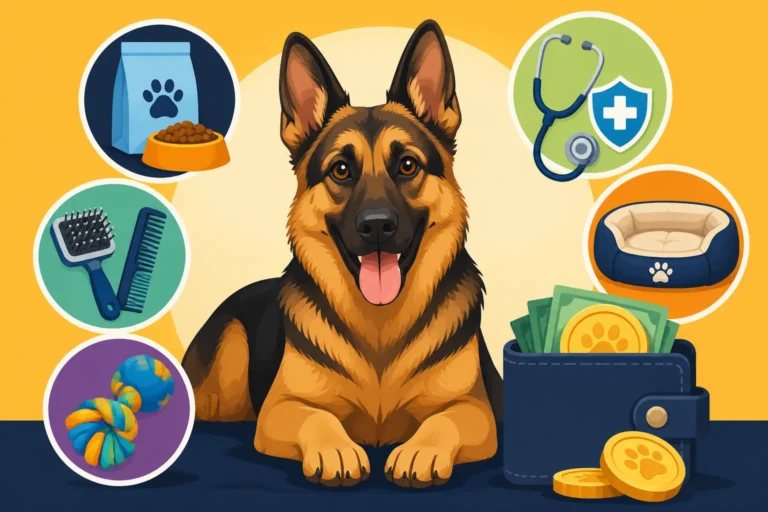
How Much Does a East German DDR German Shepherd Cost
Bringing a German Shepherd into your life is an incredible journey, but for many, the initial hurdle is often the upfront cost, especially when you're looking at a specific lineage like the East German DDR lines. It can feel overwhelming trying to understand why some puppies are priced vastly differently and what you're truly getting for your investment. This guide is here to cut through the confusion, offering a comprehensive and realistic breakdown of what to expect financially when considering an East German DDR German Shepherd.
Understanding the East German DDR German Shepherd Lineage
When you hear "DDR German Shepherd," it's natural to envision a powerful, intelligent dog, but it's essential to understand what truly defines this lineage and why it often comes with a distinct price point. This isn't just a fancy label; it signifies a specific approach to breeding that prioritizes certain traits, which in turn impacts their value.
What Makes DDR German Shepherds Unique?
The history of the DDR German Shepherd is deeply rooted in post-World War II East Germany (the German Democratic Republic). While the rest of the German Shepherd world, particularly West Germany, began to emphasize conformation for show rings, breeders in the DDR were focused squarely on producing exceptional working dogs for their police, military, and border patrol needs. This meant strict selection criteria that went far beyond mere aesthetics. They were primarily concerned with robust health, unwavering nerves, physical soundness, and an incredible work ethic.
This historical divergence is why DDR lines often boast a more utilitarian, athletic build compared to some of the heavily sloped-back show lines seen elsewhere. Their temperaments are typically characterized by high drive, intelligence, and a strong desire to work and please their handlers. Owners often report that these dogs thrive when given a job to do, whether it's protection work, obedience, tracking, or agility. The emphasis on functional anatomy and mental fortitude means that a true DDR German Shepherd is designed for endurance and resilience, both physically and mentally. This inherent soundness and capability are key contributors to their perceived and actual value.
Distinguishing True DDR Lines from Marketing Gimmicks
Here's where many prospective owners can get frustrated: the term "DDR" has become quite a buzzword, and not all breeders who use it are truly offering genuine East German lineage. It's easy to be swayed by a breeder marketing their puppies as "DDR" without them actually having a strong, verifiable pedigree rooted in those historical lines. This is a common pitfall, and it’s critical to become an educated consumer. A true DDR German Shepherd pedigree should trace back to dogs bred under the rigorous East German standards, not just any German Shepherd that happens to be from Eastern Europe.
To navigate this, you'll need to do your homework. Look beyond the flashy website or the impressive photos. Ask for detailed pedigrees, not just names, but actual documentation. Research the kennel names that appear in the pedigree to verify their origins and reputations. A reputable breeder of DDR lines will be transparent about their dogs' ancestry and eager to educate you on the specifics. They should also provide comprehensive health clearances for the parent dogs, including OFA vs PennHIP Hip Scoring Explained and elbow certifications, as well as genetic testing for conditions like Degenerative Myelopathy in German Shepherds. A genuine DDR breeder's commitment to preserving the working quality and health of the line will be evident in their practices and the thoroughness of the information they provide. This dedication is a significant part of the value you're paying for.
The Initial Purchase Price of a DDR German Shepherd Puppy
Once you understand the unique history and purpose behind the DDR German Shepherd, the initial price tag starts to make more sense. This isn't just about buying a dog; it's about investing in a legacy of careful breeding and proven quality.
Average Price Range and Influencing Factors
Generally, you can expect the initial purchase price for a well-bred East German DDR German Shepherd puppy from a reputable breeder in the United States to range anywhere from $2,000 to $5,000, and sometimes even higher. This range isn't arbitrary; it reflects a multitude of factors that contribute to the quality and long-term health of your future companion. For puppies directly imported from Europe, especially from highly respected kennels, prices can easily start at $3,500 and go up significantly, often reaching $8,000 or more once shipping and import fees are factored in.
Several key factors heavily influence where a puppy falls within this spectrum:
- Breeder Reputation and Experience: An established breeder with a long history of producing healthy, stable DDR lines will command higher prices. Their experience, knowledge, and consistent track record are invaluable.
- Parentage: The quality, health, and working titles of the sire and dam play a huge role. If both parents have excellent health clearances (hips, elbows, DM clear) and impressive working titles (like IPO/IGP, K9, or other performance achievements), their puppies will naturally be more expensive.
- Location: Prices can vary regionally. In areas with higher demand or fewer reputable DDR breeders, prices might be on the higher end.
- Included Services: Many reputable breeders include initial veterinary checks, deworming, first rounds of vaccinations, microchipping, and a puppy starter kit in the purchase price. Some even begin initial German Shepherd Puppy Training Guide or socialization.
- Registration and Papers: Whether the puppy comes with full American Kennel Club (AKC) registration eligibility (sometimes referred to as "papers") or other breed club registrations.
- "Pet Quality" vs. "Breeding/Working Potential": Often, puppies are priced differently based on their potential. A puppy deemed "pet quality" might be slightly less expensive than one with strong potential for breeding or high-level working competitions.
Why the Price Tag Can Be High (and Justified)
It’s easy to look at a four-figure price tag for a puppy and feel a little sticker shock. However, for a true DDR German Shepherd from a responsible breeder, this price is almost always justified by the significant investment and dedication involved. Ethical breeding is not a money-making scheme; it's a passion and a huge commitment.
Here's a closer look at what goes into that cost:
- Extensive Health Testing: Reputable breeders invest heavily in ensuring their breeding dogs are healthy. This includes expensive certifications like OFA or PennHIP evaluations for hips and elbows, which can run hundreds of dollars per dog. They also perform genetic screenings for conditions like Degenerative Myelopathy (DM), cardiac issues, and Von Willebrand Disease. This proactive approach significantly reduces the likelihood of future heartbreaking and costly health issues for your puppy, such as those covered in the article on German Shepherd Hip Dysplasia Explained.
- Quality Care for Breeding Dogs and Puppies: This includes top-tier nutrition for the pregnant dam and growing puppies, regular veterinary care, appropriate supplements, and a clean, safe environment. Raising a litter properly involves a tremendous amount of time, effort, and resources.
- Socialization and Early Development: Good breeders don't just put puppies in a box. They provide extensive early socialization, introducing puppies to various sounds, textures, people, and experiences. This crucial foundation helps develop a stable, confident temperament, which is particularly vital for a high-drive breed like the DDR German Shepherd.
- Guarantees and Support: Many reputable breeders offer health guarantees, usually for genetic conditions, and often provide lifetime support and guidance to their puppy owners. This ongoing mentorship is invaluable, especially for first-time German Shepherd owners.
- Preserving the Line: The price also reflects the breeder's dedication to preserving the specific traits and working abilities of the DDR line, which requires careful selection and a deep understanding of genetics and breed standards. You're not just buying a dog; you're buying into a carefully cultivated legacy.
Beyond the Purchase: Ongoing Costs of Ownership
The initial purchase price is just the beginning of your financial commitment. Owning a German Shepherd, especially a high-energy, intelligent DDR line, involves substantial ongoing expenses. Being prepared for these will ensure a happy and healthy life for your dog and less stress for your wallet.
Essential Supplies and Initial Setup
When you first bring your DDR German Shepherd puppy home, you'll need a host of supplies to get started. Don't underestimate these initial setup costs, as they can quickly add up.
Here's a breakdown of what you'll typically need:
- Crate: A sturdy, appropriately sized crate is essential for crate training, safety, and providing a den-like space. For a German Shepherd, you'll need a large or extra-large crate, which can cost anywhere from $70 to $200.
- Bedding: Comfortable, durable bedding is a must. Consider washable, chew-resistant options that can withstand a growing puppy and an active adult dog. Expect to spend $30-$100+.
- Food and Water Bowls: Stainless steel or ceramic bowls are durable and easy to clean. Look for options that prevent tipping. Budget $20-$50.
- Collar, Leash, and Harness: A well-fitting collar, a strong leash (a 6-foot standard leash is a good start), and possibly a front-clip harness for training will be necessary. These can range from $40-$100+ depending on quality and materials.
- Toys: DDR German Shepherds are intelligent and have strong chew drives, so investing in durable, stimulating toys is critical to prevent destructive behaviors. Think Kongs, Nylabones, and interactive puzzle toys. Expect to spend $30-$70+ initially, and ongoing costs as toys get worn out. You can find a vast selection of these and other pet supplies easily on platforms like Chewy, making it simple to get everything delivered right to your door.
- Grooming Tools: A good brush (like a de-shedding tool for their thick double coat), nail clippers, and dog-specific shampoo. Initial costs around $40-$80.
- Cleaning Supplies: Puppy pads, enzymatic cleaners for accidents, and general pet-safe cleaning products are a must-have for those early days.
Veterinary Care and Health Investments
One of the most significant ongoing costs, and arguably the most important, is veterinary care. German Shepherds, like all large breeds, are prone to certain health conditions, and proactive care is key to managing them.
- Vaccinations and Parasite Prevention: Puppies require a series of vaccinations, followed by annual boosters. You’ll also need regular deworming, as well as monthly flea, tick, and heartworm prevention. These preventative measures can cost several hundred dollars annually.
- Spay/Neuter: Electing to spay or neuter your German Shepherd is a significant cost, typically ranging from $200 to $800, depending on your location and the vet clinic. Discussions about German Shepherd Spay and Neuter Timing are common, with many advocating for waiting until growth plates close to support joint health.
- Annual Check-ups: Even healthy dogs need annual vet visits for general health assessments, dental checks, and vaccine boosters.
- Unexpected Health Issues: This is the big one. Despite the best breeding, German Shepherds can still face health challenges such as German Shepherd Bloat: Signs and Prevention, allergies, or injuries. Emergency vet visits for issues like bloat surgery can run into thousands of dollars. This is why many owners seriously consider pet insurance. Providers like Healthy Paws offer various plans that can cover a significant portion of unexpected veterinary expenses, providing invaluable peace of mind. Without insurance, it's wise to have a dedicated emergency fund.
- Specialty Diets/Supplements: If your German Shepherd develops allergies or joint issues, you might incur additional costs for prescription diets or joint supplements. The article on German Shepherd Joint Health Supplements provides more insights into these options.
Food, Training, and Enrichment
A high-quality, balanced diet and consistent training are non-negotiables for a thriving DDR German Shepherd, and these come with their own expenses.
- High-Quality Diet: DDR German Shepherds are active dogs with high energy needs. Feeding them a premium, large-breed dog food is crucial for their growth, energy, and overall health. Dry kibble costs can range from $60 to $100+ per month, depending on the brand and your dog's size. If you opt for fresh dog food options, which many owners prefer for their health benefits, brands like Ollie can offer convenient, customized meal plans delivered to your door, though these will typically be on the higher end of the food budget. Remember, good nutrition can also help prevent German Shepherd Skin Problems and Fixes.
- Training Classes: These dogs are highly intelligent and thrive on mental stimulation and structure. Group obedience classes can cost $150-$300 for a multi-week course. Private training, specialized working dog sports (like IGP/Schutzhund), or even board-and-train programs can be significantly more expensive, running into hundreds or thousands of dollars. Learning How to Train a German Shepherd effectively is paramount for this breed.
- Mental Stimulation and Enrichment: Beyond formal training, DDR German Shepherds need daily mental exercise. This means rotating puzzle toys, engaging in scent work, or playing interactive games. These items need to be periodically replaced or updated.
- Grooming: While you can do much of the grooming at home, occasional professional de-shedding treatments, especially during "blow coat" season, can be beneficial and cost $50-$100 per session. Regular brushing, however, is a daily necessity.
Budgeting and Financial Preparedness
Bringing a DDR German Shepherd into your family is a serious long-term commitment, both emotionally and financially. Planning ahead and creating a realistic budget will help ensure you can provide the best possible life for your furry companion without undue stress.
Creating a Realistic Budget
It's truly eye-opening when you sit down and itemize all the potential costs associated with owning a German Shepherd. Beyond the initial purchase, monthly and annual expenses can vary greatly depending on your dog's health, activity level, and your lifestyle choices. A robust budget should not only cover the predictable costs but also allocate funds for unexpected emergencies. Many people underestimate the true financial commitment, leading to difficult situations down the line. To avoid this, consider setting aside a significant emergency fund, perhaps $2,000-$5,000, specifically for your dog's health needs, or invest in a comprehensive pet insurance policy. The article on German Shepherd Monthly Expenses Breakdown offers an even more detailed look into these figures.
Let's break down typical cost categories:
| Category | Initial (One-Time) Cost (Est.) | Annual Ongoing Cost (Est.) | Monthly Ongoing Cost (Est.) |
|---|---|---|---|
| Purchase Price | $2,000 – $5,000+ | N/A | N/A |
| Initial Supplies | $200 – $500 | N/A | N/A |
| Vet Care (Puppy) | $300 – $800 (vaccines, deworming, initial checks, microchip) | N/A | N/A |
| Spay/Neuter | $200 – $800 | N/A | N/A |
| Food (Premium) | N/A | $720 – $1,200 | $60 – $100 |
| Routine Vet Care (Adult) | N/A | $300 – $600 (check-ups, parasite prevention) | $25 – $50 |
| Training (Classes/Supplies) | N/A | $150 – $500 (classes, advanced) | $12.50 – $40 |
| Grooming (DIY/Pro) | N/A | $50 – $300 (brushes, shampoo, occasional pro) | $4 – $25 |
| Toys & Enrichment | N/A | $100 – $300 | $8 – $25 |
| Pet Insurance | N/A | $300 – $840 | $25 – $70 |
| Miscellaneous (License, etc.) | N/A | $20 – $100 | $2 – $8 |
| Emergency Fund (Savings) | $2,000 – $5,000 (recommended) | N/A | N/A |
| TOTAL (Excluding Purchase/Spay/Neuter) | $200 – $500 (Initial Supplies) | $1,640 – $3,840+ annually | $136 – $320+ monthly |
Note: These are estimates and can vary based on location, specific product choices, and unexpected health issues.
Is the Investment Worth It?
For many, the financial commitment required for a genuine East German DDR German Shepherd is substantial, and it’s a valid question to ask if it's truly "worth it." The answer, for those who value the specific traits of this lineage, is a resounding yes. When you invest in a well-bred DDR German Shepherd, you're not just getting a pet; you're gaining a highly intelligent, loyal, and capable partner. Their strong nerves, excellent health foundations, and unparalleled work ethic mean they are often less prone to the behavioral and health issues that can plague poorly bred dogs. This often translates to fewer headaches, less stress, and potentially lower long-term vet bills.
The long-term value extends beyond just finances. The peace of mind that comes from knowing your dog has been bred for soundness and stability is immeasurable. These dogs thrive on interaction and purpose, and with proper How to Train a German Shepherd and socialization, they become incredible family protectors and companions. The joy, companionship, and sense of security they bring to a home truly make the investment worthwhile for the right owner. Their dedication and love are boundless, and for those who are prepared for the commitment, a DDR German Shepherd is an extraordinary addition to their life.
Disclaimer
Please remember that the information provided in this article is for general guidance only and should not replace professional veterinary advice. Costs are estimates and can vary significantly based on location, specific breeders, product choices, and individual dog needs. Always consult with a qualified veterinarian for any health concerns or before making decisions about your dog's care.