How Long to Crate Train a German Shepherd
Bringing a German Shepherd into your home is an exciting adventure, but sometimes the journey starts with a bit of a bumpy road, especially when it comes to crate training. Many new GSD owners feel overwhelmed, wondering if their pup will ever truly settle into their crate, or if the crying at night will ever end. Rest assured, you're not alone in these frustrations. This comprehensive guide will walk you through what to expect regarding the duration of crate training for your German Shepherd, from puppyhood to adulthood, and how to navigate common challenges to build a positive relationship with their crate.
Understanding the German Shepherd's Crate Training Journey
Crate training is often seen as a necessary evil, but for a German Shepherd, it can be a truly beneficial tool. It taps into their natural instincts and provides a safe haven, making the transition into your home smoother for everyone. However, the path isn't always linear, and understanding the nuances of your GSD's personality and needs is key to success.
Why German Shepherds Benefit from Crate Training
German Shepherds, with their intelligent and often protective nature, thrive on structure and security. A crate provides just that – a den-like space where they can feel safe and secure. In the wild, canines seek out small, confined spaces to sleep and raise their young, and even though our GSDs live pampered lives, those primal instincts are still very much alive. A crate serves as their personal sanctuary, a place where they can retreat when they need quiet time away from the hustle and bustle of family life.
Beyond instinct, a crate is an invaluable tool for house-training. Dogs are naturally clean animals and will instinctively try to avoid soiling their sleeping area. This helps them learn to hold their bladder and bowels, especially overnight or when you're away for short periods. It also helps prevent destructive behaviors, giving you peace of mind when you can't supervise your energetic GSD. Think of it as a temporary management tool, not a punishment, that aids in teaching good habits and keeping them safe from chewing on things they shouldn't.
Moreover, crate training can be a lifesaver in emergency situations or when traveling. If your German Shepherd ever needs to stay at a vet's office, a boarding facility, or even just at a friend's house, being comfortable in a crate will significantly reduce their stress. It's about teaching them that being in a contained space is not frightening, but rather a normal, even comforting, part of life. The confidence a well-crate-trained dog exhibits can make a huge difference in unexpected circumstances.
Factors Influencing Crate Training Duration
There’s no magic number for how long it takes to fully crate train a German Shepherd, because so many variables are at play. First and foremost, a dog's age makes a huge difference. A young German Shepherd puppy, typically between 8 and 16 weeks old, usually adapts faster because they're more open to new experiences and haven't developed strong negative associations. They're also in the prime window for establishing good habits. However, even within puppies, individual temperaments vary wildly. Some may take to it immediately, while others might be more resistant.
An adult German Shepherd can certainly be crate trained, but it might take longer, especially if they've had previous negative experiences with confinement or have never been crated before. Older dogs often have established routines and behaviors that need to be gently redirected. Their personalities, too, play a crucial role; some GSDs are naturally more anxious or independent, making the process a slower, more patient endeavor.
Consistency from you, the owner, is perhaps the most significant factor. If you're inconsistent with the routine, letting them out at the first whine one day and leaving them longer the next, your GSD will get mixed signals, prolonging the training. The environment also matters: is the crate comfortable? Is it in a quiet, den-like spot? Are you providing positive reinforcement consistently with treats and praise? Every detail contributes to how quickly your German Shepherd will embrace their crate as a safe and familiar space.
The Typical Timeline for Crate Training a German Shepherd
Setting realistic expectations is paramount when you embark on crate training. It's a process of gradual desensitization and positive association, not an overnight fix. While some dogs might surprise you with their quick acceptance, it's more common to see progress in stages.
Puppy Crate Training Milestones
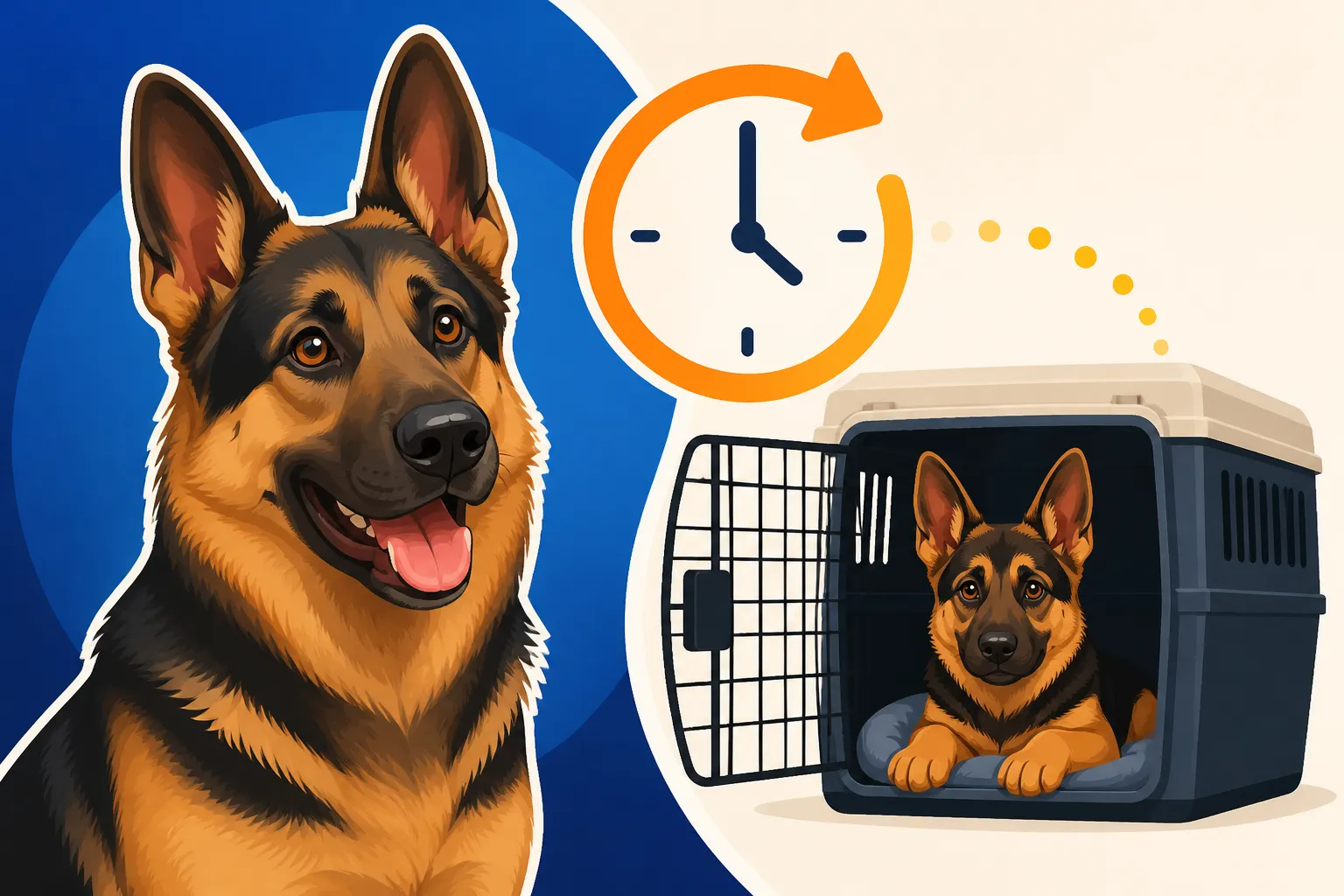
For a German Shepherd puppy, the initial phase often lasts about 1-2 weeks. During this time, the goal is simply to get them comfortable with the crate. This means introducing it as a positive place, feeding them inside, and having them go in for short periods with the door open. You're building that crucial foundation, making the crate associated with good things. You can find many helpful tools like cozy beds and chew toys on Amazon to make the crate more inviting.
After this introductory period, you'll start working on longer durations. Most puppies can begin to tolerate short, supervised periods with the door closed for 30 minutes to an hour within the first week or two. Overnights are often a primary goal, and with consistent effort, many German Shepherd puppies can sleep through the night in their crate by 3-4 weeks into training, usually by around 10-12 weeks of age. However, remember that "sleeping through the night" for a puppy might still involve a late-night potty break, so keep an eye out for signs they need to go. If you're looking for a structured plan, a resource like our guide on how to crate train a German Shepherd can provide detailed steps.
As your puppy grows, the duration they can comfortably spend in the crate will increase. By 3-6 months of age, a well-crated German Shepherd puppy can often stay in their crate for 3-4 hours during the day, provided they've had appropriate potty breaks and exercise beforehand. By the time they reach 6-12 months, many can manage 4-6 hours, which is a huge step towards independent time. Always remember that these are general guidelines; every puppy is unique, and patience is your most important tool.
Adult German Shepherds and Crate Training
Crate training an adult German Shepherd can sometimes feel like a bigger mountain to climb, especially if they've never been crated or have had a bad experience. But don't despair! It is absolutely possible, though it may take a bit longer – typically 4-8 weeks to achieve initial comfort and short durations, and potentially several months for full confidence and longer stays. The key here is extreme patience and very gradual introductions. You're essentially undoing old habits or building entirely new positive associations from scratch.
Start by simply having the crate in an accessible area, making it inviting with soft bedding and treats, and allowing your adult GSD to explore it on their own terms. Never force them in. Once they are comfortable going in and out, begin feeding them meals inside. Gradually close the door for a few seconds, then open it. Slowly increase this duration over days or even weeks. It's crucial to make every interaction a positive one. If your adult German Shepherd exhibits signs of stress like excessive panting, drooling, or frantic attempts to escape, you've moved too quickly. Revert to shorter durations and more positive reinforcement.
For adult GSDs, the "why" behind their apprehension can really impact the timeline. A rescue dog with an unknown past might need significantly more time and gentle reassurance than an adult dog who just never had the opportunity to be crated. It's also important to ensure they are getting sufficient German Shepherd Exercise Requirements before crating, as a tired dog is a calm dog. With consistency and positive reinforcement, an adult German Shepherd can learn to view their crate as a secure and calming den.
When a German Shepherd is "Crate Trained": Defining Success
So, how do you know when your German Shepherd is truly "crate trained"? It's more than just being able to stay in the crate without whining. A truly crate-trained GSD will willingly enter their crate, often on command, and settle down calmly. They won't see it as a punishment or a place of confinement, but rather a quiet retreat. When you open the door after a period of crating, they should be calm and relaxed, not frantic to escape.
Ultimately, a successfully crate-trained German Shepherd should be able to spend 4-6 hours comfortably in their crate during the day, and 6-8 hours overnight, assuming they are past puppyhood and have had appropriate potty breaks and exercise. This doesn't mean you should leave them in there for the maximum duration every single day. The crate should be a tool for management and safety, not a primary living space.
The ultimate sign of success is when your German Shepherd chooses to go into their crate on their own, perhaps for a nap or to chew a favorite toy. This demonstrates true comfort and a positive association. Even after they are fully trained, it's a good idea to continue using the crate periodically to reinforce the positive experience and ensure they maintain their comfort level. If you're curious about other training aspects, our comprehensive How to Train a German Shepherd guide offers valuable insights.
Practical Strategies for Effective Crate Training
Successful crate training isn't just about putting your dog in a box; it's about making that box a desirable place to be. Thoughtful preparation and consistent application of positive methods will pave the way for a smooth journey.
Choosing the Right Crate and Location
The first step is selecting the appropriate crate for your German Shepherd. For puppies, a wire crate with a divider is often ideal. This allows you to adjust the size of the usable space as your puppy grows, preventing them from using one end as a potty area and the other for sleeping – a common mistake that can hinder How to Potty Train a German Shepherd. For an adult GSD, choose a crate large enough for them to stand up, turn around, and lie down comfortably, but not so large that they can wander freely. Wire crates are popular for their ventilation and visibility, while solid plastic crates can offer more of a den-like feel and are often preferred for travel. Brands like MidWest Homes for Pets offer good options readily available on Amazon.
Once you have the crate, consider its placement. Initially, it's often best to put the crate in an area where your German Shepherd can still feel connected to the family, especially during the day. This could be in the living room or kitchen. At night, placing the crate in your bedroom or a nearby hallway can help ease separation anxiety, as your GSD can still hear and smell you. As they become more comfortable, you can gradually move the crate to a more permanent, quieter spot if desired. Ensure the location is away from drafts, direct sunlight, or excessive noise, making it a truly peaceful retreat.
Don't forget to make the crate cozy! Line it with soft bedding, like a durable dog bed or blankets. Some GSDs love a familiar scent, so an old t-shirt of yours can provide comfort. Avoid leaving collars or harnesses on your dog while in the crate, as these can get caught and pose a safety risk. The goal is to make the crate an inviting, comfortable den where your GSD wants to spend time.
Making the Crate a Positive Place
The most critical element of crate training is associating the crate with positive experiences. Never use the crate as punishment, and avoid sending your dog to their crate when you're angry or frustrated. If they come to view the crate negatively, the training process will be significantly longer and more difficult. Instead, make the crate a source of good things.
Introduce the crate gradually. Scatter high-value treats inside, throw a favorite toy in, or feed your German Shepherd their meals exclusively in the crate. Start with the door open, allowing them to go in and out freely. Once they are happily entering for treats or food, you can begin closing the door for very short periods (a few seconds), always praising and rewarding them when they are calm. Gradually increase the duration, always staying nearby at first. Interactive toys, like Kongs stuffed with peanut butter or other safe treats, can be a fantastic way to keep them occupied and happy inside the crate. This positive association building is essential for creating a calm and confident crated dog.
You can also incorporate a cue word like "crate" or "kennel" when guiding them in, always followed by praise and a reward. If your German Shepherd is hesitant, you might need to spend more time on these positive games. Some dog training platforms like BAXTER & Bella offer excellent step-by-step videos and coaching that can guide you through these initial positive conditioning exercises, ensuring you're building a solid foundation. Remember, a happy GSD in their crate is a sign of successful training.
Establishing a Routine and Consistency
Dogs, especially intelligent breeds like German Shepherds, thrive on routine. Consistency is the secret sauce for successful crate training. Establish a clear schedule for when your GSD goes into the crate and when they come out. For puppies, this means regular short stints in the crate followed by immediate potty breaks outside. For adult dogs, a consistent schedule for crated time during the day or overnight helps them anticipate and accept the routine.
A typical routine for a young German Shepherd puppy might involve crating after every playtime, nap, and meal, followed by a trip outside immediately upon release. As they grow, the periods between potty breaks and crating can lengthen. Before crating for any significant period, ensure your German Shepherd has had ample opportunity to relieve themselves and has burned off some energy with a good play session or walk. A tired, empty-bladdered dog is far more likely to settle down in their crate.
Consistency extends to everyone in the household. All family members should use the same commands and follow the same rules regarding the crate. Avoid responding to whining or barking immediately, as this teaches your GSD that making noise will get them released. Instead, wait for a moment of quiet before letting them out. If they are consistently eliminating in the crate, you might need to reassess the crate size or their potty schedule. Our guide on German Shepherd Puppy First Week Training offers more specific routine examples that can be applied to crate training.
Common Crate Training Challenges and Solutions
Even with the best intentions and strategies, crate training can present its share of hurdles. German Shepherds are intelligent and can be stubborn, so encountering challenges is often part of the process.
Whining, Barking, and Anxiety in the Crate
One of the most common and frustrating challenges is persistent whining or barking when your German Shepherd is in their crate. It's heart-wrenching to hear your dog in distress, but it's crucial to understand the cause. If it's a new puppy, they might simply be expressing loneliness or the need to potty. If it's an older dog, it could be genuine anxiety or a learned behavior to get attention.
For puppies, especially during the first few nights, some crying is normal as they adjust to being alone. Resist the urge to let them out immediately, as this teaches them that crying works. Instead, if you suspect they need to potty, take them out quietly, without much fuss or play, and immediately put them back in the crate after they relieve themselves. If you're certain it's not a potty issue, try to ignore the whining for short periods, waiting for a pause in the noise before rewarding them or letting them out. You might find resources on German Shepherd Separation Anxiety Solutions helpful if you suspect true anxiety.
For genuine anxiety, such as excessive drooling, destructive behavior in the crate, or frantic escape attempts, you need to go back to basics. Make the crate an even more positive place, using delicious treats and engaging toys. Desensitize them very slowly to the process of being crated. Start with just a second or two, then release. Gradually increase the time. Sometimes, a white noise machine or a blanket over part of the crate can help make it feel more secure. In some cases, consulting with a professional trainer or vet might be necessary to address underlying anxiety issues effectively.
Refusal to Enter the Crate
Some German Shepherds outright refuse to enter the crate, turning their nose up or actively resisting when you try to guide them in. This is usually a sign that they associate the crate with something negative, or simply haven't had enough positive conditioning. Forcing them into the crate will only make the problem worse, increasing their fear or resentment.
The solution here is to restart the positive association from square one. Don't push or pull them. Instead, make the crate the most exciting place in the house. Toss high-value treats (like small pieces of chicken or cheese) just inside the door, then deeper inside. Place their favorite blanket or a new, irresistible chew toy (like a durable Nylabone or a Benebone from Amazon) deep inside. Allow them to retrieve these items and come out freely. Gradually, they will become more comfortable entering the crate on their own.
You can also try feeding all meals exclusively inside the crate, closing the door only for the duration of the meal, then opening it immediately. This makes the crate synonymous with food, a powerful motivator. For very stubborn cases, consider a "crate games" approach where entering the crate is part of a fun training exercise, perhaps guided by online courses or trainers like BAXTER & Bella who can offer specific strategies for reluctant dogs.
Potty Accidents in the Crate
Finding your German Shepherd has had a potty accident in their crate is incredibly disheartening, but it's an issue that can be resolved. The main reasons for crate accidents are typically twofold: either the crate is too large, or your dog hasn't been given adequate opportunities to relieve themselves.
If the crate is too big, your German Shepherd can designate one end as their sleeping area and the other as their bathroom. Dogs generally try to avoid soiling their sleeping space, so if they have enough room to separate the two functions, they might. The fix here is to use a divider to reduce the size of the usable crate space. It should be just large enough for them to stand up, turn around, and lie down comfortably. As they grow and gain better bladder control, you can gradually expand the space.
The other primary reason is an insufficient potty schedule. Puppies have small bladders and cannot hold it for very long. A general rule of thumb is that a puppy can hold their bladder for about one hour for every month of their age (e.g., a 3-month-old puppy can hold it for about 3 hours). Ensure you are taking your German Shepherd out immediately before crating and immediately upon release. If you're gone for long hours during the day, consider hiring a dog walker or asking a friend to let them out. For information on specific dietary concerns that might contribute to loose stools, you might want to read our article on German Shepherd Loose Stool: Common Causes. Consistency and diligence with potty breaks are key to preventing accidents and fostering successful crate training.
German Shepherd Crate Training Milestones
| Age/Phase | Typical Duration | Primary Goals | Signs of Success | Common Challenges |
|---|---|---|---|---|
| Puppy (8-12 wks) | 1-2 weeks (initial comfort) | Positive association, short stints (15-30 min) | Entering willingly for treats, calm for short periods | Whining, fear, potty accidents |
| Puppy (12-16 wks) | 2-4 weeks (extended comfort) | Overnight stays (4-6 hours), daytime (1-2 hours) | Sleeping through night, settling quickly | Continued whining, testing limits |
| Adolescent (4-6 mo) | 1-2 months (consistency) | Day/night consistency (3-4 hours day, 6-8 hours night) | Calmly entering, quiet, relaxed when released | Separation anxiety, resistance after play |
| Adolescent (6-12 mo) | Ongoing reinforcement | Extended periods (4-6 hours day, 8 hours night) | Views crate as den, goes in willingly on command | Occasional regression, boredom |
| Adult (1+ year) | Variable (4-8 weeks to months) | Adapt to routine, comfortable with confinement | Relaxed, independent crate behavior, no stress | Past negative associations, stubbornness |
Disclaimer
The information provided in this guide is intended for general informational purposes only and does not constitute veterinary advice. Always consult with a qualified veterinarian or certified professional dog trainer for personalized advice regarding your German Shepherd's health, behavior, and specific training needs. Individual results may vary based on your dog's age, temperament, health, and your consistency in training.