German Shepherd Exercise Requirements
It’s a common frustration for German Shepherd owners: you’ve walked your dog, thrown the ball a few times, and yet, they’re still pacing, nudging you with a toy, or worse, starting to chew on furniture. These dogs are incredible athletes with minds to match, and misunderstanding their profound need for both physical and mental stimulation can lead to a host of behavioral issues that leave both you and your furry companion feeling stressed. This comprehensive guide will delve deep into the German Shepherd exercise requirements, helping you unlock a happier, healthier, and more well-behaved dog.
Understanding Your German Shepherd's Innate Energy Levels
German Shepherds weren't bred to be ornamental lapdogs; they were developed for demanding work. Their very DNA hums with the need for activity, purpose, and engagement. Ignoring this fundamental aspect of their being is like asking a bird not to fly—it goes against their core nature.
The Herding Dog Legacy and Instinct
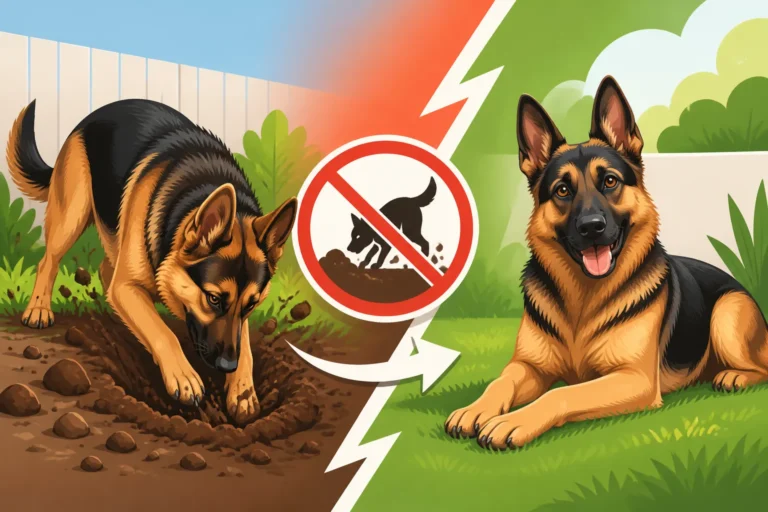
Think about their history for a moment. German Shepherds originated in Germany in the late 19th century, specifically bred to herd and guard sheep. This wasn't a job for a lazy dog; it required intelligence, incredible stamina, agility, and a strong work ethic. They had to be alert, responsive, and capable of covering vast distances, often over varied terrain, all day long. This demanding heritage means that even today's companion German Shepherds carry those same inherent drives. They possess a deep-seated need for a job, whether that's herding sheep, performing Schutzhund, excelling in agility, or simply being your active companion. When these instincts aren't channeled appropriately, they don't just disappear; they often manifest as undesirable behaviors like excessive barking, digging, or destructive chewing. They're not being "bad" dogs; they're simply trying to fulfill their genetic programming in the absence of suitable outlets.
This genetic blueprint is why a simple stroll around the block often leaves a German Shepherd feeling underwhelmed. Their bodies are built for endurance, and their minds crave problem-solving and direction. Understanding this legacy is the first step toward appreciating why their exercise needs go far beyond what many other breeds require. You're not just dealing with a dog; you're sharing your life with an intelligent, driven athlete with a rich working history.
Physical and Mental Vigor
When we talk about German Shepherd exercise requirements, it’s crucial to understand that it’s a two-pronged approach: physical and mental. Many owners make the mistake of focusing solely on physical activity, believing that a long run or a game of fetch is enough. While physical exertion is undeniably vital for their robust bodies, it's only half the equation.
Their physical vigor means they need outlets for their boundless energy. They have powerful muscles, strong bones, and incredible endurance. Activities that challenge them physically, helping to build and maintain this impressive physique, are non-negotiable. This could be anything from brisk walks and jogs to more intense sports like agility, flyball, or long hikes. Without adequate physical exercise, German Shepherds can become restless, gain unhealthy weight, and develop joint issues over time. It's not just about burning off energy; it's about maintaining their physical health and structure.
Equally important is their mental vigor. German Shepherds are highly intelligent dogs, often ranked among the smartest breeds. Their minds are constantly seeking stimulation and problems to solve. A physically tired German Shepherd who hasn't had any mental engagement can still be a handful. Think of it like this: you might be exhausted after a hard day's work, but if your mind is still buzzing with unanswered questions or unsolved problems, true rest remains elusive. For a German Shepherd, mental exercise can come in many forms, such as advanced obedience training, scent work, puzzle toys, learning new tricks, or even interactive games that require them to think. Engaging both their body and their mind simultaneously is the gold standard for a truly satisfied and well-balanced German Shepherd.
Tailoring Exercise to Different Life Stages
Just like humans, a German Shepherd's exercise needs change dramatically throughout their life. What's perfect for a boisterous puppy can be detrimental, and what keeps a senior comfortable might be utterly insufficient for a young adult. Recognizing these stages and adjusting accordingly is key to their long-term health and happiness.
Puppy Exercise Guidelines
This is perhaps the most critical stage for careful exercise management. German Shepherd puppies grow incredibly fast, and their bones, joints, and growth plates are very delicate. Over-exercising a puppy can lead to serious, lifelong orthopedic problems, especially with conditions like hip and elbow dysplasia, which are already prevalent in the breed. The general rule of thumb for puppies is 5 minutes of structured exercise per month of age, twice a day. So, a 3-month-old puppy might get 15 minutes of activity, twice a day. This means short, controlled walks on a leash, supervised play in a secure yard, or short training sessions.
Avoid high-impact activities like long-distance running, jumping from high places, or excessive stair climbing until their growth plates have closed, usually between 12-18 months of age. Free play in a safe, soft environment is fantastic, as puppies can regulate themselves much better than when they are forced into intense, repetitive movements. Keep an eye on your puppy for signs of fatigue, limping, or discomfort. When in doubt, always err on the side of less structured exercise. Puppyhood is about exploring the world, learning basic commands, and building a strong bond with you, not training for a marathon. You can read more about How Much Exercise Is Too Much for a Puppy to ensure you're striking the right balance.
Adult German Shepherd Exercise Needs
Once your German Shepherd reaches full maturity (typically after 18 months, sometimes a bit later for larger males), their exercise requirements kick into high gear. This is when their working dog heritage truly shines, and they need consistent, vigorous activity to thrive. An adult German Shepherd typically needs at least 60-90 minutes of dedicated, high-quality exercise every day. This isn't just letting them out in the yard; it means engaging them in structured activities.
This daily routine should ideally include a mix of aerobic activities like brisk walks, jogging, hiking, or swimming, combined with periods of intense play like fetching a ball or frisbee. Additionally, dedicated mental stimulation is critical. This could be through advanced obedience training, puzzle toys, or even scent work games. Many adult German Shepherds excel in dog sports such as agility, obedience, rally, or Schutzhund, which combine both physical and mental challenges. Without this level of consistent engagement, adult German Shepherds are prone to developing German Shepherd Behavior Problems and Solutions like destructive chewing, excessive barking, digging, or anxiety. Their energy needs are significant, and it's our responsibility as owners to meet them.
Senior German Shepherd Exercise Adjustments
As your German Shepherd enters their golden years, typically around 7-8 years old, their exercise needs will gradually change. While they still require regular activity to maintain muscle tone, joint health, and mental sharpness, the intensity and duration will likely decrease. It’s important not to stop exercising them entirely, as inactivity can worsen conditions like arthritis and lead to weight gain.
Focus on lower-impact activities that are easier on their joints. Shorter, more frequent walks are often better than one long one. Swimming is an excellent, non-weight-bearing exercise that can keep their muscles strong without stressing their joints. Gentle games of fetch, mental puzzle toys, and short, refreshing training sessions are also ideal. Pay close attention to your senior dog's cues; if they're stiff, slow, or showing signs of discomfort after exercise, it's time to reduce the intensity or consult your vet. Conditions like German Shepherd Arthritis in Senior Dogs become more common, and modifying their routine is essential for their comfort. Regular vet check-ups are paramount to monitor their health and adjust their exercise plan as needed. A dog's zest for life shouldn't diminish with age, and appropriate exercise can help them enjoy their senior years to the fullest.
Daily Exercise Requirements: What a German Shepherd Truly Needs
Let's get down to the brass tacks of what your German Shepherd truly requires on a day-to-day basis. It’s not just about a rough estimate; it’s about understanding the minimum baseline to keep them content, healthy, and out of trouble. Many owners underestimate the sheer volume of activity these dogs crave.
Minimum Daily Activity
For an adult German Shepherd, we're talking about a bare minimum of 60-90 minutes of vigorous, structured exercise every single day. And honestly, that's often on the low end for a healthy, energetic working line dog. This isn't just pottering around the garden. This is active engagement.
Imagine a typical day for a German Shepherd:
- Morning (30-45 minutes): A brisk walk or jog, ideally somewhere they can explore different smells and sights, perhaps a park or a trail. This should be more than just a potty break; it's a dedicated exercise session.
- Midday (Optional, 15-30 minutes): If you can, a short burst of fetch, a training session, or a trip to a secure dog park for some supervised play. For those who work, a dog walker or a dedicated family member is crucial here.
- Evening (30-45 minutes): Another substantial walk or a more intense play session in the yard. This is a great time for training or mental games to tire them out mentally before bedtime.
Without these minimums, German Shepherds can quickly become bored and restless. This restlessness manifests as unwanted behaviors such as digging, incessant barking, or anxiety. It's a testament to their powerful drive that they will find ways to entertain themselves, even if those ways are destructive to your home or garden. For a closer look at their general energy levels, check out German Shepherd Energy Level Explained.
Quality Over Quantity
While the duration of exercise is important, the quality of that exercise is paramount for a German Shepherd. A two-hour leisurely stroll where your dog is barely engaged isn't going to cut it in the same way that 45 minutes of intense, varied activity will. Their minds need to be as tired as their bodies.
Consider the difference:
- Low Quality: A long walk on a leash on the same sidewalk every day, where the dog is merely a passenger, not actively engaging with the environment or with you. This can be monotonous for a bright dog.
- High Quality: A hike on a varied trail where they can sniff new scents, navigate different terrains, and engage their problem-solving skills. Or a session of fetch where you incorporate obedience commands, making them think about their actions ("sit," "stay," "wait," "drop it"). Agility training, even in your backyard, offers both physical challenge and intense mental focus.
The goal isn't just to burn calories; it's to provide enrichment. This means incorporating activities that stimulate their senses, challenge their intellect, and allow them to use their natural instincts. Scent work, for example, might not seem physically strenuous, but it is incredibly mentally exhausting for a German Shepherd, tapping into their profound sense of smell. Make your exercise routine an adventure, not just a chore.
The Dangers of Insufficient Exercise
Failing to meet a German Shepherd's exercise needs can have severe consequences for their physical health, mental well-being, and your household harmony. Owners often feel overwhelmed by a dog they perceive as "difficult" or "hyper," when in reality, the dog is simply trying to cope with a surplus of untapped energy and mental boredom.
One of the most immediate dangers is the onset of destructive behaviors. A bored German Shepherd will find its own entertainment, and often, that means chewing on furniture, digging up the yard, or tearing apart household items. These aren't acts of malice; they are symptoms of an under-stimulated dog. Imagine being locked in a room with nothing to do; you'd likely start pacing, fiddling with things, or seeking any form of engagement.
Beyond destruction, anxiety and stress are significant risks. Dogs, like people, can develop anxiety when their needs aren't met. This might manifest as excessive barking, pacing, separation anxiety, or even aggression due to pent-up frustration. A lack of exercise can also lead to weight gain and obesity, which in turn exacerbates joint problems like German Shepherd Hip Dysplasia Explained and puts strain on their cardiovascular system. Overweight dogs are less mobile, more prone to heatstroke, and generally live shorter, less comfortable lives. Ultimately, a German Shepherd deprived of adequate exercise is not only a challenging companion but also an unhealthy and unhappy one.
Types of Exercise for German Shepherds
To truly satisfy a German Shepherd, you need a diverse toolkit of activities. Relying on just one type of exercise will quickly lead to boredom and diminish the benefits. A well-rounded exercise plan incorporates both robust physical exertion and intricate mental challenges.
Physical Activities
German Shepherds are built for action, and there's a wide range of physical activities that can keep them in peak condition. The key is to find activities they enjoy and that are appropriate for their age and physical health.
- Running and Jogging: If you're a runner, your German Shepherd can be an excellent partner once they are fully mature (typically after 18 months to protect their developing joints). Start with short distances and gradually increase, paying close attention to signs of fatigue or overheating. Always run on softer surfaces like trails or grass to minimize impact.
- Hiking: German Shepherds thrive on exploring. Hiking provides not only excellent physical exercise but also tremendous mental stimulation through new sights, sounds, and smells. Always keep them leashed or ensure they have impeccable recall in appropriate, legal off-leash areas.
- Swimming: This is an incredible low-impact exercise, especially beneficial for dogs with joint concerns or during hot weather. Many German Shepherds love the water, but always introduce them safely and supervise them closely. Dog-specific life vests can offer extra buoyancy and safety.
- Fetch and Frisbee: Classic games of fetch are fantastic, but elevate them! Throw the ball up a hill, incorporate obedience commands before releasing them, or use different types of retrieving toys to keep it interesting. Durable frisbees designed for dogs can add an exciting aerial element.
- Agility: Dog agility courses challenge both a dog's body and mind. Weaving through poles, jumping over hurdles, and navigating tunnels requires focus, coordination, and bursts of speed. Even if you don't compete, setting up a simple agility course in your backyard can be incredibly beneficial.
- Flirt Poles: A flirt pole is essentially a large, sturdy stick with a rope and a lure (like a squeaky toy or fabric strip) attached to the end. You drag the lure on the ground, mimicking prey, and your dog chases it. This is a fantastic way to burn off intense energy in short bursts, practice impulse control ("leave it," "drop it"), and satisfy their prey drive in a controlled environment. They can be incredibly tiring for your dog in just 10-15 minutes.
Remember, consistent engagement is more important than sporadic, intense bursts. Building a routine around these activities will provide the structure your German Shepherd craves.
Mental Stimulation Exercises
Physical exercise alone is often not enough for a German Shepherd. Their intelligent minds need just as much, if not more, work. Without it, they can become bored, frustrated, and even destructive.
- Puzzle Toys: These toys require your dog to manipulate them in some way to get a treat. Brands like Kong, Nina Ottosson, and even simpler snuffle mats can keep a German Shepherd engrossed for significant periods. They tap into their problem-solving abilities and make them "work" for their food. You can find a vast selection on sites like Amazon.
- Training Sessions: Beyond basic obedience, regular training sessions are incredible mental workouts. Teach new tricks, refine existing commands, or practice complex sequences. Even 10-15 minutes of dedicated, focused training can be as tiring as a long walk. This also strengthens your bond and establishes you as a consistent leader, which is vital for German Shepherds. If you're looking for guidance, virtual programs like those from BAXTER & Bella can provide structured, engaging training curricula.
- Scent Work/Nose Work: German Shepherds have an incredible sense of smell. Scent work, where they learn to identify and locate specific odors, is one of the most mentally taxing activities you can do with them. Start simply by hiding treats around the house or yard and encouraging them to find them. As they progress, you can introduce more complex searches.
- Obedience and Rally: Participating in formal obedience or rally classes (or practicing at home) is a fantastic way to challenge your dog's mind. They require focus, attention, and precise execution of commands, all while dealing with distractions. This directly fulfills their desire for purpose and direction. Consider looking into How to Train a German Shepherd for comprehensive guidance.
- "Find It" Games: Hide-and-seek with a favorite toy or even with yourself is a fun and stimulating game. Make your dog stay in one room, hide a toy or yourself, and then call them to "find it!" This encourages them to use their nose and problem-solving skills.
Mixing and matching these mental exercises throughout the week will keep your German Shepherd sharp, engaged, and less likely to invent their own, less desirable forms of "entertainment."
Combining Physical and Mental Work
The absolute best approach for a German Shepherd is to combine physical and mental exertion. This synergistic approach ensures they are truly satisfied, feeling both physically tired and mentally fulfilled.
Think about activities that inherently blend the two:
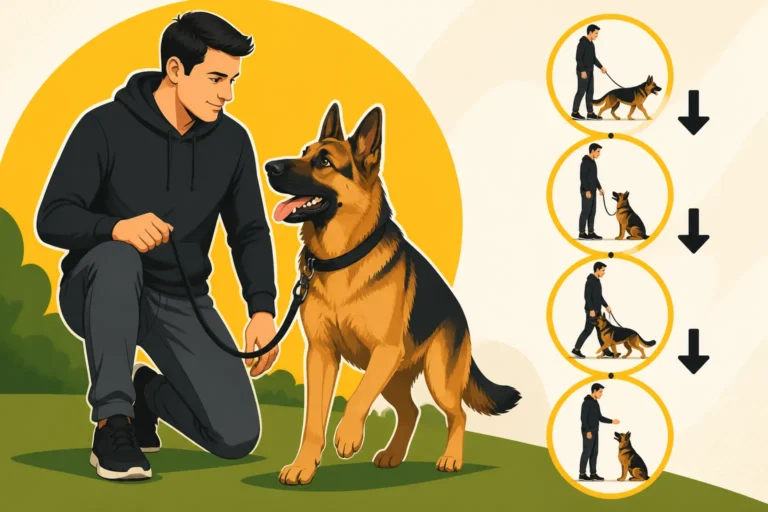
- Structured Walks with Obedience: Instead of just walking, incorporate obedience commands. "Heel" for a few paces, then "sit" at a corner, "stay" while people pass, "leave it" when encountering interesting smells. This turns a simple walk into a focused training session.
- Fetch with Commands: Before throwing the ball, make your dog "sit" and "stay." Once they retrieve it, command "drop it" and "place" before you throw again. This adds structure and mental work to a high-energy game.
- Hiking and Exploration: While hiking, practice recall, leash manners, and commands like "wait" at tricky spots. The varied terrain and new smells provide excellent mental stimulation alongside the physical workout.
- Dog Sports: Agility, Schutzhund, IGP, flyball, and even competitive obedience all blend intense physical demands with rigorous mental focus and problem-solving. These are fantastic outlets for the German Shepherd's inherent drives.
- Interactive Play Sessions: Instead of just throwing a toy, engage in a brief tug-of-war (with clear rules about starting and stopping), then immediately switch to a short training burst (e.g., "down," "stay," "come"), and then release them to chase the toy again. This constant switching keeps their brain highly engaged.
By combining these elements, you're not just tiring out your German Shepherd; you're developing their intelligence, improving their responsiveness, reinforcing your bond, and creating a truly well-adjusted companion. This holistic approach is crucial for How to Keep a German Shepherd Healthy in the long run.
Creating an Effective Exercise Schedule
A haphazard approach to exercise simply won't cut it for a German Shepherd. They thrive on routine and predictability, which helps them understand expectations and reduces anxiety. A well-thought-out schedule ensures their needs are consistently met.
Morning and Evening Routines
Structuring the day around two primary exercise windows—morning and evening—is typically the most effective strategy for German Shepherds. This mirrors their natural inclination to be most active during cooler parts of the day.
- Morning Kickstart: An early morning exercise session is crucial. It helps to burn off the energy accumulated overnight and sets a positive tone for the day. For many German Shepherds, this should be the longest and most vigorous session, perhaps 30-45 minutes. This could be a brisk walk, a jog, a trip to a dog park, or an intense game of fetch. Getting this energy out early can significantly impact their behavior for the rest of the day, making them calmer and more receptive to training or relaxation indoors. A tired German Shepherd is a good German Shepherd, and starting the day with substantial exercise means they're less likely to be bouncing off the walls while you try to drink your coffee or get ready for work.
- Evening Wind-Down: The evening session, also around 30-45 minutes, serves to deplete any remaining energy reserves before bedtime. This could be another robust walk, a play session, or a focused training and mental stimulation period. For example, a walk followed by 15-20 minutes of scent work or puzzle toys inside can be incredibly effective. The goal is to ensure they are comfortably tired and ready to settle down, minimizing nocturnal restlessness or destructive behaviors. Just like a morning routine helps start the day, a consistent evening wind-down routine helps signal that it's time to relax.
For those with demanding schedules, splitting these longer sessions into shorter, high-intensity bursts can sometimes work, but the overall volume of activity must remain the same.
Incorporating Variety
Imagine eating the same meal every day, or watching the same show repeatedly. You'd get bored, right? The same applies to your German Shepherd's exercise routine. Monotony can lead to a lack of engagement, decreased motivation, and even a "burnout" where your dog no longer enjoys the activity. Variety is the spice of life, and it's essential for keeping your German Shepherd mentally and physically stimulated.
- Mix Up Locations: Don't always go to the same park or walk the same block. Explore new neighborhoods, visit different dog-friendly trails, or even take a road trip to a new hiking spot. New environments offer a fresh array of smells, sights, and sounds, which provide excellent mental enrichment.
- Rotate Activities: Don't just do fetch every day. On Monday, go for a long walk. On Tuesday, incorporate a training session and some puzzle toys. Wednesday might be a trip to a dog park or swimming. Thursday, try a flirt pole session. By rotating activities, you challenge different muscle groups and keep their minds engaged.
- Introduce New Gear: A new type of ball, a different harness, or a new puzzle toy can add novelty. While German Shepherds appreciate routine, they also appreciate novelty within that routine. For instance, getting new durable toys from Amazon can spark renewed interest in playtime.
- Vary Intensity: Some days, your German Shepherd might need an intense, high-energy workout. Other days, a longer, more leisurely walk with lots of sniffing opportunities might be more appropriate, especially if they're a bit sore or tired. Listen to your dog and adjust accordingly.
A varied schedule prevents boredom, keeps your dog excited about exercise, and ensures a more holistic development of their physical and mental capabilities.
Adjusting for Weather and Health
Life isn't always predictable, and neither is the weather or your dog's health. An effective exercise schedule needs to be flexible enough to account for these variables without completely abandoning your German Shepherd's needs.
- Hot Weather: German Shepherds have thick double coats and can overheat quickly, especially in humid conditions. During summer, move outdoor exercise to the cooler parts of the day – early morning and late evening. Opt for water activities like swimming, or indoor play. Short, frequent potty breaks in the shade are key. Always carry water for both of you. Never leave your dog in a parked car, even for "just a minute."
- Cold Weather: Their double coat generally protects them well in cold weather, but extreme cold, ice, and snow can still pose risks. Be mindful of ice on paws (consider booties), slick surfaces, and frostbite on ears or paw pads in prolonged exposure. Keep walks brisk and consider indoor alternatives if the temperatures are dangerously low.
- Rain/Snow: Invest in good rain gear for yourself. A German Shepherd generally won't mind the rain or snow, but you might! Ensure they have a chance to dry off thoroughly after wet adventures to prevent skin issues.
- Minor Ailments/Recovery: If your dog has a minor injury, is recovering from surgery, or is feeling a bit under the weather, their physical exercise needs will change. Consult your vet for specific guidelines. During recovery, focus on gentle mental stimulation like puzzle toys or short, calm training sessions to keep their mind engaged without stressing their body. If you notice your German Shepherd limping or showing signs of discomfort, it's crucial to know How to Tell If a German Shepherd Is in Pain and consult your vet promptly.
- Aging: As discussed earlier, senior German Shepherds need modifications to their routine. This involves reducing intensity, shortening duration, and increasing frequency of walks, prioritizing low-impact activities like swimming.
Being adaptable ensures that your German Shepherd always gets appropriate exercise, safeguarding their health and well-being regardless of external factors.
Tools and Resources for German Shepherd Exercise
Having the right tools and knowing where to find additional support can make managing your German Shepherd's exercise needs much more manageable and effective. Don't underestimate the impact of quality gear and expert guidance.
Essential Gear
Just like any athlete needs the right equipment, your German Shepherd benefits from specific tools designed for safety, comfort, and enhanced performance during exercise.
- Leashes and Harnesses: A sturdy, comfortable leash is non-negotiable for safety and control. For strong pullers, a front-clip harness can be invaluable, redirecting their pulling power and making walks more enjoyable for both of you. Avoid retractable leashes as they offer little control and can be dangerous. A standard 6-foot nylon or leather leash is often ideal. Always choose gear appropriate for your German Shepherd's size and strength.
- Durable Toys: German Shepherds are powerful chewers, so invest in toys that can withstand their enthusiasm. Brands like Kong, Nylabone, and Goughnuts offer tough chew toys, interactive puzzle feeders, and robust retrieve toys that can stand up to heavy use. Cheap, flimsy toys will be destroyed in minutes, creating a choking hazard and wasting money. Look for toys made from natural rubber or other resilient materials. Remember that you can always find a wide array of options on platforms like Amazon.
- Long Lines: A long line (15-30 feet) is a fantastic tool for practicing recall and giving your German Shepherd more freedom to explore in safe, open areas where off-leash isn't permitted or where you're still building confidence. It allows them to range further while still under your control.
- Portable Water Bowls and Water Bottles: Especially during longer walks, hikes, or hot weather, it's crucial to keep your German Shepherd hydrated. Collapsible silicone bowls are lightweight and easy to carry, and many dog-specific water bottles come with integrated drinking cups.
Investing in quality gear ensures both your safety and your dog's enjoyment during exercise, making every outing a better experience.
Training and Professional Help
Sometimes, even with the best intentions, you might need a little extra help or guidance to meet your German Shepherd's exercise and training needs. Don't hesitate to seek professional assistance.
- Dog Parks: While not for every dog, a well-managed dog park can be an excellent place for German Shepherds to burn off energy and socialize if they are well-socialized and have good recall. Always supervise interactions closely, know your dog's body language, and be prepared to intervene if necessary. Ensure the park is secure and clean.
- Training Classes: Group training classes (obedience, agility, rally, scent work) are fantastic ways to provide structured physical and mental exercise. They also offer a controlled environment for socialization and expose your dog to new challenges. Look for classes taught by positive reinforcement trainers. A good class often incorporates many elements of German Shepherd Puppy Training Guide and beyond.
- Professional Trainers/Behaviorists: If you're struggling with specific behavioral issues that might stem from insufficient exercise or a lack of structure, a certified professional dog trainer or a veterinary behaviorist can provide invaluable personalized guidance. They can help assess your dog's individual needs and create a tailored exercise and training plan. For those seeking comprehensive online support, the BAXTER & Bella program offers lifetime access to a wealth of resources, including live classes, video tutorials, and one-on-one coaching, which can be incredibly helpful for owners committed to ongoing training and enrichment.
- Dog Walkers/Daycares: For busy owners, a professional dog walker can ensure your German Shepherd gets their midday exercise. Similarly, a reputable dog daycare can provide supervised play and mental stimulation. Vet these options carefully, checking references and observing the facilities.
Leveraging these resources can ensure your German Shepherd's needs are met, even when your own time is limited, contributing to a more balanced and happy dog.
Smart Investments
Beyond the basics, there are some "smart" investments that can significantly enhance your German Shepherd's exercise and enrichment, often saving you time, money, and headaches in the long run.
- Pet Insurance: While not directly an exercise tool, having pet insurance can be a smart investment for a highly active breed like the German Shepherd. Accidents and injuries can happen during vigorous play or hiking, and knowing you're financially prepared for potential vet bills can provide peace of mind. It also allows you to make decisions based on your dog's health, not just your wallet.
- High-Quality Food: Fueling your active German Shepherd with appropriate, high-quality nutrition is crucial for sustained energy and overall health. Just like a human athlete, their diet directly impacts their performance and recovery. Researching and choosing the best food can prevent many health issues. For specific guidance, you can refer to a German Shepherd Puppy Feeding Schedule for young dogs, or broader nutritional advice for adults.
- GPS Trackers: For adventurous German Shepherds, especially if you hike or allow them off-leash in designated areas, a GPS tracker (like those from Tractive or Whistle) can be a literal lifesaver. It provides real-time location tracking, giving you peace of mind if your dog ever gets separated from you.
- Joint Supplements: Given the breed's predisposition to joint issues like hip and elbow dysplasia, consulting your vet about appropriate German Shepherd Joint Health Supplements can be a proactive investment in their long-term mobility and comfort, allowing them to enjoy their active lifestyle for longer.
- Professional Grooming Tools: While you might not consider grooming an exercise tool, maintaining a healthy coat is crucial for a German Shepherd, especially one that spends a lot of time outdoors. Investing in good deshedding tools can help manage their double coat, prevent matting, and keep them comfortable during activity.
These investments might seem like an extra cost upfront, but they contribute to a healthier, happier German Shepherd and a more harmonious home life, proving their worth over time.
Common Exercise Mistakes to Avoid
Even with the best intentions, it's easy to fall into common traps when exercising a German Shepherd. Being aware of these pitfalls can save you from frustration and potentially prevent harm to your beloved companion.
Over-Exercising Young Puppies
This is a mistake that can have devastating, lifelong consequences. It’s a sad reality that many owners, eager to bond with their new energetic German Shepherd puppy, inadvertently cause harm by pushing them too hard, too soon.
German Shepherd puppies, despite their boundless energy and seemingly endless enthusiasm, have incredibly vulnerable growth plates in their long bones. These areas are soft and cartilaginous, and they don't fully harden until 12-18 months of age. High-impact, repetitive activities like long runs, excessive jumping, agility work, or strenuous fetching can cause microtraumas or even severe damage to these growth plates. This damage can lead to painful deformities, uneven growth, and significantly increase the risk and severity of conditions like hip and elbow dysplasia later in life. Imagine a child being forced to run marathons before their bones are fully formed—it's similar.
The excitement a puppy shows doesn't always equate to what their developing body can handle. It's up to us, as responsible owners, to regulate their activity. Stick to the "5 minutes per month of age" rule for structured exercise, twice a day. Prioritize supervised free play on soft surfaces (like grass) where the puppy can self-regulate and take breaks as needed. Focus on short, engaging training sessions and gentle exploration. Resist the urge to turn your adorable fluffball into an endurance athlete prematurely. Patience during puppyhood pays dividends in the form of a healthy, mobile adult German Shepherd.
Repetitive, Mindless Exercise
Another common mistake is assuming that any exercise is good exercise, regardless of its quality or variety. Many owners default to the same daily walk around the block or endless games of fetch in the backyard. While these activities have their place, relying solely on them can lead to an under-stimulated German Shepherd.
German Shepherds are highly intelligent and need mental engagement as much as physical exertion. A long, monotonous walk where they're always on a tight leash, following the exact same route, doesn't challenge their brain. Their senses are under-stimulated, their problem-solving skills aren't engaged, and their natural curiosity is dulled. Similarly, simply throwing a ball for an hour can become mindless repetition. While it burns physical energy, it doesn't necessarily tire out their keen minds. This can result in a physically exhausted but still mentally restless dog. They might still exhibit behaviors like excessive barking, digging, or being clingy because their mental needs haven't been met.
To avoid this, incorporate variety and purpose into every exercise session. Turn walks into scent-seeking missions, vary routes, or include short bursts of obedience training. Make fetch a game of "hide-and-seek" with the ball, or add commands before releasing it. Introduce new puzzle toys, engage in trick training, or try a beginner scent work class. The goal is to make your German Shepherd think during their exercise, not just move. This intentional approach to exercise is far more effective in creating a truly content and well-behaved companion.
Ignoring Individual Needs
While German Shepherds as a breed have high exercise requirements, it’s crucial to remember that every dog is an individual. Not all German Shepherds are created equal, and ignoring these individual differences can lead to inappropriate exercise routines.
Factors that influence individual needs include:
- Lineage: Working line German Shepherds typically have significantly higher energy drives than show line German Shepherds. A dog bred for intense protection work will require a different level of activity than one bred primarily for the conformation ring.
- Age: As discussed, puppies and seniors have vastly different needs than adult dogs.
- Health Status: A dog with underlying joint issues, heart conditions, or other health problems (even subclinical ones) will require a modified exercise plan. Always consult your vet if you have any concerns about your dog's ability to participate in certain activities.
- Personality: Some German Shepherds are naturally more outgoing and driven, while others might be a bit more reserved. While all need substantial exercise, the type of exercise they enjoy most might vary. Some might love water, others might prefer scent games.
- Diet: A dog's diet plays a crucial role in their energy levels and ability to sustain activity. A poor diet can lead to lethargy or insufficient energy.
A "one-size-fits-all" approach simply won't work. Observe your German Shepherd carefully: Are they happy and tired after exercise, or still restless? Are they limping or stiff? Do they show enthusiasm for certain activities more than others? By paying close attention to your individual dog's cues and adjusting their routine accordingly, you can create a truly personalized and effective exercise plan that caters to their unique needs and keeps them thriving.
Maximizing Exercise Benefits for Health and Behavior
When you consistently meet your German Shepherd's exercise needs, the benefits extend far beyond just burning off energy. It creates a ripple effect, positively impacting nearly every aspect of their health and behavior, fostering a stronger bond between you and your loyal companion.
Impact on Physical Health
Consistent, appropriate exercise is fundamental to a German Shepherd's long-term physical health. It's not just about preventing mischief; it's about building a robust body that can withstand the test of time.
- Weight Management: Regular physical activity helps maintain a healthy weight. Obesity is a significant health risk in dogs, contributing to joint problems, heart disease, diabetes, and a shortened lifespan. A well-exercised German Shepherd is less likely to carry excess pounds, reducing strain on their joints and organs.
- Joint Health: While over-exercising puppies can be detrimental, appropriate exercise for adults is crucial for strong joint health. It helps to strengthen the muscles and ligaments surrounding the joints, providing better support and stability. This can mitigate the progression of conditions like German Shepherd Hip Dysplasia Explained and elbow dysplasia, making movement less painful as they age.
- Cardiovascular Fitness: Aerobic exercise strengthens the heart and lungs, improving overall cardiovascular health. A fit German Shepherd has better stamina, a healthier respiratory system, and is better equipped to handle stress.
- Muscle Tone and Bone Density: Weight-bearing exercise builds and maintains strong muscle tone and bone density. This is particularly important for a large, active breed, as strong muscles protect bones and joints, and dense bones are less prone to fractures.
- Improved Digestion and Elimination: Regular activity helps stimulate a healthy digestive system, promoting regular bowel movements and reducing the likelihood of issues like constipation or bloat (GDV).
Ultimately, a physically active German Shepherd is a healthier German Shepherd, more resilient to disease and injury, and more capable of enjoying a long, comfortable life by your side.
Impact on Mental Well-being
Beyond the physical, exercise has a profound and often underestimated impact on a German Shepherd's mental and emotional well-being. It’s a powerful antidote to boredom, anxiety, and behavioral issues.
- Reduced Stress and Anxiety: Just like humans, dogs can experience stress and anxiety. Physical and mental exercise acts as a healthy outlet for pent-up energy and frustration, reducing stress levels. A dog that is regularly stimulated and tired is less likely to develop anxiety-related behaviors such as excessive pacing, destructive chewing, or compulsive licking.
- Improved Focus and Trainability: A well-exercised German Shepherd is a more focused German Shepherd. With their physical and mental needs met, they are calmer, more attentive, and more receptive to training. This makes learning new commands, mastering advanced skills, and generally being a well-behaved companion much easier and more enjoyable for both of you. It's tough to teach a dog who's constantly buzzing with untapped energy.
- Enhanced Problem-Solving Skills: Mental stimulation exercises, like puzzle toys or scent work, actively engage your dog's cognitive abilities. This helps keep their mind sharp, prevents cognitive decline in older dogs, and allows them to practice problem-solving in a healthy, rewarding way.
- Stronger Bond with Owner: Engaging in varied, interactive exercise strengthens the bond between you and your German Shepherd. These shared experiences, positive reinforcement during training, and the feeling of accomplishment create a deeper level of trust and companionship. Your dog learns that you are the source of fun, challenge, and fulfillment, reinforcing your role as a benevolent leader.
- Prevention of Behavioral Issues: Many common German Shepherd behavioral problems, such as barking, digging, nipping, or destructive tendencies, often stem from boredom and insufficient exercise. By proactively meeting their needs, you can prevent these issues from developing in the first place, or significantly mitigate them if they've already started.
In essence, a well-exercised German Shepherd is not just a physically healthy dog, but a mentally balanced, happier, and more content member of your family. It's an investment that pays off in countless ways, creating a harmonious home for years to come.
| Life Stage | Minimum Daily Structured Exercise | Recommended Activities | Avoid | Key Considerations |
|---|---|---|---|---|
| Puppy (2-12 months) | 5 mins per month of age, twice daily | Short, controlled walks; supervised free play on grass; short training bursts | High-impact jumps, long runs, excessive stairs, agility, forced endurance | Protect growth plates; prioritize mental stimulation; watch for fatigue. |
| Adult (1-7 years) | 60-90 minutes, often split into 2-3 sessions | Brisk walks, jogging, hiking, swimming, advanced fetch/frisbee, agility, obedience, scent work, flirt poles | Repetitive, mindless exercise; too much pavement running | Combine physical and mental; ensure variety; adjust for weather. |
| Senior (7+ years) | 30-60 minutes, split into shorter, more frequent sessions | Gentle walks, swimming, short play sessions, puzzle toys, scent work | High-impact activities, long endurance, rough play | Low impact; focus on comfort; regular vet checks for joint health; monitor for pain. |
Disclaimer
The information provided in this guide is for general informational purposes only and does not constitute veterinary advice. Always consult with a qualified veterinarian or professional dog trainer regarding your German Shepherd's specific health, diet, and exercise needs. Individual dogs may have varying requirements based on age, health, genetics, and activity levels.