Why Is My German Shepherd Not Potty Trained Yet
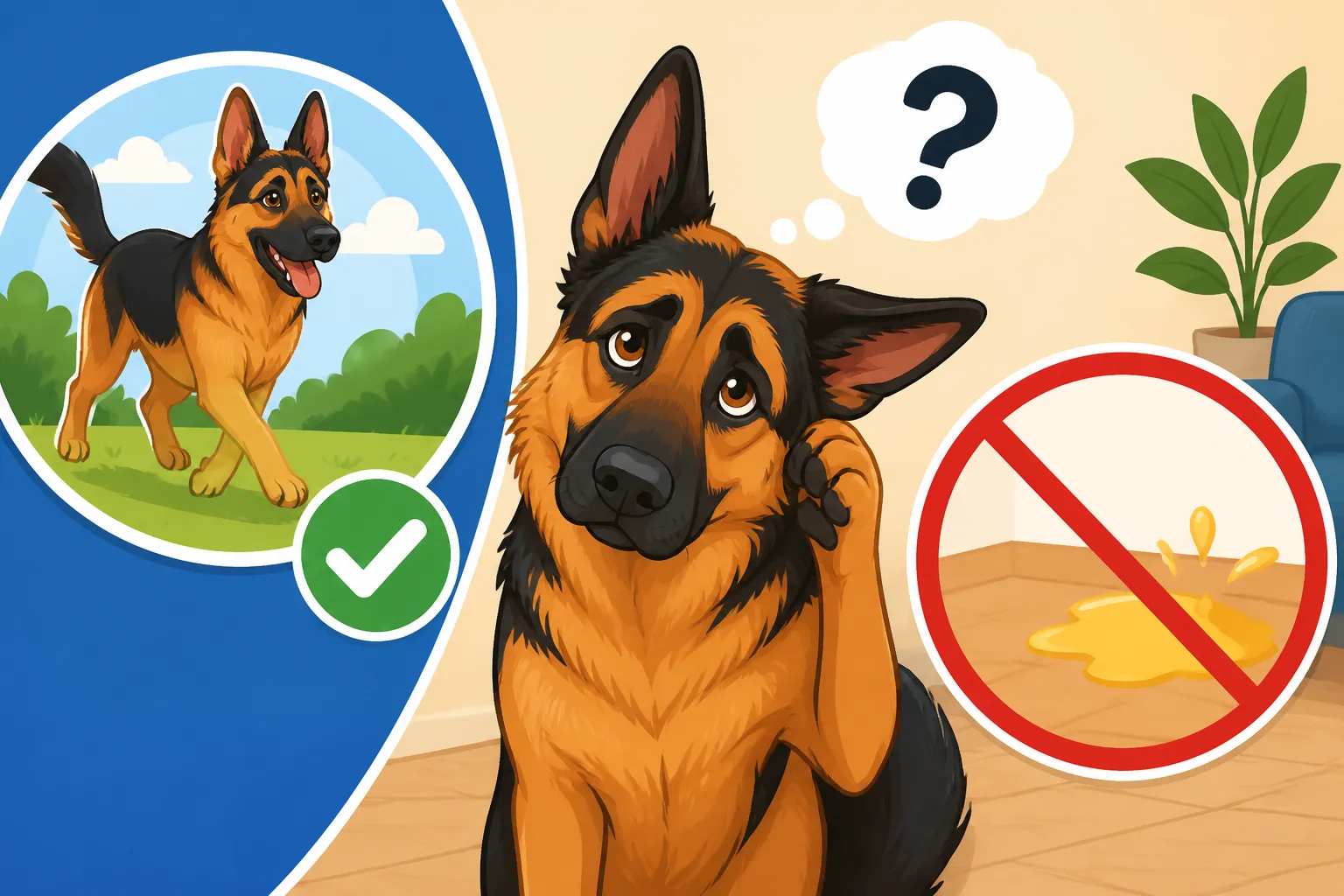
It’s incredibly frustrating when you’ve poured your heart and soul into training your German Shepherd, only to find they’re still having accidents in the house. You might feel like you’re going backward, or worse, that you’ve somehow failed your furry companion. But here’s the truth: potty training isn't always a straight line, especially with intelligent and sometimes sensitive breeds like German Shepherds. There are many reasons why your dog might not be fully house-trained yet, and understanding these underlying causes is the first step to getting back on track. This comprehensive guide will walk you through the most common reasons behind potty training setbacks and offer practical, empathetic solutions to help your German Shepherd finally master house manners.
Common Reasons for Potty Training Setbacks
Potty training seems straightforward on the surface, but a myriad of factors can contribute to a German Shepherd's struggles. It's rarely about a lack of intelligence or willful disobedience; more often, it's a breakdown in communication, an underlying issue, or simply a need for a more consistent approach. Pinpointing the exact cause is crucial for finding the right solution.
Inconsistent Training and Schedule
One of the biggest culprits behind ongoing potty issues is often a lack of consistency in the training routine. German Shepherds thrive on structure and predictability, and when their potty schedule is erratic, it's incredibly difficult for them to understand what's expected of them. Think about it: if one day they go out every two hours, and the next day it's every four, how are they supposed to learn?
This inconsistency isn't always intentional. Life gets busy, we forget, or we assume our dog "should know by now." Perhaps different family members have different ideas about when the dog should go out, or weekend routines deviate wildly from weekday ones. These variations create confusion for your German Shepherd, leading them to believe that the rules for pottying inside are more flexible than you intend. Without a rock-solid, predictable schedule, your dog might not be signaling effectively, or you might be missing their subtle cues simply because you’re not expecting them at a consistent time. This is particularly critical during the puppy phase, where establishing a firm foundation is key for future success. You can find more detailed information on a proper routine in our article about a proper German Shepherd Puppy Training Schedule by Week.
Incomplete House-Training Foundation
Sometimes, the initial house-training simply wasn't as thorough as it needed to be. Maybe your German Shepherd puppy learned to use pee pads, and now they're struggling to transition to going outside. While pee pads can be a useful short-term tool, they often teach a dog that it's acceptable to eliminate inside the house, creating a mental hurdle when trying to shift to outdoor-only potty habits. This can lead to confusion where your dog might think any soft surface, like a rug or carpet, is an acceptable "pee pad."
Another common issue is improper cleaning of past accidents. If your German Shepherd has had accidents indoors, and these spots weren't cleaned thoroughly with an enzymatic cleaner, the lingering scent can actually draw them back to the same spot. Dogs are driven by scent, and even if you can't smell it, your dog definitely can. This creates a cycle where the dog is inadvertently encouraged to use the "bathroom spot" inside the house. Furthermore, if a puppy was punished for accidents, they might learn to hide their elimination rather than associate going potty outside with positive rewards, making it harder to track their progress and reinforce good habits. Understanding how to properly address these foundational gaps is critical for solidifying their understanding.
Undetected Medical Conditions
It’s easy to jump to the conclusion that your German Shepherd is being stubborn, but any sudden or ongoing potty training issues, especially in a previously house-trained dog, absolutely warrant a trip to the veterinarian. There's a wide range of medical conditions that can impact a dog's ability to control their bladder or bowels, leading to accidents even if they understand the rules. For instance, a urinary tract infection (UTI) can cause frequent, urgent urination, often resulting in accidents because the dog simply can't hold it long enough to get outside.
Other health issues, such as diabetes, kidney disease, or even certain types of cancer, can increase thirst and thus urination, making house-training challenging. Older German Shepherds might develop incontinence due to weakening bladder muscles or cognitive dysfunction, where they simply forget their training or cues. Joint pain, like that from hip or elbow dysplasia, can also make it painful or difficult for your dog to get up, go outside, and assume a proper potty posture, leading them to relieve themselves indoors where it's easier. If you suspect any health issues, it's important to consult your vet. You can learn more about common health concerns in our comprehensive German Shepherd Health Problems Guide. A vet visit is the only way to rule out these medical causes and ensure your dog isn't suffering from an easily treatable condition.
Behavioral and Environmental Factors
Beyond training inconsistencies and medical issues, a German Shepherd's environment and emotional state play a significant role in their potty habits. These intelligent and often sensitive dogs can be highly susceptible to stress, anxiety, or instinctual behaviors that manifest as indoor accidents. Overlooking these factors can prolong potty training struggles unnecessarily.
Anxiety and Stress
German Shepherds are incredibly loyal and can form deep bonds with their families, which also means they can be prone to anxiety, especially separation anxiety. If your dog is consistently having accidents when left alone, even for short periods, it might not be a training issue but rather a symptom of underlying stress. Dogs experiencing separation anxiety may urinate or defecate inside, often near exits, as a reaction to their distress. This isn't out of spite or a lack of house-training; it's an involuntary response to panic and fear.
Beyond separation anxiety, general stress from changes in routine, a new environment, loud noises (like thunderstorms or fireworks), or even the arrival of a new family member (human or pet) can trigger accidents. Some German Shepherds also exhibit "submissive urination," where they urinate slightly when greeted by people they perceive as dominant, or "excitement urination," particularly in younger dogs when they get overly thrilled. These are not typically house-training failures but rather emotional responses that need to be addressed with patience and understanding, focusing on confidence building and stress reduction. Exploring solutions for these types of behavioral issues can be found in our article on German Shepherd Separation Anxiety Solutions.
Marking Behavior
It’s important to distinguish between a genuine potty accident and marking behavior. Marking is an instinctual way for dogs to communicate, establish territory, and signal their presence. While often associated with intact male dogs, both male and female German Shepherds, even spayed or neutered ones, can engage in marking. This behavior typically involves urinating small amounts on vertical surfaces, like furniture legs, walls, or curtains, and often occurs in new environments or when a new dog or person is introduced to the home.
If your German Shepherd is marking, the motivation is territorial or communicative, not relief. They’re not necessarily emptying their bladder but rather leaving a scent message. This can be exacerbated by the presence of other dogs in the neighborhood (whose scents they might pick up on walks) or if there are new smells within the house. Addressing marking requires a different approach than traditional potty training. It often involves hormone-related factors, behavior modification, and sometimes even medication. Understanding the difference is key, as treating marking as a simple house-training failure will likely lead to continued frustration.
Lack of Proper Cleaning
This point cannot be stressed enough: if you don't properly clean up indoor accidents, your German Shepherd will likely return to that spot. Dogs are creatures of habit and highly driven by their sense of smell. While you might use a standard household cleaner and think the area is pristine, your dog's nose is infinitely more powerful and can detect the residual scent of urine or feces. This lingering odor acts like a giant "potty here" sign for them.
Enzymatic cleaners are specifically formulated to break down the uric acid crystals in urine and other organic matter, completely neutralizing the odor rather than just masking it. Without these specialized cleaners, even if the spot looks clean to you, the scent remains, unconsciously encouraging your German Shepherd to eliminate in the same place again. This is particularly true for carpets, rugs, and upholstery, where urine can soak deep into the fibers and padding. Thoroughly saturating the area with an enzymatic cleaner and allowing it to air dry as directed is a crucial step in breaking the cycle of repeat accidents indoors. Many effective options are readily available on platforms like Amazon.
Addressing Potty Training Challenges Effectively
Once you've identified the potential reasons behind your German Shepherd's potty training struggles, it's time to implement a targeted plan. This isn't about punishment; it's about clear communication, consistent guidance, and sometimes, seeking expert help. Patience is your most valuable tool here, as retraining takes time and dedication.
Re-establishing a Solid Routine
The cornerstone of successful potty training for any German Shepherd, whether a puppy or an adult experiencing setbacks, is an ironclad routine. You need to become meticulously consistent. Start by creating a detailed schedule for potty breaks, feeding, and play, and stick to it like glue. For puppies, this means taking them out every 1-2 hours, immediately after waking up, after eating or drinking, and before bedtime. For adult dogs with issues, revert to a similar frequent schedule, gradually extending the time between breaks as they succeed.
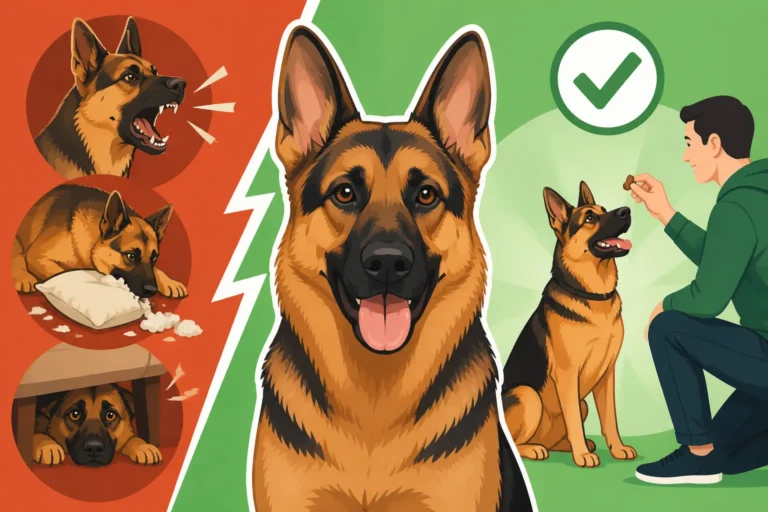
When you take your German Shepherd out, always go to the same designated potty spot. Use a consistent phrase like "Go potty!" to associate the command with the action. The moment they eliminate, praise them enthusiastically and offer a high-value treat. This positive reinforcement is critical for them to understand that going outside is highly rewarding. Supervision is also key; when inside, keep your dog on a leash with you, or use a crate. A crate, when used properly, can be an excellent tool because dogs are naturally reluctant to soil their sleeping area. Our guide on How to Crate Train a German Shepherd provides excellent tips for making this a positive experience. By preventing accidents indoors and richly rewarding outdoor successes, you rebuild that essential foundation of understanding.
Consulting a Professional
If you've diligently tried to re-establish a routine, ruled out medical conditions with your vet, and are still struggling, it's not a sign of failure to seek professional help. In fact, it's a smart and proactive step. A certified professional dog trainer or a veterinary behaviorist can offer invaluable insights. They can observe your German Shepherd's behavior, identify nuances you might be missing, and develop a customized training plan tailored to your dog's specific needs and personality. This is particularly helpful for complex behavioral issues like severe anxiety or persistent marking that might require more specialized intervention.
These experts can teach you techniques that build on your German Shepherd's natural intelligence and drive, helping to strengthen the bond and communication between you. They can also provide guidance on managing environmental triggers or behavioral patterns that contribute to accidents. Online resources, such as those provided by reputable platforms like BAXTER & Bella, can also offer structured programs and direct access to trainers, which can be a flexible and supportive option for many owners seeking professional guidance from home. Investing in expert advice can save you a lot of frustration and lead to a happier, better-adjusted German Shepherd in the long run.
Management Strategies and Tools
While you’re working on retraining and addressing underlying issues, implementing management strategies and using helpful tools can make the process less stressful for both you and your German Shepherd. First and foremost, revisit your cleaning supplies. Ensure you’re using an enzymatic cleaner every time there’s an indoor accident. These cleaners, widely available online and in pet stores, break down the odor-causing bacteria that attract dogs back to the same spot, neutralizing the scent rather than just masking it. This stops the invisible "potty beacon" in its tracks.
For dogs prone to marking, or for females experiencing incontinence, belly bands (for males) or doggie diapers (for females) can be a godsend. These are not meant to replace training but rather to prevent messes and protect your home while your dog is learning or if they have a medical condition. They also serve as a physical reminder for you to take your dog out more frequently. Investing in durable, washable options can be cost-effective. Additionally, consider setting up a designated "potty zone" in your yard if you have one. This can be a small area covered with specific material like pea gravel or artificial grass, helping your German Shepherd associate that surface with elimination, making outdoor potty breaks more efficient and consistent.
Here’s a quick overview of common reasons and initial steps:
| Reason for Potty Training Setbacks | Potential Cause | Initial Steps to Take |
|---|---|---|
| Training Issues | Inconsistent routine, missed cues, incomplete foundation, punishment-based training. | Re-establish strict schedule, use positive reinforcement, supervise closely, avoid punishment. |
| Medical Conditions | UTIs, diabetes, kidney issues, incontinence, pain from joint problems. | Consult your veterinarian immediately to rule out or treat any underlying health issues. |
| Behavioral Factors | Separation anxiety, stress, fear, excitement, submissive urination. | Identify and address stressors, work on confidence building, consider a professional trainer. |
| Marking Behavior | Territorial instincts, hormonal influences, presence of new scents. | Address underlying causes (e.g., spay/neuter), use belly bands, clean thoroughly, supervise. |
| Environmental Triggers | Lingering odors from past accidents, indoor potty pad confusion. | Use enzymatic cleaners thoroughly, transition from potty pads to outdoor elimination gradually. |
Remember, every German Shepherd is an individual, and what works for one might need slight adjustments for another. The key is observation, consistency, and a loving, patient approach. Your dedication will eventually lead to a house-trained companion.
Disclaimer
The information provided in this article is for educational and informational purposes only and does not constitute veterinary advice. Always consult with a qualified veterinarian or professional dog trainer for any health concerns or before making any decisions about your German Shepherd's care or training.