How to Stop a German Shepherd Herding Kids
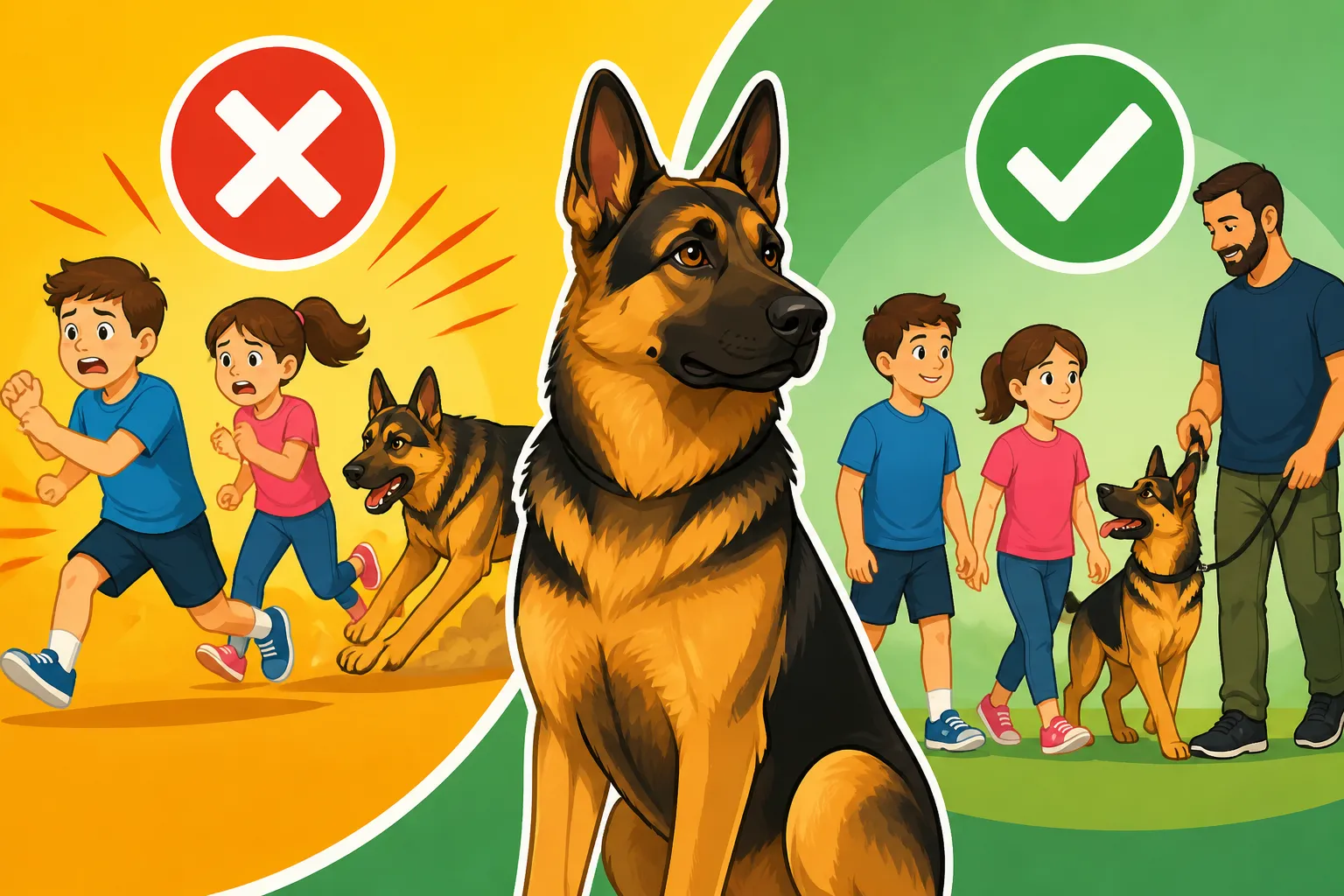
It's incredibly common and, let's be honest, quite alarming when your otherwise wonderful German Shepherd suddenly starts to "herd" your children. That instinctual nipping at heels, circling, or nudging can send shivers down any parent's spine, sparking worries about safety and the dog's temperament. Many German Shepherd owners feel frustrated, confused, and even a little guilty, wondering if they’ve done something wrong. The truth is, this behavior is often rooted deep in their genetics, and understanding it is the first step toward managing it effectively. This comprehensive guide will walk you through the why, what, and how of stopping your German Shepherd from herding kids, offering practical, empathetic solutions to bring peace back to your home.
Understanding the Herding Instinct in German Shepherds
For anyone who owns a German Shepherd, witnessing their intelligence, loyalty, and boundless energy is a daily joy. But sometimes, those very traits can manifest in ways that are less than ideal for a family home, especially when it comes to the deep-seated instinct to herd. This isn't your dog being disobedient or aggressive; it's often their natural programming kicking in.
The Breed's Deep-Rooted History
German Shepherds were originally bred in Germany in the late 19th century by Captain Max von Stephanitz. His vision was to create the ultimate working dog: intelligent, obedient, and strong, primarily for herding sheep. These dogs were literally designed to gather, control, and protect livestock. Their job involved using their presence, body language, and sometimes even a gentle nip to guide sheep. This history means that the urge to "gather" and "control" moving objects is hardwired into their DNA. It's a profound instinct, often more powerful than learned behaviors, especially when triggered.
Imagine a German Shepherd in its element, patrolling a field, keeping a flock together. Now, translate that scenario to your living room: your kids are running, squealing, and moving erratically, much like a scattered flock of sheep. To your German Shepherd, this isn't playtime; it's a job to be done. They're trying to impose order on what they perceive as chaos, and while their intentions might be pure from a canine perspective, the execution can be frightening and potentially harmful to a child. Recognizing this deep historical context can help us approach the behavior with patience and understanding, rather than frustration or anger.
Why They Herd: Natural Drives and Triggers
Beyond their historical role, several factors contribute to a German Shepherd's herding behavior, particularly towards children. Young children, with their unpredictable movements, high-pitched voices, and tendency to run, are often irresistible triggers. They essentially mimic the very livestock German Shepherds were bred to manage. The dog isn't trying to hurt the child; it's trying to "contain" them, to direct their movement. This can involve circling, nudging with their nose, or even a soft (or not-so-soft) nip at the ankles or clothing.
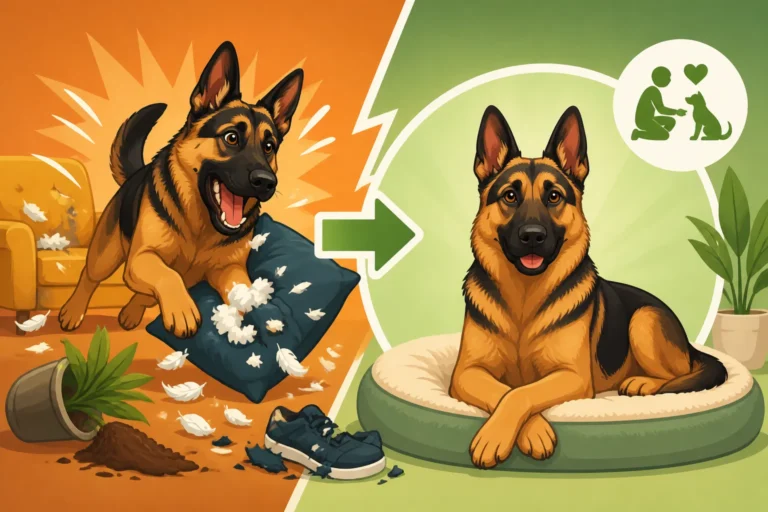
Another key driver is a lack of appropriate mental and physical stimulation. German Shepherds are incredibly intelligent and energetic dogs. If they aren't given enough opportunities to use their brains and bodies in constructive ways, that excess energy and mental drive will find an outlet. Herding can become an accidental "job" they create for themselves, especially if they've found it to be a successful way to get a reaction (even negative attention is still attention). Understanding these triggers and drives allows us to preemptively manage the environment and provide alternative, more acceptable outlets for their powerful instincts.
Identifying Herding Behavior: What It Looks Like
When your German Shepherd is exhibiting herding behavior, it's important to differentiate it from other issues, such as play or aggression. While it can be startling, true herding behavior often has specific characteristics that, once recognized, can help you intervene appropriately.
Common Signs and Body Language
Herding behavior in German Shepherds often manifests in a few distinct ways. The most common is the circling motion. Your dog might run circles around a child or group of children, effectively trying to gather them into a tighter "flock." You might also observe nipping at the heels or ankles. This is often a quick, sharp nip, not intended to break skin but rather to startle and direct movement, much like a sheepdog would nip at a stubborn sheep. It can be incredibly alarming for children and parents alike, even if the dog's intent isn't malicious.
Other signs include nudging with the nose or body to push a child in a particular direction. Some German Shepherds might also use low, purposeful barking to encourage movement, or a staring gaze that fixes on the child's movement, anticipating their next step. Their body posture might be low to the ground, intense, and focused, indicative of a dog "working" rather than simply playing. For example, if your child runs across the yard, and your German Shepherd quickly cuts them off, circles them, and then gives a quick nudge or nip, that's classic herding. This is very different from a playful chase where the dog might be more bouncy and less intensely focused on controlling movement.
Distinguishing Play from Problematic Herding
It's crucial for owners to understand the difference between playful interaction and instinctual herding, especially when the lines can seem blurry. Play often involves loose, exaggerated body language, "play bows" (front end down, rear end up), open-mouthed panting, and taking turns chasing. During play, a German Shepherd might chase a child, but they generally won't try to control the child's movement or apply pressure with nips or nudges. Their goal is mutual fun, not direction.
Problematic herding, however, is characterized by a more intense, focused demeanor. The dog isn't engaging in reciprocal play; they are actively attempting to manage the child's actions. The nips, even if soft, are targeted at the legs or rear, and the circling is less about a game and more about containment. If your child seems genuinely distressed or fearful, or if the dog's actions escalate despite the child's discomfort, you're likely dealing with herding behavior that needs intervention. Sometimes, a child's reaction (screaming, running faster) can inadvertently fuel the dog's instinct, making it harder to differentiate without careful observation.
Practical Strategies to Manage and Redirect Herding
Successfully managing and redirecting your German Shepherd's herding instincts requires a multi-faceted approach combining environmental management, consistent training, and providing appropriate outlets. This isn't about punishing your dog for natural behavior but guiding them toward acceptable alternatives.
Creating a Safe and Structured Environment
The first and often most effective step in stopping herding behavior is to manage the environment. This means preventing the opportunities for your German Shepherd to herd your kids in the first place, especially as you work on training. Think of it as putting up guardrails while they learn to navigate a new path.
Start by creating physical barriers. Baby gates are an absolute lifesaver in households with active kids and a herding-prone German Shepherd. You can designate "dog-free" zones where children can play safely without being herded. A sturdy pet playpen can also serve as a safe space for your dog to relax when children are active. You can find excellent options for these on Amazon, ranging from wide-span gates to modular playpens. If indoor herding is a major issue, consider an indoor leash or a tether when direct supervision isn't possible, allowing your dog to be nearby but not able to engage in unwanted herding. Furthermore, teaching your children how to behave around the dog is crucial. Kids need to learn not to run, scream, or engage in chaotic play directly in front of the dog, as these actions are potent triggers for herding. Explaining to them that "Sasha thinks you're a sheep when you run, so let's walk calmly" can make a big difference.
Training and Redirection Techniques
Once the environment is managed, consistent training becomes your most powerful tool. The goal is to teach your German Shepherd appropriate behaviors that they can offer instead of herding, and to equip them with the impulse control needed to resist the urge. This is where positive reinforcement and clear communication come into play.
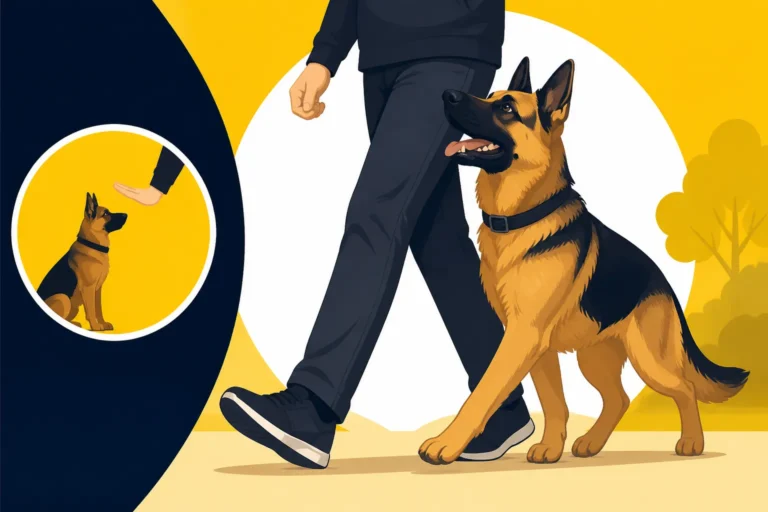
- Foundation Obedience: Reinforce strong "sit," "stay," "down," and "come" commands. These are your foundational tools for gaining control. Practice these daily in varying environments and with distractions. A reliable "stay" can keep your dog calmly settled while kids play nearby, preventing the herding from even starting.
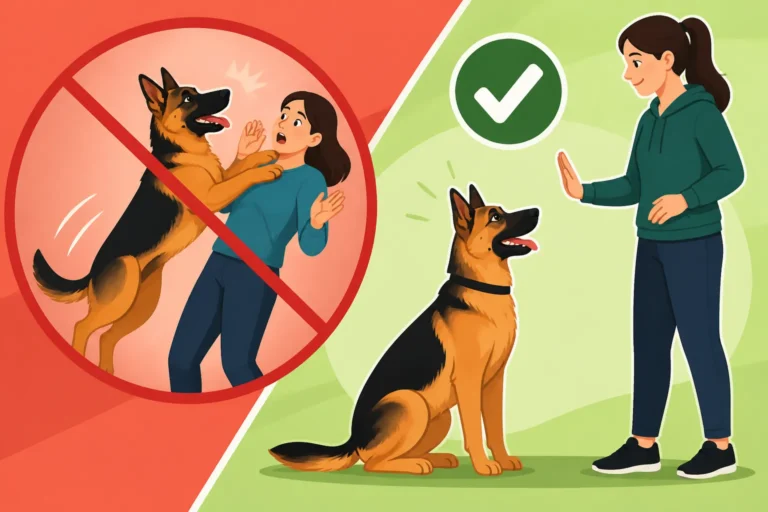
- "Leave It" and "Off": These commands are invaluable. Teach "leave it" for when your dog focuses too intently on a child's movement, and "off" to redirect them away from a child they might be trying to nudge.
- Place Command: A "place" command, where your dog learns to go to a specific mat or bed and stay there until released, is incredibly useful. This provides a designated spot for your dog to relax and observe family activity without feeling the need to intervene. Reward them heavily for calmly staying on their place.
- Impulse Control Games: Games like "It's Your Choice" (where the dog earns a reward by not grabbing a treat until given permission) build valuable self-control. This translates directly to their ability to resist herding impulses. Many online training programs, such as those offered by BAXTER & Bella, feature comprehensive modules on impulse control and managing specific problem behaviors, which can be a fantastic resource for owners needing structured guidance.
- Positive Interruption: When you see your dog beginning to show herding signs, calmly interrupt the behavior with a verbal cue ("uh-uh" or "leave it") and immediately redirect them to an appropriate activity, like chewing a favorite toy or performing a known command for a treat.
It's also important to redirect their natural energy towards appropriate outlets. German Shepherds thrive on having a job. Activities like fetch, tug-of-war (with rules), or even specific dog sports like Treibball (where dogs herd large inflatable balls) can provide a safe and fun way for them to use their herding instincts without involving your kids. A flirt pole, available on Amazon, is another excellent tool for channeling prey drive and burning energy in a structured way.
Management Tools and Aids
Beyond gates and leashes, certain tools can significantly aid in managing herding behavior. A long line (a 15-30 foot leash) can be used in a secure yard to give your dog more freedom while still allowing you to intervene quickly if they attempt to herd. Harnesses that clip in the front, like the Freedom No-Pull Harness, can also give you better control during walks, helping to redirect their focus away from moving targets.
Enrichment toys, particularly puzzle feeders, are also critical. German Shepherds are highly intelligent and need mental stimulation. If their minds aren't challenged, they're more likely to invent their own "jobs," which might include herding. KONG toys stuffed with peanut butter or other treats, or snuffle mats, can keep them engaged and mentally stimulated, reducing the likelihood of unwanted behaviors.
Here's a quick comparison of some common management and redirection techniques:
| Method | Description | Pros | Cons |
|---|---|---|---|
| Baby Gates/Barriers | Physically separates dog from children during active play. | Immediate safety, prevents rehearsal of behavior. | Requires constant setup/takedown, can be cumbersome. |
| Indoor Leash/Tether | Keeps dog nearby but limits movement and interaction. | Good for supervision, allows quick intervention. | Dog needs to be comfortable with tethering, can be restrictive. |
| "Place" Command | Dog learns to stay on a designated mat/bed until released. | Builds impulse control, provides a calm observation spot. | Requires consistent training, may be challenged by high arousal. |
| "Leave It" Command | Teaches dog to disengage from a target (e.g., a running child). | Direct, immediate redirection. | Needs to be heavily practiced with various distractions. |
| Flirt Pole Play | Toy on a string that mimics small prey, used for structured chase. | Great physical/mental outlet, channels prey/herding drive. | Requires active human participation, not a "set it and forget it." |
| Treibball/Herding Games | Organized sport where dogs herd large balls into a goal. | Excellent for channeling instinct in a controlled way. | May require specialized equipment or classes. |
Consistency, Patience, and Professional Help
Successfully addressing herding behavior in your German Shepherd is a journey, not a destination. It requires unwavering commitment, endless patience, and sometimes, the wisdom of a professional. Remember, you're working with deeply ingrained instincts, and changing them takes time and understanding.
The Importance of a Unified Approach
One of the biggest pitfalls in managing any canine behavior issue is inconsistency within the household. If one family member allows the dog to "herd" while another corrects it, your German Shepherd will become confused and the unwanted behavior will likely persist. Every person who interacts with the dog, especially children and adults, needs to be on the same page regarding rules, commands, and expectations. This means everyone using the same verbal cues, applying the same boundaries, and offering consistent rewards for desired behaviors. Regular family meetings to discuss progress and reinforce the plan can be incredibly helpful.
Imagine your German Shepherd learning that running kids are fair game when Dad is watching, but not when Mom is. This makes it impossible for the dog to truly understand what's expected. A unified approach sends a clear message and helps your dog learn faster and more reliably. It also reinforces your role as the consistent leader, which is vital for a breed like the German Shepherd. Patience is key here; there will be setbacks, but consistent, gentle corrections and lavish praise for good choices will eventually create lasting change. For more on establishing clear guidelines, consider reading our guide on How to Establish Leadership with a German Shepherd.
When to Seek Expert Guidance
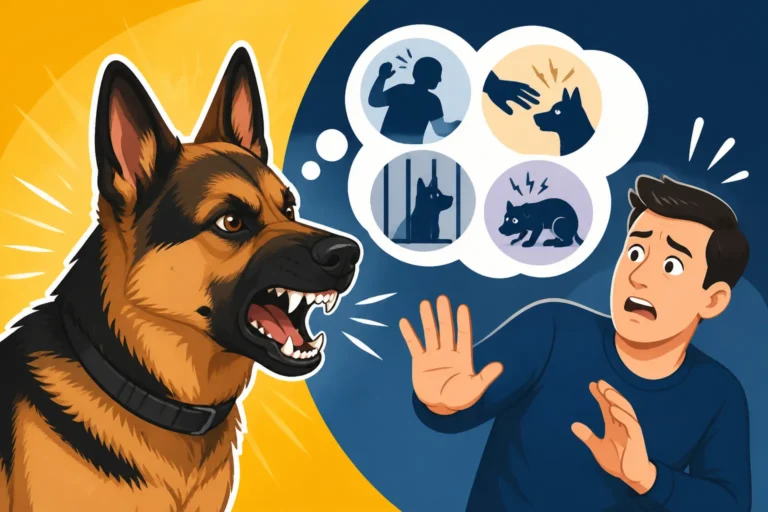
While many herding behaviors can be managed with the strategies outlined above, there are times when seeking professional help is not just advisable, but necessary. If your German Shepherd's herding behavior involves excessive nipping that breaks skin, intense growling, or signs of aggression (such as snarling, lunging, or guarding resources), it's time to consult an expert immediately. These behaviors move beyond simple herding and into the realm of aggression, which requires specialized intervention.
A certified professional dog trainer (CPDT-KA) or a veterinary behaviorist can assess your specific situation, observe your dog's interactions, and develop a tailored behavior modification plan. They can also help identify any underlying anxieties or issues that might be contributing to the behavior. For complex cases, a veterinary behaviorist can evaluate if there's a medical component contributing to the behavior and, if necessary, recommend medication in conjunction with training. Don't feel ashamed or defeated if you need to call in a pro; it shows you're a responsible owner committed to your dog's well-being and your family's safety. Early intervention with a qualified expert can often prevent issues from escalating, providing you with the tools and confidence to help your German Shepherd thrive in a family environment. You might find our article on German Shepherd Behavior Problems and Solutions helpful for recognizing various challenges.
Disclaimer
The information provided in this article is for general informational purposes only and is not a substitute for professional veterinary advice, diagnosis, or treatment. Always seek the advice of your veterinarian or other qualified animal health provider with any questions you may have regarding a medical condition or behavioral issue.