How Much Exercise Does a German Shepherd Need
Many German Shepherd owners find themselves utterly bewildered by their dog's boundless energy, often leading to frustrations like destructive chewing, incessant barking, or hyperactive behavior around the house. It's a common misconception that a quick walk around the block is enough for these magnificent animals, but the truth is, German Shepherds are working dogs bred for endurance and purpose, and understanding their specific exercise needs is crucial for a happy, well-adjusted companion and a peaceful home. This comprehensive guide will walk you through exactly how much exercise your German Shepherd truly needs, covering all ages and stages of life, and offering practical strategies to meet those demands.
Understanding Your German Shepherd's Energy Levels
Owning a German Shepherd means signing up for an active lifestyle, and that's not just a suggestion – it's a fundamental requirement for their well-being. These dogs aren't designed to be couch potatoes; they thrive on physical and mental exertion.
The Breed's Innate Drive and History
Let's talk about where this incredible energy comes from. German Shepherds were originally bred in Germany in the late 19th century by Max von Stephanitz to be ultimate herding dogs. Their role wasn't just to gather sheep; it was to do so with intelligence, speed, agility, and incredible stamina over vast distances. Think about it: a shepherd might spend an entire day traversing pastures, and their dog needed to keep pace, think independently, and remain focused on the task. This history is etched into their DNA.
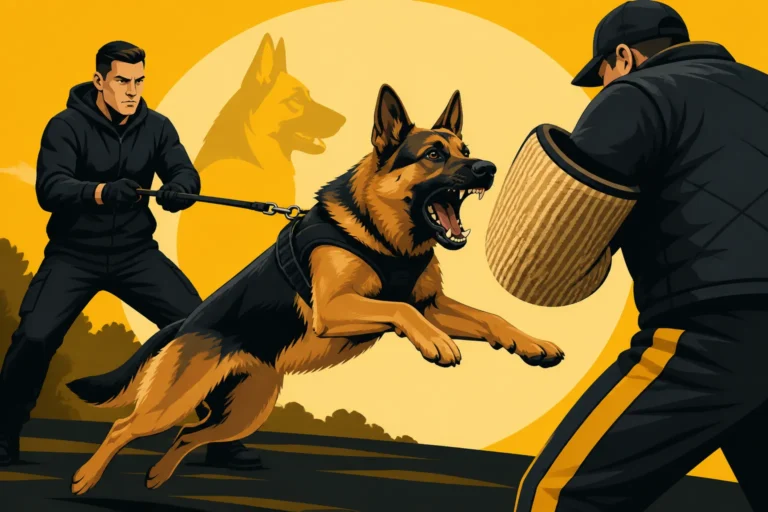
Fast forward to today, and while many German Shepherds are beloved family pets, that inherent drive to work, to move, and to problem-solve hasn't diminished. They are still widely used in police and military K9 units, as search and rescue dogs, service animals, and in competitive dog sports like Schutzhund and IGP. This "working dog" mentality translates into a deep need for a daily outlet for their physical prowess and their sharp minds. Neglecting this often leads to a frustrated dog who invents their own "jobs" – which typically manifest as behaviors we find undesirable, like digging up the yard or destroying furniture. Understanding their history helps us appreciate why a leisurely stroll just won't cut it. For a deeper dive into their natural inclinations, check out our guide on German Shepherd Temperament and Personality
Factors Influencing Individual Energy
While the breed as a whole is high-energy, it's also important to remember that every dog is an individual. Several factors can influence your German Shepherd's specific energy levels and, consequently, their exercise requirements. First, consider their lineage: is your dog from a working line or a show line? Working line German Shepherds, often seen in police or military applications, typically possess even higher energy drives and an insatiable need for rigorous activity compared to their show line counterparts, who might have a slightly mellower temperament, though still active.
Age is another significant factor, which we'll delve into more deeply shortly. Puppies have bursts of energy but need careful management to protect their developing joints. Adolescents and young adults are often at their peak energy. Senior dogs, naturally, will slow down. Genetics also play a role; some dogs are just born with a more intense drive than others. Lastly, your dog's overall health and diet will impact their energy. A well-fed, healthy German Shepherd will have more sustained energy than one battling a health issue or eating poor-quality food. It’s vital to observe your own dog and tailor their routine to their unique needs and capabilities, not just a generic expectation.
German Shepherd Exercise Requirements by Age
Just like with people, a German Shepherd's exercise needs change dramatically throughout their life. What's perfect for a boisterous young adult can be detrimental to a growing puppy or an aging senior.
Puppy Exercise: The Delicate Balance
Ah, German Shepherd puppies! They are bundles of adorable fluff and seemingly endless energy, often zooming around the house at lightning speed. It's tempting to want to tire them out with long runs or intense play sessions at the dog park, but this is where caution is absolutely paramount. A German Shepherd puppy's bones, joints, and growth plates are still developing, and over-exercising them can lead to irreversible damage, increasing the risk of conditions like hip and elbow dysplasia later in life. This is why understanding German Shepherd Growth Plates and Exercise is so crucial.
The general rule of thumb for puppies is the "five-minute rule": roughly five minutes of structured exercise per month of age, twice a day. So, an 8-week-old puppy (2 months) would get about 10 minutes of activity, two times a day. This includes short, controlled walks on a leash, supervised play in a secure yard, and short training sessions. Focus on socialization and gentle play rather than strenuous activities. Avoid repetitive impact exercises like long-distance running, jumping from heights, or intense fetching sessions until their growth plates have closed, usually between 12-18 months of age. Free play in a safe, soft environment (like grass) is often preferable to forced exercise, allowing them to self-regulate their activity. It’s a fine line to walk – you want to build strength and confidence without causing harm. For more specific guidance, you might find our article on How Much Exercise Is Too Much for a Puppy particularly helpful.
Adolescent and Adult German Shepherds: Peak Performance
This is the phase where your German Shepherd truly hits their stride and demands a substantial amount of activity. From about 12-18 months onward, once their growth plates are closed and their bodies are more mature, they can handle much more strenuous and prolonged exercise. An adult German Shepherd typically needs at least 1.5 to 2 hours of dedicated, vigorous exercise every single day. This isn't just letting them out in the backyard; it means structured activities that get their heart rate up and challenge their bodies and minds.
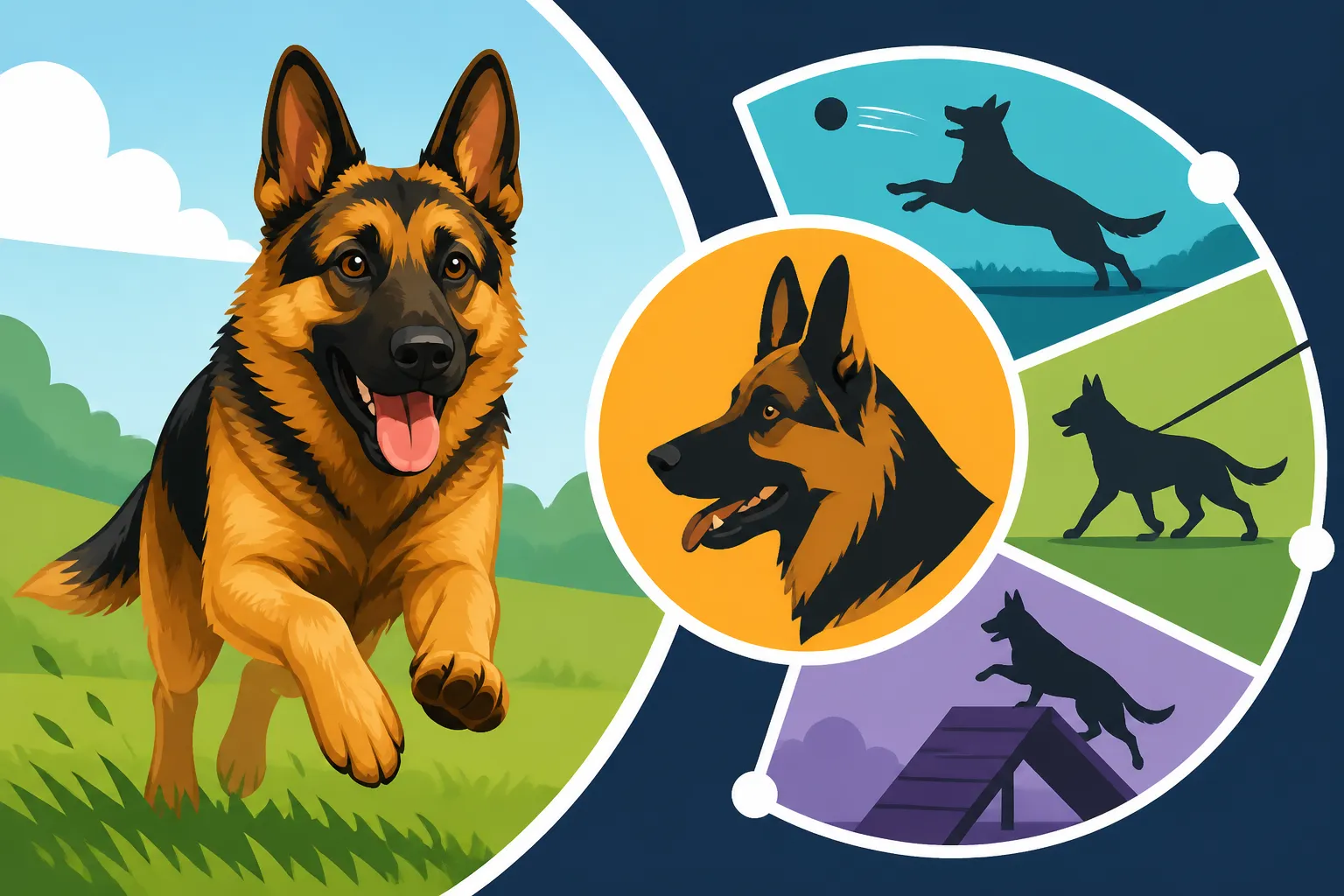
Think about a combination of activities: a long, brisk walk or jog (45-60 minutes), an intensive fetching session, swimming, or hiking. Off-leash time in a safe, enclosed area where they can sprint and explore is also incredibly valuable. Many owners split this into two or three sessions throughout the day. For example, a morning jog, an afternoon training session, and an evening walk. Without this consistent, high-level exercise, you'll likely see boredom manifest as destructive chewing, excessive barking, digging, or even anxiety. Their physical stamina is matched by their mental acuity, so the exercise needs to be engaging, not just repetitive. Remember, a tired German Shepherd is a good German Shepherd, and this age range is where you can truly harness their athletic potential.
Senior German Shepherds: Adapting to Changing Needs
As your German Shepherd enters their golden years, typically around 7-8 years old, their exercise needs will gradually begin to shift. They still require activity to maintain muscle mass, joint flexibility, and mental sharpness, but the intensity and duration will need to be adjusted. Ignoring their aging body can exacerbate issues like arthritis or lead to injury.
Instead of long, high-impact activities, focus on shorter, more frequent walks on soft surfaces. Two to three 20-30 minute gentle walks a day might be more appropriate than one long hike. Swimming, if your dog enjoys it, is an excellent low-impact exercise that can help maintain muscle tone without stressing joints. Consider introducing puzzle toys and shorter, gentle training sessions to keep their minds engaged without overtaxing their bodies. Pay close attention to their cues: are they lagging behind, limping, or reluctant to get up after exercise? These are all signs that you might need to scale back or consult your veterinarian about pain management. Supplements like glucosamine and chondroitin can also be beneficial for joint health. Our comprehensive German Shepherd Senior Care Guide offers more advice on keeping your aging companion comfortable and active.
The Difference Between Physical and Mental Stimulation
When we talk about exercise for German Shepherds, it's easy to just think about running and jumping. But these intelligent dogs need more than just physical exertion; they crave mental challenges just as much, if not more, to truly feel fulfilled. Neglecting one aspect will inevitably lead to problems.
Essential Physical Activities for German Shepherds
For a German Shepherd, physical activity isn't just about burning calories; it's about channeling their natural athleticism and stamina. Brisk walks, jogging, and running are fundamental. A good daily routine might include at least one long, sustained walk of 45-60 minutes at a decent pace, and another shorter, perhaps more exploratory walk. Beyond structured walks, fetching a ball or frisbee in a large, secure area is fantastic for their speed and agility, and it’s a wonderful way to bond. However, always be mindful of their age and joint health when doing repetitive fetching.
Swimming is another excellent, low-impact full-body workout that many German Shepherds adore, especially on hot days. Hiking on varied terrain can challenge their muscles and senses. Agility courses, whether homemade in your backyard or through organized classes, are superb for both physical coordination and mental focus. Remember, variety is the spice of life for these active dogs. Mixing up their routine keeps them engaged and prevents boredom, making their physical exercise sessions more effective and enjoyable for both of you.
Crucial Mental Enrichment for a Happy Dog
While physical exercise tires the body, mental stimulation tires the brain, and for a German Shepherd, that’s just as, if not more, important. A mentally bored German Shepherd can be just as destructive as a physically under-exercised one, sometimes even more so. Their intelligence demands a challenge. Think of their brain as a powerful computer that needs constant processing tasks.
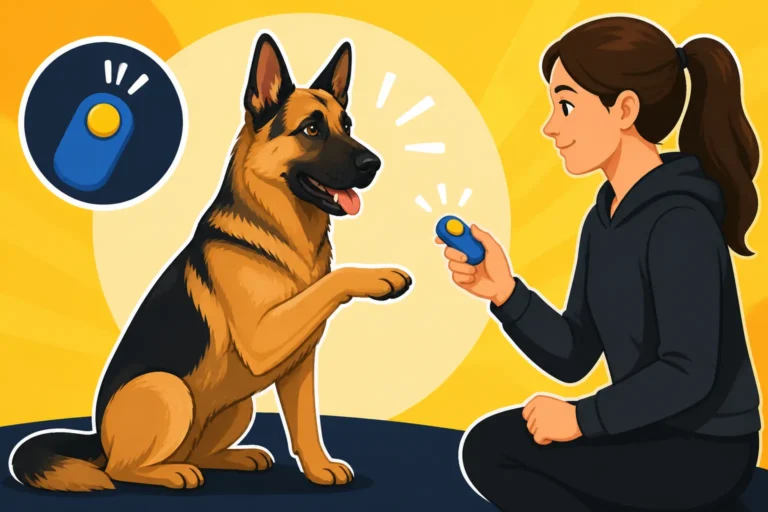
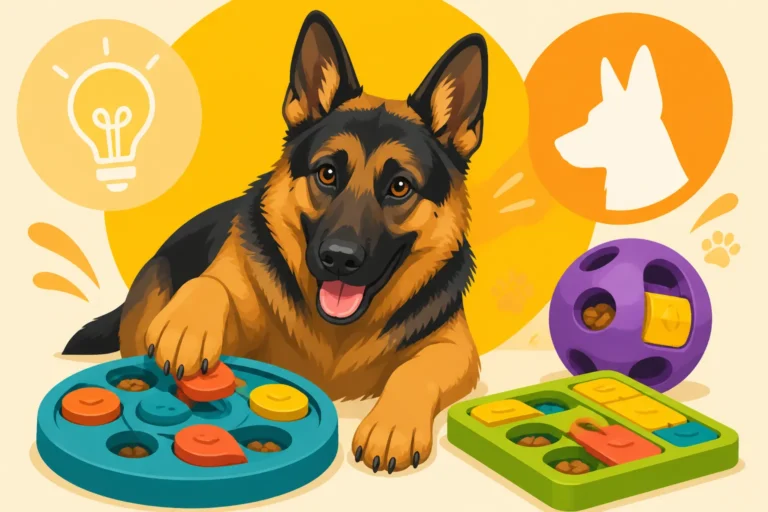
Training sessions, even short 10-15 minute bursts throughout the day, are powerful mental workouts. Teaching new commands, refining existing ones, or practicing tricks all engage their minds. Puzzle toys, which require them to figure out how to get a treat, are fantastic for independent mental play. Brands like Kong and Outward Hound offer a great variety, easily found on platforms like Amazon. Scent work, where they have to use their powerful noses to find hidden treats or toys, is incredibly engaging and tiring. You can even create simple scent games at home. Structured obedience classes or dog sports like rally obedience, tracking, or even competitive dock diving can provide an incredible outlet for their intelligence and focus. For more ideas on how to keep your German Shepherd's mind sharp, delve into our guide on Best Mental Stimulation for German Shepherds.
Crafting an Effective Exercise Routine
Developing a consistent and varied exercise routine is key to ensuring your German Shepherd is well-balanced and happy. It's not about doing the same thing every day, but about having a structured approach that you can adapt.
Daily Exercise: What a Typical Day Looks Like
A solid daily routine for an adult German Shepherd should be a dynamic mix of physical and mental engagement. Imagine starting the day with a brisk 30-45 minute walk or jog. This helps burn off some morning energy and gets their blood flowing. In the middle of the day, perhaps a shorter 15-20 minute leashed walk combined with a short training session focusing on obedience commands like "sit," "stay," and "come." These short bursts of mental work are just as exhausting as physical exertion. Our guide on German Shepherd Obedience Training Basics can help you get started.
The late afternoon or early evening is usually the prime time for their most vigorous activity. This could be a solid hour of off-leash play, intense fetching, a longer hike, or a dedicated training session for a specific skill, such as practicing a reliable recall. After this, a calm wind-down with some puzzle toys or a chew can be beneficial. Finally, a shorter, calm potty walk before bed. Consistency is vital, but don't be afraid to switch up the activities to prevent boredom and keep your dog guessing and engaged. This combination ensures both their body and mind are adequately worked.
Incorporating Training and Play
Training shouldn't be seen as a separate chore but as an integral part of your German Shepherd's daily exercise. Every training session, whether it's five minutes of practicing new tricks or refining existing commands, provides valuable mental exercise. Consider incorporating practical training into your walks; for example, practice a solid "heel" or a reliable "come" (check out our guide on How to Teach a German Shepherd to Come for tips) while out and about. This transforms a simple walk into an engaging mental workout.
Play is equally important for bonding and burning off steam. Interactive games like fetch, tug-of-war (with rules, of course!), or hide-and-seek keep them active and mentally stimulated. For owners looking for structured training, online programs can be a godsend. For instance, BAXTER & Bella offers comprehensive online puppy training programs that can help you integrate play and training effectively from a young age, ensuring both physical and mental needs are met. Remember, even short, frequent play sessions contribute significantly to their overall well-being.
Tools and Gear to Enhance Exercise
Having the right equipment can make all the difference in keeping your German Shepherd's exercise routine safe, effective, and enjoyable. For leash walks, a sturdy leash and a comfortable, well-fitting harness are essential. A front-clip harness can be particularly helpful for dogs that tend to pull. For off-leash areas, a long line (a very long leash, typically 15-30 feet) can allow them more freedom to explore while still providing a measure of control, especially when working on recall. You can find a vast selection of these items on Amazon, often with detailed reviews from other large dog owners.
For fetching, durable balls or frisbees designed for powerful chewers are a must. Kong toys are excellent for stuffing with treats, providing a long-lasting mental challenge. If you're into hiking, consider a dog backpack for your GSD to carry some of their own water or supplies, which also adds a gentle weight for extra physical exertion (ensure it's fitted properly and not too heavy). Safety gear like reflective vests for night walks and a first-aid kit for outdoor adventures are also wise investments. These tools not only enhance their exercise but also contribute to their overall safety and enrichment.
Recognizing Signs of Under or Over Exercised German Shepherds
It's a common dilemma: how do you know if you're doing too little or too much? Finding that sweet spot is essential, and your German Shepherd will definitely communicate their needs through their behavior and physical state. Learning to read these signs is a critical skill for any GSD owner.
Symptoms of Insufficient Exercise
An under-exercised German Shepherd is often a problematic German Shepherd. Their innate drive doesn't just disappear; it finds less desirable outlets. The most common signs include destructive behaviors like chewing furniture, digging up the yard, or tearing apart household items. This isn't out of spite; it's a dog trying to relieve pent-up energy and boredom. Excessive barking or whining, often seemingly without cause, can also be a cry for more activity.
Another indicator is hyperactivity around the house. If your dog constantly paces, nudges you for attention, or gets overly excited at the slightest provocation, they likely have too much energy. Some German Shepherds might develop anxiety or even aggression issues due to a lack of appropriate outlets for their stress and energy. They might also become less responsive to commands because they're too restless to focus. If you're seeing a pattern of these behaviors, it's a strong signal that you need to re-evaluate and increase both the quantity and quality of their physical and mental exercise. A bored German Shepherd isn't a happy German Shepherd, and their behavior will reflect that unhappiness.
Avoiding Over-Exertion and Injury
While under-exercising is a common issue, it's also possible to push your German Shepherd too hard, especially with puppies, senior dogs, or during extreme weather. Signs of over-exertion can include excessive panting, drooling, lethargy, reluctance to move, or a noticeable limp after activity. If your dog struggles to keep up, collapses, or shows signs of extreme fatigue, it's time to stop and rest. Heatstroke is a serious risk for German Shepherds, especially those with thick double coats, so always avoid strenuous exercise during the hottest parts of the day and ensure constant access to fresh water.
For puppies and adolescents, repetitive, high-impact activities on hard surfaces can contribute to joint issues. Watch for subtle changes in gait or a slight stiffness. If you notice your German Shepherd limping or appearing to be in pain, consult your vet immediately. Our guide on German Shepherd Limping: When to Worry can provide immediate insights. It’s also wise to educate yourself on How to Tell If a German Shepherd Is in Pain so you can intervene early. Knowing your dog's limits, especially as they age or during health challenges, is paramount. A balanced approach means challenging them without pushing them past their physical boundaries, ensuring their long-term health and well-being.
Exercise at a Glance for Your German Shepherd
To help visualize your German Shepherd's exercise needs, here's a general guideline. Remember, these are averages, and individual dogs may vary. Always consult your veterinarian for specific health-related exercise advice.
| Age Group | Daily Structured Exercise Duration | Type of Exercise | Key Considerations |
|---|---|---|---|
| Puppy (2-6 months) | 10-30 minutes (2x day) | Short, gentle walks; supervised free play on soft ground | Avoid high-impact, repetitive activities; protect growth plates |
| Adolescent (6-18 months) | 60-90 minutes (2-3x day) | Brisk walks, moderate fetch, gentle hikes, obedience training | Increase intensity gradually; still cautious with extreme impact |
| Adult (1.5-7 years) | 90-120+ minutes (2-3x day) | Vigorous walks/jogs, intensive fetch, hiking, swimming, dog sports, advanced training | Mix physical and mental; adjust for working vs. show lines |
| Senior (7+ years) | 45-60 minutes (2-3x day) | Shorter, gentle walks; swimming; low-impact play, puzzle toys | Prioritize comfort, joint health; avoid over-exertion; vet consult |
This table serves as a quick reference, but the narrative provides the crucial context for adapting these guidelines to your unique German Shepherd.
Disclaimer
This article is for general informational purposes only and does not constitute professional advice. Laws, prices and regulations vary by location and change over time. Consult a qualified professional for guidance on your specific situation.