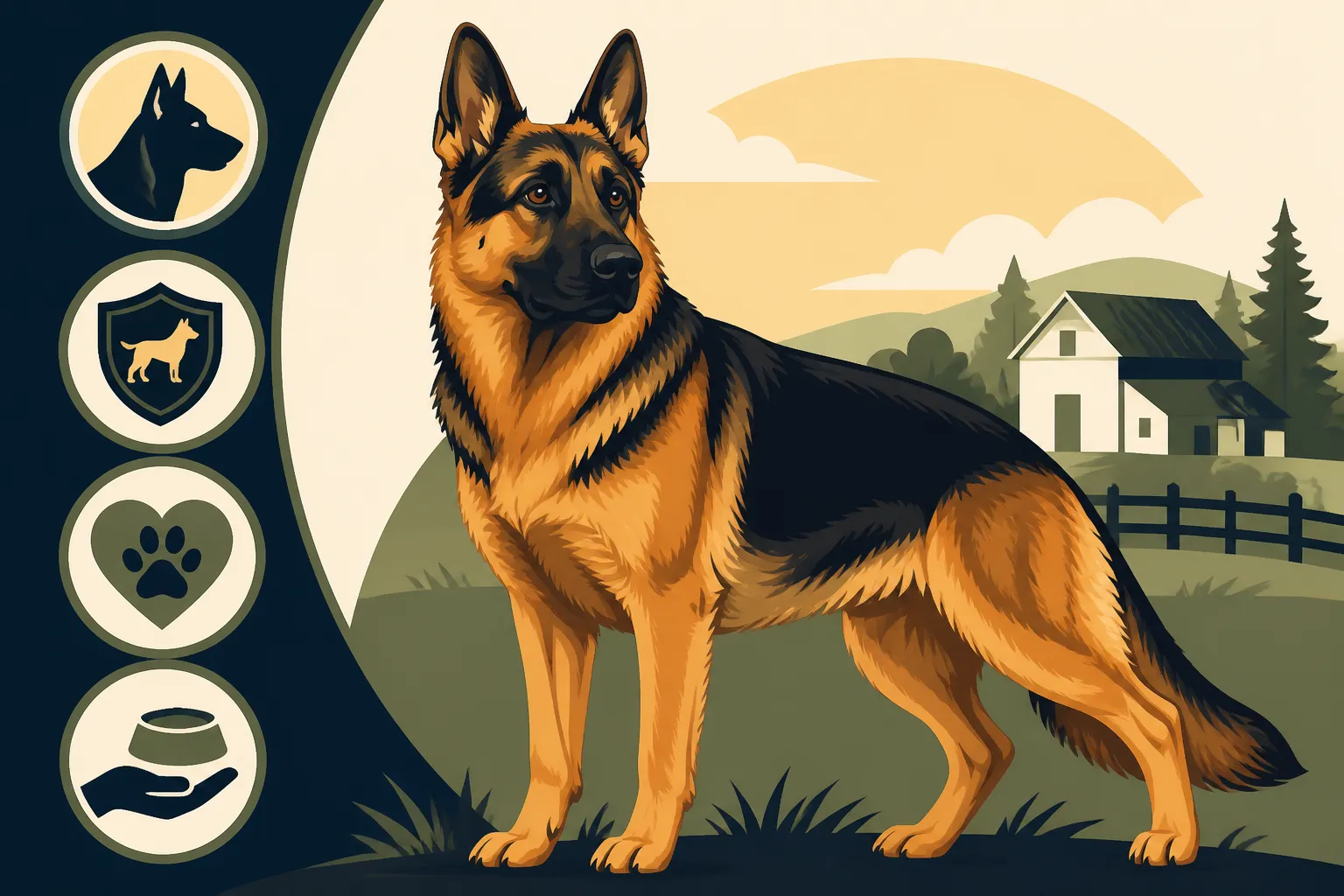
Old-Fashioned German Shepherd: Traits, Facts, and Care
It’s understandable to feel a pull towards the "Old-Fashioned German Shepherd" if you've been researching the breed and noticed the distinct differences between modern lines. Many enthusiasts find themselves longing for the dogs of yesteryear, believing they represent the truest form of the breed – a desire often stemming from concerns about health and temperament in contemporary German Shepherds. This guide aims to demystify what an "Old-Fashioned German Shepherd" truly is, shedding light on their defining traits, facts, and the specific care they require to thrive in your home.
What Defines an "Old-Fashioned German Shepherd"?
The term "Old-Fashioned German Shepherd" isn't an official breed designation, which can be a source of confusion for many prospective owners. Instead, it typically refers to German Shepherds that possess characteristics reminiscent of the breed's original standard established by Captain Max von Stephanitz in Germany. These dogs are often sought after for their more traditional appearance, robust health, and stable temperament, which some argue have been diluted in certain modern show lines. It's a nod to a time before extensive selective breeding led to the more extreme physical traits seen in some contemporary dogs.
Historical Roots and Breed Evolution
To understand the "Old-Fashioned" type, we need to glance back at the German Shepherd's origins. Von Stephanitz’s vision was to create the ultimate working dog – intelligent, athletic, courageous, and loyal. The early German Shepherds were characterized by a strong, level back, powerful gait, and an unwavering drive to work. They were bred for endurance and utility, not solely for aesthetic show ring conformity. Over the decades, especially after World War II, breeding philosophies began to diverge, leading to distinct lines like the Working Line vs Show Line German Shepherd. The "Old-Fashioned" ideal largely aligns with the working lines or the earlier types that predated these significant divergences.
Distinguishing from Modern Lines
The primary distinction often lies in physical structure and overall purpose. Modern show lines, particularly those in North America and some European countries, often exhibit exaggerated angulation in their rear legs, which contributes to a very specific, low-to-the-ground gait. This has led to the "sloped back" appearance that many people associate with the breed today, sometimes causing health concerns. In contrast, an "Old-Fashioned" German Shepherd is typically characterized by a straighter back, less extreme angulation, and a more powerful, less flashy gait. They retain a sturdy, no-frills physique built for stamina and function over aesthetics.
Key Traits and Characteristics of the Old-Fashioned German Shepherd
When people talk about Old-Fashioned German Shepherds, they're often referring to a combination of physical attributes and a certain innate disposition that harkens back to the breed's foundational purpose. These traits are what make them so appealing to those looking for a classic companion.
Physical Appearance and Structure
The most immediate visual cue for an "Old-Fashioned German Shepherd" is their physical structure. They typically have a strong, level topline, meaning their back appears relatively straight from shoulders to tail, without the dramatic slope often seen in some show-line German Shepherds. Their angulation, particularly in the rear, is moderate, allowing for efficient, powerful movement without undue stress on joints. These dogs are built for power, agility, and endurance. Their bone structure is substantial, giving them a robust and sturdy appearance, and they tend to have strong, well-muscled legs.
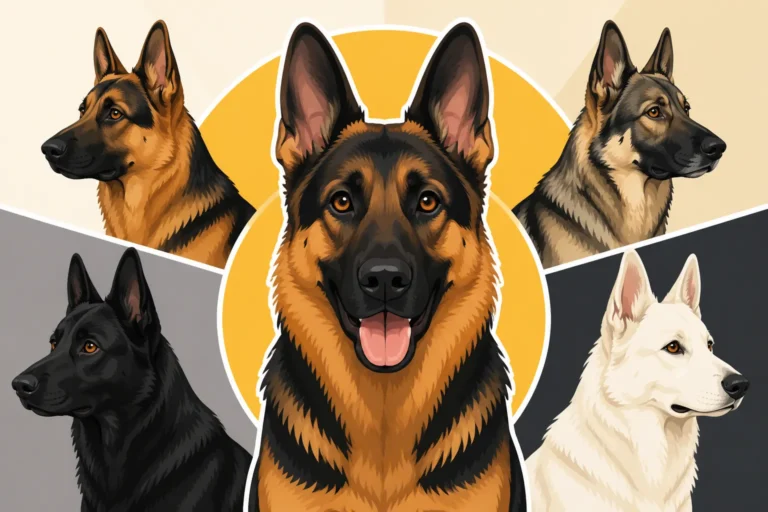
They often possess a dense double coat, which is a hallmark of the breed, providing excellent protection against various weather conditions. While coat colors vary, traditional black and tan, sable, and solid black are common. You'll find more information on their physical makeup in our broader German Shepherd Physical Characteristics guide.
Temperament and Drive
Beyond their looks, the temperament of an Old-Fashioned German Shepherd is a crucial aspect of their appeal. These dogs are generally known for their stable nerves, intelligence, and unwavering loyalty. They tend to be confident, courageous, and possess a strong work ethic. They thrive on having a job to do, whether that's protection, obedience, herding, or simply being a vigilant family guardian. This inherent drive makes them highly trainable, eager to please, and deeply bonded with their families.
However, this doesn't mean they are aggressive; rather, they are typically confident and self-assured, capable of discerning real threats from everyday situations. Early and consistent socialization, along with firm, positive training, is paramount to channel their natural instincts appropriately. You can learn more about fostering a balanced personality in our article on German Shepherd Temperament and Personality.
Health Considerations and Lifespan
One of the significant motivations for seeking an "Old-Fashioned German Shepherd" is often the hope for better health and a longer, more active life. While no dog is guaranteed perfect health, the structural differences in traditional lines can indeed play a role in their overall well-being.
Common Health Concerns in German Shepherds
German Shepherds, regardless of line, are predisposed to certain genetic conditions. The most well-known are German Shepherd Hip Dysplasia Explained and elbow dysplasia. Many believe that the less extreme angulation and straighter backs of Old-Fashioned German Shepherds contribute to a reduced incidence or severity of these joint issues compared to dogs with more dramatically sloped backs. However, this is not a blanket guarantee. Responsible breeding is crucial, and even traditional lines should undergo thorough German Shepherd Genetic Health Testing to screen for these and other hereditary conditions like degenerative myelopathy.
Other health concerns common to the breed can include certain cancers, bloat (gastric dilatation-volvulus), and Exocrine Pancreatic Insufficiency (EPI). A comprehensive approach to health, including proper nutrition, regular exercise, and preventative vet care, is essential for any German Shepherd.
The Role of Structure in Health
The physical structure of an Old-Fashioned German Shepherd, with its more moderate angulation and level topline, is often seen as more biomechanically sound. This means the joints and spine are under less stress during movement, potentially leading to fewer orthopedic problems as the dog ages. While modern show lines are bred for a specific aesthetic and gait prized in the ring, the "Old-Fashioned" type prioritizes functionality and structural integrity that supports a long, active working life. When considering a puppy, asking a breeder about their dogs' joint health screenings and looking for information on OFA vs PennHIP Hip Scoring Explained is always a good idea.
Longevity Expectations
The lifespan of a German Shepherd generally ranges from 9 to 13 years. While an "Old-Fashioned" build might theoretically contribute to a longer, healthier life due to potentially fewer orthopedic issues, diet, exercise, and overall care play just as significant a role. A well-bred, well-cared-for German Shepherd, regardless of its specific "line," has the best chance at a long life. Providing an appropriate German Shepherd Diet by Age and Weight and ensuring they maintain a healthy weight can drastically influence their longevity and quality of life.
Caring for an Old-Fashioned German Shepherd
Bringing an Old-Fashioned German Shepherd into your home means committing to their specific needs. These are not low-maintenance dogs; they are intelligent, active, and require consistent engagement to thrive.
Exercise Requirements
Given their working dog heritage, Old-Fashioned German Shepherds have substantial exercise needs. They are not content to be couch potatoes. Daily vigorous exercise is a must, which can include long walks, running, hiking, fetch, or dog sports like agility, obedience, or protection work. Mental stimulation is just as important as physical exertion. Neglecting their exercise requirements can lead to boredom, frustration, and potentially destructive behaviors.
Consider incorporating activities that tap into their natural intelligence and drive. This could be advanced obedience training, tracking games, or even just consistent training sessions in the backyard. For a deeper dive into their physical activity needs, refer to our article on German Shepherd Exercise Requirements.
Training and Socialization
Training an Old-Fashioned German Shepherd is a rewarding experience due to their high intelligence and eagerness to learn. However, it requires consistency, patience, and a confident leader. These dogs respond best to positive reinforcement methods. Early socialization, starting from puppyhood, is critical to ensure they grow into well-adjusted adults. Expose them to various sights, sounds, people, and other friendly animals in a controlled and positive manner.
Obedience training should begin early and continue throughout their lives. Basic commands are just the start; these dogs excel at advanced tasks. Our comprehensive How to Train a German Shepherd guide provides excellent starting points, as does our advice on German Shepherd Puppy Training Guide. Remember, a well-trained German Shepherd is a joy, but an untrained one can be a handful.
Nutrition and Diet
Feeding an Old-Fashioned German Shepherd a high-quality, balanced diet is fundamental to their health and vitality. Their active lifestyle demands proper nutrition to support muscle development, energy levels, and overall well-being. Look for dog foods that list meat as the primary ingredient and are appropriate for large, active breeds. The amount you feed will depend on their age, weight, activity level, and metabolism.
It’s often beneficial to discuss your dog's specific dietary needs with your veterinarian to ensure they are getting all the necessary nutrients. When sourcing dog food, whether it's high-quality kibble, wet food, or raw diet components, platforms like Chewy offer a wide array of options and customer reviews to help you make an informed choice. You can explore more on this topic in our article on the Best Dog Food for German Shepherds.
Grooming and Maintenance
Old-Fashioned German Shepherds typically have a dense double coat that requires regular grooming to stay healthy and manage shedding. They are known for shedding year-round, with heavier "blow-out" seasons twice a year. Regular brushing, at least a few times a week, helps remove loose hair, prevent mats, and distribute natural oils, keeping their skin and coat healthy. During heavy shedding, daily brushing might be necessary.
While they don't require frequent bathing, occasional baths can help keep their coat clean. Nail trims, ear cleaning, and dental care are also important components of their routine maintenance. Managing German Shepherd Shedding: How to Manage It is a lifelong commitment for GSD owners.
Here's a quick comparison of Old-Fashioned and Modern Show Line German Shepherds:
| Feature | Old-Fashioned German Shepherd | Modern Show Line German Shepherd (e.g., American Show Line) |
|---|---|---|
| Back Structure | Generally level/straight topline | Distinctly sloped back with exaggerated rear angulation |
| Rear Angulation | Moderate, built for endurance and powerful gait | Pronounced, leading to a low-to-the-ground, "flying trot" |
| Overall Build | Robust, sturdy, substantial bone | Often more refined, sometimes appearing lighter-boned |
| Temperament Focus | Stable nerves, strong working drive, confidence | Can vary; some lines prioritize aesthetics over working drive |
| Movement | Efficient, ground-covering, powerful, less exaggerated | Flowing, low to the ground, with significant reach and drive |
| Primary Breeding Goal | Functionality, working ability, balanced temperament | Conformation to show ring standards, specific gait |
Is an Old-Fashioned German Shepherd Right for You?
Deciding to bring any dog into your life is a big commitment, and an "Old-Fashioned German Shepherd" is no exception. They are magnificent animals, but they require a specific type of owner and environment to truly flourish.
What to Consider Before Bringing One Home
Before you commit to an Old-Fashioned German Shepherd, take a realistic look at your lifestyle. Do you have the time and energy for daily, rigorous exercise? Are you prepared for consistent, lifelong training and mental stimulation? Do you have experience with strong-willed, intelligent working breeds? These dogs are not suitable for sedentary individuals or those who can't provide firm, consistent leadership. They thrive in homes where they are considered integral family members and have a "job" to do, whether formal or informal.
Consider your living situation too. While they can adapt to various homes, a spacious yard where they can run and play safely is a huge bonus. More importantly than yard size, however, is your commitment to meeting their exercise and mental needs every single day. If you’re looking to provide the best possible environment, our general guide on How to Keep a German Shepherd Healthy offers valuable insights.
Finding a Reputable Breeder
Since "Old-Fashioned German Shepherd" isn't an official classification, finding a responsible breeder requires careful research. You'll likely be looking for breeders who focus on preserving traditional working lines, often with West German Working Line, Czech Working Line, or DDR German Shepherds. These breeders typically prioritize temperament, health, and working ability over extreme conformation.
A good breeder will be transparent about their dogs' health testing, pedigrees, and breeding philosophies. They will ask you many questions to ensure you're a good fit for one of their puppies, and they'll be a lifelong resource for support and advice. Don't be afraid to ask to see the parents, their health clearances, and the environment where the puppies are raised.
Ultimately, the Old-Fashioned German Shepherd embodies the enduring spirit of von Stephanitz's original vision: a noble, intelligent, and supremely capable working dog that forms an unbreakable bond with its human family. With the right care, commitment, and understanding, these classic canines can be the most devoted companions you could ever wish for.
Disclaimer
This article is for general informational purposes only and does not constitute professional advice. Laws, prices and regulations vary by location and change over time. Consult a qualified professional for guidance on your specific situation.