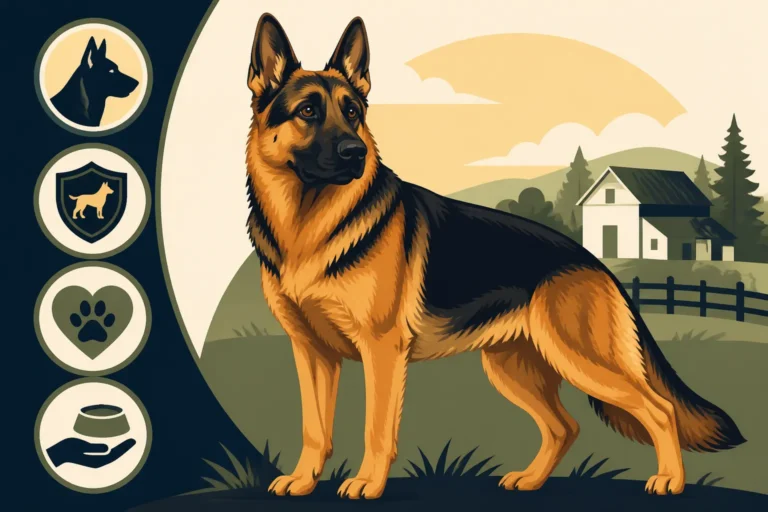
German Shepherd vs Labrador as a Family Dog
Deciding between a German Shepherd and a Labrador Retriever for your family is a really tough call, and it’s a dilemma many prospective dog owners face! Both breeds are incredibly popular, but they come with distinct personalities, needs, and traits that can make one a far better fit for your household than the other. This guide will help you navigate the nuances of each breed, offering a realistic look at how a German Shepherd stacks up against a Labrador when it comes to family life, so you can make an informed decision that brings joy, not stress, to your home.
German Shepherds as Family Dogs: The Loyal Protector
German Shepherds are undeniably majestic and intelligent dogs, often lauded for their loyalty and protective instincts. They form incredibly strong bonds with their families, often to the point of being devoted shadows. However, their strong working dog heritage means they come with a unique set of needs and characteristics that prospective families absolutely must understand. They aren't just big, fluffy companions; they are intelligent animals that thrive on purpose and structure.
Temperament and Personality of a German Shepherd in a Family Setting
When you bring a German Shepherd into your family, you’re bringing in a watchful, alert, and often reserved companion. They are generally not the "everyone's best friend" type of dog upon first meeting, preferring to observe newcomers before deciding if they're worthy of their trust. This isn't aggression; it's discernment, a hallmark of their protective nature. They are fiercely loyal to their immediate family members, often forming a deep bond with one or two primary caregivers, though they will extend their loyalty to the entire household. This breed thrives on having a job, even if that "job" is simply being a vigilant family guardian or a diligent participant in daily training sessions. Without proper guidance and stimulation, that incredible intelligence can turn into destructive boredom or anxiety. You can dive deeper into their core traits by reading our comprehensive guide on German Shepherd Temperament and Personality.
For families with children, a well-socialized and properly trained German Shepherd can be a wonderful, patient, and protective companion. They often see children as part of their "flock" to be watched over. However, their size and strength mean that supervision is always key, especially with very young children. Their herding instincts might lead them to gently nudge or "herd" children, which, while usually harmless, can be startling. Introducing them to various people, sights, and sounds from a young age is paramount to ensure they develop into well-adjusted adults, which is why we emphasize How to Socialize a German Shepherd so much.
Training Needs and Intelligence
The intelligence of a German Shepherd is a double-edged sword: it makes them incredibly trainable, but also means they can easily outsmart an inexperienced owner. They are highly motivated by praise and play, and they excel in obedience, agility, and protection sports. This breed thrives on consistency and clear boundaries. A German Shepherd needs to know what is expected of them, and they respond best to a confident, calm leader. Without this, they might try to assume the leadership role themselves, which can lead to behavioral challenges.
Basic obedience training is not optional for a German Shepherd; it's absolutely essential for a harmonious family life. Commands like "sit," "stay," "come," and "leave it" need to be rock-solid, not just for good manners, but for safety. They enjoy learning new things and mental challenges, so incorporating puzzle toys, advanced obedience, or even scent work into their routine can keep their minds engaged. Early puppy training is particularly important, as detailed in our German Shepherd Puppy Training Guide, to lay a strong foundation. Ignoring their mental needs can lead to frustration for both the dog and the family, manifesting as excessive barking, chewing, or even reactivity.
Exercise and Activity Requirements
German Shepherds are not couch potatoes. They were bred for endurance and work, and they retain that high energy level. An adult German Shepherd needs a significant amount of daily exercise to stay physically and mentally healthy. We're talking about more than just a quick walk around the block. They require vigorous activity such as long hikes, running, fetching, or structured play sessions. A bored German Shepherd with pent-up energy is a recipe for disaster in the home, often leading to destructive behaviors like chewing furniture or digging up the yard.
Beyond physical exercise, mental stimulation is equally crucial. This breed loves to learn and solve problems. Incorporate training sessions, interactive toys, or even just exploring new environments on walks to keep their minds busy. If you're a family that enjoys outdoor activities like hiking, jogging, or even dog sports, a German Shepherd could be a fantastic partner. However, if your family's lifestyle is mostly sedentary, you might find it challenging to meet their considerable exercise demands. Understanding How Much Exercise Does an Adult German Shepherd Need can give you a better idea of the commitment involved.
Labradors as Family Dogs: The Affectionate Companion
Labrador Retrievers have earned their reputation as one of the best family dogs in the world, and for good reason. Their friendly demeanor, endless patience, and zest for life make them incredibly appealing. Originally bred as fishing and hunting companions, they are eager to please and love being part of family activities. However, like German Shepherds, they are not without their specific traits and needs that families should consider.
Temperament and Personality of a Labrador in a Family Setting
Labradors are famously outgoing, friendly, and affectionate. They generally love everyone they meet, from family members to strangers on the street. This makes them fantastic social dogs, adaptable to various environments and usually very welcoming to guests. Their easygoing nature means they typically get along well with children and other pets, often displaying a remarkable level of patience with younger family members. They are known for their playful spirit, often retaining a puppy-like enthusiasm well into their adult years.
A Labrador's primary goal in life often seems to be making their human family happy. They thrive on companionship and being involved in daily life. This means they are not dogs that do well when left alone for extended periods; they crave interaction and can develop separation anxiety if isolated too much. While they are not typically protective in the same way a German Shepherd is, their barking can alert you to newcomers. Their enthusiasm can sometimes manifest as a lack of personal space, as they adore being close to their family, often leaning into you or seeking belly rubs.
Training Needs and Intelligence
Labradors are intelligent and eager to please, which generally makes them highly trainable. They respond very well to positive reinforcement methods and are quick to pick up new commands and tricks. Their desire to retrieve, a strong breed trait, can be channeled into fun games and training exercises. They excel in activities like obedience, agility, dock diving, and field trials.
However, their enthusiastic and sometimes boisterous nature means that consistent training is still essential. A large, playful Labrador who hasn't learned manners can easily knock over a small child or jump on guests. Early socialization and puppy classes are highly recommended to help them channel their energy appropriately and learn to be well-behaved family members. Consistency is key, even with their generally cooperative nature. Their love of food can be a great training motivator, but also means you need to be mindful of their diet to prevent obesity, a common issue for the breed. How to Train a German Shepherd (and by extension, a Labrador) outlines many universal principles that apply to both.
Exercise and Activity Requirements
While perhaps not as intense as a working line German Shepherd, Labradors are still active dogs that require a good amount of daily exercise. They have a natural inclination for retrieving and love to swim, making trips to the beach or a lake a real treat. Daily walks, vigorous games of fetch, and opportunities to run in a securely fenced area are crucial for keeping them happy and healthy. Just like German Shepherds, a bored or under-exercised Labrador can become destructive, turning to chewing or excessive digging to burn off energy.
Labradors excel in various dog sports and activities. Many families find their Labs to be wonderful companions for runs, bike rides (once they're fully grown), or long walks. They also benefit greatly from mental stimulation, like puzzle toys filled with treats from Chewy, or scent games that tap into their natural sniffing abilities. Because they are often food-motivated, incorporating training into their exercise routine can be a fantastic way to engage both their bodies and minds. While their energy might not be as constantly "on" as some German Shepherds, it's still significant and requires a daily commitment from the family.
Direct Comparison: German Shepherd vs. Labrador for Family Life
Now that we've looked at each breed individually, let's put them side-by-side to highlight the key differences and similarities relevant to a family looking for a new canine member.
Temperament with Children and Other Pets
- German Shepherd: Can be incredibly loyal and protective of children, viewing them as part of their "pack." They are often patient but their natural herding instincts may lead to gentle nudging. Early, extensive socialization is critical to ensure they are comfortable and calm around new people and other pets. They may be reserved with strangers.
- Labrador Retriever: Generally known for being extremely patient, friendly, and tolerant with children. They usually love to play but can be boisterous, so supervision is important to prevent accidental bumps. Most Labradors are highly social and welcoming to other pets and strangers.
Training and Adaptability
- German Shepherd: Highly intelligent and eager to learn, but they require a confident, consistent leader. They thrive on structure and a "job." Can become destructive or anxious without adequate mental stimulation and firm boundaries. Excel in advanced obedience and protection work.
- Labrador Retriever: Very intelligent and eager to please, making them generally easier to train for first-time owners. They respond well to positive reinforcement and love to be involved. Their enthusiasm requires consistency to prevent jumping or pulling on the leash. Great for novice owners and those seeking a more straightforward training experience.
Exercise Needs and Lifestyle Fit
- German Shepherd: High energy and endurance. Requires substantial daily physical exercise (long runs, hikes, vigorous play) and significant mental stimulation (training, puzzle toys, scent work). Best for active families who enjoy outdoor activities and can commit to daily engagement. A German Shepherd needs a lot of room to move, preferably a securely fenced yard, but thrives on companionship, not just yard space.
- Labrador Retriever: High energy but typically easier to satisfy than a working line German Shepherd. Needs daily walks, games of fetch, and opportunities to run. Loves water activities. Also benefits from mental stimulation. Good for active families who enjoy regular outdoor play and walks. While they also appreciate a yard, they are content living indoors with their family as long as their exercise needs are met.
Grooming and Shedding
- German Shepherd: Double coat, sheds significantly year-round, with "blow coat" seasons twice a year where shedding is extreme. Requires regular brushing (2-3 times a week, daily during shedding season) to manage loose hair and prevent mats. Occasional bathing.
- Labrador Retriever: Double coat, sheds moderately year-round, with heavier shedding during seasonal changes. Requires regular brushing (1-2 times a week) to remove loose hair. Occasional bathing. Easier to maintain than a German Shepherd's coat in terms of frequency, but still a commitment.
Health Considerations
Both breeds are generally robust but prone to certain genetic health issues. When considering either, it's crucial to look for breeders who perform extensive health testing on their breeding stock.
- German Shepherd: Prone to hip and elbow dysplasia, degenerative myelopathy, bloat (GDV), and certain allergies. Responsible breeders will screen for hip and elbow issues. You can learn more about these in German Shepherd Health Problems Guide and German Shepherd Hip Dysplasia Explained.
- Labrador Retriever: Prone to hip and elbow dysplasia, eye conditions (e.g., progressive retinal atrophy), heart conditions (e.g., tricuspid valve dysplasia), and exercise-induced collapse. They also have a tendency towards obesity if diet and exercise aren't managed carefully.
Comparison Table: German Shepherd vs. Labrador Retriever for Families
Here's a quick overview to help you visualize the differences:
| Feature | German Shepherd | Labrador Retriever |
|---|---|---|
| Temperament with Family | Loyal, protective, forms strong bonds, discerning | Friendly, affectionate, outgoing, patient, eager to please |
| Temperament with Strangers | Reserved, watchful, takes time to trust | Welcoming, social, generally loves everyone |
| Energy Level | High; requires intense physical & mental stimulation | High; requires regular physical activity & play |
| Trainability | Highly intelligent, responds to consistent, firm leadership; can be challenging for novices | Highly intelligent, eager to please, generally easier for novices |
| Grooming | Moderate to High; heavy shedding, frequent brushing | Moderate; moderate shedding, regular brushing |
| Protective Instincts | Strong natural guardian, alert barker | Low to Moderate; friendly, may bark to alert |
| Good for First-Timers? | Challenging; best for experienced owners | Yes, generally very good for first-time owners |
| Common Health Issues | Hip/Elbow Dysplasia, DM, Bloat, Allergies | Hip/Elbow Dysplasia, Eye conditions, Heart issues, Obesity |
Making the Right Choice for Your Family
Choosing between a German Shepherd and a Labrador isn't just about which one is "cuter" or "smarter." It's about finding the breed whose needs and temperament align with your family's lifestyle, experience level, and expectations. Both can be incredible family dogs, but they offer very different experiences.
Consider Your Family's Lifestyle
- Are you an active, outdoorsy family that loves hiking, running, or dog sports? A German Shepherd could be an amazing partner, thriving on adventure and challenges. If you also enjoy the idea of a dog that is deeply devoted and watchful, a German Shepherd could be perfect.
- Do you have young children or other pets, and value an easygoing, social dog above all else? A Labrador's inherent patience and friendliness might be a better fit. If you're looking for a dog that will enthusiastically greet everyone and be a playful, loving companion, the Labrador shines.
- How much time can you commit to training and mental stimulation? German Shepherds demand a significant investment in consistent, structured training to prevent behavioral issues. Labradors also need training, but their eagerness to please can make the process feel less intensive for a novice.
- What is your experience level with dogs? German Shepherds are generally not recommended for first-time dog owners due to their strong personalities and high needs. Labradors are often much more forgiving and adaptable, making them an excellent choice for those new to dog ownership.
- Do you have a securely fenced yard? While both breeds benefit from a yard, a German Shepherd's protective instincts often mean they're more aware of their surroundings and might try to "patrol" if given the chance. A Labrador's social nature means they're less likely to wander but will still appreciate the space to play.
Ultimately, both German Shepherds and Labradors are magnificent breeds that bring immense joy to their families. The "better" choice truly depends on your specific circumstances and what you're looking for in a canine companion.
If you're leaning towards a German Shepherd, ensure you understand the commitment to their training, socialization, and exercise needs. It's a journey that's incredibly rewarding but demands dedication. Perhaps explore articles like Are German Shepherds Good Family Dogs to get an even deeper understanding. For German Shepherd food and supplies, check out Chewy's selection, which often caters to large, active breeds.
If the Labrador's friendly, adaptable nature and slightly more manageable training and exercise demands sound appealing, they could be an excellent match. They're often seen as the quintessential family dog for good reason. Just remember to account for their enthusiastic personality and potential for obesity! Chewy is also a great resource for Labrador-specific foods and toys that stand up to their playful nature.
Regardless of which breed you choose, remember that responsible ownership starts with finding a reputable breeder who prioritizes health and temperament, or considering adoption from a breed-specific rescue. Understanding the German Shepherd Health Problems Guide or researching common Labrador ailments will set you up for success. Every dog is an individual, and meeting the parents of a puppy or spending time with an adult dog from a rescue can give you invaluable insight into their personality.
Disclaimer
This article is for general informational purposes only and does not constitute professional advice. Laws, prices and regulations vary by location and change over time. Consult a qualified professional for guidance on your specific situation.