German Shepherd Coat Colors Explained
It's quite common for German Shepherd owners, both new and seasoned, to feel a bit overwhelmed or confused when diving into the topic of coat colors. You see pictures online, encounter different shades at the dog park, and suddenly realize there's a whole spectrum beyond just the classic "black and tan." It's not just about aesthetics; some colors even carry implications for health or breed standards. This guide aims to clear up all that confusion, offering a comprehensive look at the stunning array of German Shepherd coat colors, from the widely recognized to the truly rare.
Understanding the Standard German Shepherd Coat Colors
When you think of a German Shepherd, a particular image likely pops into your head: a majestic dog with a striking saddle pattern. This iconic look falls under the umbrella of what are considered standard and most common coat colors, often seen in show rings and family homes alike. These colors are not just beautiful, but they're also deeply ingrained in the breed's history and genetic makeup.
Black and Tan
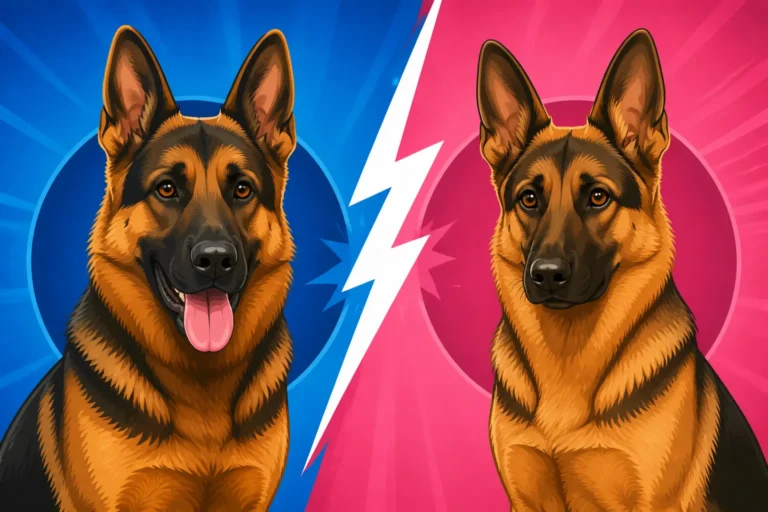
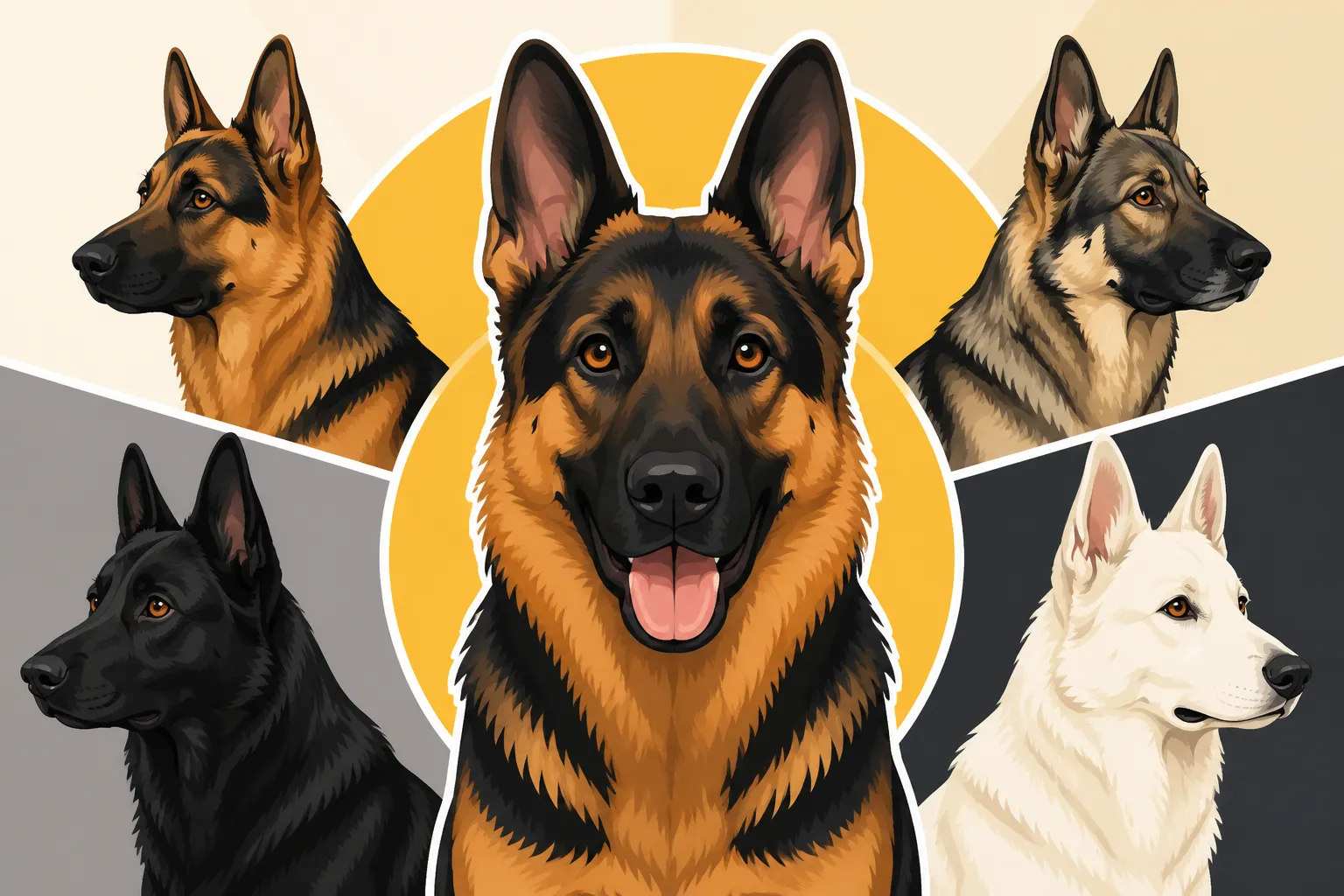
The black and tan German Shepherd is arguably the most recognizable variety, the one that truly defines the breed for many. This classic pattern features a rich black "saddle" covering the dog's back, often extending down the sides, contrasting sharply with tan or red markings on the legs, chest, and sometimes face. The depth of the tan can vary dramatically, from a pale cream or gold to a deep, vibrant red. This variation in pigment intensity is often what makes each black and tan GSD subtly unique, even within the same litter.
For example, a puppy might start with a lighter tan that darkens into a fiery red as they mature, particularly if they come from West German Show Line German Shepherds known for their rich pigmentation. The black on their backs might also intensify, becoming a deep, glossy raven black. This color combination isn't just aesthetically pleasing; it's a hallmark of the breed's standard and is highly sought after by those interested in showing their dogs. When considering a puppy, paying attention to the parents' pigmentation can give you a good indication of how the puppy's colors might develop, and good breeders often conduct German Shepherd Genetic Health Testing which can sometimes offer insights into color genes, although health is always the primary focus.
Black and Red
Closely related to the black and tan, the black and red German Shepherd shares the same distinct black saddle pattern, but with a much deeper, more intense reddish-brown or mahogany coloration in place of the tan. This red often covers broader areas and appears more vibrant, giving the dog a truly regal and striking appearance. Imagine a rich, burnished copper or deep chili pepper red contrasting with an ink-black saddle – that's the black and red.
These dogs are particularly popular in the show lines, especially in Europe, where strong, deep pigmentation is highly valued. The intensity of the red can be quite breathtaking, making these dogs stand out in a crowd. It's not uncommon for a black and tan puppy to mature into a black and red as their adult coat comes in, revealing the full extent of their genetic coloring. Proper nutrition, including a high-quality diet, can also play a role in maintaining coat health and vibrancy, which you can find a wide range of options for on sites like Chewy. Understanding German Shepherd Coat and Skin Care is essential to keep these beautiful colors looking their best.
Other Recognized German Shepherd Coat Colors
Beyond the classic black and tan/red, German Shepherds display several other stunning coat colors that are fully recognized within the breed standard, even if they're not as commonly seen. Each of these colors brings its own unique charm and character to this incredible breed, offering a bit more variety for those looking for something a little different.
Sable
Sable, sometimes referred to as "agouti," is a truly fascinating and ancient German Shepherd coat pattern. Instead of a distinct saddle, each individual hair on a sable dog is banded with multiple colors, typically starting with a lighter root and ending with a black tip. This gives the dog an overall shaded, grizzled, or "wolf-like" appearance that changes depending on how the light hits their coat. Sables can range from light silver sables to deep red sables or even dark black sables, where the black tips are so prominent that the dog appears almost solid black at first glance.
The beauty of a sable coat lies in its dynamic nature. As the dog moves, the light catches the different color bands on the individual hairs, creating a constantly shifting tapestry of shades. This intricate pattern is especially prevalent in working line German Shepherds, like the Czech Working Line German Shepherd, where functionality and a more traditional appearance are often prioritized. When you see a sable, you're looking at a dog whose coat tells a story of genetic complexity and a connection to its wild ancestors. It's a truly remarkable color that emphasizes the rugged beauty of the breed.
Bi-Color
The bi-color German Shepherd is a striking variation that might, at first glance, appear similar to a solid black dog, but it's distinctly different. A bi-color GSD has a predominantly black body, often with very little to no tan or red on their back and sides. Instead, the lighter tan or red markings are restricted to only a few areas, typically on the dog's legs, paws, underbelly, and perhaps a small spot over their eyes. Essentially, it's an extreme version of the black and tan, where the black pigment has taken over most of the body.
Think of it as a dog wearing black leggings and a black turtleneck, with just a hint of color peeking through. These dogs have a powerful and commanding presence due to their vast expanse of black coat. They often have very dark faces, sometimes entirely black, which adds to their intense look. The bi-color pattern is completely accepted within the German Shepherd breed standard and is quite popular among those who appreciate a darker, more dramatic aesthetic while still having a touch of traditional GSD coloring.
Solid Black
Ah, the solid black German Shepherd! This is a color that often evokes a sense of mystery, power, and elegance. As the name suggests, these dogs are entirely black, from the tip of their nose to the end of their tail, with no discernible tan, red, or sable markings whatsoever. Their coats are a uniform, deep, and often glossy black, giving them a truly stunning and somewhat intimidating appearance.
While not as common as the black and tan, solid black German Shepherds are fully recognized by the American Kennel Club (AKC) and other major kennel clubs worldwide. They are born black and remain black throughout their lives. Despite old wives' tales, the solid black color does not indicate a different temperament or health profile than any other color of German Shepherd. It's purely a matter of genetics controlling pigment distribution. Finding grooming supplies to keep that black coat shiny and healthy is easy, and a quick search on Chewy can provide many options. These dogs possess the same intelligence, loyalty, and working drive that we cherish in all German Shepherds; they just happen to be dressed in a magnificent, uniform shade of night.
Rare and Non-Standard German Shepherd Colors
While the classic colors are beautiful and well-loved, the German Shepherd breed also surprises us with some truly unique and captivating coat colors that are either considered rare, non-standard, or even disqualifying in the show ring, despite being perfectly healthy and wonderful pets. These colors are often the result of specific genetic combinations that are less common, making them stand out in a crowd.
White
The white German Shepherd is perhaps the most well-known of the non-standard colors, often sparking debate and misunderstanding. These dogs are not albinos; they possess normal pigmentation in their eyes, nose, and paw pads. Their white coat is due to a recessive gene that prevents the expression of other colors. While they look strikingly beautiful and majestic, often resembling a polar wolf, the white coat is a disqualifying fault in the traditional conformation show ring. However, they are recognized as a separate breed in some parts of the world, known as the White Swiss Shepherd Dog (Berger Blanc Suisse).
Despite their disqualification in the show ring, white German Shepherds are just as intelligent, trainable, and loyal as their darker counterparts. They have the same double coat, requiring regular German Shepherd Shedding: How to Manage It to keep it healthy and minimize shedding around the house. Their striking appearance often makes them popular family pets, and many owners adore their unique look. It's a reminder that beauty and worth extend far beyond show ring standards, and a white GSD can bring immense joy to the right home.
Blue
Blue German Shepherds are a truly rare and captivating sight. This stunning dilute color gives their black pigment a soft, grayish-blue hue, almost like slate or charcoal. The blue color is caused by a recessive dilute gene, meaning a puppy must inherit a copy of the gene from both parents to express this color. Often, they will have lighter eyes, sometimes amber or greenish, which adds to their ethereal appearance.
Like white German Shepherds, blue is considered a fault in the breed standard and is a disqualifying color for the conformation show ring. However, this does not affect their health, temperament, or ability to be fantastic companions. These dogs possess the same protective instincts and high intelligence that we expect from a German Shepherd. Finding a reputable breeder who specializes in or occasionally produces blue German Shepherds can be challenging, but for those who are drawn to this unique shade, the effort can be well worth it. They are a rare gem, and seeing one in person is quite special.
Liver
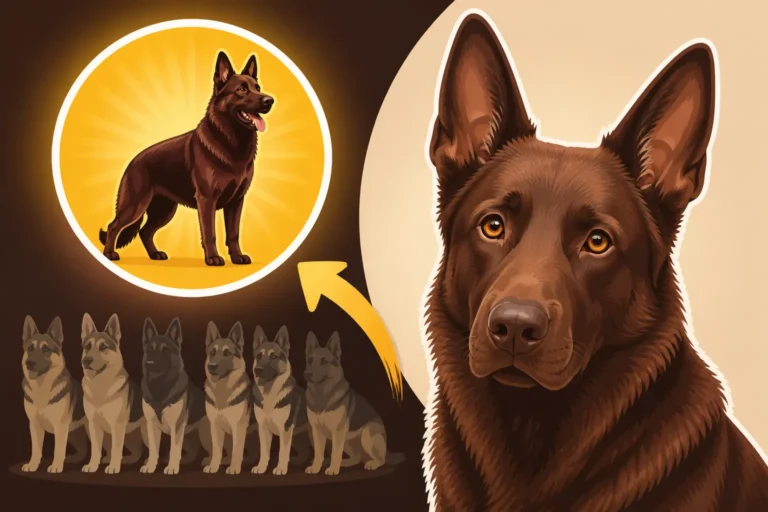
Liver-colored German Shepherds are another product of the recessive dilute gene, this time affecting brown pigment. Instead of the typical black or sable, their coat appears in shades of chocolate brown, ranging from a lighter, almost fawn-like brown to a deep, rich liver color. Crucially, a liver German Shepherd will also have liver-colored (brown) nose, paw pads, and eye rims, rather than the typical black. This lack of black pigment anywhere on the body is the defining characteristic of a true liver GSD.
Just like blue, the liver color is a disqualifying fault in the traditional breed standard, meaning these dogs cannot compete in conformation shows. However, like all non-standard colors, it carries no implications for their health or temperament. Liver German Shepherds are just as capable and loving as any other GSD. Their unusual, rich brown coloring gives them a distinct look that some owners find incredibly appealing. If you're looking for a dog that stands out and you're not concerned with show ring eligibility, a liver German Shepherd might be a unique and wonderful addition to your family.
Panda
The Panda German Shepherd is one of the most intriguing and relatively new color patterns to emerge, and it often sparks a lot of discussion. These dogs display a distinct tri-color pattern with patches of white, black, and tan/red, giving them an appearance reminiscent of a panda bear. Unlike the white German Shepherd, the white markings on a panda GSD are typically concentrated on the face (a blaze), chest, collar, and tips of the paws, rather than being an overall dilute.
What makes the panda color so fascinating is its genetic origin. It's believed to be caused by a spontaneous dominant mutation of the KIT gene, not by cross-breeding or a recessive dilute gene like white, blue, or liver. This mutation occurred in a purebred German Shepherd line. While visually stunning, the panda pattern is not recognized in the traditional breed standard and would be a disqualifying fault in the show ring. Despite this, they are purebred German Shepherds. Owners of Panda German Shepherds often celebrate their distinctive markings, valuing them as unique and beautiful companions. If you're ever curious about genetic health or unique traits, remember to explore resources like German Shepherd DM DNA Testing Explained as part of a comprehensive understanding of your dog's background, though DM is unrelated to coat color.
The Role of Genetics in German Shepherd Coat Colors
Understanding German Shepherd coat colors is like looking at a complex genetic puzzle where various genes interact to produce the stunning array of shades we see. It’s not just about a single gene dictating a single color; rather, it’s a symphony of dominant and recessive genes playing out their roles. This genetic dance determines everything from the basic hue to the pattern of distribution across the dog’s body.
Dominant and Recessive Genes
At the heart of coat color genetics are dominant and recessive genes. Think of it like this: if a dog inherits a dominant gene for a certain color from even one parent, that color will typically be expressed. For recessive genes, however, the dog needs to inherit a copy of that specific gene from both parents for the color to appear. If they only get one copy, they become a "carrier" for that recessive color, meaning they don't show it themselves but can pass it on to their offspring.
For example, the solid black color in German Shepherds is often a recessive trait. Two black and tan parents who both carry the recessive gene for solid black could produce solid black puppies, even though they aren't black themselves. Similarly, colors like blue and liver are recessive dilute genes. A German Shepherd must inherit two copies of the dilute gene to express the blue or liver color. This is why these colors are rarer—it requires a specific genetic combination from both parents. Breeders who understand these genetics can selectively breed to either maintain standard colors or, if ethically done and for specific purposes, produce rarer shades. It's truly a testament to the intricate workings of canine DNA.
"Mask" and Pigmentation
Beyond the base coat color, other genetic factors influence how these colors are expressed, creating the intricate patterns German Shepherds are famous for. One of the most noticeable features influenced by genes is the "mask." Many German Shepherds have a dark mask on their muzzle and face, which is controlled by a dominant gene. A dog only needs one copy of this gene to display a mask. Dogs without this gene will have lighter, clearer faces, often referred to as "recessive red" or "clear-faced" although this is not common in German Shepherds compared to other breeds.
Furthermore, the overall intensity of pigmentation, which distinguishes a pale tan from a rich red, is also genetically determined. Some lines of German Shepherds, particularly those from West German Show Lines, are specifically bred for deep, vibrant pigmentation, contributing to the rich black and red coats we often see. This isn't just about hair color; it also affects the color of their nose, eye rims, and paw pads. A lack of black pigment in these areas (e.g., a liver nose) is a strong indicator of a dilute color. Understanding these genetic nuances helps breeders make informed decisions and helps owners appreciate the unique beauty of their dog's individual coloring.
German Shepherd Coat Types and Their Impact
While we often focus on the colors, the texture and length of a German Shepherd's coat also play a significant role in their overall appearance and, to some extent, how their colors are perceived. German Shepherds are generally known for their dense double coats, but there are variations in length that are worth exploring.
Standard (Stock) Coat
The standard, or "stock" coat, is the most common and widely recognized coat type for German Shepherds. This coat consists of a dense, straight outer coat of medium length that lies close to the body, and a soft, thick undercoat. The outer coat is harsh to the touch, providing protection from the elements, while the undercoat offers insulation, keeping the dog warm in winter and cool in summer. This double-layer system is highly effective for a breed originally developed for herding and working outdoors.
From a visual perspective, the stock coat allows the true vibrancy and pattern of the colors to shine through with crisp definition. The black and tan saddle, the sable banding, or the solid black uniformity are all clearly showcased by the neat lie of the standard coat. This coat type requires regular grooming, especially during seasonal shedding periods when they "blow coat," which can be a whirlwind of fur! Products for managing this, like specific deshedding tools, can be easily found at retailers like Chewy. Proper German Shepherd Grooming Tools You Need and a consistent routine are key to maintaining the health and beauty of this traditional coat.
Long-Haired Coat
The long-haired German Shepherd is a visually stunning variation that has gained considerable popularity over the years. This coat type features longer, softer hair, particularly noticeable around the ears, chest (forming a beautiful "mane"), tail, and backs of the legs (creating "feathering"). The undercoat may be less dense or even absent in some long-haired individuals. This gives them a more flowing, luxurious appearance compared to their stock-coated counterparts.
While undeniably beautiful, the long coat is considered a fault in the traditional show ring according to the AKC breed standard, which prefers the stock coat for its practical protective qualities. However, some international kennel clubs do recognize the long-haired variety. Despite the difference in appearance, long-haired German Shepherds possess the same temperament, intelligence, and working ability as their short-coated relatives. They do, however, require more intensive grooming to prevent matting and tangles, especially with their longer feathering. Their gorgeous flowing locks beautifully display the full range of colors, from deep black and red to striking sables. You can learn more about this specific type in our guide, Long-Haired German Shepherd: Traits, Facts, and Care.
Breed Standard and Color Acceptance
When discussing German Shepherd coat colors, it's impossible to ignore the role of the breed standard. This document, set forth by kennel clubs like the American Kennel Club (AKC) and the German Shepherd Dog Club of America, outlines the ideal characteristics of the breed, including temperament, structure, and, of course, appearance. For many breeders and enthusiasts, adhering to the standard is paramount, especially for those involved in conformation showing.
AKC and International Standards
The American Kennel Club (AKC) breed standard for German Shepherds states that "the most common colors are black and tan, black and cream, black and red, and black and silver. All colors must have a black mask." It specifically disqualifies "white German Shepherds" and states that "dogs with liver or blue pigment are also disqualified." This means that while these colors exist and are perfectly healthy, they are considered faults in the context of the AKC show ring. The standard aims to preserve the utility and distinctive appearance of the German Shepherd.
In contrast, some international standards, such as those of the Fédération Cynologique Internationale (FCI), which governs many European kennel clubs, have slightly different interpretations or even separate breeds for some colors. For instance, the Berger Blanc Suisse (White Swiss Shepherd Dog) is recognized as a distinct breed by the FCI, allowing white German Shepherd type dogs to compete in conformation events under their own standard. This divergence highlights that "standard" can vary, but generally, the classic black and tan/red/sable with a black mask remains the worldwide ideal for the traditional German Shepherd. Understanding the German Shepherd Breed Standard Explained gives valuable context to why certain colors are preferred.
Disqualifying Colors and Their Meaning
The term "disqualifying color" can sound harsh, and it's important to understand what it actually means. It does not mean a dog with a disqualifying color is unhealthy, inferior, or less of a "real" German Shepherd. It simply means that dog cannot compete in conformation dog shows under that specific kennel club's rules. As we've discussed, white, blue, and liver are primary examples of disqualifying colors in the AKC breed standard. These colors are a result of specific recessive genes.
For pet owners, a disqualifying color holds no negative implications. A blue German Shepherd will be just as loving and protective as a black and tan one. The dog's temperament, health, and ability to be a wonderful companion are entirely independent of its coat color. Many people deliberately seek out these rarer colors because they find them beautiful and unique. The key is to always prioritize a dog's health and temperament, regardless of its color, and to ensure you're getting your puppy from a responsible breeder who performs thorough health screenings on their breeding stock, regardless of their chosen color focus. While researching colors, it's also smart to look into common health concerns, like German Shepherd Hip Dysplasia Explained, to be prepared for all aspects of ownership.
The Evolution of German Shepherd Colors Over Time
The German Shepherd breed has a rich and storied history, tracing back to Germany in the late 19th century. Captain Max von Stephanitz, the breed's founder, envisioned a versatile working dog, and while he had preferences for certain traits, coat color wasn't always the top priority in the early days compared to working ability. However, as the breed gained popularity and formal standards were established, certain colors became more prominent, reflecting both genetic prevalence and breeder selection.
Early Breed Development and Color Preferences
In the very early days of the German Shepherd's development, the focus was squarely on temperament, intelligence, and working capability – traits crucial for a herding dog. Colors were varied, ranging from solid grays and browns to the saddle patterns we know today. Von Stephanitz himself admired dogs with "wolf-like" characteristics, which likely meant sables were quite common and appreciated. The priority was on functionality: a dog that could endure the elements, perform demanding tasks, and be a loyal, intelligent companion. While specific color preferences likely existed among individual breeders, it was less about aesthetic uniformity and more about proving the breed's utility.
Over time, as the breed solidified and show rings emerged, certain color patterns began to dominate. The dramatic contrast of black and tan or black and red became very popular, partly due to its striking appearance and perhaps due to a common genetic prevalence. However, the foundational goal of a capable working dog never truly faded, and working lines, particularly in Europe, often retained a higher proportion of sables, underscoring their historical connection to the breed's origins. Even today, if you look at a Working Line German Shepherd Explained, you'll notice that sables are much more prevalent than in show lines.
Modern Trends and Rarer Varieties
Today, while the black and tan/red remains the most iconic and widely bred color, there's a growing appreciation and even demand for the rarer and non-standard German Shepherd colors. The internet and social media have played a huge role in showcasing the beauty of white, blue, liver, and even panda German Shepherds to a wider audience. Many prospective owners are no longer solely focused on show ring conformity and are instead drawn to the unique aesthetic these colors offer.
This shift in interest has led some breeders to focus on producing these rarer varieties, sometimes exclusively. However, with this trend comes the responsibility to ensure that color breeding doesn't overshadow the importance of health, temperament, and structural soundness. A truly ethical breeder, regardless of the colors they produce, will always prioritize the overall well-being of their dogs, conducting all necessary health screenings and providing a nurturing environment. They understand that while color is visually appealing, it's the dog's character and health that truly make them a beloved family member for years to come. This ongoing evolution means that the German Shepherd's coat colors continue to be a fascinating and diverse aspect of this incredible breed.
Table: German Shepherd Coat Colors at a Glance
To help summarize the main German Shepherd coat colors and their status, here's a handy table:
| Coat Color | Description | Commonality | AKC Breed Standard Status | Grooming Needs (vs. standard) | Noteworthy Traits (Beyond Color) |
|---|---|---|---|---|---|
| Black and Tan | Black saddle over tan/cream/silver markings | Very Common | Standard | Typical for GSD | Classic, iconic look, often seen in show lines. |
| Black and Red | Black saddle over deep, rich red/mahogany markings | Common | Standard | Typical for GSD | Vibrant, highly prized in European show lines. |
| Sable | Each hair banded with multiple colors, creating a "wolf-like" shaded look | Common (Working Lines) | Standard | Typical for GSD | Dynamic, ancient pattern, common in working/traditional lines. |
| Bi-Color | Predominantly black body, with limited tan/red on legs, belly, face | Less Common | Standard | Typical for GSD | Dark, commanding appearance, strong black pigment. |
| Solid Black | Uniformly black coat, no other markings | Less Common | Standard | Typical for GSD | Striking, elegant, powerful look. |
| White | Pure white coat, normal black/dark pigmentation (nose, eyes) | Rare | Disqualifying Fault | Typical for GSD | Majestic, often mistaken for albino, sometimes recognized as separate breed. |
| Blue | Dilute grayish-blue pigment, often with lighter eyes | Very Rare | Disqualifying Fault | Typical for GSD | Unique, ethereal, rare dilute color. |
| Liver | Shades of chocolate brown, with liver-colored nose, eye rims, paw pads | Very Rare | Disqualifying Fault | Typical for GSD | Distinctive rich brown, rare dilute color. |
| Panda | Patches of white, black, and tan/red; distinct markings on face, chest, paws | Extremely Rare | Disqualifying Fault | Typical for GSD | Unique tri-color pattern, results from a spontaneous dominant mutation. |
| Long-Haired | Longer, flowing coat with feathering (can be any color) | Less Common | Disqualifying Fault | Higher (prone to matting) | Luxurious appearance, requires more grooming, recognized by some international clubs. |
Important Considerations for German Shepherd Owners
Choosing a German Shepherd involves far more than just picking a favorite coat color. While the visual appeal of a black and red or the unique charm of a sable is undeniable, a responsible owner knows that health, temperament, and the dog's lineage should always take precedence. The decision to bring a German Shepherd into your home is a long-term commitment that goes beyond aesthetics.
Prioritizing Health and Temperament Over Color
It’s easy to fall in love with a puppy's stunning blue eyes or unique panda markings, but any responsible breeder will emphasize that health and temperament are paramount. A German Shepherd's color has absolutely no bearing on its intelligence, loyalty, or working drive. What does matter is that the puppy comes from parents who have undergone comprehensive health screenings for common breed issues like hip and elbow dysplasia. You can delve deeper into specific health concerns in our detailed article, German Shepherd Health Problems Guide.
A well-socialized puppy from a reputable breeder, regardless of its coat color, will have a much better chance of developing into a well-adjusted, confident, and loving companion. Temperament is genetically influenced but also shaped by early experiences. Look for a breeder who actively works on early neurological stimulation and proper socialization, introducing puppies to various sights, sounds, and textures. Never prioritize a rare color if it means compromising on the health guarantees or the breeder's commitment to responsible breeding practices.
Finding a Reputable Breeder for Any Color
Whether you're looking for a classic black and tan or have your heart set on a rarer color like blue, finding a reputable breeder is the most critical step. A good breeder will be transparent about their dogs' health, provide verifiable health clearances (like OFA or PennHIP certifications), and be eager to answer all your questions, not just about color, but about the parents' temperaments, training, and care. They will also likely have a waiting list, as good breeding takes time and planning.
Be wary of breeders who emphasize "rare" colors as their primary selling point or charge exorbitant prices without providing evidence of health testing and proper care. Responsible breeders are passionate about the breed as a whole, focusing on producing sound, healthy dogs that adhere to good breed standards in terms of temperament and health, even if they occasionally produce a non-standard color. They will be keen to understand your lifestyle to ensure a German Shepherd is the right fit for you. Don't hesitate to check out resources like How to Find a Reputable German Shepherd Breeder to guide your search. Remember, a healthy, happy German Shepherd will bring far more joy than a dog chosen purely for its unique coat color.
Disclaimer
This article is for general informational purposes only and does not constitute professional advice. Laws, prices and regulations vary by location and change over time. Consult a qualified professional for guidance on your specific situation.