Tan German Shepherd: What to Know
When you hear "German Shepherd," you might immediately picture that iconic black and tan coat, or maybe even a striking black and red. But what about a "tan German Shepherd"? This term can sometimes create a little confusion, making people wonder if it's a separate, rare variety or just a misinterpretation of a common color. It's a valid question, as the world of German Shepherd colors and markings can be surprisingly nuanced! This guide will clear up exactly what a "tan German Shepherd" typically refers to, explore the genetics behind this beautiful hue, and reassure you that, regardless of color, the core German Shepherd traits remain unchanged.
Understanding What "Tan German Shepherd" Really Means
Let's start by demystifying what people often mean when they say "tan German Shepherd." It's not usually a solid, all-tan dog, like a Labrador Retriever, though some very light sables or creams might appear predominantly tan. More often than not, when someone refers to a "tan German Shepherd," they're talking about the lighter markings on a dog that is predominantly black and tan or black and cream. The "tan" refers to the lighter, usually warmer, secondary color that complements the black saddle or blanket on their back.
Think of it this way: the classic German Shepherd is famous for its "black and tan" or "black and red" coloration. The "tan" part of that description refers to the lighter pigment found on their legs, chest, belly, and sometimes around their muzzle and under their tail. This tan can range from a very pale, almost creamy fawn to a richer, golden tan, and even a deep, vibrant red. So, a "tan German Shepherd" isn't a distinct, separate color type, but rather a description focusing on the lighter markings within the breed's standard coat patterns. These markings, while varying in shade, are a hallmark of the breed's most recognizable appearance.
It's easy to get caught up in specific color labels, but the German Shepherd Dog breed standard recognizes a range of colors, and the "tan" portion of many of these dogs falls perfectly within those guidelines. You might see a puppy advertised as "tan and black," which is just another way of saying "black and tan." The emphasis might shift, but the underlying color pattern is the same. It’s all about appreciating the beautiful variety within the breed's established norms.
Tan as Part of the Black and Tan Pattern
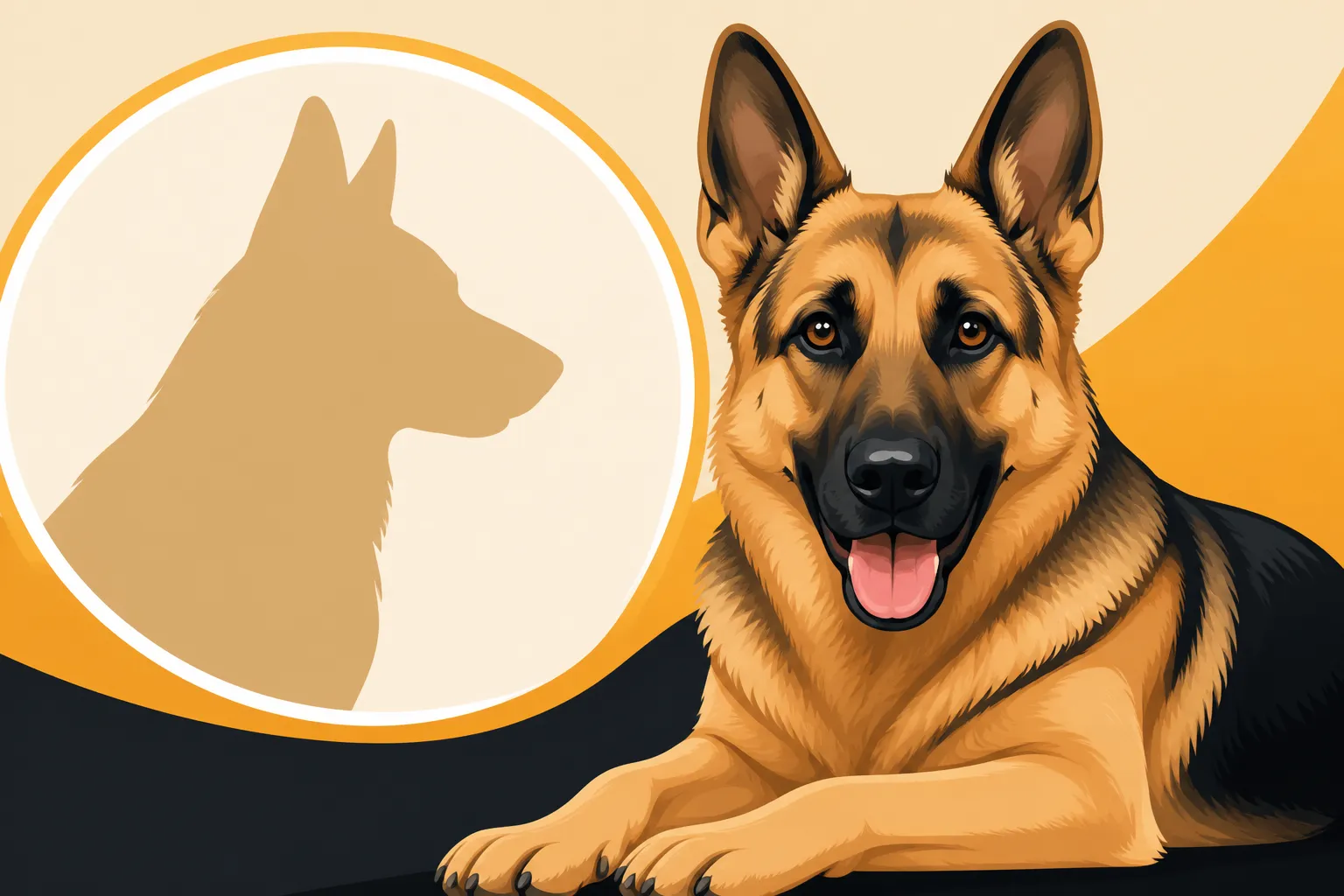
The quintessential German Shepherd often sports the "black and tan" pattern. In this pattern, the dog has a solid black "saddle" or "blanket" across its back and sides, extending down its tail. The rest of the dog – the lower legs, chest, belly, and sometimes parts of the face – is covered in tan. This tan can vary wildly in shade. Some dogs will have a very light, almost silver-tan, while others can have a much darker, richer tan that verges on red.
This variation in tan shades is completely normal and contributes to the visual diversity we see within the breed. A German Shepherd with lighter tan markings might be the one specifically dubbed "tan German Shepherd" by an owner or a curious observer. It's important to understand that this is not a genetic anomaly or a "rare" color; it's simply a common and accepted expression of the breed's genetic potential. The intensity of the tan can also change as the dog matures, with puppies often having duller colors that deepen or lighten with age.
Distinguishing Tan from Other Light Colors
While "tan" is often used to describe the lighter parts of a black-and-tan dog, there are other lighter German Shepherd colors that can sometimes be confused or fall under a similar umbrella term. These include sable, cream, and silver. Each has distinct characteristics, though they might all feature light coloration.
- Sable German Shepherds: A sable German Shepherd's individual hairs are banded with multiple colors, typically black tips over a lighter base (tan, red, or silver). This creates a unique, grizzled, or "agouti" appearance that can look very different from a clear black and tan pattern. The overall impression can be quite tan or greyish-tan, depending on the base color. You can often see this banding if you part their fur.
- Cream German Shepherds: These dogs have an overall lighter, creamy hue instead of a rich tan. They might still have a black mask or a very light "saddle" area that is more of a faded grey than solid black. Cream is a dilute color and is genetically different from the rich tan markings of a black and tan dog.
- Silver German Shepherds: Similar to cream, silver is a dilute color where the typical tan markings are replaced by a soft, silvery-grey. They often still have a black saddle and points, but the lighter areas are distinctly silver rather than warm tan.
Understanding these distinctions helps appreciate the full spectrum of German Shepherd coats. It also highlights that "tan" is a broad term but usually refers to the warm, lighter color found in the classic black-and-tan configuration. This beautiful variation is part of what makes the breed so visually appealing.
The Genetics of Tan Markings in German Shepherds
Understanding the genetics behind a German Shepherd's coat color, including the tan markings, can feel like a deep dive into biology, but it's really fascinating how genes dictate those beautiful patterns we love. The specific genes at play determine not just the presence of black and tan, but also the richness and depth of that tan coloration. It’s a complex interplay, but at its heart, a few key genetic loci are responsible for the magic.
The primary locus for this is the A-locus, often referred to as the "agouti" series. The 'a' allele at this locus is responsible for the black and tan pattern, or more broadly, the pattern of pigment distribution over the body. It essentially tells the dog's body where to put the black pigment and where to put the lighter pigment.
The A-Locus and Pigment Distribution
The A-locus (Agouti series) is where the magic happens for patterns like black and tan. German Shepherds typically carry alleles at this locus that dictate their patterns. Specifically, the 'at' allele (for black and tan) is common and results in the classic black-and-tan or black-and-red pattern. This allele causes eumelanin (black pigment) to be restricted to specific areas, primarily the saddle, mask, and points, while phaeomelanin (red/tan pigment) fills in the rest.
So, when you see a German Shepherd with clear black markings on its back and tan markings on its legs and chest, you're seeing the expression of this 'at' allele. The depth and shade of the tan, however, are influenced by other genes. It's not just about where the color goes, but what color it actually is. This is why you can have a "light tan" German Shepherd or a "deep red" one, all under the umbrella of black and tan. This genetic blueprint ensures that the breed maintains its iconic appearance while allowing for natural and beautiful variations in the tan shade.
Modifying Genes and Tan Intensity
While the A-locus determines the pattern of black and tan, other modifying genes influence the intensity and shade of the tan pigment itself. These are often referred to as intensity modifiers. Imagine these genes as dimmers or color saturation controls for the tan. Some dogs might have genes that result in a very pale, almost cream or silver tan, while others will have genes that produce a much richer, deeper, redder tan.
For example, a dog might inherit genes that dilute the phaeomelanin (red/tan pigment), resulting in a lighter, more faded tan. Conversely, other genetic factors can intensify the phaeomelanin, leading to those stunning black and red German Shepherds where the "red" is a vibrant, deep mahogany. This is why you'll see such a spectrum from pale, almost fawn-colored tan markings to fiery red ones, even though all these dogs are genetically "black and tan" at the A-locus. Breeders often select for specific intensity modifiers to achieve desired coat colors, but the underlying pattern remains the same. Understanding German Shepherd Coat Colors Explained can give you an even deeper appreciation for these genetic nuances.
| Color Description | Primary Pigment at "Tan" Areas | Key Genetic Influence (Simplified) | General Appearance |
|---|---|---|---|
| Tan (classic B&T) | Phaeomelanin (Yellow/Red) | A-locus (at), Intensity Modifiers | Ranging from pale cream to golden brown, with black saddle |
| Red (rich B&T) | Phaeomelanin (Deep Red) | Intensity Modifiers (high expression) | Vibrant, deep red markings with black saddle |
| Sable (Agouti) | Phaeomelanin & Eumelanin | A-locus (Aw or As), Modifiers | Banded hairs, overall grizzled, can appear tan or grey |
| Cream | Diluted Phaeomelanin | Dilution genes (e.g., e/e at E-locus) | Pale, almost white/yellow, often with lighter mask |
| Silver | Diluted Phaeomelanin | Dilution genes (e.g., e/e at E-locus) | Silvery-grey where tan would be, with black saddle |
Temperament, Health, and Care: Are Tan German Shepherds Different?
This is a really important point to address because when people fixate on a specific color, they sometimes wonder if that color comes with different behavioral traits or health predispositions. It's a natural question, especially given how much variety we see in the animal kingdom. But I'm here to tell you, with absolute certainty, that the "tan" coloration in a German Shepherd has absolutely no bearing on their temperament, their general health, or the care they require. A German Shepherd is a German Shepherd, regardless of the shade of tan on their legs.
The core characteristics that define this incredible breed are deeply embedded in their genetics, unrelated to the superficial aspects of coat color. Whether your German Shepherd has a light, creamy tan or a rich, fiery red, you can expect the same intelligent, loyal, and energetic companion. It's crucial to remember this, especially if you're looking for a specific color; prioritizing color over responsible breeding practices can sometimes lead to unintended consequences in terms of health or temperament.
Temperament: Color Doesn't Dictate Personality
Let's be crystal clear: a tan German Shepherd will possess the same characteristic temperament as any other color variation of the breed. Their personality is determined by their genetics (from their specific lineage and individual parents), their early socialization, and the training they receive throughout their lives – not by the hue of their undercoat. These dogs are renowned for their intelligence, courage, and unwavering loyalty to their families.
You can expect a tan German Shepherd to be highly trainable, eager to please, and protective. They thrive on having a "job" to do, whether that's advanced obedience, agility, or simply being a vigilant family guardian. Early and consistent socialization is key for any German Shepherd, including those with tan markings, to ensure they grow into well-adjusted adults. A good breeder will prioritize temperament above all else, regardless of the color palette. If you're interested in understanding the typical traits, take a look at our guide on German Shepherd Temperament and Personality.
Health Considerations: Universal for the Breed
Similarly, the health concerns that German Shepherds are predisposed to are universal across the breed, regardless of their specific coat color. The "tan" aspect of their coat does not increase or decrease their risk for conditions like hip and elbow dysplasia, degenerative myelopathy, or bloat. These are breed-specific health challenges that all German Shepherd owners need to be aware of and proactively manage.
Reputable breeders will conduct extensive health screenings on their breeding stock for these conditions, which is far more important than the color of the puppies produced. For instance, whether a dog is a black and tan with light tan or a solid black, the risk factors for German Shepherd Hip Dysplasia Explained or Degenerative Myelopathy in German Shepherds are the same. It’s always vital to ask breeders about the health testing they perform and to review the health clearances of the parents. This diligence is a cornerstone of how to keep a German Shepherd healthy throughout their life.
Care and Grooming: Standard German Shepherd Needs
The care and grooming requirements for a tan German Shepherd are identical to those of any other German Shepherd. Their double coat, whether the tan parts are light or dark, will shed, and they will require regular brushing to manage it. This breed is known for its "blow coat" season, often twice a year, where shedding intensifies.
Regular brushing, typically a few times a week and daily during shedding season, is essential to remove loose hair, prevent matting, and distribute natural oils. While lighter tan fur might show dirt a bit more easily, the frequency of bathing won't necessarily differ. Good quality grooming tools, readily available from places like Chewy, will be your best friend in keeping their coat healthy. Our detailed guide on How to Groom a German Shepherd provides all the insights you'll need to keep your tan German Shepherd looking their best. Beyond grooming, their exercise needs, training regimen, and nutritional requirements are consistent across the breed. A high-quality diet, plenty of mental and physical stimulation, and consistent training are critical for their well-being, no matter their color.
The Importance of Responsible Breeding
Ultimately, when considering any German Shepherd, including one with beautiful tan markings, the most crucial factor is sourcing your puppy or dog from a responsible breeder or rescue organization. A good breeder prioritizes health, temperament, and adherence to the breed standard, not just superficial traits like a specific shade of tan. They will be transparent about their dogs' lineage, health clearances, and ensure their puppies are well-socialized from an early age.
Don't let the allure of a specific color overshadow the fundamental importance of ethical breeding practices. A German Shepherd of any color, properly bred and raised, will be a magnificent and devoted companion. Always ask to see the parents, inquire about their health testing, and choose a breeder who is passionate about the overall welfare of the breed. For more information on finding a healthy puppy, check out our guide on German Shepherd Genetic Health Testing.
Disclaimer
This article is for general informational purposes only and does not constitute professional advice. Laws, prices and regulations vary by location and change over time. Consult a qualified professional for guidance on your specific situation.