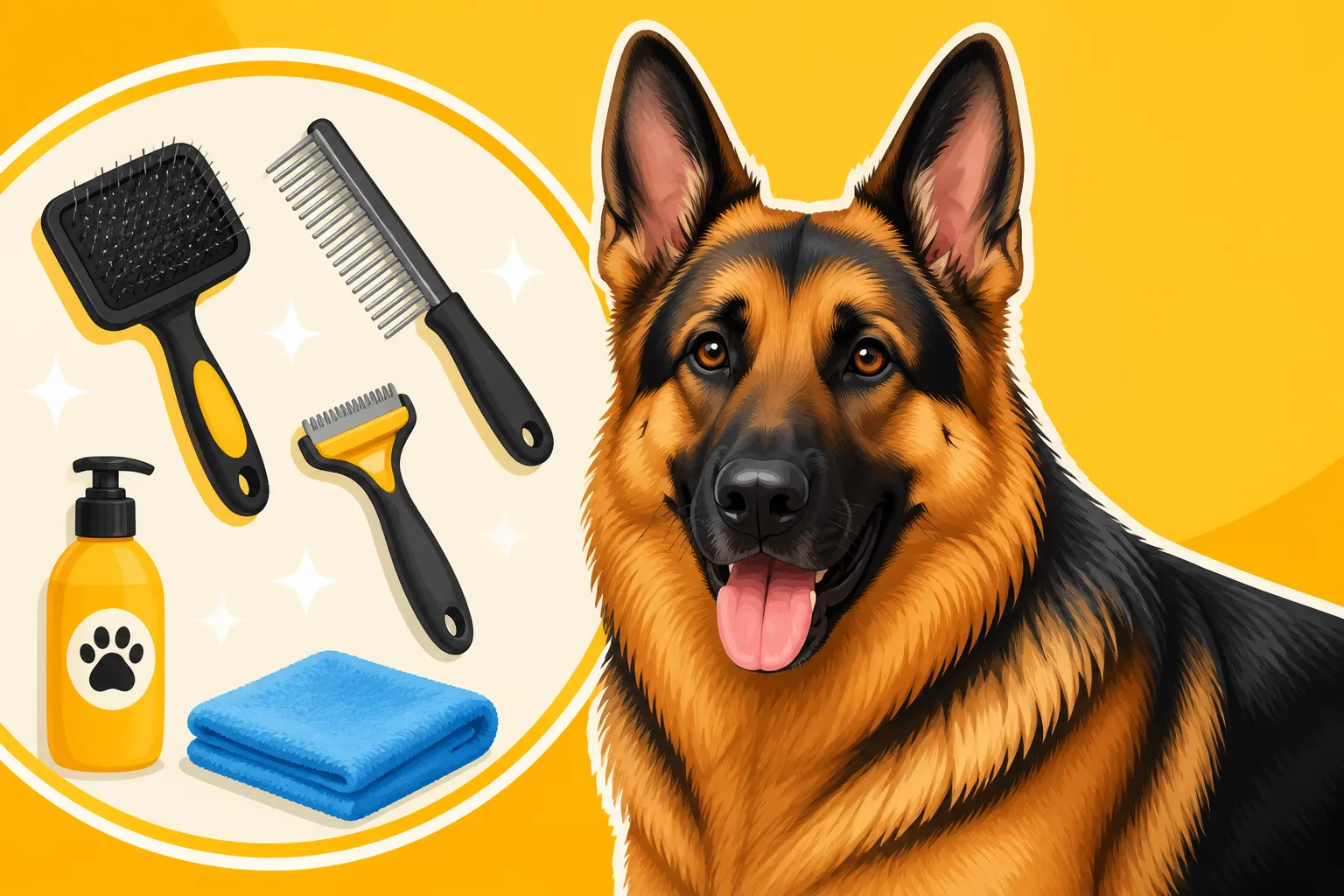
How to Groom a German Shepherd
Let's be honest, living with a German Shepherd means living with a majestic, intelligent, and incredibly loyal companion… and a whole lot of fur. The constant shedding, the occasional mats, the muddy paws after an adventure – it can feel like a never-ending battle to keep your home and your dog looking presentable. This comprehensive guide is here to demystify German Shepherd grooming, offering practical advice and step-by-step instructions to ensure your furry friend stays healthy, happy, and looking their absolute best without the constant stress.
Understanding the German Shepherd's Unique Double Coat
Before we even touch a brush, it's crucial to understand what makes your German Shepherd's coat so special and, let's face it, so challenging to manage sometimes. Their fur isn't just one layer; it's a sophisticated, multi-purpose double coat designed by nature to protect them from the elements. Ignoring this unique structure is the first step towards grooming frustration and potentially unhealthy skin and coat issues for your dog.
The Structure of the Double Coat
A German Shepherd's coat consists of two distinct layers: an outer coat and an undercoat. The outer coat, also known as the guard coat, is made up of coarse, straight hairs that are somewhat water-resistant. These longer, stiffer hairs act as a protective barrier, shielding your dog from rain, snow, dirt, and even minor physical abrasions. They're the visible part of your dog's coat that gives them their characteristic appearance and color.
Beneath this rugged outer layer lies the undercoat, a dense, soft, and much shorter layer of woolly hair. This undercoat is all about insulation. In colder weather, it traps warm air close to the body, keeping your German Shepherd cozy. In warmer weather, a properly maintained undercoat helps regulate body temperature by preventing excessive heat absorption and allowing air to circulate. It's this undercoat, particularly when it "blows" seasonally, that contributes most to the infamous German Shepherd shedding.
The German Shepherd Shedding Cycle
If you own a German Shepherd, you're intimately familiar with shedding. It's not just a seasonal nuisance; it's a year-round reality. However, twice a year, usually in spring and fall, German Shepherds experience what's known as "blowing their coat." This is when they shed their entire undercoat to prepare for the upcoming season – a lighter coat for summer and a denser one for winter. During these periods, the amount of fur they lose can be truly astonishing, covering everything in your home with a fine layer of dog hair.
Understanding this cycle is key to effective grooming. During normal shedding, regular brushing helps manage loose hair. But when they are blowing their coat, you'll need to step up your game significantly. Without proper intervention, this shed undercoat can become trapped against the skin, forming mats, preventing air circulation, and leading to skin irritation, hot spots, or even infections. It's not just about aesthetics; it's about their health and comfort. For more detailed insights on this, you might find our guide on German Shepherd Shedding: How to Manage It incredibly helpful.
Essential Grooming Tools You'll Need
Having the right tools is half the battle when it comes to grooming your German Shepherd. Trying to tackle their dense double coat with a flimsy brush or inadequate shampoo is like trying to build a house with a toy hammer – frustrating and ineffective. Investing in quality grooming equipment will not only make the process easier for you but also more comfortable and beneficial for your dog.
Brushes and Deshedding Tools
For a German Shepherd, a single brush simply won't cut it. You'll need a combination of tools to effectively manage both layers of their coat.
- Slicker Brush: This brush has fine, short wires packed closely together on a flat surface. It's excellent for removing loose hair from the outer coat and can help with minor mats, especially on areas with longer feathering. Use it gently, as the wires can be harsh on sensitive skin if pressed too hard.
- Pin Brush: Resembling a human hairbrush, a pin brush has widely spaced metal pins with rounded tips. It’s great for general brushing, detangling, and working through the longer hair on legs and tails without pulling. It doesn't do much for the undercoat but helps keep the outer coat smooth.
- Undercoat Rake: This is an absolute must-have for German Shepherds. Undercoat rakes have one or two rows of long, widely spaced teeth designed to penetrate the outer coat and pull out loose, dead undercoat without damaging the guard hairs. This is your primary weapon during a "blow coat" season. Brands like Furminator are popular, but many other effective options exist. You can often find a good selection of these on Chewy or Amazon.
- Deshedding Blade/Tool: While often grouped with undercoat rakes, deshedding blades (like a shedding comb with fine, serrated teeth) are also excellent for removing large quantities of loose undercoat, particularly during heavy shedding periods. Always use these with a gentle hand to avoid irritating the skin.
Shampoos, Conditioners, and Drying Aids
Bathing a German Shepherd is a significant undertaking, and choosing the right products can make a huge difference in the outcome for their skin and coat.
- Dog-Specific Shampoo: Never use human shampoo on your dog. Their skin pH is different, and human products can cause dryness, irritation, and disrupt their skin's natural protective barrier. Look for a high-quality dog shampoo specifically formulated for shedding breeds or sensitive skin if your dog has allergies. Hypoallergenic or oatmeal-based shampoos are often a good choice.
- Conditioner: A dog-specific conditioner can help moisturize the skin and coat, making it softer, shinier, and easier to brush through. It can also help reduce static and further loosen any remaining shed hair.
- High-Velocity Dryer: This is a game-changer for German Shepherd owners. Unlike a human hairdryer, a high-velocity dryer (also called a forced-air dryer) blows cool or slightly warm air at a high speed. It's designed to blast water out of the coat and, more importantly, to force out loose undercoat after a bath. This significantly reduces drying time and cuts down on shedding. If you plan to bathe your German Shepherd at home regularly, this investment is truly worthwhile for managing their dense fur.
Nail Trimmers, Ear Cleaners, and Dental Care
Grooming isn't just about the fur. Keeping nails, ears, and teeth in good shape is vital for your German Shepherd's overall well-being.
- Nail Clippers (Guillotine or Scissor-style) or Grinder (Dremel): Keeping your German Shepherd's nails trimmed prevents discomfort, pain, and potential foot problems. Both guillotine and scissor-style clippers work well, but many owners find a dremel or similar rotary tool less intimidating and safer, as it grinds the nail down gradually, reducing the risk of cutting the quick.
- Ear Cleaning Solution and Cotton Balls/Pads: Regular ear cleaning helps prevent infections. Use a veterinarian-approved ear cleaning solution and soft cotton balls or pads. Avoid cotton swabs, as they can push debris deeper into the ear canal and potentially cause damage. For more specific guidance, our article on German Shepherd Ear Cleaning Guide is an excellent resource.
- Dog Toothbrush and Toothpaste: Dental hygiene is often overlooked but critical for your dog's health. Periodontal disease can lead to serious health issues. A dog-specific toothbrush and enzymatic toothpaste (never human toothpaste!) should be part of your routine.
Here's a quick overview of essential tools:
| Tool Category | Specific Tool | Primary Use | Frequency of Use (General) |
|---|---|---|---|
| Brushing/Deshedding | Slicker Brush | Outer coat detangling, minor mat removal | Daily/Every other day |
| Pin Brush | General brushing, untangling longer hair | Daily/Every other day | |
| Undercoat Rake | Removing dead undercoat, especially during shedding seasons | 2-3 times a week (more during blow-outs) | |
| Deshedding Tool (e.g., Furminator) | Aggressive undercoat removal during heavy shedding | 1-2 times a week (limited use to prevent skin irritation) | |
| Bathing/Drying | Dog-Specific Shampoo | Cleaning coat, addressing skin issues | Every 4-8 weeks, or as needed |
| Dog-Specific Conditioner | Moisturizing coat, aiding detangling | With shampoo | |
| High-Velocity Dryer | Rapid drying, blasting out loose undercoat | After every bath | |
| Other Care | Nail Clippers/Dremel | Trimming nails to prevent overgrowth | Every 2-4 weeks, or as needed |
| Ear Cleaning Solution | Preventing ear infections, removing wax/debris | Weekly or as needed | |
| Dog Toothbrush/Toothpaste | Maintaining oral hygiene, preventing dental disease | Daily or every other day |
The Art of Brushing: Taming the Double Coat
Brushing is the cornerstone of German Shepherd grooming. It’s not just about aesthetics; it’s vital for their skin health, coat condition, and to minimize the amount of fur tumbleweeds rolling through your house. Regular, thorough brushing helps distribute natural oils, prevents matting, and removes dead hair before it falls out all over your furniture.
Daily Brushing for Maintenance
Even outside of their heavy shedding seasons, German Shepherds benefit immensely from daily or at least every-other-day brushing. This routine keeps the outer coat smooth, detangled, and free of superficial dirt and debris. It's also a fantastic way to bond with your dog and allows you to routinely check their skin for any lumps, bumps, parasites, or irritations.
Start with a pin brush, gently working through the longer hair on their legs, tail, and body. This helps to detangle and remove surface loose hairs. Follow up with a slicker brush, using light, even strokes in the direction of hair growth. Pay particular attention to areas where mats tend to form, such as behind the ears, in the "armpits," and on the "feathers" of their legs and tail. The goal here isn't a deep deshedding, but rather maintaining a healthy, clean outer coat and removing the daily accumulation of loose hair.
Deep Deshedding Techniques
When your German Shepherd is "blowing their coat," usually in spring and fall, your brushing routine needs to become more intensive. This is when the undercoat rake and deshedding tools become your best friends. The goal is to remove as much of the dead undercoat as possible to prevent matting and allow new hair to grow in properly.
Here’s a step-by-step approach for a deep deshed:
- Start with an Undercoat Rake: Begin by using the undercoat rake to gently work through sections of your dog's coat. Start at the neck and work your way down towards the tail, ensuring you cover their sides, chest, and hindquarters. Use long, slow strokes that reach down to the skin but without digging in. You'll be amazed at the amount of fluffy undercoat that comes out. Go section by section, carefully lifting the top coat to ensure the rake gets into the undercoat.
- Follow with a Deshedding Tool: Once you've removed a good amount of undercoat with the rake, switch to a deshedding tool. This tool, often with a finer blade, will capture even more of the loose, fine undercoat. Again, use gentle, even strokes, being mindful of your dog's skin. Overuse of deshedding tools can sometimes cause irritation, so gauge your dog's comfort level.
- Finish with a Slicker Brush: After you’ve thoroughly deshedded, a final pass with a slicker brush will smooth down the topcoat and catch any remaining loose hairs on the surface.
- Consider a Bath: A bath, especially one followed by a high-velocity dryer, can significantly aid the deshedding process by loosening up dead hair. Many professional groomers use a specific deshedding shampoo and conditioner regimen to further facilitate this. You can learn more about how to effectively remove this shedding hair in our guide on How to Deshed a German Shepherd.
Remember, consistency is key. A few short, regular deshedding sessions are often more effective and less stressful for your dog than one marathon session when their coat is completely matted.
Bathing Your German Shepherd: More Than Just a Splash
Bathing a German Shepherd is no small feat. Their size, double coat, and often their enthusiasm for getting dirty mean it can be a wrestling match if not approached correctly. But regular baths are an important part of their overall grooming and hygiene, keeping their skin healthy and their coat clean.
How Often to Bathe and Choosing Products
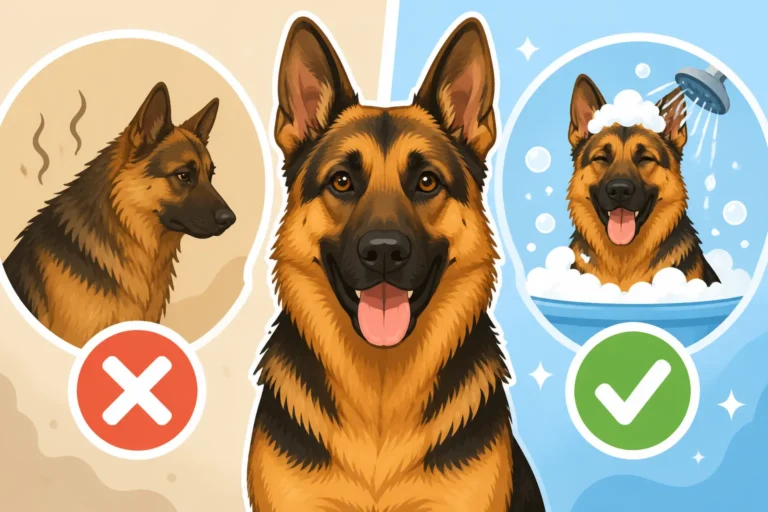
The frequency of bathing depends largely on your German Shepherd's lifestyle and coat condition. For most indoor German Shepherds, a bath every 4 to 8 weeks is sufficient. If your dog loves to roll in mud, swim in lakes, or has specific skin conditions, you might need to bathe them more frequently. However, excessive bathing can strip their coat of natural oils, leading to dry skin and irritation, so avoid overdoing it unless medically necessary. Our guide on How Often to Bathe a German Shepherd provides more in-depth advice on this topic.
When choosing products, always opt for dog-specific shampoos and conditioners. For German Shepherds, consider:
- Shedding Control Shampoos: These often contain ingredients designed to loosen and release dead undercoat, making deshedding easier after the bath.
- Oatmeal or Hypoallergenic Shampoos: If your German Shepherd has sensitive skin or known allergies, these can be very soothing and prevent irritation.
- Deep Conditioning Treatments: After a thorough shampoo, a good conditioner helps to rehydrate the skin and coat, making it softer and shinier. You can often find a good range of specialized shampoos on pet supply sites like Chewy.
The Bathing Process and Drying Techniques
Bathing your German Shepherd requires a bit of strategy. A non-slip mat in the tub or shower can prevent slips and make your dog feel more secure.
- Pre-Brush: Always give your dog a thorough brush before bathing. Water can tighten mats, making them much harder to remove post-bath. This pre-brush helps remove loose hair and minor tangles.
- Wet Thoroughly: Use lukewarm water to thoroughly wet your dog's entire coat, working from the neck down. Their double coat can be surprisingly water-resistant, so take your time to ensure the water penetrates all the way to the skin.
- Shampoo and Lather: Apply shampoo, starting at the neck and working your way back. Lather thoroughly, paying attention to the chest, belly, legs, and tail. Gently massage the shampoo into the skin. Be careful around the eyes and ears; you can use cotton balls in their ears to prevent water from entering the ear canal.
- Rinse, Rinse, Rinse: This is arguably the most important step. Rinse until you are absolutely sure all shampoo residue is gone. Any leftover shampoo can irritate the skin and leave the coat dull. It often takes longer than you think to rinse out their dense fur.
- Condition (Optional but Recommended): Apply conditioner if desired, allow it to sit for a few minutes as per product instructions, then rinse thoroughly again.
- Towel Dry: Use a highly absorbent towel to blot and squeeze as much water out of the coat as possible.
- High-Velocity Dryer: This is where a high-velocity dryer truly shines for German Shepherds. Not only does it significantly cut down drying time (which can be hours otherwise), but the force of the air also helps to blast out an incredible amount of loose undercoat that would otherwise shed out in your home. Start on a low setting and gradually increase the force as your dog gets comfortable. Keep the nozzle moving to avoid overheating any one spot. If you don't have one, air drying is an option, but be prepared for a very damp dog for a while and potentially more shedding.
After the bath and drying, give your German Shepherd another thorough brushing to catch any remaining loosened hairs and ensure their coat is smooth and tangle-free. This combination of bathing and drying techniques is key to effective German Shepherd Coat and Skin Care.
Nail Trimming: A Step-by-Step Guide
Trimming your German Shepherd's nails might seem daunting, especially if they’re not keen on having their paws handled. However, maintaining properly trimmed nails is crucial for their comfort, posture, and long-term joint health. Overly long nails can cause pain, deform their feet, and even lead to lameness or injury.
The Importance of Regular Nail Care
When a dog's nails grow too long, they hit the ground before the paw pads do. This puts pressure on the nail bed, pushing the toes upwards and backwards. Over time, this can lead to splayed feet, arthritis, and discomfort. Your German Shepherd might adjust their gait to compensate, which then puts undue stress on their joints, hips, and spine – areas already prone to issues in this breed. Long nails can also snag and tear, which is not only painful but can result in infection.
Ideally, when your German Shepherd is standing on a flat surface, their nails should not touch the ground. You should aim to trim their nails every 2-4 weeks, depending on how quickly they grow and how much natural wear they get from walking on hard surfaces. Establishing a positive routine from a young age can make this task much easier.
Techniques for Safe and Stress-Free Trimming
There are two primary methods for trimming your German Shepherd's nails: using clippers or using a grinder (like a Dremel tool). Both require patience and a careful hand.
Using Nail Clippers
- Choose the Right Clippers: For large breeds like German Shepherds, sturdy guillotine-style or scissor-style clippers are usually best. Ensure they are sharp to make a clean cut.
- Identify the Quick: The "quick" is a sensitive area inside the nail that contains blood vessels and nerves. In light-colored nails, it appears as a pinkish area. In dark nails, it's harder to see, but usually recedes as you trim. Cutting into the quick is painful and will cause bleeding.
- Position Your Dog: Have your dog lie down or stand comfortably. If they're anxious, have someone assist you, offering treats and praise.
- Trim Small Amounts: Take off only the very tip of the nail, just before the quick. For dark nails, look at the underside of the nail. As you trim, you'll see a small grey or black dot in the center, which indicates you're close to the quick. Stop just before this.
- Paw-icures Are Not Just for Pups: Don't forget the dewclaws (the thumb-like nail higher up on the inside of the leg). These don't touch the ground and can grow into the paw pad if neglected.
- Have Styptic Powder Ready: Just in case you accidentally cut the quick, have styptic powder (available at pet stores or Amazon) on hand. Apply pressure with the powder to stop the bleeding.
Using a Nail Grinder (Dremel)
Many owners prefer a grinder because it allows for more gradual removal, reducing the risk of hitting the quick.
- Introduce Gradually: The sound and vibration of a grinder can be scary. Introduce it slowly, letting your dog sniff it while off, then turning it on briefly in another room, then in the same room. Offer treats and praise.
- Hold the Paw Securely: Hold your dog's paw firmly and gently push the toe pad up to expose the nail.
- Grind in Short Bursts: Touch the grinder to the tip of the nail for only a second or two, then lift. Repeat this, gradually shaping the nail. The friction can create heat, so brief touches are essential to avoid burning the quick.
- Round the Edges: Grinding helps to smooth and round the nail, which is often more comfortable than a sharp clip.
No matter which method you choose, make it a positive experience with plenty of treats, praise, and patience. If your German Shepherd is particularly anxious, consider starting with just one nail per session and gradually increasing as they become more comfortable. Consistent positive reinforcement will go a long way in making nail trimming a stress-free part of your grooming routine.
Ear Cleaning and Dental Care for Overall Health
Grooming your German Shepherd goes far beyond just brushing their beautiful coat. Neglecting their ears and teeth can lead to painful and expensive health problems down the line. Integrating ear cleaning and dental care into your regular routine is a crucial part of responsible German Shepherd ownership.
Maintaining Ear Health and Preventing Infections
German Shepherds generally have upright ears, which can offer better air circulation compared to floppy-eared breeds, but they are still susceptible to ear problems. Dirt, wax, and moisture can build up, creating a breeding ground for bacteria and yeast, leading to uncomfortable and often painful ear infections.
The Ear Cleaning Process:
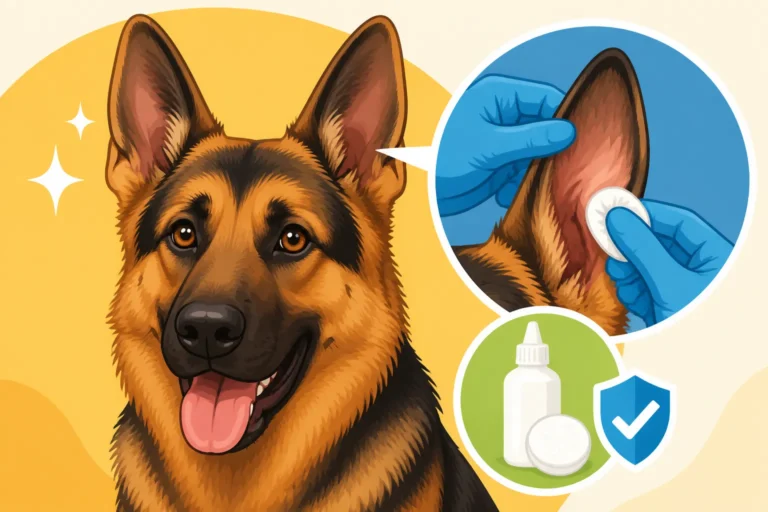
- Gather Supplies: You'll need a veterinarian-approved ear cleaning solution (never use rubbing alcohol or hydrogen peroxide, as these can be irritating), cotton balls or gauze pads, and plenty of treats.
- Position Your Dog: Find a calm, well-lit area. Have your dog lie down or sit comfortably. You might need assistance from another person to help hold them steady and offer distractions.
- Apply Solution: Gently lift your German Shepherd's ear flap. Squeeze a generous amount of the ear cleaning solution into the ear canal until it's full. Don't worry, you can't "pour too much" in terms of volume; the ear canal has a bend that prevents it from going directly to the eardrum.
- Massage the Base: Gently massage the base of the ear for 20-30 seconds. You should hear a squishy sound as the solution breaks up wax and debris.
- Let Them Shake: Allow your dog to shake their head. This helps dislodge loosened debris. Be prepared for a spray of ear cleaner!
- Wipe Clean: Use a cotton ball or gauze pad wrapped around your finger to gently wipe away any visible dirt, wax, and solution from the outer ear flap and the visible parts of the ear canal. Do not use cotton swabs or push anything deep into the ear canal, as this can cause damage or push debris further in.
- Repeat if Necessary: If the cotton ball is very dirty, repeat the process with fresh solution and cotton balls until they come out relatively clean.
- Praise and Reward: Always end the session with plenty of praise, petting, and high-value treats to create a positive association.
Aim to clean your German Shepherd's ears once a week or every other week, and always after they've been swimming or playing in water, as moisture can encourage bacterial growth. If you notice any redness, swelling, foul odor, excessive scratching, or head shaking, consult your veterinarian immediately as these are signs of an ear infection. Our detailed guide on German Shepherd Ear Infections: Prevention can offer more insights.
Prioritizing Your German Shepherd's Dental Hygiene
Dental disease is one of the most common health problems in dogs, affecting most by the age of three. It begins with plaque buildup, which hardens into tartar. This leads to gingivitis, then periodontal disease, where bacteria can spread from the mouth to other organs, causing serious systemic health issues like heart, kidney, and liver disease.
Establishing a Dental Care Routine:
- Daily Brushing is Best: The gold standard for dental care is daily brushing with a dog-specific toothbrush and enzymatic toothpaste. Never use human toothpaste, as it often contains xylitol, which is toxic to dogs, and fluoride, which can upset their stomachs.
- Introduction: Start by letting your dog taste the toothpaste (it often comes in appealing flavors like chicken or peanut butter). Then, gradually introduce the brush, starting with just a few teeth, increasing duration as they become comfortable.
- Technique: Focus on the outside surfaces of the teeth, especially where the teeth meet the gumline, as this is where plaque accumulates most.
- Dental Chews and Toys: While not a substitute for brushing, dental chews and toys can help reduce plaque and tartar buildup. Look for VOHC (Veterinary Oral Health Council) approved products, as these have been scientifically proven to be effective. Always supervise your dog with chews to prevent choking hazards.
- Water Additives: Some veterinarians recommend water additives that can help reduce bacteria in the mouth. Discuss these options with your vet.
- Professional Dental Cleanings: Even with the best home care, most German Shepherds will eventually need a professional dental cleaning under anesthesia at the vet. During these cleanings, tartar is removed above and below the gumline, and any diseased teeth can be extracted. Your vet can advise you on the appropriate frequency for your dog. For a comprehensive overview of maintaining oral health, check out our article on German Shepherd Dental Care Explained.
By consistently incorporating ear cleaning and dental care into your grooming routine, you're not just ensuring a fresh-smelling dog; you're actively contributing to their long-term health and preventing preventable pain and illness.
Seasonal Shedding and "Blow Coat" Management
Every German Shepherd owner knows that shedding isn't a season, it's a lifestyle. But twice a year, usually in the spring and fall, your German Shepherd takes shedding to an entirely new level. This phenomenon, known as "blowing their coat," can be truly overwhelming if you're not prepared.
Understanding the Blow Coat Phenomenon
"Blow coat" refers to the period when German Shepherds (and other double-coated breeds) shed their entire undercoat to adapt to changing temperatures. In spring, they shed their thick winter undercoat to grow a lighter one for summer. In the fall, they shed that lighter summer undercoat to make way for a dense, insulating winter coat. This process can last for several weeks, and during this time, you might feel like your dog is literally disintegrating into a pile of fur.
The sheer volume of hair is not only annoying but, if not managed, can lead to serious issues for your dog. Trapped, dead undercoat prevents proper air circulation against the skin, leading to:
- Overheating: Especially in warmer months, a dense, dead undercoat can trap heat, making your dog uncomfortable and susceptible to heatstroke.
- Skin Irritation and Hot Spots: Moisture and debris can get trapped in the matted undercoat, leading to bacterial or yeast infections and painful hot spots.
- Matting: The shed undercoat can easily tangle with the remaining hair, forming dense mats that pull on the skin and are very painful to remove.
Advanced Deshedding Strategies During Heavy Shedding
During these intense shedding periods, your regular brushing routine needs to be amplified. Here's how to tackle the "blow coat" effectively:
- Increase Brushing Frequency and Intensity: Instead of once a day, aim for two short but thorough brushing sessions with your undercoat rake and deshedding tool. This might sound like a lot, but staying on top of the shedding daily will prevent a massive, overwhelming build-up. Focus on getting down to the skin to pull out as much loose undercoat as possible.
- Bathing with Deshedding Shampoo: As mentioned earlier, a warm bath with a high-quality deshedding shampoo and conditioner can work wonders. The warm water helps to loosen the dead hair, and the specialized shampoo can aid in its release.
- The Power of the High-Velocity Dryer: After the bath, the high-velocity dryer is your secret weapon. The sheer force of the air literally blasts the dead undercoat out of the coat. You'll see clouds of fur coming off your dog, and while it might look dramatic, it's incredibly effective at removing the undercoat before it has a chance to shed all over your house. This process can significantly reduce the amount of fur your dog sheds for weeks after the bath.
- Outdoor Brushing Sessions: If weather permits, take your deshedding sessions outdoors. This contains the fur explosion to your yard rather than your living room. A good rake and a high-velocity dryer are your best friends here.
- Professional Grooming: If the task feels too daunting, or if your dog is particularly sensitive, consider taking them to a professional groomer during their blow coat season. Groomers have specialized equipment and experience with double-coated breeds and can often complete a thorough deshedding much more efficiently. They often use high-quality deshedding shampoos and conditioners, coupled with industrial-strength forced-air dryers.
Remember, patience and consistency are key. While you can't stop your German Shepherd from shedding, you can certainly manage it effectively with the right tools and techniques. Don't fall for myths about shaving your German Shepherd to reduce shedding; it actually damages their protective double coat and can lead to serious skin issues. Our article on How to Manage German Shepherd Shedding Year-Round offers even more tips for battling the fur.
Common Grooming Mistakes to Avoid
Grooming your German Shepherd is a commitment, and it's easy to fall into traps or adopt habits that might seem helpful but actually cause more harm than good. Being aware of these common mistakes can save you a lot of frustration, keep your dog more comfortable, and ensure their coat and skin stay healthy.
Shaving a German Shepherd's Double Coat
This is perhaps the most critical mistake a German Shepherd owner can make. While it might seem like a quick fix for shedding or a way to keep your dog cool in summer, shaving a double-coated breed is detrimental to their health and comfort.
Here's why you should never shave your German Shepherd:
- Loss of Insulation: Their double coat acts as both an insulator against cold and a protective barrier against heat. The undercoat traps air, creating a natural cooling system. Shaving removes this protection, making them more susceptible to overheating and sunburn.
- Sunburn and Skin Damage: Without their protective outer coat, their delicate skin is exposed to harmful UV rays, increasing the risk of sunburn, skin cancer, and other skin irritations.
- Coat Damage and Regrowth Issues: Shaving can permanently damage the hair follicles. The undercoat often grows back faster and thicker than the coarser guard hairs, leading to an unbalanced coat that feels wiry, sheds even more, and loses its natural protective and insulating properties. It can also lead to "clipper alopecia," where hair simply doesn't grow back in certain areas.
- Increased Shedding (ironically): While you might get a temporary reprieve, when the coat grows back, it will often shed just as much, if not more, as the damaged follicles struggle to produce a healthy coat.
Instead of shaving, focus on effective deshedding and proper How to Keep a German Shepherd Cool in Summer strategies like providing shade, fresh water, and limiting exercise during peak heat.
Neglecting Regular Brushing and Grooming
Life gets busy, we all know it. But letting your German Shepherd's grooming routine slide, especially when it comes to brushing, can lead to a cascade of problems.
- Matting and Tangles: German Shepherds are prone to matting, particularly in areas like behind the ears, armpits, and on the feathered fur of their legs and tail. Mats are not just ugly; they pull on the skin, are very painful, and can restrict movement. Severe matting can even cut off circulation, leading to skin infections or necrosis. Removing severe mats often requires professional intervention, which can be costly and stressful for your dog.
- Skin Issues: A neglected coat can trap dirt, debris, and moisture against the skin. This creates a perfect environment for bacteria and yeast to flourish, leading to hot spots, rashes, and other painful skin infections. Regular brushing allows you to inspect your dog's skin for any abnormalities or parasites. For help with these issues, our article on German Shepherd Skin Problems and Fixes can provide some valuable guidance.
- Excessive Shedding in the Home: While you can't eliminate shedding, consistent brushing significantly reduces the amount of loose hair that ends up on your floors, furniture, and clothes. Neglect leads to a higher concentration of shed hair throughout your living space.
- Missed Health Cues: Grooming time is also health check time. By regularly handling your dog and inspecting their coat and skin, you're more likely to notice lumps, bumps, parasites (fleas, ticks), wounds, or changes in their physical condition early on, allowing for quicker veterinary intervention.
Using the Wrong Tools or Techniques
Using the wrong tools or incorrect techniques can be ineffective at best and harmful at worst.
- Human Products: As mentioned, human shampoos, conditioners, and even hairbrushes are not formulated for canine skin and coat. Using them can strip natural oils, cause irritation, and disrupt the delicate pH balance of your dog's skin.
- Improper Brushing: Using a deshedding tool too frequently or with too much pressure can irritate your dog's skin, leading to brush burn. Not brushing deep enough means you're only skimming the surface and not addressing the undercoat issues.
- Cutting the Quick: Fear of cutting the quick during nail trims can lead to overgrown nails, which then creates physical problems for your dog. On the other hand, rushing and accidentally cutting it can be very painful and make your dog fear future nail trims. Patience and proper technique, or a grinding tool, are crucial.
- Ignoring Comfort Levels: Forcing your dog into a grooming activity they fear or dislike will only make future sessions harder. Always use positive reinforcement, break tasks into smaller steps, and be patient. If your dog is showing signs of extreme stress, take a break or seek guidance from a professional groomer or veterinary behaviorist.
By avoiding these common pitfalls, you can ensure your German Shepherd's grooming routine is a positive, effective, and health-benefiting part of their care.
Establishing a German Shepherd Grooming Routine
Consistency and a positive approach are the keys to a successful grooming routine for your German Shepherd. It's not about making it a chore, but rather an essential part of their care that strengthens your bond and contributes to their overall well-being. Thinking about it in terms of a structured routine can make it feel less overwhelming.
Puppyhood: Starting Early and Positive Reinforcement
The easiest time to instill good grooming habits is during puppyhood. A German Shepherd puppy's experiences with grooming will shape their attitude towards it for their entire life.
- Gentle Introductions: Start early and make it fun. Touch their paws, ears, tail, and mouth frequently, offering lots of praise and high-value treats. Associate these touches with positive experiences.
- Short, Frequent Sessions: Begin with very short grooming sessions (just a few minutes) using soft brushes. Don't aim for perfection initially; the goal is to build positive associations. Gradually increase the duration as your puppy becomes more comfortable.
- Tool Familiarization: Let your puppy sniff and investigate the grooming tools (brushes, clippers, dryer, even the clippers off). Start with the least intimidating tool first. Turn the dryer on in another room, then in the same room, eventually gently introducing it to their coat without force.
- Practice Handling: Practice holding their paws, separating their toes, looking in their ears, and gently touching their teeth. This will make nail trims, ear cleaning, and dental care much less stressful as they grow.
- Socialization with Grooming: Consider taking your German Shepherd puppy to a professional groomer for a "happy visit." Many groomers offer this service where the puppy just gets accustomed to the environment, sounds, and being handled, without full grooming.
By building a strong foundation of positive experiences, you'll set your German Shepherd up for a lifetime of stress-free grooming.
Adult German Shepherd: Maintaining the Routine
For adult German Shepherds, consistency is paramount. A routine helps them know what to expect and makes the process smoother for everyone involved.
- Weekly Schedule: Aim for a weekly full grooming session that includes thorough brushing (especially with an undercoat rake), checking ears, and inspecting nails. Daily short brushes are still beneficial for surface dirt and bonding.
- Bathing as Needed: Bathe your German Shepherd every 4-8 weeks, or as their activity level and environmental exposure dictate. Always follow up with thorough drying and a deshedding session to manage the loosened undercoat.
- Nail Maintenance: Trim or grind nails every 2-4 weeks. If you hear their nails clicking on hard floors, they're too long.
- Ear and Dental Care: Integrate ear checks and cleaning (weekly to bi-weekly) and dental brushing (daily to every other day) into your routine. These often get overlooked but are crucial for overall health.
- Check for Lumps and Bumps: During your grooming sessions, use your hands to feel all over your German Shepherd's body. This tactile inspection can help you discover any new lumps, bumps, skin irritations, parasites, or changes in their body condition early on. This can be vital for catching potential health issues like those discussed in our German Shepherd Health Problems Guide.
- Be Patient and Consistent: German Shepherds thrive on routine. If you're consistent with your grooming schedule and always approach it calmly and positively, they will learn to tolerate, and perhaps even enjoy, the process. Treats, praise, and a calm demeanor go a long way.
Establishing a comprehensive German Shepherd Exercise and Grooming Routine not only keeps your German Shepherd looking sharp but also plays a significant role in their overall health and happiness, reinforcing the strong bond you share. It might seem like a lot of work, but the benefits for both you and your furry companion are immeasurable.
Disclaimer
This guide provides general information on grooming a German Shepherd. Always consult with your veterinarian or a professional dog groomer for personalized advice, especially if your dog has specific skin conditions, health issues, or exhibits extreme anxiety regarding grooming. The information provided is not a substitute for professional veterinary advice, diagnosis, or treatment.