Best Joint Supplements for Senior German Shepherds
As our beloved German Shepherds gracefully enter their golden years, it's heartbreaking to watch them struggle with the zest they once had. The stiffness after a nap, the hesitant climb onto the couch, or the slowing pace on walks are all too familiar signs that their joints aren't quite what they used to be. This comprehensive guide is here to demystify joint supplements and help you choose the best ones to keep your senior German Shepherd comfortable and enjoying life to the fullest.
Understanding Joint Health Challenges in Senior German Shepherds
It's a tough truth that as our German Shepherds age, their bodies, particularly their joints, start to show the wear and tear of a lifetime of loyal service, running, jumping, and playing. While they might still have that puppy gleam in their eyes, their physical capabilities can diminish, leading to discomfort and reduced mobility.
Why Senior German Shepherds Need Extra Joint Support
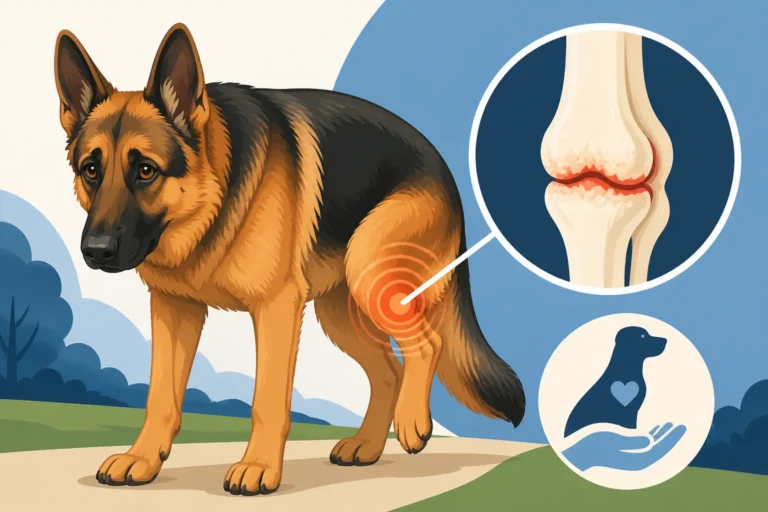
German Shepherds are magnificent, athletic dogs, and that very athleticism, combined with their larger size, can put a significant strain on their joints over the years. Conditions like German Shepherd Hip Dysplasia Explained and elbow dysplasia are unfortunately common in the breed, often having a genetic component that can exacerbate issues as they age. Even in dogs without these genetic predispositions, the cartilage cushioning their joints naturally thins and degrades with age. This leads to bone-on-bone friction, inflammation, and pain – what we often refer to as arthritis or osteoarthritis.
Think about a well-used car engine; eventually, parts start to wear out. The same happens with our dogs' joints. Years of impact from daily activities, even just walking, contribute to this breakdown. Supplementing their diet with key nutrients can help to slow this degradation, support remaining cartilage, and reduce inflammation, offering a much-needed lifeline to their aging bodies. It's not about reversing time, but about making their remaining years as comfortable and active as possible.
Common Signs of Joint Discomfort
Observing your senior German Shepherd closely can give you early clues that their joints are bothering them. They are masters at hiding pain, so even subtle changes are worth noting. Have you noticed them moving a bit slower on their morning walk? Do they hesitate before jumping into the car or climbing stairs that they once bounded up?
Here are some common signs to watch for:
- Difficulty Rising: They might struggle to stand up after lying down for a while, perhaps needing a few tries or a good stretch.
- Limping or Favoring a Limb: This can be intermittent or constant, especially after exercise.
- Reduced Activity Levels: A once-energetic dog might become less interested in walks, playtime, or even just moving around the house.
- Reluctance to Jump: Avoiding the couch, bed, or car, or needing assistance to get up or down.
- Stiffness: Especially noticeable in the mornings or after periods of rest.
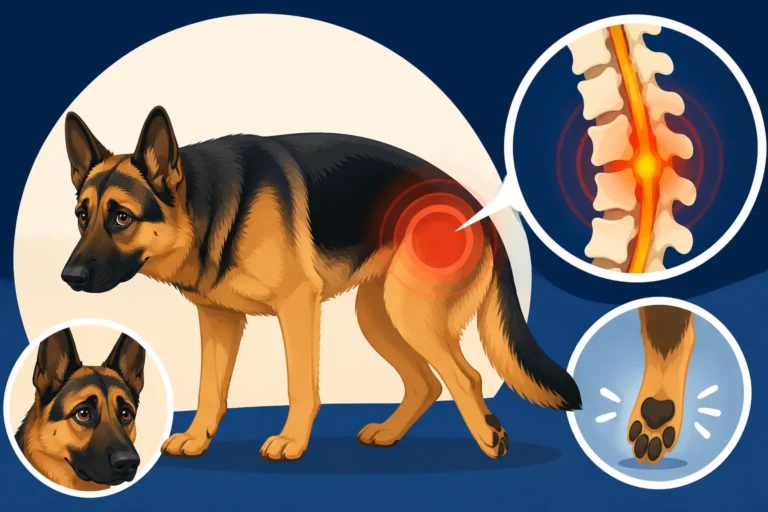
- Changes in Gait: A bunny-hopping motion in the hind legs, a shortened stride, or a general awkwardness when walking.
- Licking or Chewing at Joints: Your dog might focus on a specific joint, trying to alleviate discomfort.
- Behavioral Changes: Pain can lead to irritability, snapping when touched, or withdrawal.
- Muscle Atrophy: You might notice a loss of muscle mass, particularly in their hindquarters, due to favoring certain limbs.
If you observe any of these signs, it's crucial to consult your veterinarian. They can properly diagnose the issue and rule out other underlying health conditions, ensuring you get a clear picture of your German Shepherd's needs. A good vet can help distinguish between general aging and specific conditions like German Shepherd Arthritis: Symptoms and Treatment.
Key Ingredients to Look for in Joint Supplements
Navigating the world of joint supplements can feel overwhelming with so many options on the market. The key is understanding what ingredients actually make a difference and how they work synergistically to support joint health. It's not just about one magic bullet, but a blend of beneficial compounds.
Glucosamine and Chondroitin: The Dynamic Duo
When we talk about joint supplements, glucosamine and chondroitin are almost always the first ingredients that come to mind, and for good reason. They are fundamental building blocks for healthy cartilage and connective tissue.
- Glucosamine: This amino sugar is a natural component of healthy cartilage. In supplement form, it's typically derived from shellfish (like glucosamine hydrochloride or sulfate) and helps stimulate the production of new cartilage and synovial fluid. Synovial fluid is that crucial lubricating fluid that allows joints to move smoothly without grinding. By supporting its production, glucosamine helps improve the "shock absorption" within the joint and reduces friction, directly contributing to smoother, less painful movement. Many owners report seeing a noticeable improvement in their dog's mobility and willingness to move after consistent use.
- Chondroitin Sulfate: Often paired with glucosamine, chondroitin is a complex carbohydrate that helps maintain the elasticity and strength of cartilage. It works by attracting water into the cartilage, providing cushioning and nourishment, and also inhibits enzymes that break down cartilage. Think of it as a natural sponge, keeping the cartilage hydrated and resilient. When combined with glucosamine, these two ingredients create a powerful team, addressing both the production and protection of joint cartilage. They don't just mask pain; they actively work to support the underlying structures of the joint.
MSM, Omega-3s, and Other Powerhouses
While glucosamine and chondroitin are the foundation, other ingredients play vital supporting roles, primarily by tackling inflammation and providing additional protective benefits.
- Methylsulfonylmethane (MSM): This is a natural sulfur compound that possesses potent anti-inflammatory and pain-relieving properties. Sulfur is essential for connective tissue formation, and MSM can help reduce muscle spasms and inflammation around the joints. For senior German Shepherds experiencing chronic aches and stiffness, MSM can be a game-changer, helping to soothe discomfort and improve flexibility. It's often included in higher-quality formulas to provide a more immediate sense of relief alongside the long-term benefits of glucosamine and chondroitin.
- Omega-3 Fatty Acids: Specifically EPA and DHA, found abundantly in fish oil, are renowned for their powerful anti-inflammatory effects. These healthy fats help to reduce the body's inflammatory response, which is a key contributor to joint pain and stiffness in arthritic dogs. Beyond joint health, omega-3s also support skin and coat health, cognitive function, and cardiovascular health, making them an excellent all-around supplement for senior dogs. Brands like Nordic Naturals or Zesty Paws offer high-quality fish oil supplements that are easy to administer.
- Green-Lipped Mussel (GLM): Hailing from New Zealand, green-lipped mussel is a superfood for joints. It contains a unique combination of omega-3s, glucosamine, chondroitin, and other essential fatty acids and minerals. It's not just an anti-inflammatory; it also provides building blocks for healthy cartilage and connective tissue. Many holistic veterinarians recommend GLM due to its comprehensive approach to joint support.
- Turmeric/Curcumin: This golden spice is a potent natural anti-inflammatory and antioxidant. Curcumin, the active compound in turmeric, can help reduce pain and inflammation by inhibiting various inflammatory pathways in the body. When choosing a supplement with turmeric, look for formulations that include piperine (black pepper extract), as it significantly enhances curcumin's bioavailability, meaning your dog's body can absorb and utilize it more effectively.
- Antioxidants (Vitamin C, Vitamin E, Selenium): These compounds help combat oxidative stress, which contributes to cellular damage and inflammation in the joints. By neutralizing free radicals, antioxidants can protect joint tissues from further damage, supporting overall joint integrity and health.
- Hyaluronic Acid (HA): A natural component of synovial fluid, HA acts as a lubricant and shock absorber within the joint. Supplementing with HA can help improve the viscosity of synovial fluid, leading to smoother joint movement and reduced pain.
Here's a quick overview of these key ingredients:
| Ingredient | Primary Benefit | How it Helps Senior GSDs | Common Forms |
|---|---|---|---|
| Glucosamine | Cartilage repair & formation, synovial fluid production | Improves cushioning, reduces friction, enhances mobility | HCl, Sulfate (chews, powder, liquid) |
| Chondroitin Sulfate | Cartilage elasticity & strength, inhibits breakdown | Hydrates cartilage, provides shock absorption, protects joints | Sulfate (chews, powder, liquid) |
| MSM | Anti-inflammatory, pain relief | Reduces stiffness, soothes discomfort, improves flexibility | Powder, chews |
| Omega-3 Fatty Acids | Potent anti-inflammatory | Decreases joint inflammation, supports overall health | Fish oil (liquid, softgels) |
| Green-Lipped Mussel | Comprehensive joint support (Omegas, Glucosamine, Chondroitin) | Reduces inflammation, provides building blocks for cartilage | Powder, chews |
| Turmeric/Curcumin | Natural anti-inflammatory, antioxidant | Alleviates pain and stiffness, protects joint cells | Powder, chews |
| Hyaluronic Acid | Joint lubrication, shock absorption | Enhances synovial fluid quality, smoother movement | Liquid, chews, powder |
Choosing the Right Supplement for Your German Shepherd
With so many products available, selecting the best joint supplement can feel like a daunting task. It’s not just about picking the first one you see; it requires careful consideration of quality, form, and, most importantly, your senior German Shepherd's individual needs.
Factors to Consider: Quality, Form, and Dosage
When you're investing in your dog's health, quality is paramount. You want to ensure that what you're giving your German Shepherd is safe, effective, and contains the ingredients it claims to.
- Quality and Purity: Look for supplements that are manufactured in facilities that adhere to Good Manufacturing Practices (GMP) standards. This indicates that the product is made consistently and meets quality standards. Independent third-party testing is another huge indicator of a reputable brand. These tests verify the purity of ingredients, ensuring there are no contaminants, and confirm that the active ingredients are present in the stated amounts. Some brands will proudly display seals from organizations like the National Animal Supplement Council (NASC) or provide Certificates of Analysis (COA) upon request. These certifications offer peace of mind that you're getting a high-quality, safe product.
- Form of Supplement: Joint supplements come in various forms, and the best one for your German Shepherd will depend on their preferences and your ease of administration.
- Soft Chews: These are incredibly popular because most dogs view them as treats. They're often palatable and easy to give, making them ideal for picky eaters or dogs who are good at spitting out pills.
- Tablets/Pills: These can be good for dogs who readily take medication or if you can hide them in a pill pocket or other treat. However, some senior dogs might struggle to chew harder tablets if they have dental issues.
- Powders: Powders are versatile and can be mixed directly into your dog's food. This is excellent for dogs who are suspicious of chews or pills, and it allows for precise dosing, especially if your vet recommends a specific amount.
- Liquids: Similar to powders, liquid supplements can be mixed into food or given directly. They are often highly concentrated and can be very effective for absorption.
- Dosage and Size: Always follow the recommended dosage based on your German Shepherd's weight. Overdosing can be harmful, and underdosing won't provide the desired therapeutic effect. Larger breeds like German Shepherds often require higher dosages of active ingredients, so ensure the product is formulated for large or giant breeds. It's a common mistake to under-dose, thinking a smaller amount will suffice, but for effective joint support, the correct dosage is key. For questions about specific dosing or if your dog has other health conditions, always consult your vet.
Consulting Your Veterinarian and Brand Reputation
Before starting any new supplement regimen, especially for a senior dog, a conversation with your veterinarian is non-negotiable. They know your dog's full health history, current medications, and any underlying conditions that could interact with supplements.
- Veterinarian Guidance: Your vet can help you identify the specific needs of your German Shepherd's joints, recommend appropriate ingredients, and even suggest particular brands they trust. They can also help monitor for any adverse reactions or interactions with other medications. Sometimes, joint issues can be a symptom of something more serious, and your vet can perform necessary diagnostics to ensure you're addressing the root cause. This expert advice is invaluable for creating a truly effective care plan for your aging companion. If your vet suggests specific diagnostic tests or treatments, remember that pet insurance, like a plan from Healthy Paws, can be incredibly helpful in managing unexpected costs for conditions such as German Shepherd Arthritis: Cost to Treat.
- Brand Reputation and Reviews: Do your homework! Look for brands that have a long-standing positive reputation in the pet industry. Read reviews from other German Shepherd owners. A brand that is transparent about its ingredient sourcing, manufacturing processes, and third-party testing is usually a good sign. Be wary of brands that make outrageous claims or have little to no information about their quality control. A brand committed to research and development, often collaborating with veterinary professionals, typically offers a more reliable product.
Top Joint Supplement Recommendations for Senior German Shepherds
When it comes to the specific products, while I can't endorse a single "best" brand due to individual variation and continuous product evolution, I can certainly highlight categories and characteristics that tend to perform well for senior German Shepherds. The market is full of options, but focusing on reputable brands and ingredient combinations is key.
Chews and Soft Treats: Easy Administration
For many senior German Shepherds, a soft chew is the easiest and most enjoyable way to take a supplement. It feels less like medication and more like a treat, reducing stress for both pet and owner.
- Highly Palatable Formulas: Look for chews that are specifically designed for palatability. Many brands incorporate natural flavors like chicken, beef, or bacon to make them irresistible. This is especially important for senior dogs who might have a reduced appetite or be more particular about what they eat. Brands like VetriScience, Zesty Paws, and Nutramax (makers of Dasuquin) often have excellent feedback regarding taste and efficacy.
- Comprehensive Blends: The best soft chews for senior German Shepherds will offer a robust blend of the key ingredients we discussed: glucosamine, chondroitin, MSM, and often omega-3s or green-lipped mussel. This ensures a multi-faceted approach to joint support, tackling both cartilage repair and inflammation. For instance, a chew combining 900mg Glucosamine, 350mg Chondroitin, and 400mg MSM per serving is a good starting point for a large breed like a German Shepherd.
- Ease of Chewing: Ensure the chews are genuinely soft. Some senior dogs may have dental issues, missing teeth, or sensitive gums, making harder chews uncomfortable. A truly soft, pliable chew will be much better received.
For instance, many German Shepherd owners have found success with products like Dasuquin Advanced soft chews (from Nutramax Laboratories) or Cosequin Maximum Strength (also Nutramax), which are often vet-recommended due to their scientifically backed formulations. Another popular option is Zesty Paws Mobility Bites, which pack a punch with glucosamine, chondroitin, MSM, and even turmeric. Remember, consistency is crucial for these supplements to work, and an easy-to-administer chew helps ensure that consistency.
Powders and Liquids: Versatile Dosing
While chews are convenient, powders and liquids offer advantages, particularly for precise dosing or for dogs with extremely sensitive stomachs or allergies to certain ingredients often found in chews (like specific proteins or grains).
- Precision and Customization: Powders and liquids allow for much finer control over dosage. If your vet recommends a very specific amount based on your dog's weight or condition, or if you need to gradually increase the dose, these forms are ideal. They can be easily measured and mixed into wet food, kibble moistened with water, or even a bit of yogurt.
- Higher Concentration and Purity: Many liquid and powdered supplements are highly concentrated, meaning you might need a smaller amount to deliver a potent dose of active ingredients. This can also mean fewer inactive ingredients or fillers, which is beneficial for dogs with sensitivities.
- Effective Absorption: Liquids, in particular, can sometimes be absorbed more quickly and efficiently by the body. This can lead to faster uptake of the active compounds, though the long-term benefits of most joint supplements build up over weeks or months regardless of the form.
- Examples:
- Phycox MAX Soft Chews or Phycox EQ Pellets (for a powdered option) offer a comprehensive approach, including ingredients like phycocyanin for antioxidant support.
- GlycoFlex Joint Support (available in chews, tablets, and powders) from VetriScience is another well-regarded line with options for various stages of joint support.
- For pure, high-quality fish oil, Nordic Naturals Omega-3 Pet is a liquid option that can be drizzled over food, providing potent anti-inflammatory omega-3s.
- Another excellent powdered option is Wimpy Paws from Bully Max, which combines glucosamine, chondroitin, and MSM with other ingredients in a convenient powder format designed to be mixed with food.
When opting for powders or liquids, always check the concentration of active ingredients per scoop or pump, and follow the instructions carefully. Introduce them gradually to ensure your German Shepherd tolerates them well.
Integrating Supplements with a Holistic Senior Care Plan
Joint supplements are powerful tools, but they are most effective when part of a broader, holistic approach to caring for your senior German Shepherd. Think of it as building a strong foundation for their overall well-being, where supplements are just one vital component.
Diet, Exercise, and Weight Management
The impact of diet and exercise on joint health cannot be overstated, especially for senior German Shepherds.
- Maintaining a Healthy Weight: This is arguably one of the most crucial factors. Excess weight puts enormous strain on already compromised joints, exacerbating pain and accelerating cartilage degeneration. Even a few extra pounds can make a significant difference. Work with your vet to determine your German Shepherd's ideal weight and adjust their diet accordingly. Consider a senior-specific dog food, which often has fewer calories and modified nutrient profiles to support aging bodies. You can find more detailed guidance in our German Shepherd Senior Diet Adjustments article.
- Appropriate Exercise: While vigorous exercise might be a thing of the past, gentle, consistent activity is essential. Low-impact exercises like slow, controlled leash walks, swimming, or hydrotherapy can help maintain muscle mass, improve joint flexibility, and prevent stiffness without putting undue stress on the joints. Short, frequent walks are often better than one long one. Avoid activities that involve a lot of jumping, twisting, or hard stops. For more ideas on keeping your older dog active and comfortable, check out German Shepherd Arthritis Management at Home.
- Nutrient-Rich Diet: Beyond specific joint supplements, ensuring your German Shepherd eats a high-quality, balanced diet rich in essential nutrients is fundamental. A diet with good quality protein, healthy fats (including natural sources of omega-3s), and appropriate carbohydrates provides the building blocks for overall health, including joint tissue repair and maintenance.
Regular Veterinary Check-ups
Even with the best supplements and home care, regular veterinary oversight is non-negotiable for senior German Shepherds. Their needs change rapidly as they age, and proactive care can catch problems early.
- Monitoring Progress and Adjusting Treatment: Your vet can assess the effectiveness of the joint supplements you're using. They might recommend adjusting dosages, trying different formulations, or adding other treatments like anti-inflammatory medications (NSAIDs), pain management protocols, or even physical therapy if needed. What works well for a few months might need tweaking as your dog's condition evolves.
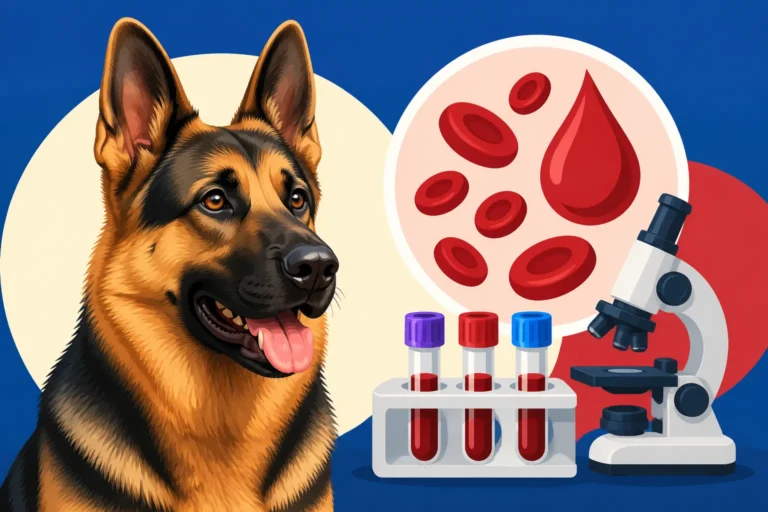
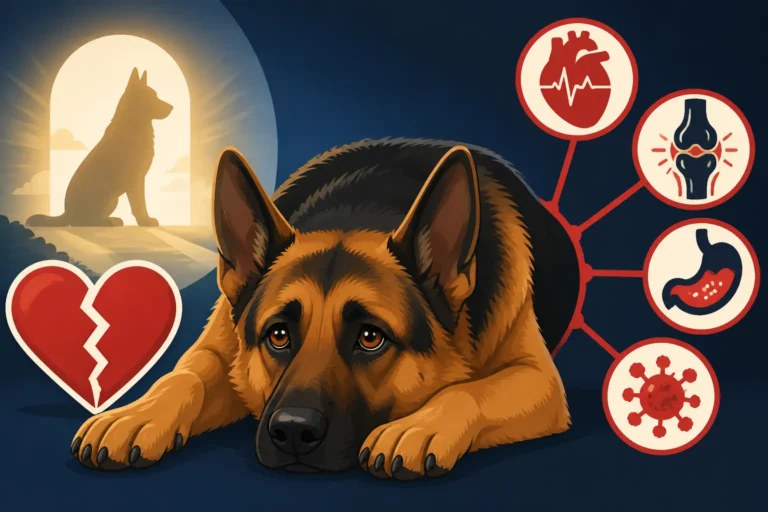
- Early Detection of Other Issues: Senior dogs are prone to a range of health issues beyond joint problems, including dental disease, kidney disease, thyroid imbalances, and certain cancers. Regular check-ups allow your vet to screen for these conditions, ensuring that any new symptoms aren't misattributed solely to "old age" when they could be signs of something treatable. Annual or even bi-annual senior check-ups, including blood work and urine analysis, are vital for catching these issues early and maintaining your German Shepherd's overall health and How to Extend a German Shepherd's Lifespan.
- Pain Management Strategies: Your vet can also discuss other pain management strategies that complement joint supplements. These might include laser therapy, acupuncture, or prescription medications that can provide significant relief during flare-ups or for more advanced arthritis. Having pet insurance, such as a policy from Healthy Paws, can be a huge relief when these additional veterinary treatments become necessary, helping you manage the costs of advanced care without compromising your dog's comfort.
By combining the power of targeted joint supplements with a thoughtful approach to diet, exercise, weight management, and consistent veterinary care, you can significantly improve your senior German Shepherd's quality of life, allowing them to continue being the loving, dignified companions they've always been.
Disclaimer
This article is for general informational purposes only and does not constitute professional advice. Laws, prices and regulations vary by location and change over time. Consult a qualified professional for guidance on your specific situation.