First Signs of Degenerative Myelopathy
Watching your beloved German Shepherd start to show changes in their movement can be incredibly unsettling, especially when you know that a condition like Degenerative Myelopathy (DM) is a real risk for the breed. It's heart-wrenching to witness any decline in their vitality, and the fear of the unknown can be overwhelming. This comprehensive guide is here to walk you through the very first, often subtle, signs of Degenerative Myelopathy, helping you identify them early so you can seek veterinary advice and begin supportive care as soon as possible.
Understanding Degenerative Myelopathy in German Shepherds
Degenerative Myelopathy (DM) is a progressive, incurable neurological disease that affects the spinal cord of dogs, leading to weakness and paralysis of the hind limbs. It's often compared to Amyotrophic Lateral Sclerosis (ALS) in humans due to its similar progression and impact on motor neurons. For German Shepherds, this condition is particularly prevalent, making early recognition crucial, even if it doesn't change the ultimate outcome.
The disease targets the white matter of the spinal cord, specifically the myelin sheath that protects nerve fibers. When this sheath deteriorates, nerve impulses can no longer be transmitted effectively from the brain to the limbs, causing a gradual loss of coordination and strength. It's a cruel disease that slowly robs our dogs of their ability to walk and enjoy their lives independently, but understanding its nature is the first step in managing it.
While DM can affect any breed, German Shepherds are disproportionately represented, and genetic testing has identified a gene mutation (SOD1) strongly associated with the condition. This genetic predisposition means that if your German Shepherd carries two copies of the mutated gene, they are at a significantly higher risk of developing DM, typically in their senior years, usually between 8 to 14 years of age. Knowing about this genetic link underscores the importance of being extra vigilant for any changes in your older GSD's mobility. For a deeper dive, you might find our guide on Degenerative Myelopathy in German Shepherds to be incredibly informative.
Why German Shepherds are Prone to DM
It’s truly unfair that our magnificent German Shepherds, known for their strength and athleticism, are so susceptible to a disease that targets their mobility. The breed's genetic makeup, particularly the prevalence of the SOD1 gene mutation within the German Shepherd population, is a primary factor. This isn't to say every German Shepherd with the gene will develop DM, but the odds are significantly higher.
Breeders committed to improving the health of German Shepherds often conduct genetic health testing, including for DM. If you're considering a puppy, asking about the parents' DM status and other health clearances is absolutely vital. This proactive step helps reduce the incidence of DM in future generations. Unfortunately, for those of us who already have a beloved GSD, especially an older one, vigilance for symptoms becomes our main line of defense. Understanding German Shepherd Genetic Health Testing can provide more insight into these preventative measures.
Beyond genetics, while no definitive environmental triggers have been proven, the sheer athletic demands often placed on German Shepherds throughout their lives might lead some owners to initially misinterpret early DM signs as simple aging or arthritis. This is why a keen eye and prompt veterinary consultation are so important—to differentiate between age-related stiffness and something more insidious like DM.
Subtle Early Indicators of DM: What to Look For
The first signs of Degenerative Myelopathy are notoriously subtle and often easy to miss or mistake for other age-related conditions. This is where your intimate knowledge of your German Shepherd's normal behavior and movement becomes invaluable. You're looking for slight, intermittent changes that might not seem significant on their own but, when viewed together, paint a clearer picture.
Imagine your normally energetic GSD, perhaps just back from a walk at a local park like Golden Gate Park in San Francisco, still looking happy but just a tad slower. It’s not a sudden paralysis; it’s a gradual, insidious progression. These initial changes typically manifest in the hind limbs, affecting coordination and strength long before outright weakness is obvious. Early detection, while not curing the disease, can allow you to adapt your home environment and management strategies to maintain your dog's quality of life for as long as possible.
Being observant during everyday activities – during walks, when they get up from a nap, or even when they're simply standing – can help you catch these fleeting early indicators. This keen attention to detail is truly the best gift you can give your German Shepherd as they age.
Changes in Gait and Stance
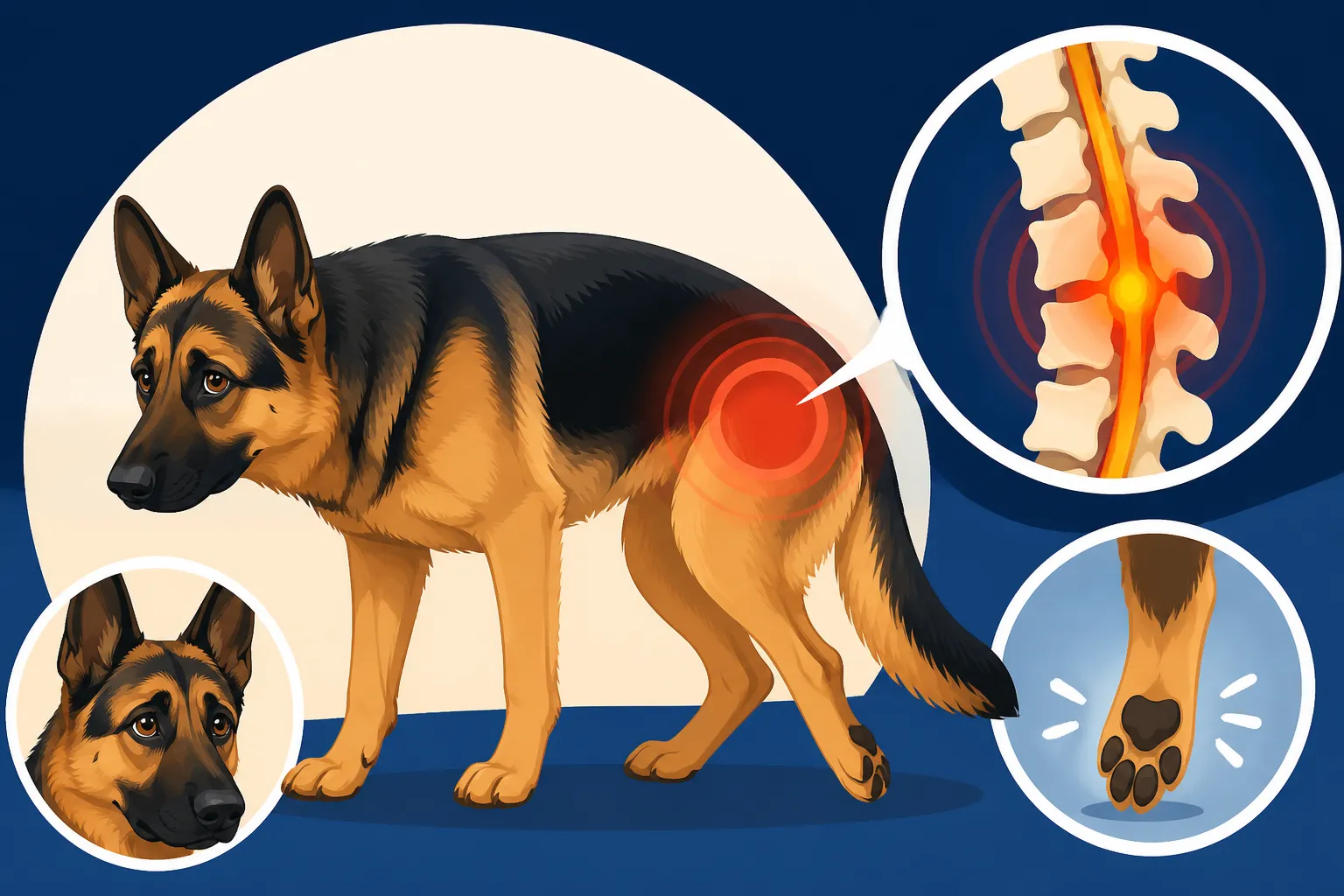
One of the most common initial signs of DM is a subtle, uncharacteristic change in your German Shepherd's gait. You might notice them walking with a slight sway or a wobble in their hindquarters, almost as if they're a little drunk or unsure of their footing. This isn't usually a dramatic fall, but rather an awkwardness that wasn't there before.
They might begin to "knuckle over" on their rear paws occasionally, meaning they walk on the top of their paw rather than the pad, especially when turning or moving quickly. This indicates a loss of proprioception—their body's sense of where its limbs are in space. They simply aren't getting the right signals from their paws. Sometimes, they might stumble or trip over their own feet more frequently, particularly on uneven surfaces or when navigating stairs.
Another tell-tale sign is what we call "crossing over" their back legs. When walking, instead of their hind legs moving in parallel, they might occasionally cross one leg in front of the other. This can lead to minor stumbles or a visibly clumsy walk. It's often more apparent after they've been lying down for a while and are getting up or when they're navigating tight spaces. These subtle shifts in movement are not normal aging; they are red flags that warrant veterinary attention.
Paw Dragging and Nail Scuffing
This symptom often goes hand-in-hand with gait changes and is one of the more distinct early indicators of DM. Pay close attention to your German Shepherd's back paws, especially the nails. If you start to notice that the nails on their rear paws are becoming excessively worn down on the top or outer edges, it's a strong sign of paw dragging.
What's happening is that your dog, due to the loss of nerve sensation and muscle control, isn't lifting their feet completely when they walk. Instead, they're dragging their toes and the top of their paws slightly along the ground. This scuffing is most noticeable on rough surfaces like concrete or asphalt, but you might also hear a faint "shhhhp" sound as they walk on softer surfaces or carpet.
Checking their nails regularly can provide a critical clue. If the nails on their rear paws are worn unevenly, or if the fur on the top of their paws appears rubbed or scuffed, it's definitely time to schedule a vet visit. This seemingly small detail can be one of the most consistent early signs of DM, distinguishing it from general arthritis where a dog might be stiff but still picks up their feet.
Difficulty Rising and Standing
As DM progresses, even in its early stages, you might notice your German Shepherd having slightly more trouble rising from a lying position. It's not that they can't get up at all, but they might struggle a bit, take a few attempts, or look a little wobbly once they're finally on their feet. This is often particularly noticeable after a long rest or sleep.
Once standing, they might also exhibit a subtle tremor or weakness in their hind legs. They might sway slightly, or their legs might quiver, especially if they're standing still for a period. This isn't the same as shaking from cold or anxiety; it's a weakness in their core stability. They might also stand with their hind legs closer together than usual, or perhaps spread slightly wider for more balance, trying to compensate for the instability.
It's a frustrating symptom to observe because your GSD still wants to get up and go, but their body isn't cooperating as readily. This progressive difficulty eventually makes simple tasks like getting into a car or climbing a few steps incredibly challenging. If you notice a consistent increase in effort or instability when your dog attempts to stand or maintain a standing position, it's a significant indicator.
Progressive Symptoms and When to Seek Veterinary Help
While the early signs of Degenerative Myelopathy can be subtle, the disease is relentlessly progressive. Over time, these initial indicators will become more pronounced and new symptoms will emerge. It's vital to understand this progression not to despair, but to be prepared and ensure your German Shepherd receives the most compassionate care possible throughout their journey.
Catching DM early doesn't mean a cure, but it does mean more time to adjust, explore physical therapy options, and make informed decisions about their comfort and mobility. Don't wait until your dog is significantly impaired to seek professional help. The moment you notice persistent, unexplained changes in their hind limb mobility, it's time to talk to your veterinarian. Early intervention allows for diagnosis, ruling out other treatable conditions, and initiating a management plan. This is where having pet insurance, such as a plan from Healthy Paws, can be incredibly beneficial for covering diagnostic tests and potential long-term care costs.
Remember, you know your dog best. If something feels "off," even if you can't quite pinpoint it, trust your instincts. A thorough veterinary examination is always the best course of action.
Escalation of Weakness and Incoordination
As DM progresses beyond the very first signs, the weakness and incoordination in the hind limbs become much more obvious and impactful on your German Shepherd's daily life. What started as occasional stumbling can become more frequent falls, especially during turns or when attempting to accelerate. Your dog might start to drag their back feet more consistently, leading to visible abrasions or sores on their paws if not managed carefully.
They will also lose muscle mass in their hindquarters (atrophy), making their legs look thinner and less muscular than before. This loss of muscle further exacerbates their weakness and instability. What's particularly heartbreaking is that while their body is failing, their mind often remains sharp and alert. They still want to play, go for walks, and be involved, but their physical limitations become increasingly frustrating for them.
You might notice them having significant trouble getting up stairs, jumping into the car, or even navigating slick floors. What used to be an effortless movement now requires immense effort, and they may resist certain activities because they know they can no longer perform them safely or comfortably. This is the stage where a definitive diagnosis becomes even more urgent, as it helps rule out other painful conditions like German Shepherd Hip Dysplasia: Symptoms and Treatment or severe German Shepherd Arthritis: Symptoms and Treatment.
Incontinence and Paralysis
In the later stages of Degenerative Myelopathy, the disease will unfortunately progress to a point where your German Shepherd may experience urinary and/or fecal incontinence. This occurs because the nerve damage extends to the parts of the spinal cord that control bladder and bowel function. It’s a very challenging symptom for both the dog and the owner, requiring significant management and patience.
Eventually, the hind limbs will become completely paralyzed. Your dog will lose the ability to stand or walk on their own, requiring assistance with mobility aids like slings or wheelchairs. This is often the most difficult stage for owners, as it marks a profound loss of independence for their beloved companion. While this is a devastating prognosis, there are many ways to support your German Shepherd's quality of life during this time, including specialized care and equipment. For guidance on navigating this difficult period, our article on German Shepherd DM: Wheelchair and Care Options can offer valuable insights.
Throughout these advanced stages, the emphasis shifts entirely to comfort, hygiene, and maintaining a high quality of life. This includes ensuring proper padding to prevent bedsores, regular physical therapy to maintain muscle tone in the front legs, and addressing any pain or discomfort from secondary issues.
Diagnostic Process and Ruling Out Other Conditions
When you bring your German Shepherd to the vet with suspected DM symptoms, the diagnostic process usually involves several steps. Since there's no single definitive test for DM in a living dog (a confirmed diagnosis typically requires a post-mortem examination of spinal cord tissue), veterinarians rely on a process of exclusion.
This means your vet will perform a thorough neurological exam, checking reflexes, proprioception, and muscle strength. They will likely recommend X-rays of the spine to rule out other orthopedic issues like severe arthritis or spinal compression, which can mimic DM symptoms. Blood tests might be done to check for other systemic diseases. An MRI or CT scan could be suggested to get a more detailed view of the spinal cord and further rule out conditions like disc herniation or tumors, which are often treatable.
Genetic testing for the SOD1 mutation is a crucial part of the diagnostic process for German Shepherds. If your dog tests as "at risk" (two copies of the mutated gene) and presents with the characteristic clinical signs, DM becomes the most likely diagnosis. However, it’s important to remember that testing positive for the gene does not mean your dog will get DM, only that they are predisposed. The vet will combine all this information to give you the most accurate diagnosis possible. The cost of these diagnostic steps can add up, and having a pet insurance plan like those offered by Healthy Paws can truly alleviate some of that financial pressure, allowing you to focus on your dog's care without added stress.
Supporting Your German Shepherd Through DM
Discovering that your German Shepherd has Degenerative Myelopathy is a heavy blow, one that no pet parent ever wants to receive. It's natural to feel a whirlwind of emotions – sadness, frustration, even anger at the unfairness of it all. However, it's incredibly important to remember that while DM is incurable, it is not a death sentence for your dog's happiness. There is so much you can do to support them, maintain their comfort, and enrich their lives as the disease progresses.
Your role shifts from simply owning a dog to becoming their dedicated caregiver and advocate. This journey requires patience, commitment, and a willingness to adapt. Focus on the quality of their remaining time, making every day count and celebrating their spirit. From physical therapies to home modifications, there are numerous strategies to help your German Shepherd navigate this challenging condition.
Remember, you are not alone in this. Many resources and communities exist to support owners of dogs with DM. Sharing experiences and advice with others who truly understand can be a source of immense comfort and practical help.
Physical Therapy and Exercise Adaptations
Physical therapy plays a pivotal role in managing Degenerative Myelopathy and can significantly improve your German Shepherd's quality of life. The goal isn't to reverse the disease, but to maintain muscle mass, improve coordination for as long as possible, and prevent secondary complications. A certified canine rehabilitation therapist can develop a tailored program.
This might include exercises designed to strengthen the hind limbs, improve balance, and stimulate nerve pathways. Hydrotherapy, or underwater treadmill therapy, is particularly beneficial. The buoyancy of the water reduces weight-bearing stress on the joints, allowing your dog to move their legs more freely and build muscle without the risk of falling. This can be a wonderful way for them to experience movement and independence again.
Beyond formal therapy, you'll need to adapt their daily exercise routine. Short, controlled walks on stable surfaces are better than long, strenuous ones. Avoid uneven terrain, slippery floors, and stairs. As their mobility declines, assistive devices like hind-end slings can help you support their weight during walks, making exercise safer and more enjoyable for both of you. Keeping your GSD active within their capabilities is a key part of how to keep a German Shepherd healthy overall, even with DM.
Home Modifications and Assistive Devices
Making your home a safe and accessible environment for your German Shepherd is crucial as DM progresses. This means addressing potential hazards and implementing aids to help them move around more easily. Start by laying down non-slip rugs or runners on hardwood, tile, or laminate floors throughout your home. Slippery surfaces can be incredibly frustrating and dangerous for a dog with hind limb weakness.
Ramps can be invaluable for helping your GSD get into and out of cars, onto furniture, or navigate a few steps around the house. Investing in a good quality orthopedic bed provides extra cushioning and support for their joints and muscles, which become even more important as they spend more time lying down. Raised food and water bowls can also make eating and drinking more comfortable, reducing strain on their neck and back.
As their weakness advances, various assistive devices can extend their mobility and quality of life. Hind-end support harnesses or slings allow you to help them stand and walk. Eventually, a dog wheelchair, or "cart," can give them back a remarkable degree of independence. These custom-fitted devices support their hindquarters, allowing them to use their strong front legs to move around and explore. It’s a truly heartwarming sight to see a dog, who once struggled to walk, happily "running" in their cart again.
Maintaining Comfort and Quality of Life
The emotional well-being of your German Shepherd is just as important as their physical comfort when dealing with DM. While they might be losing function in their legs, their mind and spirit are often still intact. Continue to engage them mentally with puzzle toys, gentle training sessions (adapting commands to their physical abilities), and plenty of cuddles and interaction.
Managing pain is also essential. While DM itself is not typically painful, secondary issues like arthritis (which many older GSDs have) or muscle strain from compensating for weakness can cause discomfort. Your vet can prescribe appropriate pain management strategies, which might include NSAIDs, gabapentin, or other medications. Discussing your options for How to Tell If a German Shepherd Is in Pain is an important conversation to have with your vet.
Regular grooming is also vital to prevent skin issues, especially if your dog is less mobile or experiencing incontinence. Keep their bedding clean and dry. Most importantly, give them unwavering love, patience, and reassurance. Your presence and support mean everything to them. Focusing on their joy, their favorite activities (even if modified), and keeping them mentally stimulated are key to ensuring a good German Shepherd Senior Care Guide experience during this challenging time. It’s about adapting, not giving up.
| Early Signs of Degenerative Myelopathy | More Advanced Signs of Degenerative Myelopathy |
|---|---|
| Subtle hindquarter sway or wobble | Frequent stumbling and falling |
| Occasional paw knuckling | Consistent dragging of hind paws |
| Mild, intermittent nail scuffing | Severe, visible wearing of hind paw nails |
| Slight difficulty rising from rest | Significant struggle to stand; frequent collapse |
| Minor crossing over of hind legs | Obvious loss of coordination |
| Normal muscle mass (initially) | Significant muscle atrophy in hindquarters |
| Intact bladder/bowel control | Urinary and/or fecal incontinence |
| Independent walking | Requires assistance (sling, wheelchair) |
Disclaimer
The information provided in this guide is intended for educational purposes only and should not be considered a substitute for professional veterinary advice. Always consult with a qualified veterinarian regarding any health concerns or before making any decisions about your German Shepherd's care.