German Shepherd Arthritis in Senior Dogs
Watching your once vibrant, energetic German Shepherd start to slow down in their golden years can be incredibly tough, especially when you suspect arthritis is stealing their comfort and mobility. The stiffness, the reluctance to jump, the difficulty getting up after a nap – these are heartbreaking signs that many senior GSD owners face. This comprehensive guide is here to walk you through understanding, recognizing, and compassionately managing arthritis in your beloved senior German Shepherd, helping you provide the best possible quality of life.
Understanding Arthritis in Senior German Shepherds
Arthritis, or osteoarthritis (OA), is a degenerative joint disease that is unfortunately very common in older dogs, particularly large breeds like our German Shepherds. It's not just a minor ache; it's a progressive condition that causes significant pain and impacts their overall well-being. Knowing what you're up against is the first step in providing effective care.
What is Arthritis and Why is it Common in GSDs?
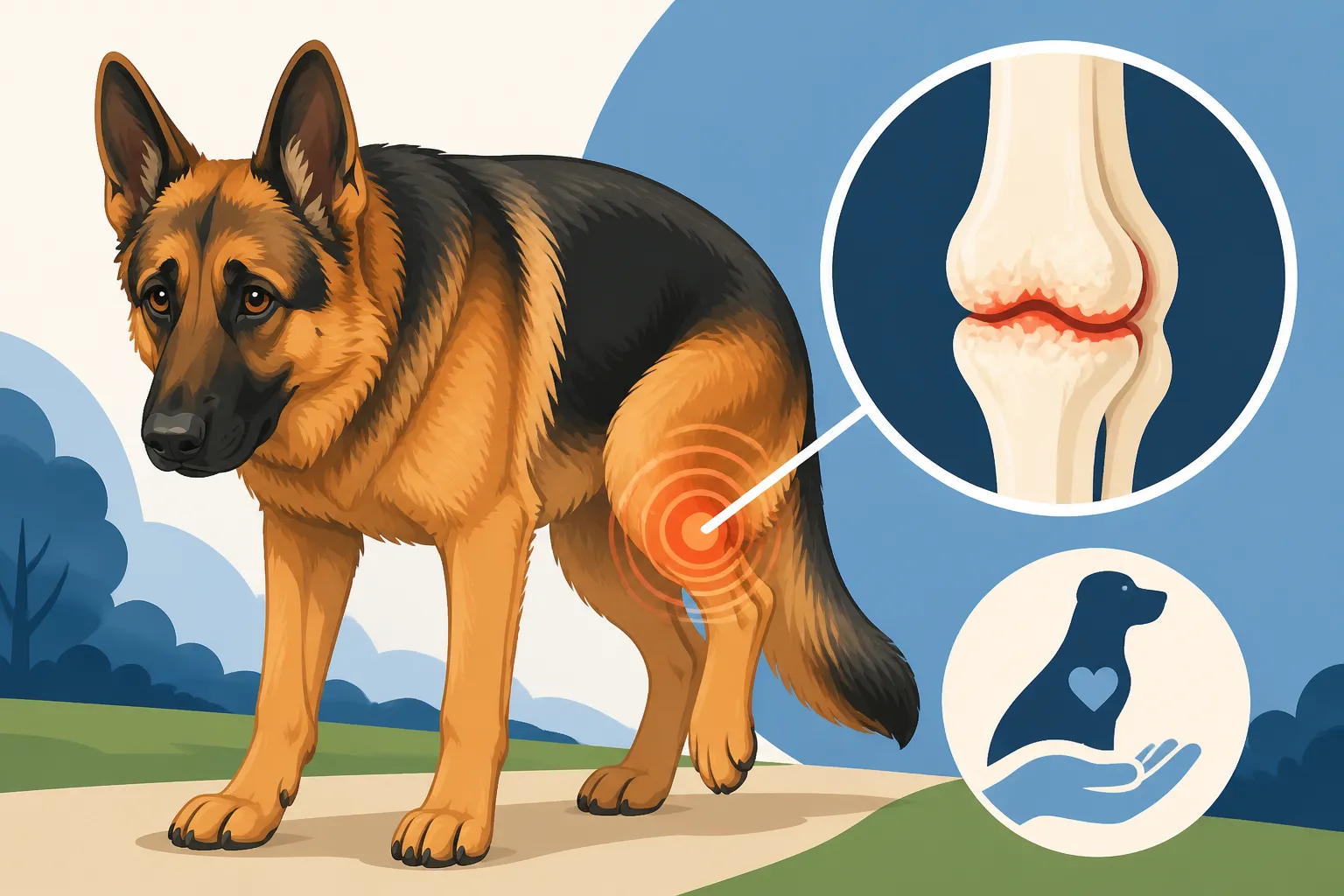
At its core, arthritis is the inflammation and breakdown of cartilage in the joints. Cartilage acts like a cushion, allowing bones to glide smoothly over each other. When this cartilage erodes, bones rub against each other, leading to pain, swelling, and reduced mobility. Imagine sand in the gears of a finely tuned machine – that's what's happening inside an arthritic joint. For German Shepherds, several factors make them particularly susceptible. Their large size puts immense pressure on their joints throughout their lives. Beyond that, genetic predispositions play a huge role. Conditions like German Shepherd Hip Dysplasia Explained and German Shepherd Elbow Dysplasia: Symptoms and Treatment, which are prevalent in the breed, often lay the groundwork for early onset and more severe arthritis as they age. Even if your GSD never displayed overt signs of hip or elbow dysplasia in their youth, the underlying structural issues can manifest as significant arthritis later in life. It's a cruel reality that the very strength and athleticism we admire in them can contribute to their joint woes down the line.
The process is often slow and insidious. It starts with microscopic damage, then progresses to visible changes, like bone spurs forming around the joint in an attempt to stabilize it. This "bone remodeling" further restricts movement and increases discomfort. Factors such as obesity, previous joint injuries (even minor ones), and strenuous activity over many years can accelerate this degenerative cycle. Understanding this gradual decline helps us appreciate why early intervention, even when symptoms are subtle, can make a world of difference in managing the condition.
The Unique Challenges for Senior German Shepherds
Senior German Shepherds face unique challenges with arthritis that extend beyond just physical pain. Their large, powerful build means that even a little stiffness can significantly impede their ability to move, impacting their quality of life profoundly. A smaller dog might compensate more easily, but a 70-90 pound German Shepherd struggling to stand up or navigate stairs is a serious issue. Their natural stoicism, a trait often admired in the breed, can also be a double-edged sword. They might hide their pain for a long time, making it difficult for owners to recognize the problem until it's quite advanced. This means that by the time you notice overt limping, they might have been suffering in silence for months.
Moreover, the psychological toll on an active, intelligent breed like a German Shepherd cannot be overstated. These dogs are built for work and love to be active participants in family life. When arthritis robs them of their ability to run, play, or even go on long walks, it can lead to frustration, boredom, and even depression. You might notice changes in their personality – perhaps they become less interactive, more irritable, or withdrawn. This isn't just "old age"; it's often a direct result of chronic pain and diminished capacity. Addressing both the physical and mental aspects of their discomfort is crucial for maintaining their overall happiness and well-being. It’s not just about managing the pain, but also about helping them retain a sense of purpose and enjoyment in their senior years.
Recognizing the Signs and Symptoms of Arthritis
Recognizing arthritis in its early stages is key to effective management, but it can be tricky, especially with stoic German Shepherds. Many owners mistakenly attribute the initial signs to "just getting old," missing crucial opportunities for early intervention.
Subtle Early Indicators You Might Miss
The initial signs of arthritis in your senior German Shepherd are often incredibly subtle and easy to overlook if you're not specifically looking for them. These aren't always dramatic limps or yelps of pain; they're more like nuanced shifts in behavior and movement. For instance, you might notice that your GSD is a little slower to get up after lying down for an extended period, perhaps taking an extra moment to stretch out before fully standing. They might seem hesitant to jump into the car or onto the couch, where they once leaped with no thought. Maybe their gait is slightly less fluid on walks, or they don't charge down the stairs with the same enthusiasm they used to.
Another common early indicator is a change in their willingness to play or engage in activities they once loved. Your German Shepherd might still chase a ball, but they might quit sooner, or be less inclined to retrieve it if it involves running a far distance or turning sharply. Some dogs might show a slight stiffness after heavy exercise or on cold, damp mornings. You might even observe them licking or chewing at a particular joint more than usual, an instinctive attempt to soothe discomfort. Keep an eye on their sleeping habits too; some arthritic dogs struggle to find a comfortable position or change positions more frequently due to discomfort. These small changes, when observed together, paint a picture of burgeoning joint pain. For more general information on age-related changes, you might find our guide on German Shepherd Senior Care Guide helpful.
Overt Signs and Advanced Stages
As arthritis progresses, the signs become much more pronounced and difficult to ignore. This is when most owners realize something is truly wrong. A distinct limp, especially after exercise or periods of rest, is a clear red flag. You might see your German Shepherd favor one leg, or shift their weight unevenly. They might become visibly stiff, with a reduced range of motion in affected joints. For example, they may struggle to fully extend a leg or bend down to groom themselves. Muscle atrophy, or a visible loss of muscle mass, particularly in the hindquarters or over the shoulders, can also occur as they use the painful limb less.
Behavioral changes also become more obvious. An arthritic GSD might become irritable or even snap when touched in a sensitive area. They may shy away from being petted or groomed, or retreat to a quiet spot to avoid interaction. Their activity level will significantly decrease; they might refuse walks, prefer lying down to playing, and show reluctance to climb stairs or even walk on slippery floors. You might also notice a decreased appetite or general lethargy, which are signs that chronic pain is taking a toll on their overall health. Some dogs might vocalize more – whimpering, groaning, or crying out when moving or being handled. If you notice these more severe signs, it’s imperative to seek veterinary attention promptly. These aren't just quirks of old age; they're calls for help.
Here's a quick reference table for identifying potential arthritis symptoms:
| Symptom Category | Subtle Early Signs | Overt Advanced Signs |
|---|---|---|
| Movement | Slight hesitation to jump/climb, slower to rise, less fluid gait, stiff after rest/exercise, occasional limping. | Pronounced limping, difficulty standing/walking, refusal to jump/climb stairs, favoring a limb, visible stiffness, lameness. |
| Behavior | Reduced enthusiasm for play, less endurance, increased licking/chewing a joint, slight changes in sleeping position. | Irritability when touched, snapping, withdrawal, decreased appetite, lethargy, reluctance to interact, vocalizing pain (whimpering, groans). |
| Physical Changes | No obvious visible changes. | Muscle atrophy (especially hindquarters), joint swelling, visible bone spurs (less common), altered posture. |
| Vocalization | None or very subtle groans when stretching. | Whining, yelping, or crying out when moving or being handled. |
Diagnosis and Veterinary Intervention
Once you suspect arthritis, the next critical step is a visit to your veterinarian. Self-diagnosing can lead to missed opportunities or inappropriate care, as other conditions can mimic arthritis. Your vet will be able to perform a thorough examination and recommend the best course of action.
Your Vet Visit: What to Expect
When you bring your senior German Shepherd to the vet with concerns about arthritis, expect a comprehensive consultation. Your veterinarian will start by asking you a lot of questions about your dog's history, including when you first noticed symptoms, how they've progressed, what activities trigger pain, and any changes in appetite, thirst, or bathroom habits. Be prepared to discuss your dog's activity level, how they move at home, and any specific areas of concern you've observed. Videos of your dog moving at home can be incredibly helpful for your vet to see how your GSD acts in a familiar environment.
Following the discussion, your vet will perform a thorough physical examination. This typically involves palpating (gently feeling) all the joints, assessing the range of motion in their limbs, and checking for any swelling, warmth, or pain response. They'll also observe your German Shepherd walking, trotting, and potentially standing, looking for lameness, stiffness, and changes in gait or posture. Don't be surprised if your vet wants to see your GSD walk on different surfaces or turn corners, as these can reveal subtle issues. This hands-on assessment is crucial for pinpointing which joints are affected and the severity of the problem. It’s a vital step in confirming arthritis and ruling out other potential causes of pain or lameness.
Diagnostic Tools and Procedures
While the physical exam provides strong clues, imaging is often necessary to confirm an arthritis diagnosis and assess its severity. The primary diagnostic tool for arthritis is radiography, or X-rays. Your vet will likely recommend X-rays of the suspected painful joints – commonly the hips, elbows, and spine. These images can reveal classic signs of osteoarthritis, such as joint space narrowing, bone spurs (osteophytes), subchondral bone sclerosis (increased bone density beneath the cartilage), and sometimes even joint effusion (fluid accumulation). X-rays help differentiate arthritis from other issues like bone tumors, fractures, or soft tissue injuries.
In some cases, especially if the X-rays are inconclusive or your vet suspects more complex issues, they might recommend additional diagnostics. This could include a complete blood count (CBC) and biochemistry panel to check for underlying systemic illnesses or to establish a baseline before starting certain medications. In rare instances, particularly if nerve compression is suspected alongside arthritis, a CT scan or MRI might be advised. These advanced imaging techniques provide much more detailed views of soft tissues and bone structures. Your vet will discuss the necessity and cost of these procedures, ensuring you understand the diagnostic pathway. A good pet insurance plan, like those offered by Healthy Paws, can be incredibly beneficial in covering these diagnostic costs, ensuring you can make the best medical decisions for your senior German Shepherd without undue financial stress.
Comprehensive Management Strategies for Arthritis
Managing arthritis in senior German Shepherds is a multifaceted endeavor that often requires a combination of approaches. There's no single cure, but with a tailored plan, you can significantly improve your dog's comfort and mobility.
Medical Treatments and Medications
When it comes to alleviating the pain and inflammation of arthritis, medical treatments are often the cornerstone of a comprehensive management plan. The most common and effective medications for canine arthritis are Non-Steroidal Anti-Inflammatory Drugs (NSAIDs). Brands like Rimadyl (carprofen), Metacam (meloxicam), Deramaxx (deracoxib), and Galliprant (grapiprant) are frequently prescribed. These drugs work by reducing inflammation and pain, allowing your dog to move more comfortably. However, like all medications, they come with potential side effects, including gastrointestinal upset (vomiting, diarrhea), and in rare cases, liver or kidney issues. Your vet will carefully monitor your dog, especially at the beginning of treatment, often recommending regular blood work to check organ function. It's crucial to never give your dog human NSAIDs like ibuprofen or naproxen, as these are toxic to dogs.
Beyond NSAIDs, other medications can play a supportive role. Gabapentin, a nerve pain medication, is often used in conjunction with NSAIDs for dogs experiencing neuropathic pain, which can be a component of severe arthritis. Amantadine, another drug, can help modulate chronic pain by blocking certain pain receptors. For some dogs, particularly those who don't tolerate NSAIDs well or need additional pain relief, injectable medications like Librela (bedinvetmab) are becoming increasingly popular. Librela is a monoclonal antibody that targets Nerve Growth Factor (NGF), a key mediator of pain, offering monthly injectable relief with a different mechanism of action and generally fewer side effects than oral NSAIDs. Your vet will help you navigate these options to find the safest and most effective combination for your German Shepherd's specific needs, considering their overall health and other conditions. It's truly about finding that delicate balance to provide relief while minimizing risks.
Non-Pharmacological Approaches
While medications are vital, non-pharmacological approaches are equally important in providing holistic care for arthritic German Shepherds. These methods focus on physical rehabilitation, weight management, and alternative therapies. Physical therapy, often supervised by a certified canine rehabilitation therapist, can significantly improve joint function, muscle strength, and flexibility. This might include activities like therapeutic exercises, underwater treadmill sessions (hydrotherapy), and massage. The buoyancy of water in hydrotherapy reduces stress on painful joints, allowing for controlled movement and muscle building without impact.
Maintaining a healthy weight is paramount. Excess weight puts additional strain on already compromised joints, exacerbating pain and accelerating cartilage breakdown. Even shedding a few pounds can make a dramatic difference in your German Shepherd's comfort. Your vet can help you determine an ideal weight and create a suitable German Shepherd Senior Diet Adjustments plan. Additionally, complementary therapies such as acupuncture, chiropractic adjustments, and therapeutic laser treatments have shown promise in managing arthritis pain in many dogs. Acupuncture, for instance, can help stimulate natural pain relief pathways, while laser therapy reduces inflammation and promotes healing at a cellular level. These treatments are often used in conjunction with conventional medicine to maximize comfort. Discuss these options with your vet to see if they might be a beneficial addition to your GSD's care plan.
Nutritional Support and Supplements
Nutrition plays a crucial role in managing arthritis, both in terms of weight control and providing targeted joint support. Choosing the right diet for a German Shepherd with arthritis often involves selecting a high-quality, balanced large-breed senior formula. Many such diets are specifically formulated with ingredients that support joint health, such as omega-3 fatty acids, glucosamine, and chondroitin. You might also explore options like Royal Canin German Shepherd or Purina Pro Plan, both of which offer breed-specific or large-breed senior formulas. The goal is to provide optimal nutrition while avoiding excessive calories that could contribute to weight gain.
Joint supplements are another essential component. Glucosamine and chondroitin sulfate are probably the most well-known, working to support cartilage health and reduce inflammation. Omega-3 fatty acids, particularly EPA and DHA found in fish oil, are powerful natural anti-inflammatories that can significantly reduce joint pain. Green-lipped mussel extract is another popular ingredient, containing a rich blend of omega-3s, glucosamine, and chondroitin. Other supplements like MSM (methylsulfonylmethane), hyaluronic acid, and turmeric can also offer benefits in reducing pain and inflammation. It's important to choose reputable brands and consult your vet before starting any supplements, as quality can vary widely. While supplements aren't a standalone cure, they can provide excellent complementary support, especially when combined with diet and other medical treatments.
Adapting Your Home Environment for Comfort
Living with arthritis can be incredibly challenging for your German Shepherd, but small changes to your home environment can make a world of difference in their daily comfort and independence. Think about how their day unfolds and where they encounter difficulties.
Making Everyday Life Easier
The key to adapting your home is to minimize activities that cause pain and facilitate easier movement. Start by addressing slippery surfaces. Hardwood, tile, and laminate floors can be like ice rinks for a dog with compromised mobility. Lay down non-slip rugs, carpet runners, or even yoga mats in high-traffic areas and wherever your German Shepherd sleeps or eats. This provides much-needed traction and confidence, preventing slips and falls that can cause further injury or pain. Consider elevated food and water bowls, especially if bending down is difficult for your GSD. This reduces strain on their neck and front joints.
Another important consideration is their sleeping arrangements. A firm, orthopedic dog bed with plenty of cushioning can offer superior joint support compared to a thin pad or the hard floor. Look for memory foam or supportive shredded foam beds that conform to their body, alleviating pressure points. Place these beds in easily accessible, warm, draft-free areas where your dog feels secure. If your German Shepherd enjoys being on the couch or bed with you, invest in a pet ramp or steps to allow them to get up and down without painful jumping. Even seemingly minor changes, like ensuring their favorite resting spots are easily reachable, can significantly improve their quality of life. Thinking proactively about these small modifications can prevent unnecessary pain and frustration for your beloved companion.
Mobility Aids and Assistive Devices
As arthritis progresses, your German Shepherd might benefit from various mobility aids and assistive devices designed to help them maintain their independence and enjoy activities they once loved. Ramps are invaluable for vehicles, stairs, or even getting onto furniture. A good quality, non-slip ramp can prevent painful impacts from jumping and make outings much more manageable. Harnesses specifically designed for mobility assistance are also incredibly helpful. These often feature handles over the back and/or rear to help you support your dog when they're struggling to stand up, walk, or navigate stairs. Some harnesses, like those from Help 'Em Up or Ruffwear, offer full-body support, distributing weight more evenly.
For German Shepherds with severe hindquarter weakness or neurological issues that often accompany advanced arthritis (such as Degenerative Myelopathy in German Shepherds), a dog wheelchair can be a life-changing device. While it might seem daunting at first, a custom-fitted wheelchair allows dogs to run, play, and explore, restoring a significant amount of their mobility and joy. It's not about giving up; it's about providing a tool for continued activity. Booties or paw pads can also offer extra grip on slippery surfaces and protect sensitive paw pads, especially if they're dragging their feet. Consult with your vet or a canine rehabilitation specialist to determine which mobility aids would be most beneficial for your German Shepherd's specific condition and needs. These tools empower both you and your dog to continue enjoying life together.
Long-Term Care and Quality of Life
Living with a senior German Shepherd who has arthritis is a journey that requires ongoing commitment, vigilance, and adaptation. It's about more than just managing pain; it's about maximizing their happiness and ensuring they have the best possible quality of life in their golden years.
The Importance of Regular Monitoring
Arthritis is a progressive condition, meaning it will likely worsen over time. This makes regular monitoring absolutely crucial for senior German Shepherds. You, as their primary caregiver, are on the front lines, observing their daily subtle changes. Keep a journal of their good days and bad days, noting any new symptoms, changes in mobility, or responses to medication. This detailed record will be invaluable during vet visits. Regular check-ups with your veterinarian, typically every 3-6 months, are essential. During these visits, your vet can reassess your dog's pain levels, adjust medication dosages, and check for any developing side effects from long-term drug use. They might recommend repeat X-rays to monitor the progression of joint degeneration.
It’s also important to monitor their weight meticulously, as even small fluctuations can impact joint stress. Regular gentle exercise, tailored to their ability, remains important to maintain muscle mass and joint flexibility, but always avoid overexertion. Watch for signs of increasing pain after activity, which might indicate you've pushed them too far. This continuous, proactive approach allows you and your vet to stay ahead of the condition, making timely adjustments to their treatment plan to ensure your German Shepherd remains as comfortable and active as possible for as long as possible. Remember, early detection of worsening symptoms can prevent prolonged periods of unnecessary suffering.
Balancing Pain Management and Side Effects
One of the most delicate aspects of long-term arthritis care is finding the optimal balance between providing adequate pain relief and minimizing the potential side effects of medications. While NSAIDs and other pain medications are incredibly effective, they do carry risks, especially with continuous use in older dogs whose organ function might be naturally declining. Your vet will work with you to find the lowest effective dose of medication. This often involves trial and error, sometimes combining different types of medications to achieve synergy and reduce the reliance on a single drug at a high dose. For example, using a lower dose of an NSAID alongside a nerve pain modulator like gabapentin or a monthly injectable like Librela can provide superior pain control with fewer potential side effects from any single drug.
Regular blood work, typically every 6-12 months, is vital to monitor liver and kidney function when your German Shepherd is on long-term medications. These tests help your vet catch any issues early before they become serious. You also need to be vigilant at home, watching for any signs of gastrointestinal upset (vomiting, diarrhea, decreased appetite), changes in drinking or urination, or increased lethargy, which could indicate a medication side effect. If you notice any concerning changes, contact your vet immediately. The goal is always to maximize your German Shepherd's comfort and quality of life, understanding that this involves an ongoing, adaptive strategy where the benefits of pain relief must always outweigh the risks of treatment. This careful management ensures your senior companion can enjoy their golden years with as much joy and as little pain as possible.
Disclaimer
This article is intended for informational purposes only and does not constitute veterinary advice. Always consult with a qualified veterinarian for any health concerns or before making any decisions about your German Shepherd's medical care.