How to Extend a German Shepherd’s Lifespan
German Shepherd health care involves nutrition, supplements, exercise, and veterinary prevention to maximize longevity and prevent common breed diseases.

German Shepherd health care involves nutrition, supplements, exercise, and veterinary prevention to maximize longevity and prevent common breed diseases.

Physical health signs of a healthy German Shepherd include proper energy levels, mental alertness, a shiny coat, and fluid movement.

German Shepherd bloat identification and prevention methods help owners recognize early warning signs and implement critical feeding practices.

German Shepherd health issues span different life stages, covering puppyhood parasites, young adult allergies, and senior arthritis.

German Shepherd genetic testing uses DNA analysis to reveal hereditary disease risks, helping owners and breeders prevent serious conditions.

German Shepherd health care involves proper nutrition, tailored exercise routines, preventative veterinary care, and awareness of breed genetic conditions.
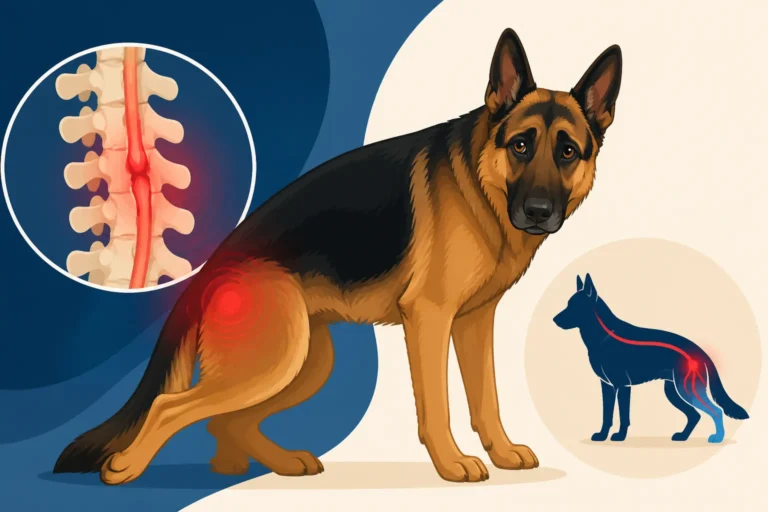
Degenerative myelopathy causes spinal cord damage in German Shepherds, leading to hind leg weakness and progressive mobility loss without pain.
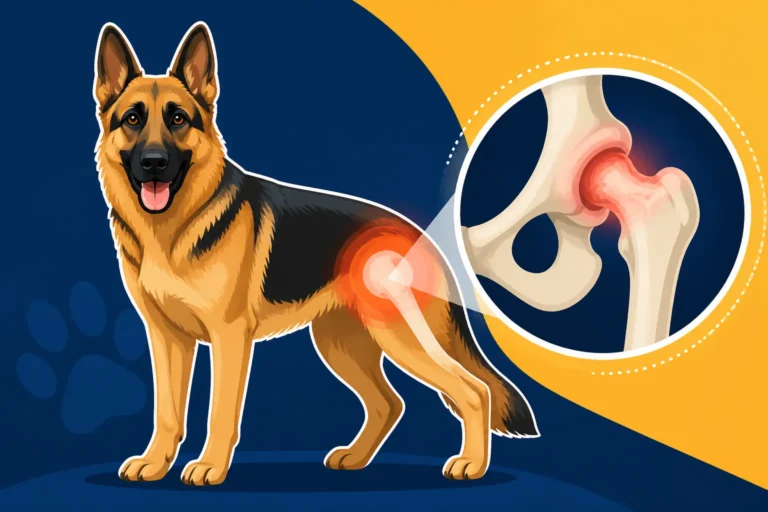
German Shepherd hip dysplasia is a developmental joint condition that causes pain and mobility issues, explaining symptoms, stages, and diagnosis.

German Shepherd lifespan typically ranges from seven to ten years, influenced by genetics, nutrition, veterinary care, and preventive health management.

German Shepherd health problems include hip and elbow dysplasia, degenerative myelopathy, bloat, panosteitis, and cauda equina syndrome.