How to Keep a German Shepherd Healthy
Anyone who’s ever loved a German Shepherd knows the unique joy and responsibility they bring. These magnificent dogs are more than just pets; they're family, companions, and often, diligent guardians. However, like all purebreds, they come with their own set of potential health challenges, and it can feel overwhelming to navigate all the advice out there. This comprehensive guide will walk you through everything you need to know, from their specific genetic predispositions to daily care routines, to ensure your beloved German Shepherd lives the happiest, healthiest, and longest life possible.
Understanding the German Shepherd's Unique Health Landscape
Owning a German Shepherd means being aware of their distinct breed characteristics, both in personality and physical makeup. Their strength, intelligence, and athleticism are part of their charm, but these very traits also highlight the importance of understanding their specific health needs. It's not just about treating problems when they arise, but actively working to prevent them.
Breed-Specific Predispositions
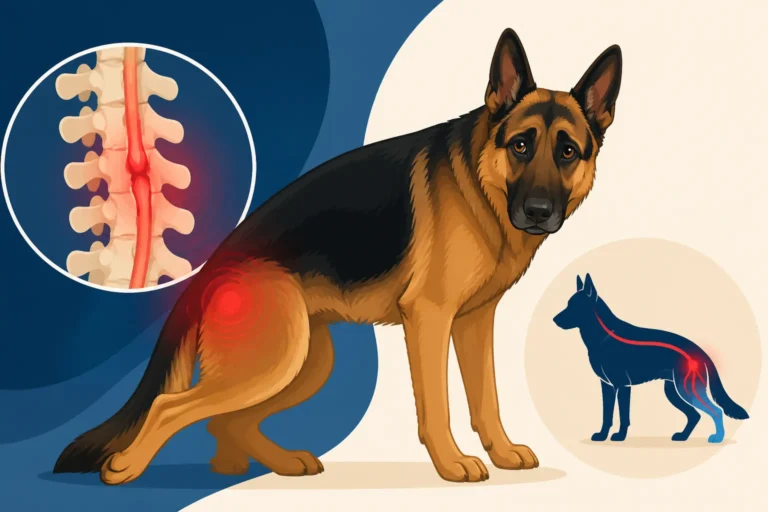
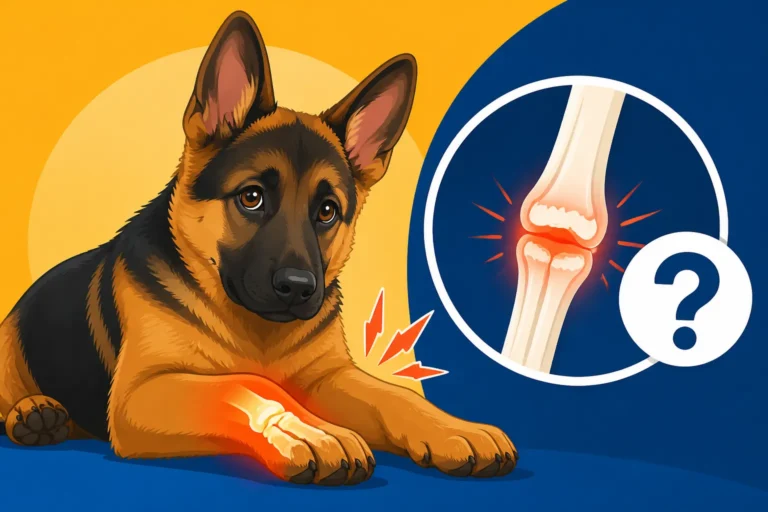
German Shepherds are, unfortunately, predisposed to several significant health issues that owners need to be aware of. The most well-known, and often most heartbreaking, are orthopedic problems. Hip and elbow dysplasia are conditions where the joints don't develop correctly, leading to pain, arthritis, and mobility issues. It’s a sad reality for many German Shepherd families, and understanding these risks upfront allows for proactive management. Beyond joints, there are also neurological conditions like Degenerative Myelopathy in German Shepherds, a progressive disease affecting the spinal cord that can be truly devastating. Digestive issues, such as bloat (Gastric Dilatation-Volvulus or GDV), are also a serious concern, given its rapid onset and life-threatening nature. These aren't just minor ailments; they're conditions that can significantly impact their quality of life, making early detection and preventative measures crucial. For a deeper dive, you can explore our full German Shepherd Health Problems Guide.
The Importance of Genetics
When it comes to breed-specific health problems, genetics play an enormous role. Reputable breeders are keenly aware of this and go to great lengths to screen their breeding dogs to minimize the risk of passing on genetic conditions like hip and elbow dysplasia or Degenerative Myelopathy. This process, known as German Shepherd Genetic Health Testing, involves x-rays of hips and elbows (often evaluated by organizations like OFA or PennHIP) and DNA tests for specific gene markers. A responsible breeder will be transparent about their dogs' health clearances and be able to provide documentation. If you're considering a puppy, asking about the health history of both parents, grandparents, and even siblings can offer a clearer picture of your puppy's potential genetic predispositions. While genetics aren't the only factor, they lay the groundwork for your dog's future health, and choosing a puppy from health-tested lines is one of the most impactful decisions you can make.
Lifespan Expectations
The average German Shepherd lifespan typically ranges from 9 to 13 years, but this can vary greatly depending on their genetic background, diet, exercise, and overall healthcare. While 9 years might seem young for such a robust dog, it’s unfortunately within the normal range for large breeds, which tend to have shorter lifespans than their smaller counterparts. Factors like excellent veterinary care, a high-quality diet, appropriate exercise, and a stress-free environment can all contribute to helping your German Shepherd live closer to the upper end of that spectrum, or even beyond. Conversely, neglect, poor nutrition, lack of exercise, or untreated health issues can significantly shorten their life. Understanding these expectations allows you to prioritize their well-being throughout every stage of their life, ensuring you do everything possible to maximize their time with you. Learn more about German Shepherd Lifespan: How Long They Live to better understand this aspect of their care.
Essential Nutrition for a Thriving German Shepherd
Proper nutrition is not just about filling a bowl; it’s the cornerstone of your German Shepherd's health, impacting everything from their energy levels and coat quality to their immune system and joint health. A well-balanced diet provides the fuel they need to thrive and helps prevent many common health issues.
Choosing the Right Food
Selecting the right dog food for your German Shepherd can feel like navigating a maze, with endless brands and formulas on the market. The key is to look for high-quality, large-breed specific formulas, especially during their growth phase. These foods are often formulated with controlled calcium and phosphorus levels to support proper bone and joint development, which is critical for a breed prone to hip and elbow issues. Look for ingredients lists where a named meat source (like "chicken meal" or "lamb") is the first ingredient, indicating a good protein content. Avoid foods with excessive fillers, artificial colors, or by-products. Brands like Purina Pro Plan, Royal Canin German Shepherd specific formulas, and Hill's Science Diet often offer options tailored to large breeds, providing balanced nutrition. Always consider your dog's age, activity level, and any specific sensitivities they might have. For a detailed review of options, check out our guide on the Best Dog Food for German Shepherds.
Proper Feeding Schedules and Portions
It's not just what you feed, but how much and when. Overfeeding is a common mistake that can lead to obesity, putting extra strain on joints and increasing the risk of other health problems like diabetes and heart disease. Free-feeding (leaving food out all day) is generally not recommended for German Shepherds, particularly given their predisposition to bloat. Instead, establish a consistent feeding schedule, typically two to three meals per day for adults, and three to four for puppies.
Portion sizes will depend on the specific food's caloric density, your dog's age, weight, and activity level. Always follow the guidelines on the dog food packaging, but be prepared to adjust based on your individual dog's condition. A good rule of thumb is that you should be able to feel, but not see, their ribs. If you're unsure, consult your veterinarian for personalized recommendations. Consistent meal times can also help regulate their digestive system and reduce anxiety around food, contributing to overall well-being.
The Role of Supplements
While a high-quality diet should ideally provide all necessary nutrients, supplements can play a beneficial role, especially for German Shepherds with their specific breed challenges. Joint supplements containing glucosamine, chondroitin, and MSM are often recommended, particularly for adult and senior German Shepherds, to support cartilage health and reduce inflammation, which can be invaluable in mitigating the effects of German Shepherd Hip Dysplasia Explained or arthritis. Omega-3 fatty acids, found in fish oil, can promote healthy skin and a shiny coat, reduce inflammation, and support cognitive function. Probiotics can aid digestion and gut health, which is vital for nutrient absorption and a strong immune system. However, it's crucial to approach supplements thoughtfully. Never start a supplement regimen without discussing it with your veterinarian, as they can help determine the right type and dosage for your specific dog's needs and ensure there are no interactions with existing medications or conditions.
Exercise and Mental Stimulation for Physical and Mental Wellness
German Shepherds are intelligent, active dogs bred for working roles. This means they have significant needs for both physical exercise and mental stimulation. Neglecting these aspects can lead to behavioral problems, stress, and even physical health decline.
Tailoring Exercise to Age and Activity Level
One of the biggest misconceptions about German Shepherds is that they need endless, high-impact exercise from a young age. While they are energetic, it's vital to tailor exercise to their age and physical development. German Shepherd puppies have developing growth plates that are vulnerable to injury from excessive or high-impact exercise, which can contribute to orthopedic problems later in life. Short, frequent play sessions and leash walks are best for puppies, avoiding strenuous activities like long runs or intense jumping until they are fully grown, usually around 18-24 months.
Adult German Shepherds, however, thrive on a good workout. This might include brisk walks, jogging, hiking, playing fetch, or dog sports like agility or obedience. Aim for at least 1-2 hours of moderate to vigorous activity daily. As they age, senior German Shepherds will require less intense, shorter bursts of activity to keep their joints mobile without overtaxing them. Swimming is an excellent low-impact exercise for dogs of all ages, especially those with joint concerns. Always observe your dog for signs of fatigue or discomfort and adjust their routine accordingly. More details on appropriate activity levels can be found in our German Shepherd Exercise Requirements guide.
Importance of Mental Engagement
A German Shepherd's brain is just as powerful as their body, and it needs a workout too! Without adequate mental stimulation, these intelligent dogs can become bored, leading to destructive behaviors like excessive chewing, barking, or digging. Mental engagement can come in many forms:
- Training sessions: Even adult dogs benefit from ongoing obedience training, learning new tricks, or participating in advanced classes.
- Puzzle toys: Food-dispensing toys like Kongs or puzzle feeders can keep them occupied and challenge their problem-solving skills.
- Scent work: Hiding treats around the house or yard for them to find engages their powerful sense of smell and is mentally exhausting in a good way.
- Interactive games: Games like "find it" or "hide and seek" are fantastic for bonding and mental engagement.
Incorporating these activities daily ensures your German Shepherd remains sharp, happy, and well-behaved. It's truly amazing to see how much calmer and more content they become when their minds are adequately stimulated.
Preventing Over-Exercise in Puppies and Seniors
While under-exercise is a problem, over-exercise, particularly in specific life stages, can be just as detrimental. For German Shepherd puppies, their bones and joints are still developing, and too much high-impact activity can cause permanent damage, exacerbating predispositions to conditions like hip dysplasia. Their boundless energy often masks their developing physical limitations. Keep walks short (5 minutes per month of age is a common guideline, twice a day), avoid stairs, and discourage excessive jumping until they are mature.
Similarly, senior German Shepherds, while still needing activity, are more susceptible to joint pain, arthritis, and fatigue. Pushing an older dog too hard can lead to injury or make existing conditions worse. Adjust their exercise routine to shorter, more frequent walks on soft surfaces. Consider therapeutic exercises recommended by a vet or a canine physical therapist. The goal is to maintain mobility and muscle tone without causing discomfort. Always prioritize their comfort and well-being over pushing them to their limits, ensuring their golden years are as pain-free as possible.
Proactive Veterinary Care and Preventative Measures
Regular veterinary care isn't just for when your German Shepherd is sick; it's about building a strong foundation of preventative health that can ward off illness and catch potential issues early, when they're most treatable. Think of your vet as a partner in your dog's long-term health journey.
Regular Check-ups and Vaccinations
Annual veterinary check-ups are non-negotiable for German Shepherds. During these visits, your vet will perform a thorough physical examination, checking everything from their teeth and ears to their heart and joints. Early detection of issues like dental disease, ear infections, or the subtle signs of arthritis can make a huge difference in treatment outcomes and costs. Vaccinations are another critical component, protecting your German Shepherd from common, often deadly, diseases like rabies, distemper, parvovirus, and adenovirus. Your vet will recommend a vaccination schedule appropriate for your dog's age, lifestyle, and local disease prevalence. Beyond vaccinations, these visits are an invaluable opportunity to discuss your dog's diet, exercise, behavior, and any concerns you might have, ensuring they receive tailored advice and care. These routine visits are an excellent safeguard, and many pet insurance plans, such as those offered by Healthy Paws, recognize the importance of preventative care and offer wellness plan add-ons to help manage these costs.
Parasite Prevention Strategies
Parasites, both internal and external, can wreak havoc on a German Shepherd's health if left unchecked. Fleas, ticks, and mosquitoes can cause skin irritation, transmit diseases like Lyme disease or heartworm, and even lead to severe anemia in heavy infestations. Intestinal worms (roundworms, hookworms, whipworms, tapeworms) can cause digestive upset, nutrient deficiencies, and in severe cases, more serious health complications.
A comprehensive parasite prevention strategy is essential. This typically involves:
- Monthly oral or topical medications: These protect against fleas, ticks, and often heartworm and various intestinal worms. Many excellent products are available, and your vet can recommend the best option based on your dog's risk factors.
- Regular deworming: Especially for puppies, but also for adults depending on their lifestyle.
- Fecal exams: Annual fecal exams can detect intestinal parasites that might not be covered by routine medications.
Maintaining a clean living environment and checking your dog regularly for ticks after outdoor activities are also crucial. Consistent prevention is far easier and less costly than treating a full-blown infestation or disease.
Understanding Common Health Screenings
Given the German Shepherd's genetic predispositions, specific health screenings are incredibly important. As mentioned, hip and elbow evaluations (OFA or PennHIP) are critical for breeding dogs and highly recommended for pet owners to understand their dog's orthopedic health status. These X-rays can identify early signs of dysplasia, allowing you to implement management strategies to slow its progression and minimize discomfort.
DNA tests for conditions like Degenerative Myelopathy are also invaluable, especially if you're considering breeding your dog or just want to be prepared for potential future health challenges. Routine bloodwork, including a complete blood count (CBC) and chemistry panel, can provide a baseline of your dog's internal organ function and help detect issues like kidney disease, liver disease, or thyroid problems early on. Urinalysis is another simple yet powerful screening tool. These screenings, performed as part of annual check-ups or when specific symptoms arise, are proactive steps that can lead to early intervention and significantly improve the prognosis for many German Shepherd health issues by age.
Grooming and Hygiene for Optimal Health
Grooming a German Shepherd is more than just keeping them looking tidy; it's an essential part of their health regimen. Regular grooming helps maintain their coat and skin health, prevents discomfort, and provides an opportunity to check for any lumps, bumps, or injuries.
Coat Care and Shedding Management
German Shepherds are renowned for their magnificent double coats, which are designed to protect them from various weather conditions. However, this also means they are prodigious shedders, especially during "blow coat" seasons in spring and fall. Regular brushing is paramount to manage their shedding and maintain coat health. A slicker brush, an undercoat rake, and a de-shedding tool like a Furminator are your best friends. Aim to brush your German Shepherd at least 2-3 times a week, and daily during heavy shedding periods.
Beyond managing the hair, brushing distributes natural oils, keeps the coat clean, and prevents mats and tangles, which can pull on the skin and cause irritation. Bathing should be done as needed, typically every 2-3 months or when they get particularly dirty, using a gentle dog-specific shampoo that won't strip their natural oils. Over-bathing can lead to dry skin and coat problems. Proper coat care not only keeps your home cleaner but also prevents skin issues and allows you to monitor their skin for any abnormalities. For more in-depth advice on managing their fur, check out our guide on German Shepherd Shedding: How to Manage It.
Dental Health is Crucial
Often overlooked, dental health has a profound impact on your German Shepherd's overall well-being. Just like humans, dogs can develop plaque and tartar buildup, leading to gingivitis, periodontal disease, and painful tooth decay. These dental issues aren't just confined to the mouth; bacteria from severe dental disease can enter the bloodstream and affect vital organs like the heart, kidneys, and liver.
Establishing a dental care routine early is key. Daily tooth brushing with dog-specific toothpaste is the gold standard. If daily isn't feasible, aiming for several times a week is still beneficial. Dental chews and toys can help reduce plaque, but they are not a substitute for brushing. Regular professional dental cleanings under anesthesia, performed by your veterinarian, are often necessary to remove hardened tartar below the gumline. Your vet can advise on the frequency needed based on your dog's individual dental health. Don't wait until bad breath or visible tartar appears; proactive dental care can prevent a lot of pain and serious health complications down the line.
Ear and Nail Care
Proper ear and nail care are simple yet vital components of routine German Shepherd maintenance. German Shepherds have erect ears, which generally allow for good air circulation, reducing the risk of ear infections compared to breeds with floppy ears. However, they can still accumulate wax, dirt, and moisture, especially if they swim or have allergies.
- Ear Cleaning: Check their ears weekly for redness, odor, or excessive debris. If needed, clean them gently with a vet-approved ear cleaning solution and a cotton ball (never cotton swabs, which can push debris further in or damage the ear canal). If you notice persistent redness, strong odor, head shaking, or scratching, consult your vet as these could be signs of an infection.
- Nail Trimming: Long nails can cause discomfort, alter your dog's gait, and even lead to painful splayed toes or ingrown nails. German Shepherds need their nails trimmed regularly, typically every 2-4 weeks. If you can hear their nails clicking on hard floors, they're too long. Use a sturdy pair of dog nail clippers or a grinder. If you're unsure how to do this safely without cutting the quick (the sensitive part of the nail), ask your vet or a professional groomer for a demonstration. Consistent nail care will keep your German Shepherd comfortable and prevent painful foot problems.
Recognizing Early Warning Signs and Emergency Preparedness
Being a vigilant German Shepherd owner means not only providing excellent daily care but also being prepared for the unexpected. Knowing what to watch for and how to react in a crisis can be the difference between a quick recovery and a devastating outcome.
Key Symptoms to Watch For
German Shepherds are stoic dogs and may hide pain or illness until it's quite advanced. This makes it crucial for owners to be attuned to subtle changes in their behavior or physical condition. Here are some key symptoms that warrant a call to your vet:
- Changes in Appetite or Thirst: A sudden refusal to eat, or a dramatic increase in thirst, can indicate various underlying health issues.
- Lethargy or Weakness: If your normally energetic dog is unusually tired, sluggish, or struggling to get up, it's a red flag.
- Changes in Urination/Defecation: Straining, increased frequency, blood in urine or stool, diarrhea, or constipation are all concerning.
- Vomiting: Occasional vomiting can be normal, but persistent vomiting, vomiting blood, or vomiting with other symptoms requires immediate attention.
- Limping or Difficulty Moving: Given their propensity for joint issues, any new or worsening lameness should be evaluated promptly. This includes the first signs of hip dysplasia in German Shepherds.
- Bloating or Distended Abdomen: This is a critical symptom, especially when accompanied by unproductive retching, restlessness, or pain, as it could indicate bloat (GDV). This is a life-threatening emergency.
- Skin Changes: Excessive scratching, hot spots, hair loss, or unusual lumps and bumps.
- Behavioral Changes: Sudden aggression, increased anxiety, disorientation, or withdrawal could signal pain or a neurological issue.
Being proactive and knowing How to Tell If a German Shepherd Is in Pain is paramount. Don't hesitate to contact your vet if something seems "off" – it's always better to be safe than sorry.
First Aid and Emergency Contacts
Every German Shepherd owner should have a basic pet first-aid kit and know how to use its contents. This kit should include items like sterile gauze, adhesive tape, antiseptic wipes, hydrogen peroxide (to induce vomiting only under veterinary guidance), a thermometer, tweezers, and a pet-safe wound cleaner. Knowing basic first aid, such as how to muzzle an injured dog, stop bleeding, or perform CPR (if trained), can buy precious time in an emergency.
Equally important is having a clear emergency plan. Keep your veterinarian's phone number, as well as the number and address of the nearest 24-hour emergency veterinary clinic, readily accessible. Program them into your phone and perhaps even post them on your fridge. Discuss with your vet what constitutes an immediate emergency versus something that can wait until regular hours. In a true emergency, every minute counts, and being prepared can significantly impact your dog's outcome.
The Value of Pet Insurance
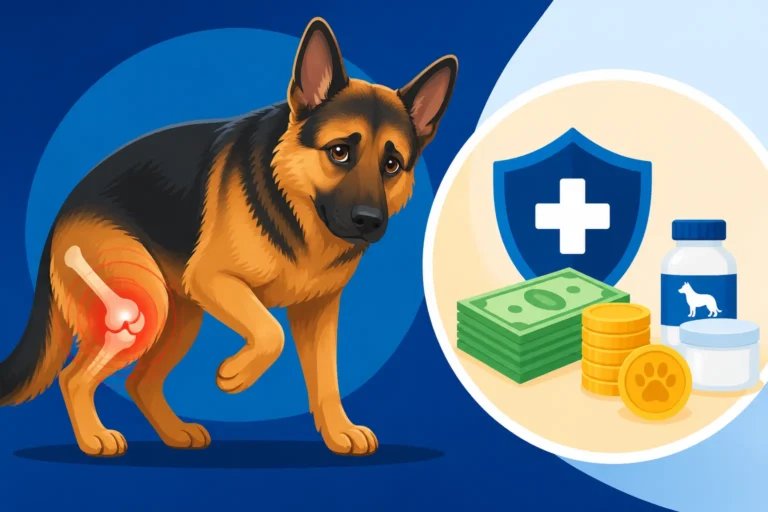
Veterinary care, especially for emergencies or chronic conditions common in German Shepherds, can be incredibly expensive. A single surgery for a condition like bloat can run into thousands of dollars, and lifelong management for conditions like hip dysplasia or allergies can add up significantly. This is where pet insurance, like Healthy Paws, becomes invaluable.
Pet insurance works much like human health insurance, helping to cover unexpected veterinary costs, illnesses, and injuries. Many plans also offer options for preventative or wellness care. Having a good insurance policy can alleviate the financial stress during an emergency, allowing you to make medical decisions based on what's best for your German Shepherd, rather than what you can afford out-of-pocket. Research different providers and plans carefully to find one that fits your budget and covers the specific health risks associated with German Shepherds. The peace of mind it offers is truly priceless, ensuring you can provide the best care without financial strain.
Creating a Safe and Supportive Environment
A healthy German Shepherd isn't just physically well; they're also emotionally secure and thrive in a safe, consistent environment. Your home and daily routines play a huge role in their overall well-being.
Home Safety Hazards
Your home, which feels safe to you, can contain numerous hidden dangers for a curious German Shepherd. Puppy-proofing is essential, but adult dogs can also get into trouble.
Common home hazards include:
- Toxic Substances: Keep all human medications, cleaning supplies, antifreeze, pesticides, and certain common houseplants (e.g., lilies, sago palms, oleander) out of reach. Remember, many human foods are also toxic to dogs, such as chocolate, grapes, xylitol, and onions.
- Small Objects: Items that can be swallowed, like small toys, socks, string, or jewelry, pose a choking hazard or can cause intestinal blockages.
- Electrical Cords: Chewing on live cords can lead to severe burns or electrocution.
- Open Windows/Doors: Ensure secure screens and gates to prevent escapes or falls.
- Hot Surfaces: Keep dogs away from hot stoves, heaters, or grills.
Regularly scan your home and yard for potential dangers and address them immediately. A safe environment allows your German Shepherd to explore and relax without constant supervision, reducing both your stress and theirs.
Stress Reduction and Emotional Well-being
German Shepherds are sensitive, intelligent dogs that can pick up on household tensions or become stressed by changes in routine, loud noises, or lack of predictability. Chronic stress can manifest in behavioral issues (like destructive chewing or excessive barking) and can even weaken their immune system, making them more susceptible to illness.
To foster emotional well-being:
- Provide a Routine: Consistent feeding, exercise, and training schedules offer predictability and security.
- Create a Safe Space: Give them a quiet den or crate where they can retreat when feeling overwhelmed.
- Positive Reinforcement: Use reward-based training methods to build confidence and strengthen your bond.
- Avoid Harsh Discipline: This can lead to fear and anxiety.
- Manage Noise: Desensitize them to common household noises and provide a calm environment during thunderstorms or fireworks.
- Quality Time: Spend engaged time with your German Shepherd daily, whether it's through play, training, or simply quiet companionship.
An emotionally stable German Shepherd is a happier, healthier German Shepherd. Addressing their mental and emotional needs is just as important as their physical ones. For dogs struggling with anxiety, understanding German Shepherd Separation Anxiety Solutions can be a lifesaver.
Socialization for a Well-Adjusted Dog
Proper socialization from a young age is paramount for German Shepherds, a breed known for its protective instincts. A well-socialized German Shepherd is confident, comfortable in various situations, and less likely to develop fear-based aggression or reactivity.
Socialization involves exposing your puppy (and continuing with your adult dog) to a wide variety of:
- People: Different ages, genders, appearances (hats, glasses), and movements.
- Dogs: Vaccinated, friendly dogs of various breeds and sizes.
- Environments: Parks, pet stores, busy streets, quiet neighborhoods.
- Sounds: Traffic, vacuums, children playing, sirens.
- Experiences: Car rides, vet visits, being handled by different people.
The key is positive, controlled exposure. Puppy classes are an excellent way to start. The goal isn't to make your German Shepherd friends with every person or dog they meet, but rather to teach them to be neutral, calm, and accepting of novel stimuli. A well-socialized German Shepherd is less stressed by new situations, more adaptable, and generally a safer and more enjoyable companion. Learn more about How to Socialize a German Shepherd for comprehensive tips.
Long-Term Strategies for a Healthy Senior German Shepherd
As our beloved German Shepherds enter their senior years, typically around 7-8 years old, their needs change significantly. It's a natural part of life, but it requires us to adapt our care to ensure their comfort, dignity, and continued quality of life.
Adjusting Care as They Age
Just like humans, senior German Shepherds will start to show signs of aging. Their metabolism slows down, muscle mass may decrease, and joint flexibility often lessens.
- Dietary Changes: Their caloric needs will likely decrease, so switching to a high-quality senior dog food formulated with fewer calories but ample protein, and often with added joint support nutrients, is usually recommended. Consult your vet to adjust portion sizes to prevent weight gain. Explore the German Shepherd Senior Care Guide for more insights into this stage of life.
- Exercise Modifications: While they still need exercise, the intensity and duration should be reduced. Shorter, more frequent walks, gentle swimming, and puzzle toys for mental stimulation are excellent choices. Avoid strenuous activities that could strain their joints.
- Increased Comfort: Provide soft, orthopedic bedding to ease pressure on aching joints. Consider ramps to help them get into cars or onto furniture if stairs become difficult.
- Routine Check-ups: Senior dogs benefit from more frequent veterinary visits, often twice a year, to catch age-related conditions early. These visits will likely include more extensive bloodwork and other screenings.
These adjustments aren't about slowing them down permanently, but about adapting to their changing capabilities, allowing them to remain active and engaged without discomfort.
Managing Age-Related Conditions
Unfortunately, aging often brings a host of health challenges. German Shepherds are particularly prone to certain conditions in their senior years:
- Arthritis and Joint Pain: This is almost inevitable for many large breeds. Management often involves a combination of joint supplements, anti-inflammatory medications (prescribed by a vet), physical therapy, and weight management.
- Cognitive Decline: Similar to human dementia, some senior dogs experience cognitive dysfunction syndrome (CDS), leading to disorientation, changes in sleep patterns, or house-soiling. Medications and environmental enrichment can help manage symptoms.
- Organ Disease: Kidney, liver, and heart disease can become more prevalent. Regular bloodwork helps monitor organ function, and dietary changes or medications can help manage these conditions.
- Cancer: German Shepherds have a higher predisposition to certain cancers, such as hemangiosarcoma and osteosarcoma. Be vigilant for any new lumps, unexplained weight loss, or changes in energy.
Working closely with your veterinarian is critical for managing these conditions. They can provide accurate diagnoses, recommend appropriate treatments, and help you understand the prognosis, ensuring your senior German Shepherd receives the best possible care.
Maintaining Quality of Life
The ultimate goal for a senior German Shepherd is to maintain their quality of life for as long as possible. This isn't just about managing physical ailments, but also about supporting their emotional well-being and allowing them to continue enjoying life's simple pleasures.
- Keep Them Engaged: Even if physical activity is limited, mental stimulation is still crucial. Puzzle toys, short training sessions, and scent games can keep their minds sharp and prevent boredom.
- Social Interaction: Continue regular, gentle interactions with family members and familiar, calm dogs if they enjoy it. Social contact is vital for their happiness.
- Love and Patience: Senior dogs may require more patience and understanding as they navigate physical limitations or cognitive changes. Extra cuddles and reassurance go a long way.
- Pain Management: Be diligent about pain management. A dog silently suffering from arthritis isn't enjoying life. Work with your vet to find an effective pain control regimen.
- Euthanasia Discussions: While incredibly difficult, having honest conversations with your vet about your dog's quality of life and end-of-life care options is a compassionate part of senior pet ownership. Knowing when it's time to say goodbye is the final, loving act we can offer them.
By focusing on these areas, you can help your senior German Shepherd live out their golden years with comfort, joy, and the unwavering love they deserve. The insights in our article on How to Extend a German Shepherd's Lifespan further illustrate the possibilities.
German Shepherd Routine Health Checklist
Here's a quick overview of key health and wellness tasks for your German Shepherd:
| Category | Frequency | Key Actions |
|---|---|---|
| Veterinary Care | Annually | Comprehensive physical exam, vaccinations, parasite screening. Twice yearly for seniors. |
| As Needed | Vet visits for any concerning symptoms, health screenings (hip/elbow X-rays, DM DNA test), emergency care. | |
| Nutrition | Daily | Feed high-quality large-breed specific food; follow portion guidelines; provide fresh water. |
| As Needed | Adjust diet for age/activity, consider vet-approved supplements (glucosamine, omega-3s). | |
| Exercise | Daily | Adult: 1-2 hours moderate-vigorous activity. Puppy/Senior: Shorter, frequent, low-impact sessions. |
| Daily | Include mental stimulation: puzzle toys, training, scent games. | |
| Grooming | 2-3 times/week | Brush coat to manage shedding, prevent mats. Daily during blow coat seasons. |
| Weekly | Check and clean ears, brush teeth (aim for daily if possible). | |
| 2-4 weeks | Trim nails. | |
| Preventative | Monthly | Administer vet-prescribed flea, tick, and heartworm prevention. |
| Regularly | Home safety check (toxic items, small objects), monitor for any changes in behavior or physical condition. |
Disclaimer
The information provided in this article is for general informational purposes only and is not a substitute for professional veterinary advice. Always consult with a qualified veterinarian for any health concerns or before making any decisions related to your German Shepherd's health and treatment.