German Shepherd Lifespan: How Long They Live
One of the most profound joys and, let's be honest, anxieties of sharing your life with a magnificent German Shepherd is wondering just how many precious years you’ll have together. It’s a question that weighs heavily on the hearts of every dedicated owner, as these intelligent, loyal companions carve out an irreplaceable spot in our families. While no one can guarantee a specific number, understanding the factors that influence the German Shepherd lifespan and actively working to support their health can make a world of difference. This comprehensive guide is here to shed light on everything you need to know about your GSD's potential longevity and how you can help them thrive for as long as possible.
Understanding the German Shepherd Lifespan
Bringing a German Shepherd into your home means welcoming a truly special dog. Their intelligence, loyalty, and imposing presence are undeniable. But with their larger size often comes a common concern: how long will they live? It’s a completely valid question, and one that often causes a fair bit of worry for prospective and current owners alike.
Average Life Expectancy
Generally speaking, German Shepherds typically live for about 7 to 10 years. This range can feel a bit short, especially when compared to smaller dog breeds that might easily live into their mid-teens. It’s a common biological reality that larger breeds tend to have shorter lifespans than their smaller counterparts. Think about it: a giant breed like a Great Dane might only live 6-8 years, while a tiny Chihuahua could live for 15-20! German Shepherds fall somewhere in the middle of this large breed spectrum, often sharing a similar lifespan range with other large working dogs like Rottweilers or Doberman Pinschers.
This difference in longevity often boils down to their rapid growth and higher metabolic rate. Larger dogs experience more cellular growth and division in their lifetime, which scientists theorize can lead to a quicker onset of age-related diseases and a faster 'burn-out' of their systems. So, while it can be heartbreaking to acknowledge, the 7-10 year average is largely consistent with what we see in many other large, active breeds. However, it's crucial to remember that this is just an average. You'll hear stories of German Shepherds living much longer, even up to 12 or 14 years, and sadly, some might pass much earlier.
Factors Contributing to a Longer Life
The average lifespan is just a starting point, not a hard and fast rule for every individual German Shepherd. While you can't control their genetics entirely, there are so many powerful factors within your influence that can truly extend not just the length of your GSD's life, but also its quality. This is where dedicated ownership truly shines and makes a tangible impact.
Think of it like building a strong, healthy foundation. A high-quality diet provides the essential building blocks, regular exercise keeps their body strong and agile, and consistent veterinary care acts as an early warning system against potential health threats. Beyond the physical, their mental and emotional well-being also plays an enormous part. A German Shepherd who feels loved, stimulated, and secure is generally going to be a healthier, happier dog. So, while the 7-10 year benchmark might feel daunting, focusing on these controllable aspects offers a huge amount of hope and agency for us as their guardians. It’s about being proactive, observant, and committed to their well-being every single day.
Genetic Predispositions and Their Impact
German Shepherds are undeniably beautiful and powerful dogs, but like many purebreds, they come with certain genetic predispositions that can impact their health and, consequently, their lifespan. Understanding these potential issues isn't about fostering fear, but rather about empowering yourself with knowledge to make informed choices and provide the best possible care.
Inherited Health Conditions
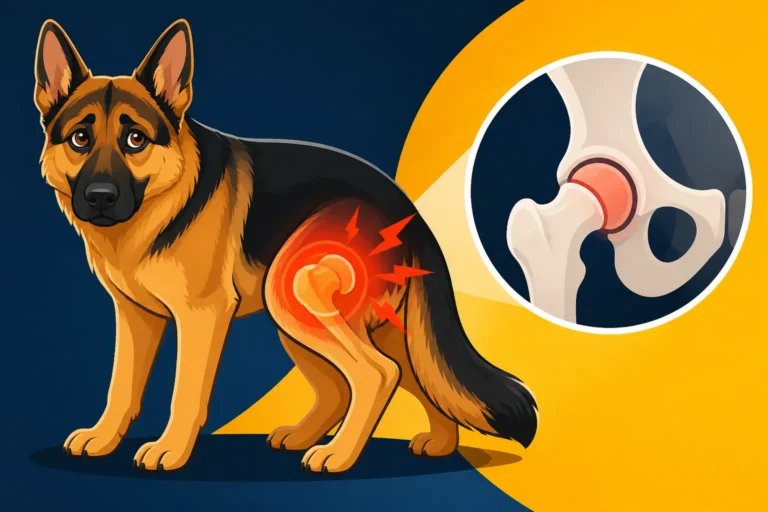
One of the most widely known and heartbreaking conditions affecting German Shepherds is hip and elbow dysplasia. These are genetic conditions where the joints don't develop properly, leading to pain, arthritis, and reduced mobility. It's truly devastating to see a once-athletic dog struggle with everyday movements. While good nutrition and exercise can help manage symptoms, the underlying genetic component is a significant factor. If not managed effectively, severe hip or elbow dysplasia can drastically reduce a dog's quality of life and, in some cases, lead to euthanasia due to intractable pain, effectively shortening their active years. For a deeper dive into this, you can explore our guide on German Shepherd Hip Dysplasia Explained.
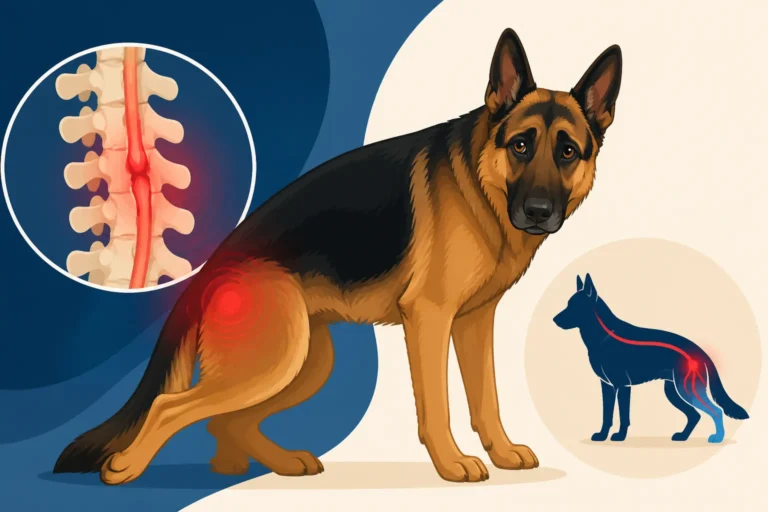
Beyond joint issues, German Shepherds are also disproportionately affected by degenerative myelopathy (DM), a progressive neurological disease that slowly paralyzes the hind limbs. This condition is often compared to ALS in humans, and it's particularly cruel because it doesn't cause pain, but relentlessly strips the dog of its mobility. While DM doesn't directly cause death, the loss of hind leg function often leads owners to make the difficult decision of euthanasia when their dog's quality of life diminishes beyond what they can manage. Learning about Degenerative Myelopathy in German Shepherds is incredibly important for any GSD owner.
This is precisely why responsible breeding practices are so incredibly vital. Reputable breeders invest heavily in German Shepherd Genetic Health Testing for their breeding pairs to screen for these and other inherited conditions. They will readily provide OFA (Orthopedic Foundation for Animals) or PennHIP certifications for hips and elbows, and DNA test results for DM, among others. By choosing a puppy from health-tested parents, you significantly reduce the risk of these devastating conditions, offering your future companion a better chance at a long, healthy life. Knowledge of your dog's genetic background also helps you monitor for early signs and discuss preventative strategies with your veterinarian.
Understanding Different German Shepherd Lines
When you start researching German Shepherds, you'll quickly encounter terms like "working line" and "show line," or even more specific designations like "West German Show Line" or "Czech Working Line." These different lines refer to specific breeding philosophies and goals, and some people believe they can also influence health outcomes, including lifespan.
Historically, show lines, especially those bred for specific extreme angulation in their hindquarters to excel in the show ring, have faced criticism for potentially exacerbating hip and elbow problems. The "sloped back" appearance, while visually striking in the show ring, has been linked by some to an increased incidence of joint issues. In contrast, working lines, often bred for utility, temperament, and drive in fields like police work or search and rescue, are typically associated with a "straight back" conformation, which proponents argue is more structurally sound and less prone to orthopedic problems.
However, it's not always a clear-cut dichotomy. There are highly reputable breeders in both show and working lines who prioritize health and longevity above all else, diligently health testing their dogs and selecting for sound structure and temperament. Conversely, there can be irresponsible breeders in any line. So, while the general perception exists, it's crucial not to generalize based solely on the line. What truly matters is the individual breeder's commitment to health testing, ethical practices, and transparency, rather than just the "label" of the line itself. A healthy German Shepherd from a well-bred show line can certainly outlive one from a poorly bred working line.
The Critical Role of Nutrition
Just like with us humans, what your German Shepherd eats forms the very foundation of their health. It impacts everything from their energy levels and coat shine to their organ function and ability to fight off disease. Skimping on nutrition for a German Shepherd, especially given their specific needs, is truly a gamble with their long-term well-being and, ultimately, their lifespan.
High-Quality Diet for Optimal Health
For a German Shepherd, a large and active breed, a high-quality diet isn't a luxury; it's an absolute necessity. Their bodies are built for athleticism and require a consistent supply of premium fuel to maintain muscle mass, joint health, and overall vitality. Think about it: they're not little lapdogs who burn minimal calories. They need robust nutrition to support their larger frame and energetic lifestyle. To truly understand what to feed your loyal companion, our detailed German Shepherd Feeding Guide offers invaluable insights.
When you're scrutinizing dog food labels, you should be looking for real, identifiable protein sources like chicken, beef, lamb, or fish as the first ingredients. Avoid foods where the first ingredients are vague "meat meals" or, even worse, corn, wheat, or soy fillers. These cheap fillers offer little nutritional value and can contribute to digestive issues or allergies. Beyond protein, a balanced blend of healthy fats (like Omega-3 and Omega-6 fatty acids for skin and coat health), complex carbohydrates for sustained energy, and essential vitamins and minerals are crucial. Brands like Purina Pro Plan, Royal Canin German Shepherd formula, or Hill's Science Diet often offer breed-specific or large-breed formulas that consider these unique needs.
Establishing a consistent feeding routine is just as important as the quality of the food. Free-feeding, where food is left out all day, can lead to overeating and obesity. Instead, feed your adult German Shepherd two meals a day at consistent times, measuring out their portions according to their weight, age, and activity level. For instance, if your dog is particularly active, they might need a bit more, but a sedentary senior dog will need less. Always consult your veterinarian for specific recommendations tailored to your individual dog's needs to ensure you’re hitting that sweet spot between adequate nutrition and preventing excess weight gain.
Preventing Diet-Related Issues
The dangers of improper nutrition extend far beyond just feeling sluggish or having a dull coat; they can lead to serious, life-threatening conditions that directly impact your German Shepherd's lifespan. One of the most insidious threats is obesity. An overweight German Shepherd is not just "cuddlier"; they are at a significantly higher risk for exacerbating existing joint problems like dysplasia, developing diabetes, suffering from heart disease, and even certain types of cancer. Carrying extra pounds puts immense strain on their joints, accelerating the onset and severity of arthritis, which can severely impact their mobility and quality of life in their senior years.
Another critical, life-threatening condition for deep-chested breeds like German Shepherds is bloat, or Gastric Dilatation-Volvulus (GDV). This occurs when the stomach fills with gas and twists, cutting off blood supply and potentially rupturing. It's a sudden, excruciating, and often fatal emergency that can strike without much warning. While the exact causes are still being researched, rapid eating, eating one large meal a day, and vigorous exercise immediately after eating are considered risk factors. To protect your GSD, consider using slow feeder bowls, feeding two or three smaller meals throughout the day rather than one large one, and ensuring at least an hour of rest before and after meals. Our guide on German Shepherd Bloat: Signs and Prevention provides crucial information that every owner should know.
Ultimately, your veterinarian is your best partner in navigating your German Shepherd’s dietary needs. They can help you choose the right food, calculate precise portion sizes, and recommend supplements if necessary, especially if your dog has specific health concerns like allergies, a sensitive stomach, or is transitioning into their senior years. A diet-related issue, if unaddressed, can spiral into a chronic health problem that chips away at your dog's vitality and, regrettably, their time with you. Investing in premium nutrition and smart feeding practices is one of the most impactful ways you can contribute to your German Shepherd's longevity and vibrant health.
Exercise, Mental Stimulation, and a Balanced Lifestyle
German Shepherds are not just beautiful; they are intelligent, powerful, and driven animals bred for work. Their heritage as herding and protection dogs means they come with a built-in need for both physical exertion and significant mental challenges. A sedentary or bored German Shepherd is not a healthy German Shepherd, and neglecting these fundamental needs can certainly take a toll on their overall well-being and lifespan.
Tailored Exercise Regimens
It's a common misconception that simply having a large yard is enough exercise for a German Shepherd. While a yard offers space, it doesn't provide the structured, engaging activity that these dogs crave and require. German Shepherds are highly energetic and athletic, needing much more than just a potter around the garden. Without proper physical outlets, they can become frustrated, destructive, and even develop health issues like obesity and joint problems from lack of muscle tone. To learn more about their activity needs, check out our guide on German Shepherd Exercise Requirements.
An adult German Shepherd typically needs at least 60-90 minutes of vigorous exercise daily, broken into multiple sessions. This isn't just a leisurely stroll. This means brisk walks, running, hiking, playing intense games of fetch, or even swimming. Many GSDs absolutely adore activities like agility, flyball, or canicross (canicross is where the dog pulls you while you run, attached by a harness). These activities not only provide physical conditioning but also engage their minds, which is equally vital.
It’s also crucial to remember that puppyhood requires a different approach. While German Shepherd puppies seem to have boundless energy, their growth plates are still developing, making them highly susceptible to injury from excessive or high-impact exercise. Over-exercising a young puppy can contribute to orthopedic problems like hip and elbow dysplasia later in life. Instead, focus on short, frequent play sessions, controlled walks, and allow for plenty of rest. As they mature, you can gradually increase the intensity and duration of their activities. A German Shepherd deprived of adequate, appropriate exercise often becomes overweight, develops weaker muscles that can't support their joints effectively, and experiences chronic stress, all of which contribute to a shorter, less comfortable life.
The Power of Mental Engagement
While physical exercise keeps their bodies strong, mental stimulation is absolutely critical for a German Shepherd’s mind. These are highly intelligent dogs, capable of complex problem-solving, and if their brains aren't put to work, they can become bored, anxious, and destructive. Imagine a super-smart human being stuck in a room with nothing to do all day – they'd go stir-crazy, right? It's the same for your GSD.
There are countless ways to provide mental enrichment. Regular obedience training isn't just about good manners; it's a fantastic mental workout. Teaching new commands, practicing existing ones in novel environments, or engaging in advanced training like protection work or tracking can deeply satisfy their need to "work." Puzzle toys, where your dog has to figure out how to get treats, are excellent for independent mental activity. Scent work, where they use their incredible noses to find hidden items, taps into their natural instincts and is incredibly tiring for them mentally. Even simple interactive games, like hiding a toy and asking them to find it, can be a great way to engage their minds.
A German Shepherd who is regularly challenged mentally is a more content, confident, and balanced dog. Boredom and frustration, left unchecked, can manifest as excessive barking, digging, chewing, or even aggression, all of which contribute to a higher stress level. Chronic stress, as we know from both human and animal medicine, can have a detrimental effect on the immune system and overall health, potentially shortening their lifespan. By integrating a variety of mental challenges into their daily routine, you're not just preventing bad behaviors; you're actively contributing to their emotional well-being, which is an indispensable component of a long and healthy life.
Proactive Healthcare and Early Detection
When it comes to extending your German Shepherd’s lifespan and ensuring they have the best quality of life possible, proactive healthcare isn't just a good idea—it's absolutely essential. Waiting until something is visibly wrong is often too late for the easiest or most effective interventions. Being vigilant and working closely with your veterinarian is your strongest line of defense.
Regular Veterinary Check-ups and Vaccinations
Think of your German Shepherd's annual or bi-annual veterinary check-ups as their own personal wellness plan. Even if your dog seems perfectly healthy, these routine visits are critical for preventative care and the early detection of potential issues. They’re not just about vaccinations; they’re comprehensive health assessments.
During these appointments, your vet will perform a thorough physical exam, checking their eyes, ears, teeth, skin, coat, and palpating their joints and abdomen. They’ll monitor their weight, listen to their heart and lungs, and discuss any changes in behavior or appetite you might have observed. These seemingly small details can be vital clues that something deeper is amiss. For instance, subtle dental disease, if caught early, can prevent painful infections that affect other organ systems. Routine blood work, especially for older German Shepherds, can catch early signs of kidney disease, liver issues, or thyroid imbalances before they become severe.
Regular vaccinations are also a non-negotiable part of proactive care, protecting your GSD from devastating and often fatal diseases like distemper, parvovirus, and rabies. Beyond vaccines, your vet will guide you on appropriate parasite prevention, including flea, tick, and heartworm medications, which are crucial for preventing a host of secondary health problems. By consistently adhering to these preventative measures, you’re not just maintaining their current health; you're significantly reducing the risk of major illnesses down the road, which can save not only immense heartache but also substantial veterinary bills. Having a pet insurance plan, such as one from Healthy Paws, can provide peace of mind, ensuring that both routine care and any unexpected issues are financially manageable, allowing you to always prioritize your dog's health.
Recognizing Early Signs of Illness
German Shepherds are known for their stoic nature. They are tough dogs, and often, by the time they show obvious signs of pain or illness, the underlying condition can be quite advanced. This makes you, the owner, their first and most important line of defense. Becoming an expert in your dog's normal behavior, appetite, and energy levels is paramount. Our guide on German Shepherd Health Problems Guide can offer more comprehensive details on various ailments.
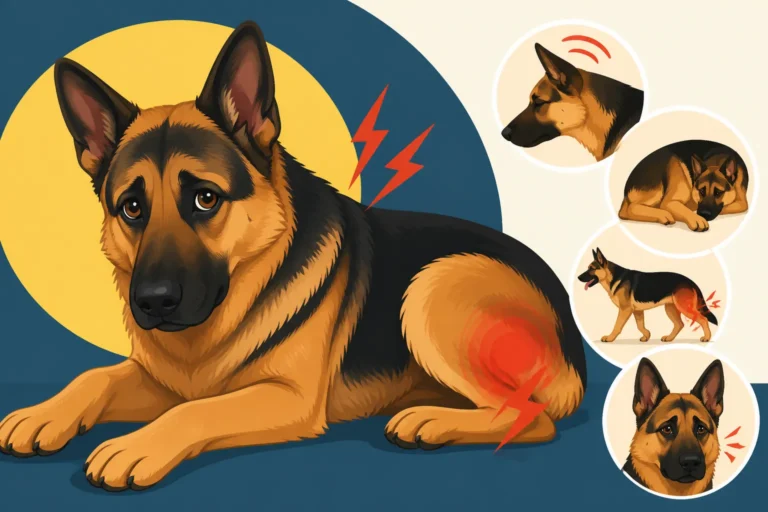
What should you be looking for? Any subtle changes that persist for more than a day or two warrant attention. This could include a decrease in appetite, unusual lethargy, changes in their stool (diarrhea or constipation), increased thirst or urination, a persistent cough, or even a slight limp that doesn't resolve quickly. Watch for signs of discomfort when getting up or lying down, which could indicate joint pain. Notice any new lumps, bumps, or skin irritations. A German Shepherd might not cry out in pain, but they might be less enthusiastic about walks, slower to greet you, or more withdrawn.
Prompt veterinary attention for these subtle changes can make an enormous difference in the outcome. Catching an issue like a urinary tract infection early can prevent it from escalating into a more serious kidney infection. Identifying certain cancers at an early stage can mean more effective treatment options and a significantly better prognosis. Don't wait until your dog is clearly suffering. If you have a nagging feeling, trust your gut and consult your vet. This vigilance, coupled with the financial security provided by a good pet insurance plan from a provider like Healthy Paws, means you're always ready to act quickly and decisively, ensuring your beloved German Shepherd receives the care they need, when they need it, ultimately contributing to a longer, healthier life.
Lifespan by Age and Senior Care
Understanding that your German Shepherd's health needs will evolve as they age is fundamental to supporting their longevity. Each stage of their life presents unique challenges and opportunities for proactive care that can profoundly impact how long and how well they live.
Common Health Issues by Age
Just like people, German Shepherds face different health concerns at various stages of their lives. Being aware of these age-specific vulnerabilities allows you to be more proactive in their care and better prepared for potential issues. Our guide on Common German Shepherd Health Issues by Age provides a detailed breakdown.
In puppyhood (up to about 18 months), the focus is on growth and development. Puppies are susceptible to infectious diseases like parvovirus and distemper, which is why a strict vaccination schedule is crucial. They can also experience "growing pains" (panosteitis) or issues with their developing growth plates if over-exercised or fed an inappropriate diet. This is a critical window for setting the stage for lifelong health.
During their adult years (roughly 1.5 to 7 years), German Shepherds are typically in their prime. However, this is when genetic conditions like hip and elbow dysplasia may start to manifest with noticeable symptoms. Dental disease can also become prevalent if proper oral hygiene isn't maintained. Sadly, some cancers can also emerge in middle-aged dogs, underscoring the importance of regular vet check-ups where subtle changes can be detected.
As your German Shepherd enters their senior years (typically around 7 years and beyond), the signs of aging become more apparent. Arthritis is incredibly common, causing stiffness and pain, especially after resting. Cognitive dysfunction, similar to dementia in humans, might lead to confusion, changes in sleep patterns, or house-soiling. Organ function (kidneys, liver, heart) can begin to decline, and the risk of various cancers increases significantly. While these are common ailments of aging, they are by no means inevitable to the point of being unmanageable. With attentive care and veterinary support, many senior German Shepherds can continue to live full, happy lives.
Adapting Care for Senior German Shepherds
The moment your German Shepherd begins to show signs of aging, usually around 7-8 years old, it’s time to consciously adapt their care routine. This isn't about giving up; it's about making adjustments that cater to their changing needs, ensuring their comfort and maximizing their remaining years. We have a dedicated German Shepherd Senior Care Guide that delves even deeper into this crucial topic.
Physically, a senior German Shepherd will likely experience decreased mobility due to arthritis or other joint issues. Investing in orthopedic dog beds for better support, placing ramps or steps to help them get onto furniture or into cars, and ensuring easy access to food and water bowls can make a huge difference in their daily comfort. Their exercise routine will also need modification; instead of long, strenuous runs, focus on shorter, more frequent, gentle walks. Hydrotherapy or physical therapy, if recommended by your vet, can also be incredibly beneficial for maintaining muscle mass and flexibility without putting undue strain on their joints.
Dietary changes are also essential. Senior German Shepherds often have different caloric needs, sometimes requiring a lower-calorie diet to prevent weight gain if their activity decreases, or a higher-quality protein diet to maintain muscle mass as they age. Supplements for joint health, like glucosamine and chondroitin, or omega-3 fatty acids, can be highly effective under veterinary guidance. Furthermore, increasing the frequency of vet visits to every six months rather than annually allows for quicker detection and management of age-related diseases. Maintaining mental stimulation is equally important; puzzle toys, gentle training sessions, and consistent interaction keep their minds sharp, even if their bodies are slowing down. Being proactive in managing the challenges of aging can significantly improve your senior German Shepherd's quality of life, extending their active years with comfort and dignity. Knowing you have the backing of something like Healthy Paws pet insurance can allow you to say "yes" to these advanced care options for your beloved senior companion without undue financial strain.
Maximizing Your German Shepherd's Lifespan
The goal for any German Shepherd owner isn't just to keep them alive, but to ensure they lead a life that is vibrant, full of joy, and as long as possible. It’s a journey that requires commitment, vigilance, and a holistic understanding of their unique needs.
A Holistic Approach to Longevity
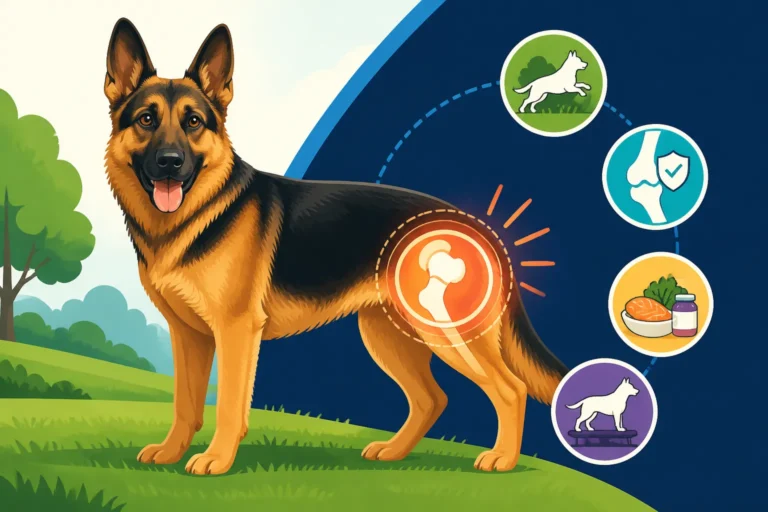
There's no single magic pill or one-time fix that will guarantee your German Shepherd a long life. Instead, maximizing their lifespan is about embracing a comprehensive, holistic approach that addresses every facet of their well-being. It’s about creating an environment and lifestyle that consistently supports their physical and mental health. This means taking into account their genetic predispositions, providing top-tier nutrition, ensuring adequate and appropriate exercise, stimulating their intelligent minds, and maintaining diligent preventative veterinary care.
Think of it as nurturing a complex ecosystem. Each element — from the food in their bowl to the love in your heart — plays a critical, interconnected role. A German Shepherd with excellent genetics but a poor diet and no exercise won't thrive. Conversely, a dog with a genetic predisposition to a condition might live a longer, happier life if their diet, exercise, and medical management are meticulously handled. It's the consistent dedication to all these areas that truly makes a difference. This dedicated commitment won't just potentially extend their years, but will also ensure that those years are filled with vitality, joy, and the deep companionship that only a German Shepherd can offer. For more detailed advice on this, our guide on How to Extend a German Shepherd's Lifespan offers even more insights.
Planning for the Unexpected
Even with the most meticulous care and the most loving environment, life with a German Shepherd can throw unexpected curveballs. Accidents happen, sudden illnesses can strike, and chronic conditions can emerge despite all best efforts. These unforeseen circumstances can be emotionally devastating and, often, financially crippling.
Emergency veterinary care can be incredibly expensive. A sudden bloat emergency requiring surgery, a broken bone from an accident, or a severe illness requiring hospitalization can quickly rack up thousands of dollars in veterinary bills. When faced with such a crisis, the last thing you want to worry about is whether you can afford the best possible care for your beloved companion. This is where responsible planning truly comes into play. Many owners opt to set aside a dedicated emergency fund specifically for their pet's health.
Another increasingly popular and highly recommended option is pet insurance. Providers like Healthy Paws offer comprehensive coverage that can significantly alleviate the financial burden of unexpected illnesses or accidents. Imagine your GSD suddenly develops a severe case of pancreatitis or needs extensive surgery for a torn ligament. Having a good pet insurance policy means you can focus entirely on your dog's recovery and treatment options, rather than being forced to make heartbreaking decisions based on cost. For instance, Healthy Paws can help reimburse a large percentage of vet bills after your deductible is met, making advanced diagnostics and treatments accessible. Thinking ahead and securing a safety net, whether through savings or a reliable insurance plan, is an act of responsible pet ownership that ensures you can provide continuous, high-quality care throughout your German Shepherd's life, no matter what challenges may arise.
Comparing Lifespan Factors
To help visualize the various elements that can impact your German Shepherd's lifespan, here's a table summarizing key factors and how they can be managed.
| Factor | Impact on Lifespan | Management/Prevention Strategies |
|---|---|---|
| Genetics (Dysplasia, DM, etc.) | Can significantly shorten active years and reduce quality of life. | Choose reputable breeders who perform German Shepherd Genetic Health Testing (OFA/PennHIP, DNA for DM). Early diagnosis and management. |
| Nutrition (Poor Diet/Obesity) | Increases risk of joint issues, heart disease, diabetes, and bloat. | Feed a high-quality, breed-appropriate diet. Practice strict portion control. Avoid human food scraps. Use slow feeder bowls to prevent bloat. |
| Lack of Exercise/Mental Stim. | Leads to obesity, behavioral problems, muscle atrophy, and chronic stress. | Provide daily vigorous exercise tailored to age. Incorporate obedience training, puzzle toys, and interactive games for mental engagement. |
| Inadequate Veterinary Care | Missed early detection of diseases, preventable illnesses, untreated conditions. | Schedule regular annual/bi-annual vet check-ups. Stay up-to-date on vaccinations and parasite prevention. Address any health concerns promptly. |
| Accidents/Unforeseen Illnesses | Sudden and often tragic loss of life, or expensive, long-term treatments. | Ensure a safe home environment. Maintain leash control in public. Consider pet insurance (e.g., Healthy Paws) and/or an emergency savings fund. |
| Environmental Stressors | Can contribute to anxiety, weakened immune system, and behavioral issues. | Provide a stable, loving home environment. Offer consistent routine. Ensure proper socialization. Avoid prolonged periods of isolation. |
Disclaimer
Please remember that the information provided in this article is intended for general knowledge and informational purposes only, and does not constitute professional veterinary advice. Always consult with a qualified veterinarian for any health concerns or before making any decisions about your German Shepherd's health or treatment plan. Individual dogs may have unique needs and conditions that require personalized care.