How to Train an Adult German Shepherd
Bringing an adult German Shepherd into your home, whether through rescue or rehoming, can be an incredibly rewarding experience, but it often comes with a unique set of challenges. Unlike puppies, adult dogs aren't blank slates; they arrive with established habits, some fantastic, some… not so much. This guide is here to walk you through the nuances of training an adult German Shepherd, addressing common behavioral issues, and building a strong, loving bond based on mutual respect and understanding.
The Unique Landscape of Training an Adult German Shepherd
It's easy to assume that if a dog is past its puppy stage, it's too late to instill new habits or correct old ones. That couldn't be further from the truth! Adult German Shepherds are highly intelligent and often possess an eagerness to please that makes them fantastic students, even if they're starting from scratch or breaking years of ingrained behaviors. The key lies in understanding their history, respecting their current personality, and approaching training with the right mindset.
Understanding Their Past and Present Habits
When you welcome an adult German Shepherd, you're not just getting a dog; you're adopting a history. This history can range from a loving, well-structured home where they learned good manners, to neglectful situations where they developed coping mechanisms that now manifest as undesirable behaviors. Maybe they were accustomed to being the only dog and now struggle with other pets, or perhaps they were never properly socialized to strangers or new environments. These past experiences shape their current habits and reactions.
It's crucial to be an observant detective when first bringing your adult GSD home. Pay attention to what triggers them, what makes them happy, what they fear, and how they interact with different people, sounds, and objects. Does a particular type of sound make them jumpy? Do they guard their food bowl fiercely? Do they seem to melt into a puddle of joy when a certain toy comes out? All of these observations provide invaluable clues about their personality and the kind of training approach that will be most effective. Understanding these pre-existing patterns is the first step in creating a tailored training plan that acknowledges their individuality and helps them feel secure in their new life.
Why Adult Dogs Aren't "Too Old" to Learn
The old adage "you can't teach an old dog new tricks" is a myth, especially when it comes to intelligent breeds like German Shepherds. Their cognitive abilities remain strong throughout much of their lives, and in many ways, an adult dog can be easier to train than a puppy. For one, their attention spans are typically much longer than a rambunctious puppy's. They're often less prone to the constant need for potty breaks, and they have better impulse control, making them more capable of focusing on tasks.
Adult dogs also often come with a built-in desire for routine and structure, which makes them highly receptive to consistent training. They crave mental stimulation, and learning new commands or participating in structured activities provides a wonderful outlet for their sharp minds. This is especially true for working line German Shepherds who thrive on having a "job" to do. Even if they've never learned formal commands, their inherent intelligence and desire to connect with their human companions mean they are absolutely capable of absorbing new information and modifying their behavior. It's about tapping into their natural drive and showing them that learning can be a fun and rewarding collaboration.
Tackling Common Behavioral Hurdles in Adult German Shepherds
Adult German Shepherds, particularly those with an unknown past, can present with a variety of behavioral issues. These aren't necessarily signs of a "bad" dog, but rather indicators that the dog is struggling to communicate its needs or cope with its environment. Approaching these challenges with empathy, understanding, and a systematic training plan is far more effective than frustration.
Overcoming Leash Reactivity and Pulling
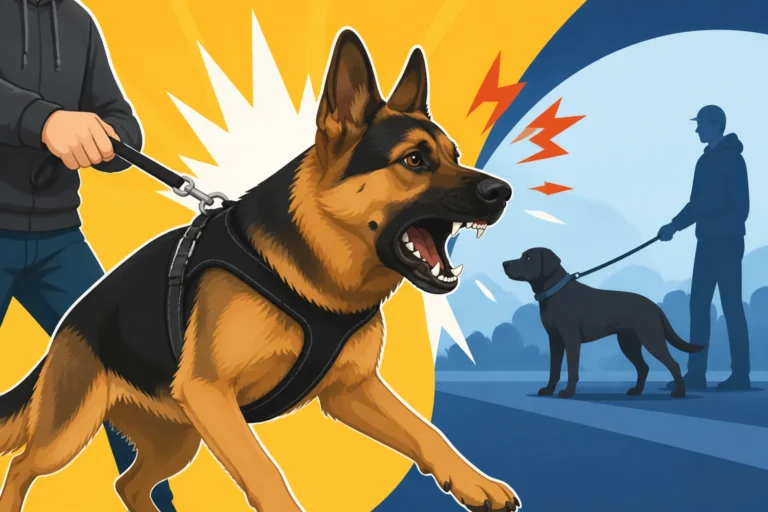
Leash reactivity is one of the most common and frustrating issues for German Shepherd owners. It's that moment when your dog sees another dog, a person, or a squirrel, and suddenly transforms into a lunging, barking, uncontrollable beast. It’s embarrassing, stressful, and makes walks a nightmare. Often, this isn't aggression but rather fear, over-excitement, or a lack of socialization skills. For adult dogs, this behavior can be deeply ingrained, requiring consistent, patient intervention.
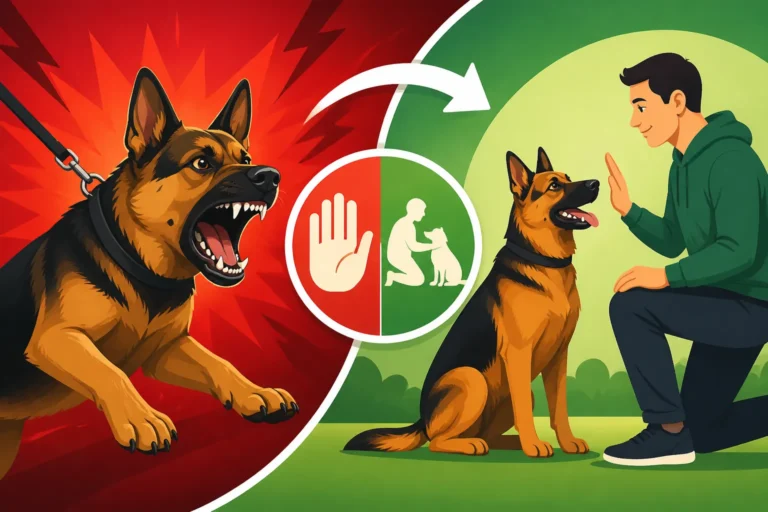
To tackle leash reactivity, a technique called "desensitization and counter-conditioning" is essential. This involves gradually exposing your dog to their triggers at a distance where they can still remain calm, and then pairing that exposure with something highly positive, like high-value treats or a favorite toy. For instance, if another dog is the trigger, start by observing other dogs from a significant distance (across the park, for example). As soon as your GSD notices the other dog without reacting, immediately reward them. The goal is to change their emotional response from negative (fear, frustration) to positive (yay, a dog means treats!). You can find excellent long training leashes and treat pouches on Amazon to help manage these sessions effectively.
Simultaneously, addressing pulling on the leash is vital for control and comfort. Many adult German Shepherds have never been taught proper leash manners. Investing in a front-clip harness or a head halter can give you more control without causing discomfort. Practice "loose leash walking" in a distraction-free environment first, rewarding every step your dog takes with a slack leash. If they pull, stop immediately. Only resume walking when the leash is loose again. This teaches them that pulling gets them nowhere, while a relaxed leash means forward momentum. This is a foundational skill that can drastically improve the quality of your walks together.
Addressing Resource Guarding and Nipping
Resource guarding is when a dog becomes defensive over possessions like food, toys, sleeping spots, or even people. It can manifest as growling, stiffening, staring, or even snapping when someone approaches their valued item. While a natural instinct, it's a dangerous behavior that needs careful management and modification in a domestic setting. Similarly, nipping, even if not truly aggressive, can be an unwelcome and potentially painful habit, especially for a large breed with powerful jaws. Adult German Shepherds might have learned this from a lack of early bite inhibition training or as a way to control situations.
For resource guarding, the goal is to teach your GSD that human approach means good things, not theft. If they guard their food, for example, instead of taking their bowl away, approach and add a high-value treat to it. This changes their association from "human approaches = threat" to "human approaches = bonus yummy stuff." Gradually, you can work up to briefly taking the bowl and immediately returning it with a treat. Never punish resource guarding, as it can escalate the behavior. For more in-depth guidance on this sensitive topic, resources like "How to Stop German Shepherd Aggression" can offer valuable strategies.
Nipping in adult German Shepherds often requires teaching them impulse control and appropriate ways to interact. If they nip during play, immediately stop the interaction and turn away. Play only resumes when they are calm. For attention-seeking nipping, ignore the behavior completely until they offer a calm alternative, like sitting. Redirecting their nipping to appropriate chew toys is also crucial. Ensure they have plenty of sturdy chew items, like Kongs or Nylabones, that can withstand their powerful jaws. Consistency from everyone in the household is key here to clearly communicate what is acceptable behavior.
Strategies for Separation Anxiety and Destructive Chewing
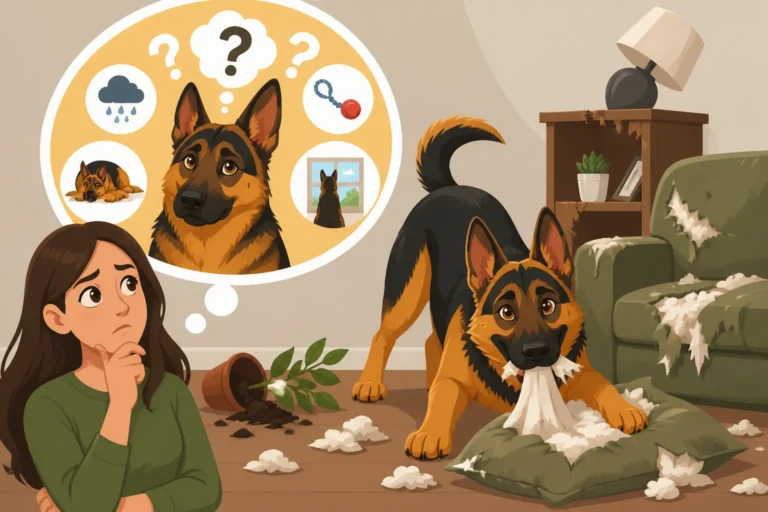
Separation anxiety is a heartbreaking issue where a dog experiences extreme distress when left alone. This isn't just a dog being "naughty"; it's a panic attack. Symptoms can include excessive barking, destructive chewing (especially around entry points), inappropriate urination or defecation, and frantic pacing. Adult German Shepherds, particularly those who have been rehomed multiple times, may be very prone to this, fearing abandonment once again. Destructive chewing, when not linked to anxiety, can also simply be a sign of boredom or insufficient mental and physical stimulation.
Addressing separation anxiety requires a gradual, systematic approach. Start with very short absences (literally seconds) and slowly increase the duration as your dog remains calm. Use a camera to monitor their behavior when you're gone. Create a calming pre-departure routine that doesn't involve a big fuss. Providing high-value, long-lasting chews or puzzle toys filled with frozen peanut butter or treats right before you leave can help distract them and create a positive association with your departure. Many German Shepherd owners find that enrolling in an online training program, such as the one offered by BAXTER & Bella, provides structured support and guidance for tackling complex issues like separation anxiety.
For destructive chewing that isn't anxiety-driven, the solution often lies in increasing exercise and mental stimulation, along with clear boundaries. A German Shepherd needs significant daily exercise; without it, they'll find their own ways to burn off energy, often on your furniture. Make sure your GSD gets ample opportunities for physical activity and engaging brain games. Provide appropriate chew toys and redirect them every single time they chew on something inappropriate. Crate training can also be a valuable tool to manage destructive chewing when you cannot supervise them, providing them with a safe, den-like space where they cannot get into trouble.
Essential Training Techniques and Tools for Success
No matter what specific behaviors you're working on with your adult German Shepherd, the underlying principles and techniques remain largely the same. Consistency, positive reinforcement, and patience are your most powerful allies.
Positive Reinforcement: The Cornerstone of Adult Dog Training
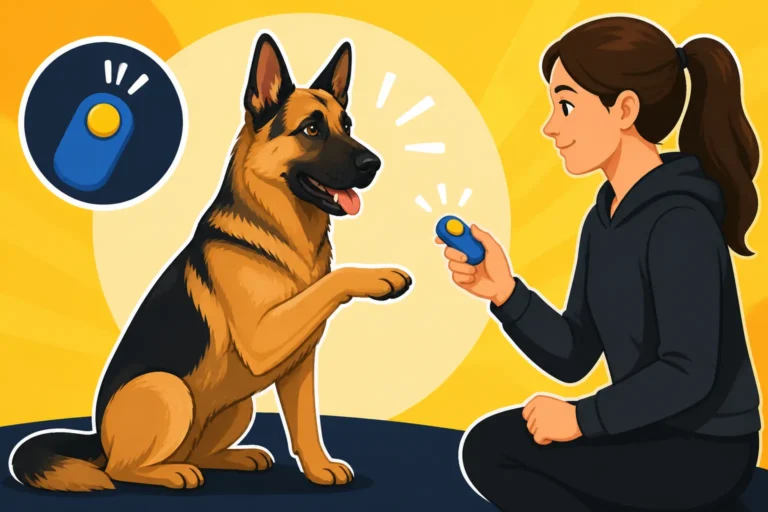
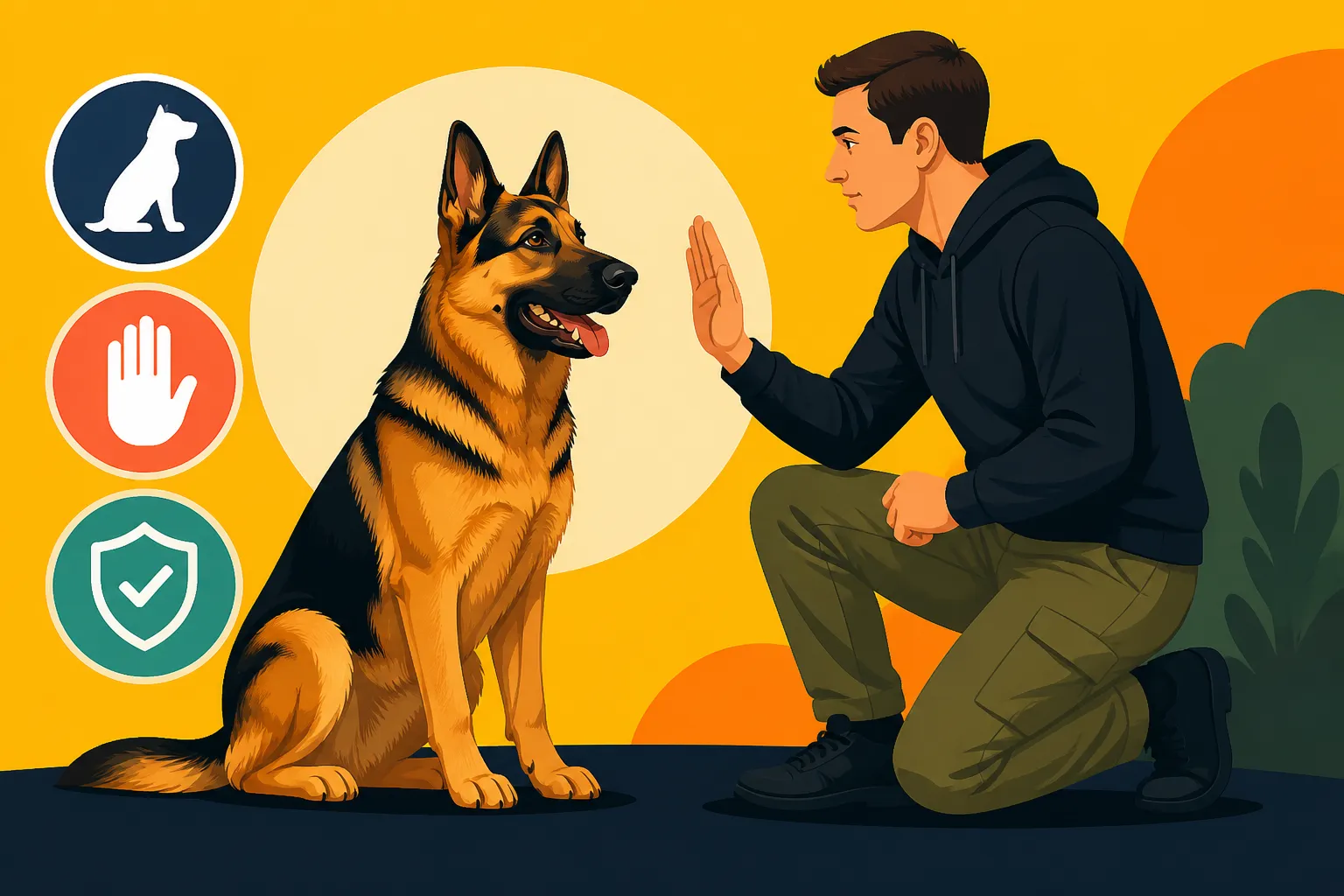
Positive reinforcement is simply rewarding behaviors you want to see more of. When your German Shepherd does something right – sits calmly, walks nicely on a leash, or offers a polite greeting – you immediately follow it with something they value: a tasty treat, praise, a favorite toy, or a quick game of fetch. This makes them more likely to repeat that behavior in the future because they associate it with a positive outcome. It's far more effective than punishment, which can create fear, damage your bond, and suppress behaviors without addressing the underlying cause.
For an adult GSD, especially one who might have a history of negative experiences, positive reinforcement is crucial for building trust. It shows them that interacting with you is safe, fun, and rewarding. Keep your rewards high-value, especially in the beginning. Small pieces of cooked chicken, cheese, or hot dogs often work wonders. Vary your rewards to keep them engaged, and gradually phase out food rewards as the behavior becomes established, replacing them with praise and life rewards (like access to a favorite activity). Remember, every interaction is a training opportunity, and every good behavior is worth acknowledging!
The Role of Consistency and Patience
If there are two words that define successful adult German Shepherd training, they are "consistency" and "patience." Adult dogs have years of learned behaviors, and changing these deeply ingrained habits doesn't happen overnight. It takes time, repetition, and a united front from everyone in the household. Everyone needs to use the same commands, the same rules, and the same reward system. If one person allows jumping while another corrects it, your dog will be confused and progress will be slow or non-existent.
Patience is paramount. There will be days when you feel like you're taking two steps forward and one step back. Your dog might seem to "forget" something they knew perfectly well the day before. This is normal! Don't get discouraged. Celebrate small victories, take breaks when you or your dog are feeling frustrated, and remember that every positive interaction is building towards a stronger relationship. For complex behavioral issues, progress can be measured in weeks or even months, not days. Trust the process, remain calm and consistent, and your German Shepherd will eventually catch on. For tips on managing your dog's daily needs to support training, check out our guide on how to keep a German Shepherd healthy.
When to Seek Professional Guidance
While much of adult German Shepherd training can be handled effectively by dedicated owners, there are times when professional guidance is not just helpful, but essential. If you're struggling with severe behavioral issues like aggression (beyond mild resource guarding or reactivity), extreme separation anxiety, or if you feel overwhelmed and unable to make progress, it's time to call in a professional. A certified professional dog trainer (CPDT) or a veterinary behaviorist can provide invaluable expertise, offering tailored plans and hands-on support.
Here's a quick guide to help you decide:
| Issue Severity | When to Consider Professional Help | Type of Professional |
|---|---|---|
| Mild | Persistent leash pulling, basic obedience refresh. | Online courses (e.g., BAXTER & Bella), group classes, individual trainer for specific behaviors. |
| Moderate | Consistent leash reactivity, moderate resource guarding, chronic barking, mild separation anxiety. | Certified Professional Dog Trainer (CPDT) for one-on-one sessions, behavior consultant. |
| Severe | Aggression towards people or animals, severe separation anxiety leading to self-harm or house destruction, phobias. | Veterinary Behaviorist (DACVB) or highly experienced CPDT specializing in behavior modification. |
Look for trainers who use positive reinforcement methods and have experience with large, strong breeds like German Shepherds. Avoid anyone who suggests harsh corrections, intimidation, or dominance-based techniques, as these can be detrimental to your dog's trust and overall well-being. Investing in a good trainer is an investment in your dog's future and your peace of mind. They can help you understand the nuances of German Shepherd behavior problems and solutions and provide strategies specific to your dog's needs. Remember, you don't have to navigate these challenges alone.
Disclaimer
The information provided in this article is for general informational purposes only and is not a substitute for professional veterinary advice, diagnosis, or treatment. Always seek the advice of your veterinarian or other qualified health provider with any questions you may have regarding a medical condition or before undertaking any diet, supplement, fitness, or training program.