Why Does My German Shepherd Have Destructive Behavior Issues
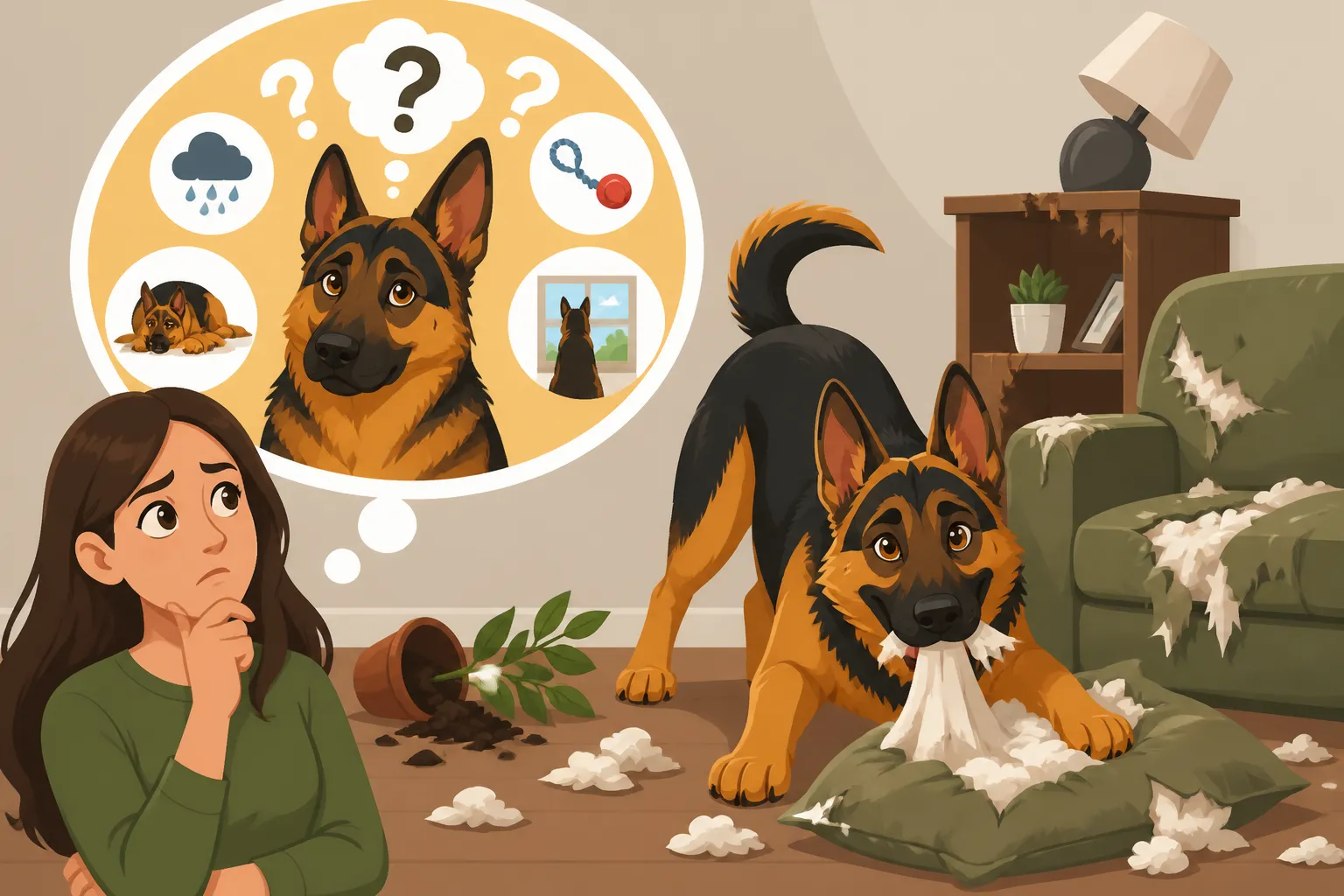
It’s incredibly disheartening, isn't it? You walk into your home, exhausted after a long day, only to find a scene of utter chaos: your favorite shoes gnawed beyond recognition, cushion stuffing strewn across the living room, or even worse, damage to furniture. You look at your beloved German Shepherd, and while you love them fiercely, you can't help but wonder, "Why does my German Shepherd have destructive behavior issues?" This guide is here to shed light on those frustrating behaviors, explore their root causes, and provide you with actionable, empathetic strategies to bring peace back to your home and your relationship with your loyal companion.
Understanding the Root Causes of Destructive Behavior
Destructive behavior in German Shepherds isn't just about them being "naughty." These intelligent, high-energy dogs often act out when their fundamental needs aren't being met, or when they're experiencing underlying stress or anxiety. It's their way of communicating, even if it leaves your house looking like a disaster zone. Digging into the 'why' is the first step towards finding a solution that works for both of you.
Separation Anxiety: The Heart-Wrenching Panic
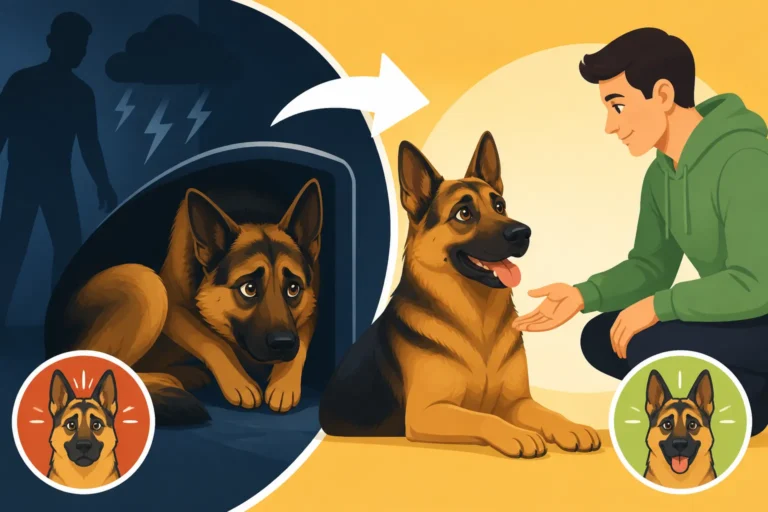
One of the most common and emotionally taxing reasons for destructive behavior is separation anxiety. This isn't just your dog missing you a little bit; it's a genuine panic attack that happens when they're left alone. Imagine feeling like the world is ending every time your most important person walks out the door, and you're trapped with no way to cope. That's what your German Shepherd might be experiencing.
The symptoms can range from frantic barking and whining to pacing, house-soiling, and, of course, destructive chewing or digging. They might target exits like doors and windows, trying desperately to get to you, or destroy items that smell like you, like shoes or clothing, in an attempt to self-soothe. It’s a heartbreaking situation, and understanding that their actions stem from fear and distress, not malice, is crucial. If you suspect separation anxiety, you'll want to dive deep into German Shepherd Separation Anxiety Solutions.
Boredom and Lack of Mental Stimulation: An Unused Mind
German Shepherds are renowned for their intelligence. They were bred for demanding tasks like herding, guarding, and police work, which require sharp minds and constant engagement. When a dog with this kind of brainpower isn't given enough mental work, they don't just sit around idly; they find their own jobs. And often, those "jobs" involve investigating the structural integrity of your sofa or the chew-resistance of your coffee table legs.
A bored German Shepherd might start sniffing out trouble, leading to destructive habits like chewing, tearing, or even obsessive licking. They need puzzles, training, and new experiences to keep their minds sharp and happy. Without adequate mental stimulation, that powerful intellect can quickly turn into a source of frustration for both you and your dog. Think about it: if you were incredibly smart but had nothing to do all day, wouldn't you start dismantling things to figure out how they worked?
Insufficient Physical Exercise: Pent-Up Energy
Beyond their mental prowess, German Shepherds are athletes. They possess immense physical energy and stamina. Leaving a German Shepherd cooped up all day with only a quick walk around the block is like asking a marathon runner to sit on the couch and watch TV during training season. That energy has to go somewhere, and if it's not channeled constructively, it will manifest destructively.
A German Shepherd with pent-up energy might express it through incessant chewing, digging up your yard, or frantic pacing and scratching at doors. They need vigorous exercise – think long hikes, intense fetch sessions, agility training, or even a good run. Without this physical outlet, they become restless, anxious, and prone to finding their own strenuous activities, which typically involve destroying things they shouldn't. Understanding your German Shepherd Exercise Requirements is fundamental to preventing these issues.
Puppy Chewing and Teething: Normal Developmental Phase
It’s important to differentiate between a destructive adult German Shepherd and a destructive German Shepherd puppy. Puppies, much like human babies, explore the world with their mouths. They go through a teething phase, usually between 3 to 6 months of age, where their gums are sore, and they have an intense urge to chew to relieve discomfort. During this time, pretty much anything is fair game to them.
While frustrating, this puppy chewing is a normal, albeit temporary, part of development. It’s crucial to provide appropriate chew toys and redirect them constantly. This phase requires patience, consistent training, and ensuring that everything valuable or dangerous is out of their reach. If you're dealing with a young pup, you might find more specific guidance in a German Shepherd Puppy Training Guide or on German Shepherd Puppy Biting: What to Do. This stage is about teaching them what is okay to chew, not just stopping the act of chewing itself.
Common Forms of German Shepherd Destruction
Destructive behavior in German Shepherds isn't a monolithic issue; it can manifest in several ways, each with its own nuances and potential triggers. Recognizing the specific type of destruction your dog is engaging in can help you pinpoint the underlying cause and apply the most effective remedies.
Chewing Everything in Sight
This is perhaps the most common and impactful form of destructive behavior. One day it's your remote control, the next it's the corner of your drywall, and then suddenly, your prized antique chair has a new "design" courtesy of your dog's powerful jaws. German Shepherds have incredibly strong jaws, and they can do a surprising amount of damage very quickly.
Chewing can be driven by a variety of factors:
- Anxiety: As mentioned, separation anxiety often leads to chewing, especially on items that carry your scent, like shoes, clothes, or even doorframes near exits. It's a self-soothing mechanism, however ineffective.
- Boredom/Lack of Stimulation: A bored German Shepherd will chew to pass the time and engage their powerful senses. If they don't have appropriate outlets, your furniture becomes the substitute.
- Teething (for puppies): Young German Shepherds chew to alleviate the discomfort of new teeth coming in. If you've just brought home a new puppy, this is likely the primary culprit.
- Attention-Seeking: Some dogs learn that destroying something valuable gets an immediate, albeit negative, reaction from you. They might rather have you angry than ignored.
- Hunger or Nutritional Deficiencies: While less common, some dogs might chew on non-food items if they're not getting enough to eat or are missing key nutrients. Always consult your vet if you suspect a nutritional issue.
When your German Shepherd is systematically dismantling your home, it's not about being vindictive; it's about an unmet need or an overwhelming emotion. The trick is to identify that need and address it head-on.
Digging Up the Yard (or Carpet!)
While chewing might be the most visible, digging can be just as, if not more, damaging, especially if your German Shepherd decides your prize-winning rose bushes or freshly laid sod are fair game. And yes, some particularly determined dogs will even try to dig through carpets or linoleum indoors!
Digging can stem from:
- Boredom: Again, a lack of mental or physical stimulation can lead a German Shepherd to dig for entertainment. It's an engaging activity that uses their body and senses.
- Excess Energy: Digging is a physical outlet. If they're not getting enough walks, runs, or play, they might turn to excavating your garden.
- Anxiety: Dogs experiencing separation anxiety might dig at fences or doors in an attempt to escape and find you.
- Instinct: German Shepherds have a natural working dog instinct, which can include digging, especially if they catch a scent of a burrowing animal.
- Comfort/Cooling: On hot days, dogs might dig to create a cool, damp spot to lie in. This is less about destruction and more about seeking comfort.
- Attention-Seeking: Like chewing, digging can sometimes be a way to get you to notice them, particularly if you only pay attention when they're doing something "wrong."
Managing digging often requires a multi-pronged approach that includes increasing exercise, providing alternative digging spots (like a sandpit), and addressing underlying anxiety.
Ripping Apart Furniture and Bedding
This form of destruction often feels particularly personal, especially when it involves your cozy couch or a brand-new dog bed. Ripping and shredding items like cushions, blankets, and even curtains are clear signs of distress or extreme frustration.
Reasons for this intense shredding behavior often include:
- Severe Separation Anxiety: A German Shepherd in the throes of a panic attack might shred bedding or furniture as a frantic outlet for their overwhelming stress. It’s a desperate attempt to cope.
- Extreme Boredom/Frustration: When other outlets are exhausted, or they've been left alone with nothing to do for too long, the sheer frustration can lead to explosive, destructive behavior.
- Comfort-Seeking (Paradoxical): Sometimes, a dog will destroy their own bed if it's uncomfortable, or if they're trying to create a "nest" that feels more secure, albeit destructively.
- Play-Related Destruction: While less common for furniture, some dogs will rip apart toys, blankets, or even dog beds as part of an overly vigorous play session, particularly if they haven't learned appropriate toy handling.
If you find your German Shepherd regularly destroying soft furnishings, it’s a strong indicator that deeper issues like anxiety or severe lack of stimulation are at play, requiring immediate and consistent intervention.
| Destructive Behavior | Common Causes | Initial Solutions |
|---|---|---|
| Chewing | Boredom, Anxiety, Teething, Attention | More exercise, mental games, durable chew toys, puppy-proofing, ignore attention-seeking. |
| Digging | Boredom, Excess Energy, Anxiety, Instinct, Comfort | Increased exercise, mental stimulation, designated digging spot, anti-anxiety measures. |
| Ripping/Shredding | Severe Anxiety, Extreme Boredom, Frustration | Address anxiety, provide stimulating toys, ensure adequate exercise, consider professional help. |
| House Soiling | Anxiety, Medical Issues, Lack of Training | Rule out medical, consistent potty training, anxiety management. |
| Barking/Whining | Anxiety, Attention, Boredom | Exercise, mental work, ignoring attention-seeking, training quiet command, anti-anxiety tools. |
Practical Strategies to Address Destructive Behavior
Once you've zeroed in on the likely causes of your German Shepherd's destructive habits, it's time to implement a comprehensive strategy. Remember, there's no magic bullet, and consistency is your most powerful tool. This is a journey that requires patience, understanding, and a willingness to adapt your approach.
Increasing Exercise and Mental Enrichment
This is often the first and most effective line of defense against destructive behavior. A tired German Shepherd is a good German Shepherd, but a mentally stimulated German Shepherd is even better.
Physical Exercise:
Your German Shepherd needs more than just a short walk. Aim for at least 1-2 hours of vigorous exercise daily. This could look like:
- Long walks or jogs: Explore new neighborhoods, hiking trails, or dog-friendly parks. Varying the environment provides additional mental stimulation through new scents and sights.
- Structured Play: Games of fetch, frisbee, or even hide-and-seek in the yard can burn off significant energy. Teach them to "drop it" and "leave it" to make play more engaging and prevent resource guarding.
- Swimming: If your German Shepherd enjoys it, swimming is a fantastic full-body workout that's easy on their joints.
- Dog Parks (with caution): Supervised playtime with other well-socialized dogs can be an excellent outlet, but always ensure your dog is comfortable and safe in these environments.
Mental Enrichment:
Physical exercise alone isn't enough for these intelligent dogs. Their brains need a workout too!
- Training Sessions: Dedicate 15-20 minutes a day to practicing commands, learning new tricks, or reinforcing good behavior. This builds your bond and tires them out mentally. Resources like BAXTER & Bella offer excellent online programs that can guide you through various training stages, from puppy basics to advanced obedience, helping you teach your German Shepherd everything from German Shepherd Basic Commands Every Owner Should Teach to more complex tasks.
- Puzzle Toys and Treat Dispensers: These force your dog to "work" for their food or treats, engaging their problem-solving skills. Look for durable options on platforms like Amazon. Brands like KONG, Nina Ottosson, and West Paw offer a wide range of challenging toys.
- Scent Work: Hide treats around the house or yard and encourage your German Shepherd to find them. This taps into their natural sniffing instincts and is incredibly engaging.
- New Experiences: Introduce them to novel sounds, sights, and textures. Even a car ride to a new walking spot can be mentally stimulating. Consider how to provide Best Mental Stimulation for German Shepherds.
Managing Anxiety and Providing Comfort
If anxiety, particularly separation anxiety, is at the root of the problem, a multi-faceted approach is necessary to help your German Shepherd feel secure when alone.
Crate Training:
A well-introduced crate can become a safe, den-like space for your German Shepherd. It's not a punishment; it's a sanctuary where they can feel secure and where they can't engage in destructive behavior. Properly crate training can be a lifesaver for dogs with mild to moderate anxiety. Learn How to Crate Train a German Shepherd effectively, making it a positive experience for your dog.
Gradual Desensitization:
For separation anxiety, the key is to gradually acclimate your dog to being alone. Start with very short durations (seconds, then minutes), slowly increasing the time. Practice "mock" departures where you pick up your keys, put on your coat, and then sit back down. This helps desensitize them to your departure cues.
Calming Aids:
- Pheromone Diffusers/Sprays: Products like Adaptil release synthetic dog appeasing pheromones that can help create a calming environment.
- Supplements: Certain supplements containing L-theanine or tryptophan can help reduce anxiety in some dogs. Always consult your vet before introducing any supplements.
- ThunderShirts/Anxiety Wraps: These provide gentle, constant pressure, which can have a calming effect similar to swaddling a baby.
Routine and Predictability:
Dogs thrive on routine. A predictable schedule for feeding, walks, play, and quiet time can reduce uncertainty and thus anxiety.
Redirecting Chewing and Providing Appropriate Outlets
Since chewing is a natural and necessary behavior for dogs, the goal isn't to stop it entirely but to redirect it onto appropriate items.
High-Value Chew Toys:
Invest in a variety of durable, engaging chew toys. Look for toys made from tough rubber, natural antlers, or hardened nylon that can withstand your German Shepherd's powerful jaws. Rotate them regularly to keep interest high. Good options can be found on Amazon, where you can read reviews to ensure durability. You might also want to look into German Shepherd Dental Care Explained, as regular chewing on appropriate items can contribute to better oral health.
Stuffable Toys:
KONGs and similar toys stuffed with peanut butter, yogurt, or wet dog food and then frozen can provide long-lasting enrichment. The challenge of getting the treat out can keep your dog occupied for a good chunk of time.
Discourage Inappropriate Chewing:
When you catch your German Shepherd chewing something they shouldn't, firmly interrupt them with a verbal cue like "leave it" or a quick clap, then immediately offer them an appropriate chew toy. Praise them enthusiastically when they take the correct item. Consistency is paramount here.
Supervision:
For puppies and dogs prone to destructive chewing, close supervision is essential. When you can't actively supervise, use a crate or a puppy-proofed area to prevent opportunities for destruction.
Modifying the Environment (Management)
Sometimes, the simplest solution is to remove the temptation. Environmental management is about setting your German Shepherd up for success by making it impossible or very difficult for them to engage in destructive acts.
Puppy-Proof Your Home:
This means putting away anything valuable, dangerous, or tempting. Secure trash cans, keep shoes in closets, put laundry away, and move houseplants out of reach. If it can be chewed, it probably will be, especially with a young or bored German Shepherd. Think about it like baby-proofing your home; if you wouldn't leave it unattended with a toddler, don't leave it with a GSD prone to destruction.
Limit Access:
Use baby gates or close doors to restrict your German Shepherd's access to certain rooms when you're not there to supervise. This not only protects your belongings but also helps your dog learn boundaries. For example, if they only chew the living room rug, block access to the living room when you're away.
Secure Your Yard:
If digging is an issue, ensure your yard is secure. Install coyote rollers along the top of fences to prevent climbing, and consider burying chicken wire or large rocks at the base of fences to deter digging escapes. Creating a designated digging spot, like a sandpit, and burying toys for them to find there, can also redirect this natural instinct.
When to Seek Professional Help
While many destructive behaviors can be managed with consistent effort and the strategies outlined above, there are times when you need to call in the cavalry. Recognizing these red flags isn't a sign of failure; it's a sign of a responsible and loving German Shepherd owner. Your dog's well-being, and your own sanity, are worth it.
Recognizing Red Flags
How do you know when it’s time to seek expert intervention? Keep an eye out for these signs:
- Escalating Severity: The destruction isn't getting better; it's getting worse, more frequent, or more intense. Your German Shepherd is doing more significant damage than before.
- Self-Harm: Your dog is injuring themselves during their destructive episodes (e.g., bloody paws from scratching at doors, broken teeth from chewing metal, frantic licking leading to hot spots). This indicates a high level of distress.
- Aggression or Reactivity: Destructive behavior coupled with increased aggression, fear, or reactivity towards people, other animals, or objects suggests a deeper behavioral issue. You might want to review German Shepherd Behavior Problems and Solutions for insights into these interconnected challenges.
- No Improvement: Despite consistent application of positive training methods, increased exercise, and mental stimulation, you see little to no change in the destructive habits. This signals that your current approach isn't hitting the mark.
- Your Own Stress Levels: If you're constantly stressed, frustrated, or feeling overwhelmed by your dog's behavior, it's impacting your quality of life and your bond with your German Shepherd. It's okay to admit you need help.
Consulting a Veterinarian or Certified Behaviorist
Don't hesitate to reach out to professionals if you're experiencing these red flags. They can offer specialized guidance and rule out underlying issues.
Starting with Your Veterinarian:
Your first call should always be to your vet. Destructive behavior can sometimes be a symptom of an underlying medical condition or discomfort. For example, a dog might excessively lick or chew a certain area if they have allergies or pain. Your vet can perform a thorough examination, run diagnostic tests, and rule out any health issues before you delve into behavioral modifications. They can also advise on appropriate anti-anxiety medications if necessary, which can be a valuable tool to help your dog relax enough for training to be effective. Ensuring How to Keep a German Shepherd Healthy covers preventing medical issues that could manifest as behavioral ones.
Consulting a Certified Professional Dog Trainer or Veterinary Behaviorist:
If medical causes are ruled out, a certified professional dog trainer or, for more severe cases, a veterinary behaviorist is your next step.
- Certified Professional Dog Trainers (CPDT-KA, KPA CTP): These trainers specialize in positive reinforcement methods and can help you implement effective training and management strategies. They can guide you on everything from basic obedience to more complex behavioral modifications, and a personalized approach for How to Train an Adult German Shepherd. They can often identify subtle triggers and body language cues you might be missing.
- Veterinary Behaviorists (DACVB): These are veterinarians who have specialized in animal behavior. They are uniquely qualified to diagnose and treat complex behavioral disorders, including severe separation anxiety, compulsive disorders, and aggression. They can prescribe medication and develop comprehensive treatment plans that integrate behavioral modification, environmental changes, and pharmacological support. They often work in conjunction with your regular vet and a certified trainer.
Remember, destructive behavior is often a cry for help from your German Shepherd. By understanding the causes, implementing consistent strategies, and knowing when to seek professional guidance, you can help your loyal companion feel more secure, happier, and less inclined to turn your home into their personal demolition site.
Disclaimer
This article is for general informational purposes only and does not constitute professional advice. Laws, prices and regulations vary by location and change over time. Consult a qualified professional for guidance on your specific situation.