German Shepherd Reactivity on Walks
Walking your magnificent German Shepherd should be a joy, a time for bonding and exercise, but for many of us, it turns into a stressful tightrope walk, constantly scanning for potential triggers that will set our beloved companion off. The lunging, barking, and pulling can feel incredibly overwhelming, leaving you frustrated, embarrassed, and even hesitant to leave the house. This comprehensive guide is here to help you understand German Shepherd reactivity, pinpoint its causes, and equip you with practical strategies and training techniques to navigate walks with greater confidence and calm.
Understanding What Reactivity Actually Means
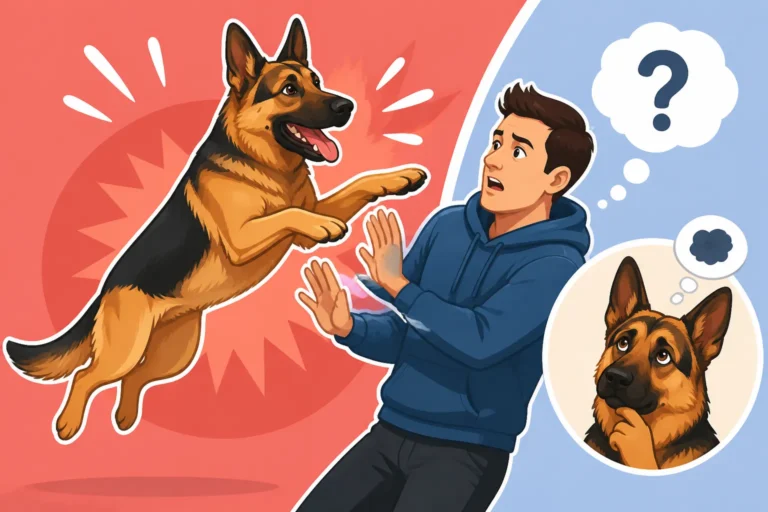
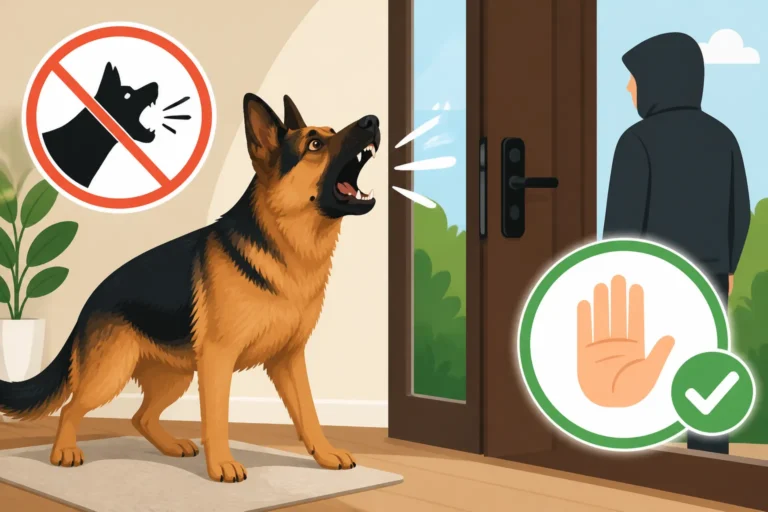
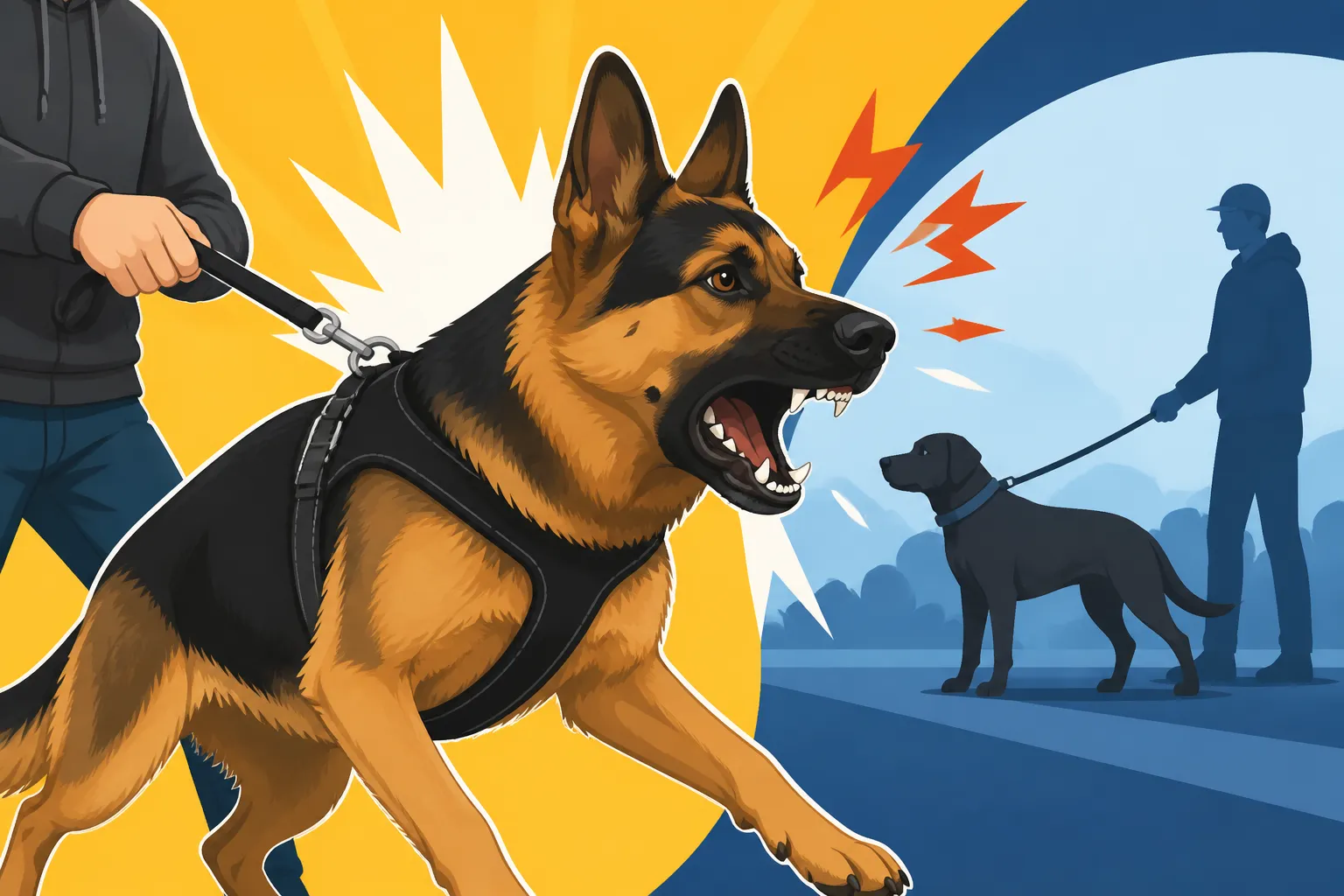
When we talk about a German Shepherd being "reactive" on walks, we're describing a dog that overreacts to certain stimuli in their environment. This isn't necessarily aggression, though it can certainly look and sound like it. Instead, it's often a heightened emotional response—fear, anxiety, frustration, or even over-excitement—that manifests as barking, lunging, growling, or intense pulling. It's a tough situation, both for you and your dog, because they're clearly distressed, and you're left trying to manage a powerful animal that seems to have forgotten all its manners.
Differentiating Reactivity from Aggression
It's really easy to label a reactive dog as "aggressive," especially when they're putting on quite a show. However, there's a crucial difference. True aggression usually stems from an intent to harm or intimidate. Reactivity, particularly in German Shepherds, often comes from a place of fear or a lack of coping skills. Think of it like this: an aggressive dog might seek out a confrontation, while a reactive dog often wants the "threat" to go away, and their barking and lunging are an attempt to create distance. They're basically shouting, "Go away! Don't come closer!" It's their misguided way of trying to manage a situation they feel they can't handle.
Sometimes, of course, prolonged or poorly managed reactivity can escalate into aggression if the dog learns that its reactive displays successfully make triggers disappear. This is why early intervention and proper training are so incredibly vital. Understanding whether your dog is primarily fearful-reactive, frustration-reactive (e.g., wanting to play but being held back), or barrier-frustration reactive (reacting to things they can see but can't get to, like through a fence) is the first step in tailoring an effective management and training plan.
Common Triggers for German Shepherd Reactivity
German Shepherds, with their keen senses, protective instincts, and high intelligence, can have a wide range of triggers. What sets one dog off might be completely ignored by another. Identifying your dog's specific triggers is paramount to managing their reactivity. Without knowing what the problem is, it's impossible to address it.
Common triggers often include other dogs, strangers, children, bicycles, skateboards, loud noises, cars, or even certain objects like trash cans or mailboxes if they’ve had a negative experience. For example, your German Shepherd might be perfectly fine passing a small fluffy dog but completely lose it when a large black Labrador approaches. Or perhaps they're okay with men, but women with hats or strollers trigger a strong reaction. Keep a journal of your walks: note the time, location, specific trigger, your dog's reaction, and what you did. This detailed record will help you see patterns and understand your German Shepherd's individual sensitivities. It might feel like detective work, but it's essential.
Why Your German Shepherd Might Be Reactive
It’s natural to wonder why your German Shepherd, a breed renowned for its intelligence and calm demeanor, might be struggling with reactivity. There isn't usually one single answer; it's often a complex interplay of factors, from their inherited traits to their life experiences. Blaming yourself is easy, but it's more productive to understand the root causes so you can approach the problem with empathy and a clear plan.
Genetic Predisposition and Breed Traits
Let's be real, German Shepherds are a working breed. They were bred for herding, guarding, and protection, which means they naturally possess traits like alertness, territoriality, and sometimes a cautious nature towards strangers or new situations. These traits, while desirable for their original purpose, can sometimes contribute to reactivity if not properly channeled and managed. For instance, a strong guarding instinct might manifest as barking and lunging at people or dogs who get too close to their "territory" (you, your car, your yard).
Some lines of German Shepherds might also have a genetic predisposition to anxiety or fear. If a puppy comes from parents who are themselves prone to nervousness or reactivity, those tendencies can be passed down. This isn't to say it's an unfixable problem, but it does mean you might have to work a bit harder and be more consistent with your training. This is why when choosing a puppy, looking into German Shepherd Genetic Health Testing and temperament of the parents is so important, not just for physical health but for mental stability too. While you can't change genetics, understanding this can help you set realistic expectations and adjust your training approach.
The Role of Early Socialization and Environment
A significant factor in preventing or contributing to reactivity is the quality and quantity of a German Shepherd puppy's early socialization. The critical socialization window for puppies typically closes around 16 weeks of age. During this time, puppies need positive, controlled exposure to a wide variety of sights, sounds, people, places, and other dogs. If a German Shepherd puppy misses out on this crucial period, or if their experiences during this time are negative or overwhelming, they can develop fear-based reactivity.
Imagine a puppy raised in an isolated environment, then suddenly thrust into a busy city park. Everything would be new, overwhelming, and potentially terrifying. This lack of positive exposure can lead to a dog that perceives novelty as a threat, resulting in reactive behaviors. Furthermore, a traumatic experience, like being attacked by another dog or startled by a loud truck, can also create a lasting fear that triggers reactivity whenever a similar stimulus appears. Even if your German Shepherd received adequate early socialization, a single negative event can sometimes unravel months of positive conditioning.
Fear, Anxiety, and Pain as Contributors
Beneath the barking and lunging, fear and anxiety are often the biggest drivers of reactivity. A dog that feels threatened or unsafe will often try to create distance, and a reactive display is a very effective, albeit loud, way of doing that. The world can be a really scary place for a dog, full of unpredictable movements, strange sounds, and other beings. German Shepherds are sensitive animals, and their "tough" exterior can sometimes hide a deeply anxious internal state. You might notice subtle signs of stress before an outburst, like lip-licking, yawning, stiff body posture, or whale eye (showing the whites of their eyes). Addressing German Shepherd Separation Anxiety Solutions or general anxiety can sometimes help reduce overall reactivity.
Another often overlooked cause of reactivity can be pain or discomfort. If your German Shepherd is experiencing joint pain from conditions like hip or elbow dysplasia, or even just general arthritis, they might become reactive as a way to avoid interactions that could exacerbate their pain. Imagine having a constant ache and then someone bumping into you unexpectedly—you'd probably react strongly too. A dog in pain might become irritable, less tolerant of close approaches, and more prone to snapping or growling as a warning sign. If your dog's reactivity has suddenly developed or worsened, especially as they age, a vet check-up to rule out any underlying health issues is crucial. It's important to know How to Tell If a German Shepherd Is in Pain.
Effective Management Strategies for Reactive Walks
Dealing with a reactive German Shepherd on walks isn't just about long-term training; it's also about effective day-to-day management. These strategies are your toolkit for making walks safer, less stressful, and more manageable right now, even before the more intensive training takes hold. They're about controlling the environment and your dog's immediate responses, rather than waiting for things to go wrong.
Leash and Equipment Choices
The right equipment can make a world of difference when managing a strong, reactive German Shepherd. A standard flat collar often isn't enough to safely control a dog that lunges and pulls with all its might. It can also put a lot of pressure on their throat, which is uncomfortable and potentially harmful.
Many owners find great success with front-clip harnesses, such as those from brands like Ruffwear or Easy Walk, which redirect your dog's pulling power back towards you, making lunging less effective. Instead of pulling forward, they're gently turned to the side. Another popular and effective tool is a head halter, like a Gentle Leader or Halti. These give you more control over your dog's head, and where the head goes, the body often follows. They're not muzzles, but they can be misinterpreted as such, so be prepared for questions. Make sure whatever you choose fits properly and is introduced positively with treats to avoid aversion. Using a longer, comfortable leash (6-foot is standard) will also give you more flexibility to create distance when needed. You can find a wide variety of these tools on platforms like Amazon, making it easy to experiment and find what works best for your specific dog.
Managing Your Environment and Triggers
This is perhaps the most immediate and impactful strategy: avoid or minimize exposure to your German Shepherd's triggers whenever possible. This isn't about sheltering your dog forever, but about reducing the number of reactive incidents while you work on training. Every reactive outburst reinforces the behavior and increases stress for both of you.
This might mean walking at off-peak hours when fewer dogs or people are out. If your dog is reactive to other dogs, seek out quiet streets, industrial parks, or large open fields where you can maintain a safe distance. If cars are an issue, stick to quieter residential areas. "Trigger stacking" is a real phenomenon where multiple minor stressors build up, leading to an exaggerated reaction to a seemingly minor trigger. By managing the environment, you reduce this stacking effect. Be observant, be proactive. If you see a trigger approaching, turn and walk the other way, cross the street, or duck behind a parked car. Your goal is to keep your dog under their "threshold"—the point at which they start reacting—so they can actually learn and process their surroundings calmly.
Building a Strong Foundation of Communication
Effective management isn't just about physical control; it's about building a solid relationship based on clear communication and trust. Your German Shepherd needs to look to you for guidance, especially when they're feeling unsure or overwhelmed. Reinforce positive behaviors consistently. When your dog looks at you instead of staring down a trigger, reward them. When they walk calmly by your side, even for a few steps, praise and treat them.
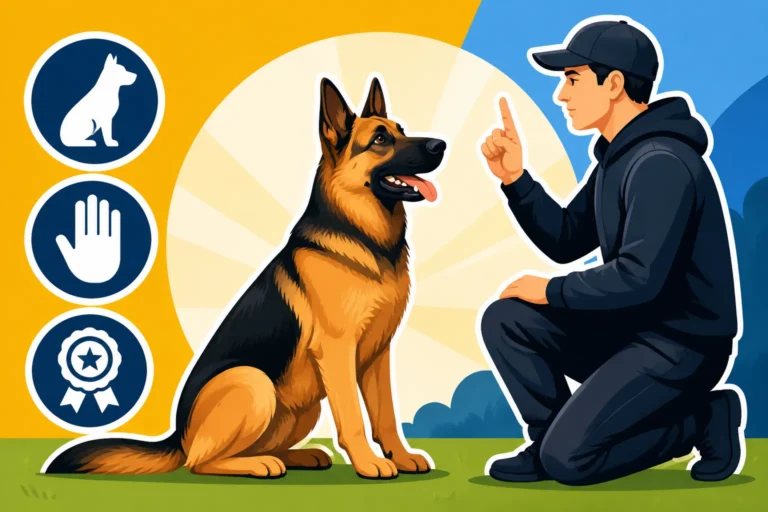
Practice simple obedience commands like "sit," "stay," "look at me," and "heel" in low-distraction environments first, then gradually introduce them to more challenging settings. A solid "look at me" command can be a lifesaver, redirecting your dog's attention away from a brewing trigger. If your dog understands and responds to these cues, you have a much better chance of interrupting an impending reactive episode. Remember, you're their leader, and they need to trust that you'll handle difficult situations, so they don't feel the need to take matters into their own paws. This is part of the broader goal of German Shepherd Obedience Training Basics.
Training Techniques to Address Reactivity
While management helps you get by day-to-day, true improvement comes from dedicated training that changes your German Shepherd's emotional response to their triggers. This isn't a quick fix; it requires patience, consistency, and a clear understanding of what you're trying to achieve. The goal is to help your dog feel less fearful or frustrated and to learn more appropriate ways of responding.
Desensitization and Counter-Conditioning
These are the cornerstones of reactivity training. Desensitization means gradually exposing your German Shepherd to their trigger at such a low intensity that they don't react. Counter-conditioning means changing their emotional association with that trigger from negative (fear, anxiety, frustration) to positive (something good happens when the trigger appears).
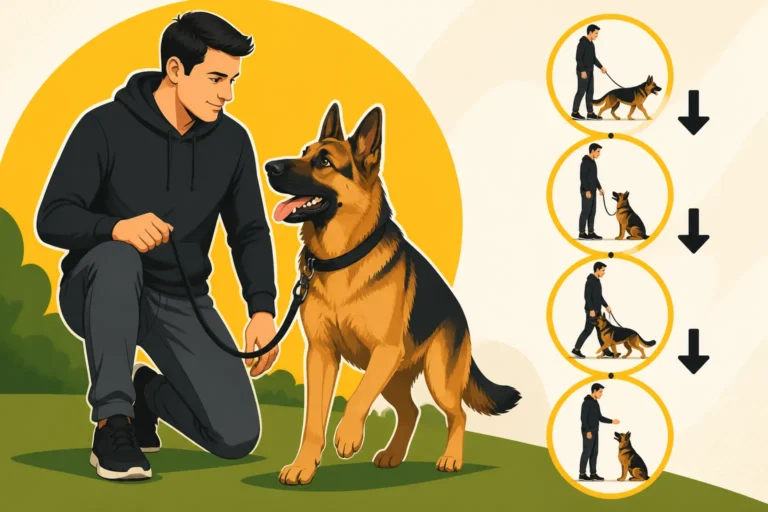
Here’s how it works: Find your dog's "threshold"—the distance at which they can observe their trigger without reacting. Start far away. For example, if your dog reacts to other dogs at 50 feet, start training at 70 feet. As soon as a trigger (e.g., another dog) appears in the distance, and your German Shepherd notices it but before they react, immediately give them a high-value treat (like cooked chicken or cheese) and calm praise. The trigger appears, treat happens. The trigger disappears, treats stop. You are literally pairing the sight of the trigger with something wonderful. The goal is for your dog to eventually see the trigger and think, "Yay, a treat!" instead of "Oh no, a threat!"
This process is slow and incremental. You might spend weeks at the same distance before your dog consistently shows a calm response. Only then do you gradually decrease the distance, always staying below their threshold. If your dog reacts, you've gone too fast or too close, and you need to increase the distance again. This method requires absolute vigilance and consistency, but it's incredibly effective in reshaping your dog's emotional response. It helps them learn that the trigger is a predictor of good things, not bad.
Engaging a Professional Trainer
While many reactive dog owners can make progress on their own, there's no shame—and often great benefit—in seeking help from a qualified professional. A certified professional dog trainer or a veterinary behaviorist can provide invaluable guidance, tailor a training plan specifically for your German Shepherd, and help you identify nuances in your dog's behavior that you might miss. They can assess your dog's specific triggers, body language, and the underlying cause of their reactivity (e.g., fear, frustration, pain) and then build an appropriate, safe, and effective training protocol.
When choosing a trainer, look for someone who uses positive reinforcement methods and has experience with reactive dogs. Avoid trainers who advocate for aversive tools or methods, as these can often suppress reactive behaviors without addressing the underlying fear or anxiety, potentially making the problem worse in the long run or causing your dog to become fear-aggressive. Organizations like the Certification Council for Professional Dog Trainers (CCPDT) or the Pet Professional Guild (PPG) can help you find qualified individuals in your area. Online platforms like BAXTER & Bella also offer comprehensive online training programs that can be incredibly helpful for owners needing structured guidance and support from home. Remember, you're not failing if you ask for help; you're being a responsible and dedicated German Shepherd owner.
The Importance of Consistency and Patience
Reactivity is not usually fixed overnight. It's often a deeply ingrained behavior, and changing a dog's emotional response takes time, repetition, and immense patience. There will be good days and bad days. You'll have breakthroughs, and you'll have setbacks. It's crucial not to get discouraged during the challenging moments. Every time you successfully manage a walk without an outburst, or your dog makes even a tiny bit of progress, celebrate it!
Consistency is key. Everyone who interacts with your German Shepherd on walks needs to be on the same page regarding management and training protocols. If one family member lets the dog pull towards a trigger, it undoes the work of others. Keep training sessions short, positive, and frequent. A few 5-10 minute sessions a day are far more effective than one long, overwhelming session. Always end on a positive note. Remember that your German Shepherd is doing their best, and they rely on you for guidance and security. Your calm, consistent leadership is what will ultimately help them overcome their reactivity. You might even find this process enhances your overall bond, making your German Shepherd a calmer, happier companion.
Supporting Your Reactive German Shepherd Beyond Walks
Addressing reactivity isn't just about what happens on the leash. A German Shepherd's overall well-being, both physically and mentally, plays a huge role in their ability to cope with triggers and learn new behaviors. Thinking holistically about their daily life can create a more resilient and less reactive dog.
Mental Stimulation and Enrichment
German Shepherds are highly intelligent dogs, and they need mental challenges just as much as they need physical exercise. A bored German Shepherd with pent-up mental energy is more likely to be reactive because they have no constructive outlet for their energy and frustration. Simply taking them for physical walks isn't enough, especially if those walks are constantly interrupted by reactive episodes.
Incorporate daily mental stimulation into their routine. Puzzle toys, like those from Kong or Nina Ottosson, that dispense treats are fantastic for this. Scent work, where your dog uses their nose to find hidden treats or toys, is incredibly enriching and tiring. Teaching new tricks, even simple ones, engages their brain and builds confidence. You could even enroll in a beginner's obedience class focused on positive reinforcement, which builds their confidence and gives them a "job" to do. Even just 15-20 minutes of dedicated mental exercise can significantly reduce overall anxiety and stress, making them more resilient to triggers they encounter during walks. This falls under the broader topic of Best Mental Stimulation for German Shepherds.
Diet and Supplementation Considerations
While diet isn't a direct "cure" for reactivity, a healthy, balanced diet can absolutely contribute to your German Shepherd's overall well-being and, by extension, their emotional stability. A dog running on an upset stomach or low-quality food might feel generally unwell, making them more susceptible to stress and reactivity.
Look for high-quality dog foods that list real meat as the first ingredient and avoid excessive fillers, artificial colors, and preservatives. Some anecdotal evidence suggests that dogs with certain sensitivities to ingredients might exhibit behavioral issues, including anxiety. While more scientific research is needed, ensuring a healthy gut microbiome through good food and possibly probiotics could indirectly support mental health. Additionally, some supplements are marketed for calming effects, such as L-theanine, tryptophan, or various herbal blends. While not magic bullets, some owners find them helpful in conjunction with training to slightly lower their dog's overall anxiety levels. Always consult with your veterinarian before introducing any new supplements to ensure they are safe and appropriate for your German Shepherd's specific needs. For more details on this, you can check out guides like Best Dog Food for German Shepherds.
Creating a Safe and Predictable Home Environment
Your home should be a sanctuary for your German Shepherd, a place where they feel completely safe and secure. A chaotic or unpredictable home environment can increase a dog's baseline stress levels, making them more likely to react strongly to triggers outside the home. Establish a consistent routine for feeding, walks, play, and rest times. Dogs thrive on predictability.
Provide your German Shepherd with a designated "safe space" within the home—a crate, a dog bed in a quiet corner, or even a specific room—where they can retreat and relax without being disturbed. This is especially important if you have a busy household with children or other pets. Ensure they have plenty of appropriate chew toys to help relieve stress and satisfy their natural chewing instincts. Using calming pheromone diffusers (like Adaptil) or soothing music can also contribute to a peaceful atmosphere. A calm home environment fosters a calm dog, which is a significant step toward reducing reactivity on walks and throughout their daily life.
Disclaimer
The information provided in this guide is for general informational purposes only and does not constitute professional veterinary advice. Always consult with a qualified veterinarian or certified professional dog trainer for any health or behavioral concerns specific to your German Shepherd. Individual results from training and management strategies may vary.