How to Train a 6-Month-Old German Shepherd
Navigating the adolescent phase with a German Shepherd can feel like a rollercoaster. One moment, your six-month-old pup is a perfectly obedient angel, and the next, they're suddenly deaf to commands, chewing everything in sight, or reacting strongly to things they used to ignore. This isn't just you; it's a common, often frustrating, developmental stage. This guide will walk you through exactly what to expect and how to effectively train your 6-month-old German Shepherd, transforming those challenges into triumphs.
Understanding the German Shepherd "Teenage" Phase
At six months old, your German Shepherd is no longer a tiny, impressionable puppy. They're entering adolescence, a period often humorously (or not-so-humorously) referred to as the "teenage" phase. Just like human teenagers, they’re experiencing a surge of hormones, a growing sense of independence, and a desire to test boundaries. This can manifest as selective hearing, increased energy, and a seeming regression in training.
What to Expect from a 6-Month-Old German Shepherd
This age brings a unique blend of puppy antics and burgeoning adult behaviors. You might notice your German Shepherd suddenly "forgetting" commands they once knew perfectly, or engaging in defiant behaviors they hadn't before. Their energy levels often skyrocket, leading to zoomies, destructive chewing, or incessant demand barking. It’s a time when their confidence is building, but sometimes their judgment isn't quite caught up yet. They might try to push limits, exploring what they can get away with, which can be exhausting for even the most experienced owner. Rest assured, this is a normal part of development, not a sign that you’ve done anything wrong. Patience and consistency become your most valuable tools during these months.
Why the Six-Month Mark is Crucial
The six-month mark is a pivotal developmental stage. Physically, your German Shepherd is growing rapidly, but their growth plates are still open, making them susceptible to injury from over-exertion. Mentally, they're transitioning from the highly impressionable puppy brain to a more independent, questioning mind. This is when their personality truly starts to solidify, and any gaps in their early socialization or foundational training can become more apparent. It’s also a critical time for continued, carefully managed exercise to support their developing joints, as well as a period where focusing on mental stimulation is just as important as physical activity. Ignoring this phase, hoping they'll just "grow out of it," can lead to ingrained bad habits that are much harder to correct later on. For more insights into how their bodies are developing, check out our guide on German Shepherd Growth Plates and Exercise.
Reinforcing Foundational Obedience and Manners
Even if your German Shepherd aced puppy classes, the adolescent phase demands a renewed focus on fundamental commands. They’ll need these skills reinforced in increasingly challenging environments to ensure they stick. This isn’t about starting from scratch, but rather solidifying their understanding under pressure.
Mastering Basic Commands in Distraction
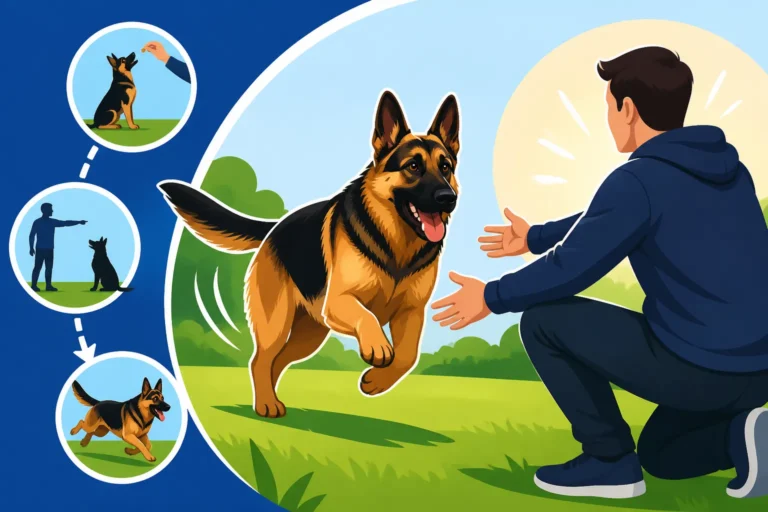
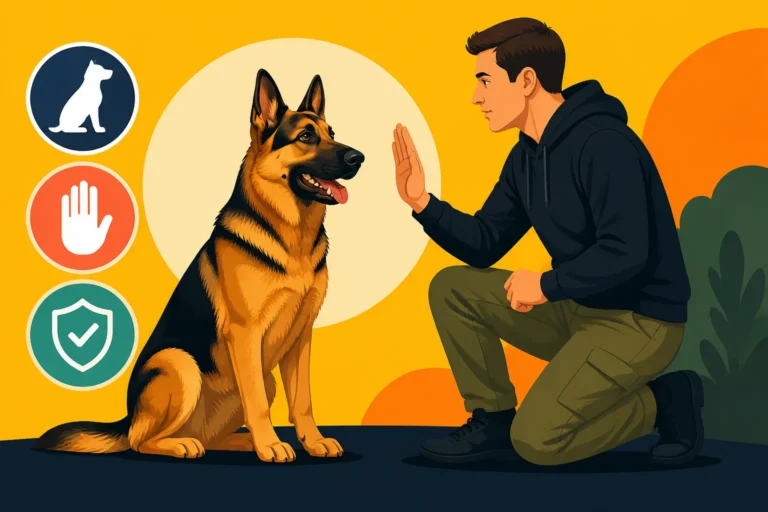
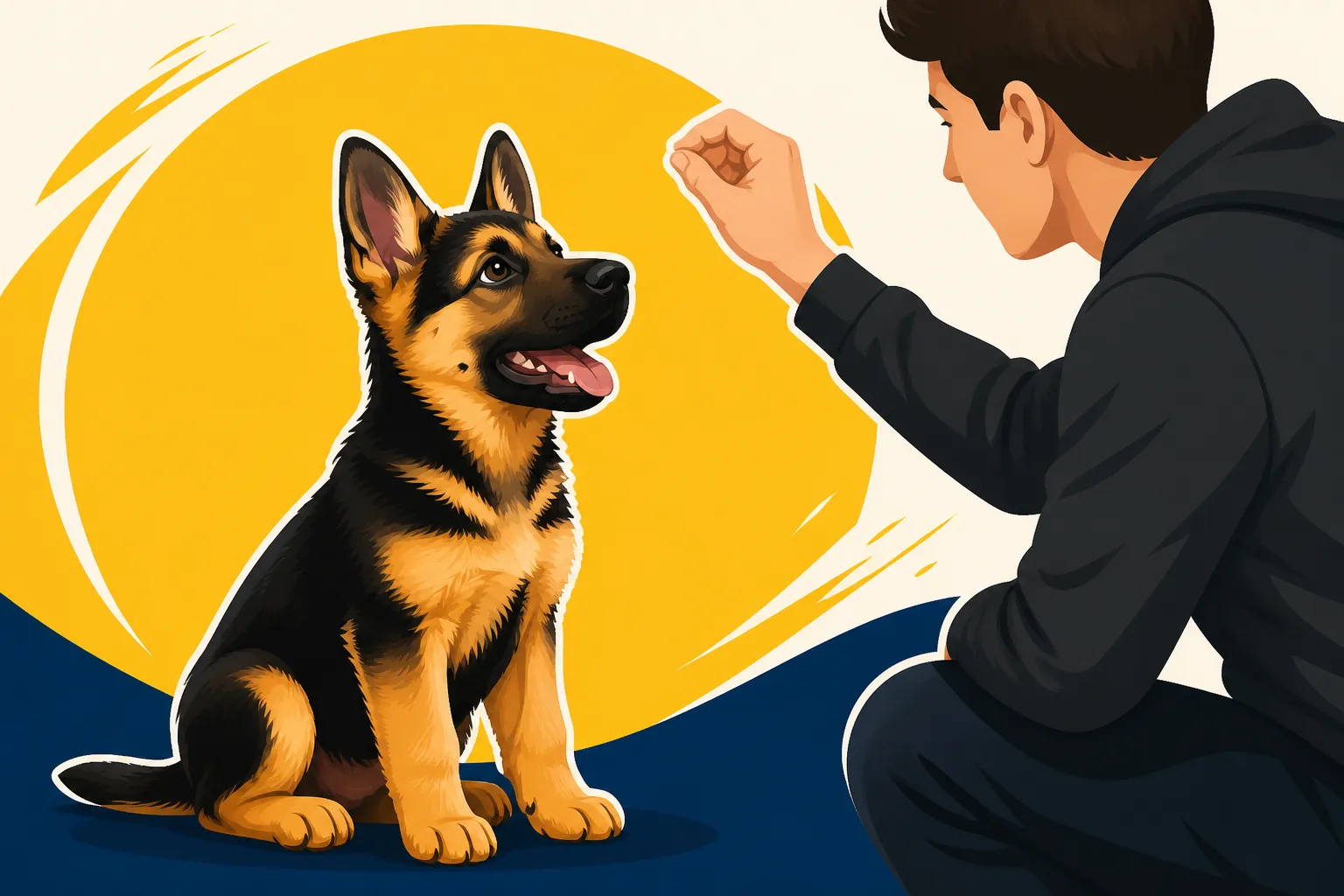
Remember those basic commands like "sit," "stay," "down," and "come"? Your six-month-old might suddenly act like they’ve never heard them before when there’s a squirrel or another dog in sight. Now is the time to proof these commands by gradually introducing higher levels of distraction. Start in a slightly distracting environment, like your backyard with family members moving around, then move to a quiet park, and eventually to busier areas. Use high-value treats and enthusiastic praise for every correct response, even if it’s hesitant. For example, if you're working on "come," practice it in your yard, then move to a fenced dog park during a quieter time, slowly increasing the distractions. Making recall bulletproof at this age is essential for their safety and your peace of mind. Our detailed guide on German Shepherd Recall Training: Step-by-Step offers excellent strategies for this. Utilizing a clicker or a verbal marker word consistently can significantly enhance their understanding and speed up their learning, clearly marking the exact moment they perform the desired behavior.
Refining Leash Manners and Loose-Leash Walking
One of the most common complaints during the German Shepherd "teenage" phase is leash pulling. What started as gentle tugging can escalate into a full-body workout for you. This is because their strength and curiosity are both increasing. Investing in the right equipment can make a world of difference. A front-clip harness, easily found on Amazon, can redirect your dog’s pulling force, making it physically harder for them to pull you forward. Another option might be a head halter, which gives you more control over their head, and thus, their direction.
Beyond equipment, technique is key. The "stop-start" method is incredibly effective: the moment your dog pulls, you stop completely. Only when the leash slackens, even for a second, do you start walking again. This teaches them that pulling gets them nowhere. Consistently rewarding a loose leash with treats and praise helps them associate comfortable walking with positive outcomes. Don't forget to practice short bursts of loose-leash walking in low-distraction environments before tackling busy streets. For more in-depth solutions to this common challenge, refer to our article on How to Stop a German Shepherd Pulling on Leash.
Addressing Common Adolescent Behavior Challenges
Adolescence often brings a resurgence of "puppy problems" and new challenges as your German Shepherd tests their boundaries and matures. These behaviors aren't necessarily malicious, but they do require consistent management and redirection.
Managing Nipping, Chewing, and Destructive Behavior
While much of the intense puppy nipping should have subsided, a 6-month-old German Shepherd might still use their mouth excessively, especially when over-stimulated or bored. This is often accompanied by destructive chewing, turning your furniture or shoes into prime targets. Their adult teeth are fully in, and chewing is a natural, instinctual behavior that helps them explore their world and relieve stress.
The key is to redirect this natural urge to appropriate outlets. Ensure your German Shepherd has a constant supply of durable, engaging chew toys. Brands like Kong offer excellent options that can be stuffed with treats to provide prolonged mental stimulation. Rotation of toys can keep them fresh and interesting. When you catch your pup chewing on something inappropriate, calmly redirect them to an acceptable toy. If they refuse to chew their toy, pick up the forbidden item and try again a few minutes later. Beyond toys, make sure your dog is getting enough physical exercise and mental enrichment. A bored German Shepherd is a destructive German Shepherd. Consider puzzle toys, sniff games, or even short training sessions to tire their brain. If you're still struggling with persistent nipping, our guide on How to Stop German Shepherd Nipping might offer further assistance. Similarly, for chewing woes, you'll find great advice in How to Stop German Shepherd Chewing.
Tackling Reactivity and Over-Excitement
As your German Shepherd matures, their protective instincts might start to emerge, or they might become more reactive to novel stimuli. This could present as barking, lunging, or excessive pulling towards other dogs, strangers, or even squirrels. This isn't necessarily aggression, but often a manifestation of over-excitement, fear, or frustration.
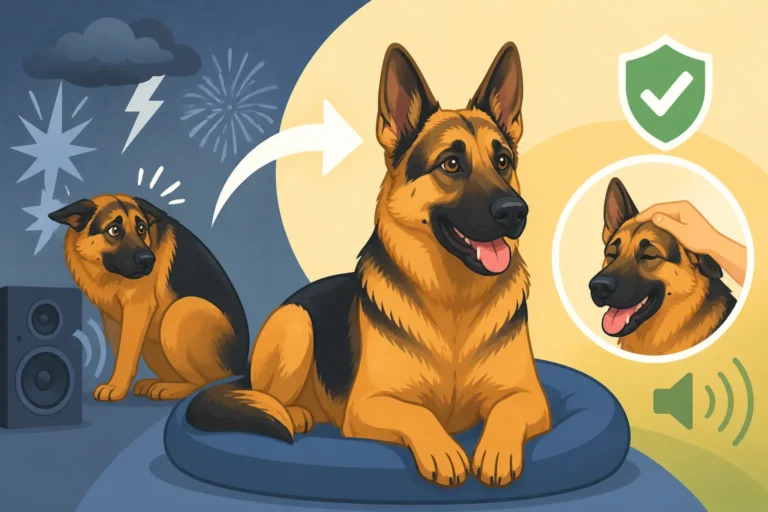
Addressing reactivity requires a calm, consistent approach. One effective method is counter-conditioning and desensitization. This involves changing your dog's emotional response to a trigger. For instance, if your dog reacts to other dogs, start by exposing them to other dogs at a distance where they notice the other dog but don't react strongly. The moment they see the other dog, give them a high-value treat. Repeat this, gradually decreasing the distance over many sessions. The goal is for them to associate the presence of other dogs with something positive (treats), rather than anxiety or over-excitement. Professional trainers, or online resources like BAXTER & Bella, can provide invaluable guidance for managing and mitigating reactivity, offering structured programs and expert advice to tackle these behaviors head-on. If leash reactivity is a major concern, our article on How to Fix German Shepherd Leash Reactivity provides detailed strategies.
Advanced Training and Socialization for a 6-Month-Old
While solidifying basics is crucial, this age is also a fantastic time to introduce more advanced concepts and broaden their social experiences in a controlled manner. Their intelligence is soaring, and they're eager to learn and engage.
Expanding Socialization Horizons Safely
True socialization isn't just about letting your German Shepherd play with every dog they meet at the park. For a 6-month-old, it’s about continued, positive exposure to a wide variety of sights, sounds, people, and environments without overwhelming them. Think about calm trips to pet-friendly hardware stores, sitting on a bench at a bustling outdoor market (at a distance, observing), or brief, supervised interactions with well-behaved, vaccinated dogs. The goal is to build their confidence and resilience, teaching them that the world is a generally safe and interesting place, not a series of threats or reasons for over-excitement. Avoid dog parks during this sensitive period, as negative interactions can have lasting detrimental effects. Instead, arrange playdates with trusted, balanced dogs. This controlled exposure helps them learn appropriate canine social cues without the risk of an aggressive encounter. For a detailed checklist, consider exploring German Shepherd Socialization: Step-by-Step.
Introducing More Complex Cues and Tricks
Your 6-month-old German Shepherd is mentally agile and ready for a challenge! Beyond basic commands, you can start introducing more complex cues that will be invaluable for their safety and your bond. Commands like "leave it" (crucial for preventing them from picking up dangerous items) and "drop it" (for letting go of things they shouldn't have) are paramount. "Place" training, where they learn to go to a specific spot (like their bed or a mat) and stay there until released, is excellent for managing excitement around visitors or during meal times.
Don't underestimate the power of teaching tricks! "Shake a paw," "roll over," or "spin" are not just cute; they build confidence, strengthen your communication, and provide valuable mental stimulation. Puzzle toys, snuffle mats, and scent work games are also fantastic ways to engage their highly intelligent minds. Many online training platforms, such as BAXTER & Bella, offer comprehensive curricula that include these advanced cues and tricks, guiding you through step-by-step instructions and video tutorials. These resources can be a huge asset in keeping your adolescent GSD engaged and learning.
Key Principles for Successful Adolescent German Shepherd Training
Training an adolescent German Shepherd can be incredibly rewarding, but it demands a specific approach rooted in understanding and consistency. There will be good days and bad days, and it's how you navigate the challenging moments that truly shapes your dog's future behavior.
Consistency, Patience, and Positive Reinforcement
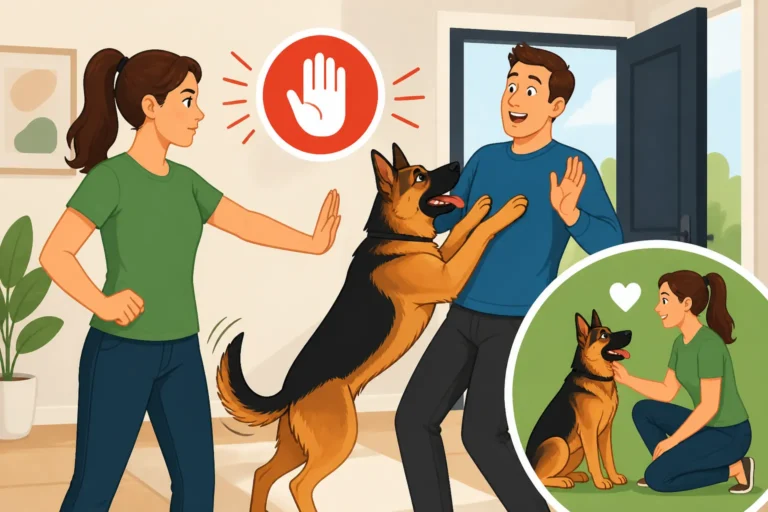
These three pillars are non-negotiable when training a 6-month-old German Shepherd. Consistency means everyone in the household must be on the same page regarding rules, commands, and expectations. If one person allows jumping while another corrects it, your dog will become confused and training will falter. Patience is vital; remember that setbacks are a normal part of adolescence. Your dog isn't trying to annoy you; they're learning and developing. A calm, understanding approach is far more effective than frustration. Finally, positive reinforcement is the most humane and effective way to train a German Shepherd. Rewarding desired behaviors with treats, praise, or toys strengthens the likelihood of those behaviors being repeated. Avoid harsh corrections or punishment, as these can damage your bond, suppress natural behaviors, and even lead to fear-based aggression. Building a positive relationship based on trust and clear communication is the ultimate goal.
Balancing Structure, Exercise, and Mental Stimulation
A well-adjusted 6-month-old German Shepherd thrives on routine and a balanced lifestyle. Structure in their daily life provides a sense of security and predictability. This includes consistent feeding times, potty breaks, and training sessions. A predictable schedule helps manage their energy and reduces anxiety.
Exercise is crucial for this high-energy breed, but it must be appropriate for their age. Remember, their growth plates are still developing, so intense, repetitive impact activities like long-distance running or jumping off high objects should be limited to prevent joint damage. Focus on varied activities like brisk walks, controlled fetch in a soft area, or swimming. About 60-90 minutes of moderate exercise spread throughout the day is generally a good target, but always observe your dog for signs of fatigue.
Equally important is mental stimulation. German Shepherds are incredibly intelligent and need their minds challenged. Daily training sessions, puzzle toys (which you can find readily on Amazon), scent games, and even simply learning new tricks will help tire them out mentally, often more effectively than physical exercise alone. A tired mind is often a well-behaved mind! For more ideas on keeping their minds sharp, explore our guide on Best Mental Stimulation for German Shepherds.
When to Seek Professional Guidance
While much can be accomplished at home, there are times when professional help is not just beneficial, but necessary. If you're experiencing significant challenges such as escalating aggression, severe separation anxiety, uncontrollable reactivity that isn't improving with home efforts, or if you simply feel overwhelmed, don't hesitate to reach out to a certified professional dog trainer or veterinary behaviorist. They can assess your specific situation, identify underlying causes, and provide a tailored training plan.
Many fantastic resources are available. Local dog training clubs offer group classes that are excellent for both training and controlled socialization. For those with busy schedules or limited local options, online dog training platforms like BAXTER & Bella offer virtual coaching, extensive video libraries, and personalized support from certified trainers, allowing you to learn and train at your own pace from the comfort of your home. Early intervention for behavioral issues is always best, so don't wait until problems become deeply ingrained.
Key Training Goals for a 6-Month-Old German Shepherd
Here’s a snapshot of what you should be focusing on with your adolescent German Shepherd.
| Training Category | Specific Goals & Focus Areas | Important Considerations |
|---|---|---|
| Obedience & Manners | Reliable Recall: Come when called, even with distractions. Loose-Leash Walking: Walk politely without pulling. "Sit," "Stay," "Down": Consistent response to these commands in various environments. "Leave It" & "Drop It": Essential for safety and impulse control. |
Practice in diverse, gradually more distracting settings. Use high-value rewards. Maintain short, engaging sessions to prevent boredom. These are crucial skills for an independent adolescent. |
| Behavioral Management | Appropriate Chewing: Redirect to designated chew toys. Reduced Nipping: Continue bite inhibition if still present. Managing Reactivity: Calm responses to other dogs, people, new stimuli. Calm Greetings: No jumping on people. |
Provide ample, appropriate chew toys. Increase mental stimulation. Use positive interrupters and redirection for unwanted behaviors. For reactivity, employ counter-conditioning and desensitization from a safe distance. Be consistent with "four on the floor" for greetings. |
| Socialization | Positive Experiences: Controlled exposure to various people, sounds, sights, and novel environments. Appropriate Canine Interactions: Supervised play with known, well-behaved dogs. |
Focus on quality over quantity. Avoid overwhelming situations like busy dog parks. Ensure experiences are positive and not forced. This is about building confidence, not just tolerating. Continue to reinforce good manners around others. |
| Lifestyle & Well-being | Consistent Routine: Predictable schedule for feeding, potty, exercise, and training. Appropriate Exercise: Balancing physical activity with joint health. Mental Stimulation: Engaging their minds daily with training, puzzles, and scent games. |
Stick to a routine. Ensure exercise is moderate and varied to protect developing joints. Remember that a mentally tired dog is often a well-behaved dog. German Shepherds thrive on having a "job" or purpose, even if it's just a daily training session or a challenging puzzle. |
Disclaimer
The information provided in this article is for general informational purposes only and is not a substitute for professional veterinary advice, diagnosis, or treatment. Always seek the advice of your veterinarian or other qualified animal health provider with any questions you may have regarding a medical condition or training specific to your German Shepherd.