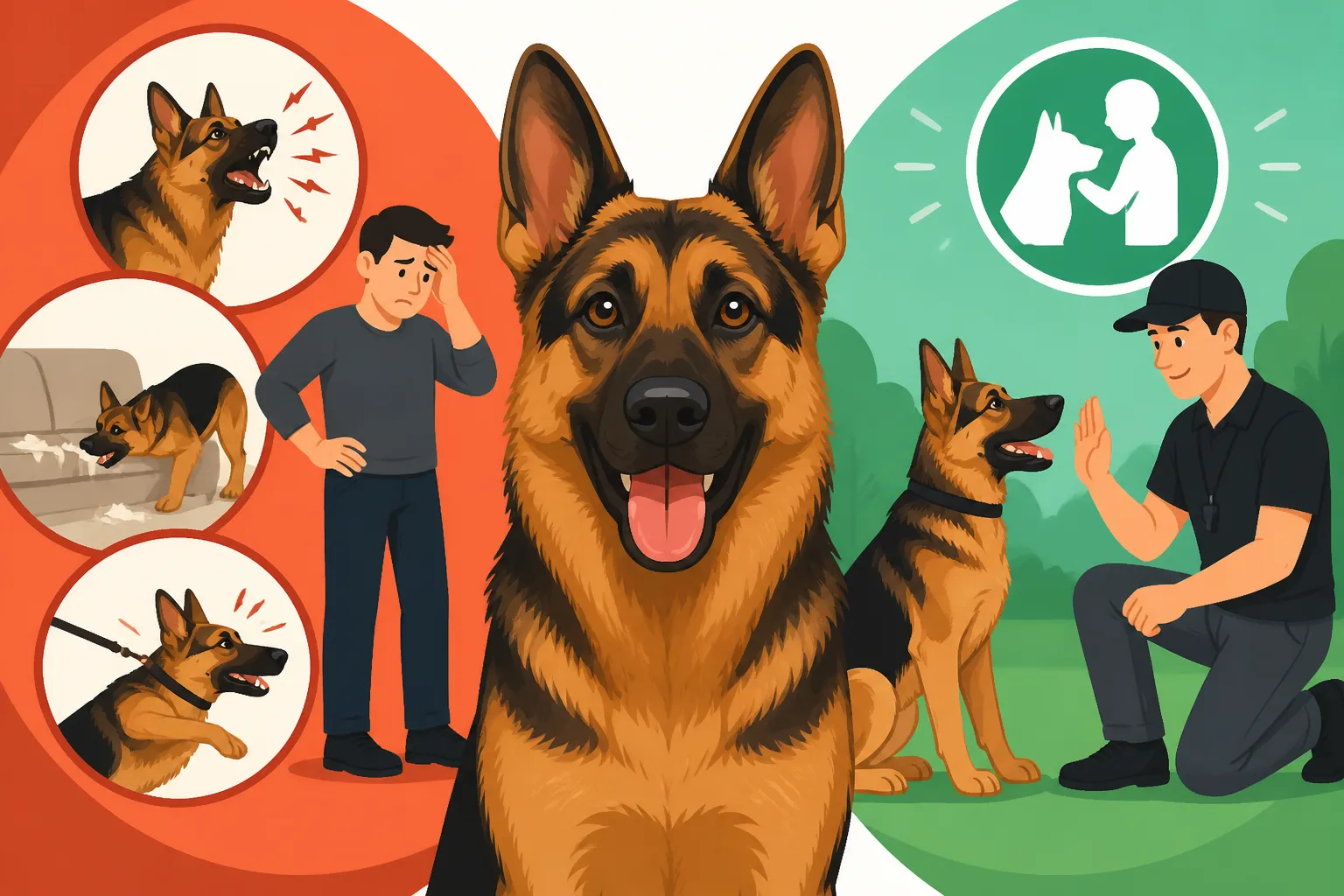
When to Hire a Trainer for a German Shepherd
It’s a truly humbling experience to bring home a German Shepherd puppy, full of dreams of a loyal, well-behaved companion. But let’s be honest, those dreams can quickly turn into a chaotic reality of incessant barking, leash pulling that could dislocate your shoulder, or a dog whose "stay" command lasts about as long as a sneeze. Many of us try our best with online videos and books, only to find ourselves feeling completely overwhelmed and frustrated when our intelligent, yet strong-willed, German Shepherd just isn't getting it. This guide is all about helping you recognize those critical moments when bringing in a professional dog trainer isn't just an option, but a necessary step for both your sanity and your dog's well-being.
Recognizing When Professional Help is Essential
Navigating the world of dog training can feel like a maze, especially with a breed as intelligent and driven as the German Shepherd. You might start with good intentions, following basic commands and socialization, but then hit a wall. It’s important to understand that some challenges aren't just a phase your German Shepherd will "grow out of" – they're red flags signaling that you need to call in the cavalry.
Persistent Behavioral Issues
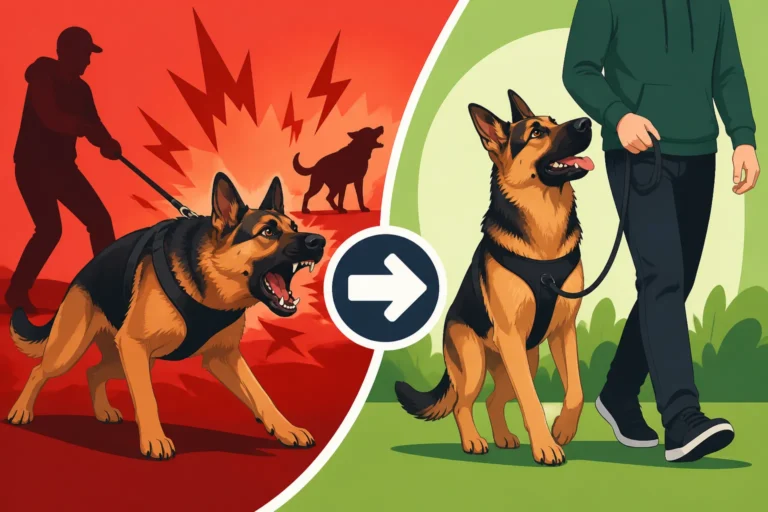
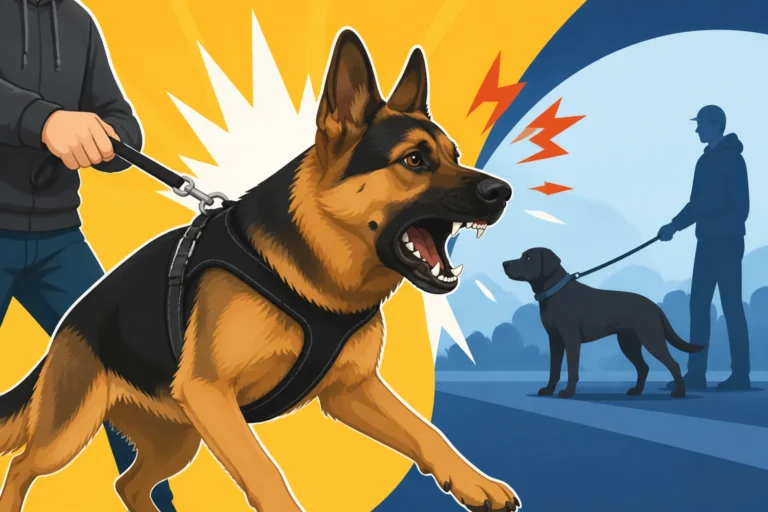
One of the most immediate indicators that professional intervention is needed is when your German Shepherd displays persistent behavioral issues that don't respond to your current efforts. We're not talking about a puppy nipping playfully; we're talking about behaviors that impact daily life and cause stress or fear. For example, if your German Shepherd is showing consistent aggression, whether it’s a snarl when you approach their food bowl (resource guarding), lunging at visitors, or snapping at other dogs during walks, these are serious concerns. It's easy to dismiss a growl as "just being protective," but if left unaddressed, these behaviors can escalate and lead to dangerous situations.
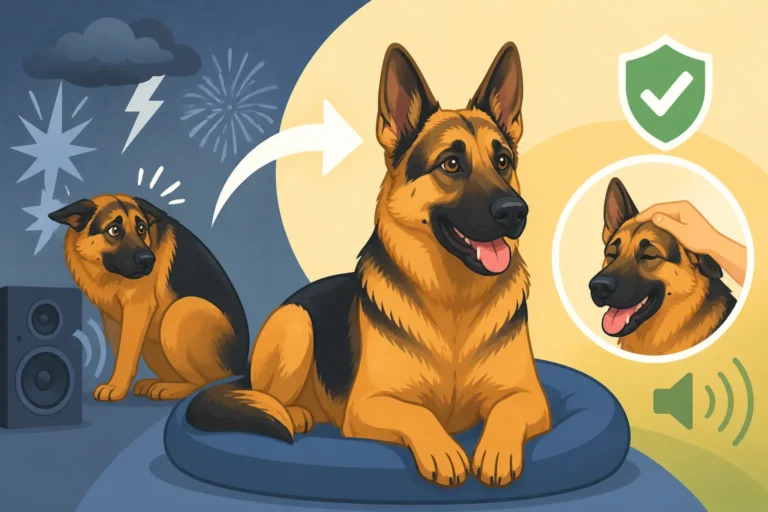
Think about a scenario where your usually calm German Shepherd suddenly starts displaying signs of severe anxiety when left alone, tearing up furniture, vocalizing non-stop, or even having accidents indoors despite being house-trained. This isn't just "being naughty"; this is a dog in distress, potentially suffering from separation anxiety. Trying to manage this without a deep understanding of canine psychology and behavior modification can be incredibly frustrating and often ineffective. A professional can help diagnose the root cause, whether it’s fear, territoriality, or something else entirely, and create a tailored plan to address it safely and effectively.
Safety Concerns for Your Dog or Others
Beyond persistent behavioral problems, any situation that poses a safety risk is an immediate signal to seek professional help. A German Shepherd is a powerful breed, and their actions can have significant consequences. If your dog is pulling so hard on the leash that you feel unsafe walking them, especially in public areas, or if they are reactive and lunging at people, cyclists, or other dogs, this isn't just an inconvenience – it's a liability. Imagine your GSD breaking free from their leash and causing an accident or injuring someone. The guilt and potential legal repercussions are immense.
Consider a German Shepherd with a high prey drive that consistently tries to chase cars, squirrels, or even small children. While some prey drive is natural for the breed, when it becomes uncontrollable and puts your dog or others at risk, it's time for an expert. Similarly, if your dog is an escape artist, finding ways out of your yard or house, they could end up in traffic or get lost. These are not minor quirks; they are urgent safety hazards that require immediate, professional attention to develop proper management strategies and training protocols. A professional can help you learn How to Stop a German Shepherd Pulling on Leash and develop reliable recall.
Feeling Overwhelmed or Lacking Progress
Sometimes, it's less about a specific "bad" behavior and more about your own feelings of helplessness and frustration. You've read the books, watched the videos, and diligently tried various techniques, but your German Shepherd just isn't making the progress you hoped for. Perhaps they mastered "sit" but "stay" is a foreign concept, or they seem to forget everything you taught them the moment a distraction appears. German Shepherds are incredibly smart, but they're also intelligent enough to be stubborn, testing boundaries and sometimes outsmarting their human counterparts.
If you find yourself constantly stressed before walks, dreading visitors, or feeling like you're in a never-ending battle with your dog, it's a clear sign that you need a fresh perspective and expert guidance. This feeling of being overwhelmed can stem from a lack of understanding of canine learning theory, inconsistent training methods, or simply not knowing how to effectively communicate with such a high-drive breed. A trainer can provide clarity, break down complex concepts into manageable steps, and offer practical, hands-on solutions that rejuvenate your confidence and get you back on track with your German Shepherd. They can also provide insight into German Shepherd Behavior Problems and Solutions that you might be missing.
Specific Scenarios Where a Trainer Shines
While some training issues can be tackled with persistence and online resources, certain situations are practically tailor-made for a professional dog trainer. These are the moments when their expertise, experience, and objective eye become invaluable.
Addressing Aggression and Reactivity
Aggression and reactivity are among the most serious behavioral challenges a German Shepherd owner might face, and they are almost always best handled by a professional. These aren't simple "bad manners"; they often stem from complex underlying emotions like fear, anxiety, territorial instincts, or possessiveness. For instance, a German Shepherd exhibiting leash reactivity—barking, lunging, and pulling towards other dogs or people on walks—might be doing so out of fear rather than true aggression. The intensity of these reactions can be terrifying for owners and potentially dangerous for others.
A qualified trainer will first conduct a thorough assessment to understand the specific triggers and the underlying motivation behind the behavior. They won't just tell you to "punish" the dog; instead, they'll work on behavior modification techniques such as desensitization and counter-conditioning. This involves gradually exposing your dog to their triggers in a controlled manner, while simultaneously associating those triggers with positive experiences. For example, a trainer might teach you to give your German Shepherd high-value treats every time another dog appears in the distance, slowly changing their emotional response from fear or frustration to anticipation of a reward. This process is nuanced and requires expert timing and observation, making it a prime example of when to seek professional help for How to Stop German Shepherd Aggression.
Tackling Separation Anxiety and Destructive Behaviors
The heartbreaking reality of separation anxiety is something many German Shepherd owners grapple with. It’s not about a dog being spiteful for being left alone; it's a panic disorder. The signs can range from incessant barking and howling to destructive chewing of furniture, doors, or even walls, and inappropriate urination or defecation, all occurring only when the dog is left unsupervised. This behavior can be incredibly disruptive to your life and agonizing to witness, knowing your loyal companion is suffering so deeply.
While you can certainly try enrichment toys and mental stimulation to help a dog cope, often these are just bandaids without a deeper, structured approach. A professional trainer specializing in separation anxiety will help you implement a detailed plan that gradually acclimates your German Shepherd to being alone. This might involve short, structured departures, teaching your dog to relax in their crate or a specific safe space, and using specialized tools like calming supplements or interactive puzzle toys. Brands like Amazon offer a wide array of durable puzzle toys (e.g., Kongs, Lickimats) that can provide mental stimulation, but the strategy for using them effectively within a separation anxiety protocol comes from the trainer. They can help you break down the process of slowly increasing alone time, monitoring your dog's stress levels, and building their confidence that you will always return. This methodical approach is critical, and a trainer provides the expertise to guide you through it successfully. Check out our guide on German Shepherd Separation Anxiety Solutions for more ideas.
Mastering Advanced Obedience and Specific Skills
Perhaps your German Shepherd has the basics down – "sit," "stay," "come," and "down" are solid. But you're dreaming of more. You want off-leash reliability at the park, the ability to walk calmly through a bustling city, or to delve into dog sports like agility, obedience trials, or even Schutzhund (now IGP). These advanced levels of training require precision, consistency, and a deep understanding of dog behavior and motivation that goes beyond what most casual owners possess.
A professional trainer can elevate your German Shepherd's skills to the next level. They can teach you the subtle nuances of body language, timing, and reinforcement schedules that make the difference between a dog who "mostly" listens and one who responds reliably under high distraction. If you're considering competitive dog sports, a specialized trainer in that field is indispensable. They understand the rules, the exercises, and how to build the drive and focus required for success. For owners who prefer a structured, online-supported approach that can be complemented by in-person sessions, platforms like BAXTER & Bella offer comprehensive training programs, giving you a framework for advanced learning before you even step into a competition ring or hire a local specialist. They can help you achieve that seamless communication and control you've always envisioned, unlocking your German Shepherd's full potential in a way that self-training might not.
What to Look For in a German Shepherd Trainer
Deciding to hire a trainer is a big step, but the next crucial decision is choosing the right one. Not all trainers are created equal, and with a powerful, intelligent breed like a German Shepherd, finding someone truly qualified and aligned with your values is paramount.
Experience and Qualifications
When you're entrusting someone with your German Shepherd's behavior and well-being, their credentials matter. Look for trainers who are certified by reputable organizations. Certifications like CPDT-KA (Certified Professional Dog Trainer – Knowledge Assessed), KPA CTP (Karen Pryor Academy Certified Training Partner), or VSPDT (Victoria Stilwell Positively Dog Training) indicate a commitment to ethical, science-based training methods. These aren't just fancy acronyms; they mean the trainer has undergone rigorous education and testing to demonstrate their knowledge and skills.
Beyond general certifications, seek out trainers with specific experience working with German Shepherds or similar large, high-drive breeds. A trainer who understands the German Shepherd temperament, their protective instincts, intelligence, and potential challenges (like a strong prey drive or guarding tendencies) will be far more effective than someone whose primary experience is with smaller, less demanding breeds. Don't hesitate to ask about their experience, their success stories, and even for references. A good trainer will be transparent and proud to share their qualifications and past client experiences. This is especially important for understanding topics like How to Train an Adult German Shepherd or how to deal with specific behavioral nuances.
Training Methods and Philosophy
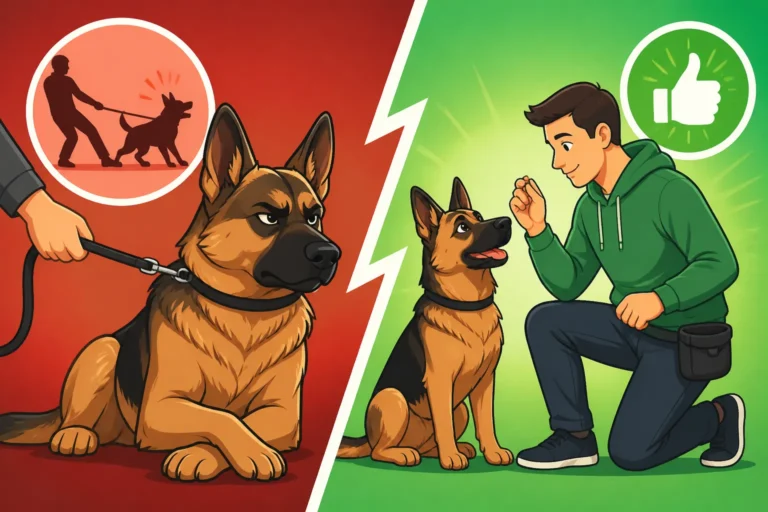
This is arguably the most critical aspect of choosing a trainer. The philosophy behind their training methods will profoundly impact your German Shepherd's emotional well-being and your relationship with them. Always prioritize trainers who use positive reinforcement, force-free, and reward-based methods. This means they focus on teaching desired behaviors by rewarding good choices, rather than punishing mistakes. They might use treats, praise, toys, or even life rewards (like access to a favorite activity) to motivate your dog.
Be wary of trainers who advocate for aversive methods, such as choke chains, prong collars used for corrections, shock collars, alpha rolls, or harsh verbal/physical reprimands. While these methods might suppress a behavior in the short term, they can cause fear, anxiety, aggression, and damage the bond of trust between you and your dog. German Shepherds are sensitive, and these harsh techniques can easily backfire, leading to a shutdown dog or exacerbating existing behavioral issues. A truly skilled trainer understands that changing a dog's behavior is about teaching, building confidence, and understanding their motivations, not about instilling fear. For example, if you're trying to figure out How to Introduce a German Shepherd to Other Dogs, a positive reinforcement trainer will guide you through gentle, controlled introductions, not forced interactions.
Practical Considerations and Support
Once you’ve identified trainers with the right qualifications and philosophy, it's time to consider the practicalities. Think about what kind of training environment suits your needs best. Do you prefer one-on-one private sessions, which offer tailored attention and can be ideal for specific behavioral issues? Or would group classes be beneficial for socialization and learning around distractions, particularly for a well-socialized puppy?
| Training Need | Recommended Approach | Benefits | Potential Drawbacks |
|---|---|---|---|
| Severe Aggression | Private, In-Home Trainer | Tailored plan, controlled environment, behavior modification focus | Higher cost, less external distraction exposure initially |
| Separation Anxiety | Private, Virtual/In-Home | Focus on specific triggers, real-time feedback during absences | Requires owner consistency, may be slow progress |
| Leash Reactivity | Private Sessions, Group Classes (controlled) | Specific skill building, controlled exposure to triggers | Not all group classes suitable for reactive dogs |
| Basic Obedience | Group Classes, Private Sessions | Socialization, foundational skills, cost-effective | Less individualized attention, more distractions |
| Advanced Obedience | Private Sessions, Specialized Classes | Precision, high-level skill acquisition, sport-specific | Can be time-intensive and require significant practice |
| Puppy Socialization | Puppy Classes, Day Training | Critical early exposure, behavior shaping | Must choose classes with safe, supervised play |
Consider the cost involved, as professional training can be a significant investment, but it's often far less expensive than dealing with the fallout of untreated behavioral problems. Finally, look for a trainer who offers ongoing support. Good trainers understand that behavior change is a process, not a one-time fix. They should be available for follow-up questions, offer resources, and empower you to continue the training long after their sessions conclude. After all, the goal isn't just to train your dog, but to teach you how to be an effective and confident handler for your amazing German Shepherd.
Disclaimer
The information provided in this article is for general informational purposes only and is not a substitute for professional veterinary or behavioral advice. Always consult with a qualified veterinarian or certified professional dog trainer for any health or behavior concerns regarding your German Shepherd.