How to Desensitize a German Shepherd to Noise
Living with a German Shepherd who is terrified of everyday noises can be incredibly frustrating and heartbreaking. From the sudden slam of a door to the rumble of thunder, or even the whir of a vacuum cleaner, these sounds can transform your brave, confident companion into a quivering, panting wreck. This guide is here to help you understand why your German Shepherd reacts this way and, more importantly, to walk you through a detailed, step-by-step process to desensitize them to noise, helping them build confidence and find peace.
Understanding Why German Shepherds Fear Noises
It's easy to feel helpless when your German Shepherd is panicking, and sometimes it's tempting to think they're "just being dramatic." But the truth is, their fear is very real, and it stems from a combination of their inherent traits and their life experiences. Understanding these roots is the first step toward effective intervention.
Natural Instincts and High Sensitivity
German Shepherds are, by design, incredibly alert and observant animals. They were originally bred for herding and protection, roles that required them to be highly attuned to their surroundings and react quickly to potential threats. This means they possess an acute sense of hearing that often far surpasses our own. What sounds like a faint pop to us might register as a deafening explosion to them.
Think about it: their ancestors, and even working lines today, needed to detect the slightest rustle in the bushes or a distant bark to protect their flock or handler. This hyper-awareness, while a valuable trait for their intended purpose, can become a significant disadvantage in a modern world filled with sudden, unpredictable, and often harmless noises. A distant siren wailing down the street might feel like it's right in their ear, triggering an intense, primal fight-or-flight response. Their protective nature also means they might perceive loud, unfamiliar sounds as threats to their home or family, leading to barking, hiding, or pacing.
Past Negative Experiences and Trauma
Just like humans, dogs can develop phobias or anxieties based on past traumatic experiences. A single, intensely negative encounter with a loud noise can etch a lasting fear into their memory. Imagine a young German Shepherd puppy, perhaps not yet fully socialized, experiencing their first fireworks display. The sudden, booming noises, flashing lights, and vibrations can be overwhelmingly terrifying, creating an immediate and profound association of loud sounds with extreme danger.
This isn't limited to dramatic events like thunderstorms or fireworks. A dropped pot in the kitchen, a car backfiring, or even an accidental kick of a metal bowl can, in some sensitive dogs, create a negative association. If your German Shepherd was a rescue, especially one with an unknown history, they might have endured previous environments where loud noises were consistently paired with neglect, abuse, or other frightening situations. This makes their fear a deeply ingrained survival mechanism, not a willful disobedience. Addressing these underlying fears requires immense patience and a gentle approach, recognizing that their past shapes their present reactions.
Lack of Early Socialization to Sounds
One of the biggest factors contributing to noise sensitivity in German Shepherds is insufficient exposure to various sounds during their critical socialization period. This window, roughly from 3 to 16 weeks of age, is when puppies are most open to new experiences and learning what is "normal" and safe in their world. If a German Shepherd puppy isn't gradually introduced to a wide range of common household and environmental noises during this time, they are much more likely to develop fear-based reactions later in life.
A well-socialized puppy, for instance, would be exposed to the sound of a vacuum cleaner, the doorbell, children playing, traffic, and even distant construction noise in a controlled, positive way. This teaches them that these sounds are part of everyday life and are not to be feared. However, if a puppy grows up in a very quiet environment or is sheltered from typical daily sounds, these novel noises can be perceived as threats when they encounter them as adults. This often leads to issues like German Shepherd Separation Anxiety Solutions or general reactivity. Early and proper socialization, as discussed in our German Shepherd Puppy Training Guide and detailed in resources like How to Socialize a German Shepherd Puppy Safely, is absolutely crucial for building a resilient, confident dog capable of navigating the noisy world around them without undue stress.
The Core Principles of Noise Desensitization and Counter-Conditioning
When tackling noise phobias, we don't just want to stop the outward reaction; we want to change how your German Shepherd feels about the noise internally. This is where the powerful combination of desensitization and counter-conditioning comes in. These aren't quick fixes but rather systematic, patient approaches that yield lasting results.
What is Desensitization?
Desensitization is all about gradual exposure. The idea is to expose your German Shepherd to the feared noise at such a low intensity that it doesn't trigger their fear response at all. You start below their threshold of fear and slowly, over many sessions and days or even weeks, increase the volume or intensity. It's like someone with a fear of heights starting by standing on a step stool, then a ladder, then a low balcony, and eventually a tall building – never jumping straight to the terrifying experience.
The key is to always keep your dog calm and relaxed during these exposures. If your German Shepherd shows any signs of fear – even subtle ones like tensing up, wide eyes, or a slight shift in body language – you've gone too far, too fast. You must immediately reduce the intensity of the noise (turn the volume down, move further away) until they are completely comfortable again. This process requires incredible patience and attention to your dog's subtle cues. We want them to barely register the sound, or at least not feel threatened by it.
What is Counter-Conditioning?
While desensitization changes your German Shepherd's reaction to a noise, counter-conditioning changes their emotional response to it. This technique involves pairing the previously feared stimulus (the noise) with something incredibly positive and rewarding. The goal is to create a new, positive association, transforming the scary noise into a predictor of good things.
For German Shepherds, this usually means high-value treats – think cooked chicken, cheese, or hot dogs – something they absolutely adore and don't get often. Whenever the low-level trigger sound is present, immediately give them a high-value treat. As soon as the sound stops, the treats stop. This teaches them: "Oh, that vacuum cleaner sound? That means delicious chicken is coming!" Over time, their brain literally rewires, changing the emotional valence of the sound from "danger" to "reward." This is a foundational element of effective German Shepherd Obedience Training Basics, where positive reinforcement is used to build strong, desired behaviors and associations.
Creating a Safe Space for Your German Shepherd
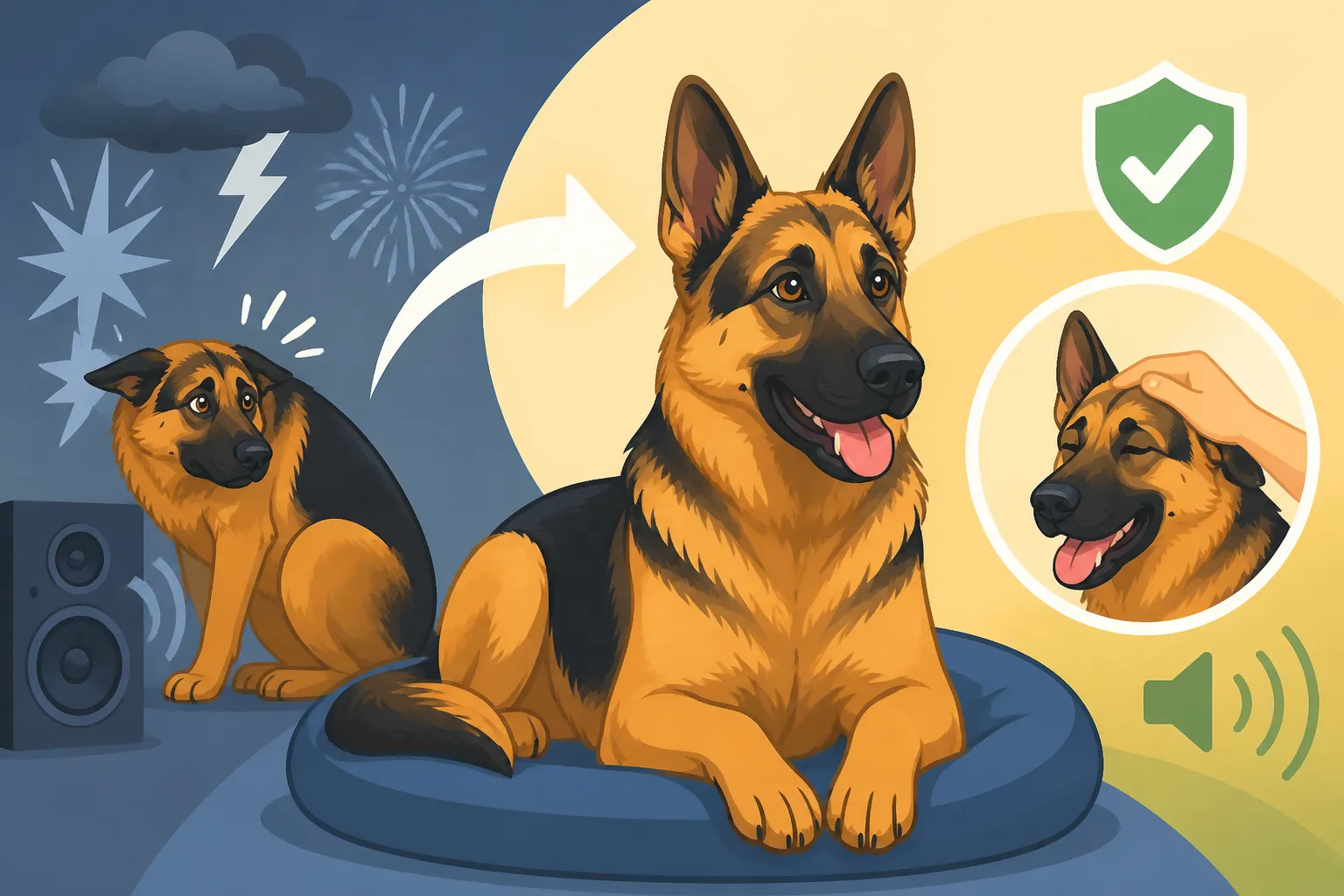
A crucial part of helping a noise-sensitive German Shepherd is ensuring they have a designated "safe space" where they can retreat and feel secure. This isn't about hiding from the problem forever, but providing a sanctuary for when real, unavoidable loud noises occur, or when they simply need a break.
This safe space might be a cozy crate covered with a blanket, a quiet room away from windows, a spot under a desk, or even a walk-in closet. The important thing is that they choose to go there and that it's always available and associated with positive, calm experiences. You can make it extra inviting with their favorite bed, a special toy, or a long-lasting chew. Many owners find success using calming diffusers, like Adaptil, or playing white noise/classical music softly in this area to help mask external sounds. For some dogs, a snug-fitting garment like a Thundershirt can provide a sense of security, much like swaddling a baby. Building a positive association with their crate, as outlined in our German Shepherd Crate Training: Step-by-Step guide, can make it an invaluable safe haven during stressful times.
A Step-by-Step Guide to Desensitizing Your German Shepherd to Common Noises
Desensitizing your German Shepherd is a journey, not a sprint. It requires consistency, observation, and immense patience. But with dedication, you can significantly improve your dog's quality of life.
Identifying Trigger Sounds and Their Intensity
The first crucial step is to pinpoint exactly which noises trigger your German Shepherd and how intensely they react to each. This isn't just about knowing they hate fireworks; it's about understanding the full spectrum of their fears, from mild anxiety to full-blown panic. Start by listing every sound you can think of that elicits a negative response.
Common triggers include:
- Environmental: Thunderstorms, fireworks, construction noise, car alarms, garbage trucks, sirens, distant gunshots.
- Household: Vacuum cleaners, blenders, doorbells, telephones, dropping objects (pots, keys), washing machines, loud TV.
- People/Animals: Yelling, screaming children, other barking dogs, sudden laughter.
Once you have your list, rank them from least fear-inducing to most fear-inducing. A gentle sigh from a family member might be a 1 on your scale, while a massive thunderstorm could be a 10. This creates your "fear hierarchy," which will guide your desensitization efforts. Starting with less intense fears allows your German Shepherd to build confidence before tackling their bigger anxieties. Keep a journal to note reactions – even subtle ones like lip-licking, yawning, or averting gaze can signal discomfort. This diligent observation is key to preventing accidental overexposure and setbacks, which can make addressing issues like German Shepherd Fear Aggression Explained even harder.
Here's an example of a Noise Trigger Severity Scale:
| Noise Trigger | Severity Level (1-10) | Observable Reactions (at current intensity) |
|---|---|---|
| Distant car horn | 2 | Slight ear flick, mild curiosity |
| Neighbor's loud music (muffled) | 4 | Becomes alert, looks towards source, might pace slightly |
| Doorbell (normal volume) | 6 | Jumps, barks, paces, may seek owner, mild panting |
| Vacuum cleaner | 7 | Retreats to another room, moderate panting, tucked tail |
| Thunder (distant rumble) | 8 | Moderate shaking, heavy panting, clingy, attempts to hide |
| Fireworks (nearby) | 10 | Extreme shaking, frantic pacing, destructive chewing, excessive drooling, loss of bladder control |
Gradual Exposure Using Sound Recordings
This is where the real work of desensitization begins. For many noise phobias, especially those that are unpredictable like thunder or fireworks, sound recordings are your best friend. You have complete control over the volume and duration, allowing for truly gradual exposure.
- Source the Sounds: Find high-quality recordings of your German Shepherd's specific triggers. YouTube is an excellent resource for "dog desensitization sounds" or specific noises like "thunderstorm sound effects." You can also find specialized CDs or apps. You might even consider a dedicated sound machine, easily purchased from retailers like Amazon, for consistent, clear audio.
- Start Extremely Low: Begin playing the recording at a volume so low that you can barely hear it, and your German Shepherd shows absolutely no reaction. Seriously, if you think it's too low, go even lower. The goal is no fear, no stress.
- Pair with Positives: As soon as the sound starts, immediately offer a stream of high-value treats or engage in a favorite, calm game. This is your counter-conditioning in action. The moment the sound stops, the treats stop. This creates that powerful association: "sound = good things."
- Short Sessions: Keep initial sessions very short, perhaps 2-5 minutes. You want to end before any signs of stress appear. Do several short sessions a day rather than one long one.
- Observe Closely: Watch your German Shepherd's body language like a hawk. Look for subtle cues: tense muscles, ears flattened, wide eyes, lip-licking, yawning (often a stress signal), tail tucked, or refusing treats. If you see any of these, the volume is too high. Stop immediately, give them a break, and restart at an even lower volume next time.
- Gradually Increase Volume: Only when your German Shepherd is consistently relaxed and happy at a given volume for several sessions should you slightly increase the volume. We're talking tiny increments. This might take days or even weeks to move from barely audible to a moderate level. Never rush this process. This step-by-step method builds confidence and helps them realize that the noise no longer predicts anything bad.
Real-World Exposure and Positive Reinforcement
Once your German Shepherd is tolerating recordings of specific noises at more realistic volumes, you can begin to transition to real-world exposure, always maintaining control and positive associations. This takes careful planning and sometimes the help of a friend.
For example, if your German Shepherd fears the doorbell:
- Controlled Ringing: Have a family member or friend stand outside and give a very soft, barely audible ring or tap on the door. Immediately reward your German Shepherd with high-value treats and praise for remaining calm. Gradually increase the volume of the ring over many, many sessions, always rewarding calmness.
- The Approach: Once they tolerate the ringing, start adding the sound of footsteps approaching the door before the soft ring, again rewarding calm.
- Opening the Door: Eventually, you can incorporate the sound of the door handle turning and the door opening, always with controlled, positive experiences.
For other everyday noises like the vacuum cleaner:
- Stationary Vacuum: Start by having the vacuum in the room, turned off. Reward your German Shepherd for calm curiosity.
- Brief On/Off: Then, turn it on for just a second or two in another room, far away, while rewarding your dog. Turn it off. Repeat.
- Gradual Proximity and Duration: Slowly, over time, decrease the distance and increase the duration the vacuum is on, always ensuring your dog remains below their fear threshold and is being continually counter-conditioned with treats.
Remember, the moment your German Shepherd shows any sign of stress, you've pushed too far. Retreat to an easier step, provide comfort without coddling (as coddling can inadvertently reinforce fear), and continue the session later when they are calm. Consistency and patience are paramount. Programs like BAXTER & Bella offer structured online guidance that can be incredibly helpful for navigating these real-world training scenarios.
Managing Unexpected Loud Noises
Despite your best efforts, unexpected loud noises will happen. A sudden clap of thunder, an unexpected firework, or a dropped object can still trigger a fearful response. Your reaction in these moments is critical.
- Remain Calm Yourself: Your German Shepherd looks to you for cues. If you panic, they will too. Project calm, confident energy.
- Guide to Safe Space: Gently guide them to their designated safe space. Don't force them, but encourage them with a calm voice. This is why building a positive association with this space beforehand is so important.
- Distraction and Comfort: Once in their safe space, offer comforting measures. This might be a favorite blanket, a long-lasting chew, or a puzzle toy to redirect their attention. You can also play calming music or white noise. Avoid overly coddling or pitying them, as this can inadvertently reinforce their fear by communicating that there is something to be afraid of. Instead, be a calm, reassuring presence.
- Do Not Punish: Never, ever punish your German Shepherd for fear-based behaviors. This will only increase their anxiety and erode their trust in you. Their fear is an involuntary emotional response.
- When to Seek Professional Help: If your German Shepherd's noise phobia is severe, causing self-injury, extreme destruction, or is resistant to your training efforts, it's time to consult a professional. A certified professional dog trainer specializing in behavior, or a veterinary behaviorist, can provide tailored strategies, sometimes including prescription medication to help manage anxiety while you continue desensitization. They can assess if other underlying issues are contributing to their fear, such as those related to German Shepherd Behavior Problems and Solutions.
Tools, Resources, and Ongoing Support
Desensitizing your German Shepherd to noise is an ongoing process, and having the right tools and support system can make all the difference. Remember, you're not alone in this journey.
Calming Aids and Environmental Enrichment
Beyond direct training, several aids can help manage your German Shepherd's anxiety and create a more comfortable environment for them:
- Calming Diffusers and Sprays: Products like Adaptil utilize synthetic dog-appeasing pheromones, which can have a calming effect on some dogs. These come as plug-in diffusers, collars, or sprays that can be used in their safe space or carrier.
- Thundershirts and Anxiety Wraps: These snug-fitting garments apply gentle, constant pressure, similar to swaddling a baby. Many dogs find this comforting and it can reduce anxiety during stormy weather or other stressful events. While not a cure, they can be a helpful management tool.
- White Noise Machines or Classical Music: Playing soft classical music or a white noise machine can help mask unsettling outdoor noises, creating a more peaceful auditory environment.
- Puzzle Toys and Chews: Engaging your German Shepherd's mind and providing a constructive outlet for their energy can reduce overall anxiety. Long-lasting chews (like bully sticks or dental chews) or interactive puzzle toys can keep them occupied and distracted during mildly stressful times, channeling their focus away from the noise. Our guide to Best Puzzle Toys for German Shepherds offers some excellent suggestions.
- Supplements: Certain over-the-counter supplements, such as those containing L-theanine, tryptophan, or CBD, are marketed for calming effects. Always consult your veterinarian before starting any supplement regimen, as not all are safe or effective for every dog.
Professional Guidance and Training Programs
Sometimes, despite your best efforts, a German Shepherd's noise phobia is too severe or complex to manage alone. That's when professional help becomes invaluable.
- Certified Professional Dog Trainers (CPDT-KA/KPA-CTP): Seek out trainers who specialize in fear and anxiety and use positive reinforcement methods. They can offer personalized behavior modification plans, help you identify subtle stress signals, and guide you through the desensitization and counter-conditioning process. Many offer online consultations, making their expertise accessible.
- Veterinary Behaviorists (DACVB): These are veterinarians who have specialized training in animal behavior. They can diagnose underlying medical conditions that might be contributing to anxiety and, if appropriate, prescribe anti-anxiety medications. Medication isn't a standalone solution but can be a powerful tool to lower your German Shepherd's anxiety threshold, making them more receptive to behavior modification training. They understand the intricacies of canine psychology and can provide a holistic approach to managing severe phobias, including insights into why dogs develop issues like Why Does My German Shepherd Have Separation Anxiety Issues.
- Online Training Resources: Reputable online platforms, such as BAXTER & Bella provide comprehensive courses and communities that can support owners through various training challenges, including noise desensitization. While not a substitute for one-on-one professional help for severe cases, they can offer structured guidance and a wealth of information. Learning how to properly How to Train a German Shepherd in a positive way is always beneficial.
Maintaining a Confident and Secure Environment
Beyond specific desensitization techniques, your German Shepherd's overall well-being plays a huge role in their ability to cope with noise. A dog that is well-exercised, mentally stimulated, and feels secure in their home environment is inherently more resilient.
- Consistent Routine: Dogs thrive on predictability. A consistent daily schedule for feeding, walks, playtime, and training helps create a sense of security and reduces overall stress.
- Adequate Exercise: German Shepherds are high-energy dogs. Proper physical exercise is vital not just for their physical health but also for their mental state. A tired dog is often a calmer dog. Ensure your GSD gets appropriate outlets for their energy, as detailed in our German Shepherd Exercise Requirements guide.
- Mental Stimulation: Beyond physical exercise, German Shepherds need to use their brains. Puzzle toys, training sessions, scent work, and learning new tricks provide valuable mental stimulation, which can help tire them out and reduce anxiety. Explore options like those found in Best Mental Stimulation for German Shepherds.
- Your Calm Demeanor: Your German Shepherd is highly attuned to your emotions. If you are anxious or stressed during a noisy event, they will pick up on it. Strive to remain calm, confident, and reassuring. Be your dog's rock.
- Continued Positive Experiences: Continue to expose your German Shepherd to a variety of safe, positive experiences regularly. This reinforces their overall confidence and helps them generalize that the world isn't always a scary place.
The journey of desensitizing your German Shepherd to noise can be a long one, filled with small victories and occasional setbacks. But with patience, consistency, and the right strategies, you can significantly reduce their fear and help them live a happier, more peaceful life.
Disclaimer
The information provided in this guide is for general informational purposes only and does not constitute professional veterinary advice. Always consult with a qualified veterinarian or certified professional dog trainer before making any decisions about your German Shepherd's health, diet, exercise, or training regimen, especially concerning behavioral issues or the use of supplements and medications.