How to Fix German Shepherd Leash Reactivity
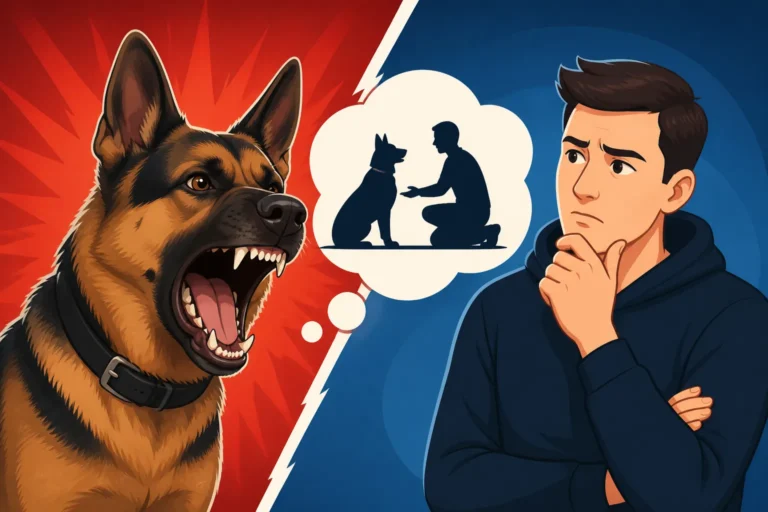
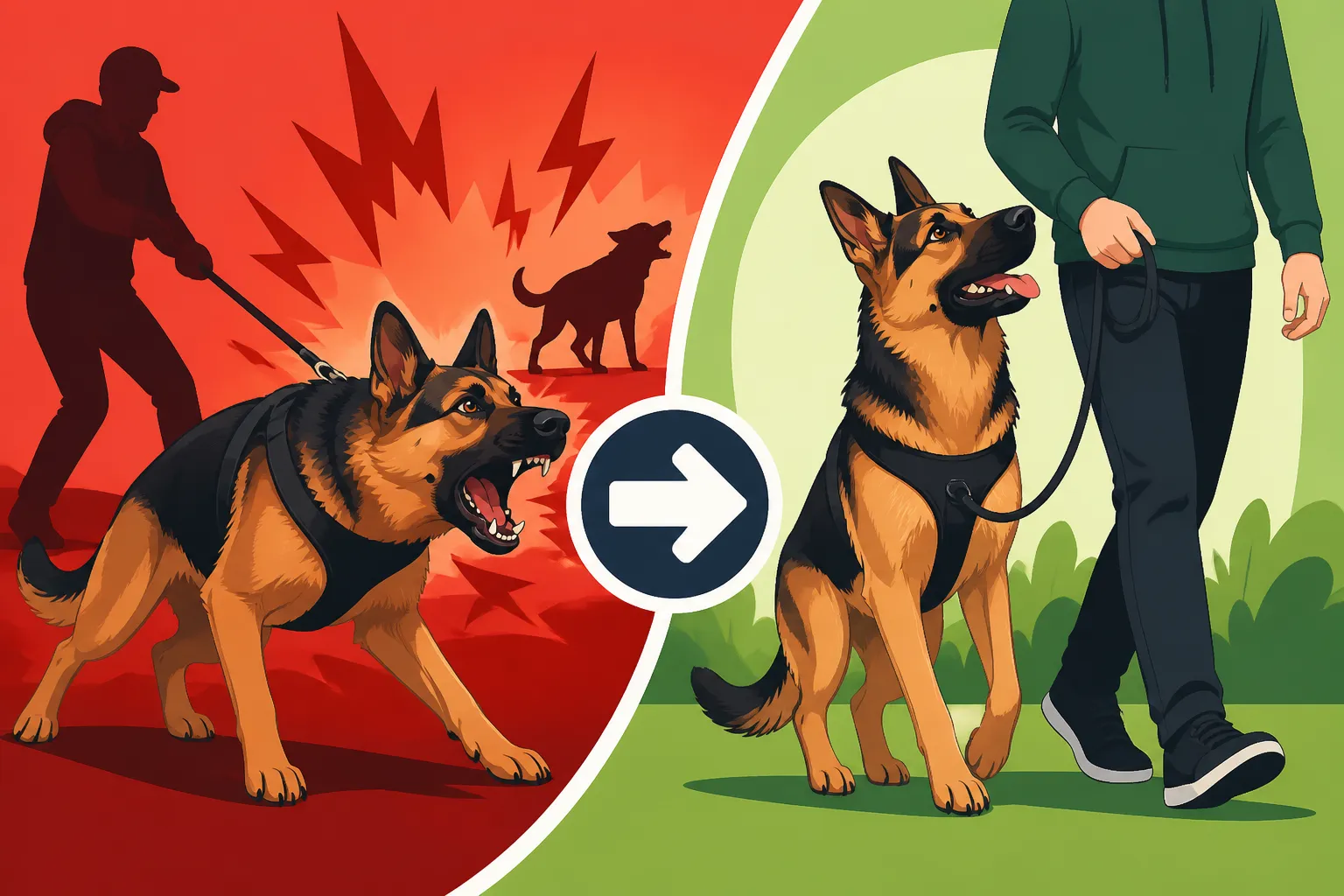
It's incredibly frustrating, and let's be honest, often embarrassing, when your strong, intelligent German Shepherd transforms into a barking, lunging, and sometimes even growling mess the moment they see another dog, person, or squirrel on a walk. You want to enjoy peaceful strolls with your companion, not feel like you're wrestling an alligator. This comprehensive guide will walk you through understanding why your German Shepherd might be leash reactive and provide actionable, step-by-step strategies to help you both overcome this challenging behavior and reclaim the joy of walks.
Understanding German Shepherd Leash Reactivity
Before we can even begin to "fix" anything, it's crucial to understand what leash reactivity truly is and what drives it in our beloved German Shepherds. This isn't just about your dog being "bad" or "dominant"; it's a complex behavior often rooted in emotion and environment.
What Leash Reactivity Truly Is
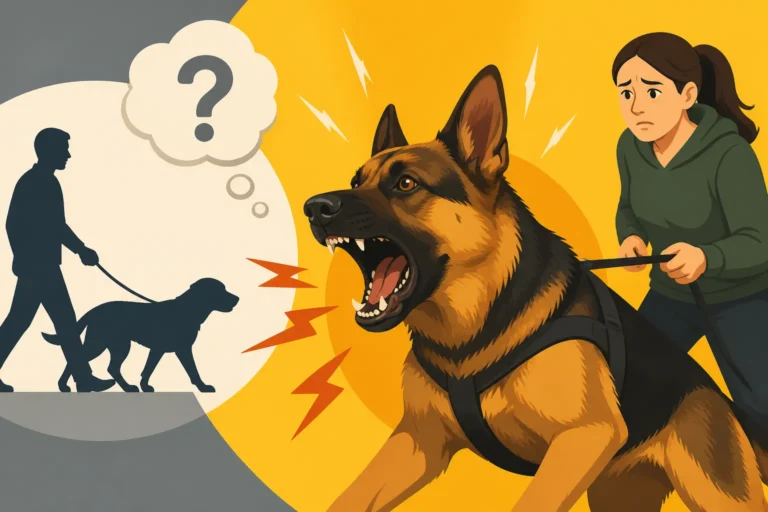
Leash reactivity is, at its heart, an overreaction to a stimulus when your dog is on a leash. It often manifests as barking, lunging, growling, pulling, or even frantic whining directed at other dogs, people, cars, or sometimes even inanimate objects like strollers or trash cans. The key here is "on a leash." Many reactive dogs are perfectly fine, or at least less reactive, when off-leash in a controlled environment. Why the difference?
When your German Shepherd is leashed, they feel restricted and unable to perform their natural flight or fight responses effectively. Imagine yourself tied to a chair while something you perceive as a threat (or just incredibly exciting) approaches. You can't run away, you can't properly investigate or greet, and your options are severely limited. This can lead to frustration, fear, or over-arousal that boils over into reactive displays. It's often misunderstood as aggression, but more often, it's a form of barrier frustration or anxiety. Your dog might be trying to create distance because they're scared, or they might be incredibly excited but unable to get to what they want, leading to a frustrated outburst. Understanding the root cause is the first step toward effective training.
Common Triggers for Reactive German Shepherds
German Shepherds, with their keen senses and protective instincts, can be particularly sensitive to a wide array of triggers. Identifying these specific triggers is paramount to managing and ultimately addressing the reactivity. It's not always just "other dogs." For some, it might be men in hats, children on bikes, or even specific breeds of dogs.
- Other Dogs: This is arguably the most common trigger. It could be a specific size, breed, or even just another dog's demeanor. Some German Shepherds react to calm dogs, others to high-energy dogs.
- People: Strangers, especially those who approach too quickly, make direct eye contact, or wear unusual clothing (like large hats or backpacks), can trigger a reactive response. For a breed often bred for protection, unfamiliar people can sometimes be perceived as a threat.
- Moving Objects: Cyclists, joggers, skateboards, cars, or even strollers can be incredibly exciting or startling for a German Shepherd, leading to chase drive or a fear response.
- Sounds: Loud noises, sudden bangs, construction sounds, or even specific voices can put your dog on edge and make them more prone to reacting to visual triggers.
- Territorial Instincts: While on a walk, your German Shepherd might perceive the area as an extension of their "territory," leading to reactive displays toward perceived intruders. This is especially true for dogs who are naturally more protective.
Keep a detailed log of when, where, and what specifically triggers your dog. Note the distance at which they react, the intensity of the reaction, and any preceding events. This information is invaluable for tailored training.
Why German Shepherds Are Prone to Reactivity
German Shepherds are incredible dogs, known for their intelligence, loyalty, and protective instincts. However, these very traits can sometimes contribute to reactivity if not properly managed and channeled. You see, these dogs were bred to be alert, to guard, and to work closely with their handlers.
- Protective Nature: German Shepherds have a strong protective drive. When on a leash, they might feel responsible for your safety, or their own, and react defensively to perceived threats. This is especially true if they feel like they can't assess the situation properly or if they've had a negative experience in the past.
- High Intelligence and Sensitivity: Their sharp minds mean they observe everything. They pick up on subtle cues from the environment and from you. If you're tense on the leash because you anticipate a reaction, your German Shepherd will notice that tension and become more anxious or reactive themselves. They are also incredibly sensitive, and past negative experiences can leave a lasting impression.
- Strong Prey Drive: Many German Shepherds have a high prey drive, making squirrels, rabbits, or even quick-moving joggers irresistible targets for a reactive lunge.
- Lack of Early Socialization: While German Shepherds need proper socialization, it's crucial it's done correctly. Poorly executed or insufficient early socialization can leave them feeling overwhelmed or fearful in new situations or around unfamiliar dogs and people. Our article on "How to Socialize a German Shepherd" offers more detailed guidance on this critical topic.
- Genetics: Some lines of German Shepherds are simply predisposed to be more nervous or high-strung, making them more susceptible to reactive behaviors. A reputable breeder will screen for temperament, but it's still a factor to consider.
It's vital to remember that leash reactivity isn't a sign of a "bad" dog; it's a plea for help. Your German Shepherd is likely feeling overwhelmed, fearful, or incredibly frustrated. Our job is to teach them a better way to cope.
Foundational Training for Leash Reactivity
Before diving into specific reactivity drills, laying a solid foundation of management and general obedience is non-negotiable. Without these cornerstones, any targeted training efforts will be much harder, if not impossible, to sustain.
Management Strategies Before Training Begins
Management is about preventing your German Shepherd from practicing the reactive behavior. Every time they react on a walk, the behavior becomes more ingrained. Think of it as hitting the reset button on their expectations and yours.
- Avoid Triggers: This might sound obvious, but it's the most effective immediate strategy. If your dog reacts to other dogs, choose quieter walking times (early morning, late evening), less popular routes, or areas where you can see triggers from a safe distance and change direction. This might mean driving to a local park during off-peak hours rather than walking around your busy neighborhood.
- Increase Distance: Identify your dog's "threshold" – the distance at which they can observe a trigger without reacting. Start all training below this threshold. If your dog reacts at 50 feet, you need to work at 60, 70, or even 100 feet. This safe distance allows your dog to think and learn rather than just react.
- Strategic Walking Routes: Map out routes that offer plenty of escape hatches, wide sidewalks, or natural barriers like bushes or parked cars that can obscure a trigger if needed. If you know a particular house has a barking dog, plan a route to avoid it for now.
- Practice "U-Turns" and "Emergency Exits": Teach your German Shepherd that a sudden change of direction, a quick "Let's Go!" command, and a tasty treat means moving away from a potential trigger. This gives you a tool to proactively manage situations. Our guide on "German Shepherd Obedience Training Basics" can provide more insights into building these foundational skills.
Building a Stronger Bond and Basic Obedience
A strong, trusting relationship with your German Shepherd is the bedrock of all successful training, especially for reactivity. If your dog doesn't look to you for guidance and reassurance, they'll be much more likely to take matters into their own paws.
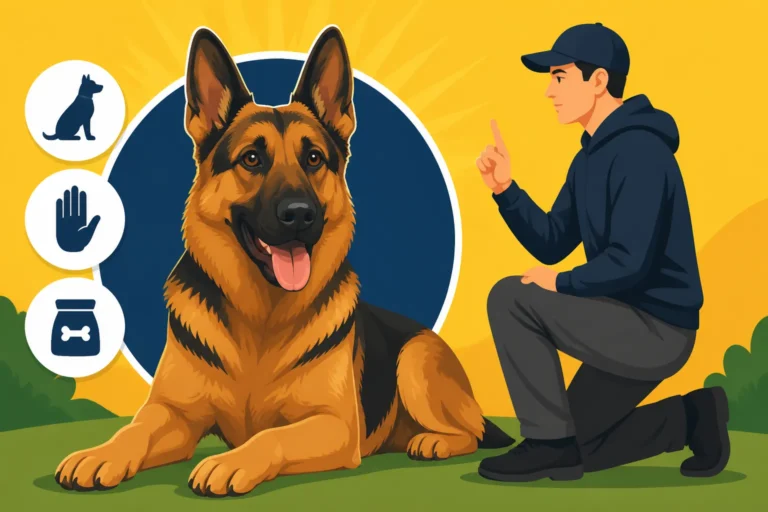
- Focus and Engagement: Work on getting your German Shepherd's attention in low-distraction environments first. Practice eye contact, teaching a reliable "watch me" command, and engaging them with fun games like "find it" with treats. The more engaged they are with you, the less they'll focus on potential triggers.
- Reliable Recall: A solid "come" command, even on a leash, is invaluable for redirecting attention away from triggers. Practice in various environments, always making coming to you the most rewarding choice. For tips on developing a strong recall, see "How to Teach a German Shepherd to Come".
- Loose-Leash Walking: This is fundamental. If your dog is constantly pulling, they are already highly aroused and less likely to respond to cues when a trigger appears. Invest time in teaching a relaxed, loose-leash walk using positive reinforcement. A great online resource like BAXTER & Bella can offer structured courses on basic obedience, including loose-leash walking, which can be done from the comfort of your home before tackling real-world distractions.
- Positive Reinforcement: Use high-value treats (chicken, cheese, hot dogs) and praise to reward calm behavior, attention to you, and successful disengagement from triggers. Avoid punishment, as it can escalate fear and anxiety, making reactivity worse.
Essential Gear for Reactive Dogs
Having the right equipment can make a significant difference in managing and training your reactive German Shepherd. It's not about magic tools, but about safety and control without causing pain or fear.
- Front-Clip Harness: This is often a game-changer for many owners. Unlike back-clip harnesses that can encourage pulling, a front-clip harness, like those from brands available on Amazon, redirects your dog's momentum back towards you when they pull, making it harder for them to lunge with full force. Make sure it fits well and doesn't restrict shoulder movement.
- Head Halter: For strong pullers or highly reactive dogs, a head halter (like a Gentle Leader or Halti) can offer even more control by steering the dog's head, and thus their body, away from triggers. Introduce it slowly and positively, as some dogs initially dislike the feeling. Never yank on a head halter, as it can injure your dog's neck.
- Long Leash (for controlled environments): A 6-foot standard leash is usually fine for daily walks. For controlled training sessions in a safe, open area, a 15-30 foot long line can allow your German Shepherd a sense of freedom to sniff and explore without being overwhelmed by close proximity to triggers, while still under your control.
- High-Value Treats: Forget the dry kibble. For a reactive German Shepherd, you need treats that are so irresistible they can override the urge to react. Think soft, stinky, pea-sized treats your dog absolutely loves.
- Treat Pouch: Keep treats easily accessible so you can reward quickly when your dog offers desirable behavior. Timing is crucial in reactivity training.
Always choose gear that prioritizes your dog's comfort and safety while giving you the necessary control. Avoid retractable leashes, choke chains, prong collars, or e-collars, especially for reactivity, as they can exacerbate fear and cause pain, potentially worsening the behavior.
Step-by-Step Training Techniques to Overcome Reactivity
Once you have management strategies in place and a foundation of basic obedience, you can start working on specific techniques designed to change your German Shepherd's emotional response to triggers. This isn't a quick fix; it requires immense patience and consistency.
Desensitization and Counter-Conditioning (Engage-Disengage)
This is the cornerstone of reactivity training. The goal is to change your German Shepherd's negative association with a trigger (e.g., "other dog = scary/frustrating") to a positive one ("other dog = yummy treats!").
- Find Your Threshold: As discussed, identify the distance at which your German Shepherd notices a trigger but does not react. This is your starting point. You might need to be very far away initially.
- Observe the Trigger: When a trigger (e.g., another dog) appears at that safe distance, the moment your German Shepherd notices it (their ears might perk, their head might turn), mark the moment with a verbal cue like "Yes!" or a clicker.
- Treat Immediately: As soon as you mark, immediately offer a stream of high-value treats, one after another, for as long as the trigger is visible and your dog is calm. The idea is: "Oh, look! Another dog! And suddenly, delicious food appears!"
- Trigger Disappears, Treats Disappear: The moment the trigger disappears from view (or your dog disengages from looking at it), the treats stop. This teaches your dog that the appearance of the trigger predicts good things, and the disappearance means the good things stop.
- Repeat, Repeat, Repeat: Practice this in short, frequent sessions. Gradually, over days and weeks, you can slowly decrease the distance to the trigger, always ensuring your dog remains below their reaction threshold. If they react, you've gone too close, too fast, and need to increase the distance again.
This process systematically desensitizes your dog to the trigger and counter-conditions their emotional response from negative to positive.
"Look at That" Game (LAT)
The "Look at That" (LAT) game is a specific application of counter-conditioning that teaches your German Shepherd to calmly observe a trigger and then voluntarily look back at you for a reward, giving you their attention rather than reacting.
- Spot a Trigger: When you see a trigger in the distance, before your German Shepherd has a chance to react, point it out casually, saying "Look at that!"
- Wait for the Look Back: The moment your German Shepherd looks at the trigger and then turns their head back to you (even just a slight glance), immediately mark that moment ("Yes!") and reward with a high-value treat.
- Repeat and Build: Practice this repeatedly. The goal is to teach your dog that seeing the trigger is a cue to look at you for a reward, effectively breaking the pattern of fixation and reaction.
- Advance Gradually: Start at a distance where your dog is well below their threshold. As they consistently succeed, you can gradually decrease the distance. The brilliance of LAT is that it empowers your German Shepherd to make the right choice (look at you) and gives them a job to do when a trigger appears.
This game helps your German Shepherd learn self-control and shift their focus, crucial for building confidence on walks.
Parallel Walking and Threshold Training
These techniques help your German Shepherd learn to exist calmly in the presence of triggers, gradually increasing their tolerance.
- Parallel Walking: Find a friend with a calm, well-socialized dog (your "neutral dog"). Start by walking parallel to each other at a distance where both dogs are comfortable and not reacting. This might be 50 feet apart to start. Keep moving forward, maintaining the distance. As both dogs remain calm, slowly and over many sessions, you can gradually reduce the distance between you and the neutral dog. The idea is that your German Shepherd learns that the presence of another dog doesn't always lead to a confrontation or a high-stress event.
- Threshold Training: This builds on the concept of finding your dog's threshold. You deliberately expose your German Shepherd to triggers, but always below their reaction threshold.
- Identify the "Green Zone": This is the distance where your dog notices a trigger but remains completely calm. Here, you reward profusely for simply existing calmly in the presence of the trigger.
- Recognize the "Yellow Zone": This is the distance where your dog shows early signs of discomfort or arousal (e.g., tense body, stiff tail, hard stare). If you see these, immediately create more distance or change direction. This is a warning sign that you're too close.
- Avoid the "Red Zone": This is where your dog barks, lunges, or growls. If you reach this point, you've gone too far, and you need to disengage and increase the distance significantly next time.
- Controlled Exposure: You can set up controlled scenarios where a friend walks their dog past yours at a safe, known distance, allowing you to practice Engage-Disengage or LAT. These controlled setups are excellent for building confidence before tackling unpredictable real-world situations. Patience is key; never rush the process, or you risk setting your German Shepherd back.
| Reactivity Zone | Dog Behavior | Handler Action (Management) | Training Focus |
|---|---|---|---|
| Green Zone | Notices trigger, remains calm, looks at you. | Reward profusely with high-value treats for calm observation or checking in. | Counter-conditioning (trigger = good things/attention to handler). |
| Yellow Zone | Stiffens, stares, ears perk, slight whine. | Immediately increase distance, change direction, use "Let's Go!" command. | Management, prevent escalation. Work to de-escalate and find comfort. |
| Red Zone | Barks, lunges, growls, frantic pulling. | Remove from situation immediately, do not punish. Analyze distance/trigger for next time. | Avoid at all costs. Go back to basics in a quieter environment. |
Advanced Tips and Long-Term Strategies
Fixing leash reactivity isn't a one-and-done deal. It's an ongoing journey that requires commitment, adaptability, and sometimes, external support.
When to Seek Professional Help
While this guide offers solid strategies, some German Shepherds have deeply ingrained reactivity that requires a professional touch. Don't hesitate to seek help if:
- You're Not Seeing Progress: If you've been consistent with training for several weeks or months and your German Shepherd's reactivity isn't improving, or is even getting worse, it's a clear sign you need expert guidance.
- Reactivity is Severe: If your German Shepherd's reactions are intense, involve biting or redirected aggression (where they might bite you out of frustration), or if you feel unsafe, a professional is crucial for your safety and theirs.
- You Feel Overwhelmed: It's emotionally taxing to deal with a reactive dog. A good professional can offer support, new techniques, and a fresh perspective.
- You Suspect Underlying Issues: Sometimes, reactivity can be a symptom of pain (e.g., hip or elbow dysplasia, which are common in German Shepherds), anxiety disorders, or other medical conditions. A veterinary behaviorist can help rule out or address these underlying issues. For more on health concerns, read our "German Shepherd Health Problems Guide". Look for certified professional dog trainers (CPDT-KA) or certified behavior consultants (CBCC-KA) who specialize in force-free, positive reinforcement methods for reactivity. Avoid anyone who suggests a quick fix involving punishment.
Consistency and Patience Are Key
This might be the hardest part for many owners, but it's absolutely vital. There are no shortcuts with reactivity.
- Every Walk is a Training Opportunity: Even on days you're tired, try to apply the techniques. Inconsistent application confuses your German Shepherd and slows progress.
- Set Realistic Expectations: Your German Shepherd might never be the dog that gleefully greets every stranger or dog. The goal is often to achieve calm neutrality, where they can acknowledge a trigger without reacting, and then re-engage with you.
- Celebrate Small Wins: Did you pass a dog at a closer distance than before without a full-blown reaction? That's a huge victory! Acknowledge and celebrate these moments to keep your motivation high.
- Don't Get Discouraged by Setbacks: There will be bad days. You'll encounter unexpected triggers, or your German Shepherd might have an off day. Don't let it derail your progress. Learn from it, adjust your strategy, and keep moving forward. This journey is often two steps forward, one step back.
Lifestyle Adjustments for Reactive German Shepherds
Sometimes, managing reactivity goes beyond just leash training and involves looking at your German Shepherd's overall lifestyle.
- Adequate Exercise and Mental Stimulation: German Shepherds are highly intelligent and energetic. A bored, under-exercised German Shepherd is more prone to reactivity. Ensure they get appropriate physical exercise (structured walks, fetch in a secure yard) and plenty of mental stimulation (puzzle toys, training sessions, scent work). For more insights, check out our guide on "German Shepherd Exercise Requirements".
- Safe Outlets for Energy: If your dog loves other dogs but is reactive on leash, explore safe, controlled off-leash play with carefully selected, calm dogs in a secure area, if appropriate for your dog. A doggy daycare that carefully screens and groups dogs can sometimes be beneficial, but be cautious and ensure it's a good fit for a reactive dog.
- Routine and Predictability: A consistent daily routine can reduce anxiety. Knowing when to expect walks, meals, and playtime can provide a sense of security.
- Stress Reduction: Identify and minimize other stressors in your German Shepherd's life. This could include too much alone time, sudden changes in routine, or overwhelming home environments. Consider calming supplements or pheromone diffusers if anxiety is a significant component of their reactivity.
- Enrichment at Home: Provide plenty of enriching activities at home to keep their minds engaged and reduce pent-up frustration. This could include chew toys, snuffle mats, or frozen Kongs.
Remember, addressing leash reactivity is a marathon, not a sprint. With consistency, patience, the right tools, and a deep understanding of your German Shepherd's needs, you can transform those stressful walks into enjoyable outings for both of you.
Disclaimer
The information provided in this article is for general informational purposes only and is not a substitute for professional veterinary advice, diagnosis, or treatment. Always seek the advice of a qualified veterinarian or certified professional dog trainer for any questions you may have regarding your pet's health, behavior, or medical condition.