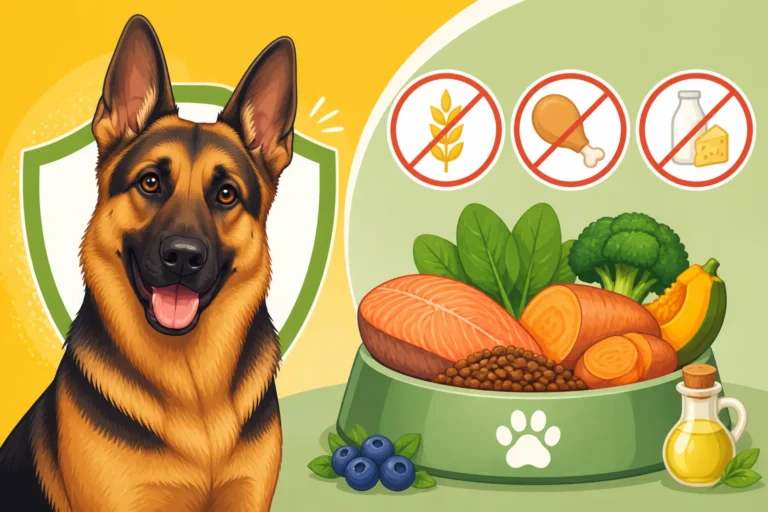
Is Farmina Good for a German Shepherd
Choosing the right food for your beloved German Shepherd can feel like navigating a nutritional minefield, especially when you're faced with countless brands making big promises. You want to ensure your loyal companion gets everything they need for their powerful build, active mind, and often sensitive stomach, and often wonder if premium options like Farmina truly deliver on their reputation. This comprehensive guide will meticulously break down Farmina's dog food offerings, analyze their suitability for German Shepherds, and help you determine if it's the best choice for your furry family member.
Understanding Farmina's Approach to Canine Nutrition
Farmina Pet Foods has carved out a niche in the premium pet food market, often touted for its commitment to natural ingredients and scientific formulation. It's not just another bag of kibble on the shelf; their philosophy revolves around what they call "Nature & Science," combining high-quality raw materials with extensive research to create diets that aim to be biologically appropriate for carnivorous dogs. For German Shepherd owners who are deeply invested in their dog's long-term health, this approach can be very appealing.
What Makes Farmina Stand Out?
Farmina distinguishes itself through several key aspects. Firstly, they boast a high protein content, primarily from animal sources like chicken, lamb, wild boar, and fish. This isn't just a marketing ploy; German Shepherds, being a large, active breed, thrive on a diet rich in protein to maintain their muscular physique and energy levels. Many of their formulas are also grain-free or utilize ancestral grains like spelt and oats, which are often easier for some dogs to digest compared to corn or wheat. They emphasize non-GMO ingredients and often include a variety of fruits, vegetables, and botanicals, aiming to provide a broad spectrum of natural vitamins, minerals, and antioxidants. This holistic approach resonates with many owners who are looking beyond just basic sustenance for their dogs.
Their product lines are quite diverse, catering to different dietary needs. For instance, the N&D Prime line is completely grain-free, packed with a high percentage of animal ingredients. The N&D Ancestral Grain line incorporates specific, lower-glycemic grains for dogs who might benefit from them. Beyond that, specialized lines like N&D Pumpkin (often good for sensitive stomachs), N&D Ocean (featuring fish as the primary protein), and N&D Quinoa (focused on specific functional benefits like digestive support or skin and coat health) offer targeted nutrition. This variety means that a German Shepherd owner has multiple options within the Farmina brand to choose from, depending on their dog's individual sensitivities or requirements. Finding a food that aligns with your dog's specific needs, whether it's managing German Shepherd Allergies: Symptoms and Treatment or addressing a German Shepherd Sensitive Stomach Solutions, is a huge advantage.
Key Ingredients and Their Benefits for German Shepherds
When you flip over a bag of Farmina dog food, you'll immediately notice the emphasis on whole, recognizable ingredients. For German Shepherds, this ingredient profile offers several distinct advantages. High-quality protein sources, often listed as the first few ingredients, are paramount for muscle development and repair in such an athletic breed. Whether it's deboned chicken, wild herring, or lamb, these provide the essential amino acids a GSD needs to thrive.
Healthy fats, often from chicken fat, fish oil, or flaxseed, are crucial for energy and contribute significantly to a shiny coat and healthy skin – a common concern for German Shepherd owners. These fats also contain omega-3 and omega-6 fatty acids, which play a role in reducing inflammation, supporting joint health, and boosting the immune system. Given the propensity for German Shepherd Hip Dysplasia Explained and other joint issues in the breed, a diet rich in anti-inflammatory omega fatty acids is a definite plus. Beyond proteins and fats, Farmina includes a thoughtfully selected array of fruits and vegetables such as apples, pomegranates, spinach, and blueberries, which are natural sources of vitamins, minerals, and antioxidants. These ingredients help support overall immune function and contribute to the energetic and vibrant demeanor we all love in our German Shepherds.
Some formulas also include glucosamine and chondroitin, vital supplements for maintaining healthy cartilage and joint mobility. While not every Farmina formula has these in therapeutic amounts, their presence at any level is a positive signal for a breed prone to orthopedic challenges. Furthermore, fiber sources from ingredients like peas, pumpkin, or beet pulp aid in digestion, helping to maintain regular bowel movements and potentially alleviate some of the digestive upset that can plague German Shepherds. This attention to detail in the ingredient list is one of the reasons Farmina often comes recommended for breeds with specific needs.
Nutritional Requirements for German Shepherds and How Farmina Aligns
German Shepherds are magnificent, powerful dogs, and their nutritional needs are unique. They're not just big dogs; they are large, active, intelligent working dogs, and their diet needs to reflect that. Simply giving them generic "large breed" food might not cut it. Owners often agonize over finding a food that can keep up with their GSD's energy, support their joints, and manage their sometimes-delicate digestive systems.
High-Quality Protein and Energy for an Active Breed
A German Shepherd's daily life, whether they're a working K9, a Schutzhund competitor, or a cherished family pet, demands a lot of energy. This energy primarily comes from protein and fats. German Shepherds require a diet that is robust in high-quality animal protein to fuel their muscles, support their impressive stamina, and aid in recovery after strenuous activity. Think of a German Shepherd bounding through a field, playing fetch for hours, or engaging in intense training sessions – they're burning a significant number of calories and breaking down muscle tissue, which needs to be repaired and rebuilt.
Farmina's formulations generally excel in this area. Their protein percentages often range from 30% to over 40% in their grain-free lines, sourced from excellent animal ingredients. This is well within the optimal range for active large breeds like German Shepherds. The inclusion of healthy fats further ensures a sustained energy release, preventing energy crashes and keeping your dog feeling satiated and energized throughout the day. This is crucial for maintaining a healthy weight and preventing German Shepherd Weight and Obesity Risks, which can put undue stress on their joints. When you look at a bag of Farmina, you're seeing a commitment to providing the kind of dense, bioavailable nutrition that a German Shepherd's body is built to utilize efficiently. For more specific guidance on daily intake, refer to a comprehensive German Shepherd Feeding Guide.
Joint Health Support
One of the most pressing concerns for German Shepherd owners is joint health. Conditions like hip and elbow dysplasia are unfortunately prevalent in the breed, making preventative and supportive nutrition incredibly important. Many owners spend considerable time researching how to keep a German Shepherd healthy, and joint support often tops the list.
Farmina addresses joint health through multiple avenues. As mentioned, the inclusion of omega-3 fatty acids, particularly from fish oil, is a natural anti-inflammatory that can help reduce joint pain and improve mobility. Additionally, many of their formulas include glucosamine and chondroitin sulfate, which are building blocks for cartilage and joint fluid. While these aren't miracle cures, consistent dietary supplementation can contribute to maintaining joint integrity and cushioning over time. It’s also important to note that maintaining a lean body weight, supported by proper feeding amounts and high-quality protein, is one of the best ways to reduce stress on vulnerable joints. Farmina's nutrient-dense formulas can help achieve this without overfeeding.
Digestive Health and Sensitive Stomachs
It's an unfortunate reality that many German Shepherds have sensitive digestive systems. From loose stools to gas and even more serious conditions like Exocrine Pancreatic Insufficiency (EPI), their guts can be quite finicky. Finding a food that agrees with them can be a long and frustrating journey, prompting many to look for specialized diets.
Farmina often proves to be a good option for GSDs with sensitive stomachs due to its emphasis on easily digestible ingredients and novel protein sources. Their use of ancestral grains like spelt and oats, or entirely grain-free options, can be beneficial for dogs who struggle with common grains like corn or wheat. The N&D Pumpkin line, in particular, leverages pumpkin – a natural source of soluble fiber – which can soothe irritated digestive tracts and regulate bowel movements. Furthermore, the inclusion of prebiotics like FOS (fructooligosaccharides) and MOS (mannan oligosaccharides) helps to foster a healthy gut microbiome, which is essential for efficient nutrient absorption and a robust immune system. Observing your dog’s stool quality, energy levels, and overall demeanor after starting a new food is critical in determining if it’s the right fit for their digestive health.
Here's a quick comparison of some popular Farmina lines and how they might benefit your German Shepherd:
| Farmina Line | Primary Protein Source | Key Features for GSDs | Grain Content | Common Benefits |
|---|---|---|---|---|
| N&D Prime | Chicken, Lamb, Boar, Fish | High animal protein, broad protein variety, grain-free | Grain-free | Muscle maintenance, energy, suitable for grain sensitivities |
| N&D Ancestral Grain | Chicken, Lamb, Herring | High animal protein, limited low-glycemic ancestral grains | Spelt, Oats | Stable energy, gentler on digestion for some, joint support |
| N&D Pumpkin | Lamb, Venison, Chicken | Pumpkin for digestive aid, novel proteins | Grain-free or Ancestral | Sensitive stomachs, digestive regularity, reduces inflammation |
| N&D Ocean | Wild Herring, Cod, Salmon | High omega-3s, fish as primary protein | Grain-free or Ancestral | Skin & coat health, joint support, ideal for protein allergies |
| N&D Quinoa (Functional) | Duck, Quail, Lamb | Specific functional blends (e.g., skin support, weight) | Quinoa | Targeted nutrition for specific issues (e.g., German Shepherd Skin Problems and Fixes) |
Potential Considerations and Drawbacks for German Shepherd Owners
While Farmina has a lot going for it, it's not without its considerations, and being a realistic German Shepherd owner means looking at the full picture. No dog food is perfect for every single dog, and what works wonders for one GSD might not be the ideal solution for another.
Cost Versus Value
One of the most immediate points of consideration for many owners is the price tag. Farmina is undeniably a premium dog food brand, and its cost often reflects the quality of its ingredients, its "Nature & Science" philosophy, and its sourcing practices. When you're feeding a large breed like a German Shepherd, who can easily go through a 25-pound bag of food in a few weeks, those costs can add up quickly. It's a significant financial commitment. For comparison, you might find more budget-friendly options that still provide adequate nutrition.
However, many devoted German Shepherd owners view the higher price as an investment in their dog's health. The argument often made is that feeding a high-quality, nutrient-dense food can lead to fewer vet visits down the line, better overall health, and a longer, more vibrant life. For issues like German Shepherd Hip Dysplasia: Cost to Treat or managing chronic German Shepherd Allergies: Cost to Treat, the preventative aspect of nutrition can sometimes offset future expenses. The value, therefore, comes from the potential for reduced health issues, better coat quality, higher energy levels, and improved digestion. It's a personal financial decision, but one that many feel is worthwhile for their beloved companions.
Transitioning Your German Shepherd to a New Food
Switching any dog, especially a German Shepherd with a potentially sensitive stomach, to a new food, even a high-quality one like Farmina, requires a slow and careful transition. Rushing the process is a recipe for digestive upset – think vomiting, diarrhea, or a generally uncomfortable pup. It's a common mistake, and one that can make you mistakenly believe the new food isn't suitable, when in reality, it was just introduced too quickly.
The golden rule is a gradual introduction over 7-10 days. Start by mixing about 25% new food with 75% old food for a few days. If your German Shepherd is doing well (no changes in stool, appetite, or energy), then move to a 50/50 mix for a couple more days. Gradually increase the new food while decreasing the old, until your dog is fully on the Farmina diet. This slow introduction allows your dog's digestive system, particularly the gut bacteria, to adjust to the new ingredients and nutrient profile. If at any point you notice issues, slow down the transition or consult your vet, especially if your GSD has known sensitivities or conditions like German Shepherd Pancreatitis: Symptoms and Treatment.
Availability and Specialty Sourcing
Unlike some of the more widely distributed commercial dog food brands you might find at any grocery store, Farmina can sometimes be a bit harder to track down. It’s considered a specialty brand, and while its popularity is growing, it might not be stocked in every pet supply store in your local town. This can be a minor inconvenience, particularly if you run out unexpectedly or if you prefer to purchase food in person.
However, the increasing prevalence of online retailers has largely mitigated this concern. You can reliably find a wide range of Farmina products on major online pet supply platforms like Chewy, which often offers subscription services for recurring deliveries, ensuring you never run out. Additionally, large online marketplaces such as Amazon also carry various Farmina lines, providing another convenient option for purchase and delivery right to your doorstep. This accessibility makes it much easier to integrate Farmina into your German Shepherd's diet, even if it's not available at your neighborhood shop. Be sure to check with your local independent pet stores too, as many of them pride themselves on carrying high-quality, specialty brands like Farmina.
Making an Informed Decision for Your German Shepherd
Ultimately, the decision of whether Farmina is "good" for your German Shepherd comes down to a combination of research, professional advice, and keen observation of your individual dog. There's no one-size-fits-all answer in canine nutrition, especially for a breed with such specific needs.
Consulting Your Veterinarian and Monitoring Your Dog
Before making any significant dietary changes, especially for a German Shepherd puppy or a senior dog, it is always wise to have a conversation with your veterinarian. They know your dog's specific health history, any pre-existing conditions (like German Shepherd Health Problems Guide or Common German Shepherd Health Issues by Age), and can offer personalized guidance. Your vet can advise on whether a high-protein, grain-free, or ancestral grain diet is appropriate for your dog's age, activity level, and overall health status. They might also suggest specific formulas or ingredients to look for based on any past health concerns.
Beyond professional advice, your role as an observant owner is paramount. Once you've transitioned your German Shepherd to Farmina, monitor them closely. Pay attention to their energy levels – are they sustained throughout the day? How does their coat look – is it shiny and healthy, or dull and flaky? Examine their stool consistency; ideally, it should be firm and well-formed. Any signs of itchiness, excessive shedding, or changes in behavior could indicate that the food isn't agreeing with them. This vigilance will help you understand if Farmina is truly benefiting your German Shepherd's unique system.
Observing Your German Shepherd's Response
Your German Shepherd's body will tell you a lot about whether their food is working. The most obvious indicators are usually their coat, skin, and digestion. A healthy German Shepherd should have a lustrous coat, free from excessive dryness, dandruff, or hot spots. Their skin underneath should be supple and clear, not red or irritated. If you've been battling German Shepherd Itchy Skin: Causes and Fixes, a change to a high-quality food like Farmina might bring noticeable relief.
Digestion is another key area. Healthy, firm stools that are easy to pick up are a good sign. Chronic diarrhea, constipation, excessive gas, or frequent vomiting are all red flags that the food might not be a good fit. Furthermore, observe their energy and vitality. A well-nourished German Shepherd should be alert, active, and eager to engage. If they seem lethargic, overly restless, or their weight is fluctuating unexpectedly, it's time to re-evaluate their diet. Remember, finding the "best" food is a process of observation and adjustment, and your German Shepherd's well-being is the ultimate metric of success.
Disclaimer
The information provided in this article is for general informational purposes only and does not constitute veterinary advice. Always consult with a qualified veterinarian for any health concerns or before making any changes to your German Shepherd's diet or healthcare routine.