German Shepherd Hip Dysplasia: Cost to Treat
Discovering your beloved German Shepherd is struggling with hip dysplasia can be an absolutely gut-wrenching experience. Many owners feel overwhelmed, not just by the emotional toll of seeing their loyal companion in pain, but also by the daunting prospect of managing the condition and the inevitable financial burden. This comprehensive guide is here to demystify the costs associated with treating German Shepherd hip dysplasia, exploring everything from initial diagnosis to long-term care and surgical interventions, so you can make informed decisions for your furry family member.
Understanding German Shepherd Hip Dysplasia and Its Financial Impact
When your energetic German Shepherd starts showing signs of discomfort, a slight limp, or difficulty getting up, your heart sinks. The suspicion of hip dysplasia, a condition all too common in this magnificent breed, brings with it a cascade of worries. It's not just about the physical pain for your dog; it's about the emotional pain for you and the very real financial strain that treatment can impose. Understanding the nature of this condition and the factors that influence its cost is the first step toward effective management.
The Frustration of a Diagnosis
The journey often begins with subtle signs – maybe your German Shepherd is less enthusiastic about walks, hesitates before jumping into the car, or you notice a strange 'bunny hop' gait when they run. These symptoms often lead to a visit to the vet, where a physical examination might reveal tell-tale signs of laxity or pain in the hip joints. The definitive diagnosis usually comes from X-rays, which confirm the malformation of the hip joint. This moment can be incredibly frustrating; you want to fix it, but you also know it's a genetic condition, often hereditary, and it wasn't something you could easily prevent.
Getting a diagnosis can feel like a punch to the gut. You might have invested in a reputable breeder, thinking you were doing everything right to avoid such issues. Yet, even with careful breeding, hip dysplasia can still emerge. The immediate thought is, "What do we do now?" and quickly followed by, "How much is this going to cost?" This initial veterinary visit for consultation and X-rays typically runs anywhere from $200 to $500, depending on your location and the complexity of the imaging required.
Many owners find themselves grappling with guilt, wondering if they missed earlier signs or if they could have done more. It's crucial to remember that this is not your fault. What matters now is focusing on the best path forward for your dog's comfort and mobility. Learning about First Signs of Hip Dysplasia in German Shepherds can sometimes help owners identify the problem earlier, potentially leading to less severe progression if addressed promptly.
Why German Shepherds Are Prone to Hip Dysplasia
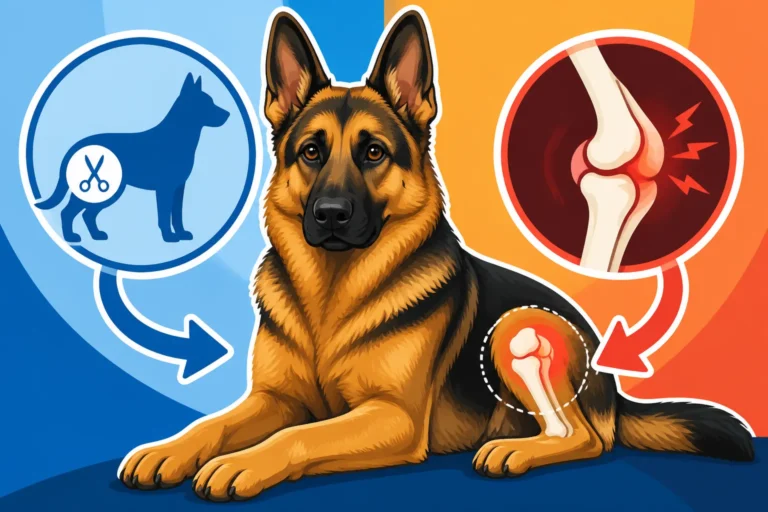
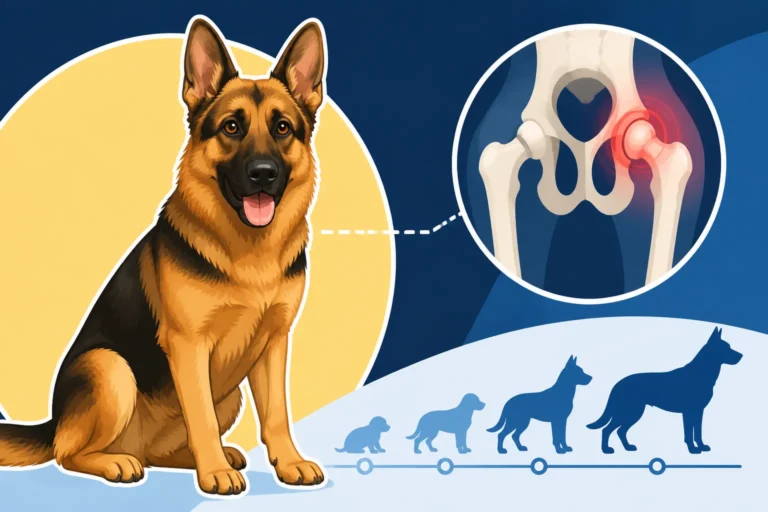
It's a sad reality that German Shepherds are particularly susceptible to hip dysplasia. This genetic predisposition means that even well-bred dogs can carry the genes for the condition. Essentially, it's a developmental disorder where the hip joint doesn't form correctly. The ball (femoral head) and socket (acetabulum) don't fit together snugly, leading to looseness, wear and tear, and eventually, painful osteoarthritis. Understanding this genetic link helps to manage expectations regarding prevention and treatment.
The structure of the German Shepherd, with their powerful hindquarters and often athletic demands, can exacerbate the condition. A dog with even mild hip laxity can experience significant discomfort and degenerative changes over time, especially if they lead a very active life or carry excess weight. This inherent vulnerability means that while many breeds can develop hip dysplasia, it's a constant concern for German Shepherd owners. For a deeper dive into the condition itself, you might find our guide on German Shepherd Hip Dysplasia Explained very informative.
Factors like rapid growth, inappropriate exercise during puppyhood, and even nutrition can play a role, although genetics remain the primary culprit. Owners are often advised to look into How to Prevent Hip Dysplasia in German Shepherds from a young age, focusing on controlled exercise and proper diet to support joint development, even if it doesn't guarantee prevention. The genetic component is why screening practices like OFA and PennHIP are so vital for breeders, helping to reduce the incidence in future generations, as detailed in OFA vs PennHIP Hip Scoring Explained.
Factors Influencing Treatment Costs
The cost of treating German Shepherd hip dysplasia isn't a one-size-fits-all number. It's a complex equation influenced by several key variables. The severity of the dysplasia, your dog's age, overall health, and the specific treatment path chosen all play a significant role. A young dog with mild laxity might benefit from conservative management, while an older dog with severe osteoarthritis might require complex surgery.
Your geographic location also impacts costs significantly. Veterinary services in major metropolitan areas like Los Angeles or New York City are often substantially more expensive than in rural regions or smaller towns. The expertise of the veterinary surgeon or specialist, especially for advanced procedures like total hip replacement, will also factor into the price. A board-certified orthopedic surgeon commands higher fees, reflecting their specialized training and experience.
Furthermore, the type of facility matters. A veterinary teaching hospital, often associated with a university, might offer cutting-edge diagnostic tools and specialists but can also come with higher price tags for certain procedures. Emergency animal hospitals or specialized orthopedic clinics will also have different fee structures compared to a general practice veterinarian, particularly for complex surgeries or intensive post-operative care.
Non-Surgical Treatment Options and Associated Costs
For many German Shepherds, especially those with mild to moderate hip dysplasia or those who aren't good candidates for surgery due to age or other health issues, non-surgical approaches are the first line of defense. These conservative management strategies aim to reduce pain, improve mobility, and slow the progression of osteoarthritis without going under the knife. While often less expensive upfront than surgery, these treatments require ongoing commitment and can still add up over time.
Conservative Management and Lifestyle Changes
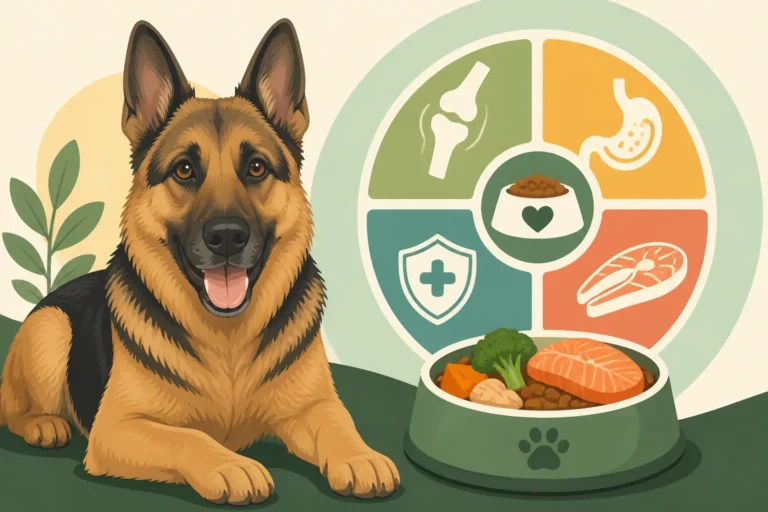
The cornerstone of non-surgical treatment often involves a comprehensive conservative management plan. This isn't just a single treatment; it's a holistic approach to managing the condition. It typically includes weight management, controlled exercise, and environmental modifications. Keeping your German Shepherd at a healthy weight is paramount, as excess pounds put immense strain on already compromised joints. A proper diet and careful portion control become essential, and regular weigh-ins at your vet's office can help monitor progress.
Controlled exercise is another critical component. While high-impact activities like jumping, intense running, or chasing balls might be off-limits, regular, moderate exercise is still crucial for maintaining muscle strength and joint flexibility. Think leash walks, gentle swimming, or even underwater treadmill therapy, which provides resistance without impact. Your vet might suggest specific exercises or stretches you can do at home. These lifestyle adjustments, while not incurring direct medical costs, require significant time and discipline from the owner. Investing in non-slip rugs, ramps for cars or beds, and orthopedic dog beds also fall under this category, potentially costing hundreds of dollars over time.
For some dogs, particularly those diagnosed early, a combination of these changes can significantly improve their quality of life and potentially delay or even avoid the need for surgery. This approach aligns with strategies discussed in articles like German Shepherd Hip Dysplasia Without Surgery, emphasizing the importance of non-invasive options. Creating a comfortable and supportive home environment, free from stairs or slippery surfaces, can make a huge difference in your dog's daily comfort.
Medication and Supplement Expenses
Medications play a crucial role in managing the pain and inflammation associated with hip dysplasia. Non-steroidal anti-inflammatory drugs (NSAIDs) are commonly prescribed to reduce pain and inflammation, allowing your dog to move more comfortably. Brands like Rimadyl, Galliprant, and Deramaxx are frequently used, but their costs can vary. A monthly prescription for an NSAID might range from $30 to $100, depending on the dosage and your dog's size. Over time, these costs can accumulate significantly.
Beyond NSAIDs, your vet might recommend other pain relief options, such as Gabapentin for neuropathic pain, or Amantadine, which can help with chronic pain management. These medications also come with their own recurring costs. Additionally, joint supplements are almost always part of a conservative management plan. Glucosamine, chondroitin, and omega-3 fatty acids are popular choices, often combined with other ingredients like MSM or turmeric. Popular brands like Cosequin, Dasuquin, and GlycoFlex can range from $20 to $60 per month, again adding up over years. You can learn more about these in our guide on Best Supplements for German Shepherd Hips or German Shepherd Joint Health Supplements.
It's important to remember that these medications and supplements are often long-term commitments, providing relief but not curing the underlying condition. You'll need to budget for these ongoing expenses for the rest of your German Shepherd's life. Some owners find that their pet insurance, like a plan from Healthy Paws, can help offset a portion of these recurring prescription costs, making long-term management more feasible.
Rehabilitation Therapy Costs
Just like humans recovering from injuries or managing chronic conditions, German Shepherds can greatly benefit from physical rehabilitation. Canine rehabilitation therapy aims to strengthen muscles, improve range of motion, reduce pain, and enhance overall mobility. Common therapies include hydrotherapy (underwater treadmill or swimming), therapeutic exercises, massage, laser therapy, and acupuncture. These therapies are often tailored to your dog's specific needs and can be incredibly effective, but they do come with a price.
A typical rehabilitation session can cost anywhere from $50 to $150 per session, and your dog might need multiple sessions per week initially, gradually reducing frequency as they improve. A full course of therapy could easily run into hundreds or even thousands of dollars over several months. For example, an initial assessment might cost $100-$200, followed by a package of 10 hydrotherapy sessions for $500-$1000. These costs are often not fully covered by basic pet insurance plans, though some comprehensive policies or wellness add-ons might offer partial reimbursement.
Investing in rehabilitation isn't just about managing pain; it's about giving your German Shepherd the best possible quality of life. Strong muscles around the hip joint can provide crucial support, stabilizing the joint and reducing further wear and tear. Many owners find the investment worthwhile as they see their dogs regain enthusiasm for walks and activities they once enjoyed. Regular check-ins with a certified canine rehabilitation therapist will be essential to adjust the plan as your dog progresses, adding to the total cost.
Surgical Interventions for Hip Dysplasia and Their Price Tags
When conservative management isn't enough to alleviate pain or improve your German Shepherd's quality of life, surgical intervention becomes a necessary consideration. There are several surgical options available, each with different objectives, recovery times, and, of course, price tags. The choice of surgery depends on factors like the dog's age, size, severity of dysplasia, and the presence of osteoarthritis.
Femoral Head Osteotomy FHO Surgery
A Femoral Head Osteotomy (FHO) is a salvage procedure typically performed when other surgical options are not feasible, or for dogs who are smaller in size (though it can be done on larger dogs if muscle mass is sufficient for stability). In an FHO, the head of the femur (the "ball" part of the hip joint) is removed. The body then forms a "false joint" of scar tissue, which, combined with strong surrounding muscles, helps to stabilize the leg. The goal isn't to create a perfect joint, but to eliminate the painful bone-on-bone grinding.
The cost for an FHO can range from $1,500 to $4,000 per hip. This price typically includes the surgery itself, anesthesia, post-operative medications, and a few follow-up appointments. The recovery period involves significant physical therapy, which, as we've discussed, incurs additional costs. A German Shepherd undergoing an FHO on one hip will need intensive rehabilitation to build up the muscle strength necessary to support the new joint. Without this, the outcome can be less successful, and the dog may continue to experience discomfort.
While often less expensive than a total hip replacement, an FHO is still a major surgery with a substantial recovery commitment. Owners need to be prepared for weeks of restricted activity followed by a gradual increase in controlled exercise. The success of an FHO heavily relies on the owner's dedication to the post-operative rehabilitation plan, ensuring the best possible outcome for their German Shepherd.
Triple/Double Pelvic Osteotomy TPO/DPO
The Triple Pelvic Osteotomy (TPO) or Double Pelvic Osteotomy (DPO) are procedures designed for younger dogs (typically under 10-12 months of age) who have hip laxity but haven't yet developed significant osteoarthritis. The goal of these surgeries is to realign the pelvic bones to improve the coverage of the femoral head by the acetabulum (socket), thereby stabilizing the joint and preventing further degenerative changes. In a TPO, three cuts are made in the pelvis, allowing the surgeon to rotate a segment of the bone. A DPO is a modification that involves two cuts.
These surgeries are technically demanding and performed by orthopedic specialists. The cost for a TPO or DPO typically ranges from $3,000 to $6,000 per hip. This price includes the surgery, anesthesia, hospitalization, and initial post-operative care. Because it's a preventative measure against severe osteoarthritis, it's ideally done before too much damage occurs. The recovery is also extensive, requiring several weeks of strict rest followed by a carefully managed rehabilitation program.
The decision to pursue a TPO or DPO is significant and often made after extensive consultation with a veterinary orthopedic specialist. While the cost is substantial, the potential benefit of providing a young German Shepherd with a pain-free, active life well into adulthood can make it a worthwhile investment for many families. Pet insurance providers like Healthy Paws often have policies that can cover a significant portion of these surgical costs, especially if the condition is diagnosed after the policy's waiting period but before it becomes a pre-existing condition.
Total Hip Replacement THR Surgery
Total Hip Replacement (THR) is considered the gold standard surgical treatment for severe hip dysplasia and advanced osteoarthritis in German Shepherds, offering the most consistent return to normal function. In a THR, both the ball and socket components of the hip joint are replaced with prosthetic implants, much like human hip replacements. This procedure effectively eliminates the source of pain by removing the diseased joint and replacing it with artificial components.
The cost of a total hip replacement is substantial, often ranging from $6,000 to $10,000 per hip. This figure encompasses the surgeon's fees, specialized implants, anesthesia, extensive hospitalization (often several days), advanced imaging, and initial post-operative medications. If both hips require replacement, the costs can double. While undeniably expensive, a successful THR can dramatically improve a German Shepherd's quality of life, restoring pain-free mobility and allowing them to live an active life.
THR is a highly specialized surgery performed by a limited number of board-certified veterinary orthopedic surgeons. The success rate is very high, often exceeding 90-95%, but it requires an extended and rigorous post-operative recovery period, including strict activity restriction for several weeks and a dedicated rehabilitation program. For many owners, especially those with younger dogs suffering from debilitating hip dysplasia, the investment in a THR is seen as an investment in a long, comfortable future for their beloved companion.
| Treatment Option | Estimated Cost (Per Hip) | Typical Candidates | Key Benefits |
|---|---|---|---|
| Conservative Management | $50 – $200 per month (ongoing) | Mild/moderate dysplasia, older dogs, or pre-surgery | Pain relief, improved mobility without surgery |
| FHO Surgery | $1,500 – $4,000 | Smaller dogs, severe cases, or when THR isn't an option | Eliminates bone-on-bone pain |
| TPO/DPO Surgery | $3,000 – $6,000 | Young dogs (under 1 year) with hip laxity | Prevents severe osteoarthritis |
| Total Hip Replacement (THR) | $6,000 – $10,000 | Severe dysplasia, advanced osteoarthritis, good health | Restores near-normal, pain-free function |
Note: These are estimated costs and can vary widely based on location, specialist fees, and individual circumstances.
Long-Term Management and Hidden Costs
Treating German Shepherd hip dysplasia isn't just about the initial diagnosis or surgery; it's a lifelong commitment. Even after successful intervention, whether surgical or non-surgical, there are ongoing costs and considerations that every owner needs to factor into their budget. These often overlooked expenses can significantly add to the overall financial burden but are crucial for maintaining your dog's comfort and health.
Ongoing Veterinary Care and Monitoring
Regardless of the treatment path chosen, regular veterinary check-ups are essential for a German Shepherd with hip dysplasia. These visits allow your vet to monitor the progression of the condition, assess the effectiveness of current treatments, and adjust medications or therapies as needed. For dogs on long-term NSAIDs, blood work will be required periodically to monitor kidney and liver function, as these medications can sometimes have side effects. These routine visits and diagnostic tests typically range from $100 to $300 per visit, and you might need several throughout the year.
For dogs who have undergone surgery, follow-up X-rays will be necessary to ensure proper healing and implant stability, especially after a total hip replacement. These imaging costs, combined with the specialist's fees for interpretation, will be an additional expense. Even after a full recovery from surgery, the operated hip, and especially the other hip if it wasn't replaced, will require careful monitoring for any signs of developing issues or arthritis. Our comprehensive guide on German Shepherd Vet Costs Per Year can provide a broader perspective on routine and unexpected veterinary expenses.
It's a marathon, not a sprint. Your commitment to consistent veterinary care helps ensure that any potential issues are caught early, often leading to more effective and less costly interventions down the line. Over a German Shepherd's lifespan, these routine monitoring costs can easily amount to thousands of dollars, making proactive financial planning vital.
Pain Management and Quality of Life Investments
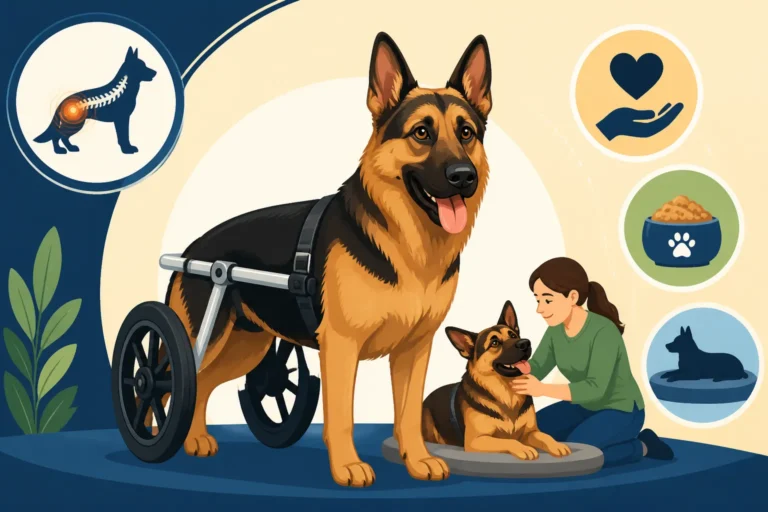
Beyond standard medications, maintaining a German Shepherd's quality of life with hip dysplasia often involves investing in various comfort-enhancing products and therapies. This might include orthopedic beds specifically designed to support arthritic joints, which can range from $100 to $300 or more. Ramps or steps to help them get into cars, onto furniture, or navigate stairs can also be a significant expense, costing anywhere from $50 to $200. These items aren't luxuries; they're necessities that minimize strain on their hips.
Furthermore, alternative therapies might become part of your long-term strategy. Acupuncture, chiropractic care, and specialized massage can all help manage pain and improve mobility for some dogs. While not always scientifically proven for all cases, many owners report positive outcomes. Individual sessions for these therapies can run $50 to $150, and consistency is key for maximum benefit, so these can quickly become recurring monthly expenses. These are often not covered by standard pet insurance policies unless specified.
Ensuring your dog remains active within their limits and mentally stimulated is also crucial. Investing in puzzle toys, slow feeders, and shorter, more frequent walks tailored to their comfort level helps prevent boredom and maintain muscle tone without overtaxing their joints. These smaller, ongoing investments in their comfort and well-being contribute significantly to their overall happiness and your peace of mind, proving that caring for a German Shepherd with hip issues goes beyond just medication.
The Role of Pet Insurance and Financial Planning
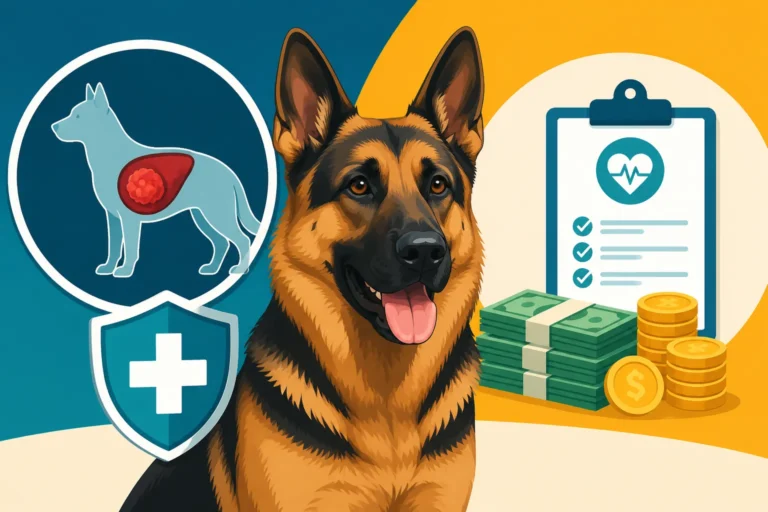
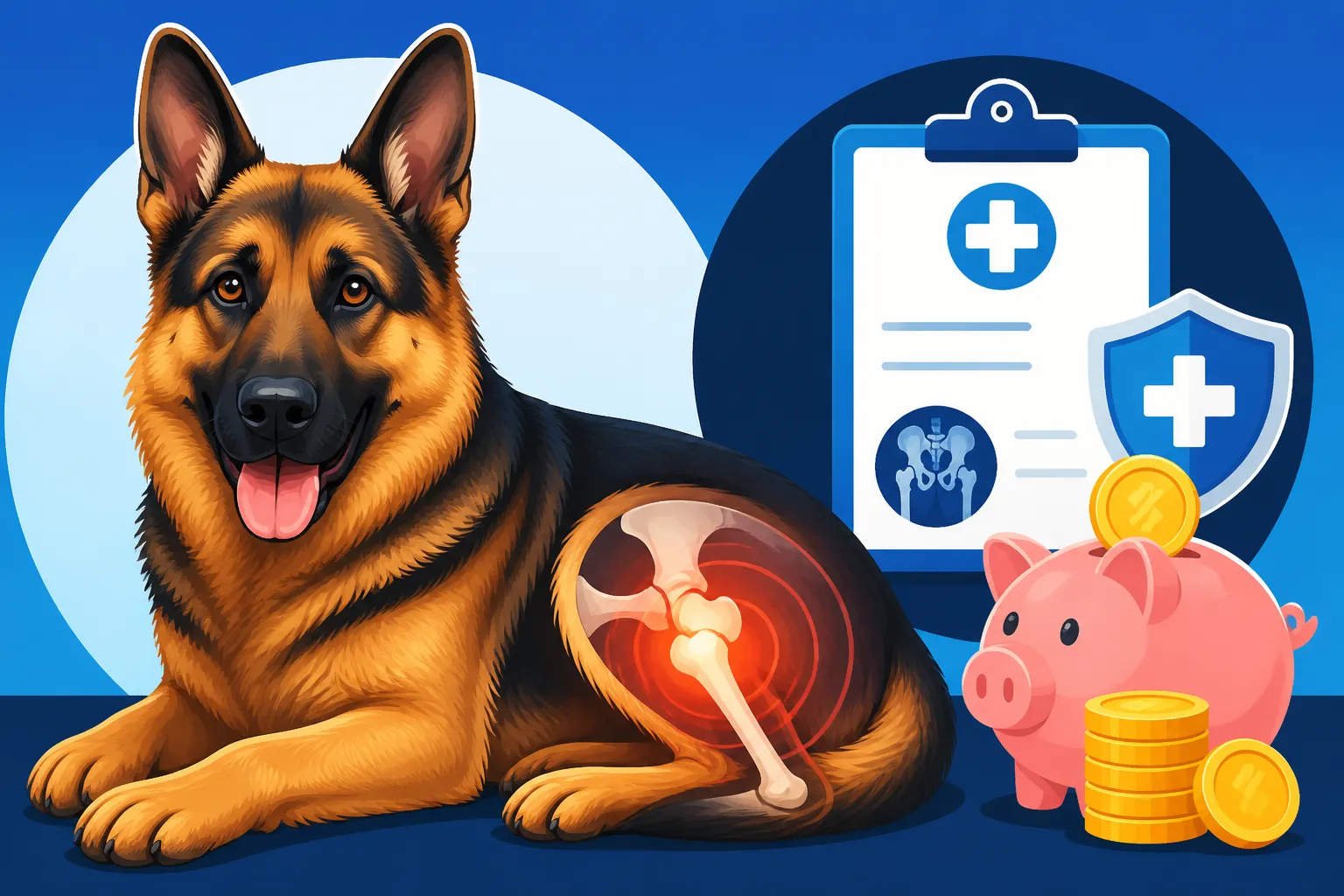
Facing the potential costs of German Shepherd hip dysplasia can be overwhelming, which is why financial planning, especially considering pet insurance, is so important. A good pet insurance policy can be a lifesaver, covering a significant portion of diagnostic tests, medications, rehabilitation, and especially surgical procedures. For conditions like hip dysplasia, which often manifest during puppyhood or early adulthood, it's crucial to enroll your German Shepherd before any symptoms appear, as most policies consider hip dysplasia a pre-existing condition if diagnosed prior to enrollment or during the waiting period.
Providers like Healthy Paws are popular choices among German Shepherd owners, often offering comprehensive accident and illness plans that can reimburse a high percentage (e.g., 80-90%) of eligible veterinary bills after your deductible is met. While monthly premiums for a German Shepherd can range from $40 to $80 (or more, depending on age and location), the potential savings on a $6,000 total hip replacement or years of medication could easily outweigh the premium costs. Our article, Is Pet Insurance Worth It for a German Shepherd, delves deeper into this topic.
Beyond insurance, having a dedicated savings fund for your German Shepherd's health needs is a smart move. Even with insurance, deductibles and co-pays add up, and some treatments might not be fully covered. Starting an emergency fund early, even with a small monthly contribution, provides a crucial safety net. Proactive financial preparation can alleviate immense stress when faced with a hip dysplasia diagnosis, allowing you to focus on your dog's health rather than the daunting price tag.
Disclaimer
The information provided in this article is for general informational purposes only and does not constitute veterinary advice. Always consult with a qualified veterinarian for any health concerns or before making any decisions about your German Shepherd's medical care or treatment plan. Costs mentioned are estimates and can vary widely based on location, individual veterinary practices, and the specific needs of your pet.