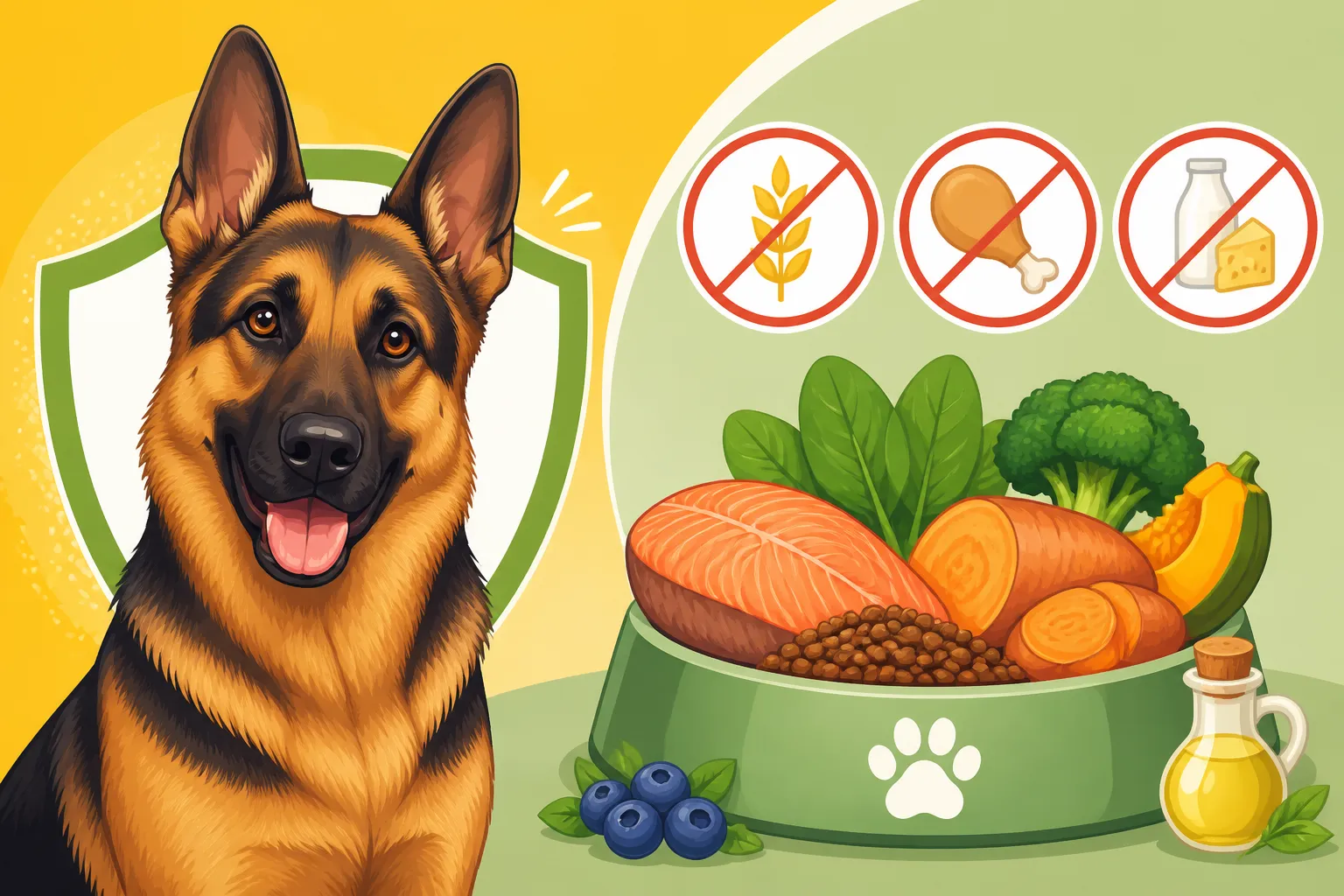
Best Food for German Shepherds with Allergies
It's incredibly frustrating when your beloved German Shepherd starts scratching incessantly, licking their paws until they're raw, or dealing with constant tummy troubles. You know something's off, and often, the culprit is right in their food bowl. Figuring out the best food for a German Shepherd with allergies can feel like navigating a maze, but this comprehensive guide will help you understand the common triggers, what ingredients to look for and avoid, and how to choose a diet that brings your furry friend relief and comfort.
Understanding German Shepherd Allergies
German Shepherds, with their strong genetics and impressive lineage, are unfortunately prone to a range of health issues, including allergies. It's not uncommon for owners to spend countless hours and dollars trying to pinpoint the exact cause of their dog's discomfort. Allergies in GSDs can manifest in various ways, from skin irritations to digestive upsets, making them a real challenge to diagnose and manage effectively. Understanding the different types of allergens and how they affect your dog is the first step toward finding a solution.
Common Allergy Triggers in German Shepherds
When we talk about allergies in German Shepherds, it’s not always just about food. There are typically three main categories of allergens that can cause problems for our canine companions. Knowing the difference can help you and your vet narrow down the possibilities.
Firstly, we have food allergies, which are immune responses to specific proteins in a dog's diet. These can develop at any age, even if your dog has eaten the same food for years without issue. The body mistakenly identifies a harmless food protein as a threat, triggering an allergic reaction. Common culprits often include proteins like chicken, beef, dairy, eggs, soy, and wheat. It’s a common misconception that grains are the sole cause of food allergies, but often, it's the protein source that's the real issue. For more general information on various health concerns, you might find our guide on German Shepherd Health Problems Guide helpful.
Secondly, environmental allergies, also known as atopy, are extremely prevalent. These are reactions to airborne particles like pollen (from trees, grasses, or weeds), dust mites, mold spores, and even dander from other animals. Just like people with hay fever, dogs can suffer seasonal flare-ups or year-round symptoms if the allergen is always present in their environment, like dust mites in the home. You'll often see these manifest as itchy skin, especially on the paws, belly, armpits, and ears. Understanding German Shepherd Environmental Allergies: Relief can provide even more targeted strategies for managing these external irritants.
Lastly, contact allergies are less common but can occur when a dog's skin comes into direct contact with an irritating substance. This could be anything from certain chemicals in cleaning products, flea collars, specific types of bedding, or even plants in your yard. The reaction typically occurs only where the skin has touched the irritant, leading to localized redness, itching, and sometimes hives. While not dietary, it’s worth being aware of these possibilities when your German Shepherd is showing signs of discomfort.
Signs and Symptoms of Food Allergies
Distinguishing food allergies from environmental ones can be tricky because many symptoms overlap. However, food allergies often come with a distinct set of indicators that point directly to dietary issues. Pay close attention to these signs if you suspect your German Shepherd is reacting to their food.
One of the most common signs you’ll observe is relentless skin irritation and itching. This can manifest as constant scratching, licking, or chewing at their paws, flanks, groin, or tail base. Their skin might appear red, inflamed, or even develop hot spots from excessive licking. You might notice dry, flaky skin, recurrent ear infections, or a dull, unhealthy coat. Sometimes, the itching can be so severe that your dog breaks the skin, leading to secondary bacterial or yeast infections, which only exacerbate the discomfort. If you're seeing signs of this, our article on German Shepherd Itchy Skin: Causes and Fixes might offer additional advice for managing the skin issues directly.
Beyond skin problems, gastrointestinal issues are a strong indicator of a food allergy. This can include chronic diarrhea, vomiting, excessive gas, or persistent loose stools. It's not just an occasional upset stomach; with food allergies, these issues tend to be ongoing or recur frequently after eating certain foods. You might notice changes in their stool consistency, color, or even the presence of mucus. Some dogs might even experience a decreased appetite or weight loss if their digestive system is constantly inflamed and struggling to absorb nutrients. For specific digestive concerns, our articles on German Shepherd Loose Stool: Common Causes and German Shepherd Sensitive Stomach Solutions could be very insightful.
It’s crucial to understand that these symptoms, especially skin issues and ear infections, can look very similar to those caused by environmental allergies or even parasitic infestations. That’s why a thorough diagnostic process with your veterinarian is absolutely essential to get to the root cause and avoid unnecessary dietary changes that might not resolve the problem.
Diagnosing Food Allergies
Diagnosing a food allergy in German Shepherds isn't as straightforward as a simple blood test, despite what some commercial tests claim. The gold standard for diagnosis is typically an elimination diet, conducted under strict veterinary supervision. This process requires patience and dedication, but it's the most reliable way to identify which specific ingredients are causing your dog's problems.
An elimination diet involves feeding your German Shepherd a novel protein and carbohydrate source for typically 8-12 weeks. A novel protein is one your dog has never been exposed to before, such as venison, duck, rabbit, kangaroo, or even alligator. The carbohydrate source should also be novel, like sweet potato, quinoa, or potato. During this period, absolutely no other food, treats, chews, or flavored medications should be given. This means no table scraps, no flavored heartworm medicine, and certainly no sneaky bites of kibble from another dog's bowl. Consistency is key here. If the symptoms improve significantly during this phase, it strongly suggests a food allergy.
After the elimination period, if symptoms have resolved, your vet will guide you through a food challenge. This involves reintroducing potential allergen ingredients one by one, typically for a week each, and closely monitoring for a return of symptoms. If symptoms reappear after reintroducing chicken, for example, then chicken is identified as an allergen. This careful reintroduction helps confirm the specific triggers, allowing you to choose a long-term diet that safely avoids those ingredients. It's a meticulous process, but it's the most definitive way to get answers for your German Shepherd. This diagnostic journey is often the key to finding the Best Diet for a German Shepherd with Allergies.
It’s important to remember that this whole process should be managed with your veterinarian. They can recommend appropriate prescription diets or guide you in selecting suitable commercial or homemade novel protein diets. They can also rule out other conditions that mimic allergy symptoms, ensuring you’re addressing the correct problem.
Key Dietary Considerations for Allergic German Shepherds
Once you've navigated the diagnostic phase and pinpointed potential food allergens, the next critical step is to select a diet that is safe and nutritious for your German Shepherd. This isn't just about avoiding a few ingredients; it's about providing a complete and balanced meal plan that supports their overall health, including their sensitive skin and digestive system. There are several specialized dietary approaches that vets often recommend for dogs with allergies.
Novel Protein Diets
Novel protein diets are exactly what they sound like: foods that feature a protein source your German Shepherd has never eaten before. The idea here is that if your dog has never been exposed to a particular protein, their immune system hasn't had the chance to develop an allergic reaction to it. This approach is fundamental to elimination diets but also serves as a long-term solution once specific allergens are identified.
Common novel protein sources you might find in dog food include duck, venison, salmon, whitefish, lamb, rabbit, and even exotic options like kangaroo or alligator. These are often paired with novel carbohydrate sources such as sweet potato, peas, or lentils. The key is true novelty – if your dog had a duck-flavored treat once, it might not be a truly novel protein for them. Always check the ingredient list carefully for hidden proteins or by-products that could trigger a reaction.
When choosing a novel protein diet, it's crucial to select a high-quality brand that clearly lists all its ingredients and boasts a limited number of components. This minimizes the risk of accidental exposure to an allergen. You’ll often find these specialized diets available through your veterinarian or reputable pet supply stores. For example, many specialty brands focusing on these novel proteins can be found on online retailers like Chewy, offering a wide selection and convenient delivery right to your door.
Hydrolyzed Protein Diets
For German Shepherds with severe or multiple food allergies, or for those who don't respond well to novel protein diets, a hydrolyzed protein diet might be the answer. These diets are a marvel of veterinary nutritional science and offer a unique solution to bypass allergic reactions.
In a hydrolyzed diet, the protein sources (often common ones like chicken or soy) are broken down into incredibly tiny pieces through a process called hydrolysis. These pieces are so small that the dog's immune system doesn't recognize them as allergens and therefore doesn't trigger a defensive reaction. Think of it like a puzzle: when the pieces are intact, the immune system recognizes the full picture and reacts. But when the puzzle is shattered into a thousand microscopic fragments, the immune system can't form the complete picture and simply lets it pass.
Hydrolyzed protein diets are typically prescription-only, meaning your veterinarian will need to authorize their purchase. Brands like Royal Canin Hydrolyzed Protein or Purina Pro Plan HA are well-known examples. These diets are highly effective for diagnosing and managing food allergies because they are rigorously formulated to be hypoallergenic. They are also meticulously produced in facilities that prevent cross-contamination with intact proteins, ensuring the integrity of the diet. This makes them an invaluable tool for vets and owners dealing with complex allergy cases.
Limited Ingredient Diets (LID)
Limited Ingredient Diets (LIDs) focus on simplicity. The premise is straightforward: fewer ingredients mean fewer potential allergens. These diets typically contain a single source of animal protein and a single source of carbohydrate, along with essential vitamins and minerals, and very little else. This minimalist approach is incredibly helpful for dogs whose allergy triggers are still somewhat unclear or for those with sensitivities to many common additives and fillers.
The beauty of LIDs is their transparency. When you pick up a bag of LID food, you'll usually see "duck and potato" or "salmon and sweet potato" prominently featured. This makes it easier for you, the owner, to track exactly what your German Shepherd is consuming and identify if any particular ingredient is causing an issue. Many commercially available LIDs use novel proteins, further reducing the risk of an allergic reaction.
While LIDs are generally over-the-counter, meaning you don't need a prescription, it's still best to consult with your veterinarian before making the switch. They can help you choose a high-quality LID that is appropriate for your German Shepherd's age, activity level, and specific needs. It's also important to remember that "limited ingredient" doesn't automatically mean "hypoallergenic." If your dog happens to be allergic to one of the few ingredients in an LID, it won't solve the problem. However, for many German Shepherds with suspected food sensitivities, an LID offers a clear, manageable path to dietary relief.
Ingredients to Avoid and Embrace
Navigating the world of dog food labels when your German Shepherd has allergies can feel overwhelming. It’s not just about finding "good" ingredients, but actively avoiding the bad and seeking out the beneficial ones. A smart strategy involves understanding which ingredients commonly trigger reactions and which can actually help soothe your dog's irritated system.
Common Allergenic Ingredients to Steer Clear Of
For German Shepherds prone to allergies, certain ingredients pop up repeatedly as common culprits. These are the ones you should scrutinize on every label, whether it's for kibble, treats, or even supplements.
The most frequent offenders are often common protein sources. Chicken and beef lead the pack, surprisingly, as dogs can develop allergies to proteins they've been fed extensively over time. While these are excellent protein sources for many dogs, for an allergic German Shepherd, they can be a nightmare. Similarly, dairy and eggs are often problematic, leading to digestive upset and skin issues. If you've been giving your GSD yogurt or an occasional scrambled egg, and they're showing symptoms, these might be contributing factors.
Beyond proteins, certain carbohydrates and fillers can also cause issues. Corn, wheat, and soy are commonly cited as allergens. While grains aren't the primary cause of food allergies as often as protein, these specific ones contain proteins that some dogs react to. Wheat, in particular, contains gluten, which can be an irritant for sensitive guts. It’s also worth looking out for artificial colors, flavors, and preservatives, which, while not always allergens, can sometimes exacerbate sensitivities in already compromised systems. Many cheaper commercial foods use these fillers, so choosing premium brands that prioritize whole, natural ingredients is often a safer bet for an allergic dog.
Beneficial Ingredients for Sensitive Stomachs and Skin
Once you’ve identified the ingredients to avoid, the next step is to look for those that can actively support your German Shepherd’s sensitive system. These ingredients are like allies in the fight against allergic reactions, helping to reduce inflammation and promote overall well-being.
Omega-3 fatty acids are absolute superheroes for dogs with allergies. Found abundantly in fish oils (like salmon oil, krill oil, or sardine oil) and flaxseed, these powerful anti-inflammatory compounds can significantly improve skin and coat health. They help to reduce itching, flakiness, and redness, and can even bolster the skin barrier, making it more resilient against environmental irritants. Adding a high-quality omega-3 supplement or choosing foods rich in these fatty acids can make a visible difference in your German Shepherd’s comfort. Our guide on German Shepherd Coat and Skin Care delves deeper into maintaining a healthy exterior.
A healthy gut is intrinsically linked to a healthy immune system, so supporting digestive health is paramount. This is where probiotics and prebiotics come into play. Probiotics are beneficial live bacteria that help maintain a balanced gut microbiome, aiding digestion and nutrient absorption. Prebiotics are non-digestible fibers that act as food for these good bacteria, helping them to flourish. Look for ingredients like chicory root, dandelion greens, or various fiber sources. Many quality dog foods for sensitive stomachs will include these. You can also add probiotic supplements, which are readily available from pet supply retailers like Amazon, ensuring your German Shepherd's gut is armed and ready to handle whatever comes its way. For a deeper dive into gut health, check out our resource on Best Probiotics for German Shepherds.
The Role of Grains: Are They Always Bad?
The "grain-free" trend has swept the pet food industry, leading many to believe that grains are inherently bad for all dogs, especially those with allergies. However, the truth is a bit more nuanced than that. It’s important to separate marketing from scientific fact when it comes to grains in your German Shepherd’s diet.
For most dogs, grains like rice, oats, barley, and corn are perfectly digestible and provide valuable nutrients, including complex carbohydrates for energy, fiber for digestive health, and essential vitamins and minerals. True grain allergies in dogs are actually less common than allergies to protein sources like chicken or beef. When a dog does react to a grain, it's typically to a specific protein within that grain, like gluten in wheat, rather than to "grains" as a whole.
The concern with grain-free diets has also grown due to links identified by the FDA between certain grain-free formulas (especially those heavily relying on peas, lentils, potatoes, and other legumes as primary ingredients) and a type of heart disease called dilated cardiomyopathy (DCM) in some breeds. While the scientific community is still investigating this complex issue, it highlights that simply removing grains isn't always the healthiest or safest option without careful consideration.
So, are grains always bad for allergic German Shepherds? Not necessarily. If your dog's allergy panel or elimination diet specifically points to a grain like wheat, then avoiding it is crucial. However, if their allergies are to a protein source, a grain-inclusive diet featuring easily digestible grains like rice or oats, alongside a novel or hydrolyzed protein, might be perfectly suitable and even beneficial. Always consult your vet about the most appropriate carbohydrate sources for your German Shepherd's specific needs, balancing allergy management with overall nutritional safety.
Types of Allergy-Friendly Dog Foods
Once you understand the ingredients your German Shepherd needs to avoid and embrace, it's time to consider the different formats of allergy-friendly dog food available. The best choice for your dog will depend on their specific allergies, your budget, and your lifestyle. From convenient kibble to fresh, home-cooked meals, each option comes with its own set of pros and cons.
Dry Kibble Options
Dry kibble remains the most popular choice for dog owners due to its convenience, cost-effectiveness, and ease of storage. For German Shepherds with allergies, there's a growing market of specialized kibble designed to minimize allergic reactions.
When looking for allergy-friendly dry kibble, focus on brands that offer limited ingredient formulas with novel or hydrolyzed protein sources. For instance, you might find options like a duck and sweet potato recipe or a salmon and pea formula. Always scrutinize the ingredient list to ensure there are no hidden allergens, common fillers, or artificial additives. Many reputable brands go to great lengths to ensure their limited ingredient diets are produced in facilities free from cross-contamination, which is crucial for highly sensitive dogs.
The pros of allergy-friendly kibble include its long shelf life, ease of portioning, and often a higher nutrient density per serving compared to some other formats. It also provides dental benefits through the chewing action, helping to scrape plaque. However, the cons can include potential for dryness (which might not be ideal for some skin conditions) and the fact that even "limited ingredient" kibble might contain processed components that some extremely sensitive dogs react to. Brands like Royal Canin and Purina Pro Plan offer prescription hydrolyzed protein kibble, which are excellent for severe allergies. For over-the-counter options, many brands available at retailers like Chewy or specialized pet stores provide quality limited ingredient choices.
Wet and Fresh Food Choices
Wet food and fresh food options have gained immense popularity, partly due to their higher moisture content, palatability, and often a perceived increase in natural ingredients. For German Shepherds with allergies, these formats can offer significant advantages.
Wet dog food typically comes in cans or pouches and has a much higher moisture content than kibble. This can be beneficial for dogs who need extra hydration or find dry food difficult to chew. Many wet food brands also offer limited ingredient and novel protein options, such as turkey and pumpkin stew or lamb and rice pâté. The enhanced aroma and texture can be a game-changer for picky eaters or dogs with reduced appetites due to chronic allergies.
Fresh dog food, on the other hand, is usually gently cooked and minimally processed, often resembling human-grade meals. These diets are typically prepared with whole food ingredients, offering transparency that some owners prefer. Services like Ollie, for instance, prepare fresh, customized meal plans delivered directly to your door, making it easier to manage specific ingredient restrictions. Their meals often use human-grade ingredients and can be formulated with novel proteins to cater to allergic dogs. The high moisture content and nutrient bioavailability in fresh food can be particularly soothing for sensitive stomachs and beneficial for skin health.
The main benefits of wet and fresh foods include increased hydration, improved palatability, and often a more digestible form of nutrients. They can be incredibly helpful in managing German Shepherd Sensitive Stomach Solutions and improving coat condition. However, the downsides include a shorter shelf life once opened, higher cost compared to kibble, and bulkier storage requirements. For fresh food, the logistics of delivery and refrigeration also need to be considered.
Raw and Homemade Diets
Raw and homemade diets represent another frontier for German Shepherd owners dealing with allergies. These approaches offer maximum control over ingredients, which can be incredibly appealing for dogs with complex or severe food sensitivities.
A raw diet (often referred to as BARF – Biologically Appropriate Raw Food or Prey Model Raw) consists of uncooked meat, bones, organs, and sometimes fruits and vegetables. The theory is to mimic what a dog's ancestors would eat in the wild. For an allergic German Shepherd, a raw diet allows you to select specific novel proteins (like rabbit or duck) and ensure no filler ingredients or common allergens are present. You have complete control over every single component. However, raw diets carry inherent risks, including bacterial contamination (Salmonella, E. coli), nutritional imbalances if not properly formulated, and potential for choking or dental damage from bones. It's absolutely crucial that a raw diet is prepared under the guidance of a veterinary nutritionist to ensure it is complete and balanced for your German Shepherd's needs.
Homemade diets, while also offering ingredient control, typically involve gently cooking the ingredients. This mitigates some of the bacterial risks associated with raw feeding. You can prepare meals using your German Shepherd's safe protein and carbohydrate sources, along with appropriate supplements as advised by a nutritionist. This is another excellent option for dogs with multiple allergies, as you can meticulously control every aspect of their meal. The downside, similar to raw diets, is the significant time commitment for preparation, the risk of nutritional deficiencies if not carefully balanced, and the need for veterinary nutritional oversight. Without proper guidance, a homemade diet can actually do more harm than good by lacking essential vitamins and minerals crucial for your German Shepherd’s health.
For both raw and homemade diets, extreme caution and professional advice are non-negotiable. They are not suitable for all owners or all dogs, but for those willing to commit to the rigor and invest in expert guidance, they can offer a highly customized solution for allergy management.
| Food Type | Pros | Cons | Best For |
|---|---|---|---|
| Dry Kibble | Convenient, cost-effective, long shelf life, dental benefits | Can be dry, processed, harder to scrutinize all ingredients | Mild allergies, owners seeking convenience, budget-conscious |
| Wet Food | High moisture, palatable, often limited ingredient options | Shorter shelf life once opened, can be more expensive | Picky eaters, dogs needing hydration, mild to moderate allergies |
| Fresh Food | Human-grade ingredients, highly digestible, customized meal plans | High cost, requires refrigeration, shorter shelf life | Moderate to severe allergies, owners prioritizing natural ingredients |
| Raw/Homemade | Max ingredient control, fresh, natural | High risk of contamination, nutritional imbalance if not expert-formulated, time-consuming | Severe/complex allergies, owners dedicated to meticulous preparation/vet guidance |
How to Choose the Best Food and Transition Your German Shepherd
Finding the perfect allergy-friendly food for your German Shepherd is a journey, not a sprint. It involves careful consideration, collaboration with your vet, and a mindful approach to introducing new foods. Rushing this process can lead to more stomach upset and confusion, so patience is key.
Consulting Your Veterinarian
This cannot be stressed enough: your veterinarian is your most valuable resource when dealing with German Shepherd allergies. Before you even think about changing your dog’s food, schedule an appointment to discuss their symptoms and potential causes.
Your vet can help rule out other conditions that mimic allergy symptoms, such as parasitic infestations, bacterial infections, or other underlying medical issues. They can guide you through the proper diagnostic steps, like an elimination diet, and recommend the most appropriate type of allergy-friendly food for your dog's specific needs. For instance, a prescription hydrolyzed protein diet is often the first choice for diagnosing food allergies, and only your vet can prescribe it.
Furthermore, a veterinary nutritionist can provide invaluable expertise, especially if you're considering a homemade or raw diet. They can ensure the diet is nutritionally complete and balanced, preventing deficiencies that could lead to new health problems. Without professional guidance, blindly switching foods based on online recommendations can be counterproductive and even harmful. Think of your vet as your co-pilot in this journey; their knowledge and experience are essential for a successful outcome.
Reading Food Labels
Once you have a clearer idea of what ingredients to look for and avoid, becoming a detective when reading dog food labels is crucial. Manufacturers can be clever with their wording, so understanding what you're truly buying requires a keen eye.
First and foremost, always look at the ingredient list. Ingredients are listed in descending order by weight, so the first few ingredients make up the bulk of the food. For an allergic German Shepherd, you want to see a clear, identifiable protein source that is novel or hydrolyzed, like "duck meal" or "hydrolyzed chicken liver." Avoid vague terms like "animal protein" or "meat by-products" if you're trying to pinpoint specific allergens. Pay close attention to all protein sources, including those in fats (e.g., "chicken fat" would contain chicken protein).
Next, examine the carbohydrate sources. If your vet suspects grain allergies, look for grain-free options using potatoes, sweet potatoes, peas, or lentils. If grains aren't an issue, easily digestible grains like rice or oats are acceptable. Also, check for common fillers like corn, wheat, and soy, which are frequent allergens.
Beyond the main ingredients, scan for artificial colors, flavors, and preservatives. While not always allergens, these can sometimes trigger sensitivities. Look for natural preservatives like mixed tocopherols (Vitamin E) and rosemary extract. Finally, ensure the food has an AAFCO statement. This confirms that the food is formulated to meet the nutritional levels established by the Association of American Feed Control Officials (AAFCO) for a specific life stage (e.g., "for growth," "for maintenance," or "for all life stages"). This assures you that the food is nutritionally complete and balanced.
Gradual Transition Strategies
Changing your German Shepherd's food too quickly is a recipe for disaster, especially for a dog with an already sensitive digestive system. A sudden switch can lead to vomiting, diarrhea, and a general aversion to the new food, making the whole allergy management process even more challenging. A slow, gradual transition is absolutely essential to prevent digestive upset.
The generally recommended approach is to transition over 7-10 days, though some highly sensitive dogs might need an even longer period, up to two weeks or more. Here’s a typical schedule:
- Days 1-2: Mix 25% new food with 75% old food.
- Days 3-4: Mix 50% new food with 50% old food.
- Days 5-7: Mix 75% new food with 25% old food.
- Day 8+: 100% new food.
During this transition, closely monitor your German Shepherd for any signs of digestive upset (vomiting, diarrhea, gas) or a return of allergy symptoms. If you notice any issues, slow down the process and maintain the current ratio for a few extra days until their system stabilizes. If symptoms appear after introducing a novel protein, it may indicate that the "novel" protein isn't as novel as you thought, or that your dog is allergic to it. This highlights the importance of the initial elimination diet phase.
Remember to keep all other variables consistent during the transition. Stick to the same feeding schedule, avoid new treats or supplements unless they are part of the new allergy management plan, and continue to manage environmental factors. Patience and observation are your best tools during this crucial period.
Beyond Food: Holistic Management of Allergies
While finding the right food is paramount for German Shepherds with food allergies, it’s rare that diet alone is the silver bullet. A holistic approach that addresses environmental factors, supports the immune system, and manages symptoms proactively will yield the best long-term results.
Environmental Management and Grooming
Even if your German Shepherd's primary issue is a food allergy, reducing their overall allergen load from the environment can significantly improve their comfort. Many dogs with food allergies also have environmental sensitivities, and managing both simultaneously can prevent flare-ups.
Start by making your home a cleaner, less allergenic environment. Regularly vacuuming with a HEPA filter vacuum can reduce dust mites, dander, and pollen. Washing your dog's bedding weekly in hot water can also eliminate dust mites. During peak pollen seasons, wiping your German Shepherd down with a damp cloth or pet wipe after outdoor excursions can remove pollen from their coat and paws. For more targeted advice on keeping them clean, our guide on How to Groom a German Shepherd is an excellent resource.
Proper grooming is also vital for skin health. Regular bathing with a hypoallergenic, soothing shampoo can help remove allergens and irritants from the skin, calm inflammation, and prevent secondary infections. Avoid shampoos with harsh chemicals or strong fragrances that could further irritate sensitive skin. Your vet might recommend medicated shampoos for specific skin conditions. Routine brushing helps to distribute natural oils and remove loose hair and dander, contributing to overall skin and coat health. Sometimes, simply addressing external factors can provide significant relief for your German Shepherd, especially if their allergies are complex.
Supplements and Medications
Beyond diet and environmental controls, certain supplements and medications can play a crucial role in managing your German Shepherd's allergies, particularly those affecting skin and gut health. Always discuss any supplements or medications with your veterinarian before introducing them.
Omega-3 fatty acid supplements, as mentioned earlier, are incredibly beneficial. Fish oil, specifically, can help reduce inflammation throughout the body, improving skin barrier function and lessening itchiness. Look for high-quality supplements that are third-party tested for purity and potency.
Probiotics and digestive enzymes can significantly support gut health, which is a cornerstone of a strong immune system. For dogs with food allergies, their digestive system is often compromised, leading to inflammation and nutrient malabsorption. Probiotics introduce beneficial bacteria to the gut, helping to rebalance the microbiome, while digestive enzymes can assist in breaking down food more efficiently. These can often be found at your local pet store or online through retailers like Amazon.
For more severe or persistent symptoms, your veterinarian might prescribe medications. These can range from antihistamines (though often less effective in dogs than in humans for allergies) to more targeted options like corticosteroids for acute inflammation, or newer immune-modulating drugs (such as Apoquel or Cytopoint injections) that specifically block the itch pathway. These medications can provide much-needed relief from severe itching and discomfort, allowing the skin to heal and preventing secondary infections. However, they should always be used under strict veterinary guidance due to potential side effects. The goal is often to manage symptoms with the lowest effective dose or to combine treatments to minimize reliance on strong medications, especially when dealing with complex cases like German Shepherd Allergies: Symptoms and Treatment.
Disclaimer
The information provided in this article is for educational purposes only and is not intended to be a substitute for professional veterinary advice, diagnosis, or treatment. Always seek the advice of your veterinarian or other qualified health provider with any questions you may have regarding a medical condition or treatment plan for your German Shepherd. Never disregard professional veterinary advice or delay in seeking it because of something you have read in this article.