How to Prevent Osteoarthritis in German Shepherds
It’s truly heartbreaking to watch our beloved German Shepherds start to slow down, struggle to get up, or even limp, knowing that joint pain might be creeping in. Osteoarthritis, or degenerative joint disease, is a reality many German Shepherd owners fear, and for good reason – this magnificent breed is particularly susceptible. But here's the good news: while you can't eliminate all risk, there are concrete, proactive steps you can take from puppyhood through their golden years to significantly reduce the chances and severity of this debilitating condition. This guide will walk you through a comprehensive plan to help keep your German Shepherd's joints as healthy and happy as possible for a lifetime of adventure.
Understanding Osteoarthritis and Why German Shepherds are Prone
Osteoarthritis is a progressive and chronic condition that involves the breakdown of cartilage in the joints, leading to pain, stiffness, and reduced mobility. It's not just an "old dog" disease; the groundwork for it can be laid early in a dog's life due to various factors. For German Shepherds, this issue hits particularly close to home, largely due to their genetics and powerful build.
The Mechanism of Joint Degeneration
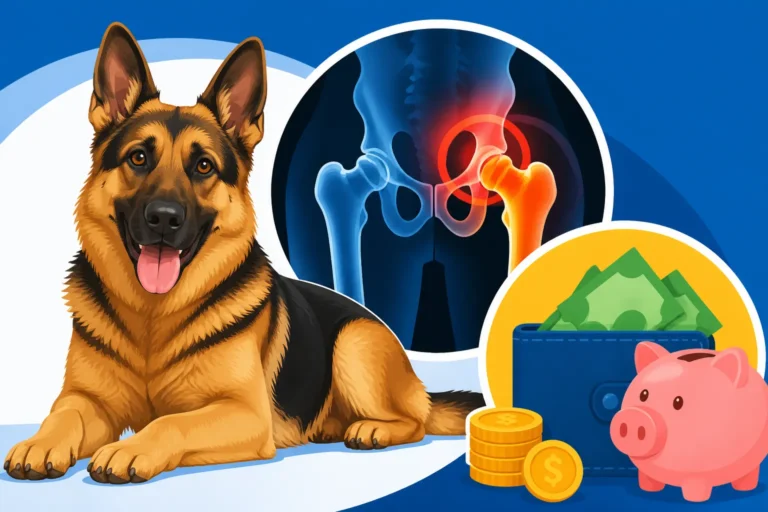
Imagine the smooth, glistening surface of a healthy joint, where cartilage acts as a cushion and allows bones to glide effortlessly against each other. In osteoarthritis, this cartilage begins to erode, becoming rough and thin. As the protective layer disappears, bone starts to rub against bone, causing inflammation, pain, and the formation of bony spurs called osteophytes. This creates a vicious cycle of discomfort and further degeneration. Over time, the joint capsule can thicken, and the surrounding muscles may weaken, further impacting mobility and quality of life. It’s a slow, insidious process that often goes unnoticed until the pain becomes significant.
Breed-Specific Predispositions
German Shepherds are unfortunately high on the list of breeds prone to several orthopedic conditions that can directly lead to or exacerbate osteoarthritis. The most well-known culprit is hip dysplasia, a condition where the hip joint doesn't form correctly, leading to a loose fit of the ball and socket. Similarly, elbow dysplasia involves abnormal development of the elbow joint. Both of these conditions create instability and abnormal wear and tear on the joint cartilage, making it highly susceptible to developing osteoarthritis later on. It’s not just about inherited structural issues; their large size and high activity levels also put more stress on their joints compared to smaller, less active breeds. Understanding this predisposition is the first step in building a robust prevention plan for your furry family member. If you're looking for more detailed information on specific health issues, you might find our guide on German Shepherd Hip Dysplasia Explained to be incredibly helpful.
Crucial Early Life Prevention Strategies
The saying "an ounce of prevention is worth a pound of cure" is especially true when it comes to preventing osteoarthritis in German Shepherds. What you do during their puppy and adolescent years can have a profound impact on their long-term joint health. This period is critical because their bones and joints are still developing, and improper care can set them up for issues down the road.
Responsible Breeding and Genetic Screening
One of the most powerful preventative measures starts long before you even bring a puppy home: choosing a responsible breeder. A reputable German Shepherd breeder will meticulously screen their breeding dogs for genetic conditions like hip and elbow dysplasia. This typically involves certifications from organizations like the Orthopedic Foundation for Animals (OFA) or PennHIP evaluations. These tests assess the structural integrity of the parents' joints, dramatically reducing the likelihood of their offspring inheriting these problematic traits.
When you're looking for a puppy, always ask to see the health clearances for both parents. Don't just take their word for it; verify the documentation. A breeder who is transparent about their dogs' health and willing to discuss genetic predispositions is usually a good sign. It's a significant investment, both financially and emotionally, to bring a German Shepherd into your life, and starting with a puppy from health-tested lines is the best possible foundation for a healthy future. For deeper insights into this process, our article on German Shepherd Genetic Health Testing provides a wealth of information.
Controlled Exercise and Growth
German Shepherd puppies grow at an astonishing rate, sometimes gaining several pounds a week! This rapid growth spurt means their bones, muscles, and joints are all developing simultaneously and are particularly vulnerable to injury from excessive stress. Over-exercising a young German Shepherd puppy can put undue strain on their soft, developing growth plates, potentially leading to orthopedic issues.
The key is controlled, low-impact exercise. This means avoiding strenuous activities like long runs, jumping from heights, repetitive ball fetching, or forced marches on hard surfaces until their growth plates have closed, usually around 18-24 months of age. Instead, focus on short, frequent play sessions, supervised walks on soft ground, and mental enrichment activities. Let your puppy dictate the pace during play; if they flop down, it’s time for a break. While it's tempting to want to tire out an energetic German Shepherd puppy, remember that less can be more in these crucial early months. Swimming is an excellent low-impact option. Gradual increases in activity as they mature are essential, always listening to your dog's cues.
Lifestyle and Management for Adult German Shepherds
Once your German Shepherd has passed their rapid growth phase, the focus shifts from preventing developmental issues to maintaining joint integrity and minimizing wear and tear throughout their adult life. These ongoing efforts are paramount to delaying or even preventing the onset of osteoarthritis.
Maintaining a Healthy Weight
This might just be the single most impactful thing you can do for your German Shepherd's joints, regardless of their age or genetic background. Every extra pound your dog carries translates to increased stress on their joints, accelerating the breakdown of cartilage and making them more susceptible to pain and inflammation. Think of it like carrying a backpack filled with bricks all day, every day – eventually, your joints will start to ache.
Regularly monitor your dog's weight and body condition score. You should be able to easily feel, but not necessarily see, their ribs. They should have a noticeable waist when viewed from above and a tuck-up when viewed from the side. If your German Shepherd is a bit on the chunky side, work with your vet to develop a safe and effective weight loss plan. This usually involves reducing calorie intake and increasing appropriate exercise. It’s a challenging but incredibly rewarding effort that directly benefits their joint health and overall longevity. Our guide on German Shepherd Weight and Obesity Risks offers more details on managing your dog's weight.
Regular, Appropriate Exercise
While over-exercising puppies is detrimental, under-exercising an adult German Shepherd is equally problematic for joint health. Strong muscles provide crucial support and stability to the joints. A sedentary lifestyle leads to muscle atrophy, making joints more vulnerable to injury and accelerating degenerative changes. The trick is to find the right balance and types of exercise.
Aim for consistent, moderate activity. Daily walks, controlled fetch sessions on soft ground, swimming, and hiking are excellent choices. Avoid high-impact activities that involve sudden stops, starts, or twists, especially on hard surfaces. Listen to your dog's body language; if they seem stiff or sore after a particular activity, adjust accordingly. As they age, you might need to modify routines to lower impact and duration. Consistency is key here – a little bit of activity every day is far better than weekend warrior excursions followed by days of inactivity.
Regular Veterinary Check-ups and Early Detection
Routine veterinary care isn't just for vaccinations and emergencies; it's a cornerstone of proactive health management. During annual or semi-annual check-ups, your veterinarian can assess your German Shepherd's gait, range of motion, and overall physical condition. They might be able to spot subtle signs of joint discomfort or stiffness long before you notice overt lameness.
Early detection allows for earlier intervention, which can significantly slow the progression of osteoarthritis. Your vet can recommend preventive measures tailored to your dog's specific needs, such as joint supplements, anti-inflammatory diets, or even referral to a veterinary rehabilitation specialist. Being prepared for potential diagnostic costs, such as X-rays or specialized consultations, is also important. Pet insurance plans, like those offered by Healthy Paws, can be incredibly helpful in managing these expenses, ensuring you can always prioritize your German Shepherd's health without financial strain becoming a barrier. Don't wait until your dog is clearly in pain; proactive veterinary care is your best ally.
Nutritional Support and Supplements
What goes into your German Shepherd's bowl plays a monumental role in their overall health, and especially in supporting their joint integrity. Beyond a balanced diet, specific nutrients and supplements can provide targeted support to cartilage and joint fluid.
Quality Diet for Joint Health
A high-quality diet provides the foundational building blocks for healthy joints, muscles, and connective tissues. Look for dog foods formulated for large breeds, especially those that specify joint support. These often contain appropriate protein levels to support muscle mass, controlled fat content to prevent weight gain, and sometimes include naturally occurring joint-supporting ingredients.
Avoid diets with excessive calcium and phosphorus in puppies, as this can disrupt proper bone development and contribute to orthopedic issues. For adult dogs, ensure the food provides a complete and balanced nutritional profile. Some owners opt for a raw diet for German Shepherds or carefully planned homemade food for German Shepherds, believing it offers superior nutrient absorption and anti-inflammatory benefits. If you go this route, consult with a veterinary nutritionist to ensure it's balanced and meets all your German Shepherd's needs. Brands like Purina Pro Plan often have formulas specifically designed for large breeds with joint health in mind.
Joint Health Supplements
While a good diet is essential, specific joint supplements can offer an extra layer of protection, particularly for a breed like the German Shepherd. The most common and effective supplements for joint health include:
- Glucosamine and Chondroitin: These are natural compounds that are components of healthy cartilage. Supplementing with them can help support cartilage repair and maintenance, and reduce inflammation.
- Omega-3 Fatty Acids: Particularly EPA and DHA, found in fish oil, are powerful natural anti-inflammatories. They can help reduce joint inflammation and pain, improving overall joint comfort.
- MSM (Methylsulfonylmethane): Another natural compound, MSM is known for its anti-inflammatory and pain-relieving properties, and can contribute to cartilage health.
- Green-Lipped Mussel (GLM): This often contains a combination of omega-3s, glucosamine, and chondroitin, making it a comprehensive joint support supplement.
It's crucial to discuss any supplement regimen with your veterinarian. They can help you choose the right product, dosage, and ensure it won't interact with any other medications your dog might be taking. Look for reputable brands that have undergone third-party testing for purity and potency. Starting these supplements proactively, especially for a German Shepherd, can be a valuable part of your long-term prevention strategy. Our in-depth look at German Shepherd Joint Health Supplements provides more specific recommendations.
| Prevention Strategy | Description | Target Age Group | Key Benefits |
|---|---|---|---|
| Genetic Screening | Choosing puppies from parents with OFA/PennHIP clearances. | Pre-Purchase | Reduces risk of inherited conditions like hip/elbow dysplasia. |
| Controlled Exercise | Low-impact, age-appropriate activity; avoiding excessive strain. | Puppy & Adolescent | Protects developing growth plates; builds strong supporting muscles. |
| Weight Management | Maintaining an ideal body condition score. | All Ages | Significantly reduces stress on joints; slows cartilage breakdown. |
| Quality Nutrition | Feeding a balanced diet, often large-breed specific. | All Ages | Provides essential nutrients for bone/cartilage health; manages growth rate. |
| Joint Supplements | Glucosamine, chondroitin, omega-3s, MSM. | Adolescent & Adult (proactive) | Supports cartilage, reduces inflammation, improves joint fluid. |
| Regular Vet Check-ups | Annual physical exams; early detection of gait changes/stiffness. | All Ages | Allows for timely intervention and tailored preventive advice. |
Environmental Adjustments and Supportive Care
Even with the best genetic background, diet, and exercise, a German Shepherd's large size can still put unique demands on their joints over a lifetime. Making conscious adjustments to their daily environment and providing supportive care can further safeguard their joint health.
Providing Joint-Friendly Surfaces and Bedding
Hard, slippery surfaces can be surprisingly taxing on a German Shepherd's joints. Floors like tile, hardwood, or laminate can be difficult for them to gain traction on, leading to slips, falls, and extra strain as they constantly try to stabilize themselves. Consider using rugs, carpet runners, or anti-slip mats in high-traffic areas where your dog frequently walks or plays. This small change can make a big difference in reducing daily impact and preventing acute injuries.
Equally important is where your German Shepherd rests. Investing in a high-quality orthopedic dog bed is not a luxury; it’s a necessity for preventing joint issues. These beds are designed to provide superior support and even weight distribution, cushioning pressure points and relieving stress on joints. Look for beds with dense, supportive foam that won't flatten out over time. Even for young, healthy dogs, an orthopedic bed offers proactive support that a thin, flimsy bed simply can't.
The Role of Physical Therapy and Massage
While often associated with rehabilitation after injury or surgery, physical therapy (often called canine rehabilitation) can also play a significant role in preventing osteoarthritis, especially in German Shepherds with a known predisposition or mild existing joint issues. A certified canine rehabilitation therapist can develop a personalized exercise program that strengthens supporting muscles, improves flexibility, and enhances proprioception (body awareness), all of which contribute to better joint stability.
Techniques like underwater treadmill therapy offer low-impact exercise that builds muscle without stressing joints. Manual therapies, including massage, can improve blood flow, reduce muscle tension around joints, and increase range of motion. Even gentle massages you perform at home can be beneficial, helping to keep muscles pliable and making you more attuned to any areas of stiffness or discomfort your dog might be experiencing. These proactive measures can help maintain joint function and potentially delay the progression of degenerative changes.
Considering Pet Insurance for Long-Term Care
Let's be realistic: even with the best preventative efforts, German Shepherds can still develop joint issues or other health problems. The diagnostic tests, medications, and potential surgeries involved in treating conditions like osteoarthritis can be incredibly expensive. This is where pet insurance can provide immense peace of mind and financial security.
A good pet insurance policy, such as those offered by Healthy Paws, can help cover a significant portion of unexpected veterinary costs, from X-rays and MRI scans to ongoing pain management medications and rehabilitation therapy. Knowing you have that safety net means you can make decisions based on your German Shepherd's best interests, rather than being constrained by cost. It's an investment in their long-term health and your financial preparedness, allowing you to provide the highest standard of care throughout their life, even if preventive measures aren't 100% successful. Having insurance allows you to say "yes" to necessary treatments without hesitation.
When to Seek Veterinary Intervention
Despite all your best efforts in prevention, it’s vital to recognize when professional veterinary care becomes necessary. Early intervention can make a significant difference in managing discomfort and slowing the progression of osteoarthritis.
Recognizing the Signs of Joint Discomfort
German Shepherds are stoic dogs and can often hide pain until it becomes severe. This makes it challenging but crucial for owners to be vigilant and recognize subtle changes in behavior or movement. Don's dismiss "slowing down" as just old age; it could be pain.
Look out for these signs:
- Stiffness: Especially after rest, such as getting up after a nap or in the morning. Your dog might take a few steps slowly before loosening up.
- Reluctance to move: Hesitation to jump into the car, climb stairs, or engage in favorite activities.
- Limping or favouring a limb: This can be intermittent or constant.
- Changes in gait: A shortened stride, bunny-hopping with hind legs, or unusual shifting of weight.
- Pain responses: Whining, growling, or snapping when touched in certain areas.
- Difficulty with balance: Unsteadiness or wobbling.
- Licking or chewing at joints: An attempt to self-soothe a painful area.
If you notice any of these symptoms, don’t delay a visit to your vet. The sooner a diagnosis is made, the sooner a treatment plan can be put in place to manage pain and improve quality of life. For more detailed insights into recognizing pain, check out our guide on How to Tell If a German Shepherd Is in Pain.
Treatment Options for Diagnosed Osteoarthritis
If your German Shepherd is diagnosed with osteoarthritis, don't despair. While it's not curable, it is manageable, and a multi-modal approach can significantly improve their comfort and mobility. Your veterinarian will work with you to create a personalized treatment plan, which may include:
- Pain Medication: Non-steroidal anti-inflammatory drugs (NSAIDs) are commonly prescribed to reduce pain and inflammation. Other medications, like gabapentin or amantadine, might be used in conjunction for more severe pain.
- Injectable Joint Therapies: Adequan Canine (polysulfated glycosaminoglycan) injections can help stimulate cartilage repair and improve joint fluid quality. Newer options like Librela (monoclonal antibody therapy) are also available to target nerve growth factor, a key mediator of pain.
- Weight Management: If your dog is overweight, achieving a healthy weight is often the first and most critical step in pain management.
- Physical Rehabilitation: A canine rehabilitation specialist can provide targeted exercises, hydrotherapy, laser therapy, and other modalities to strengthen muscles, improve range of motion, and reduce pain.
- Environmental Modifications: Continue to provide soft bedding, non-slip surfaces, and ramps to help your dog navigate their environment more easily.
- Supplements: Continuing with quality joint supplements can support ongoing joint health.
Managing osteoarthritis is a lifelong commitment, but with proper care and attention, your German Shepherd can continue to enjoy a good quality of life. It’s a journey, and having the right support, both from your vet and potentially from services like Healthy Paws for financial assistance, will make all the difference.
Disclaimer
This article is for general informational purposes only and does not constitute professional advice. Laws, prices and regulations vary by location and change over time. Consult a qualified professional for guidance on your specific situation.