German Shepherd EPI: Symptoms and Treatment
It's incredibly disheartening to watch your beloved German Shepherd lose weight, seem constantly hungry, and struggle with digestive issues, even when you're feeding them the best food. This relentless cycle of malnourishment, despite a ravenous appetite, is a common and distressing reality for owners whose dogs suffer from Exocrine Pancreatic Insufficiency (EPI). This comprehensive guide is here to walk you through understanding, identifying, and effectively managing German Shepherd EPI, helping you get your furry friend back to a thriving, healthy life.
Understanding Exocrine Pancreatic Insufficiency EPI in German Shepherds
Exocrine Pancreatic Insufficiency, or EPI, is a frustrating and often misunderstood condition that disproportionately affects German Shepherds. It's not just a minor tummy ache; it's a serious inability of the pancreas to produce the digestive enzymes essential for breaking down food. Without these enzymes, even the highest quality meals pass through your dog's system undigested, leading to profound nutrient deficiencies and a host of uncomfortable symptoms.
What Exactly Is EPI?
To truly grasp EPI, we need to understand the role of the pancreas. This small, vital organ tucked near the stomach has two main jobs: endocrine and exocrine. The endocrine function produces hormones like insulin, which regulate blood sugar. However, with EPI, it's the exocrine function that's failing. The exocrine pancreas is responsible for creating and releasing crucial digestive enzymes—amylase (for carbohydrates), lipase (for fats), and proteases (for proteins)—into the small intestine.
When a German Shepherd has EPI, the cells responsible for producing these enzymes, called acinar cells, progressively atrophy or waste away. This means there aren't enough, or sometimes any, enzymes to properly digest food. Imagine trying to eat a steak without chewing it; that's essentially what happens inside an EPI dog's gut. Their body simply can't extract the nutrients it needs, no matter how much they consume. This leads to a state of chronic starvation at a cellular level, even if the dog is constantly eating.
Why German Shepherds Are Prone to EPI
While EPI can affect any breed, German Shepherds have a well-documented genetic predisposition to the condition, specifically an inherited autosomal recessive trait. This means that if a dog inherits two copies of the affected gene (one from each parent), they will likely develop EPI. It’s why you’ll hear about it so much within the German Shepherd community, unlike in many other breeds. The exact genetic mechanism is still being studied, but what's clear is that if you have a German Shepherd, EPI is a condition you need to be aware of and vigilant for.
This genetic link highlights the importance of responsible breeding. Breeders who health test their breeding stock and understand pedigrees can help reduce the incidence of EPI. Unfortunately, many German Shepherds are still bred without adequate health screening, contributing to the prevalence of this heartbreaking condition. If you're looking for a German Shepherd puppy, ensure you ask about the health history of the parents, especially concerning EPI, as part of your questions to a breeder.
The Impact on Digestion and Nutrient Absorption
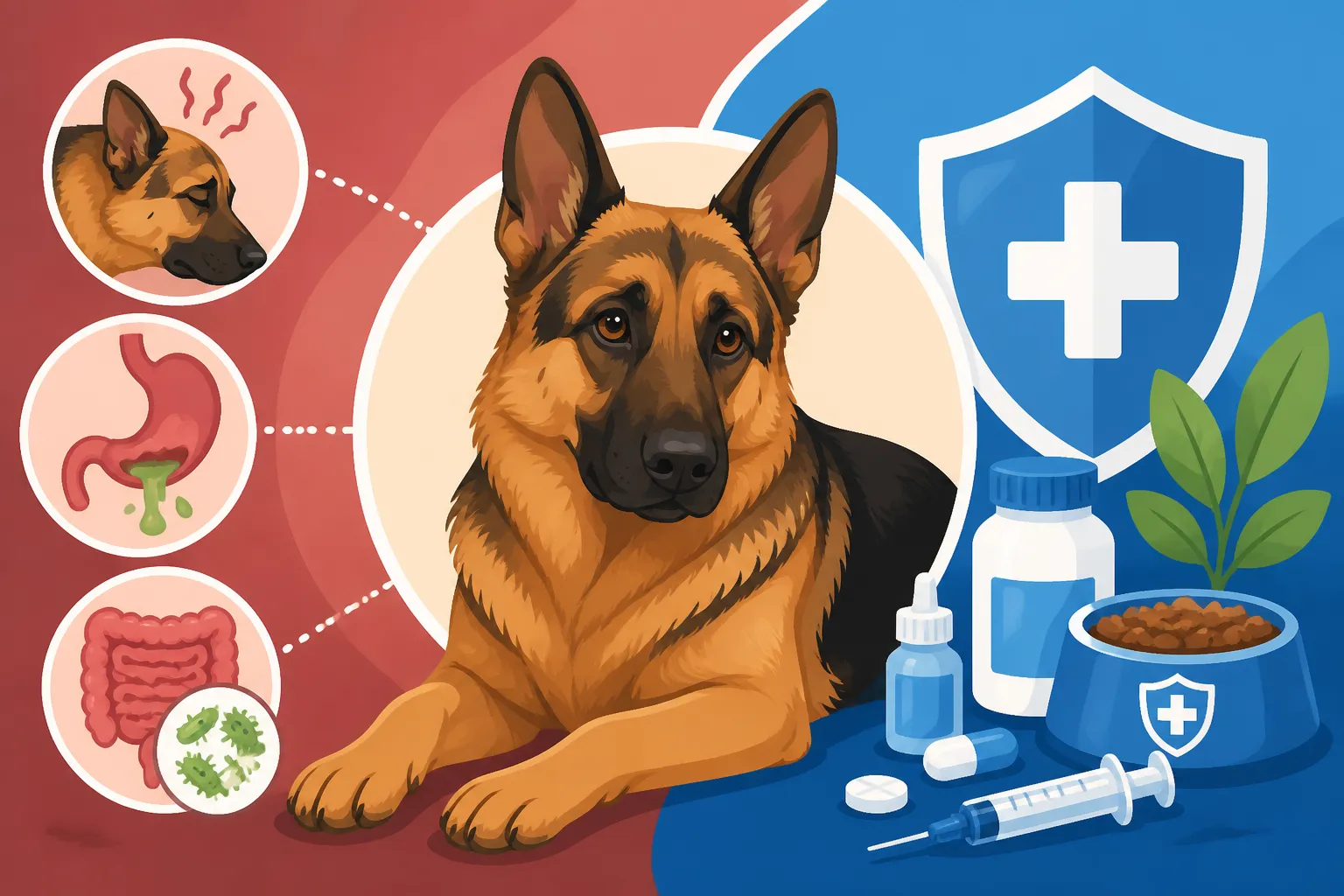
The fallout from a lack of digestive enzymes is profound. Without amylase, lipase, and proteases, carbohydrates, fats, and proteins remain largely undigested in the small intestine. This undigested food ferments, creating an ideal breeding ground for harmful bacteria, leading to a condition called Small Intestinal Bacterial Overgrowth (SIBO). This bacterial imbalance further exacerbates the digestive problems, causing gas, pain, and malabsorption.
The result is a vicious cycle: your dog eats, but their body can't break down the food, so they don't absorb nutrients. This leads to weight loss, despite a voracious appetite. Their body is literally starving for fuel, even as their stomach is full. This constant malabsorption also impacts the absorption of fat-soluble vitamins (A, D, E, K) and critical B vitamins, particularly cobalamin (B12), which can lead to other health complications if not addressed. Understanding this full picture is critical for managing German Shepherd EPI effectively.
Recognizing the Early Signs and Symptoms of EPI
Spotting EPI early can make a world of difference in your German Shepherd's quality of life. The symptoms can sometimes mimic other gastrointestinal issues, which makes a precise diagnosis challenging without proper testing. However, there are some classic indicators that, when seen together, strongly suggest EPI. As an owner, your keen observation is your most powerful tool in the initial stages.
Classic Digestive Distress
The most hallmark symptoms of EPI revolve around severe digestive upset and a perplexing paradox: an animal that is constantly hungry but losing weight. One of the first things owners often notice is chronic diarrhea. This isn't just loose stool; it's typically voluminous, pale, foul-smelling, and often greasy or fatty in appearance (steatorrhea). This greasiness comes from the undigested fat passing through the system. You might see a slick residue on the grass or notice it's particularly hard to clean up.
Accompanying this, and perhaps the most heartbreaking symptom, is significant weight loss. Your German Shepherd might be eating with an insatiable appetite, sometimes even eating more than usual, but they continue to waste away. Their ribs might become prominent, their muscles might atrophy, and they can look quite emaciated despite consuming large quantities of food. It's a truly distressing sight to witness your loyal companion fading away before your eyes, even as you try everything to feed them.
Changes in Appetite and Behavior
Beyond the obvious digestive issues, EPI can manifest in unusual changes in appetite and behavior. Many German Shepherds with EPI develop coprophagia, which is the habit of eating their own feces or the feces of other animals. This isn't just a quirky, gross habit; it's often a desperate attempt by their body to re-ingest undigested nutrients. Their body is screaming for nutrition, and they'll try anything to get it. This can be particularly alarming for owners, adding to the frustration and concern.
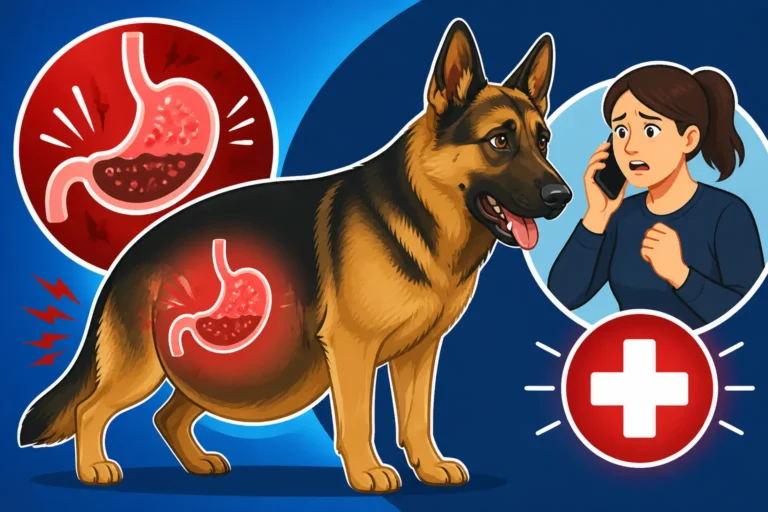
You might also notice a general lethargy or decreased energy level in your typically active German Shepherd. Despite their constant hunger, they may appear weaker, less enthusiastic about play, and sleep more. Their coat might also lose its luster, becoming dry, brittle, and dull due to nutrient deficiencies. Some dogs might also show signs of abdominal discomfort, such as bloating, gurgling sounds, or hunching over, indicating generalized gut pain. These subtle behavioral shifts, combined with the more overt digestive signs, paint a clearer picture of what might be happening internally.
Distinguishing EPI from Other Gastrointestinal Issues
It’s easy to confuse EPI symptoms with other common German Shepherd health problems, especially those involving the digestive system. Conditions like food allergies, inflammatory bowel disease (IBD), or even intestinal parasites can cause diarrhea and weight loss, making accurate diagnosis absolutely critical. For example, a German Shepherd with food allergies might also have loose stools and an itchy coat, but typically won't display the ravenous hunger or greasy stool characteristic of EPI. You can learn more about specific dietary concerns in our guide on German Shepherd EPI Diet and Management.
Therefore, it's paramount not to self-diagnose or try to manage these symptoms with over-the-counter remedies. If you observe any of these persistent signs, especially the combination of voracious appetite and weight loss with chronic, greasy diarrhea, it's time for an immediate visit to your veterinarian. They will need to run specific tests to differentiate EPI from other conditions and get your dog on the right treatment path. Early and accurate diagnosis is key to preventing further deterioration and improving your German Shepherd's prognosis.
| Symptom Category | Common EPI Signs | What It Looks Like to Owners |
|---|---|---|
| Digestion | Chronic, voluminous, pale, greasy diarrhea | Hard to clean up, slick residue, strong foul odor |
| Significant weight loss | Ribs visible, muscle wasting, emaciated appearance | |
| Borborygmi (loud stomach gurgling) | Audible rumbling from the abdomen | |
| Appetite | Polyphagia (insatiable hunger) | Eating constantly, begging for food, stealing food |
| Coprophagia (eating feces) | Consuming own or other animals' stool | |
| Coat/Skin | Dull, dry, brittle coat | Lack of shine, excessive shedding, poor skin condition |
| Energy/Behavior | Lethargy, decreased activity | Less interest in play, sleeping more, weakness |
| Abdominal discomfort, bloating | Hunching, sensitive stomach |
The Diagnostic Journey: Confirming EPI in Your German Shepherd
When you suspect EPI, the diagnostic process involves careful steps to rule out other conditions and pinpoint the exact issue. It’s not about guessing; it’s about getting definitive answers so you can start effective treatment as quickly as possible. This journey often begins with a thorough discussion with your vet about your observations.
Initial Veterinary Consultation and Physical Exam
Your first step is an appointment with your veterinarian. During this visit, be prepared to provide a detailed history of your German Shepherd's symptoms. This includes when they started, how frequently they occur, what their stool looks like, how their appetite has changed, and any weight fluctuations you've observed. The more information you can provide, the better your vet can narrow down the possibilities.
Your vet will perform a comprehensive physical examination. They will check your dog's overall body condition, assess muscle mass, palpate their abdomen for tenderness or abnormalities, listen to their heart and lungs, and generally evaluate their health status. They might note the poor coat quality or evidence of malnourishment. While these findings can point towards a digestive issue, they are not specific enough to diagnose EPI on their own. This initial exam helps guide the next crucial steps in the diagnostic process. For general health insights, you might also find our guide on Signs of a Healthy German Shepherd useful.
The Gold Standard: TLI Testing
The definitive diagnostic test for EPI in German Shepherds, and indeed in all dogs, is the Canine Trypsin-Like Immunoreactivity (cTLI) test. This is a simple blood test that measures the concentration of trypsinogen, a precursor to trypsin, in your dog's bloodstream. Trypsinogen is produced by the pancreas and normally leaks into the bloodstream in tiny amounts. In dogs with EPI, because the pancreatic acinar cells are atrophying or not functioning, they produce significantly less trypsinogen, leading to very low cTLI levels in the blood.
For the most accurate results, your dog will typically need to be fasted for at least 12 hours before the blood draw. The cTLI test is highly specific to the pancreas's exocrine function, meaning a low result almost unequivocally confirms a diagnosis of EPI. A cTLI value below a certain threshold (usually 2.5 µg/L) is considered diagnostic for EPI. This test is a true game-changer, as it provides a clear, objective answer to what can be a very confusing set of symptoms.
Other Supporting Blood Tests
While the cTLI test is the cornerstone, other blood tests can provide valuable supporting information and help rule out concurrent conditions. Your vet may recommend a complete blood count (CBC) and a biochemistry panel to assess your German Shepherd's overall health, check for anemia (common with chronic malabsorption), and evaluate organ function. These general health screenings are a good idea for any dog experiencing significant health changes.
Critically, a test for serum cobalamin (Vitamin B12) and folate levels is often performed alongside the cTLI test. Dogs with EPI frequently develop a deficiency in cobalamin because its absorption requires intrinsic factor, an enzyme also produced by the pancreas, and it's heavily utilized by the bacteria that can overgrow in the gut. Low B12 levels can exacerbate symptoms, causing lethargy and poor appetite. Folate levels can indicate Small Intestinal Bacterial Overgrowth (SIBO), as certain bacteria consume folate, leading to low levels, while others produce it, leading to high levels. Addressing these secondary deficiencies is a vital part of comprehensive EPI treatment.
Comprehensive Treatment and Management Strategies for EPI
Receiving an EPI diagnosis for your German Shepherd can feel overwhelming, but the good news is that it's a highly manageable condition with the right treatment. The key is consistent, lifelong adherence to a multi-faceted approach centered around replacing the missing enzymes, carefully adjusting diet, and addressing any secondary deficiencies. This isn't a quick fix, but with dedication, your dog can lead a full and comfortable life.
Enzyme Replacement Therapy: The Cornerstone of Treatment
The absolute core of EPI treatment is pancreatic enzyme replacement therapy. Since your German Shepherd's pancreas isn't producing the necessary enzymes, you must provide them externally. These enzymes, typically derived from porcine (pig) pancreases, come in powdered form. The most common and effective method is to mix the prescribed amount of enzyme powder directly with your dog's food at each meal.
It's crucial to let the enzyme powder incubate with the food for 20-30 minutes before feeding. This "pre-digestion" step allows the enzymes to begin breaking down the food outside the body, making it more digestible once it reaches your dog's stomach. Skipping this step or not allowing enough time can significantly reduce the effectiveness of the enzymes. There are several commercial enzyme products available, such as Pancrezyme, Viokase-V, or Panakare Plus. Your veterinarian will determine the correct dosage based on your dog's weight and individual response, often starting with a standard dose and adjusting as needed until stool quality improves and weight gain begins. Remember, this therapy is for life, so finding a routine that works for both you and your German Shepherd is essential.
Dietary Adjustments for EPI Dogs
While enzyme replacement is crucial, the right diet plays a significant supporting role in managing German Shepherd EPI. The general recommendation is a highly digestible, low-fiber, and often moderate-fat diet. High fiber content can interfere with enzyme activity and exacerbate digestive upset. Many commercial prescription diets formulated for gastrointestinal sensitivities work well, but some owners also find success with specific over-the-counter formulas. Brands like Purina Pro Plan Veterinary Diets EN Gastroenteric or Royal Canin Gastrointestinal Low Fat are often recommended by vets due to their balance of digestibility and nutrient content. You can explore more specific dietary advice in our article on German Shepherd EPI Diet and Management.
Some German Shepherds may also benefit from avoiding certain ingredients, though this is less about EPI itself and more about potential concurrent food sensitivities. It's often recommended to feed smaller, more frequent meals throughout the day, rather than one or two large meals. This helps the digestive system process food more efficiently and prevents overwhelming the limited enzyme activity. Never feed raw food with enzyme powder directly, as the enzymes can destroy vital nutrients in raw meat; if you choose a raw diet, enzymes should be added just before feeding, not pre-incubated.
Addressing Cobalamin Vitamin B12 Deficiency
As mentioned earlier, a significant number of German Shepherds with EPI will also have a cobalamin (Vitamin B12) deficiency. This is because the intrinsic factor needed for B12 absorption is produced by the pancreas, and SIBO also consumes B12. Without adequate B12, dogs can suffer from anemia, lethargy, poor appetite, and even neurological issues. Simply providing enzymes isn't enough; B12 supplementation is often critical for full recovery.
Cobalamin is typically administered via injections, usually given subcutaneously (under the skin) at home. Your vet will show you how to give these injections, which are generally well-tolerated by most dogs. The initial protocol usually involves weekly injections for several weeks, followed by decreasing frequency (e.g., every two to four weeks) once levels are normalized. Regular monitoring of B12 levels through blood tests will guide the ongoing dosage and frequency. Addressing this deficiency can lead to a remarkable improvement in your German Shepherd's energy levels and overall well-being.
Antibiotic Use for SIBO
Small Intestinal Bacterial Overgrowth (SIBO) is a common secondary complication of EPI, caused by undigested food fermenting in the gut. The overgrowth of harmful bacteria can further contribute to diarrhea, gas, and malabsorption, hindering recovery even when enzymes are being given. In these cases, your veterinarian may prescribe a course of antibiotics to reduce the bacterial load in the small intestine.
The most commonly used antibiotic for SIBO in dogs is Tylan (tylosin). It's effective at targeting the specific bacteria often involved in SIBO and has anti-inflammatory properties that can soothe the gut. A course of antibiotics is typically given for several weeks, and some dogs may require intermittent or even continuous low-dose antibiotic therapy if SIBO is a persistent issue. However, antibiotics should only be used under veterinary guidance, as overuse can lead to resistance and further gut microbiome imbalances. Probiotics may also be considered to help restore beneficial gut flora after antibiotic treatment, but always discuss this with your vet first.
Living with EPI: Long-Term Care and Quality of Life
Living with a German Shepherd with EPI is a marathon, not a sprint. It requires commitment, consistency, and a proactive approach to their health. While it might sound daunting at first, many owners successfully integrate the management routine into their daily lives, allowing their dogs to thrive.
Ongoing Monitoring and Adjustments
Once your German Shepherd starts EPI treatment, your vigilance remains incredibly important. You'll need to continuously monitor their weight, appetite, energy levels, and most importantly, their stool quality. A successful treatment regimen will result in your dog gaining weight, having solid, well-formed stools, and regaining their energy and zest for life. If symptoms persist or return, it might indicate that the enzyme dosage needs adjustment, the diet isn't quite right, or perhaps the B12 levels need re-checking.
Regular follow-up visits with your veterinarian are essential. These appointments will involve physical exams, discussions about your dog's progress, and repeat blood tests, especially for cobalamin (B12) levels. These tests help ensure that the treatment is effective and that no new deficiencies are developing. It's a dynamic process, and what works perfectly one month might need slight tweaks the next. Maintaining open communication with your vet is key to long-term success.
Supporting Your Dog's Emotional Well-being
A chronic illness like EPI can take an emotional toll on both you and your German Shepherd. Dogs are incredibly resilient, but constant discomfort and nutrient deficiencies can affect their mood and behavior. As they recover and their physical symptoms improve, you'll likely see their personality bounce back. Continue to provide plenty of love, attention, and mental stimulation. Regular, appropriate exercise, as discussed in our German Shepherd Exercise Requirements guide, is also vital for their overall health, but always ensuring it's tailored to their current energy levels.
Maintaining a consistent routine can also be very comforting for your dog. They thrive on predictability, and knowing when meals are coming (complete with their special enzymes!) can reduce anxiety. Celebrate their milestones, even small ones like a perfectly formed stool, because these are victories for both of you. A happy, well-adjusted dog, even with EPI, is a testament to the care and dedication of their owner.
The Financial Realities of EPI Management
Let's be honest, lifelong management of a chronic condition like EPI comes with financial considerations. The cost of enzyme powder can be substantial, and ongoing B12 injections, prescription diets, and regular vet visits add up. Many owners find themselves looking for ways to manage these expenses. This is where pet insurance can truly be a lifesaver. Providers like Healthy Paws, for instance, often cover diagnostic tests and ongoing treatment for chronic conditions like EPI, especially if the policy is in place before the condition manifests.
The initial diagnosis can be costly, involving multiple vet visits and specific blood tests. After that, the recurring expense of the enzyme powder is the most significant. Prices can vary depending on the brand and dosage, but it’s a necessary, ongoing cost. Investing in a good pet insurance plan early on can help mitigate these financial burdens, allowing you to focus on your German Shepherd's health without the added stress of overwhelming vet bills. Before committing to a policy, always check what conditions are covered and what the reimbursement rates are. Understanding the true lifetime cost of a German Shepherd can also help you budget.
Preventative Measures and Genetic Considerations
Given that German Shepherds have a strong genetic predisposition to EPI, prevention is a critical topic. While it's not always possible to completely prevent the condition, especially if the genetic lottery doesn't go your way, there are definite steps responsible breeders and owners can take to minimize risk and ensure early detection.
Responsible Breeding Practices
For breeders, understanding the genetic component of EPI is paramount. Because EPI is believed to be inherited as an autosomal recessive trait in German Shepherds, responsible breeders should avoid breeding dogs that have tested positive for EPI or have a history of EPI in their immediate lineage. Although there isn't a specific DNA test for EPI itself, careful pedigree analysis and ensuring that breeding dogs have no history of the condition, or that their offspring haven't developed it, can significantly reduce the risk.
Furthermore, any German Shepherd exhibiting symptoms of EPI should be immediately removed from breeding programs. Breeders should also be transparent with potential puppy buyers about the health history of their lines. This commitment to genetic health helps ensure that the prevalence of EPI in the breed decreases over time. If you're looking for a German Shepherd puppy, choosing a reputable breeder who prioritizes genetic health testing, including screening for conditions like hip and elbow dysplasia, is critical. You can learn more about this in our guide on German Shepherd Genetic Health Testing.
Early Detection and Proactive Care
For German Shepherd owners, proactive care involves being keenly aware of the signs of EPI. Since the condition typically manifests in younger dogs, often between six months and five years of age, pay close attention to any changes in your puppy or young adult dog's appetite, stool quality, and weight. If you notice persistent diarrhea, especially with a greasy appearance, coupled with ravenous hunger and weight loss, do not delay in contacting your veterinarian.
Early diagnosis is crucial. The longer EPI goes untreated, the more damage can occur to the intestinal lining, potentially making recovery more challenging. If you acquire a German Shepherd from a rescue or shelter, or if you're unsure about their genetic history, be extra vigilant for these symptoms. Proactive monitoring, knowing the specific signs, and seeking veterinary care promptly are your best tools in managing this condition effectively.
Dietary Considerations for GSDs Prone to EPI
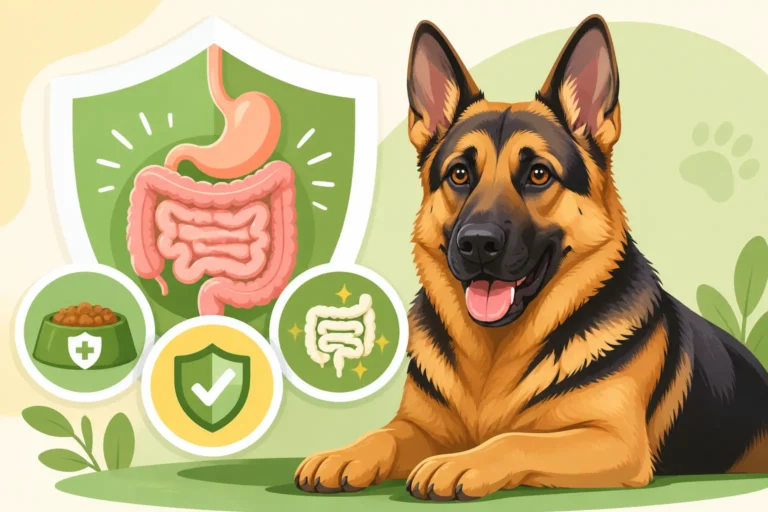
While diet cannot prevent EPI in genetically predisposed German Shepherds, a healthy, easily digestible diet can support overall gastrointestinal health and potentially minimize stress on the pancreas. Feeding a high-quality, complete, and balanced diet appropriate for large breeds is always a good starting point. Some owners choose to avoid very high-fiber diets, as these can be harder to digest for dogs whose digestive systems might be more sensitive, even if they don't have full-blown EPI.
It's also important to avoid sudden, drastic changes in diet, which can upset any dog's digestive system. Gradual transitions are always best. While there's no "EPI prevention" diet, focusing on gut health through appropriate nutrition can contribute to your German Shepherd's overall well-being. For broader nutritional guidance, consider checking out our German Shepherd Feeding Guide to ensure your dog is getting the best possible start and continued care.
Disclaimer
The information provided in this article is for educational and informational purposes only and does not constitute veterinary medical advice. Always consult with a qualified veterinarian for any health concerns or before making any decisions about your pet's medical care or treatment.