Is EPI Common in German Shepherds
It’s truly disheartening when your beloved German Shepherd starts showing signs of illness, especially when those symptoms are vague or mimic other issues. One condition that frequently causes concern among GSD owners is Exocrine Pancreatic Insufficiency, or EPI. It's natural to wonder, "Is EPI common in German Shepherds?" You're not alone in that worry, and understanding the truth about this condition is the first step toward managing it effectively for your furry family member. This guide will dive deep into EPI, explaining why it's more prevalent in our Shepherds and how to navigate its diagnosis and ongoing care.
Is EPI Unusually Common in German Shepherds?
The straightforward answer is yes, unfortunately, Exocrine Pancreatic Insufficiency (EPI) is notably more common in German Shepherds compared to many other breeds. This isn't just anecdotal observation from countless worried owners; scientific studies and veterinary professionals confirm that German Shepherds have a significant genetic predisposition to developing this condition. If you've spent any time researching German Shepherd health issues, you've likely encountered EPI mentioned frequently.
Many German Shepherd owners report seeing the characteristic signs of EPI, often initially mistaking them for general digestive upset or picky eating. The frustration of watching your dog constantly lose weight despite eating copious amounts of food, or dealing with chronic, strange-looking stools, is a common lament in our community. This prevalence is due to an inherited genetic defect, primarily an autosomal recessive gene, which means a puppy needs to inherit the gene from both parents to be affected. This genetic link is precisely why EPI pops up so often in German Shepherd lines.
Breeders, especially reputable ones, are becoming increasingly aware of this predisposition and are working to reduce its incidence through careful breeding practices and German Shepherd Genetic Health Testing. However, even with the best intentions, the gene can still surface, making it crucial for every German Shepherd owner to be informed. Understanding that this isn't just a random stroke of bad luck, but rather a known breed-specific challenge, can help you approach the situation with more clarity and less self-blame if your dog is diagnosed.
What Exactly is Exocrine Pancreatic Insufficiency EPI?
When you hear "Exocrine Pancreatic Insufficiency," it sounds incredibly complex, but at its heart, EPI is a condition where your dog's pancreas doesn't produce enough of the digestive enzymes necessary to properly break down food. Think of it like a factory that's missing crucial machinery – it can't do its job, no matter how much raw material (food) you put into it.
The Pancreas’s Role in Digestion
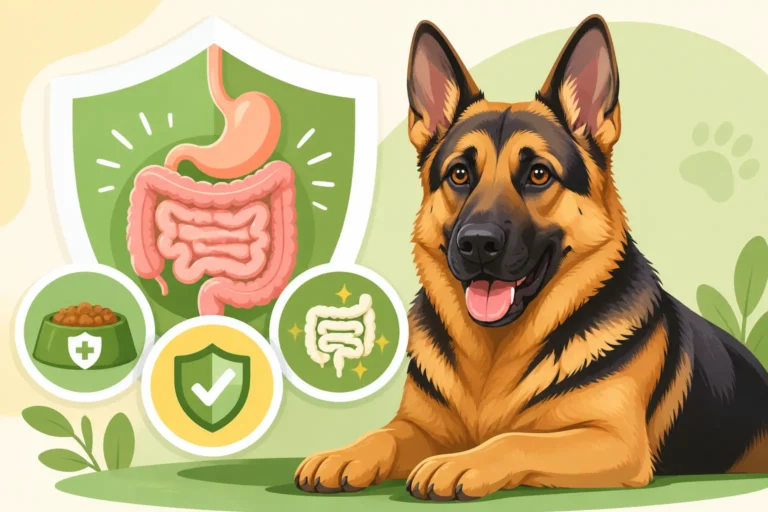
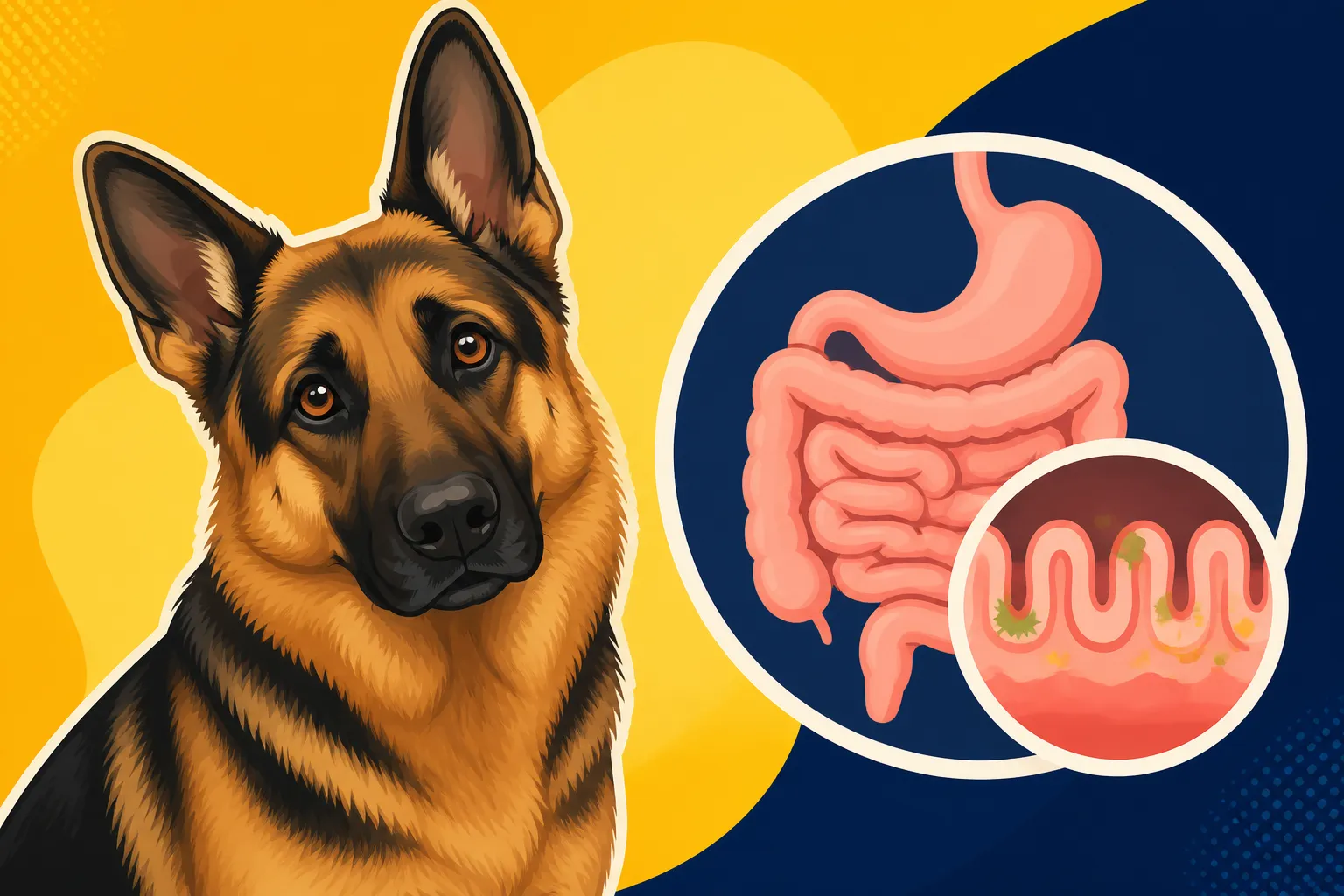
Your dog's pancreas is a pretty incredible organ, serving two main functions. It produces hormones like insulin, which regulates blood sugar (this is the endocrine function, related to diabetes). But it also has a vital exocrine function: producing digestive enzymes such as amylase, lipase, and protease. These enzymes are absolutely essential for breaking down carbohydrates, fats, and proteins into forms that the small intestine can absorb. Without these enzymes, food simply passes through your dog's system largely undigested.
Imagine your German Shepherd wolfing down a delicious meal – kibble, wet food, maybe a special treat. Normally, as that food hits their stomach and small intestine, the pancreas gets to work, releasing a flood of these powerful enzymes. They act like tiny scissors, snipping large food molecules into smaller, absorbable nutrients. If this doesn't happen, those nutrients don't get absorbed, no matter how good or expensive the food is.
How EPI Develops in German Shepherds
In German Shepherds, EPI most commonly develops due to a condition called pancreatic acinar atrophy (PAA). This isn't an infection or something they "catch"; it's an inherited condition where the cells in the pancreas responsible for producing digestive enzymes gradually waste away. It typically affects younger dogs, often between 1-5 years of age, though it can appear earlier or later.
This atrophy is a progressive process. At first, your dog might not show any obvious signs because the pancreas has a significant reserve capacity. It can still function adequately even with a reduced number of enzyme-producing cells. However, as more and more of these cells are lost, enzyme production drops below a critical threshold. Once that happens, typically when about 90% or more of the exocrine pancreatic tissue is non-functional, the classic symptoms of maldigestion and malabsorption begin to appear. It’s like a slow leak that eventually turns into a gush – you might not notice the first few drips, but eventually, the problem becomes undeniable.
Recognizing the Signs and Symptoms of EPI
Identifying EPI early can be a bit tricky because some of its initial signs can be mistaken for other common ailments, like general gastrointestinal upset or even parasites. However, there are some very distinct indicators that, especially when seen together in a German Shepherd, should immediately raise a red flag. Paying close attention to your dog's eating habits, energy levels, and most importantly, their stool, is paramount.
Classic Digestive Issues
The most noticeable signs of EPI revolve around digestion. Because food isn't being broken down properly, it ferments and passes through the digestive tract in an abnormal way. This leads to a suite of unpleasant and persistent symptoms:
- Chronic Diarrhea or Greasy Stools: This is perhaps the hallmark symptom. The stools are often pale, yellowish-grey, voluminous, loose, and have a very greasy or slimy appearance. This is due to the high fat content passing through undigested. They also tend to be incredibly foul-smelling, sometimes described as rancid. You might notice them floating in water because of the fat content. This can be very frustrating to clean up, and it's a huge indicator that something is amiss with digestion.
- Increased Fecal Volume: Even if not outright diarrhea, the sheer amount of stool your dog produces can be surprising. Since so much food is passing through undigested, there's simply more waste coming out.
- Flatulence and Gurgling Stomach: The undigested food ferments in the gut, leading to excessive gas and loud stomach gurgling. Your GSD might be noticeably gassier than usual, which can be uncomfortable for them and, let's be honest, for you too!
- Coprophagia (Eating Stool): Some dogs with EPI may start eating their own feces or the feces of other animals. This is often thought to be an attempt to re-ingest nutrients their body is desperate for, or perhaps due to the unusual smell of their own stool.
Weight Loss Despite Eating
This symptom is often the most perplexing and concerning for owners. You're feeding your German Shepherd regular, perhaps even increased, amounts of food, and they are eating it with gusto, yet they continue to lose weight. This isn't just a slight trim down; it can be a significant and noticeable loss of muscle mass, leaving your dog looking gaunt and bony.
- Ravenous Appetite: Dogs with EPI are often incredibly hungry, almost ravenous. They feel constantly starved because their body isn't absorbing nutrients. They might beg for food more, try to steal food, or even become protective of their food bowl. It’s heartbreaking to see them eat so much and still waste away.
- Progressive Weight Loss: This loss isn't sudden, but a gradual decline over weeks or months. You might notice their ribs becoming more prominent, their hips sticking out, and an overall emaciated appearance despite a healthy (or even excessive) food intake. This malabsorption is the core issue, leading to a state of chronic malnutrition. For more details on weight management, you might find our guide on German Shepherd Weight and Obesity Risks helpful, though EPI presents the opposite challenge.
Other Observable Changes
Beyond the classic digestive and weight issues, other signs can accompany EPI:
- Poor Coat Condition: A lack of absorbed nutrients can lead to a dull, dry, flaky, or greasy coat. You might notice increased shedding or a general lack of shine that's uncharacteristic for a healthy German Shepherd.
- Lethargy and Weakness: Chronic malnutrition takes a toll on overall energy levels. Your typically energetic German Shepherd might seem more tired, less interested in play, and generally weaker. They might struggle to maintain their usual exercise routine.
- Behavioral Changes: While not a direct symptom, the constant discomfort from stomach upset and chronic hunger can lead to irritability, anxiety, or other subtle behavioral shifts. They might not feel well enough to engage in their usual activities.
- Muscle Wasting: As mentioned, the body starts to break down its own muscle tissue for energy if it's not getting enough nutrients from food. This is particularly noticeable over the back and hindquarters.
If you observe a combination of these symptoms in your German Shepherd, especially the greasy stools and unexplained weight loss despite a good appetite, it's crucial to consult your veterinarian immediately. Early diagnosis and intervention are key to managing EPI effectively. You can learn more about general warning signs in our article on Signs of a Healthy German Shepherd.
Diagnosing EPI: Getting a Clear Picture
When your German Shepherd is showing classic EPI symptoms, it’s a huge relief to finally get a clear diagnosis. The path to confirmation involves specific tests designed to measure pancreatic function and rule out other conditions that might present similarly. It's not uncommon for owners to have gone through rounds of deworming, diet changes, and other treatments before EPI is finally suspected, which can be incredibly frustrating.
The TLIT Test: The Gold Standard
The most reliable and definitive diagnostic test for EPI is the Trypsin-like Immunoreactivity (TLI) test. This is a simple blood test that measures the amount of trypsinogen and trypsin in your dog's bloodstream. Trypsinogen is a precursor to trypsin, a digestive enzyme produced by the pancreas.
Here's why it's so effective:
- What it measures: In a healthy dog, a certain amount of trypsinogen leaks from the pancreas into the bloodstream. If the pancreas isn't producing these enzymes (as in EPI), the levels in the blood will be significantly lower.
- Preparation: Your dog will need to fast for at least 12 hours before the blood sample is taken. Food can interfere with the results, so this step is critical.
- Results: A low TLI value (typically below 2.5 µg/L) is diagnostic for EPI. Values in the borderline range might warrant a re-test or further investigation, but usually, with clear symptoms and a low TLI, the diagnosis is confirmed.
This test is highly sensitive and specific for canine EPI, making it the preferred method for veterinarians worldwide. It removes the guesswork and provides a definitive answer, which is often a huge relief for owners who have been struggling to understand their dog's mysterious symptoms.
Ruling Out Other Conditions
While the TLI test is excellent for confirming EPI, your vet might also run other tests to rule out conditions that can cause similar gastrointestinal upset. It's important to remember that some German Shepherds with EPI can also have concurrent issues.
Some conditions that can mimic or co-exist with EPI include:
- Intestinal Parasites: Things like giardia or hookworms can cause chronic diarrhea and weight loss. A fecal examination can rule these out.
- Inflammatory Bowel Disease (IBD): This chronic inflammation of the digestive tract can also lead to malabsorption, diarrhea, and weight loss.
- Small Intestinal Bacterial Overgrowth (SIBO): Often, EPI itself can lead to an overgrowth of bacteria in the small intestine because undigested food provides a feast for these bacteria. This can worsen symptoms and sometimes requires additional treatment. Your vet might perform a folate and cobalamin (B12) test, as these vitamin levels can be abnormal with SIBO.
- Food Allergies or Sensitivities: While EPI is an enzyme deficiency, dietary intolerances can also cause chronic digestive upset. Exploring German Shepherd Allergies: Symptoms and Treatment might be relevant if your dog has other allergic signs.
Your vet will take a thorough history, conduct a physical exam, and might recommend a broader blood panel to check overall health and organ function. This comprehensive approach ensures that not only is EPI correctly identified, but any co-existing conditions are also addressed, leading to the most effective treatment plan for your German Shepherd. Remember that pet insurance, like policies from Healthy Paws, can be incredibly helpful in managing the costs of these diagnostic tests and subsequent long-term care for chronic conditions.
Managing Life with a German Shepherd with EPI
Receiving an EPI diagnosis can feel overwhelming, but the good news is that EPI is a manageable condition. It requires lifelong commitment to treatment, but with consistent care, German Shepherds with EPI can live full, happy, and healthy lives. The goal of management is to replace the missing enzymes and ensure your dog can properly absorb nutrients from their food.
Enzyme Replacement Therapy
The cornerstone of EPI treatment is enzyme replacement. Since your dog's pancreas isn't producing enough enzymes, you simply add them back into their food.
- Pancreatic Enzyme Supplements: These supplements are derived from porcine (pig) pancreases and contain high concentrations of amylase, lipase, and protease. They are typically given as a powdered supplement that you mix directly into your dog's food.
- How to Administer: The enzymes need to be thoroughly mixed with each meal and allowed to sit for about 20-30 minutes before feeding. This "incubation" period helps activate the enzymes and prevents them from irritating your dog's mouth or esophagus.
- Dosage: The dosage will be determined by your vet and often needs to be adjusted based on your dog's individual response. You'll be looking for improvements in stool quality, weight gain, and overall energy. Finding the right dose is often a process of trial and error, so patience is key.
- Brand Consistency: Sticking with a reliable brand of pancreatic enzymes, like Pancrezyme or Viokase-V, is often recommended as quality can vary between products. Don't be tempted by cheaper, non-prescription "digestive enzymes" from pet stores, as these rarely contain the potency needed for true EPI.
It's vital to administer the enzymes with every meal, for the rest of your dog's life. Skipping doses will lead to a recurrence of symptoms.
Dietary Adjustments
While enzyme replacement is primary, diet plays a crucial supporting role in managing EPI. The right diet can make the enzymes more effective and reduce digestive stress.
- Highly Digestible Food: Your vet will likely recommend a high-quality, highly digestible dog food. These diets are formulated to be easy on the digestive system and maximize nutrient absorption. Some dogs do well on prescription gastrointestinal diets, while others thrive on specific commercial brands. Look for foods with moderate fat content. While fat is maldigested in EPI, overly low-fat diets can be detrimental as dogs still need a certain amount of fat-soluble vitamins.
- Frequent, Smaller Meals: Instead of one or two large meals, feeding 2-3 smaller meals throughout the day can sometimes be beneficial. This reduces the load on the digestive system and ensures a more continuous supply of enzymes.
- Vitamin Supplementation: Dogs with EPI often have deficiencies in fat-soluble vitamins (A, D, E, K) and Vitamin B12 (cobalamin) due to malabsorption. Your vet will likely prescribe a Vitamin B12 supplement, often given by injection initially, and then potentially orally. Supplementing fat-soluble vitamins may also be necessary, especially if their diet doesn't fully compensate.
- Avoid Raw Food: While some owners advocate for raw diets, they are generally not recommended for EPI dogs. The bacterial load in raw meat can exacerbate small intestinal bacterial overgrowth (SIBO), which often accompanies EPI. Cooked, digestible diets are safer and more effective. For more general insights into feeding, you might want to read our German Shepherd Feeding Guide.
Ongoing Monitoring and Vet Visits
Managing a chronic condition like EPI requires a close partnership with your veterinarian.
- Regular Check-ups: Expect regular follow-up visits, especially in the initial months, to monitor your dog's weight, stool quality, and overall health. Your vet will help you fine-tune enzyme dosages and dietary approaches.
- Bloodwork: Periodic blood tests, particularly for B12 levels, will be necessary to ensure deficiencies are being corrected. If SIBO is suspected, further tests and potentially antibiotics might be needed.
- Patience and Observation: EPI management is not a "set it and forget it" process. Be prepared to observe your dog closely, note any changes in their appetite, stool, or energy, and communicate these with your vet. Some dogs might have flare-ups or require adjustments to their treatment plan over time.
- Financial Considerations: EPI is a lifelong condition, and the cost of enzymes and prescription diets can add up. Having pet insurance, like a plan from Healthy Paws, can significantly ease the financial burden of these ongoing medications and veterinary visits, allowing you to focus on your dog's well-being without undue stress. Early diagnosis, which often involves multiple vet visits and tests, is a great reason to consider insurance.
By consistently providing enzyme therapy, a suitable diet, and working closely with your vet, you can help your German Shepherd with EPI thrive. It's a journey, but a rewarding one, seeing your once-ailing companion regain their vitality and healthy weight. Our guide on How to Manage EPI in a German Shepherd offers even more detailed advice.
The Role of Genetics and Prevention
Understanding that EPI has a strong genetic component in German Shepherds brings both clarity and responsibility. While you can't change your dog's genetic makeup if they've inherited the predisposition, this knowledge empowers future owners and breeders to make more informed decisions, potentially reducing the incidence of EPI in the breed.
Responsible Breeding Practices
Given the clear hereditary nature of EPI in German Shepherds, responsible breeders play a crucial role in minimizing its presence.
- Health Testing and Pedigree Review: Reputable breeders will actively screen their breeding dogs for known health issues common in the breed, and that includes considering the history of EPI in their lines. While there isn't a direct genetic test to identify carriers of the specific PAA gene in German Shepherds (unlike some other genetic diseases), breeders can make informed decisions by tracking the health of past offspring and relatives. If a dog produces offspring with EPI, they should ideally be removed from a breeding program.
- Transparency: Good breeders are transparent about the health history of their breeding dogs and puppies, including any instances of EPI in the lineage. They should be willing to discuss this openly and provide health guarantees. Asking about the health of the parents and their siblings can give you valuable insight. For more on what to look for, check out How to Choose a German Shepherd Breeder.
- Avoiding Inbreeding: While sometimes used to fix desirable traits, excessive inbreeding can also concentrate undesirable recessive genes, like the one for EPI. Responsible breeders strive for a balance to maintain genetic diversity while preserving breed standards.
Genetic Research and Future Prevention
Ongoing research is continually working towards better understanding the genetics behind EPI in German Shepherds. Scientists are constantly looking for more definitive markers or tests that could identify carriers before breeding, which would be a game-changer for prevention.
- Hope for Genetic Markers: If a reliable genetic marker for the EPI gene in German Shepherds is identified, it could allow breeders to test potential breeding dogs and make more precise decisions to avoid producing affected puppies. This kind of progress has been made for other breed-specific conditions and offers hope for EPI.
- Buyer Awareness: As a prospective German Shepherd owner, being aware of EPI and its genetic link is vital. Don't be afraid to ask breeders specific questions about their health screening protocols, their experience with EPI in their lines, and what steps they take to mitigate its risk. A responsible breeder will appreciate your thoroughness.
- Early Intervention: For owners of dogs from lines where EPI has occurred, being vigilant about early symptoms can lead to quicker diagnosis and management, significantly improving the dog's prognosis.
While there's currently no simple "EPI gene test" for German Shepherds to identify carriers like there is for some other conditions, the collective efforts of researchers, responsible breeders, and informed owners are the best tools we have to address and hopefully reduce the prevalence of EPI in this magnificent breed.
EPI Symptoms and Key Management Steps
To help summarize the essential points about Exocrine Pancreatic Insufficiency in German Shepherds, here's a quick overview of the key symptoms to watch for and the primary steps involved in management.
| Symptom Category | Key Indicators to Watch For | Primary Management Steps |
|---|---|---|
| Digestive Issues | Pale, greasy, voluminous, foul-smelling stools; chronic diarrhea; excessive flatulence | Enzyme Replacement Therapy: Powdered enzymes mixed with every meal |
| Weight & Appetite | Ravenous appetite despite significant weight loss; emaciated appearance; muscle wasting | Dietary Adjustments: Highly digestible, moderate-fat diet; smaller, frequent meals |
| General Health | Dull, poor coat condition; lethargy; weakness; behavioral changes | Vitamin Supplementation: Especially B12 (cobalamin); fat-soluble vitamins as needed |
| Diagnosis | Suspected based on clinical signs | TLI Blood Test: The definitive diagnostic test (fasting required) |
| Long-term Care | Consistent daily treatment | Regular Vet Check-ups: To monitor progress, adjust dosage, and manage any co-existing conditions (e.g., SIBO) |
Disclaimer
The information provided in this article is for general informational purposes only and is not a substitute for professional veterinary advice. Always consult with a qualified veterinarian for any health concerns or before making any decisions related to your pet’s health and treatment.