German Shepherd Joint Health Supplements
Living with a German Shepherd means embracing their incredible loyalty, intelligence, and boundless energy. However, it also means facing the very real concern of joint problems, which can cast a shadow over their otherwise active lives, causing pain, stiffness, and significantly impacting their quality of life. The thought of our beloved companions struggling with discomfort is heartbreaking for any dog parent. This comprehensive guide will delve deep into understanding joint health in German Shepherds and explore how carefully chosen supplements can be a crucial part of managing and supporting their joint well-being, helping them stay active and comfortable for as long as possible.
Understanding Joint Health in German Shepherds
It's a tough truth that our magnificent German Shepherds are particularly susceptible to joint issues. Knowing why and what to look for are the first crucial steps in proactive care.
Why German Shepherds Are Prone to Joint Problems
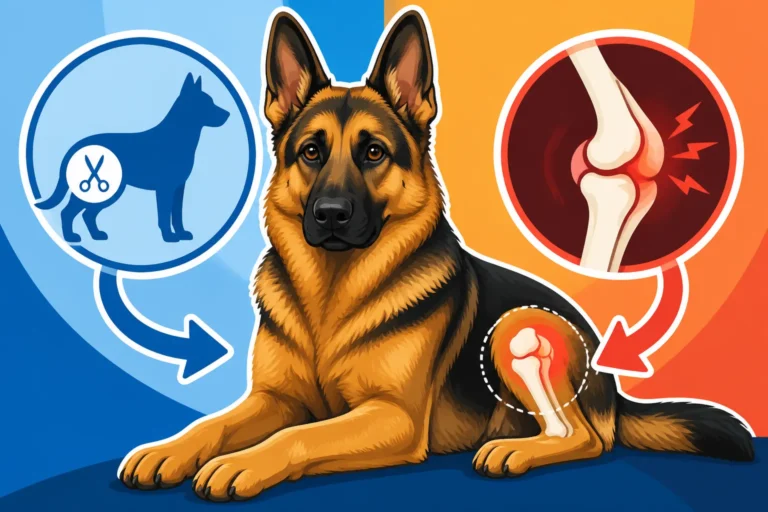
German Shepherds are undeniably stunning and powerful dogs, but their very size, rapid growth rate, and genetic predispositions unfortunately make them more prone to certain orthopedic conditions than many other breeds. The most well-known culprits are German Shepherd Hip Dysplasia Explained and elbow dysplasia. These aren't just minor aches; they are developmental conditions where the hip or elbow joints don't form correctly, leading to a loose fit, abnormal wear and tear, and eventually painful arthritis. It's not uncommon for a young, seemingly healthy German Shepherd puppy to develop these conditions, which can progress as they mature. The breed’s active nature, especially in working lines, can also exacerbate these underlying genetic weaknesses if not managed carefully from a young age. Beyond these primary dysplasias, conditions like panosteitis (often called "growing pains" in puppies) and later, osteoarthritis, are also significant concerns that contribute to joint discomfort throughout their lives. It's a heavy burden for such active, devoted dogs to carry.
Recognizing the Early Signs of Joint Discomfort
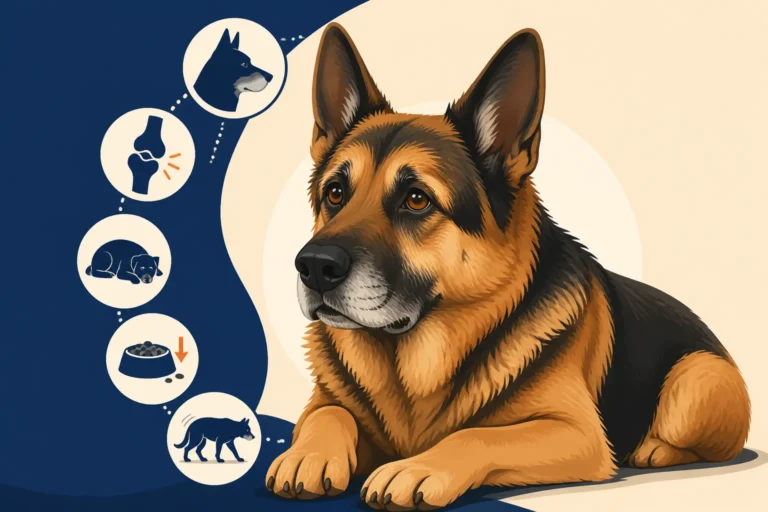
Catching joint issues early can make a world of difference in your German Shepherd's long-term comfort and mobility. Unfortunately, dogs are masters at hiding pain, a remnant of their wild ancestry where showing weakness could make them vulnerable. This means you need to be an astute observer of their subtle cues. Early signs of joint discomfort often manifest as a slight change in gait—perhaps a stiffness after resting, especially first thing in the morning or after a long nap. You might notice them being reluctant to jump into the car, climb stairs, or even engage in their usual enthusiastic play sessions. A subtle limp, even one that comes and goes, is a significant red flag. They might sit or lie down in unusual positions, favoring a particular limb, or show discomfort when getting up from a prone position, struggling a bit to push themselves up. Sometimes, they might lick excessively at a particular joint or even become a little more irritable or withdrawn due because of persistent pain. Paying close attention to these seemingly minor changes, rather than dismissing them as "just getting old" or "over-exercised," is vital.
The Science Behind Joint Supplements
When we talk about supporting joint health, supplements are often at the forefront. But what exactly are these ingredients, and how do they work their magic?
Key Ingredients and How They Work
Joint supplements aren't just a random mix of ingredients; they contain specific compounds known to play a role in cartilage health, inflammation reduction, and joint lubrication. The heavy hitters you'll almost always see are glucosamine and chondroitin. Glucosamine acts as a building block for cartilage, helping to repair and maintain the resilient tissue that cushions the ends of bones. Think of it as the raw material your dog’s body needs to keep those shock absorbers working. Chondroitin, often paired with glucosamine, is a major component of cartilage, helping to give it elasticity and resistance to compression. It also helps to inhibit enzymes that break down cartilage, essentially slowing down the destructive process within the joint.
Another crucial ingredient is MSM (Methylsulfonylmethane), a natural sulfur compound. MSM is celebrated for its anti-inflammatory properties, which can significantly help in reducing pain and swelling associated with joint issues. It also supports the production of healthy connective tissues. Then there are Omega-3 Fatty Acids, particularly EPA and DHA, commonly found in fish oil. These powerful anti-inflammatories work systemically to reduce overall inflammation in the body, which can dramatically lessen joint pain and stiffness. Finally, Hyaluronic Acid (HA) is a component of the synovial fluid that lubricates joints, improving shock absorption and facilitating smooth movement. Together, these ingredients work synergistically, aiming to not just mask pain but to actually support the structural integrity and function of the joints.
Different Forms of Supplements
Joint supplements come in a variety of forms, and choosing the right one often comes down to what your particular German Shepherd will readily accept and what you find easiest to administer consistently.
Chewable Tablets or Soft Chews: These are arguably the most popular form. They often come in palatable flavors like chicken or beef, making them seem more like a treat than medication. This can be a huge win for picky eaters or dogs that are suspicious of pills. Many German Shepherds will happily gobble these down, making daily administration simple and stress-free. However, ensure that the active ingredients are consistent and not just coated on the outside, and always check the sugar content if your dog has dietary restrictions.
Powders: Powders are another common option. They are usually designed to be sprinkled over your dog's food. This can be great if your German Shepherd already eats wet food or if you can easily mix the powder into a small amount of yogurt or peanut butter. The advantage here is often a more concentrated dose of active ingredients and sometimes a more cost-effective option per serving. However, some powders can have a distinct smell or taste that some dogs might reject, leading to wasted food or refusal to eat. Also, ensuring your dog eats all of their food to get the full dose is important.
Liquids: Liquid supplements are less common but can be very effective. They are often absorbed quickly and can be easily mixed into food or administered directly into your dog's mouth with a syringe. This form can be particularly useful for very old dogs or those with dental issues who struggle with chewing. The downside can be storage (some require refrigeration), potential for mess, and some dogs might resist having liquid squirted directly into their mouths.
Ultimately, the best form is the one your German Shepherd will take consistently, allowing the active ingredients to do their work day in and day out. It might take a bit of trial and error to find the perfect fit for your furry friend.
Choosing the Right Joint Supplement for Your German Shepherd
Navigating the vast world of joint supplements can feel overwhelming. Knowing what to look for and what questions to ask is key.
Factors to Consider: Age, Weight, and Condition
Choosing the right joint supplement isn't a one-size-fits-all situation; it requires careful consideration of your German Shepherd's individual circumstances. Their age plays a huge role. For instance, a young German Shepherd puppy might benefit from a preventative supplement with lower doses of joint support ingredients, especially if they come from lines with a history of hip or elbow dysplasia. This proactive approach can be incredibly beneficial, almost like investing in their long-term health, potentially reducing the severity of future issues, though it won't prevent genetic conditions entirely. In fact, many breeders start their puppies on a joint support regimen.
For adult German Shepherds, especially those that are highly active or participating in sports, a maintenance dose can help preserve joint integrity and stave off the wear and tear that comes with a busy life. When they reach their senior years, the focus often shifts to more therapeutic doses to manage existing German Shepherd Arthritis: Symptoms and Treatment and improve comfort. A senior dog with noticeable stiffness or pain will likely need higher concentrations of active ingredients compared to a younger dog simply receiving preventative care.
Weight is another critical factor. An overweight German Shepherd puts significantly more stress on their joints, exacerbating any existing issues. While supplements can help, managing German Shepherd Weight and Obesity Risks through diet is paramount. Supplements can be part of a broader strategy, but they aren't a magic bullet for weight-induced joint strain. Finally, the specific condition matters. A German Shepherd diagnosed with severe hip dysplasia will likely require a different approach—potentially higher doses or different combinations of ingredients—than one with mild, age-related stiffness. Always remember that supplements are complementary; they work best as part of a holistic approach that includes proper diet, appropriate exercise, and regular veterinary check-ups.
What to Look for in a Quality Product
With so many joint supplements on the market, distinguishing between high-quality products and those that are less effective (or even just expensive fillers) is crucial. First and foremost, scrutinize the active ingredient list. You want to see clearly labeled amounts of glucosamine (preferably glucosamine hydrochloride, which is more concentrated), chondroitin sulfate, and MSM. Proprietary blends, while sounding fancy, can be a red flag if they don't disclose the individual ingredient amounts, leaving you guessing about effective dosages. Look for supplements that source their ingredients ethically and from reputable suppliers. For example, some glucosamine is derived from shellfish, so if your dog has allergies, look for plant-based alternatives.
Third-party testing is a gold standard for quality assurance. This means an independent lab has verified that the product contains the ingredients listed on the label in the stated amounts and is free from contaminants. Organizations like the National Animal Supplement Council (NASC) provide a quality seal that indicates a product has met certain manufacturing and labeling standards. This offers a layer of confidence.
You'll also want to consider the overall reputation of the brand. Do they specialize in pet health? Are their products recommended by veterinarians? Avoid products with excessive fillers, artificial colors, or unnecessary preservatives. While quality supplements might seem like an upfront investment, remember that proactive joint care can potentially lead to fewer expensive veterinary interventions down the line. It's similar to how pet insurance providers like Healthy Paws encourage preventative care – by investing in your dog's well-being now, you might reduce significant treatment costs for serious conditions later. A good quality supplement can be part of a long-term strategy for How to Keep a German Shepherd Healthy and active.
Consulting Your Veterinarian
This point cannot be stressed enough: before you introduce any new supplement into your German Shepherd's regimen, a thorough consultation with your veterinarian is absolutely non-negotiable. While this guide offers a lot of general information, your vet has the specific knowledge of your dog's health history, current medications, existing conditions, and individual needs.
For example, if your German Shepherd is already on NSAIDs (non-steroidal anti-inflammatory drugs) for pain, some joint supplement ingredients might interact or amplify their effects, leading to unintended side effects. Your vet can perform a physical examination, and potentially recommend X-rays or other diagnostic tests to pinpoint the exact nature and severity of any joint issues, such as those covered in a comprehensive German Shepherd Health Problems Guide. This precise diagnosis is critical because it allows your vet to recommend the most appropriate type and dosage of supplement.
They can guide you on the best brands, warn you about potential interactions, and help set realistic expectations for what supplements can achieve. Sometimes, what you perceive as joint pain could be something else entirely, like a neurological issue (such as Degenerative Myelopathy in German Shepherds) or a soft tissue injury, where supplements might not be the primary solution. Your vet can also advise on the timing of administering supplements, whether they should be given with food, and what specific signs of improvement or adverse reactions to watch out for. Think of your vet as your co-pilot in navigating your German Shepherd’s health journey – their expert guidance is invaluable.
Integrating Supplements into Your Dog's Routine
Once you've chosen a supplement with your vet's guidance, successful integration is all about consistency and a holistic approach.
Proper Dosage and Administration Tips
The effectiveness of any joint supplement hinges on proper dosage and consistent administration. Always follow the manufacturer's recommendations for dosage, usually based on your German Shepherd's weight, but be prepared for your vet to suggest slight adjustments based on their specific needs. It's often recommended to start with a "loading dose" for the first 4-6 weeks, which is a slightly higher initial dose designed to build up the active ingredients in your dog's system more quickly. After this period, you typically transition to a maintenance dose.
Consistency is paramount. These supplements work by accumulating in the body and supporting ongoing processes, so giving them sporadically won't yield the desired results. Make it part of your daily routine – perhaps with a specific meal or at the same time each day. If your German Shepherd is finicky, try mixing powders into a small amount of wet food, yogurt, or even a bit of unsalted chicken broth. For chews, some dogs will happily take them as treats, while others might need them disguised in a pill pocket or wrapped in a piece of cheese. Never force-feed a liquid supplement without proper technique, as it can lead to aspiration. If you're struggling, consult your vet or a professional trainer for tips on safe administration. Remember, patience and consistency are your best tools here.
Combining Supplements with Other Joint Care Strategies
While joint supplements are incredibly beneficial, they are just one piece of the puzzle when it comes to comprehensive joint care for your German Shepherd. A truly holistic approach integrates several strategies to maximize their comfort and mobility.
Firstly, maintaining an ideal body weight is absolutely crucial. Every extra pound your German Shepherd carries puts undue stress on their joints, accelerating wear and tear. Work with your vet to determine the ideal weight for your dog's age and build, and adjust their diet and exercise accordingly. You can find more detailed guidance in our article on German Shepherd Weight and Obesity Risks.
Secondly, a balanced diet rich in essential nutrients and anti-inflammatory ingredients can complement supplements. Some high-quality dog foods, like Purina Pro Plan or Royal Canin, even offer formulations specifically designed for large breeds prone to joint issues, often including ingredients like glucosamine and chondroitin.
Thirdly, controlled and appropriate exercise is vital. While intense, high-impact activities might be detrimental, regular, low-impact exercise like swimming, leash walks, or controlled trotting can help maintain muscle strength, support joint stability, and promote healthy cartilage without putting excessive strain on the joints. Always avoid activities that involve sudden stops, starts, or high jumps, especially in puppies whose growth plates are still developing.
Lastly, consider physical therapy or complementary therapies. Techniques like hydrotherapy, massage, acupuncture, or even laser therapy can provide significant pain relief and improve range of motion, particularly for dogs with advanced joint disease. Investing in supportive bedding, such as orthopedic dog beds, and using ramps for cars or furniture can also significantly reduce daily joint strain, especially for German Shepherd Senior Care Guide. By combining these strategies, you're creating a robust support system for your German Shepherd's joints, helping them lead a more comfortable and active life.
Common Joint Supplement Ingredients Explained
To truly understand what you're giving your German Shepherd, let's take a closer look at the most common ingredients.
Glucosamine and Chondroitin: The Dynamic Duo
Glucosamine and chondroitin are often referred to as the "dynamic duo" of joint health, and for good reason. They are foundational components of most effective joint supplements because they address the structural integrity of cartilage.
Glucosamine: This is an amino sugar that plays a vital role in synthesizing glycosaminoglycans (GAGs) and proteoglycans, which are the main building blocks of cartilage. Think of cartilage as the spongy cushion between bones in a joint. When cartilage is damaged or worn down, as happens with conditions like German Shepherd Hip Dysplasia: Symptoms and Treatment or arthritis, the raw materials to repair and rebuild it are essential. Glucosamine provides these raw materials. It helps to stimulate the production of new cartilage cells and also promotes the formation of hyaluronic acid, which contributes to the viscous, lubricating fluid within the joint. By supporting cartilage repair and maintenance, glucosamine aims to slow down the progression of joint degeneration and reduce the pain associated with bone-on-bone friction. It's not a painkiller in the traditional sense, but rather a restorative agent.
Chondroitin Sulfate: Often derived from bovine or shark cartilage, chondroitin sulfate works hand-in-hand with glucosamine. Its primary role is to give cartilage its elasticity and resistance to compression. It helps maintain the structural integrity of cartilage by attracting water into the joint, which is crucial for nutrient delivery and shock absorption. Chondroitin also inhibits the activity of destructive enzymes that break down cartilage in the joint space, effectively helping to preserve the existing cartilage. Furthermore, it can help block the production of inflammatory mediators, contributing to a reduction in pain and swelling. Together, glucosamine rebuilds and maintains, while chondroitin protects and enhances the elasticity of the joint's crucial cushioning. Their synergistic effect is often greater than either ingredient used alone, making them an incredibly powerful combination for joint support.
MSM and Omega-3 Fatty Acids: Inflammation Fighters
While glucosamine and chondroitin focus on the structural components of the joint, MSM and Omega-3 fatty acids tackle another critical aspect: inflammation and pain management.
MSM (Methylsulfonylmethane): This naturally occurring sulfur compound is widely recognized for its potent anti-inflammatory and pain-relieving properties. Inflammation is a major driver of pain and further joint damage in conditions like German Shepherd Arthritis in Senior Dogs. MSM works by decreasing inflammation, improving blood supply to the joint area, and reducing muscle spasms that can occur around painful joints. It's also a source of sulfur, a vital mineral for the formation of healthy connective tissues, including cartilage, ligaments, and tendons. By reducing oxidative damage and inhibiting inflammatory responses, MSM directly addresses the discomfort your German Shepherd might feel, helping to improve their overall mobility and willingness to move. Many owners report a noticeable difference in their dog's comfort levels, especially when combined with glucosamine and chondroitin.
Omega-3 Fatty Acids (EPA and DHA): These are essential fatty acids, meaning your German Shepherd's body cannot produce them on its own and they must be obtained through diet or supplementation. The most beneficial forms, Eicosapentaenoic Acid (EPA) and Docosahexaenoic Acid (DHA), are primarily found in fish oil (like salmon oil or sardine oil). Omega-3s are powerful systemic anti-inflammatories. Unlike NSAIDs, which target specific pain pathways, Omega-3s work by modulating the body's inflammatory response at a cellular level, reducing the production of inflammatory chemicals. This broad anti-inflammatory effect not only helps alleviate joint pain and stiffness but also supports overall health, including skin and coat condition, and even cognitive function. Regular supplementation with high-quality fish oil can significantly improve a German Shepherd's comfort and mobility over time, making them a crucial component of any comprehensive joint health regimen.
Here's a quick comparison of these powerhouse ingredients:
| Ingredient | Primary Role | Key Benefits | Best For |
|---|---|---|---|
| Glucosamine HCl | Cartilage building block & repair | Stimulates cartilage production, supports joint structure. | Preventing cartilage degeneration, early stage joint wear, maintenance for active dogs. |
| Chondroitin Sulfate | Cartilage elasticity & protection | Maintains cartilage structure, inhibits destructive enzymes, draws water to joint. | Protecting existing cartilage, improving joint shock absorption, slowing progression of arthritis. |
| MSM (Methylsulfonylmethane) | Anti-inflammatory & pain relief | Reduces swelling and pain, supports connective tissue health. | Alleviating pain and stiffness from inflammation, improving mobility, common for older dogs or those with active arthritis. |
| Omega-3 Fatty Acids (EPA/DHA) | Systemic anti-inflammatory | Reduces overall body inflammation, supports joint lubrication, general health. | Broad anti-inflammatory effects for chronic pain, supporting overall joint health, improving coat quality, often used with other joint supplements for enhanced effect. |
| Hyaluronic Acid (HA) | Joint lubrication & shock absorption | Improves synovial fluid viscosity, reduces friction. | Enhancing joint movement, particularly beneficial for dogs with dry or stiff joints. |
Potential Side Effects and Precautions
Even natural supplements can have side effects, and it's important to be aware of what to look for and when to act.
What to Watch Out For
While joint supplements are generally considered safe for German Shepherds, especially when administered correctly, it's not uncommon for some dogs to experience mild side effects. The most frequently reported issues are gastrointestinal in nature. This can manifest as an upset stomach, mild diarrhea, or occasional vomiting. Often, these symptoms are transient and can be mitigated by giving the supplement with food, or by starting with a lower dose and gradually increasing it as your dog adjusts. If the digestive upset persists or is severe, it’s a clear sign to stop the supplement and consult your vet.
Less common, but still possible, are allergic reactions. While rare, your German Shepherd could have an adverse reaction to a specific ingredient, perhaps a filler or a flavor additive. Signs of an allergic reaction might include hives, itching, facial swelling, or difficulty breathing (though this is very severe and uncommon). If you notice any unusual skin issues or changes in breathing, seek veterinary attention immediately. Additionally, if your German Shepherd is on other medications, especially blood thinners or diabetes medications, there's a potential for interactions. For instance, some Omega-3 fatty acids can have mild blood-thinning effects, which might be a concern if your dog is already on similar medication. This is another crucial reason why discussing any new supplement with your vet is imperative to prevent unforeseen complications.
When to Stop and Consult Your Vet
Knowing when to discontinue a supplement and seek professional veterinary advice is just as important as knowing how to administer it. You should immediately stop giving your German Shepherd any joint supplement if they experience severe or persistent side effects, such as repeated vomiting, severe diarrhea, or any signs of an allergic reaction like hives or significant lethargy. These symptoms indicate that the supplement is not agreeing with your dog's system and could potentially be causing more harm than good.
Furthermore, if you notice a lack of improvement in your German Shepherd’s joint condition after several weeks of consistent supplementation (typically 4-8 weeks, depending on the product and the dog), it's time for another vet consultation. Supplements are not a cure-all, and if they aren't providing the anticipated relief, your vet might need to re-evaluate the diagnosis or suggest alternative or additional treatments. Perhaps your dog's condition is more advanced, or a different combination of ingredients would be more effective.
Lastly, if your German Shepherd's symptoms worsen while on the supplement – for example, increased lameness, more pronounced stiffness, or reluctance to move – cease administration and contact your veterinarian right away. While it might not be directly caused by the supplement, it indicates a change in their condition that warrants immediate professional attention. For owners considering proactive measures like German Shepherd Genetic Health Testing or wondering about German Shepherd Lifespan: How to Maximize It, remember that supplements are a tool, not a magic bullet, and their effectiveness is always best monitored and guided by a professional.
Disclaimer
The information provided in this article is for educational purposes only and should not be considered a substitute for professional veterinary advice. Always consult with a qualified veterinarian before making any decisions about your German Shepherd's health, diet, or treatment plan.