Do German Shepherds Change Color as They Grow
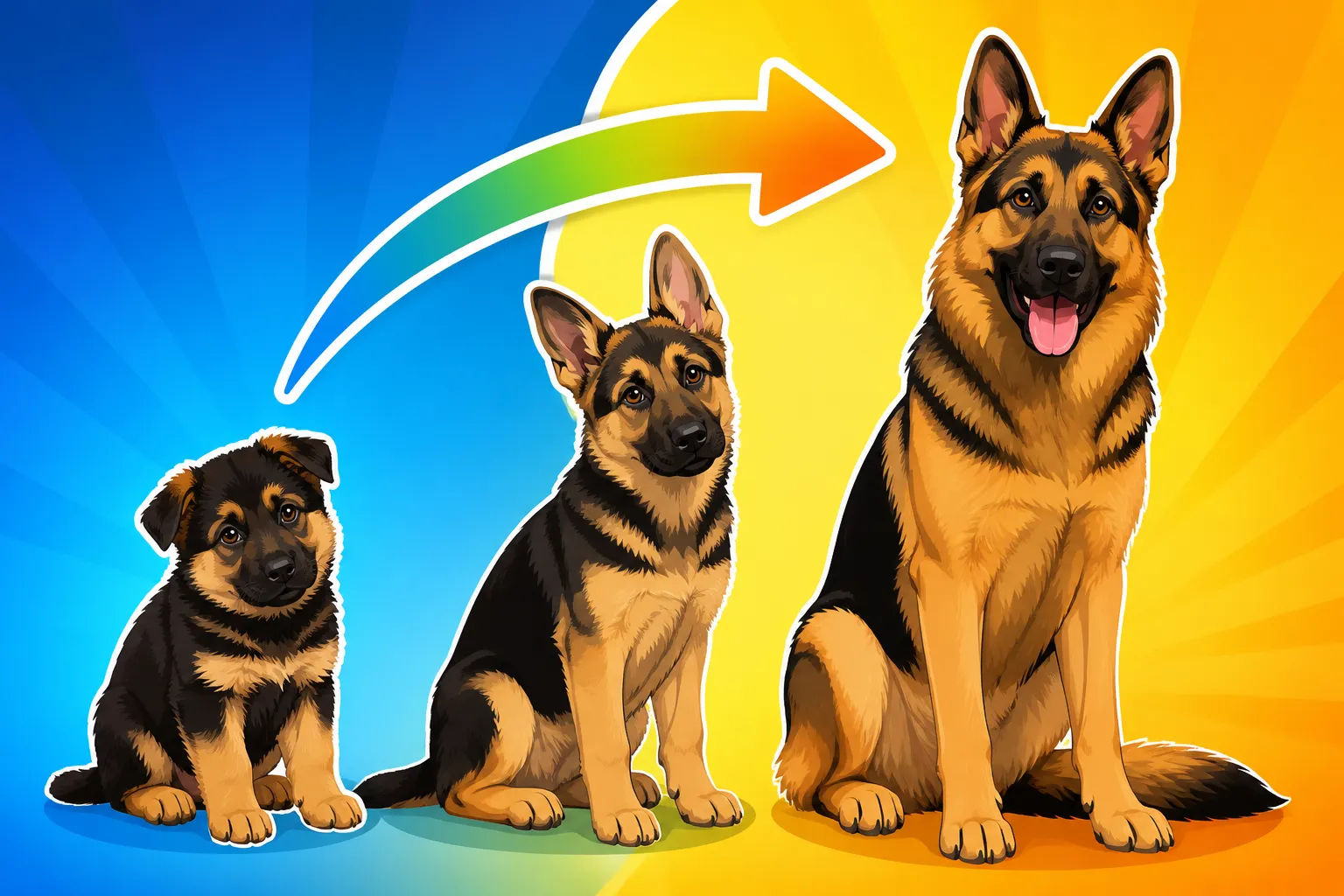
It’s a question that pops into the mind of almost every new German Shepherd puppy parent: "Will my puppy's color change?" And let me tell you, it's a completely valid curiosity, and often, the answer is a resounding yes! Many German Shepherd puppies look dramatically different from their adult counterparts, going through some truly remarkable coat transformations. This guide is going to walk you through the fascinating journey of how German Shepherd colors evolve from those adorable, fuzzy puppy stages to their magnificent, rich adult coats.
The Dynamic World of German Shepherd Puppy Colors
When you first bring home a German Shepherd puppy, whether they're a fluffy eight-week-old bundle or a lanky four-month-old, their coat color is rarely their final destination. It's like looking at a crayon drawing that hasn't been painted in yet—you can see the outline, but the depth and vibrancy are still developing. This initial appearance can lead to a lot of "will they or won't they?" speculation among owners.
The Initial Coat: A Puppy's First Impression
Think back to the last German Shepherd puppy you saw. Chances are, they had a softer, fluffier coat than an adult dog, often referred to as a "puppy fuzz." This coat is not only different in texture but also in color. Many puppies are born with what appears to be a much darker coat, sometimes almost solid black, or with very muted, indistinct markings. For instance, a puppy that will grow into a striking black and red adult might initially look mostly black with just a hint of light tan or cream around its paws and chest.
It's common for these early colors to be a bit misleading. The contrast between the darker saddle and lighter points often isn't fully established, making it hard to predict the depth and richness of the eventual markings. You might look at your little furball and wonder if they'll stay that uniform shade, only to be surprised as they grow. This is perfectly normal and part of the German Shepherd's unique development.
The "Fading" or "Darkening" Phenomenon
The perception of a German Shepherd puppy's color changing can swing in two main directions: either the color seems to "fade" or it appears to "darken" and become more intense. This isn't a trick of the light; it's a genuine biological process influenced by genetics and coat development. For sable German Shepherds, for example, many puppies start off looking very dark, almost black, with much less of the intricate banding and varied shades that define an adult sable. As they mature, the lighter undercoat emerges, and the individual hairs develop their multi-colored tips, leading to a "lighter" overall appearance from the darker puppy stage.
Conversely, a puppy with very light, almost white or cream markings might see those areas deepen significantly over time to a rich tan or a fiery red. This is particularly common in black and tan or black and red lines. The pale puppy points mature into the vibrant, clearly defined markings that are so characteristic of the breed. It’s a bit like watching a photograph develop—slowly but surely, the true colors come into focus. This transformation is one of the joys of raising a German Shepherd, watching their unique pattern unfold before your eyes.
The Stages of Coat Development and Color Change
Understanding that your German Shepherd's color isn't static is just the first step. The next is recognizing when these changes typically occur. It's not an overnight switch but a gradual progression that aligns with their overall growth and development.
Puppy Coat to Adolescent Coat Roughly 8 weeks to 6 months
This phase is where you'll start noticing the most dramatic shifts. Around the 8 to 12-week mark, your German Shepherd puppy begins to shed that incredibly soft, dense puppy fuzz. This isn't just a shedding of hair; it's a transition to a coarser, more structured coat. As the new hair comes in, you'll begin to see the true underlying genetic colors and patterns emerge more clearly.
For a black and tan puppy, those faint tan markings might start to become more defined, perhaps showing a clearer line where the black saddle ends and the tan begins. If you have a sable puppy, you might observe the guard hairs beginning to show the distinctive dark tips and lighter bases, giving that complex, multi-tonal look. This period is often described as the "awkward stage" for German Shepherds, not just in their physical growth but also in their coat, as it's neither fully puppy nor fully adult. It's a time of dynamic change where the adult coat's framework is being laid.
Adolescent to Adult Coat Roughly 6 months to 18-24 months
The period from about six months to around two years of age is crucial for your German Shepherd's coat development. This is when the deeper, richer hues truly start to settle in. The adolescent coat gives way to the full adult double coat, complete with its dense undercoat and protective guard hairs. The colors that began to emerge in the earlier stage will now intensify and solidify. A light tan that appeared during puppyhood might now mature into a deep, mahogany red. The black parts of the coat often become more lustrous and profound.
During this time, the "pigmentation" fully expresses itself. This means the genetic blueprint for their specific color combination, whether it's Black and Red German Shepherd Price: What to Expect or another variation, becomes completely visible. Factors like sun exposure can even play a minor role, as strong sunlight can subtly bleach darker hairs over time, making them appear a little lighter, though this doesn't fundamentally change the dog's genetic color. You'll truly see the magnificence of their breed standard-compliant coat by the time they are around two years old.
Beyond Two Years: Subtle Changes and Environmental Factors
While the most significant color changes occur during puppyhood and adolescence, your German Shepherd's coat isn't entirely static even after they've reached full maturity. These changes are much more subtle and are usually related to environmental factors or the natural aging process rather than a complete color transformation. For example, a dog that spends a lot of time in the sun might experience a slight lightening or "sun-bleaching" of their darker hairs, particularly on their saddle or along their back. This is similar to how human hair can lighten with sun exposure.
Seasonal changes also play a role, especially in how the coat looks and feels. German Shepherds "blow" their coats twice a year, shedding their dense undercoat to prepare for warmer or colder weather. During these periods, the texture and density of their coat change, which can subtly alter how their color appears, even if the underlying pigment remains the same. As a German Shepherd ages, just like humans, they might develop some gray hairs, particularly around the muzzle and eyes, which is a normal sign of the graceful march of time. German Shepherd Senior Care Guide touches on other changes that come with age.
Understanding Specific German Shepherd Coat Colors and Their Evolution
German Shepherds come in a wonderful array of colors, each with its own unique developmental trajectory. Knowing what to expect for your specific pup's coloring can help manage expectations and make the journey even more exciting.
Black and Tan / Black and Red German Shepherds
These are perhaps the most iconic German Shepherd colors, and they undergo some of the most striking transformations. A black and tan or black and red puppy often begins life looking quite dark, sometimes even solid black or with very muted, almost invisible tan or red points. The characteristic "saddle" of black fur that covers their back may seem to blend into lighter areas, lacking clear definition.
As they mature, usually from around 8 weeks up to 18 months, those lighter markings begin to deepen. What started as a pale cream or very light tan will gradually develop into a rich, vibrant tan, or even a deep, fiery red, making them truly Black and Red German Shepherd Price: What to Expect. The black saddle also intensifies, becoming a deep, glossy black, and the contrast between the black and red/tan becomes much sharper and more defined. It’s a breathtaking process to witness, turning a rather uniform puppy into a dog with truly distinctive markings.
Sable German Shepherds
Sable German Shepherds are known for their incredibly complex and beautiful coats, which are often described as "wolf-like." The color transformation in sables can be quite dramatic. Many sable puppies are born appearing very dark, sometimes even black, with little indication of the multi-toned fur they will eventually possess. They might have a very dark overall appearance, lacking the distinctive "sabling" or banded hairs that are their hallmark.
As a sable pup grows, typically starting around 3-4 months and continuing well into their second year, the magic begins to happen. The individual hairs, which have bands of color (light at the base, dark in the middle, dark tip), start to fully express themselves. The lighter underlying colors—often gold, silver, or cream—emerge more prominently, intertwining with the darker black tipping. This creates the incredible depth and variation that defines a sable coat. You might have a Red Sable German Shepherd Price: What to Expect or a Black Sable German Shepherd Price: What to Expect, and either will showcase a breathtaking change from puppyhood. This makes predicting the exact shade of an adult sable from a puppy quite challenging, adding to their mystique.
Solid Black German Shepherds
For those who adore the sleek, commanding presence of a solid black German Shepherd, the good news is that their color change is much less pronounced, if it happens at all. A true solid black German Shepherd puppy will be born entirely black, with no visible tan, red, or sable markings anywhere on their body.
As they grow, they will remain solid black. Any hints of brown, red, or tan appearing as they mature would indicate that they were not genetically a true solid black, but rather a very dark black and tan/red or sable that had very minimal lighter markings as a pup. The main change you might observe in a solid black German Shepherd is the deepening of the luster and richness of their black coat, becoming even more striking as they transition from puppy fur to adult fur. You'll want to ensure their diet supports this rich coat, perhaps with supplements you can find at places like Chewy.
Rare Colors and Their Development
Beyond the common black and tan, black and red, and sable, German Shepherds also come in some less common, or "rare," colors such as blue, liver, Isabella, and panda. These colors are the result of specific recessive genes that affect pigment production. For these dogs, the color they are born with is generally the color they will remain, though the intensity can vary slightly.
A blue German Shepherd puppy, for example, will be born with a diluted black pigment that gives their fur a grayish-blue cast. This blue hue will persist throughout their lives, although it might appear lighter or darker depending on lighting and coat condition. Similarly, liver German Shepherds, which have a diluted brown pigment, will maintain their distinctive brownish tone from puppyhood. The fascinating Panda German Shepherd: What to Know puppies are born with their unique white markings due to a separate genetic mutation, and these distinct patches remain fixed as they grow. While the shades might deepen or lighten subtly with age and sun exposure, the fundamental color itself is established at birth for these rare varieties. German Shepherd Colors and Coat Types goes into more detail about the variations.
Factors Influencing Coat Color and Health
While genetics are the ultimate determinant of your German Shepherd's adult coat color, other factors can influence the quality and appearance of that color throughout their lives. Understanding these can help you support your dog's overall health and the vibrancy of their magnificent coat.
Genetics: The Primary Driver
At the heart of every German Shepherd's coat color is their genetic makeup. This is why a reputable breeder can often give you a good idea of what colors to expect in a litter, even if individual puppies still need to grow into their full coats. Genes determine everything from the base color (black, red, liver, blue) to the pattern (sable, black and tan, solid) and even the intensity of those colors. The expression of these genes is what causes the incredible transformations we see from puppy to adult.
For instance, the "agouti" gene series plays a significant role in determining whether a German Shepherd will be sable, black and tan, or solid black. Understanding the parent dogs' genetic heritage for coat color is the best predictor of what their offspring will look like. German Shepherd Genetic Health Testing can also sometimes include insights into genetic markers for coat colors, providing a scientific glimpse into your dog's future appearance. This genetic blueprint is unchangeable, meaning no amount of special diet or grooming will turn a black and tan dog into a solid black one, or vice-versa.
Nutrition and Coat Quality
While nutrition won't change your German Shepherd's genetically determined color, it absolutely plays a crucial role in the health, shine, and vibrancy of their coat. A well-nourished German Shepherd will have a healthier, glossier coat, which can make their colors appear richer and more vibrant. Conversely, a poor diet can lead to a dull, dry, and brittle coat, making even the most beautiful colors look lackluster.
Key nutrients for coat health include high-quality proteins, essential fatty acids (especially Omega-3 and Omega-6), and certain vitamins and minerals. Foods rich in fish oil, flaxseed, or specifically formulated for skin and coat health can make a noticeable difference. Brands available at retailers like Chewy often have excellent options tailored for large breeds, which can support overall skin and coat vitality. Remember, a healthy coat is a beautiful coat, regardless of its specific shade. Providing a balanced diet is part of how to keep your German Shepherd Health Problems Guide at bay and keep them shining.
Sunlight and Environmental Factors
As we touched on earlier, while the fundamental color is genetic, external factors like sunlight can have a subtle, temporary effect on the appearance of your German Shepherd's coat color. Extended exposure to strong sunlight can cause some darkening of lighter areas or a subtle "bleaching" effect on darker hairs, particularly the black portions of a coat. This is often seen as a reddish tint developing in the black parts of a dog's fur, similar to how human hair can lighten in the sun.
This sun-induced change is superficial and temporary; it doesn't alter the genetic pigment of the hair follicle. Once new hair grows in, it will return to its original, genetically determined color. It's a bit like fabric fading in the sun; the material is still the same, but the top layer of dye has lightened. Regular grooming, including brushing and bathing with appropriate shampoos, can help maintain coat health and minimize the effects of environmental exposure. For optimal coat health, consider German Shepherd Coat and Skin Care routines, ensuring you're using products that support their double coat.
German Shepherd Coat Color Development Timeline
To give you a clearer picture, here’s a general timeline of how German Shepherd coat colors typically develop. Keep in mind that every dog is an individual, and these are broad averages.
| Age Range | Typical Coat Characteristics | Color Changes to Expect |
|---|---|---|
| Birth to 8 Weeks | Very soft, dense "puppy fuzz" coat. Often appears darker or more uniform than adult coat. Markings may be faint or indistinct. | Minimal initial change, but the very first hints of genetically determined color might be present. Solid black puppies are born solid black. Sable puppies often appear much darker. Black and tan/red puppies might have very pale or muted tan/red points. |
| 8 Weeks to 4 Months | Puppy fuzz begins to shed, replaced by a slightly coarser, yet still soft, adolescent coat. Coat may look a bit patchy or uneven during this transition. | First significant color shifts. Tan/red markings begin to emerge and define themselves more clearly. Sable patterns start to show the banded hairs. Black areas begin to deepen. |
| 4 Months to 1 Year | Adolescent coat develops, becoming denser and more structured. The double coat starts to form, with a growing undercoat. Physical growth is rapid. | Colors intensify significantly. Tan/red markings deepen from cream to rich tan or red. Black areas become richer and glossier. Sable patterns become more intricate and distinct. Overall color contrast becomes much sharper. |
| 1 Year to 2 Years | Coat reaches its full adult density and texture. Undercoat is fully developed. Dog often reaches mature physical size. | Colors are largely set, achieving their final intensity and richness. Any subtle shifts are typically minor refinements, such as a slight darkening or brightening of certain shades. This is generally when the "true" adult color is fully established. |
| 2 Years and Beyond | Mature adult coat. Density and quality remain consistent with good care. | Very subtle changes, mostly due to environmental factors like sun exposure (slight bleaching/reddening of black hairs) or natural aging (graying around the muzzle and eyes). No dramatic genetic color shifts are expected at this stage. |
From the moment you bring home your furry friend, their coat color is on a journey of its own, transforming from those initial puppy hues to the rich, distinctive shades of adulthood. It's a natural, genetically driven process that adds another layer of wonder to raising one of these magnificent dogs. So, when you look at your German Shepherd puppy today, know that the best is yet to come as their true colors shine through. Providing the best nutrition and care, perhaps with quality foods found at Chewy, will ensure their coat is as vibrant as it's meant to be.
Disclaimer
This article is for general informational purposes only and does not constitute professional advice. Laws, prices and regulations vary by location and change over time. Consult a qualified professional for guidance on your specific situation.