German Shepherd Senior Care Guide
Watching our beloved German Shepherds grow older can be a bittersweet experience. One day they're bouncing bundles of energy, and the next you notice a slight stiffness, a little more grey around the muzzle, or a bit less enthusiasm for their usual romp. It's tough to see them slow down, and it often leaves us wondering what we can do to make their golden years as comfortable and happy as possible. This guide is here to walk you through the essential aspects of senior German Shepherd care, from recognizing the subtle signs of aging to adapting their diet, exercise, and environment, ensuring you can provide the best possible support for your loyal companion.
Recognizing the Signs of Aging in Your German Shepherd
It's a gradual process, but recognizing the early signs that your German Shepherd is transitioning into their senior years is crucial for proactive care. Most German Shepherds are considered senior around 7-8 years old, though this can vary depending on their individual health, genetics, and activity level. Pay close attention to both their behavior and physical appearance, as these can offer vital clues.
Subtle Behavioral Changes
One of the first things you might notice isn't physical at all, but a shift in their usual demeanor. Your dog might become less tolerant of boisterous young dogs or small children, preferring quiet naps over intense play. They might seem a little more confused at times, maybe staring into space or getting "lost" in familiar rooms. Perhaps they're not as quick to respond to commands, not because they're being stubborn, but because their hearing or cognitive function is starting to wane. You might also observe changes in their sleeping patterns; more napping during the day, but then restless nights, pacing or seeming disoriented. These subtle shifts often precede more obvious physical signs and give us an opportunity to adjust our routines to reduce stress and enhance their comfort.
They might also start to show more signs of anxiety or clinginess. A once independent German Shepherd might suddenly want to be by your side constantly, or react more strongly to loud noises or strangers. This can be a sign of increased insecurity as their senses dull and their physical capabilities diminish. Understanding these emotional and cognitive changes is key to providing the patience and reassurance they need. It’s important to remember that these aren't just personality quirks; they could be indicators of underlying issues like pain, hearing loss, or even early Signs Your German Shepherd Is Aging.
Physical Indicators of Seniority
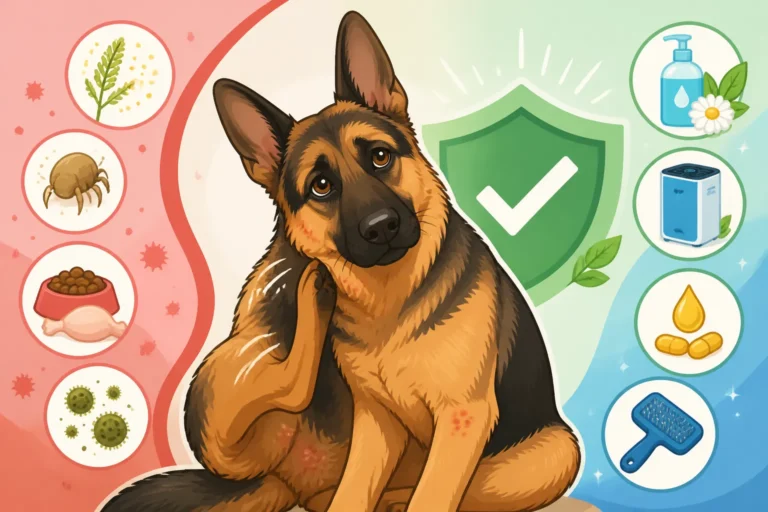
Beyond behavior, there are clear physical signs that scream "senior GSD." Grey hairs around the muzzle, eyes, and sometimes on their paws are classic. You might notice their eyes looking a bit cloudier due to nuclear sclerosis, which is common and usually doesn't affect vision much, but keep an eye out for actual cataracts. Their coat might become a bit coarser or duller, and their skin may be less elastic. Weight changes are also common; some dogs gain weight due to decreased activity, while others lose muscle mass, especially over their hindquarters, making them appear thinner.
Mobility is often the most noticeable change. Your dog might struggle to get up after lying down, take longer to navigate stairs, or show a reluctance to jump into the car or onto the couch. They might walk with a stiffer gait, or even develop a slight limp, especially after exercise. Regular checks for lumps and bumps are also critical, as older dogs are more prone to developing benign fatty tumors (lipomas) or, more concerningly, cancerous growths. Don't dismiss any new lump – always have your vet check it out.
Common Health Challenges in Older German Shepherds
As German Shepherds age, they become more susceptible to a range of health issues. Many of these are progressive, meaning they worsen over time, but early detection and management can significantly improve your dog's quality of life. Regular veterinary check-ups become even more critical during these years. You can find out more about age-related concerns in our guide on Common German Shepherd Health Issues by Age.
Joint and Mobility Issues
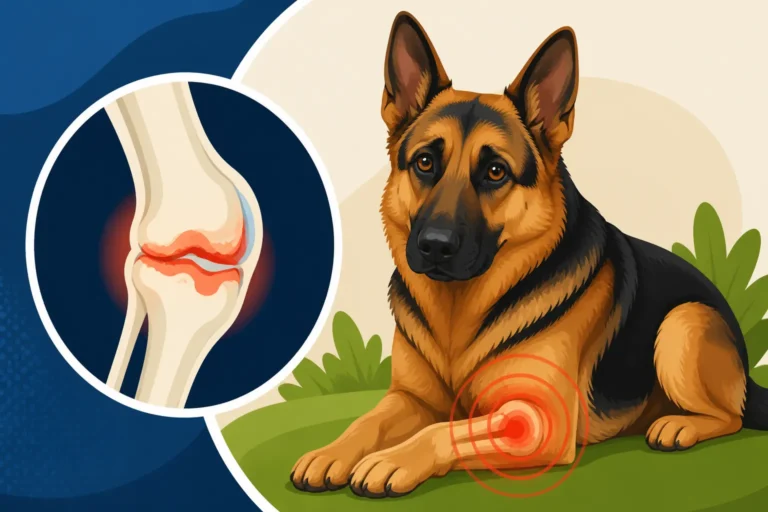
This is perhaps the most common and heartbreaking challenge for a large breed like the German Shepherd. Years of powerful activity and genetic predispositions can catch up to them, leading to significant joint pain and stiffness. Conditions like German Shepherd Hip Dysplasia: Symptoms and Treatment and German Shepherd Arthritis: Symptoms and Treatment are rampant. You might notice them favoring a leg, struggling to stand up, or losing interest in walks they once loved. The pain can be constant, impacting their mood and their ability to move freely.
Beyond hips and elbows, general osteoarthritis can affect any joint. The cartilage cushioning their bones wears down, leading to bone-on-bone friction, inflammation, and pain. Managing this involves a multi-faceted approach, including anti-inflammatory medications, joint supplements, physical therapy, and weight management. It's heartbreaking to see them struggle, but remember, there are many ways we can help alleviate their discomfort and improve their mobility. Keeping them active, within their limits, is also important to maintain muscle mass around their joints.
Cognitive Decline and Neurological Conditions
Just like humans, dogs can experience cognitive decline as they age. Canine Cognitive Dysfunction (CCD), often compared to Alzheimer's in people, manifests as disorientation, changes in interaction with family, alterations in sleep-wake cycles, and house-soiling. They might forget commands they've known their whole life, or simply stare blankly at you. It's frustrating for us, but even more so for them, as they try to make sense of a world that feels increasingly unfamiliar.
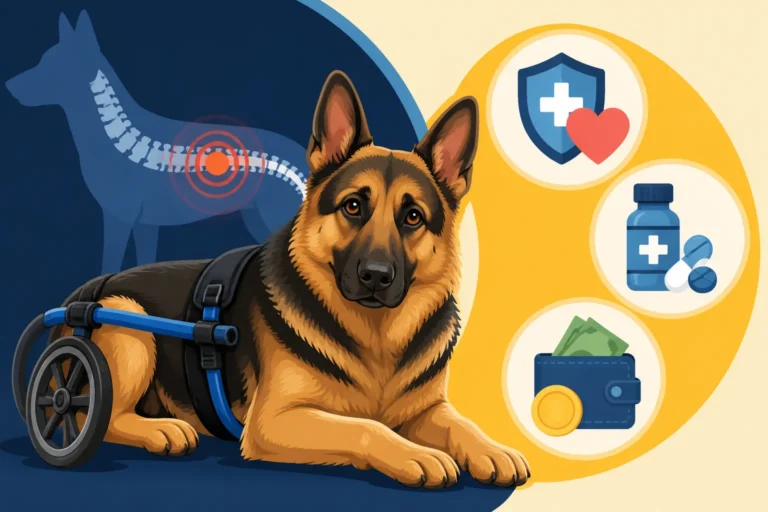
German Shepherds are also predisposed to Degenerative Myelopathy in German Shepherds (DM), a cruel, progressive neurological disease that affects the spinal cord, leading to hind limb weakness and paralysis. DM is non-painful, but it robs them of their mobility and independence. Differentiating DM from severe arthritis can be challenging, but it's vital for appropriate management. Regular vet visits and close observation for any changes in gait or coordination are essential for early diagnosis and intervention, even if just to manage symptoms and support their quality of life.
Organ Function and Disease Risks
As German Shepherds enter their senior years, their internal organs also start to show wear and tear. Kidney disease, liver disease, and heart conditions become more prevalent. Regular bloodwork and urinalysis during senior check-ups can detect these issues early, allowing for dietary changes or medication to slow progression. Thyroid issues, specifically hypothyroidism, can also emerge, leading to lethargy, weight gain, and coat problems.
Cancers are unfortunately a leading cause of death in older German Shepherds. Various forms of cancer, including osteosarcoma (bone cancer) and hemangiosarcoma, can develop. Any unexplained lameness, swelling, or sudden weight loss in a senior dog should prompt an immediate vet visit. German Shepherd Bloat: Signs and Prevention also remains a critical concern, even in older dogs, though its incidence doesn't specifically increase with age. Staying vigilant about their overall health, from lumps to changes in appetite or energy, is crucial. This is where investing in pet insurance like Healthy Paws early in their life can really pay off, helping to cover the often significant costs associated with diagnosing and treating these complex age-related diseases.
Tailoring Nutrition and Diet for Senior GSDs
The nutritional needs of a senior German Shepherd are distinctly different from those of a younger, more active dog. Their metabolism slows down, activity levels decrease, and their bodies may struggle to absorb nutrients as efficiently. This means their diet needs careful adjustment to maintain a healthy weight, support aging organs, and provide relief for common senior ailments.
Dietary Adjustments for Metabolism and Health
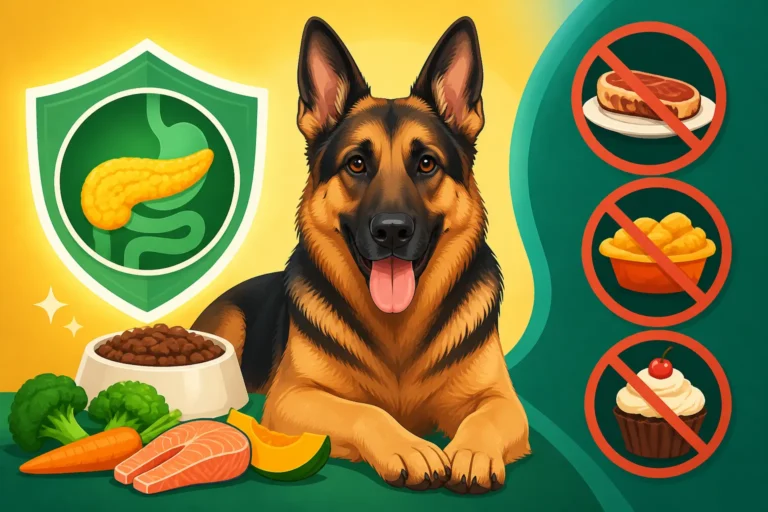
Many senior German Shepherds become less active, which means their caloric intake needs to be reduced to prevent German Shepherd Weight and Obesity Risks. Obesity puts immense strain on already compromised joints and can exacerbate other health conditions like heart disease and diabetes. Look for senior-specific dog foods that are lower in calories but still packed with high-quality protein to maintain muscle mass. Some senior formulations also contain reduced phosphorus levels to support kidney health, as well as higher fiber content to aid digestion.
However, some senior dogs, especially those with underlying illnesses or muscle wasting, might actually need more calories or a different balance of nutrients. It's not a one-size-fits-all approach. Consulting with your veterinarian is vital to determine the best dietary plan for your individual dog, considering their specific health status, activity level, and existing medical conditions. They might recommend specific prescription diets tailored to support kidney, liver, or heart function. Our guide on German Shepherd Senior Diet Adjustments dives deeper into these considerations.
Importance of Supplements
While a balanced senior diet is the foundation, supplements can play a huge supportive role in addressing specific age-related concerns. Joint supplements are almost universally recommended for senior German Shepherds. Ingredients like glucosamine, chondroitin, MSM, and Omega-3 fatty acids (EPA and DHA) can help reduce inflammation, support cartilage health, and improve mobility. Brands like Dasuquin or Cosequin are often recommended by vets.
Beyond joint support, Omega-3 fatty acids are also excellent for cognitive health, skin and coat quality, and reducing systemic inflammation. Antioxidants like Vitamin E and C can help combat cellular damage from free radicals. For dogs with cognitive decline, supplements containing SAMe or medium-chain triglycerides (MCTs) derived from coconut oil can be beneficial. Probiotics can support gut health, which is crucial for overall immunity and nutrient absorption. Always discuss any new supplements with your vet before introducing them, especially if your dog is on other medications, to ensure they are safe and appropriate. When considering long-term health management, remember that comprehensive pet insurance like Healthy Paws can help make these ongoing supplement costs and veterinary consultations more manageable.
Adapting Exercise and Managing Mobility
Just because your German Shepherd is getting older doesn't mean they should stop exercising entirely. In fact, appropriate exercise is vital for maintaining muscle mass, joint flexibility, and mental well-being. The key is adaptation: understanding their new limitations and modifying their routine to prevent injury and pain.
Safe Exercise Routines
Gone are the days of intense agility training or hours of high-impact fetch. For senior German Shepherds, the focus shifts to gentle, consistent activity. Short, frequent walks are much better than one long, strenuous outing. Think 15-20 minutes, two or three times a day, rather than an hour-long hike. The goal is to keep their joints moving, muscles strong, and circulation healthy without overtaxing their aging bodies. Swimming is an excellent low-impact exercise that allows them to use their muscles without putting strain on their joints.
Avoid slippery surfaces, steep inclines, or sudden bursts of activity. Pay close attention to their cues; if they're lagging behind, limping, or showing signs of discomfort, it's time to shorten the walk or call it a day. On colder days, joint pain can be worse, so bundle them up in a dog coat if needed. The goal is always comfort and consistency. Remember, some days they might feel great, and other days they might be stiff. Being flexible with their routine is essential.
Mobility Aids and Support
As mobility declines, especially with conditions like severe arthritis or DM, your German Shepherd might need a little extra help. Ramps can be invaluable for getting into cars, onto beds or couches, or navigating a few steps. Stair gates can prevent them from attempting dangerous climbs. Non-slip rugs or runners on hard floors can provide much-needed traction, reducing slips and falls that could lead to serious injury.
For dogs struggling with hind end weakness, support slings or full-body harnesses with handles can help you assist them in standing, walking, or going potty. In more advanced cases of mobility loss, especially with German Shepherd DM: Wheelchair and Care Options as a consideration, a dog wheelchair can offer a new lease on life, allowing them to remain active and independent. These aids require an investment, both financially and in terms of getting your dog accustomed to them, but they can dramatically improve their quality of life.
| Common Senior Mobility Challenges | Signs to Watch For | Recommended Aids/Solutions |
|---|---|---|
| Arthritis/Joint Pain | Stiffness, limping, reluctance to move, whining when touched | Joint supplements, anti-inflammatory meds, orthopedic beds, ramps, consistent gentle exercise |
| Hind Leg Weakness | Wobbling, stumbling, difficulty standing, dragging paws | Support harnesses, physical therapy, acupuncture, non-slip flooring |
| Balance Issues | Falling, bumping into objects, disorientation | Non-slip mats, reduced clutter, supervised outdoor access, good lighting |
| Fatigue/Low Stamina | Shortness of breath, stopping often during walks, increased napping | Shorter, more frequent walks, rest breaks, proper nutrition |
| Incontinence | Accidents in the house, leakage during sleep | Doggy diapers, increased potty breaks, easy-to-clean bedding |
Enhancing Comfort in Their Golden Years
Providing a comfortable and safe environment is paramount for a senior German Shepherd. Their needs change, and a few thoughtful adjustments around the house can make a world of difference to their daily well-being.
Creating a Senior-Friendly Home Environment
Think about your home from your dog's perspective. Are there slippery floors that are a challenge for their stiff joints? Lay down non-slip rugs or carpet runners, especially in high-traffic areas or where they usually get up from a nap. Do they struggle with stairs? Consider blocking off access to certain levels or investing in ramps if stair climbing is unavoidable. Their bed is also crucial. Orthopedic dog beds, often made with memory foam, provide superior support for aching joints and help prevent pressure sores. Place their bed in a quiet, easily accessible spot where they won't be disturbed, away from drafts.
Access to food and water bowls should be easy. Raised bowls can be beneficial for some senior dogs, as they don't have to bend their necks down as far, which can alleviate strain on their neck and spine. Ensure their water bowl is always full and easily reachable, especially if they have limited mobility. If your home has multiple levels and your German Shepherd struggles with stairs, consider setting up a comfortable "den" on the main living level so they don't feel isolated.
Grooming and Hygiene Adjustments
Grooming might become more challenging for an older German Shepherd, but it's more important than ever. Regular brushing helps stimulate circulation, distributes natural oils, and allows you to check for any new lumps, bumps, skin irritations, or parasites. Their skin can become thinner and more delicate, so use a soft brush and be gentle.
Bathing might need to happen less frequently, but when it does, ensure you use a gentle, moisturizing shampoo designed for sensitive skin. Make the bathing process as stress-free as possible, perhaps using a non-slip mat in the tub. German Shepherd Dental Care Explained is also critical throughout their life, but especially in senior years when dental disease can lead to other systemic health issues. Regular vet check-ups should include a thorough dental examination. If professional cleaning is needed, discuss with your vet the best options given your dog's age and overall health. Don't forget nail trims; overgrown nails can make walking painful and even lead to toe injuries. If your senior GSD is less active, their nails won't wear down naturally, requiring more frequent trims.
Maintaining Mental Wellness and Enrichment
While physical health is often the primary concern, a senior German Shepherd's mental well-being is equally important. Keeping their minds engaged can slow cognitive decline, reduce anxiety, and ensure they remain happy and content companions.
Engaging Their Minds
Just like humans, senior dogs benefit from mental stimulation. Puzzle toys, interactive feeders, and scent work games can keep their brains active. Instead of just giving them their food in a bowl, try putting it in a Kong or a slow feeder, making them work for it a little. Hide-and-seek with treats around the house can be a fun, low-impact activity. Even short, gentle training sessions, revisiting basic commands or teaching a new, simple trick, can boost their confidence and keep their minds sharp.
The key is to keep it positive and stress-free. Avoid overwhelming them with too many new challenges. Consistency and familiar routines are often comforting for older dogs, but introducing novel (yet gentle) mental exercises can prevent boredom and apathy. Even just varied short walks in different, safe neighborhoods can provide new smells and sights, which are incredibly enriching.
The Power of Routine and Security
For many senior German Shepherds, a predictable routine provides immense comfort and security. Knowing when to expect meals, walks, and cuddle time can reduce anxiety and confusion, especially for those experiencing cognitive decline. Try to stick to a consistent schedule for feeding, potty breaks, and bedtime.
A stable home environment, free from sudden changes or excessive noise, can also be very beneficial. If you're planning changes, like moving furniture or having guests over, try to introduce them gradually and ensure your dog always has a safe, quiet retreat. Your presence and consistent affection are perhaps the most powerful forms of enrichment. Regular petting, gentle massages, and quiet cuddle sessions reinforce your bond and reassure them that they are loved and safe. A secure and loving environment is invaluable for How to Care for a Senior German Shepherd.
Navigating Veterinary Care and Preventative Measures
As your German Shepherd enters their senior years, their relationship with the vet becomes even more critical. Proactive veterinary care and a strong preventative strategy are the best tools you have to manage age-related health issues and ensure your dog's comfort.
Regular Vet Check-ups and Screening
Instead of annual check-ups, most veterinarians recommend twice-yearly visits for senior dogs. This allows for earlier detection of potential problems, which is vital for conditions like cancer, kidney disease, and heart disease that can progress rapidly. During these visits, your vet will perform a comprehensive physical exam, paying close attention to their weight, mobility, dental health, and any new lumps or bumps.
Blood tests, urinalysis, and sometimes even X-rays or ultrasounds are often recommended as part of a senior wellness panel. These diagnostic tools can provide invaluable insights into organ function, detect infections, or identify early signs of chronic diseases before they become symptomatic. Catching issues early often means more treatment options and a better prognosis. Don't shy away from asking your vet questions about any changes you've observed; no concern is too small when it comes to your senior GSD's health. Pet insurance plans, such as those offered by Healthy Paws, can be a lifesaver, covering a significant portion of these increased diagnostic and treatment costs.
Pain Management Strategies
Pain is a silent enemy in many senior dogs, and German Shepherds are particularly stoic. They might hide their discomfort until it becomes severe. If you notice How to Tell If a German Shepherd Is in Pain, it's time to act. Your vet can assess their pain levels and recommend a tailored management plan. Non-steroidal anti-inflammatory drugs (NSAIDs) are a common first line of defense for conditions like arthritis, but they require careful monitoring for side effects, especially with long-term use.
Beyond medication, there are many adjunctive therapies that can provide significant relief. These include physical rehabilitation (hydrotherapy, therapeutic exercises), acupuncture, laser therapy, and massage. Dietary supplements, as discussed earlier, also play a role. The goal is to create a multi-modal pain management plan that addresses their specific needs, minimizes discomfort, and maximizes their mobility and quality of life. Regular communication with your vet to adjust the pain management plan as needed is essential, as their needs will change over time.
Embracing the Journey: End-of-Life Care Considerations
This is the hardest part of owning any pet, but it’s an unavoidable aspect of senior care. Thinking about end-of-life care isn't about giving up; it's about being prepared to ensure your beloved German Shepherd's final days are filled with peace, dignity, and minimal suffering.
Quality of Life Assessment
One of the most challenging tasks is objectively assessing your senior German Shepherd's quality of life. It’s easy to let our emotions cloud our judgment, clinging to every good day. A quality of life scale, often provided by veterinarians, can be a helpful tool. It typically assesses several factors, including:
- Pain: Is their pain manageable with medication, or are they constantly uncomfortable despite efforts?
- Appetite/Hydration: Are they eating and drinking adequately, or do they refuse food and water?
- Hygiene: Can they relieve themselves without assistance, and are they able to stay clean?
- Happiness/Engagement: Do they still enjoy their favorite activities (within reason), show interest in family interactions, or are they withdrawn and depressed?
- Mobility: Can they move around with reasonable ease, or are they struggling profoundly?
It's a delicate balance, and there will be good days and bad days. The key is to look at the overall trend. Are the bad days starting to outweigh the good? Are they experiencing more pain or distress than joy? Discuss these observations honestly with your vet and your family.
Making Difficult Decisions
Ultimately, the decision to say goodbye is one of the most agonizing a pet owner faces. It's a testament to the immense love and responsibility we feel for our companions. When medical treatments no longer provide a good quality of life, and your German Shepherd is suffering, euthanasia is a final, loving act of kindness. It's an opportunity to free them from pain and allow them to pass peacefully, surrounded by your love.
Many vets offer in-home euthanasia services, which can provide a more serene and familiar environment for their final moments. Discuss these options with your veterinarian well in advance, if possible, to understand the process and make arrangements. Allowing yourself to grieve, and seeking support from friends, family, or pet loss support groups, is also crucial. The bond we share with our German Shepherds is profound, and the pain of their loss is a reflection of that deep love. While it's incredibly painful, remember that your devotion to their well-being, even in their last moments, is the greatest gift you can give them. You can also explore options like German Shepherd End-of-Life Care for more resources.
Disclaimer
The information provided in this guide is intended for general informational purposes only and does not constitute veterinary advice. Always consult with a qualified veterinarian for any health concerns or before making any decisions related to your German Shepherd's care, especially concerning diet, exercise, medication, or medical treatments. Individual needs can vary greatly, and professional veterinary guidance is essential.