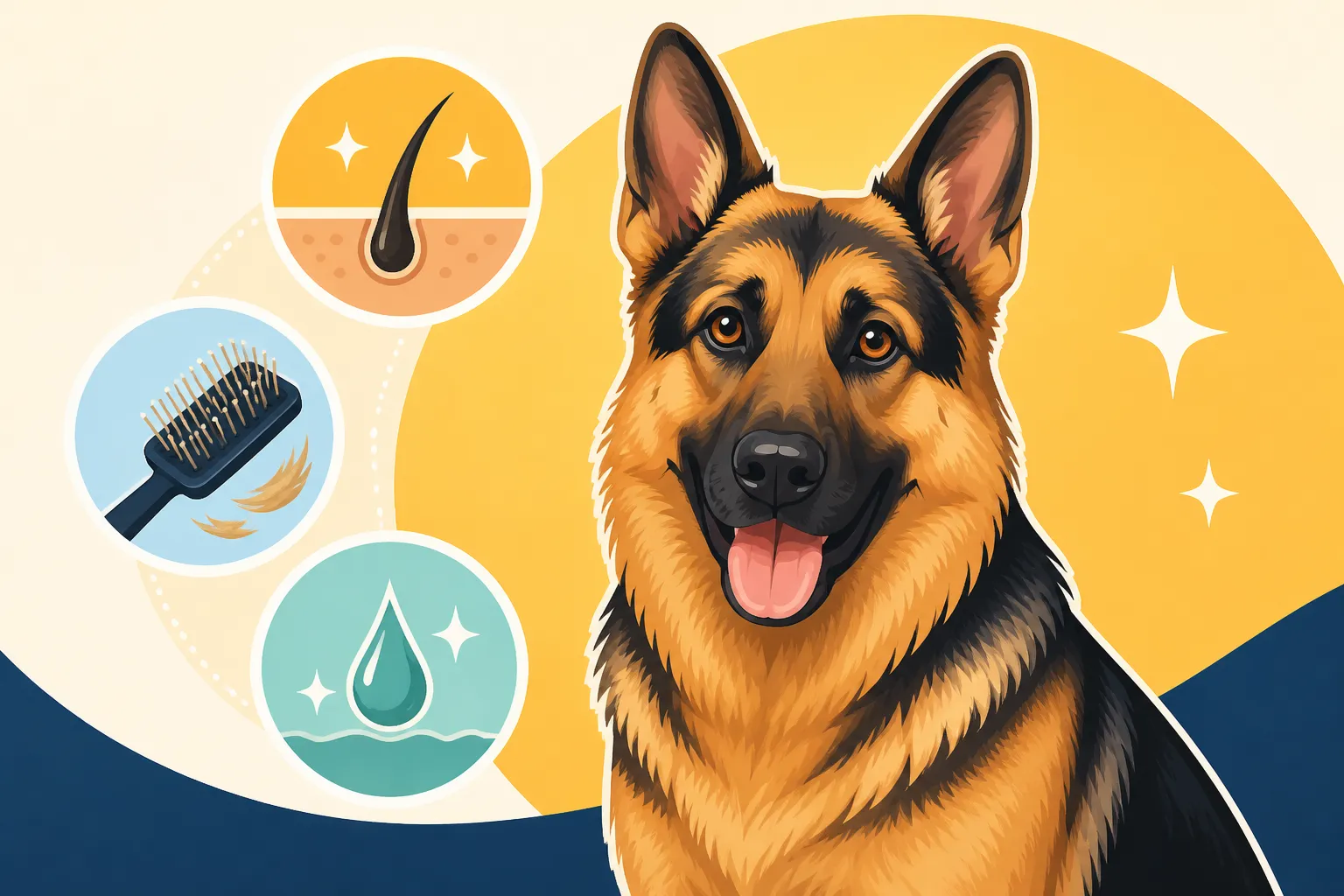
German Shepherd Coat and Skin Care
One of the most common worries for German Shepherd owners, alongside concerns about hip health or training, often revolves around their magnificent coats and the skin underneath. It’s incredibly frustrating to see your beautiful companion constantly itching, developing dry patches, or leaving a trail of fur everywhere, even when you feel like you're doing everything right. This comprehensive guide is here to demystify German Shepherd coat and skin care, offering practical, empathetic advice to help your furry friend look and feel their absolute best.
Understanding the German Shepherd Coat
Before we dive into the nitty-gritty of care, let's truly appreciate the German Shepherd's coat. It's not just hair; it's a finely tuned natural defense system, evolved over generations to protect these incredible dogs from the elements. Understanding its structure and purpose is the first step to providing the best care.
The Double Coat Demystified
The German Shepherd is a proud owner of a double coat, and this is crucial to grasp. Imagine two distinct layers working in harmony. The outer layer, known as the guard coat, consists of coarse, straight, and relatively long hairs. These are the hairs that give your German Shepherd their distinctive appearance and provide the primary barrier against rain, snow, and harsh sunlight. They're designed to shed water and dirt, keeping the underlying skin dry and clean.
Beneath this protective outer layer lies the undercoat. This is a dense, soft, and woolly layer that acts as insulation. In colder weather, it traps warm air close to the body, keeping your dog toasty. In warmer weather, a healthy undercoat actually helps regulate body temperature by preventing the skin from overheating and providing a barrier against excessive sun exposure. Problems often arise when this delicate balance is disrupted, leading to issues like matting, excessive shedding, or skin irritation. It’s a marvel of natural engineering, but it requires our proactive care to function optimally.
Coat Types: Standard, Long, and Beyond
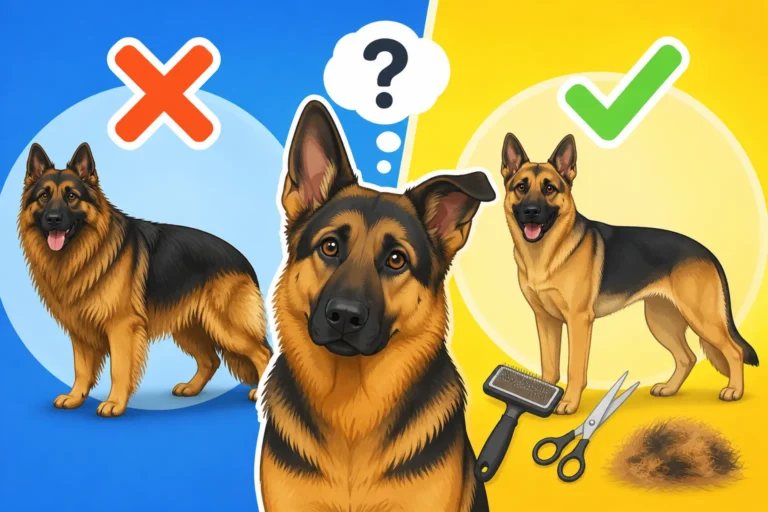
While the classic German Shepherd is known for its medium-length double coat, you might encounter variations. The most common is the standard or stock coat, which is a medium-length double coat with a dense undercoat. This is the breed standard recognized by kennel clubs.
Then there's the long-haired German Shepherd. These dogs have significantly longer hair, especially around their ears, legs, tail, and often a mane around their neck. Interestingly, some long-haired German Shepherds still have a double coat, while others may have a very sparse undercoat or even a single coat. This distinction impacts their grooming needs significantly. A long coat with a dense undercoat will require even more meticulous brushing to prevent matting than a standard coat. You might also notice variations in density and texture even within the standard coat, influenced by genetics, diet, and environmental factors. For more on the visual aspects of their coat, check out our guide on German Shepherd Coat Colors Explained.
Why Their Coat is So Important
Beyond aesthetics, your German Shepherd's coat plays a vital role in their overall health and well-being. It's their first line of defense against environmental hazards. A healthy coat protects them from sunburn, bug bites, scratches, and scrapes during their adventurous outings. It also helps regulate their body temperature, keeping them comfortable in both heat and cold.
A dull, dry, or patchy coat can often be an indicator of underlying health issues, from nutritional deficiencies to allergies or parasitic infestations. Think of their coat as a mirror reflecting their internal health. When it's shiny, resilient, and well-maintained, it's a strong sign that your German Shepherd is thriving. Neglecting their coat can lead to painful mats, skin infections, and discomfort, ultimately impacting their quality of life. This is why investing time in proper coat and skin care isn't just about vanity; it's about preventive health and ensuring your loyal companion feels good every single day.
The Art of Brushing: Essential for a Healthy Coat
Brushing isn't just about removing loose hair; it's a fundamental aspect of maintaining your German Shepherd's skin health, coat quality, and even strengthening your bond. It's an art form that, once mastered, becomes a rewarding part of your routine.
Choosing the Right Tools for the Job
Having the right arsenal of grooming tools makes all the difference, especially with a German Shepherd's dense double coat. Skimping on tools will only lead to frustration for both you and your dog.
First, you'll absolutely need a good quality undercoat rake. This tool is designed with long, sturdy teeth that penetrate the topcoat to reach and gently pull out loose undercoat hairs without damaging the guard hairs. This is your primary weapon against shedding and matting. Look for one with rotating teeth, as these are often more comfortable for your dog and prevent pulling.
Next, a slicker brush is indispensable. It has fine, short wires packed closely together on a flat or curved surface. It’s excellent for detangling, removing smaller mats, and smoothing the topcoat, giving it that polished finish. Be gentle with a slicker brush, as the wires can scratch the skin if too much pressure is applied.
Finally, a sturdy pin brush can be useful for longer-haired German Shepherds or for initial detangling before moving to the rake. It resembles a human hairbrush with widely spaced, stiff pins. For general upkeep and to distribute natural oils, a bristle brush with natural bristles can add a lovely shine to the finished coat. You can find a wide selection of these essential tools on platforms like Chewy or Amazon, making it easy to stock up. For more detailed advice on selection, our guide on the Best Brush for a German Shepherd Double Coat is a fantastic resource.
Developing a Consistent Brushing Routine
Consistency is far more important than intensity when it comes to brushing a German Shepherd. A quick, thorough brush several times a week is vastly more effective than one marathon session once a month. For most German Shepherds with a standard double coat, aiming for 2-3 times a week for about 15-20 minutes should suffice for maintenance.
However, this frequency will need to increase significantly during their "blow coat" seasons (typically spring and fall). During these times, daily brushing, sometimes for longer durations, will be necessary to keep the shedding manageable and prevent mats. For long-haired German Shepherds, daily brushing might be a year-round necessity. Establishing a routine helps your dog get used to the process, making it a positive, bonding experience rather than a chore. Start grooming your German Shepherd puppy early, even with short, gentle sessions, to help them become accustomed to the handling. Always praise and reward your dog during and after brushing to build positive associations.
Proper Brushing Techniques for Each Coat Layer
Brushing a German Shepherd effectively means working through their double coat methodically. Don't just skim the surface!
Start with your undercoat rake. Work in sections, gently pulling the rake through the coat, starting from the head and working your way back to the tail and down the legs. Always brush in the direction of hair growth. The goal here is to get deep enough to collect the loose, dead undercoat without pulling on the skin or live hair. You’ll be amazed at how much fur comes out, especially during shedding season. If you encounter a tangle or mat, don't yank. Use a detangling spray and gently work it apart with your fingers or the slicker brush, always holding the hair at the base near the skin to prevent discomfort.
Once you’ve thoroughly raked out the undercoat, switch to your slicker brush. Use it to smooth the topcoat, remove any remaining loose hairs or minor tangles, and give the coat a neat appearance. Finish with a bristle brush if you have one, to distribute natural oils and enhance shine. Remember to be gentle, especially around sensitive areas like the belly, armpits, and behind the ears, where mats can easily form. Proper technique ensures comfort for your dog and maximum effectiveness of your grooming efforts. This meticulous approach is key to How to Brush a German Shepherd Coat successfully.
Bathing Your German Shepherd: More Than Just Soap and Water
Bathing your German Shepherd can feel like a wrestling match sometimes, but it’s a necessary part of their hygiene and coat health. It’s not just about getting them clean; it’s about maintaining skin integrity and managing their unique double coat.
Frequency and Best Practices for Bathing
One common misconception is that German Shepherds need frequent bathing. In reality, over-bathing can strip their natural oils, leading to dry, irritated skin and a dull coat. For most German Shepherds, bathing every 2-3 months is often sufficient, unless they’ve rolled in something truly disgusting or have a specific skin condition requiring more frequent medicinal baths. During shedding season, a warm bath followed by a thorough deshedding session can help loosen and release the old undercoat.
When it's bath time, always ensure you have everything ready before you start: shampoo, conditioner, towels, and a non-slip mat for the tub or shower. Use lukewarm water, never hot, as it can dry out their skin. Thoroughly wet their entire coat, making sure water penetrates down to the skin. Lather up with shampoo, paying close attention to areas that get dirtiest like their paws, belly, and under the tail. Rinse, rinse, and rinse again! Residual shampoo can irritate the skin and lead to flakiness. Follow with a conditioner to moisturize their skin and coat, then rinse thoroughly once more. Our guide on How Often to Bathe a German Shepherd delves deeper into these practices.
Selecting the Right Shampoo and Conditioner
Just as with humans, not all dog shampoos are created equal. For German Shepherds, it’s vital to choose a shampoo specifically formulated for dogs, ideally one that’s pH-balanced and designed for sensitive skin or double coats. Avoid harsh detergents, artificial fragrances, and dyes that can strip natural oils and cause irritation.
Look for ingredients like oatmeal, aloe vera, or tea tree oil if your dog has sensitive or itchy skin. Hypoallergenic or natural shampoos are often a safe bet. Brands like Earthbath, TropiClean, and Burt's Bees for Pets offer good options that are widely available on platforms like Amazon or Chewy. A good conditioner is just as important. It helps to replenish moisture, detangle the coat, and leave it soft and manageable. This is especially helpful if your German Shepherd has a long coat prone to tangles. If your dog has specific skin issues, your vet might recommend a medicated shampoo. Always follow your vet's instructions for medicated products.
Drying Techniques to Prevent Skin Issues
Drying a German Shepherd after a bath is just as important as the washing itself, especially with their dense undercoat. Improper drying can lead to several problems, including "hot spots" (moist dermatitis), fungal infections, and an unpleasant damp dog smell.
Start by towel-drying as much as possible. Use several absorbent towels to blot and squeeze water from their coat. Avoid vigorous rubbing, which can tangle the fur. For a German Shepherd, towel drying alone is usually insufficient. A high-velocity pet dryer is an absolute game-changer. These dryers blow air at a high volume and velocity, effectively pushing water out of the coat rather than just blowing hot air. This not only speeds up drying significantly but also helps to "blow out" more loose undercoat, which can be a huge bonus during shedding season. Be sure to use the dryer on a cool or low-heat setting to avoid burning your dog's skin. Keep the nozzle moving constantly to prevent concentrating heat in one spot. If you don't have a high-velocity dryer, ensure your dog is completely dry before allowing them to lie down in a damp area, ideally by letting them air dry in a warm, draft-free room with plenty of fresh air circulation.
Dealing with the Dreaded Shed: Blow Coats and Year-Round Management
Ah, the German Shepherd shed. It's legendary, a topic of both awe and exasperation among owners. But with the right understanding and tools, you can manage it without feeling like you live in a fur tornado.
Understanding the "Blow Coat" Phenomenon
The "blow coat" is a term every German Shepherd owner knows, often with a shudder. It refers to the seasonal shedding events when your German Shepherd literally "blows" their entire undercoat. This usually happens twice a year, typically in spring as they shed their thick winter coat to prepare for warmer weather, and in fall as they shed their lighter summer coat to grow in a denser winter one.
During a blow coat, you will experience an exponential increase in shedding. It can feel like your dog is constantly losing fur, and you might even find clumps of woolly undercoat coming out. This is a natural and healthy process, but it requires significant intervention on your part to help your dog through it comfortably. The duration can vary, but typically lasts for several weeks. Recognising these periods allows you to intensify your grooming efforts and prepare for the onslaught of fur. For a deeper dive, check out our article on German Shepherd Shedding: How to Manage It.
Strategies for Minimizing Shedding Indoors
While you can't stop a German Shepherd from shedding (it's part of their biological makeup!), you can certainly minimize the amount of fur that ends up on your furniture, floors, and clothes.
The most effective strategy, hands down, is consistent and thorough brushing, especially during blow coat seasons. Daily brushing with an undercoat rake during these times will remove the vast majority of loose fur before it has a chance to settle in your home. Outside of these heavy shedding periods, brushing 2-3 times a week will keep it manageable. Regular vacuuming with a powerful pet-specific vacuum cleaner is also crucial. Many owners swear by robotic vacuums like those from Roomba or Roborock that can be scheduled to run daily, collecting stray hairs before they build up. Lint rollers become your best friend, and having designated "dog blankets" for furniture where your German Shepherd loves to lounge can help contain the fur. Consider adding a high-quality air purifier with a HEPA filter to capture airborne dander and hair.
Tools and Tricks for Deshedding
Beyond the regular undercoat rake, there are specialized deshedding tools that can be incredibly effective during a blow coat. The most popular among these is often a deShedding tool, like those made by FURminator. These tools are designed with a finely serrated edge that reaches deep into the undercoat to remove loose hair efficiently. However, they must be used with care and moderation, as overuse or improper technique can damage the topcoat or irritate the skin. Always follow the manufacturer's instructions and avoid pressing too hard.
Another useful trick is a warm bath followed by a high-velocity pet dryer, as mentioned earlier. The warm water helps to loosen the dead undercoat, and the powerful airflow from the dryer literally blasts it out. This method is incredibly effective and can significantly reduce the amount of shedding in subsequent days. Many professional groomers utilize this technique. Rubber grooming gloves or mitts can also be surprisingly effective for removing loose hair from the surface of the coat, especially on the legs and belly, and they often double as a massage tool that most dogs enjoy. For more detailed instructions, refer to our guide on How to Deshed a German Shepherd.
Common German Shepherd Skin Problems and Solutions
Even with the best care, German Shepherds can be prone to certain skin issues. Recognizing the signs early and knowing how to respond is key to keeping your dog comfortable and healthy.
Allergies: Itchy Skin and How to Combat It
Allergies are a common culprit behind itchy, irritated skin in German Shepherds, and they can be incredibly frustrating for both dog and owner. German Shepherds can suffer from environmental allergies (atopy) triggered by pollen, dust mites, or mold, or food allergies to certain proteins or grains. The symptoms often manifest as incessant scratching, licking, chewing, red skin, hair loss, and sometimes secondary skin infections.
Identifying the allergen can be a lengthy process. For environmental allergies, your vet might suggest allergy testing, desensitization shots, or medications like Apoquel or Cytopoint to manage symptoms. Regular bathing with a hypoallergenic shampoo can help remove environmental allergens from the coat. For suspected food allergies, a strict elimination diet, often involving a novel protein or hydrolyzed protein diet, is usually necessary under veterinary guidance. This means feeding a specific, limited ingredient diet for several weeks to see if symptoms improve. Our comprehensive article on German Shepherd Allergies: Symptoms and Treatment provides more in-depth information. Always consult your veterinarian if you suspect allergies, as chronic itching can severely impact your dog's quality of life.
Hot Spots and Other Irritations
Hot spots, medically known as acute moist dermatitis, are intensely red, moist, painful skin lesions that appear suddenly and can spread rapidly. They are often triggered by excessive licking or chewing in response to an underlying irritation, such as a flea bite, allergy, ear infection, or even stress. The constant moisture and trauma create a perfect breeding ground for bacteria, making the area inflamed and prone to infection.
Other common irritations include flea dermatitis (an allergic reaction to flea saliva), contact dermatitis (reaction to something the skin touches, like certain plants or cleaning products), or bacterial/yeast infections. Treatment for hot spots usually involves clipping the hair around the lesion, cleaning it thoroughly with an antiseptic solution, and applying a topical medication. Your vet may also prescribe oral antibiotics or anti-inflammatory drugs. Preventing hot spots involves addressing the underlying cause (e.g., rigorous flea prevention, allergy management) and preventing your dog from licking the area, often with an Elizabethan collar. For general skin problems, our guide on German Shepherd Skin Problems and Fixes offers a broad overview of identification and first steps.
Dry Skin and Dandruff Management
Dry, flaky skin and dandruff are not uncommon in German Shepherds, and they can be uncomfortable for your dog while also making their coat look dull. Several factors can contribute to dry skin, including low humidity, improper diet, over-bathing with harsh shampoos, or underlying health conditions like hypothyroidism.
To combat dry skin, start by evaluating their diet. Ensure they are receiving a high-quality dog food rich in omega-3 and omega-6 fatty acids, which are vital for skin and coat health. Many owners find success with specialized formulas or by adding supplements like fish oil (salmon or krill oil) to their dog's meals. You can find excellent omega supplements at retailers like Chewy or Amazon. Limiting bath frequency and using moisturizing, oatmeal-based shampoos can also help. In arid climates, a humidifier in your home can add much-needed moisture to the air. If the dry skin persists or is accompanied by other symptoms, a vet visit is essential to rule out medical conditions. Our article on German Shepherd Dry Skin: Diet Fixes provides further insight into dietary solutions.
Nutrition's Role in a Radiant Coat and Healthy Skin
You know the old saying, "you are what you eat"? Well, the same goes for your German Shepherd. What goes into their bowl directly impacts the health and luster of their coat and the integrity of their skin. It’s truly one of the most powerful tools you have.
The Importance of a Balanced Diet
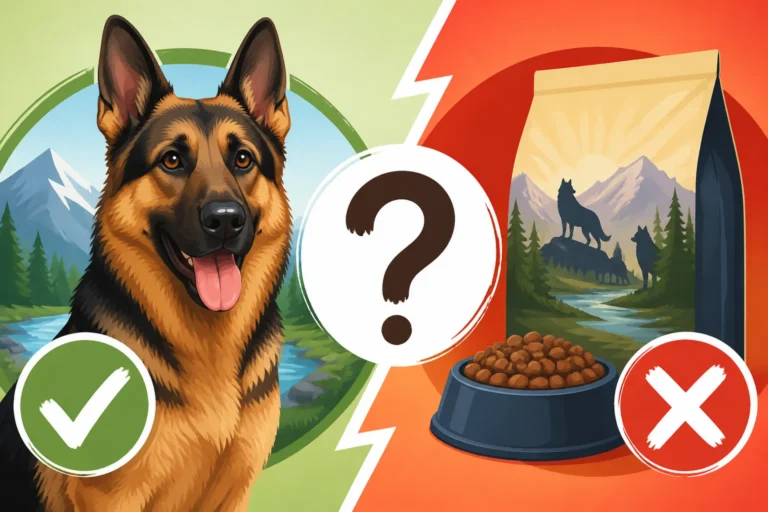
A high-quality, balanced diet is the cornerstone of a healthy coat and skin for your German Shepherd. Their food should provide a complete profile of essential nutrients, including high-quality proteins, healthy fats, carbohydrates, vitamins, and minerals. Protein, derived from sources like chicken, beef, lamb, or fish, is fundamental for hair growth and skin cell renewal. Without adequate protein, coats can become brittle and dull.
Healthy fats, especially omega-3 and omega-6 fatty acids, are particularly critical. These fatty acids are integral components of skin cell membranes and play a key role in reducing inflammation and maintaining the skin's natural barrier function. A deficiency can lead to dry, flaky skin, excessive shedding, and a lackluster coat. Look for dog foods that list specific fat sources like chicken fat, flaxseed, or fish oil. Avoid foods with excessive fillers or artificial ingredients that offer little nutritional value. For a deeper dive into optimal food choices, explore our guide on Best Dog Food for German Shepherds. Some owners even choose fresh food delivery services like Ollie, which can offer highly digestible, nutrient-dense options.
Supplements for Skin and Coat Health
Even with a great diet, sometimes your German Shepherd can benefit from targeted supplementation, especially if they're experiencing coat or skin issues. The most commonly recommended supplements for skin and coat health are omega fatty acid supplements. These often come in the form of fish oil (salmon oil, krill oil) or flaxseed oil. They can help reduce inflammation, improve skin hydration, and promote a shinier coat. When choosing an omega supplement, look for those tested for purity and potency.
Biotin is another supplement sometimes recommended for coat health, as it's a B vitamin that plays a role in keratin production, a key component of hair. Zinc is an essential mineral vital for immune function and skin health; a deficiency can lead to skin lesions and poor coat quality. Probiotics can also indirectly support skin health by promoting a healthy gut microbiome, which can have systemic effects on the body, including the immune system and skin barrier. Always consult your veterinarian before adding any new supplements to your dog's regimen, as they can advise on appropriate dosages and check for potential interactions. Our article on Best Supplements for German Shepherds provides a detailed overview.
Hydration: An Often Overlooked Factor
It sounds so simple, yet proper hydration is often overlooked as a critical component of skin and coat health. Just like in humans, a dehydrated dog can experience dry, less elastic skin, which can contribute to flakiness and a dull coat. Water is essential for every bodily function, including nutrient transport to skin cells and the removal of waste products.
Ensure your German Shepherd always has access to fresh, clean water. Offer multiple water bowls around the house, and consider a filtered water fountain to encourage drinking, as some dogs prefer moving water. If your dog isn't a big drinker, you can try adding a splash of low-sodium broth to their water, or incorporate wet food into their diet to boost their fluid intake. Even a slight degree of chronic dehydration can impact the vitality of their skin and coat. It's a simple, yet profoundly effective measure to support their overall health and radiance. Learn more about their daily needs in How Much Water a German Shepherd Needs Daily.
Seasonal Care: Adapting to the Elements
A German Shepherd's coat is designed for protection, but different seasons bring unique challenges. Adjusting your care routine throughout the year can make a significant difference in their comfort and coat health.
Summer Skin and Coat Protection
Summer brings sunshine, heat, and often more outdoor adventures, but also potential risks for your German Shepherd's skin and coat. Excessive sun exposure can lead to sunburn, especially on areas with thinner fur like the nose, ears, and belly. Dogs with lighter colored coats are particularly susceptible. Consider dog-safe sunscreens for exposed areas if your dog spends extended time outdoors.
The heat itself can also be an issue. A healthy double coat actually provides insulation against the sun's rays, but a matted or overly dense undercoat in summer can trap too much heat. This is where diligent deshedding is crucial. Helping your dog shed their winter undercoat completely allows for better air circulation against the skin. Ensure your German Shepherd always has access to shade and plenty of fresh water to prevent overheating. Avoid shaving your German Shepherd, as their double coat is essential for temperature regulation and protects them from UV rays. Instead, focus on thorough brushing to remove dead undercoat. If you live in a hot climate, read our tips on How to Keep a German Shepherd Cool in Summer.
Winter Woes: Guarding Against Cold and Dryness
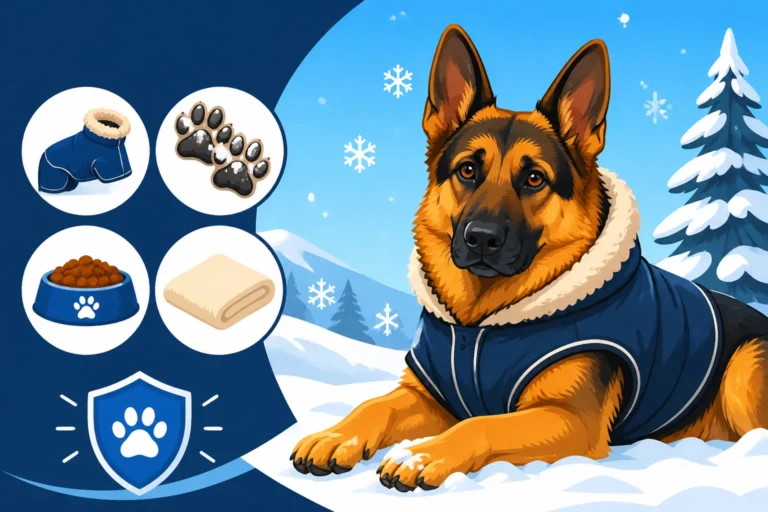
Winter presents its own set of challenges. Cold, dry air, especially indoors with heating, can strip moisture from your German Shepherd's skin, leading to dryness, itchiness, and dandruff. This is a time when the undercoat really shines, providing critical insulation. Avoid over-bathing in winter to preserve natural oils. When you do bathe, use a moisturizing shampoo and ensure your dog is completely dry before going outside.
Protecting their paws is also important, as snow, ice, and de-icing chemicals can cause cracking and irritation. Consider paw balms or even booties for walks in harsh conditions. If your dog spends significant time outdoors in very cold temperatures, monitor for signs of frostbite on ears and paws. Just as in summer, ensure adequate hydration is maintained, as dogs can still get dehydrated in colder weather.
Spring and Fall: Preparing for Seasonal Changes
Spring and fall are typically when German Shepherds experience their most intense shedding, known as "blowing coat." These transitional seasons require a significant increase in your grooming efforts to help them comfortably transition their coats.
In spring, you're helping them shed their thick winter undercoat to make way for a lighter summer coat. This means daily, vigorous brushing with an undercoat rake to remove as much dead fur as possible. A professional deshedding treatment at a groomer can also be immensely helpful. In the fall, you'll be helping them shed their lighter summer undercoat to grow in a denser, warmer winter coat. Again, daily brushing is key. During both these times, monitor their skin closely. The rapid turnover of fur can sometimes reveal underlying skin irritations or dry patches that were previously hidden. Ensuring their diet is rich in skin-supporting nutrients and supplements during these periods can also help their bodies manage the massive effort of growing and shedding fur.
Professional Grooming: When to Call in the Experts
While DIY grooming is a wonderful way to bond and save money, there are times when calling in a professional groomer is not just a luxury, but a wise investment in your German Shepherd's health and comfort.
Benefits of Regular Professional Grooming
Professional groomers offer expertise and specialized equipment that most home groomers simply don't have. Their high-velocity dryers, for instance, are incredibly effective at blowing out loose undercoat, dramatically reducing shedding in your home and preventing matting deep within the coat. They have ergonomic tubs that make bathing large dogs easier and safer, reducing stress on your back and your dog's joints.
Groomers are also trained to spot potential issues. They can identify skin problems like hot spots, infections, lumps, or parasites that you might miss. They also handle sensitive tasks like nail trims, ear cleaning, and anal gland expression with proficiency, which can be challenging or uncomfortable for owners to do themselves. Regular professional grooming can maintain a healthier coat, prevent painful mats, reduce shedding significantly, and ensure overall hygiene. It's an investment in your dog's well-being and a way to complement your home care routine.
What to Expect from a German Shepherd Groom
When you take your German Shepherd to a professional groomer, you should expect a comprehensive service tailored to their unique needs. A typical full groom for a German Shepherd often includes:
- Thorough Brushing and Deshedding: This is often the most time-consuming part, involving specialized tools to remove as much dead undercoat as possible.
- Bathing: Using professional-grade shampoos and conditioners appropriate for their coat type, followed by a meticulous rinse.
- High-Velocity Drying: Essential for drying the dense undercoat completely and blowing out additional loose fur.
- Nail Trim: Clipping or grinding their nails to a healthy length.
- Ear Cleaning: Cleaning the outer ear canal to prevent infections.
- Pads and Sanitary Trim: Trimming hair between paw pads and around the private areas for hygiene.
- Final Brush-out and Inspection: A final check of the coat and skin for any missed spots or concerns.
A good groomer will also be able to discuss your dog's coat and skin condition with you, offering advice on at-home care and pointing out any issues they found. Always choose a groomer with experience with large, double-coated breeds like German Shepherds.
DIY vs. Pro: Making the Right Choice
Deciding between exclusively DIY grooming and incorporating professional services depends on several factors: your comfort level, your dog's temperament, your available time, and your budget.
For many German Shepherd owners, a hybrid approach works best. You can handle daily or weekly brushing and light baths at home, taking advantage of the bonding experience and ongoing maintenance. Then, schedule professional grooming every 8-12 weeks (or more frequently during heavy shedding seasons) for a deep deshed, thorough bath, and expert care of nails and ears. This allows you to leverage professional tools and skills for the more challenging aspects while keeping up with routine care yourself. If your German Shepherd has significant matting, severe skin issues, or is particularly challenging to groom at home, a professional groomer is definitely the safer and more effective choice. They have the training and equipment to handle these situations with minimal stress for your dog and maximum safety for themselves.
Disclaimer
The information provided in this guide is for general informational purposes only and does not constitute veterinary advice. Always consult with a qualified veterinarian for any health concerns or before making any decisions about your German Shepherd's medical care or diet.