German Shepherd Coat Length Types Compared
It's a common question among German Shepherd enthusiasts, isn't it? You might see a majestic, long-coated German Shepherd online and then look at your short-haired companion, wondering if there's a difference beyond just aesthetics. Understanding the various coat lengths in German Shepherds isn't just about what looks good; it impacts grooming, shedding, and even how well your dog handles different climates. This comprehensive guide will break down the distinct coat types, what makes them unique, and how to best care for your furry friend, no matter their glorious locks.
Understanding the German Shepherd's Iconic Coat
The German Shepherd's coat is one of its most defining features, a beautiful blend of practicality and aesthetics. Originally bred for herding and protection in harsh conditions, their double coat serves as a natural insulator, protecting them from both cold and heat. It's a marvel of canine evolution, designed to keep them comfortable and safe, whether they're rounding up sheep on a blustery German hillside or lounging by your fireplace.
The Standard Double Coat
At its core, every German Shepherd, regardless of its specific coat length, possesses a double coat. This isn't just a fancy term; it's a critical component of their health and well-being. The double coat consists of two distinct layers:
- Outer Coat (Guard Hairs): This layer is made up of stiffer, coarser hairs that are water-resistant and provide protection from external elements like dirt, rain, and harsh sunlight. These guard hairs typically lie flat against the body, giving the dog a sleek appearance.
- Undercoat: Beneath the outer coat lies a dense, soft, and woolly layer. This undercoat acts as insulation, trapping air close to the body to regulate temperature. It keeps them warm in winter and actually helps to keep them cool in summer by providing a barrier against heat.
Many new owners are surprised by the sheer volume of hair, especially during "blow out" seasons. It's a common frustration to find German Shepherd hair everywhere, clinging to clothes, furniture, and even magically appearing in your coffee. But this double coat is why they are so robust. You can read more about German Shepherd Double Coat Explained.
Why Coat Type Matters
The type of coat your German Shepherd has significantly impacts various aspects of ownership, from daily care routines to how you might need to adapt their environment. It’s not just about preference; it's about understanding and meeting their specific needs. For example, a dog with a denser, longer coat might require more frequent brushing to prevent matting, especially if they love to explore the great outdoors. On the other hand, a shorter-coated German Shepherd might appear to need less grooming, but they still shed profusely, meaning consistent effort is still needed to manage hair around the house. Knowing your dog's coat type helps you prepare for the commitment of grooming and understand their natural protective mechanisms. It also informs decisions about what kind of Best Brush for a German Shepherd Double Coat you might need.
The Three Main Coat Length Types
While the core double coat structure is consistent, German Shepherds display three primary coat length variations, each with its own characteristics. These variations are primarily determined by genetics and influence everything from their appearance to their grooming needs.
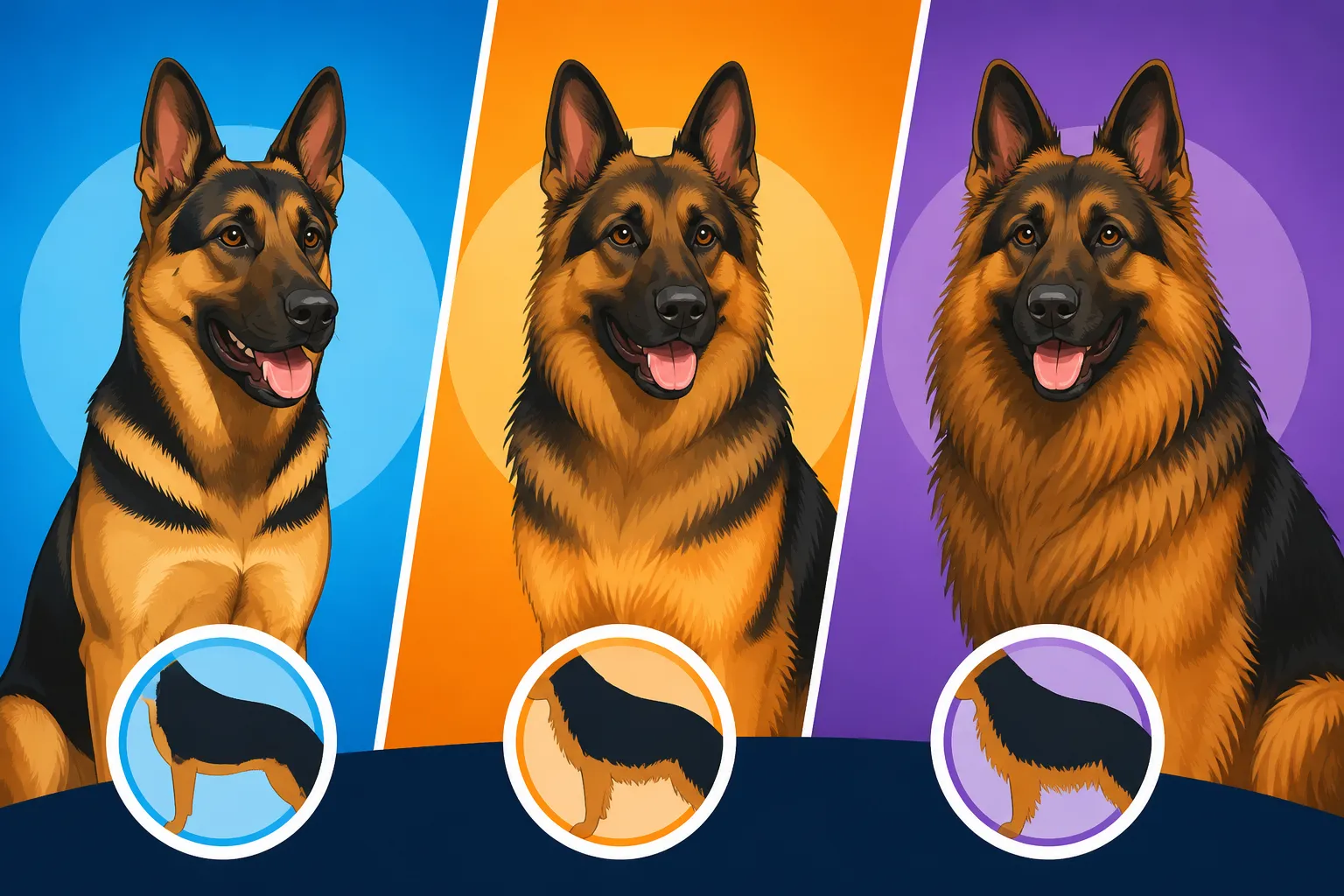
Short-Haired German Shepherds Stock Coat
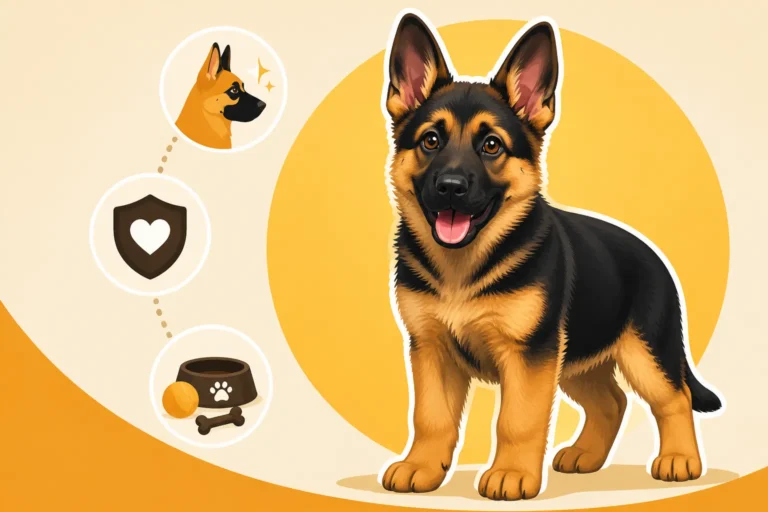
The short-haired German Shepherd, often referred to as a "stock coat," is what most people visualize when they think of the breed. This is the traditional, widely recognized coat type and the only one accepted in many show rings, particularly for the American Kennel Club (AKC) and the German Shepherd Dog Club of America (GSDCA).
The stock coat features a medium-length outer coat that lies dense and straight against the body. The guard hairs are harsh to the touch, providing excellent weather resistance. Beneath this lies a thick, soft undercoat. The hair is generally shorter on the head, ears, and front of the legs, and slightly longer and denser on the neck, backs of the legs, and tail, creating a natural "brush" appearance on the tail.
From a practical standpoint, the stock coat is often considered easier to maintain. While these dogs still shed—and trust me, they shed a lot, especially during seasonal coat blows—the shorter hairs are less prone to matting and tangling than their longer-coated counterparts. However, don't let the word "short" fool you into thinking grooming is minimal. Regular brushing is still paramount to remove loose hair, distribute natural oils, and keep their skin healthy. A good deshedding tool and a slicker brush from a reputable pet supply store like Chewy can be invaluable here. Owners often find themselves wondering, Do German Shepherds Shed a Lot? The answer is always yes, regardless of coat length!
Long-Haired German Shepherds Long Stock Coat
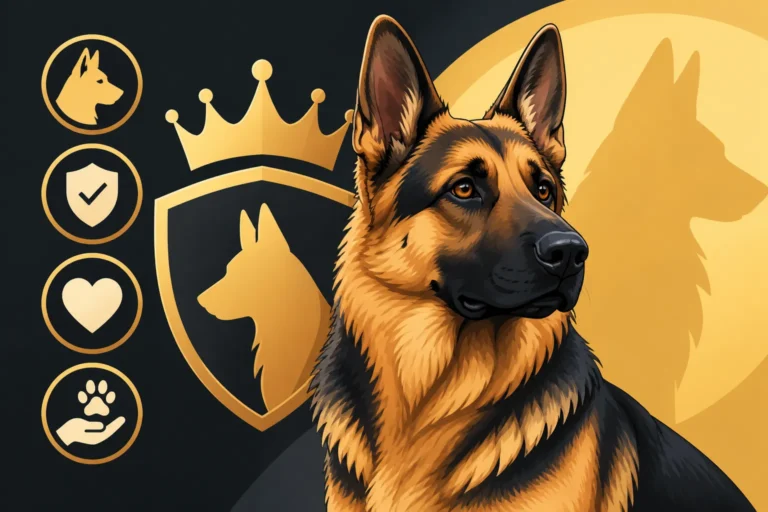
Moving beyond the traditional stock coat, we encounter the long-haired German Shepherd, which is distinct from the plush coat often seen. The "long stock coat" refers to a coat that is noticeably longer than the standard stock coat but still retains a dense undercoat. In this variation, the outer guard hairs are elongated, particularly on the ears, behind the legs (forming distinct feathering), and on the tail, where the hair can be quite luxuriant and bushy. The chest and neck areas also exhibit longer hair, creating a "mane" effect.
Historically, the long stock coat was considered a fault in German Shepherd breed standards because the longer hair was thought to be less protective in harsh working conditions. However, in recent years, many breed clubs have updated their standards to recognize and accept the long stock coat, provided it still possesses the essential undercoat. This is crucial for their insulation and protection. Without that undercoat, a long-haired dog would be at a disadvantage.
Grooming for a long stock coat requires more dedication. The longer hair, while beautiful, is more susceptible to tangles and mats, especially in areas with feathering or if the dog spends a lot of time playing outdoors in brush or mud. Daily brushing might become a necessity, particularly during shedding seasons, to prevent discomfort and skin issues. Owners of long-haired German Shepherds often find themselves investing in robust grooming routines and tools, like those found on Chewy, to keep their dog's coat pristine. This coat type definitely needs regular attention to maintain its beauty and health, as detailed in our guide on How to Groom a German Shepherd.
Plush Coat German Shepherds Long-Haired, but different
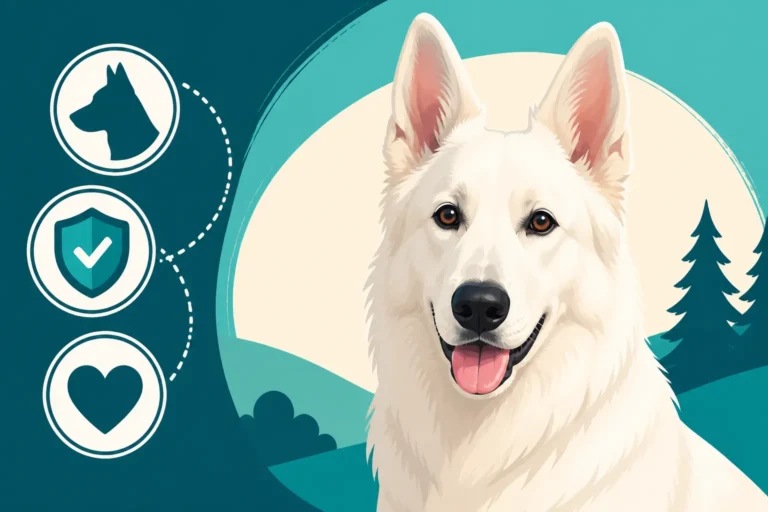
The "plush coat" is often grouped with "long-haired" German Shepherds, but it represents a slightly different genetic expression. A plush coat German Shepherd has significantly longer hair than a stock coat, much like the long stock coat, but the key distinction can sometimes be in the texture and density of the undercoat. While the long stock coat retains a robust undercoat, some plush-coated German Shepherds might have a less dense or even absent undercoat. This is a critical difference for the dog's ability to regulate its body temperature and protect itself from the elements.
The outer coat of a plush-coated German Shepherd is soft, thick, and typically lies flat, but the length is pronounced around the neck, chest, tail, and backs of the legs. They have a very soft, luxurious feel. Because of the potential for a reduced undercoat, these dogs might be more susceptible to extreme temperatures, both hot and cold. They might require extra layers in winter or more shade and cooling measures in summer, especially if they have an active lifestyle.
Grooming a plush coat is similar to a long stock coat, demanding regular attention to prevent matting. The softer texture can sometimes make the hair more prone to tangling. Daily brushing is highly recommended, especially if you want to avoid mats and keep their skin healthy underneath all that beautiful fluff. For comprehensive advice on keeping their skin and coat in top condition, refer to German Shepherd Coat and Skin Care.
Here's a quick comparison of the three main coat types:
| Feature | Short-Haired (Stock Coat) | Long-Haired (Long Stock Coat) | Plush Coat German Shepherd |
|---|---|---|---|
| Outer Coat | Medium length, dense, harsh, lies flat | Long, distinct feathering, softer than stock coat | Very long, soft, thick, lies flat but with volume |
| Undercoat | Thick, dense, woolly; excellent insulation | Dense, present, provides good insulation | Varies; can be dense, less dense, or nearly absent |
| Grooming Needs | Moderate; regular brushing to manage shedding | High; daily brushing to prevent mats/tangles, manage shedding | High; daily brushing for mats, manage shedding. Protect from extreme temps if undercoat is sparse. |
| Weather Protection | Excellent for all conditions | Good, provided dense undercoat is present | Varies; potentially less protected if undercoat is sparse |
| Breed Standard | Accepted in most major registries, traditional type | Accepted in some registries, becoming more common | Varies; often considered a fault if undercoat is too sparse |
Grooming and Care for Each Coat Type
No matter the length, a German Shepherd's coat is a serious commitment. Neglecting grooming can lead to discomfort for your dog, including painful mats, skin infections, and excessive shedding throughout your home. Proper care is essential for maintaining not just their appearance, but their overall health and happiness.
Essential Tools for Different Coats
Having the right tools is half the battle when it comes to grooming your German Shepherd. The specific brushes and combs you'll need can vary slightly depending on your dog's coat length, but a few staples are universally beneficial.
For all coat types, a sturdy slicker brush is indispensable for removing loose hair from the topcoat and stimulating blood flow to the skin. For the dense undercoat, particularly during shedding season, a deshedding tool like a rake or a specialized deshedding brush can work wonders. These tools effectively pull out dead undercoat without damaging the guard hairs, significantly reducing the amount of hair that ends up on your furniture. When I first got my German Shepherd, I spent so much time sweeping, but a good deshedding tool from Chewy made a world of difference.
For long-haired and plush-coated German Shepherds, a wide-toothed comb is crucial for detangling longer sections of hair, especially around the ears, tail, and feathering on the legs. Pin brushes are also excellent for longer coats, as they help to smooth the coat and remove loose hairs without pulling too much. Don't forget nail clippers or a grinder, ear cleaner, and a good dog shampoo and conditioner designed for double coats. A high-velocity dog dryer can also be a game-changer after baths, pushing out loose hair and drying the coat thoroughly to prevent skin issues. Check out our detailed list of German Shepherd Grooming Tools You Need for more ideas.
Managing Shedding and Maintenance
Shedding is an unavoidable part of living with a German Shepherd. They are heavy shedders year-round, but twice a year, they experience what's known as "blowing their coat," a period of intense shedding where they replace their entire undercoat to adapt to the upcoming season. During these times, daily grooming becomes absolutely essential.
For short-haired German Shepherds, frequent brushing with a slicker brush and a deshedding tool several times a week, if not daily during heavy shedding, will help keep the loose hair contained. Bathe them as needed, typically every 4-6 weeks, using a deshedding shampoo to help release dead hair.
Long-haired and plush-coated German Shepherds require even more diligent attention. Daily brushing, especially focusing on areas prone to matting like behind the ears, armpits, and leg feathering, will prevent painful tangles. A wide-toothed comb should be used first to work through any knots, followed by a slicker and deshedding tool. Baths may be more frequent for these coats, especially if they get dirty easily, but always ensure they are thoroughly dried to prevent skin irritation. Investing in quality shampoos and conditioners that promote coat health can also make a big difference. Many German Shepherd owners attest that a consistent grooming schedule is key to not only a beautiful coat but also a happier, healthier dog. You can find more strategies in German Shepherd Shedding: How to Manage It.
Genetic Factors and Breed Standards
The fascinating variations in German Shepherd coat lengths aren't random; they're rooted in genetics and often play a significant role in how the breed is viewed in different kennel club standards. Understanding these factors helps to demystify why some German Shepherds look different from others and why certain coat types might be preferred in specific contexts.
How Genetics Determine Coat Length
The primary determinant of a German Shepherd's coat length is a specific gene locus, often referred to as the L-locus. In simple terms, there are dominant and recessive alleles that dictate whether a dog will have a short coat or a long coat.
- Short Coat (Stock Coat): This is the dominant trait. A German Shepherd will have a short coat if it inherits at least one dominant "L" allele from either parent (LL or Ll genotype). This is why even two long-haired parents can, theoretically, produce a short-haired puppy if they both carry the recessive short-haired gene (this is incorrect, short hair is dominant, so if two long-haired parents, which are 'll', breed, they can only produce 'll' long-haired puppies. For a short-haired puppy to appear, at least one parent must contribute an 'L' allele. If two short-haired parents (Ll x Ll) breed, they can produce long-haired pups).
- Long Coat (Long Stock Coat or Plush Coat): This is the recessive trait. A German Shepherd will have a long coat only if it inherits two copies of the recessive "l" allele, one from each parent (ll genotype). This means that both parents, whether they are short-haired or long-haired themselves, must carry the recessive long-hair gene to produce a long-haired puppy.
Breeders who are mindful of coat length often perform German Shepherd Genetic Health Testing to identify carriers of the long-hair gene, especially if they are aiming for specific coat types in their litters. This genetic understanding allows for more informed breeding decisions and helps to predict the coat types of puppies.
Coat Length in Breed Standards and Show Rings
The acceptance of different German Shepherd coat lengths varies significantly between different kennel clubs and breed organizations around the world. Historically, the short, dense stock coat was the only recognized and preferred coat type for the German Shepherd. This preference stemmed from the breed's origins as a working dog, where a shorter, more weather-resistant coat was deemed more practical for herding and protection work.
- Traditional View (e.g., AKC, GSDCA): For many years, and still prominently in organizations like the American Kennel Club (AKC) and the German Shepherd Dog Club of America (GSDCA), the short, stock coat is the only coat type accepted in the conformation show ring. A long-haired German Shepherd would be disqualified from competition under these standards, even if it is otherwise a perfectly healthy and well-bred dog. The standard emphasizes a harsh, close-lying double coat.
- Evolving Standards (e.g., FCI, SV): However, there has been an evolution in recent years, particularly in Europe. The Fédération Cynologique Internationale (FCI) and the German Shepherd Dog Club of Germany (SV), which is the original parent club of the breed, have begun to accept the long stock coat (with an undercoat) into their breed standards. This means that German Shepherds with longer coats, provided they meet all other breed specific requirements and crucially, still possess a healthy undercoat, can now compete in conformation shows in many countries. The key distinction remains the presence of a robust undercoat; true "plush coats" with sparse undercoats are generally still considered a fault in all major standards due to the perceived lack of functionality.
For a deeper dive into what makes a German Shepherd conform to the ideal, explore German Shepherd Breed Standard Explained. The debate over coat length highlights the ongoing tension between historical working functionality and modern aesthetic preferences within the breed community. Regardless of show ring acceptance, a German Shepherd of any coat length, with proper care and health, can make an incredible companion.
Conclusion
The world of German Shepherds is rich with diversity, and their coat lengths are a perfect example. Whether you have a classic stock-coated German Shepherd, a flowing long stock coat, or a luxurious plush-coated companion, each brings its unique beauty and grooming considerations. Understanding these differences, from their genetic origins to the specific care routines they demand, empowers you to be the best possible owner. Remember that every German Shepherd, irrespective of its fur length, requires consistent grooming, a healthy diet, and plenty of love to thrive. Embrace the grooming adventure, stock up on quality supplies from retailers like Chewy, and enjoy the magnificent bond you share with your wonderfully coated German Shepherd.
Disclaimer
This article is for general informational purposes only and does not constitute professional advice. Laws, prices and regulations vary by location and change over time. Consult a qualified professional for guidance on your specific situation.