Degenerative Myelopathy Life Expectancy
Receiving a diagnosis of Degenerative Myelopathy (DM) for your German Shepherd is truly heartbreaking. It’s a moment that stops time, filling you with dread and countless questions, the most pressing often being: "How much time do I have left with my best friend?" This guide isn't about sugarcoating the reality, but about giving you a clear, empathetic understanding of what to expect regarding your German Shepherd's life expectancy with DM, and how you can make every moment count.
Understanding Degenerative Myelopathy's Insidious Progression
Degenerative Myelopathy is a cruel disease, slowly stealing your German Shepherd's mobility and independence. It’s not like a sudden injury; it’s a gradual, relentless decline that can be incredibly frustrating and emotionally draining for both you and your dog. Knowing what you're up against, even if it's painful, is the first step in preparing for the journey ahead.
What is Degenerative Myelopathy?
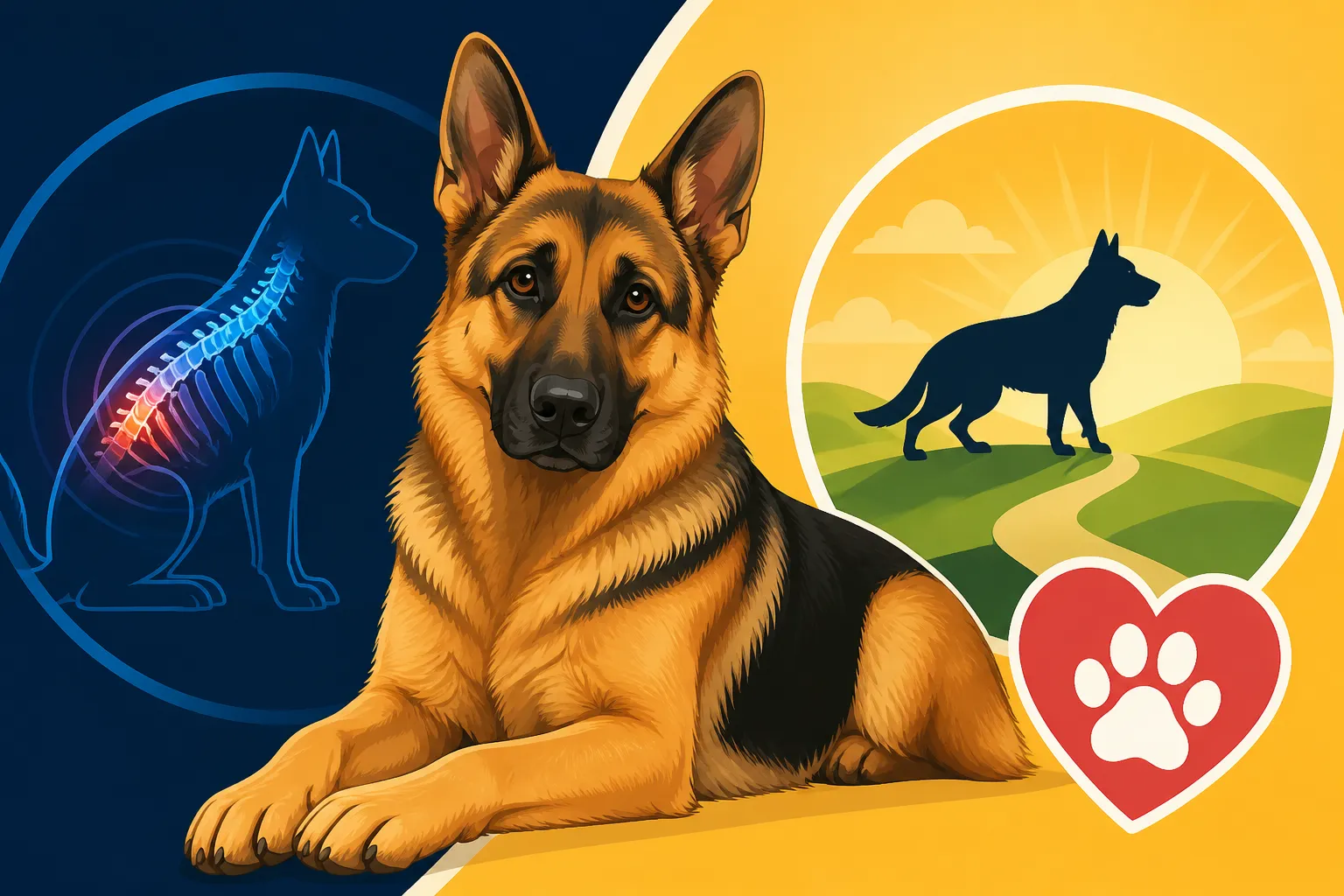
At its core, Degenerative Myelopathy is a progressive neurological disease that affects the spinal cord, specifically the white matter pathways responsible for transmitting motor commands. Think of it like the insulation around electrical wires gradually fraying and disappearing. Without this insulation, nerve signals can't travel effectively from the brain to the limbs, leading to a loss of coordination and strength. It's often compared to ALS (Amyotrophic Lateral Sclerosis) in humans because of its similar neurological deterioration.
For German Shepherds, there's a specific genetic mutation (SOD1) that is strongly linked to DM, making them one of the most predisposed breeds. While not every dog with the gene will develop the disease, understanding its prevalence helps us approach it with informed caution. This isn't a pain-inducing condition in itself, which can be a double-edged sword: your dog isn't suffering from direct pain, but the loss of function is profoundly disorienting and frustrating for them. It's a disease that slowly takes away their ability to do the things they love – chasing a ball, going for long walks, or simply standing up to greet you at the door. You might want to learn more about Degenerative Myelopathy in German Shepherds to fully grasp the medical nuances.
Stages of Progression and What to Expect
The progression of DM is sadly predictable, though the speed at which a German Shepherd moves through these stages can vary widely. It’s a journey measured not in days, but often in months, each bringing new challenges. The first signs are often subtle, easily mistaken for general aging or arthritis, making early diagnosis tricky.
Initially, you might notice a slight loss of coordination in the hind limbs. Your German Shepherd might scuff their paws, especially the nails, or drag a foot occasionally. They might sway slightly when standing still, or have difficulty getting up after resting. This is often the stage where owners first become concerned, wondering if it's just stiffness from getting older or something more. It's during this time that seeking veterinary advice and potentially considering German Shepherd DM DNA Testing Explained can provide valuable answers, allowing you to prepare mentally and practically.
As the disease progresses, the weakness becomes more pronounced. Your dog will struggle more with balance, their gait will become markedly wobbly (ataxic), and they might stumble and fall more frequently. This is when a trip up the stairs or a walk on uneven ground becomes a significant challenge. The muscles in their hindquarters will start to atrophy, becoming noticeably thinner. This is a critical stage where mobility aids, such as supportive harnesses, become essential to help them get around and maintain some independence.
In the advanced stages, your German Shepherd will lose the ability to use their hind legs entirely, becoming paralyzed. They will drag their hindquarters, making moving around without assistance impossible. Bladder and bowel control can also be lost, requiring diligent hygiene and care. This is an incredibly tough time for both dog and owner, demanding immense dedication and love. Eventually, in the end stages, the disease can affect the front limbs and even impact swallowing and breathing, though this is less common and usually occurs much later in the disease process. Recognizing these stages, and understanding How Fast Does Degenerative Myelopathy Progress, helps you anticipate needs and adapt care.
Typical Life Expectancy After a DM Diagnosis
When you hear "Degenerative Myelopathy," the question of "how long?" immediately looms. While every dog is an individual, there are general timelines that can help prepare you for what lies ahead, though it’s crucial to remember these are averages and not absolutes.
The General Timeline
For most German Shepherds diagnosed with Degenerative Myelopathy, the typical life expectancy after the initial onset of symptoms ranges from 6 to 18 months. This wide range truly underscores how variable the disease can be. Some dogs progress very rapidly, losing mobility within a few short months, while others can maintain a reasonable quality of life with supportive care for a year or even longer. It’s a spectrum, not a fixed period, and this uncertainty can be one of the hardest aspects to navigate.
It’s important to distinguish between the onset of symptoms and the official diagnosis. Sometimes, by the time a definitive diagnosis is made (often through exclusion of other conditions and genetic testing), your dog might have already been experiencing subtle signs for a few months. Therefore, the clock typically starts ticking from when you first noticed those early changes in their gait or coordination. Knowing the First Signs of Degenerative Myelopathy can be crucial for an earlier diagnosis and potentially more proactive management.
Factors Influencing Longevity
While the diagnosis itself is a major factor, several other elements can play a significant role in how long your German Shepherd maintains a good quality of life after a DM diagnosis. It's not just about the disease, but about the holistic approach to care.
- Genetic Predisposition and Disease Severity: While the SOD1 gene is common, the precise genetic makeup can influence the speed of progression. Some dogs may have a more aggressive form of the disease due to other genetic modifiers, though this is still being researched.
- Early Diagnosis and Intervention: Catching DM early, even when symptoms are subtle, allows you to implement supportive measures sooner. This includes physical therapy, home modifications, and nutritional support, which can potentially slow the visible progression and maintain muscle mass longer.
- The Level of Supportive Care: This is perhaps the biggest factor an owner can influence. Consistent, dedicated care, including physical therapy, mobility aids, and a comfortable home environment, can dramatically extend a dog's comfortable life. We're talking about things like dedicated walking assistance, hydrotherapy, and ensuring they don't develop secondary issues like pressure sores.
- Owner Commitment and Resources: Managing a German Shepherd with DM is a massive commitment, both physically and emotionally, and it can also be financially demanding. The willingness and ability of an owner to provide extensive daily care, adapt their home, and attend regular vet appointments or therapy sessions will directly impact the dog's quality of life and, by extension, their longevity. Pet insurance, such as plans from Healthy Paws, can be incredibly helpful in covering the costs associated with physical therapy, wheelchairs, and ongoing veterinary care, easing the financial burden during this challenging time.
- Absence of Other Health Conditions: A German Shepherd with DM that also suffers from other debilitating conditions like severe arthritis or heart disease may have a shorter life expectancy simply because their overall health is compromised. Prioritizing overall German Shepherd Health Problems Guide is always a good strategy.
Here’s a simplified look at the typical progression and care considerations:
| DM Stage | Key Characteristics | Average Timeframe (Post-Symptom Onset) | Care Considerations |
|---|---|---|---|
| Early Stage | Mild hind limb weakness, scuffing paws, slight ataxia | 1-6 months | Monitor gait, non-slip surfaces, gentle exercise, consider supplements. Begin discussing physical therapy. |
| Moderate Stage | Pronounced weakness, frequent stumbling, muscle atrophy | 6-12 months | Rear support harness (e.g., Help 'Em Up Harness), physical therapy, hydrotherapy, maintain hygiene, regular vet checks. |
| Advanced Stage | Hind limb paralysis, significant muscle loss | 12-18+ months | Wheelchair (German Shepherd DM: Wheelchair and Care Options), intensive hygiene, bladder/bowel management, comfortable bedding, mental stimulation. |
| End Stage | Front limb involvement, difficulty swallowing/breathing | Variable (often within advanced stage) | Palliative care, ensure comfort, ongoing monitoring of quality of life, difficult end-of-life decisions. |
Remember, this table provides a general guide. Your German Shepherd's journey may look different, and that's okay. The key is to be adaptable and responsive to their changing needs.
Prioritizing Quality of Life Over Quantity
This is perhaps the most difficult conversation any pet owner facing a terminal illness must have: when does the quality of life outweigh the desire for more time? With DM, where pain isn't the primary issue but profound loss of function is, this question takes on unique challenges.
Assessing Your Dog's Well-being
It’s easy to get caught up in the "fight" against DM, constantly trying new therapies or pushing for more time. But the most loving thing you can do is objectively assess your German Shepherd's daily well-being. Think about what truly makes your dog happy. Is it their morning walk? Playing with a favorite toy? Cuddling on the couch?
As DM progresses, many of these simple joys become impossible without significant human intervention. You need to ask yourself: Is my dog still finding joy? Are they alert and engaged, even if their body is failing them? Are they able to eat and drink comfortably? Do they still respond to your presence with enthusiasm, or do they seem withdrawn and depressed?
Monitoring their appetite, thirst, ability to sleep comfortably, and their general demeanor is crucial. Even without pain, chronic frustration, loss of dignity, and the sheer effort required to perform basic functions can diminish their quality of life. Resources like the "Quality of Life Scale" developed by veterinarians can provide a more objective framework for these difficult assessments. Regular check-ins with your vet, who can offer an objective perspective, are also invaluable.
Difficult Decisions and Humane Euthanasia
This is the part no one wants to talk about, but it's an essential aspect of responsible pet ownership, especially with a progressive disease like DM. The decision for humane euthanasia is often the final act of love and kindness we can offer our pets when their quality of life has significantly deteriorated.
With DM, the absence of pain can make this decision even harder. You might feel guilty, thinking "they're not in pain, why should I?" However, quality of life extends beyond just physical pain. A German Shepherd who can no longer stand, relieve themselves independently, or interact with their environment in meaningful ways may experience immense psychological distress and loss of dignity. They might struggle with pressure sores despite your best efforts, or develop urinary tract infections due to incontinence.
Discuss this openly with your veterinarian. They can help you understand when the challenges outweigh the joys for your dog. It's about preventing suffering, not prolonging life at any cost. This deeply personal choice often comes after months of dedicated care, and it’s a decision born of profound love, not failure. Recognizing the limits of what medical care can achieve, and when comfort and peace become paramount, is one of the hardest burdens of pet ownership.
Maximizing Comfort and Extending Quality Time Through Supportive Care
While there's no cure for Degenerative Myelopathy, there's a tremendous amount you can do to enhance your German Shepherd's comfort and extend their quality time with you. This isn't about magical cures, but about diligent, loving management. This proactive approach can make a significant difference in how you both navigate this journey.
Mobility Aids and Home Modifications
As your German Shepherd's hindquarters weaken, mobility becomes the primary challenge. Thankfully, there are many tools available today that can help them stay mobile and engaged for longer.
- Rear Support Harnesses: These are game-changers. Brands like the Help 'Em Up Harness or similar products provide support for your dog's hind end, allowing you to assist them with standing, walking, and going to the bathroom. They help redistribute weight and reduce strain on their failing legs. They are a must-have once weakness becomes noticeable.
- Dog Wheelchairs (Carts): Once hind limb paralysis occurs, a custom-fitted dog wheelchair can offer a second chance at mobility and joy. Seeing a German Shepherd, who was once dragging themselves, suddenly running around in a cart is truly inspiring. It allows them to continue exploring, playing, and enjoying life, even if their legs aren't working. You can find detailed information on this topic in German Shepherd DM: Wheelchair and Care Options. Investing in a good quality wheelchair can significantly extend their active lifespan.
- Non-Slip Surfaces: German Shepherds with DM struggle immensely on slippery floors like hardwood or tile. Laying down rugs, yoga mats, or carpet runners throughout your home provides traction and confidence, preventing falls and making it easier for them to move.
- Ramps and Steps: Avoid stairs if possible. Use ramps for car access or to help them onto furniture if they still enjoy being close to you. Portable steps can also be useful for smaller elevation changes.
- Comfortable Bedding: Pressure sores are a real risk when a dog is down for extended periods. Invest in orthopedic beds or memory foam mattresses to provide cushioning and support. Keep bedding clean and dry, especially if incontinence is an issue.
Physical Therapy and Controlled Exercise
Physical therapy isn't just for humans; it's a cornerstone of DM management. It won't cure the disease, but it can slow muscle atrophy, maintain joint flexibility, and preserve nerve pathways for as long as possible.
- Hydrotherapy: Water-based exercises, like underwater treadmills, are fantastic. The buoyancy of water reduces weight-bearing stress on their joints, allowing them to move their legs more freely, build muscle, and improve coordination without the risk of falling. Many veterinary rehabilitation centers offer this.
- Range of Motion (ROM) Exercises: These are passive exercises where you gently move your dog's joints through their full range of motion. This prevents stiffness, maintains flexibility, and improves circulation. Your vet or a certified canine rehabilitation therapist can teach you how to do these correctly at home.
- Controlled Leash Walks: In the early and moderate stages, short, controlled walks on a harness can still be beneficial. Focus on even surfaces and avoid anything that causes them to stumble or struggle excessively. The goal is to encourage movement without overexertion.
- Massage: Gentle massage can improve circulation, reduce muscle tension, and provide comfort. It’s also a wonderful way to bond with your German Shepherd.
To learn more about keeping your German Shepherd in the best possible shape throughout their life, even with challenges, read our guide on How to Keep a German Shepherd Healthy.
Nutritional Support and Supplements
While no specific diet or supplement can cure DM, proper nutrition and targeted supplements can support overall health, muscle maintenance, and nerve function.
- High-Quality Diet: Feed a well-balanced, high-quality diet appropriate for large breeds. Maintaining a healthy weight is crucial, as excess weight puts more strain on weakening limbs.
- Antioxidants and Anti-inflammatories: Some veterinarians recommend supplements high in antioxidants (like Vitamin E, C) and anti-inflammatory compounds (like Omega-3 fatty acids). These can help combat oxidative stress and support cellular health.
- Joint Supplements: Even though DM is neurological, German Shepherds are prone to joint issues like hip and elbow dysplasia. Supporting their joints with supplements like glucosamine, chondroitin, and MSM can help ensure any remaining mobility isn't further hampered by joint pain. Our article on Best Joint Supplements for Senior German Shepherds offers valuable insights.
- B Vitamins: B vitamins, particularly B12, are important for nerve health. Some vets may suggest supplementation, especially if your dog's diet is lacking or they have absorption issues.
- L-Carnitine: Some studies suggest L-Carnitine may play a role in supporting muscle function and metabolism, potentially benefiting dogs with muscle wasting conditions. Always consult your veterinarian before adding any new supplements to your dog's regimen.
Emotional and Mental Stimulation
Never forget that your German Shepherd is still the intelligent, loving companion they always were, even if their body is failing. Mental stimulation is just as important as physical care.
- Puzzle Toys and Treat-Dispensing Toys: These can keep their minds engaged and prevent boredom, even if they're not moving much.
- Sniff Walks (with support): Even if they need a wheelchair or harness, allowing them to sniff and explore their environment on a slow, supported walk is incredibly enriching. Scent is a dog's primary sense, and letting them use it provides immense satisfaction.
- Interactive Play: Keep playing games they enjoy, adapting them to their mobility. If they can no longer chase a ball, roll it closer to them, or engage in gentle tug-of-war.
- Cuddle Time: Simple presence and affection are profoundly important. Spend quality time just petting, talking to, and being with your German Shepherd. Your bond is a powerful source of comfort for them.
Managing a German Shepherd through DM is a challenging, emotional journey, but with love, dedication, and the right supportive care, you can ensure their remaining time is filled with comfort, dignity, and as much joy as possible.
Disclaimer
The information provided in this article is for general informational purposes only and does not constitute veterinary advice. Always consult with a qualified veterinarian for any health concerns or before making any decisions about your pet's health or treatment plan. Individual outcomes and life expectancies can vary significantly.