German Shepherd Allergies: Causes and Relief
It’s heartbreaking to see your majestic German Shepherd constantly scratching, licking, or suffering from digestive upset, knowing they’re uncomfortable but not quite understanding why. Allergies in German Shepherds are a common, frustrating, and often chronic battle for many owners, making daily life a misery for our beloved companions. This comprehensive guide is here to unravel the complex world of German Shepherd allergies, exploring the different types, how to spot the signs, what triggers them, and most importantly, how to find effective relief and long-term management strategies to bring comfort back to your best friend.
Understanding German Shepherd Allergies: The Basics
German Shepherds are incredible dogs – intelligent, loyal, and undeniably handsome. But unfortunately, they’re also genetically predisposed to a range of health issues, and allergies often top that list. It can feel like a never-ending cycle of itching, skin infections, and tummy troubles, leaving you and your vet scratching your heads trying to pinpoint the exact culprit. Rest assured, you're not alone in this journey.
Why German Shepherds are Prone to Allergies
It’s not just bad luck; there's a real biological reason why German Shepherds seem to suffer more than some other breeds. Their immune systems, while robust in many ways, can sometimes be a little too enthusiastic, overreacting to otherwise harmless substances in their environment or food. This genetic predisposition means that if a German Shepherd's parents or grandparents had allergies, there's a higher chance their offspring will too. It’s part of their unique genetic makeup that makes them special, but also a bit more sensitive to the world around them.
Beyond genetics, their skin barrier can sometimes be less effective, making it easier for allergens to penetrate and trigger a reaction. Environmental factors, diet, and even stress can play a role in exacerbating these inherent tendencies. It’s a complex interplay, which is why managing allergies isn't usually a quick fix, but rather an ongoing partnership between you, your vet, and sometimes a specialist. Understanding this underlying vulnerability is the first step towards truly helping your German Shepherd.
Common Types of Allergies in German Shepherds
When we talk about allergies, it’s not a single condition but a blanket term for several different types of hypersensitivity reactions. For German Shepherds, the most common culprits fall into three main categories: environmental, food, and flea allergies. Each presents slightly differently and requires its own approach to diagnosis and treatment.
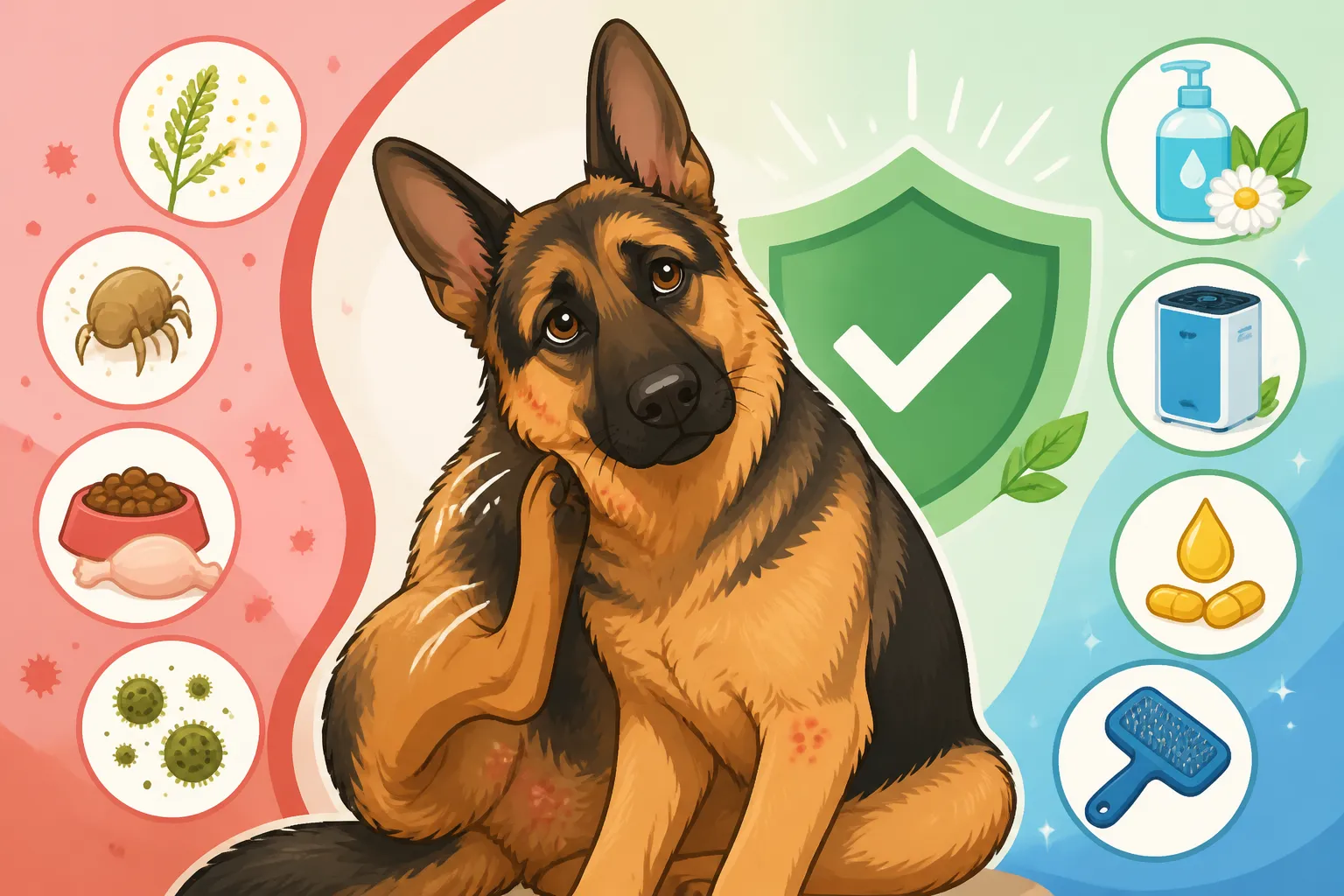
Environmental allergies, often called atopy or canine atopic dermatitis, are by far the most prevalent. These are reactions to airborne particles like pollen from trees, grasses, and weeds, dust mites, and mold spores. Just like people get hay fever, dogs can get itchy skin, red paws, and ear infections from these seasonal or year-round allergens. Food allergies, while less common than environmental ones, can cause significant distress, leading to itchy skin and digestive upset. Lastly, flea allergy dermatitis (FAD) is a severe reaction to the saliva of fleas; it only takes one bite to send a sensitive German Shepherd into an intense itching frenzy. Each type requires a specific strategy to manage, and it's not uncommon for a German Shepherd to suffer from more than one type simultaneously.
The Allergic Reaction Explained
At its core, an allergic reaction is your German Shepherd’s immune system mistakenly identifying a harmless substance (an allergen) as a threat. When exposed to this perceived threat, the body releases histamines and other inflammatory chemicals. Think of it like a tiny, internal alarm system going off. These chemicals cause the symptoms we associate with allergies: itching, redness, swelling, and sometimes pain.
For environmental allergies, the skin is often the primary target. Allergens are absorbed through the skin, triggering localized inflammation that leads to relentless itching, especially on the paws, belly, ears, and armpits. With food allergies, the reaction primarily occurs in the gut lining, but the inflammatory cascade can manifest as itchy skin anywhere on the body, alongside gastrointestinal signs. In the case of flea allergy dermatitis, the immune response is hyper-focused on the flea saliva, leading to intense itching and irritation, often around the tail base and hindquarters. The key to effective treatment lies in understanding this underlying mechanism and interrupting the cycle of inflammation.
Decoding the Symptoms: What to Look For
Spotting allergy symptoms in your German Shepherd can sometimes feel like a guessing game because many conditions can cause similar signs. However, knowing the specific ways allergies tend to manifest can help you alert your vet and start the diagnostic process much faster. Early intervention can prevent minor irritations from escalating into severe infections.
Skin and Coat Manifestations
This is where you’ll most often see the tell-tale signs of allergies. If your German Shepherd is constantly scratching, licking, or biting at their skin, paws, or tail, allergies are a strong suspect. This isn't just a casual itch; it's often an obsessive, relentless behavior that can keep them awake at night and drive you a little crazy too. You might notice red, inflamed patches of skin, especially in areas like their armpits, groin, between their toes, or around their ears. Over time, constant licking and scratching can lead to secondary bacterial or yeast infections, which manifest as greasy skin, a strong odor, hair loss, scabs, and thickened, darkened skin (hyperpigmentation), particularly on the belly and inner thighs. Hot spots, those rapidly developing, painful, moist skin lesions, are also very common when a German Shepherd constantly licks one area. Paying close attention to these visible changes and behavioral cues is crucial. If you're struggling with these specific issues, our guide on German Shepherd Skin Problems and Fixes offers even more detailed insights.
Gastrointestinal Disturbances
While many people associate allergies solely with skin problems, food allergies, and even some environmental allergies, can significantly impact the digestive system. If your German Shepherd is experiencing chronic loose stools, diarrhea, vomiting, excessive gas, or frequent stomach gurgling, and these issues aren't resolved with simple dietary changes or parasite treatments, food allergies should definitely be on your radar.
It’s not always severe, acute symptoms; sometimes it’s a more subtle, ongoing discomfort that impacts their quality of life. They might refuse certain foods, seem lethargic after eating, or experience intermittent bouts of mild diarrhea that seem to come and go. These gastrointestinal signs can sometimes be the only symptom of a food allergy, making diagnosis a bit trickier. It's important to differentiate these chronic issues from acute episodes caused by eating something they shouldn't have, or from other conditions like Exocrine Pancreatic Insufficiency (EPI), which is also common in German Shepherds. For a deeper dive into stomach issues, our article on German Shepherd Sensitive Stomach Solutions could be really helpful.
Respiratory and Other Signs
While less common than skin or GI issues, allergies can sometimes manifest with respiratory symptoms in German Shepherds, though this is seen more frequently in other breeds. You might notice sneezing, a runny nose, watery eyes, or even coughing, particularly during specific seasons or after exposure to certain environmental triggers. These are often signs of inhaled allergens, similar to human hay fever.
Beyond the obvious, some allergic German Shepherds might display less specific symptoms like lethargy, restlessness due to constant itching, or even behavioral changes such as irritability or anxiety caused by chronic discomfort. Recurrent ear infections are a huge red flag for allergies, whether environmental or food-related. The inside of their ears might be red, waxy, foul-smelling, and painful, leading to head shaking and scratching at the ears. Some dogs might even develop anal gland issues due to chronic inflammation. Always consider the whole picture when evaluating your German Shepherd's health.
| Allergy Type | Primary Symptoms | Common Causes |
|---|---|---|
| Environmental | Intense itching (paws, ears, belly, armpits), red/inflamed skin, chronic ear infections, secondary skin infections, hot spots, licking. | Pollen (trees, grasses, weeds), dust mites, mold spores, dander. |
| Food | Itching (often widespread, not just specific areas), chronic diarrhea, vomiting, gas, loose stools, ear infections, poor coat quality. | Beef, chicken, dairy, wheat, soy, eggs (common protein sources and grains). |
| Flea Allergy | Intense itching around tail base, hindquarters, inner thighs, hair loss, scabbing, redness, often from just one flea bite. | Flea saliva. |
Pinpointing the Causes: Environmental, Food, and Fleas
Identifying what exactly is triggering your German Shepherd's allergic reactions is often the biggest hurdle. It requires patience, careful observation, and a close working relationship with your veterinarian. Knowing the potential culprits helps narrow down the possibilities.
Environmental Allergens (Atopy)
Environmental allergies, or atopic dermatitis, are by far the most prevalent type of allergy in German Shepherds. These are reactions to airborne particles that they inhale or absorb through their skin. Common culprits include seasonal pollen from trees, grasses, and weeds, which means symptoms often flare up at specific times of the year. For instance, if your dog is miserable every spring and fall, pollen is a likely suspect.
However, environmental allergies aren’t always seasonal. Year-round allergens like house dust mites, storage mites, and mold spores can cause constant discomfort, regardless of the time of year. Imagine living with persistent itching every single day – it's a nightmare for them! These allergens can be found in carpets, bedding, and even their food bins. Managing atopy often involves a multi-modal approach, including reducing exposure, medications, and sometimes immunotherapy. Our guide on German Shepherd Allergies: Causes and Relief (oh wait, this is the current article!) will cover more on treatment, but understanding the widespread nature of these allergens is key.
Food Allergies and Intolerances
The term "food allergy" is often used interchangeably with "food intolerance," but there's a subtle yet important distinction. A true food allergy involves an immune response, producing antibodies against a specific food protein, leading to classic allergic symptoms like intense itching and GI upset. Food intolerance, on the other hand, is a digestive issue that doesn't involve the immune system but causes similar GI symptoms, like an inability to digest lactose, for example. In either case, eliminating the offending ingredient is the goal.
The most common food allergens for dogs are proteins they've been exposed to frequently over time, such as beef, chicken, dairy, and eggs, as well as common grains like wheat and soy. It's rarely the "filler" or "bad quality" ingredients that are the problem; it’s usually the primary protein source. Diagnosing food allergies is challenging and almost always requires a strict elimination diet, which we’ll discuss shortly. This process can be daunting, but finding the trigger can bring immense relief to your German Shepherd, especially if they suffer from a sensitive stomach.
Flea Allergy Dermatitis (FAD)
Don't underestimate the power of a single flea bite! For German Shepherds with flea allergy dermatitis (FAD), it's not the fleas themselves that cause the intense misery, but a severe allergic reaction to the proteins in flea saliva. It only takes one tiny bite for an allergic dog to become incredibly itchy, leading to obsessive scratching, biting, and licking.
The classic signs of FAD are intense itching and skin irritation around the base of the tail, hindquarters, and inner thighs. You might notice hair loss, scabs, and redness in these areas. Sometimes, you won't even see any fleas because the dog grooms them off so quickly after being bitten. The key to managing FAD is absolutely meticulous, year-round flea prevention. This means treating all pets in the household and often treating the environment too. Don't rely on just one product; sometimes a combination of a topical and an oral preventative is necessary to ensure complete eradication and protection.
Diagnostic Journey: Getting to the Root of the Problem
When your German Shepherd is suffering from allergies, the first thing you want is answers. The diagnostic process can feel like a long road, but it's essential to accurately identify the cause of their discomfort so that effective, targeted treatment can begin. Patience is truly a virtue here.
Veterinary Consultation and Physical Exam
The very first step is always a thorough veterinary examination. Your vet will ask you a lot of questions about your German Shepherd's symptoms: when they started, if they're seasonal, what makes them better or worse, their diet, flea prevention, and any prior treatments. This detailed history is incredibly important for narrowing down possibilities. During the physical exam, your vet will meticulously check your dog’s skin, coat, ears, and paws for any signs of inflammation, infections, or parasites. They’ll look for redness, scales, scabs, hair loss, and any odors that might indicate a secondary bacterial or yeast infection.
Often, skin scrapings or tape preps will be taken to rule out external parasites like mites, and cytology (looking at cells under a microscope) might be performed to check for bacterial or yeast overgrowth, which commonly occur because of allergies, making the itching even worse. Addressing these secondary infections is crucial for immediate relief, even while the underlying allergy is still being investigated. This initial comprehensive check-up lays the groundwork for any further diagnostic steps.
Allergy Testing Options
Once secondary infections and parasites are ruled out or managed, your vet might suggest allergy testing. There are two main types of allergy tests for environmental allergens: intradermal skin testing and serum (blood) allergy testing.
Intradermal skin testing is considered the "gold standard" by many veterinary dermatologists. It involves injecting tiny amounts of common environmental allergens into a shaved patch of your dog's skin, usually on the side, and then observing the reactions (small red bumps) to determine sensitivity. This is typically done by a veterinary dermatologist under light sedation. Serum allergy testing, on the other hand, is a blood test that measures antibodies against specific allergens. While less invasive, its accuracy can be debated among specialists, though it can still provide valuable information. Neither test is foolproof, but they can help identify specific environmental triggers, which is vital for developing immunotherapy (allergy shots or drops). It's worth discussing with your vet which option is best for your German Shepherd, and if they recommend a specialist, it's often a good idea to follow that advice. Managing the financial aspect of specialized care is where something like pet insurance from a provider like Healthy Paws can truly make a difference, helping to cover unexpected diagnostic and treatment costs.
Elimination Diets for Food Allergies
Diagnosing a food allergy is a completely different beast, and it cannot be done with a blood or saliva test. The only reliable method is a strict elimination diet, also known as a novel protein diet or hydrolyzed protein diet. This means feeding your German Shepherd a food containing either a protein source they’ve never eaten before (like kangaroo or alligator) or a hydrolyzed protein, where the proteins are broken down so small that the immune system doesn't recognize them as allergens.
This diet must be the only thing your dog eats for 8-12 weeks – no treats, no table scraps, no flavored medications, no toys that might contain food proteins. Absolutely nothing else. After the elimination period, if symptoms have improved, specific ingredients are slowly reintroduced one at a time to identify the exact allergen. This process requires incredible dedication and discipline, but it is the single most accurate way to diagnose a food allergy. It's a journey of trial and error, but the relief your German Shepherd will experience if a food allergy is identified and eliminated is truly life-changing. Our guide on Best Diet for a German Shepherd with Allergies dives deep into appropriate food choices for this process.
Effective Relief Strategies and Management
Once you have a clearer picture of what's causing your German Shepherd's allergies, you can embark on a tailored treatment plan. There’s no one-size-fits-all solution, and it often involves a combination of approaches to keep them comfortable and minimize flare-ups.
Medical Treatments and Medications
For many German Shepherds, especially those with environmental allergies, medication becomes a crucial part of managing their symptoms. Antihistamines, like diphenhydramine (Benadryl) or cetirizine (Zyrtec), are often the first line of defense for mild allergies, though their effectiveness varies greatly in dogs. Steroids, such as prednisone, are highly effective at reducing inflammation and itching, providing rapid relief, but they come with significant side effects with long-term use and are typically reserved for short-term control of severe flare-ups.
Newer, targeted medications have revolutionized allergy management. Drugs like oclacitinib (Apoquel) specifically block the itch pathway in the body, offering quick and effective relief without many of the side effects associated with steroids. Cyclosporine (Atopica) is another immunosuppressant that can be very effective for chronic atopy, working by modulating the immune response. Additionally, cytopoint injections are a revolutionary treatment that targets a specific protein involved in the itch signal, providing a month of relief with very few side effects. Your vet will discuss which options are most suitable for your German Shepherd’s specific needs and the severity of their allergies. These medical interventions, while not a cure, can significantly improve your dog's quality of life.
Dietary Adjustments and Hypoallergenic Foods
If a food allergy or intolerance is suspected or confirmed, dietary changes are paramount. As mentioned, an elimination diet is the diagnostic tool, but once the trigger is found, the ongoing management involves feeding a truly hypoallergenic diet. This could mean a commercial novel protein kibble, a hydrolyzed protein diet, or even a carefully balanced homemade diet formulated with guidance from a veterinary nutritionist.
It’s not just about avoiding the trigger; it's about providing complete and balanced nutrition that supports their overall health and skin barrier. Look for foods that are specifically formulated for sensitive skin or digestive issues, often rich in omega-3 fatty acids, which have anti-inflammatory properties and support a healthy coat. Brands like Purina Pro Plan Veterinary Diets HA Hydrolyzed or Hill's Prescription Diet z/d often offer excellent hydrolyzed options, while brands featuring novel proteins like duck, venison, or rabbit can be suitable if identified as safe through an elimination trial. Remember, consistency is key; even a tiny bite of the offending food can trigger a reaction, so everyone in the household needs to be on board.
Environmental Management and Prevention
Reducing exposure to identified allergens is a cornerstone of allergy management, especially for environmental triggers. If your German Shepherd is allergic to pollen, try to keep them indoors during peak pollen times, especially in the early morning and late afternoon. Wipe down their paws and coat with a damp cloth or specialized wipe after outdoor excursions to remove allergens. Regularly wash their bedding in hot water and vacuum frequently with a HEPA-filtered vacuum to minimize dust mites and dander. Consider investing in air purifiers for your home, particularly in rooms where your dog spends a lot of time.
For flea allergies, year-round, consistent, high-quality flea prevention for all pets in the household is non-negotiable. Even in colder months, fleas can persist indoors. Using veterinarian-prescribed preventatives that are highly effective is crucial. Preventing infestations in the first place is always easier and more effective than trying to clear one up once it's taken hold. This proactive approach significantly reduces the allergen load on your German Shepherd’s immune system, allowing other treatments to work more effectively.
Holistic and Supportive Care
Beyond medications and dietary changes, several supportive measures can help ease your German Shepherd's allergic symptoms and improve their overall skin health. Regular bathing with medicated or soothing shampoos (containing ingredients like oatmeal, ceramides, or chlorhexidine for secondary infections) can help remove allergens from the skin, reduce inflammation, and treat infections. Just be sure not to over-bathe, which can dry out their skin. Omega-3 fatty acid supplements (fish oil) are excellent for their anti-inflammatory properties and promoting a healthy skin barrier, which is often compromised in allergic dogs. Probiotics can support gut health, which in turn can positively impact the immune system, particularly for German Shepherds prone to German Shepherd Sensitive Stomach Solutions.
Even things like maintaining good German Shepherd Dental Care Explained can contribute to overall health, as systemic inflammation from dental disease can exacerbate other conditions. These supportive therapies work synergistically with medical treatments to provide comprehensive relief and strengthen your German Shepherd’s natural defenses against allergens.
Living with an Allergic German Shepherd
Having an allergic German Shepherd means embracing a journey of ongoing care and management. It’s rarely a problem that simply goes away, but with the right approach, you can ensure your furry friend lives a comfortable, happy life despite their sensitivities.
Long-Term Management and Outlook
Managing German Shepherd allergies is truly a marathon, not a sprint. It requires commitment, consistency, and a willingness to adapt as your dog's symptoms or triggers might change over time. The goal is to minimize symptoms, prevent secondary infections, and improve their quality of life, not necessarily to achieve a "cure." For environmental allergies, immunotherapy (allergy shots or drops) developed from their specific allergy test results offers the best chance for long-term remission, by gradually desensitizing their immune system to the allergens. This can take 6-12 months to show full effect, but it's often worth the investment. Many dogs on immunotherapy still need some occasional medication during peak allergy seasons, but often at much lower doses.
Regular veterinary check-ups are essential to monitor their progress, adjust medications, and catch any flare-ups or secondary infections early. For chronic conditions like allergies, thinking about how you’ll handle the financial burden is smart. Pet insurance providers like Healthy Paws can be a real lifesaver, helping to cover a significant portion of the recurring vet visits, diagnostic tests, and expensive medications that can add up over a lifetime. This allows you to focus on your German Shepherd's health without constantly worrying about the bill. Understanding that this is a long-term commitment will help you prepare mentally and financially for the journey ahead. If you're concerned about potential health challenges, our German Shepherd Health Problems Guide provides a broader overview of common issues.
When to Seek Specialized Veterinary Care
While your primary veterinarian is an invaluable partner in managing your German Shepherd's allergies, there are times when seeking the expertise of a board-certified veterinary dermatologist or internal medicine specialist is highly recommended. If your dog's allergies are severe, respond poorly to standard treatments, or if you're struggling to pinpoint the underlying cause despite extensive efforts, a specialist can offer advanced diagnostic tools and treatment options that might not be available at a general practice.
A specialist can interpret complex allergy test results, formulate individualized immunotherapy protocols, and provide guidance on novel or emerging therapies. They can also help differentiate allergies from other skin conditions, such as autoimmune diseases or hormonal imbalances, ensuring an accurate diagnosis. Don't hesitate to ask your vet for a referral if you feel like you've hit a wall. Investing in specialized care can ultimately lead to a more effective and sustainable management plan, bringing greater comfort to your German Shepherd and peace of mind to you. Taking proactive steps to ensure your dog's well-being is a key part of How to Keep a German Shepherd Healthy.
Disclaimer
The information provided in this guide is intended for general informational purposes only and does not constitute veterinary medical advice. Always consult with a qualified veterinarian for any health concerns or before making any decisions related to your German Shepherd's medical care. Individual results may vary, and proper diagnosis and treatment should be based on a thorough examination by a veterinary professional.