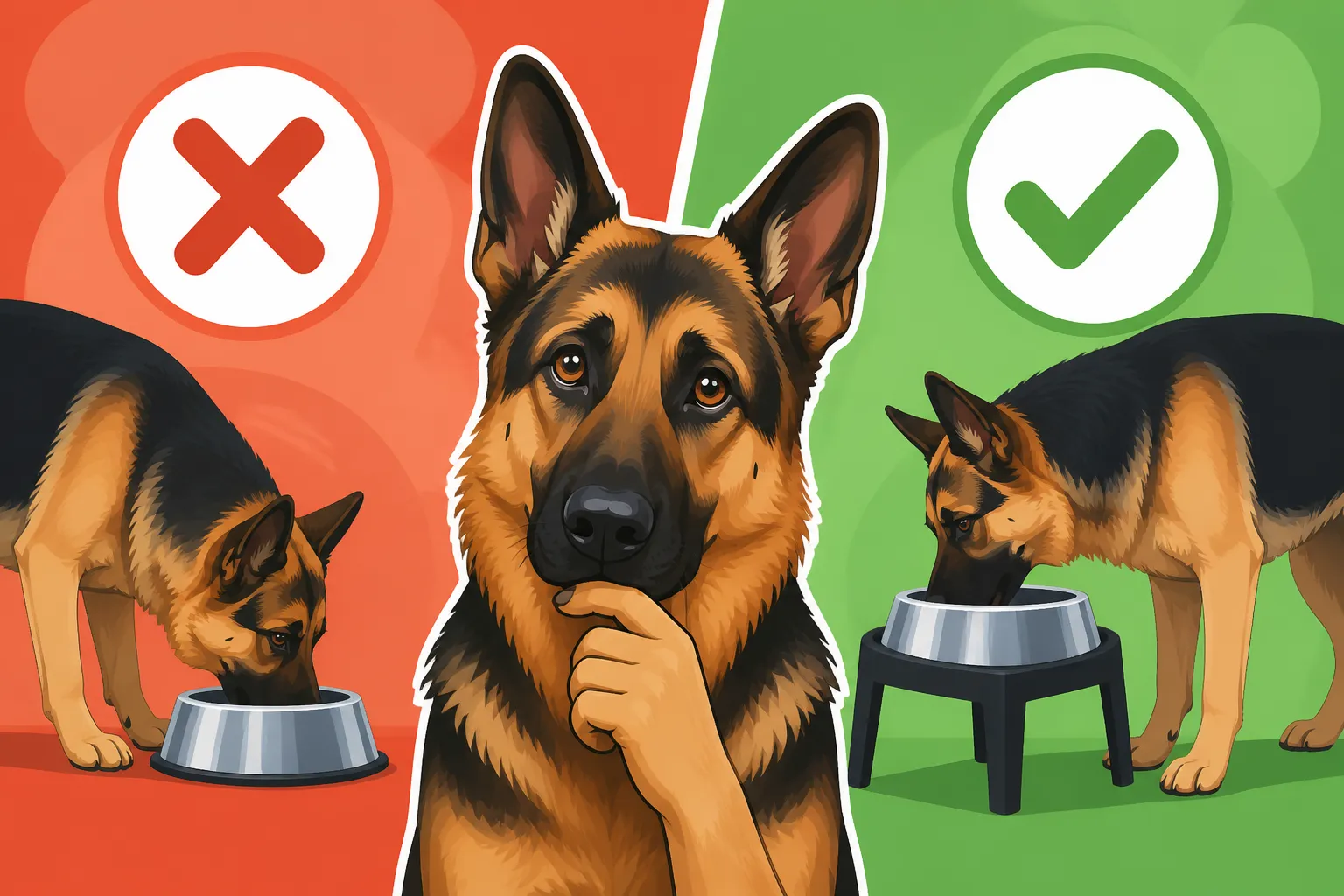
Should German Shepherds Eat from Raised Bowls
It’s a question that plagues many German Shepherd owners, often sparking heated debates in online forums and at dog parks: should your beloved German Shepherd eat from a raised bowl? This isn't just about aesthetics or convenience; it’s a deeply felt concern for the health and well-being of our loyal companions, especially given the breed's predisposition to certain serious conditions. This comprehensive guide aims to cut through the noise, examine the evidence, and help you make an informed decision about the best feeding setup for your unique German Shepherd.
The Great Debate: Raised Bowls and Bloat Risk
For years, the recommendation to use raised bowls for large, deep-chested breeds like German Shepherds was almost universal. The logic seemed sound: if a dog didn't have to bend down, they wouldn't gulp as much air, thereby reducing the risk of a life-threatening condition known as bloat. However, as with many aspects of pet care, what seems logical isn't always supported by science, and the conversation has evolved considerably.
Understanding Gastric Dilatation-Volvulus (GDV) in German Shepherds
Before we dive into the bowl height debate, it’s crucial to understand why this topic is so critical for German Shepherd owners. Gastric Dilatation-Volvulus, commonly known as bloat, is an acute, life-threatening condition where the stomach fills with gas (dilatation) and then twists (volvulus). This twisting cuts off blood supply to the stomach and can lead to organ damage, shock, and death within hours if not treated immediately. German Shepherds are notoriously susceptible to bloat, making it a constant worry for those of us who share our lives with them. Recognising the signs of German Shepherd Bloat (GDV): Symptoms and Treatment is incredibly important for any owner. This is one of those emergencies where every minute counts.
The exact cause of bloat isn't fully understood, but many factors are believed to contribute, including genetics, eating habits (like eating too fast), exercise around meal times, and stress. The fear of bloat is a very real, very heavy burden for German Shepherd parents, making every decision around feeding feel monumental. We all want to do everything in our power to keep our dogs safe and healthy.
The Initial Hypothesis: How Raised Bowls Were Thought to Help
The initial thinking behind raised feeding bowls was quite intuitive. Picture a large dog like a German Shepherd bending low to eat from a bowl on the floor. It looks uncomfortable, right? The theory suggested that this awkward posture led dogs to gulp down air along with their food, especially if they ate quickly. Proponents believed that a raised bowl would allow for a more natural, upright eating posture, reducing air intake and, consequently, the risk of bloat. It was widely recommended by many veterinarians and breeders for years, becoming almost a standard practice for owners of large and giant breeds.
Many owners observed their dogs seemed more comfortable, especially older ones, and that food stayed contained better. For a long time, this was considered a proactive measure, a simple way to potentially mitigate a terrifying risk. The thought was, "Why take the chance? If it might help, it's worth it."
What the Science Says Now: Evidence and Research
However, scientific research has largely debunked the notion that raised bowls prevent bloat. In fact, some studies have even suggested a correlation between raised bowls and an increased risk of bloat, which can be pretty unsettling news for owners who thought they were doing the right thing.
The most widely cited research on this topic comes from a 2000 study conducted by Purdue University. This comprehensive study, which looked at over 1,900 large and giant breed dogs, found that a significantly higher percentage of dogs with a history of bloat ate from raised bowls compared to those that ate from floor-level bowls. Specifically, for large breed dogs, the risk of bloat was found to be twice as high when raised bowls were used. While the study didn't definitively prove causation, the correlation was strong enough to make many veterinary professionals reconsider their previous recommendations. The hypothesis is that eating from a raised position might allow the dog to eat faster, or that it changes the dynamics of how air enters the stomach, although the exact physiological mechanism is still debated.
It's a frustrating situation because, as pet parents, we want clear, actionable advice. The Purdue study turned decades of conventional wisdom on its head, leaving many of us scratching our heads and wondering what the right choice truly is. This shift in understanding means we need to look beyond simple assumptions and consider the nuances of our dog's individual needs. If you're looking for more information on German Shepherd Bloat Prevention Feeding Tips, understanding this research is key.
Potential Benefits of Raised Bowls for German Shepherds
While the link to bloat is a primary concern, it's important not to dismiss raised bowls entirely, as they can offer genuine benefits for specific German Shepherds, particularly those with certain health conditions or unique needs.
Easing Digestion and Swallowing for Certain Dogs
For some German Shepherds, especially those diagnosed with specific medical conditions, a raised bowl isn't just a preference—it's a necessity. The most prominent example is a condition called megaesophagus. Dogs with megaesophagus have an enlarged esophagus that lacks the muscle tone to effectively move food down to the stomach. Gravity becomes their best friend. For these dogs, eating from a raised bowl, or even a specialized "Bailey chair," allows gravity to assist the food in reaching the stomach, preventing regurgitation and aspiration pneumonia. If your German Shepherd has been diagnosed with German Shepherd Megaesophagus: Symptoms and Treatment, your vet will almost certainly recommend elevated feeding.
Beyond such severe conditions, some individual dogs might genuinely find it easier to swallow and digest with less neck strain. This could be due to subtle anatomical variations or simply personal comfort, though this isn't a universal experience.
Comfort for Senior Dogs or Those with Orthopedic Issues
This is perhaps the most undeniable benefit of raised bowls. As German Shepherds age, they become more prone to joint issues like arthritis and osteoarthritis. Bending down to eat and drink can become genuinely painful. Imagine having stiff knees and hips and having to crouch repeatedly throughout the day for every meal and drink. It’s no different for our senior German Shepherds.
For dogs suffering from German Shepherd Arthritis: Symptoms and Treatment or German Shepherd Osteoarthritis: Symptoms and Treatment, or even those just exhibiting the general stiffness that comes with age, a raised bowl can significantly alleviate discomfort. It allows them to maintain a more natural, comfortable standing posture while eating, reducing strain on their neck, shoulders, hips, and spine. This enhanced comfort can make meal times a much more pleasant experience, encouraging them to eat sufficiently without unnecessary pain. A German Shepherd Senior Care Guide often highlights these kinds of adaptations for daily comfort.
Keeping Feeding Areas Cleaner
While not a direct health benefit, maintaining a clean feeding area is a practical advantage that many owners appreciate. When bowls are on the floor, especially with enthusiastic eaters, food and water can easily splash out, leading to messy floors and increased cleaning efforts. Raised bowls can help contain the mess to a greater degree, as gravity pulls spills downward, often back into the bowl or onto a mat directly beneath it, rather than allowing them to spread across the floor. This can be particularly helpful for dogs that like to "dig" at their food or slurp water with gusto. While it won't eliminate all mess, it can certainly reduce the spread, making daily upkeep a little easier.
Potential Risks and Drawbacks of Raised Bowls
Despite the potential benefits for specific cases, the general recommendation for German Shepherds typically leans away from raised bowls due to some important considerations, especially concerning bloat risk.
The Persistent Bloat Concern
As discussed, the Purdue University study indicated a correlation between raised bowls and an increased risk of bloat in large and giant breed dogs. While not definitively proven as a direct cause, this statistical association is significant enough to warrant caution for a breed as susceptible as the German Shepherd. The exact reasons for this correlation are still debated among veterinary professionals, but theories include:
- Faster Eating: Some theorize that a more "comfortable" eating position might encourage some dogs to eat even faster, leading to more air gulping.
- Altered Gastric Dynamics: The angle at which food and air enter the stomach might be different with raised bowls, potentially increasing the chance of gas accumulation or stomach rotation under certain circumstances.
For German Shepherd owners, where bloat is a leading cause of death, this potential increased risk is a serious consideration. While we can't completely prevent bloat, understanding all the factors is part of How to Prevent Bloat (GDV) in German Shepherds and weighing the risks of each practice is essential.
Encouraging Faster Eating Habits
One counterintuitive observation with raised bowls is that some dogs actually eat faster when using them. While it might seem logical that not having to bend would slow them down, some dogs seem to be able to gulp down food more efficiently when their bowl is at chest height. Eating too quickly is a known risk factor for bloat, as it can lead to excessive air ingestion, which then accumulates in the stomach.
If your German Shepherd is already a rapid eater, a raised bowl might exacerbate this habit, increasing the amount of air swallowed with each meal. This rapid consumption can also lead to indigestion, vomiting, or choking if they try to swallow large, unchewed portions of food. Owners often use slow feeder bowls for German Shepherds to counteract this tendency, and these can be used both on the floor and within raised stands.
Other Practical Considerations
Beyond health concerns, there are a few practical drawbacks to consider when opting for raised bowls:
- Cost: Raised bowl stands can be more expensive than simple floor bowls, especially if you opt for sturdy, attractive, or adjustable models. Some elevated feeders can be quite an investment, and if it turns out not to be the best option for your dog, that's money that could have been spent elsewhere, perhaps on German Shepherd Joint Health Supplements or other preventative care.
- Stability: Not all raised bowl stands are created equal. Flimsy or lightweight stands can easily tip over, especially with an enthusiastic German Shepherd pushing their nose around. This can lead to food spills, water messes, and potentially frighten your dog away from their feeding station.
- Cleaning: While they can reduce mess spread, the stands themselves require cleaning. Food crumbs can accumulate around the base or within crevices, and water spills can lead to watermarks or mold if not regularly wiped down. Some stands are more difficult to clean than others, depending on their material and design.
Making an Informed Decision for Your German Shepherd
Given the conflicting information and individual variations, deciding whether to use a raised bowl for your German Shepherd isn't a one-size-fits-all answer. It truly depends on your dog's specific health, age, and eating habits. The goal is always to prioritize their overall well-being.
Who Might Benefit Most from Raised Bowls
There are distinct situations where a raised bowl can be genuinely beneficial and even necessary for a German Shepherd:
- Senior German Shepherds with Arthritis or Mobility Issues: This is probably the strongest case for using a raised bowl. For an older dog with stiff joints, hip dysplasia, elbow dysplasia, or general age-related aches, bending down can be painful and reduce their quality of life. Elevated bowls allow them to eat without putting undue stress on their neck, back, and joints. If you’ve ever seen your senior German Shepherd struggle to get up after eating, you know the relief a raised bowl can offer. If you’re wondering How to Tell If a German Shepherd Is in Pain, observing their posture during eating is a good indicator.
- Dogs with Megaesophagus or Other Swallowing Disorders: As mentioned earlier, for German Shepherds diagnosed with conditions like megaesophagus, where the esophagus struggles to propel food to the stomach, raised bowls use gravity to aid the swallowing process. This is a medical necessity, not a preference, and should always be implemented under veterinary guidance.
- German Shepherds Recovering from Neck or Back Surgery: Temporarily, a raised bowl can provide comfort and prevent excessive bending while a dog heals from an injury or surgery that affects their neck or spine. Again, this would be a specific recommendation from your veterinarian.
Who Should Probably Stick to Floor Bowls
For the vast majority of healthy German Shepherds, particularly younger ones, a floor-level bowl is generally considered the safer option based on current research regarding bloat risk.
- Young, Healthy German Shepherds: If your German Shepherd puppy or young adult doesn't have any orthopedic or swallowing issues, keeping their bowls on the floor is the most prudent choice, aligning with the findings that suggest a potential increased bloat risk with raised bowls. There’s no compelling reason to introduce a potential risk factor if your dog is otherwise healthy.
- Fast Eaters or Gulping Dogs: If your German Shepherd tends to "hoover" their food in record time, gulping air along with it, a raised bowl could potentially encourage them to eat even faster. In these cases, a slow feeder bowl is a much better solution, regardless of height. You can get slow feeder inserts for regular bowls or special bowls designed to make them eat slower.
- Dogs with No Known Health Issues Requiring Elevation: If your German Shepherd is thriving with a floor-level bowl and shows no signs of discomfort or difficulty eating, there's no strong evidence to suggest that switching to a raised bowl would offer any additional health benefits. "If it ain't broke, don't fix it" applies here.
Best Practices for Feeding, Regardless of Bowl Height
Regardless of whether you choose a floor-level or raised bowl, there are several crucial feeding practices that every German Shepherd owner should implement to promote healthy digestion and minimize bloat risk:
- Slow Down Fast Eaters: Invest in a slow feeder bowl or a puzzle feeder. These bowls have obstacles that force your dog to eat around them, significantly slowing down mealtime and reducing air intake. You can find excellent options from brands like Outward Hound or even use a large, smooth rock (cleaned thoroughly) placed in their regular bowl.
- Feed Smaller, More Frequent Meals: Instead of one or two large meals a day, consider breaking their daily food allowance into two or three smaller meals. This reduces the amount of food and gas in the stomach at any one time.
- Avoid Exercise Around Meal Times: Do not allow vigorous exercise or play for at least an hour before and two hours after meals. This is a critical recommendation for bloat prevention. A full stomach bouncing around during play can increase the risk of twisting.
- Ensure Fresh Water is Always Available: Dehydration can impact digestion. Make sure your German Shepherd always has access to clean, fresh water.
- Consider a High-Quality Diet: A diet that is easy to digest can also contribute to overall gut health. Talk to your vet about the Best Food for a German Shepherd with a Sensitive Stomach if your dog frequently experiences digestive upset.
- Reduce Stress During Meals: Create a calm, quiet feeding environment. Some dogs are prone to stress, which can affect their digestion.
- Monitor Eating Habits: Pay attention to how your German Shepherd eats. Are they gulping air? Are they struggling to reach their food? Noticing these details can help you adjust their feeding setup.
- Discuss with Your Veterinarian: Always consult with your vet, especially if your German Shepherd has a history of digestive issues, orthopedic problems, or is a senior dog. They can provide personalized advice based on your dog's specific health profile. This is where pet insurance, like plans offered by Healthy Paws, can be invaluable for covering consultations and potential treatments for conditions like bloat or arthritis, allowing you to prioritize your dog's health without financial stress.
Here’s a quick overview to help summarize the considerations:
| Factor | Floor-Level Bowl (Standard) | Raised Bowl (Elevated Feeder) |
|---|---|---|
| Bloat (GDV) Risk | Generally lower risk (per scientific studies) | Potentially higher risk (per scientific studies) |
| Comfort for Healthy Dogs | Natural, generally no issues for young, mobile dogs | May feel more natural for some, but not a universal benefit |
| Comfort for Senior/Arthritic Dogs | Can cause pain/strain bending down | Significantly reduces strain on joints (neck, back, hips) |
| Megaesophagus Support | Ineffective, can lead to regurgitation | Essential for gravity-assisted feeding |
| Eating Speed | Can still be fast, but less likely to encourage it more than raised | May encourage faster eating/air gulping in some dogs |
| Mess Management | Prone to spills spreading across floor | Can help contain mess, easier to keep area cleaner |
| Cost | Generally inexpensive | Can be more costly, especially for sturdy or adjustable models |
| Stability | Highly stable | Varies by design, some can be easily tipped |
Ultimately, the decision rests on your German Shepherd’s individual needs. If your dog is young, healthy, and eats at a reasonable pace, sticking with a floor bowl is generally the most recommended path. However, for senior dogs, those with specific medical conditions, or those recovering from certain injuries, a raised bowl can be a true blessing, significantly improving their comfort and quality of life. Always make these choices in consultation with your veterinarian, who knows your German Shepherd best.
Disclaimer
This article is for general informational purposes only and does not constitute professional advice. Laws, prices and regulations vary by location and change over time. Consult a qualified professional for guidance on your specific situation.