German Shepherd Hemangiosarcoma: Symptoms and Treatment
One of the most heart-wrenching realities of sharing your life with a German Shepherd is facing the possibility of a serious health diagnosis. Among the gravest of these is hemangiosarcoma, an aggressive and often silent cancer that disproportionately affects our beloved GSDs. This guide is here to walk you through understanding what hemangiosarcoma is, recognizing its elusive symptoms, navigating the diagnostic process, and exploring the available treatment options, so you can be as prepared as possible to advocate for your cherished companion.
Understanding Hemangiosarcoma in German Shepherds
Receiving a cancer diagnosis for your German Shepherd can feel like the world has stopped. It's a terrifying moment, and it often comes with a flood of questions about what this means for your dog and what steps you need to take next. Hemangiosarcoma is a particularly cruel form of cancer because of its aggressive nature and tendency to hide until it's very advanced. Understanding this disease is the first step in facing it head-on.
What Exactly Is Hemangiosarcoma?
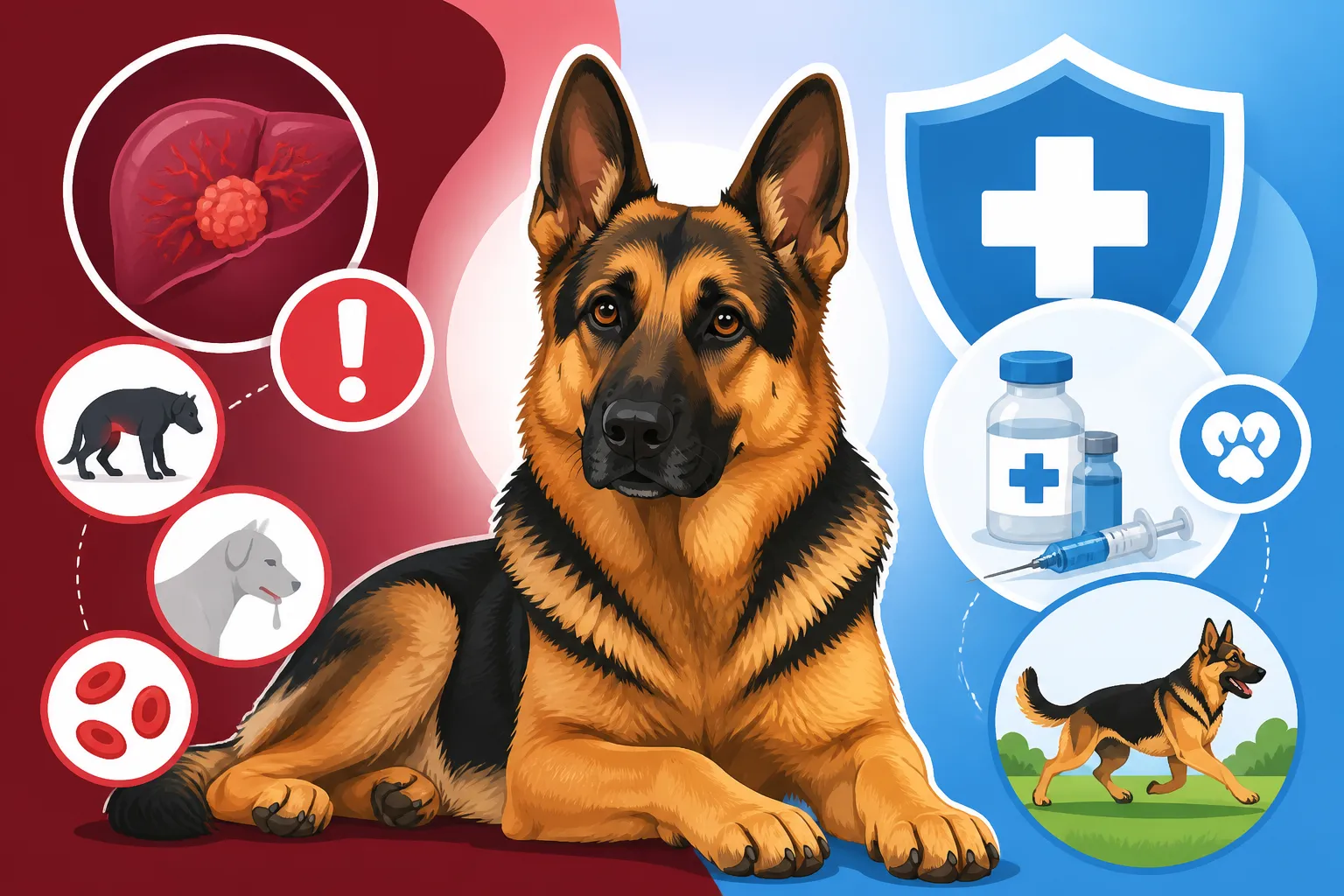
At its core, hemangiosarcoma is a malignant tumor that originates from the cells lining blood vessels. Think of it as a cancer of the blood vessel walls. This means it can show up practically anywhere in the body where there are blood vessels, which is, well, everywhere. However, there are a few places where it commonly takes root and causes the most devastating problems. The spleen is one of the most frequent primary sites, followed by the right atrium of the heart, and sometimes the liver. It can also appear on or under the skin, though these forms tend to be a bit less aggressive than the internal varieties. The danger with internal hemangiosarcoma is that these tumors are essentially fragile blood-filled masses, and they have a nasty habit of rupturing. When a tumor on the spleen or heart ruptures, it leads to sudden, severe internal bleeding into the abdominal cavity or around the heart, which is a life-threatening emergency.
Because these tumors develop from blood vessel cells, they are inherently prone to spreading rapidly to other organs throughout the body, a process known as metastasis. Even a small primary tumor can shed cancerous cells into the bloodstream, establishing secondary tumors in the lungs, liver, brain, or other areas. This aggressive metastatic potential is what makes hemangiosarcoma so challenging to treat effectively and why early detection, though incredibly difficult, is so crucial. Many owners don't realize their dog has this cancer until a crisis event, like a tumor rupture, occurs.
Why Are German Shepherds Prone to This Cancer?
It's a heartbreaking fact that German Shepherds, along with a few other large breeds like Golden Retrievers and Labrador Retrievers, are genetically predisposed to developing hemangiosarcoma. While the exact genetic mechanisms aren't fully understood, research points towards specific genetic markers that increase their risk. This isn't just a random occurrence; there's a clear breed-specific component at play. If you're wondering about your dog's overall health trajectory, understanding specific predispositions is key, and you might find our guide on German Shepherd Health Problems Guide helpful.
This genetic predisposition means that even with the best care, nutrition, and lifestyle, a German Shepherd can still develop hemangiosarcoma. It's not something you necessarily did or didn't do; it's a roll of the genetic dice, unfortunately skewed against our beloved GSDs in this instance. This is why vigilance and routine veterinary check-ups are so incredibly important, even if your dog seems perfectly healthy. Knowing that your breed is at higher risk allows you and your vet to be particularly observant for even the most subtle changes, though as we'll discuss, the early signs of internal hemangiosarcoma are notoriously subtle and often non-existent.
Recognizing the Subtle Symptoms of Hemangiosarcoma
One of the most frustrating and terrifying aspects of internal hemangiosarcoma is its insidious nature. It often progresses without obvious symptoms until a critical event, like a tumor rupture, occurs. This makes it incredibly difficult for even the most diligent owner to catch early. However, being aware of even the vaguest indicators can sometimes make a difference. If you're concerned about changes in your German Shepherd, it's always better to err on the side of caution and consult your vet.
Early Warning Signs
The early signs of hemangiosarcoma are frustratingly non-specific, mimicking many other less severe conditions. You might notice your German Shepherd seems a little "off" but can't quite pinpoint why. Perhaps they're a bit more tired than usual, showing a slight decrease in their normally boundless energy, which could easily be dismissed as just a long day or the onset of aging. A slight drop in appetite, where they might pick at their food instead of devouring it, can also be an early clue. These subtle changes, often intermittent, are easily attributed to minor ailments or just an off day, making them challenging to connect to a serious underlying issue like cancer.
Other vague symptoms can include mild weight loss that isn't readily explained by changes in diet or exercise, or a general malaise that comes and goes. Some dogs might show a very slight, almost imperceptible weakness in their hindquarters, or a reluctance to play as vigorously as they once did. Because German Shepherds are so stoic and dedicated, they often hide pain and discomfort until it becomes unbearable. This natural tendency to mask illness further complicates early detection. Regular check-ups are vital, and understanding Signs of a Healthy German Shepherd can help you spot when something is truly amiss.
Advanced and Emergency Symptoms
When internal hemangiosarcoma progresses or, more commonly, when a tumor ruptures, the symptoms become much more acute and are often life-threatening emergencies. This is usually when owners realize the severity of the situation. A sudden collapse is a hallmark sign of a ruptured splenic or cardiac hemangiosarcoma, as the internal bleeding causes a rapid drop in blood pressure and shock. Your dog might suddenly become very weak, unable to stand, and appear disoriented.
Other critical symptoms include pale gums, which indicate severe blood loss, and a rapid, shallow breathing pattern as their body struggles to get oxygen. You might also notice a distended abdomen if the bleeding is occurring into the abdominal cavity, making their belly appear bloated and firm. In cases of cardiac hemangiosarcoma, fluid can accumulate around the heart (pericardial effusion), leading to muffled heart sounds, weakness, and difficulty breathing. This is a dire emergency, and immediate veterinary attention is paramount. If you suspect internal bleeding, every minute counts. This is similar to the urgency required for conditions like German Shepherd Bloat: Signs and Prevention, emphasizing the importance of quick action in critical situations.
| Symptom Category | Early/Subtle Signs | Advanced/Emergency Signs |
|---|---|---|
| Energy Level | Mild lethargy, reduced enthusiasm | Sudden collapse, extreme weakness, disorientation |
| Appetite | Slight decrease, picky eating | Complete loss of appetite, vomiting |
| Physical | Unexplained mild weight loss, slight weakness | Pale gums, distended abdomen, difficulty breathing |
| Behavior | General malaise, less playful | Restlessness, reluctance to move, seeking solitude |
| Severity | Often intermittent, easily overlooked | Acute, life-threatening, requires immediate vet care |
Diagnosing Hemangiosarcoma: A Step-by-Step Process
The journey to diagnosing hemangiosarcoma can be incredibly stressful, especially given the vague nature of early symptoms. It typically involves a series of diagnostic tests designed to first confirm the presence of a tumor and then to identify its type and whether it has spread. Your veterinarian will work systematically, often starting with less invasive procedures before moving to more definitive ones.
Initial Veterinary Examination and Bloodwork
When you bring your German Shepherd to the vet with concerns, especially if they're showing any of the more advanced symptoms like weakness or a distended abdomen, the first step will be a thorough physical examination. Your vet will palpate your dog's abdomen, listen to their heart and lungs, and check their gum color and capillary refill time to assess for signs of internal bleeding or shock. They'll also take a complete history, asking about any changes in your dog's behavior, appetite, or energy levels.
Following the physical exam, blood tests are usually ordered. A Complete Blood Count (CBC) is crucial, as it can reveal anemia (low red blood cell count) due to chronic or acute blood loss. It might also show changes in platelet count or white blood cell levels, which can be indicators of underlying disease or inflammation. A chemistry panel assesses organ function, which can be important if the liver is involved or if your dog is in a state of shock. A coagulation profile, which checks how quickly blood clots, might also be performed, as bleeding tumors can sometimes disrupt normal clotting mechanisms. While blood work can hint at internal issues, it rarely provides a definitive diagnosis for hemangiosarcoma itself, but it guides the next steps.
Imaging and Biopsy
If the physical exam and bloodwork raise suspicions of an internal mass or internal bleeding, your vet will likely recommend imaging studies. Abdominal X-rays can sometimes reveal large splenic or liver masses, or free fluid (blood) in the abdomen. However, an abdominal ultrasound is often far more informative. It allows the vet to visualize the internal organs in detail, identify masses on the spleen, liver, or other abdominal structures, and confirm the presence of fluid. An echocardiogram (ultrasound of the heart) would be performed if a cardiac tumor is suspected, allowing visualization of the heart's chambers and any masses or fluid accumulation around it. For a more comprehensive view, especially if metastasis is suspected or surgical planning is needed, a CT scan or MRI may be recommended.
While imaging can strongly suggest hemangiosarcoma, a definitive diagnosis almost always requires a tissue sample, or biopsy. A fine needle aspirate (FNA) can sometimes be performed on accessible masses, but these samples are often inconclusive for hemangiosarcoma because the blood-filled nature of the tumor can make it difficult to get diagnostic cells. The gold standard for diagnosis, especially for internal tumors, is a surgical biopsy. This means a surgical procedure to remove a portion of the tumor, or often the entire spleen if it's the primary site, for histopathological examination. This procedure is not only diagnostic but can also be the first step in treatment. Knowing about German Shepherd Genetic Health Testing might make you think about similar testing for cancer markers, but unfortunately, a definitive genetic test for hemangiosarcoma risk isn't widely available yet, making biopsy crucial.
Treatment Options and Prognosis
Discovering your German Shepherd has hemangiosarcoma is devastating, and the conversation about treatment options can be overwhelming. It's important to understand that while hemangiosarcoma is a very aggressive cancer, there are options available that can improve your dog's quality of life and, in some cases, extend their time with you. The approach largely depends on the location and stage of the cancer.
Surgical Intervention
For internal hemangiosarcoma, especially when it originates in the spleen, surgical removal of the tumor (often along with the entire spleen, known as a splenectomy) is typically the first and most critical step. If the tumor has ruptured, surgery becomes an emergency procedure to stop the internal bleeding and remove the source. Successful splenectomy can immediately stabilize your dog and buy precious time. However, it's a major surgery, and there are risks involved. For cardiac tumors, surgery is much more complex and often not feasible due to the delicate nature of the heart and the aggressive spread of the disease.
Even if surgery is successful in removing the visible primary tumor, it's crucial to understand that hemangiosarcoma has a very high rate of microscopic metastasis by the time it's diagnosed. This means that even after a seemingly successful surgery, there are likely microscopic cancer cells already circulating or established in other organs. Therefore, surgery alone, while vital for immediate survival and quality of life, rarely cures the disease. The typical prognosis for dogs treated with surgery alone is only a few months, which is why adjunctive therapies are often recommended.
Chemotherapy and Adjunctive Therapies
Following surgery, or in cases where surgery isn't possible, chemotherapy is often recommended to address the microscopic metastatic disease. The most commonly used chemotherapy drug for hemangiosarcoma is Doxorubicin, often given in combination with other drugs. Chemotherapy for dogs is generally well-tolerated compared to human chemotherapy, with fewer severe side effects. The goal is not usually a "cure" in the traditional sense, but rather to slow the progression of the disease, destroy remaining cancer cells, and extend the quality of life. With surgery and chemotherapy combined, the average survival time can be extended to 6-9 months, though individual results vary widely.
Beyond traditional chemotherapy, there's ongoing research into other adjunctive therapies. These can include metronomic chemotherapy (low-dose, continuous chemotherapy aimed at preventing new blood vessel growth to tumors), radiation therapy (though less common for widespread internal hemangiosarcoma), and immunotherapies. Some integrative veterinary oncologists might also suggest supplements or dietary changes, though their efficacy for hemangiosarcoma specifically is not always scientifically proven. Discuss all options thoroughly with your veterinary oncologist to create the best possible plan for your German Shepherd, recognizing the challenges of German Shepherd Common Cancers to Know.
Managing Quality of Life and Palliative Care
When a cure isn't possible, or if treatment options are exhausted, the focus shifts entirely to maintaining your German Shepherd's comfort and quality of life. This is where palliative care becomes paramount. This can involve pain management with various medications, anti-nausea drugs to help with appetite, and potentially steroids to reduce inflammation and temporarily improve energy. The goal is to ensure your dog lives out their remaining time with dignity and as much happiness as possible.
Regular, honest assessments of your dog's quality of life are essential. This is an incredibly difficult conversation to have, but your vet can help you assess their comfort, appetite, energy, and overall enjoyment of life. It's about recognizing when the bad days start to outweigh the good ones. While we all wish for a miracle, sometimes the most loving decision is to prevent further suffering. This often means making the heartbreaking choice for euthanasia when their quality of life significantly diminishes. Resources like German Shepherd End-of-Life Care can offer guidance during these painful decisions.
Living with a German Shepherd Diagnosed with Hemangiosarcoma
A diagnosis of hemangiosarcoma changes everything, not just for your German Shepherd, but for you and your family too. While medical treatments are vital, the daily care and emotional support you provide at home play an enormous role in your dog's comfort and well-being. It's a journey filled with ups and downs, but focusing on quality of life can make a profound difference.
Supportive Home Care
After a diagnosis and during treatment, your German Shepherd will need a stable, comfortable, and stress-free environment. This means ensuring they have a soft, supportive bed where they can rest without putting pressure on any sore spots. Maintaining a consistent routine for feeding, walks, and medications can provide a sense of security during an uncertain time. Pay close attention to their appetite; offering palatable foods, even if it means some gentle coaxing or trying different options, is crucial for maintaining strength. Small, frequent meals can be easier on their system, especially if they're undergoing chemotherapy.
Monitoring your dog for any changes is also key. Keep a close eye on their gum color, energy levels, breathing, and any signs of discomfort. If your German Shepherd is usually stoic, even a slight whimper or unusual restlessness could indicate pain. Our article on How to Tell If a German Shepherd Is in Pain offers more in-depth advice on recognizing these subtle cues. Maintaining open communication with your veterinary team about these observations is paramount, as they can adjust medications or offer further advice. Above all, showering your dog with love, gentle attention, and familiar comforts will be the most powerful medicine you can provide.
Financial Considerations and Pet Insurance
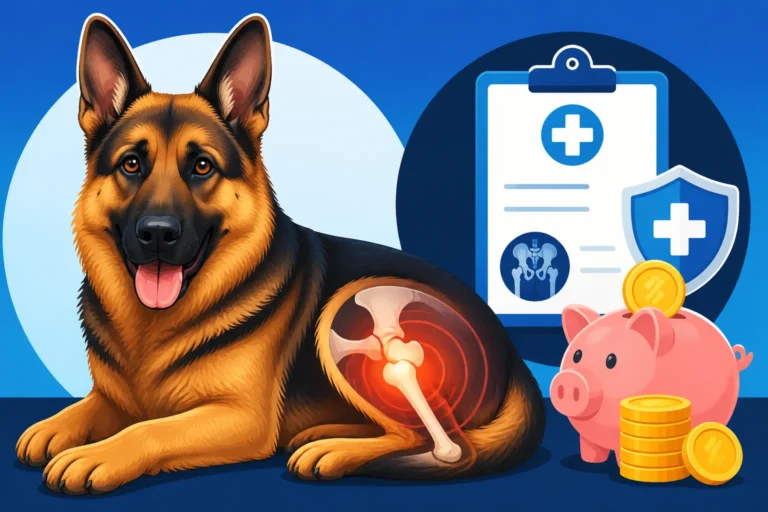
Let's be real: treating cancer in a dog, especially an aggressive one like hemangiosarcoma, can be incredibly expensive. The costs can quickly add up, from emergency surgeries and extended hospital stays to chemotherapy protocols, follow-up imaging, and palliative care medications. A single emergency splenectomy can run into thousands of dollars, and a full course of chemotherapy can be equally costly. These financial burdens can add immense stress to an already emotionally draining situation, often forcing difficult decisions based on monetary constraints rather than what's best for your beloved pet.
This is where pet insurance can be a lifesaver. Companies like Healthy Paws offer comprehensive coverage that can significantly offset the financial strain of unexpected illnesses like cancer. While pre-existing conditions are typically not covered, if you have pet insurance in place before a diagnosis, it can provide crucial support for expensive treatments. For example, Healthy Paws, known for its strong coverage for accidents and illnesses, could cover a substantial portion of your German Shepherd's treatment costs, allowing you to focus on their care rather than your bank account. If you're considering the long-term financial commitment, exploring "Is Pet Insurance Worth It for a German Shepherd?" can provide a comprehensive breakdown. Planning ahead for potential costs, as discussed in German Shepherd Vet Costs Per Year, is always a smart move for GSD owners.
Prevention and Future Outlook
When dealing with a devastating diagnosis like hemangiosarcoma, it's natural to wonder what could have been done differently or what can be done in the future. While the reality of prevention for this specific cancer is challenging, ongoing research offers hope.
The Challenges of Prevention
Unfortunately, there is no known definitive way to prevent hemangiosarcoma in German Shepherds. Given its strong genetic predisposition, it's not simply a matter of diet or exercise, though a healthy lifestyle is always beneficial for overall well-being. The tumors often grow internally without any outward signs, making early detection through routine exams very difficult. By the time a mass is palpable or symptoms appear, the disease is often advanced. This is why regular veterinary check-ups, especially for German Shepherds over the age of six, are so important. While these check-ups might not prevent the cancer, they can sometimes lead to earlier detection of other issues or even a tumor during an incidental finding during imaging for something else.
Some breeders are trying to track incidences of hemangiosarcoma in their lines, but without a clear genetic test for carrier status, it remains a difficult trait to breed out. Focusing on overall health and longevity in breeding lines is a good general practice, but it doesn't offer a direct solution to this particular cancer. So, while we can't definitively prevent it, being aware of the risk and staying vigilant are the best proactive steps we can take. Information in our How to Extend a German Shepherd's Lifespan guide emphasizes overall health strategies that might indirectly support general resilience.
Research and Hope
Despite the grim reality, there is hope. Veterinary oncologists and researchers are constantly working to better understand hemangiosarcoma, including its genetic origins, how it develops, and more effective treatment strategies. Clinical trials are regularly conducted at veterinary universities and specialty centers, exploring new drugs, immunotherapies, and novel surgical techniques. These trials offer dogs with hemangiosarcoma access to cutting-edge treatments that might not yet be widely available.
For German Shepherd owners, staying informed about these advancements and discussing them with your veterinary oncologist is important. While current prognoses are challenging, every new piece of research brings us closer to better diagnostic tools, more effective treatments, and potentially, in the distant future, preventive measures. The dedication of researchers means that the outlook for dogs battling this cancer is continually, if slowly, improving, offering a glimmer of light in a very dark situation. Understanding the broader context of German Shepherd Genetic Health Testing can also provide insights into how scientific advancements are helping to tackle breed-specific health challenges.
Disclaimer
The information provided in this article is for educational purposes only and is not intended to be a substitute for professional veterinary advice, diagnosis, or treatment. Always seek the advice of your veterinarian or other qualified health provider with any questions you may have regarding a medical condition. Never disregard professional veterinary advice or delay in seeking it because of something you have read in this article.