German Shepherd EPI Diet and Management
Seeing your beloved German Shepherd struggle with digestive issues, losing weight despite eating, and generally looking unwell is one of the most heartbreaking experiences for any dog parent. It's a common, frustrating scenario for those dealing with Exocrine Pancreatic Insufficiency (EPI), a condition where your dog's pancreas doesn't produce enough enzymes to properly digest food. This comprehensive guide will walk you through understanding and effectively managing the EPI diet and overall care for your German Shepherd, helping them thrive again.
Understanding Exocrine Pancreatic Insufficiency in German Shepherds
When your German Shepherd isn't properly digesting their food, it impacts every aspect of their health. It’s not just about a rumbling tummy; it’s about malnourishment, discomfort, and a significant reduction in their quality of life. Getting a handle on what EPI actually is and why our German Shepherds are particularly susceptible is the first critical step toward effective management.
What Exactly is EPI?
Exocrine Pancreatic Insufficiency, or EPI, is a condition where the exocrine part of the pancreas fails to produce sufficient digestive enzymes. Think of it like this: your dog eats food, but without these crucial enzymes (amylase for starches, lipase for fats, and protease for proteins), that food just passes through their system largely undigested. It's not that your dog isn't eating; it's that their body can't extract the nutrients from what they are eating. This leads to a cascade of problems, most notably chronic weight loss, even if your dog is eating ravenously, and persistent gastrointestinal upset. It's a cruel irony, really, to see them eat so much but gain so little.
Common Symptoms and Diagnosis
The symptoms of EPI can be quite distressing to witness and often lead to initial confusion, as they can mimic other digestive issues. The most tell-tale sign is chronic weight loss despite a good, often ravenous, appetite. You might also notice large volumes of pale, greasy, yellowish, or gray stools that are often soft and have a foul odor due to undigested fat. Other common signs include frequent diarrhea, gas, a "growling" stomach, and even increased hunger because their body is constantly signaling nutrient deficiency. If you're noticing these indicators, don't delay in speaking to your vet. Diagnosing EPI typically involves a simple blood test called a cTLI (canine trypsin-like immunoreactivity) test, which measures the level of pancreatic enzymes in the bloodstream. A low cTLI level confirms the diagnosis. Getting an accurate diagnosis quickly is crucial to halt the progression of malnutrition and start proper treatment. If you've been observing some of these German Shepherd EPI Symptoms to Watch, it's time to act.
Why German Shepherds Are Prone to EPI
It feels like German Shepherds, as a breed, sometimes draw the short straw when it comes to certain health conditions, and EPI is one of them. While any dog breed can technically develop EPI, German Shepherds have a significantly higher genetic predisposition. This is primarily due to a condition called Pancreatic Acinar Atrophy (PAA), which is an inherited disease that specifically affects the exocrine portion of the pancreas. In PAA, the cells responsible for producing digestive enzymes slowly waste away, eventually leading to full-blown EPI. This genetic link is why breeders often conduct thorough health screenings, and it's also why you might hear more about EPI in German Shepherd circles than with other breeds. Understanding this predisposition helps us be more vigilant and proactive in monitoring our dogs for early signs.
The Cornerstone of EPI Management: Enzyme Replacement Therapy
Once diagnosed, the most crucial component of managing EPI in your German Shepherd is enzyme replacement therapy. This isn't a cure, but it's an incredibly effective way to replace the enzymes your dog's pancreas isn't producing, allowing them to digest food and absorb nutrients properly. It truly can be a life-changing treatment, turning a sickly, emaciated dog back into a vibrant, healthy companion.
How Pancreatic Enzymes Work
The enzymes we talk about – amylase, lipase, and protease – are proteins that break down carbohydrates, fats, and proteins respectively. When your German Shepherd eats food, and you add these supplemental enzymes to their meal, these enzymes get to work in the digestive tract. They essentially pre-digest the food, breaking it down into smaller molecules that the small intestine can then absorb. Without them, the food would pass through largely untouched, leading to malabsorption and all the uncomfortable symptoms associated with EPI. It's a simple concept with profound effects on your dog's ability to utilize the nutrition they consume.
Choosing the Right Enzyme Supplement
Navigating the world of enzyme supplements can feel overwhelming, but generally, there are two main types: prescription powdered extracts and over-the-counter (OTC) alternatives. Pancreatin, derived from porcine (pig) pancreas, is the most common and effective form of enzyme replacement. Prescription products, like PancreVed or Viokase, usually have a guaranteed potency and are often the first choice recommended by veterinarians. They come in powdered form, which is typically sprinkled directly onto the food.
There are also various OTC options available, some of which contain plant-based enzymes. While plant-based enzymes might offer some benefits, they generally aren't potent enough to fully manage severe EPI in German Shepherds, which typically requires animal-derived pancreatic enzymes. It's absolutely vital to work with your vet to determine the most effective product and dosage for your specific dog. Some dogs might do well on slightly lower doses or a combination approach, but it’s a delicate balance that needs professional guidance.
Proper Administration Techniques
Getting the enzymes into your German Shepherd's food correctly is just as important as choosing the right supplement. The most common method is to mix the powdered enzyme thoroughly with each meal, usually about 15-20 minutes before feeding. This "pre-digestion" time allows the enzymes to start breaking down the food before your dog even eats it, which greatly improves their effectiveness.
Here are some key tips for administration:
- Mix thoroughly: Ensure the powder is evenly distributed throughout the food.
- Don't add to hot food: High temperatures can deactivate the enzymes, rendering them useless. Always add enzymes to lukewarm or room-temperature food.
- Moisture is key: Enzymes work best in a moist environment. If your dog eats dry kibble, you'll need to add some water, low-sodium broth, or unsweetened applesauce to create a slurry for the enzymes to mix into.
- Avoid enzyme contact with mouth/gums: Direct contact with the raw enzyme powder can cause irritation or even burning of the mouth and gums. This is another reason thorough mixing is so important.
- Adjust dosage as needed: Your vet will guide you on the starting dose, but it might need to be adjusted based on your dog's response. Signs like continued weight loss or greasy stools indicate the dose might be too low, while very firm, dry stools could mean it's too high. This is where vigilance and communication with your vet become vital.
Crafting the Ideal EPI Diet for Your German Shepherd
While enzyme replacement therapy is foundational, the diet itself plays a pivotal role in managing EPI. The goal is to provide easily digestible nutrition that complements the enzyme therapy, minimizing the workload on the digestive system and ensuring maximum nutrient absorption. This isn't a one-size-fits-all approach; what works for one EPI dog might need tweaking for another, but there are some core principles that generally apply.
Key Dietary Principles for EPI Dogs
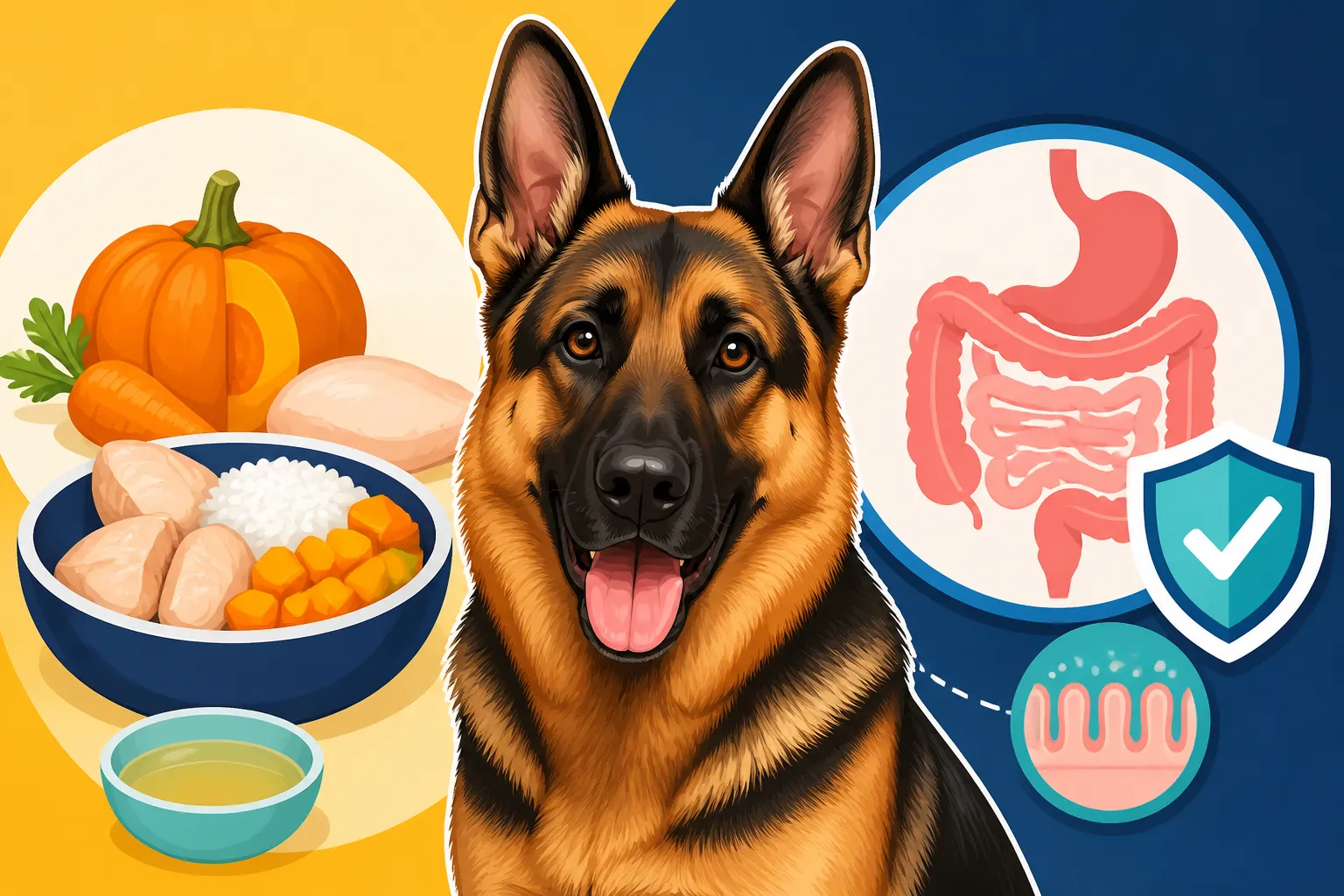
The foundation of an EPI-friendly diet is focused on digestibility and nutrient availability. Here's what we generally aim for:
- Low Fiber: While fiber is beneficial for many dogs, high fiber content can interfere with enzyme activity and nutrient absorption in EPI dogs. Look for diets with crude fiber percentages generally below 5%.
- Moderate to Low Fat: Fats are the hardest nutrient for EPI dogs to digest, even with enzymes. A moderate fat diet (around 10-15% on a dry matter basis) is often recommended. Some dogs may tolerate slightly higher or need lower, but this is a common starting point.
- High-Quality Protein: Easily digestible protein sources are essential to support muscle mass and overall health. Chicken, turkey, lamb, and white fish are often good choices.
- Grain-Free vs. Grains: This is a debated topic. Some vets recommend grain-free to reduce digestive load, while others find that well-cooked grains like rice or oats are easily digestible and provide necessary carbohydrates. The key is how your individual dog responds. Many German Shepherds thrive on a diet that includes some easily digestible carbohydrates.
Here's a quick overview of key nutrients for EPI dogs:
| Nutrient Category | Recommended Characteristics | Why It Matters for EPI |
|---|---|---|
| Protein | High quality, highly digestible sources | Essential for muscle, tissue repair, immunity |
| Fat | Moderate to low (10-15% dry matter) | Hardest to digest; excess leads to steatorrhea |
| Fiber | Low (below 5% crude fiber) | High fiber interferes with enzyme activity |
| Carbohydrates | Easily digestible (e.g., rice, potato) | Energy source; choose non-irritating types |
| Vitamins | Supplement B12, fat-soluble vitamins | Malabsorption leads to deficiencies |
Commercial vs. Homemade Diets
Choosing between commercial and homemade diets for an EPI German Shepherd has its pros and cons.
- Commercial Diets: Many premium kibbles are formulated for sensitive stomachs or large breeds and can be suitable if they meet the low fiber/moderate fat criteria. Brands like Purina Pro Plan Sensitive Skin & Stomach, Hill's Science Diet Sensitive Stomach & Skin, or Royal Canin Gastrointestinal Low Fat are often recommended by vets. The convenience and guaranteed nutritional balance of commercial diets are huge advantages, especially when you're already managing enzyme administration. However, finding the perfect one might involve some trial and error. Reading "German Shepherd Feeding Guide" or "Best Dog Food for German Shepherds" can offer a good starting point for general dietary considerations, but for EPI, specific vet guidance is crucial.
- Homemade Diets: A homemade diet allows for precise control over ingredients, which can be invaluable for dogs with multiple sensitivities. However, it’s a much more involved process and carries a higher risk of nutritional imbalance if not carefully formulated by a veterinary nutritionist. It requires meticulous attention to nutrient ratios, vitamin, and mineral supplementation. This option is often explored for dogs that don't respond well to any commercial diet or have severe allergies. If you consider this route, professional consultation is non-negotiable to prevent further health complications.
Addressing Concurrent Issues like SIBO
It's common for German Shepherds with EPI to also develop Small Intestinal Bacterial Overgrowth (SIBO). Because undigested food ferments in the small intestine, it creates a feast for certain types of bacteria, leading to their overgrowth. SIBO can exacerbate EPI symptoms like gas, diarrhea, and discomfort.
Recognizing and treating SIBO is an integral part of EPI management. Symptoms of SIBO often overlap with EPI but might include more intense gas, gurgling stomachs, and explosive diarrhea. Treatment usually involves a course of antibiotics, such as Tylan (tylosin) or metronidazole, prescribed by your vet. Once the bacterial overgrowth is reduced, many dogs experience significant relief and better enzyme utilization. Sometimes, a long-term low-dose antibiotic is needed, or your vet might suggest specific Best Probiotics for German Shepherds to help balance the gut flora after antibiotic treatment. Addressing SIBO is a critical step in getting your German Shepherd's digestive system back on track.
Beyond Diet: Holistic Management and Supportive Care
Managing EPI isn't just about enzymes and food; it's a holistic approach that includes addressing secondary deficiencies, vigilant monitoring, and consistent veterinary care. This comprehensive strategy ensures your German Shepherd not only survives but thrives, enjoying the best possible quality of life despite their condition.
Vitamin Supplementation and Gut Health
One of the most common deficiencies in EPI dogs, due to malabsorption, is Vitamin B12 (cobalamin). The small intestine needs those pancreatic enzymes to properly absorb B12, and without them, dogs become deficient. Low B12 levels can cause lethargy, poor appetite, and further contribute to poor weight gain. Many EPI German Shepherds require regular B12 injections, initially weekly, then gradually tapering to monthly or as needed based on blood test results. Your vet will monitor B12 levels with regular blood tests to guide supplementation.
Additionally, fat-soluble vitamins (A, D, E, K) can also be deficient since fat digestion is impaired. While the enzyme therapy should help with this, some dogs might need additional supplementation, especially Vitamin E. Probiotics can also be very beneficial, especially after antibiotic treatment for SIBO, to help restore a healthy balance of gut bacteria. Look for veterinary-specific probiotics designed for dogs with digestive issues. Good gut health is crucial for overall immunity and nutrient absorption, making these supplements a vital part of comprehensive care.
Monitoring and Adjusting Treatment
EPI is a lifelong condition, and successful management requires ongoing vigilance. You'll need to closely monitor your German Shepherd's stool quality, weight, and overall energy levels. Keep a detailed log if you can, noting down changes in appetite, any vomiting, or discomfort.
- Stool Quality: Is it firm and brown, or still greasy, pale, and loose? This is your primary indicator of whether the enzymes are working effectively.
- Weight: Regular weigh-ins are essential. Is your dog maintaining weight, gaining, or still losing? This directly reflects nutrient absorption.
- Energy Levels: A well-managed EPI dog should have good energy. If they're lethargic, it could indicate ongoing malnourishment or another underlying issue.
Your vet will likely recommend periodic rechecks of bloodwork, including cTLI and B12 levels, to fine-tune the enzyme dosage and B12 supplementation. It's not uncommon for dosages to need slight adjustments over time, especially during periods of stress or changes in diet. Don't hesitate to reach out to your vet if you notice any significant changes or concerns. Remember, it's a partnership between you and your vet to find the perfect balance for your furry friend.
The Role of Regular Veterinary Check-ups
Regular veterinary check-ups are non-negotiable for a German Shepherd with EPI. These visits are vital for:
- Monitoring progress: Your vet can assess weight, body condition, and listen to your observations.
- Bloodwork: Regular cTLI and B12 tests ensure enzyme and vitamin levels are optimized.
- Addressing secondary issues: EPI dogs can sometimes develop other problems like food allergies or dental issues (due to poor nutrient absorption affecting teeth). Your vet can catch these early.
- Medication refills: Enzymes and any other prescribed medications will need regular refills.
- Guidance and support: Your vet is your best resource for questions, concerns, and adjusting the treatment plan as your dog ages or their needs change.
Think of your vet as your co-pilot on this journey. Their expertise is invaluable in managing a complex condition like EPI, ensuring your German Shepherd receives the best possible care throughout their life.
Living with EPI: Long-Term Outlook and Owner Support
Living with a German Shepherd diagnosed with EPI can initially feel overwhelming, but with proper management, most dogs go on to live full, happy, and relatively normal lives. It does require commitment and consistency, but the rewards of seeing your dog thrive are immeasurable.
Prognosis and Quality of Life
The good news is that the prognosis for German Shepherds with EPI, once properly diagnosed and treated, is generally excellent. The vast majority of dogs respond very well to enzyme replacement therapy and dietary adjustments. Many owners report a dramatic improvement in their dog's health, energy, and overall demeanor within weeks of starting treatment. While it's a condition that requires lifelong management, it doesn't necessarily shorten their lifespan significantly, especially if managed diligently from the outset. Your German Shepherd can continue to be an active, loving member of your family, chasing balls, going for walks, and enjoying life, just like any other dog. This proactive care ties directly into discussions about How to Keep a German Shepherd Healthy and can even impact their German Shepherd Lifespan: How Long They Live.
Financial Considerations and Pet Insurance
Let's be realistic: managing a chronic condition like EPI does come with financial implications. The cost of enzyme supplements can add up, and regular vet visits and blood tests are also part of the equation. On average, owners can expect to spend anywhere from $50 to $200 per month on enzyme supplements alone, depending on the product, dosage, and your dog's size. Factor in vet visits, B12 injections, and potential SIBO treatments, and it's clear that these costs can be substantial.
This is where pet insurance can be a real lifeline. Many pet insurance providers, like Healthy Paws, offer coverage for chronic conditions like EPI, especially if the policy is in place before the diagnosis. While they typically won't cover pre-existing conditions, having a policy early on can significantly offset the ongoing costs of managing EPI. It's always a good idea to research different plans and understand their coverage limits for chronic illnesses. Having a plan from a provider like Healthy Paws can provide immense peace of mind, knowing that you're prepared for the long-term financial commitment. If you're wondering Is Pet Insurance Worth It for a German Shepherd, a condition like EPI certainly makes a strong case for it.
Finding Community and Resources
You are not alone in this journey! There are numerous online communities, forums, and social media groups dedicated to owners of dogs with EPI. Connecting with other people who understand the daily challenges and triumphs of managing EPI can be incredibly supportive. These communities are often a treasure trove of practical tips, emotional support, and shared experiences.
Organizations like the EPI 4 Dogs Foundation offer a wealth of information, resources, and even lists of trusted enzyme suppliers. They also provide guidance on diet, SIBO management, and offer a sense of camaraderie that can make a huge difference. Don't hesitate to seek out these resources; sharing your story and learning from others can empower you to provide the best possible care for your German Shepherd. Remember, knowledge and community are powerful tools in managing any long-term health condition.
Disclaimer
The information provided in this guide is intended for general informational purposes only and does not constitute veterinary medical advice. Always consult with a qualified veterinarian for any health concerns or before making any decisions related to your German Shepherd's diet, treatment, or care. Individual needs may vary, and a veterinarian can provide personalized recommendations based on your dog's specific health status.