German Shepherd EPI Symptoms to Watch
It’s incredibly disheartening when your usually vibrant German Shepherd starts to look a bit off, shedding weight despite eating like a horse, or constantly battling an upset stomach. These subtle, often confusing signs can leave you scratching your head, worried about what's really going on beneath the surface. This guide is here to shed light on a challenging condition known as Exocrine Pancreatic Insufficiency (EPI) in German Shepherds, helping you recognize the critical symptoms so you can seek help and get your beloved companion back on track.
Understanding Exocrine Pancreatic Insufficiency EPI in German Shepherds
When you notice your German Shepherd just isn’t thriving, despite your best efforts, it’s easy to feel a surge of panic. One condition that disproportionately affects our stoic, intelligent companions is Exocrine Pancreatic Insufficiency, or EPI. It’s a mouthful, and it can be a heartbreaking diagnosis, but understanding it is the first step toward effective management and giving your dog a good quality of life.
What is EPI and Why are German Shepherds Prone?
At its core, EPI is a digestive disorder where the pancreas, a vital organ tucked away near the stomach, simply doesn’t produce enough of the crucial enzymes needed to break down food. Think of it this way: your German Shepherd might be eating the most nutritious meal you can provide, but without these enzymes, their body can’t properly digest the fats, proteins, and carbohydrates. It’s like having a top-of-the-line car with no spark plugs – all the fuel in the world won’t make it run efficiently.
The pancreas has two main functions: endocrine (producing hormones like insulin to regulate blood sugar) and exocrine (producing digestive enzymes). In EPI, it's the exocrine function that fails. The pancreatic acinar cells, which are responsible for enzyme production, gradually waste away. This condition isn't just a random occurrence; German Shepherds, sadly, have a genetic predisposition to EPI. It’s one of those tough realities of the breed, something many owners confront sooner or later. If you're looking into broader health concerns, you might want to check out our comprehensive guide on German Shepherd Health Problems Guide.
This genetic link means that EPI isn't something your German Shepherd catches like a cold. It's often inherited, making careful breeding practices and genetic testing incredibly important. Typically, symptoms begin to show up in young to middle-aged dogs, usually between one and four years old, though it can manifest at any age. The insidious nature of the disease is that it often progresses quietly, with subtle signs accumulating before becoming undeniable.
The Silent Struggle: Why Early Detection is Key
The initial signs of EPI can be so subtle that they’re easily mistaken for other, less serious issues. Maybe your dog has a bit of an upset stomach now and then, or seems a little hungrier than usual. It’s easy to dismiss these things, especially when your German Shepherd is otherwise energetic. However, because EPI directly impacts nutrient absorption, every day without proper digestion means your dog isn’t getting the building blocks they need to thrive.
Without enough enzymes, food passes through the digestive tract largely undigested. This means your dog is essentially starving, even while they're eating regular meals, sometimes even more meals. Over time, this chronic malabsorption leads to nutrient deficiencies, weight loss, and a host of other problems that chip away at your German Shepherd's health and vitality. Catching EPI early allows you to start treatment sooner, preventing further degradation of their health and stopping the cascade of secondary issues that arise from prolonged malnutrition. Understanding German Shepherd Nutrition Essentials is crucial, especially for dogs facing health challenges like EPI.
The longer EPI goes undiagnosed and untreated, the more severe the nutritional deficiencies become. This can weaken their immune system, impact their energy levels, and make them more susceptible to other illnesses. It’s not just about comfort; it's about their overall well-being and longevity. If you suspect something is off, don't wait. Early intervention can make a world of difference in managing this lifelong condition and ensuring your German Shepherd can still live a full, happy life.
The Most Common EPI Symptoms You Absolutely Must Watch For
When it comes to EPI, the symptoms can sometimes feel contradictory, which is precisely why it’s so frustrating for owners and often misdiagnosed. Your German Shepherd might seem fine in some ways, but glaring issues point to something deeper. Knowing what to look for can significantly shorten the path to diagnosis.
Persistent Weight Loss Despite a Voracious Appetite
This is often the most striking and perplexing symptom for German Shepherd owners. Imagine your dog, normally satisfied with their regular meals, suddenly acting like they haven’t eaten in days. They might beg for food constantly, steal food from counters, or even try to get into the garbage. They’re genuinely ravenous, scarfing down their food with gusto, sometimes even eating things they shouldn’t in a desperate attempt to feel full or gain nutrients. Yet, despite this insatiable hunger, they’re losing weight. Not just a little, but noticeably.
This isn't just about looking skinny; you'll likely see their ribs becoming more prominent, their spine more defined, and their muscles starting to waste away, particularly over their hips and shoulders. The reason for this puzzling paradox is simple: even though your dog is consuming food, their body isn't absorbing the nutrients. The fats, proteins, and carbohydrates are passing right through, undigested, leaving them in a constant state of starvation. This chronic caloric deficit directly translates to weight loss, no matter how much you feed them. It's a truly heartbreaking situation, especially when you're trying your best to provide them with everything they need. For a deeper dive into managing canine weight, you might read about German Shepherd Weight and Obesity Risks.
Chronic Diarrhea and Foul-Smelling Stools
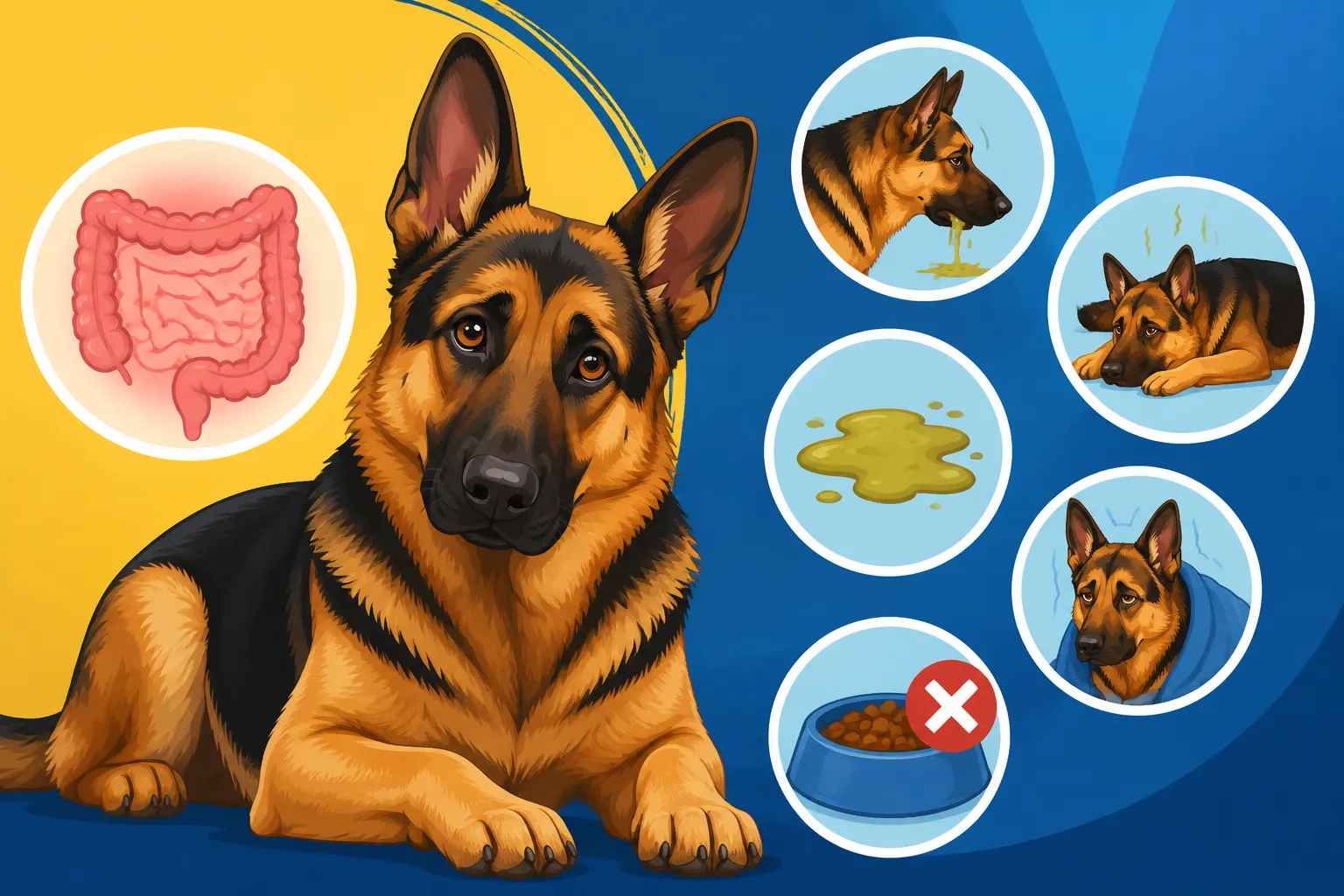
Another hallmark symptom of EPI, and one that’s hard to ignore, is the presence of chronic, abnormal stools. We’re not talking about an occasional loose stool here; this is persistent, often daily, diarrhea. The appearance of the stool is quite distinctive due to the high fat content passing through undigested. It’s typically pale, often a greyish-yellow or light tan color, and has a greasy, voluminous, or foamy texture. Many owners describe it as having a “cow-patty” consistency.
What truly sets EPI-related diarrhea apart, however, is the absolutely rancid, putrid smell. It's far worse than typical dog poop, a truly nauseating odor that can permeate your home. This horrendous smell comes from the fermentation of undigested food in the colon. The sheer volume of the stool is also notable; because so much food material is passing through, your dog might have very large bowel movements, and they might need to go more frequently throughout the day. If you're struggling with similar issues, our article on German Shepherd Loose Stool: Common Causes could offer additional insights.
Changes in Coat Condition and Skin Health
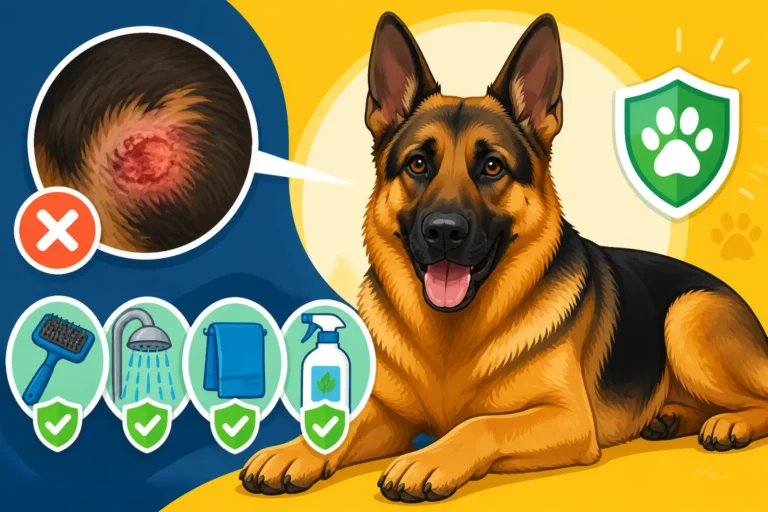
When a German Shepherd is constantly battling malabsorption, their overall body condition suffers, and this extends to their coat and skin. A healthy German Shepherd should have a lush, shiny double coat that feels soft to the touch. With EPI, you’ll start to notice a marked deterioration. Their coat might become dull, dry, and brittle, losing its vibrant sheen and feeling coarse. You might also notice excessive shedding, beyond what’s normal for the breed, leaving patches where the fur looks sparse.
Their skin can also suffer, becoming flaky, dry, and sometimes even itchy. This is directly related to the lack of essential fatty acids, vitamins, and other nutrients that are critical for healthy skin and coat development. Just like a plant deprived of water and sunlight, your dog's outer appearance reflects their internal struggles. These changes aren't just cosmetic; they can indicate chronic nutritional deficiency impacting their largest organ.
Increased Flatulence and Stomach Rumbling
The process of undigested food fermenting in the gut doesn’t just produce foul-smelling stools; it also generates a significant amount of gas. If your German Shepherd suddenly seems to be passing gas much more frequently, and with a particularly unpleasant odor, it could be a sign of EPI. This isn’t just a minor annoyance; it’s a symptom of inefficient digestion.
Coupled with excessive flatulence, you might also notice a lot of gurgling, rumbling, or sloshing noises coming from your dog's abdomen. This phenomenon, known as borborygmi, is the sound of gas and liquid moving through the intestines as the body struggles to process the undigested food. While some stomach noises are normal, persistent and loud rumbling, especially accompanied by other symptoms, is definitely something to pay attention to. It’s a clear indication that their digestive system is working overtime, and not very effectively, to cope with what it's being fed. If your dog is showing signs of a sensitive digestive system, you might find our article on German Shepherd Sensitive Stomach Solutions helpful.
| Symptom Category | Specific Indicators to Watch For | Underlying Cause (EPI) |
|---|---|---|
| Weight Changes | Persistent weight loss despite an insatiable appetite | Inability to absorb nutrients due to lack of digestive enzymes |
| Stool Quality | Chronic, pale, greasy, voluminous, foul-smelling diarrhea (cow-patty consistency) | Undigested fats and other food components passing through |
| Coat & Skin | Dull, dry, brittle coat; flaky skin; excessive shedding | Nutritional deficiencies impacting skin and hair follicle health |
| Gastrointestinal | Increased, foul-smelling flatulence; loud stomach rumbling (borborygmi) | Fermentation of undigested food in the intestines |
| Behavioral | Coprophagia (eating feces), pica (eating non-food items), lethargy, depression | Desperate search for nutrients; chronic malnutrition/discomfort |
| Other | Occasional vomiting, abdominal discomfort (less common than diarrhea) | Digestive upset from maldigestion |
Less Obvious but Important EPI Indicators
Sometimes, the more subtle changes in your German Shepherd’s behavior or overall demeanor are the ones that hint at a deeper problem. These less obvious symptoms, when combined with the more common ones, paint a clearer picture of EPI.
Coprophagia Eating Poop and Pica Eating Non-Food Items
It’s a rather unpleasant topic for any dog owner, but if your German Shepherd suddenly develops a habit of eating their own feces, or the feces of other animals, it’s a significant red flag. This behavior, known as coprophagia, is often seen in dogs suffering from EPI because they are, in essence, trying to re-ingest undigested nutrients that passed through their system the first time. It’s a desperate, instinctual attempt to recover the vital calories and micronutrients their body is craving.
Similarly, an increased tendency towards pica—eating non-food items like dirt, grass, rocks, or even household objects—can also be a sign. While some dogs might nibble grass occasionally, a strong, persistent urge to consume non-edible items points to a severe nutritional imbalance. Their bodies are sending signals that they're missing something crucial, and they'll try anything to get it. It's not just a "bad habit"; it's a cry for help from a body that's literally starving for nourishment.
Behavioral Changes and Lethargy
Chronic malabsorption and constant discomfort can take a heavy toll on your German Shepherd’s mental and emotional state, not just their physical health. You might notice a gradual shift in their personality. A dog who was once playful and energetic might become more subdued, withdrawn, or even a bit depressed. They might not greet you with the same enthusiasm, or they might lose interest in their favorite toys or walks. This lethargy isn’t just about being tired; it’s a deep-seated lack of energy that comes from being severely undernourished.
Beyond general lethargy, some German Shepherds might also become irritable or anxious. Constant hunger and discomfort can make any creature grumpy. They might react differently to touch, become less tolerant of other pets or children, or simply seem "off." It's important to remember that these behavioral changes aren't usually a training issue; they're a direct consequence of their physical suffering. If you're concerned about your dog's overall well-being, our guide on How to Tell If a German Shepherd Is in Pain can offer useful observations.
Vomiting and Abdominal Discomfort
While diarrhea and weight loss are more classic EPI symptoms, some German Shepherds might experience occasional vomiting. This isn’t typically projectile vomiting, but more often consists of regurgitated food or bile, and it might happen sporadically rather than consistently. It’s another indicator that their digestive system is out of whack and struggling to cope with the food it’s processing.
Accompanying the flatulence and stomach rumbling, your German Shepherd might also show signs of general abdominal discomfort. This could manifest as a reluctance to be touched around their belly, a hunched posture, or repeatedly stretching or trying to relieve pressure. They might shift positions frequently, seem restless, or groan softly when lying down. These subtle cues are your dog's way of communicating that their tummy hurts, and it’s important to pay attention to them, especially if they are combined with other digestive issues.
When to Act: Getting a Diagnosis and Starting Treatment
Spotting these symptoms in your German Shepherd can be alarming, but recognizing them is the crucial first step. The next, and most important, step is taking action.
The Importance of a Timely Vet Visit
If you’ve noticed any combination of these symptoms—especially persistent weight loss despite a good appetite, chronic foul-smelling diarrhea, or a noticeable change in coat condition—it’s absolutely imperative to schedule a vet visit without delay. Don’t wait until all the symptoms are severe; earlier intervention always leads to better outcomes for managing EPI.
When you go to the vet, be prepared to describe all the symptoms you’ve observed, even the ones that seem minor or unconnected. Provide details about your dog's eating habits, the frequency and appearance of their stools, any behavioral changes, and how long these issues have been going on. This comprehensive information will be invaluable to your veterinarian. They will likely perform a thorough physical exam and may suggest blood tests. The most definitive diagnostic test for EPI is a TLI (Trypsin-like Immunoreactivity) test, a specific blood test that measures the level of pancreatic enzymes in the blood. This test requires your dog to be fasted beforehand, so make sure to discuss preparation with your vet. Early diagnosis of German Shepherd EPI: Symptoms and Treatment is key to improving their quality of life.
Life with EPI: Management and Prognosis
Receiving an EPI diagnosis can feel overwhelming, but it’s important to understand that EPI is a manageable condition, not a death sentence. While there is no cure, it can be effectively controlled with lifelong enzyme replacement therapy. This typically involves adding powdered pancreatic enzymes directly to your German Shepherd’s food. These enzymes essentially do the job their pancreas can’t, allowing them to properly digest and absorb nutrients from their meals.
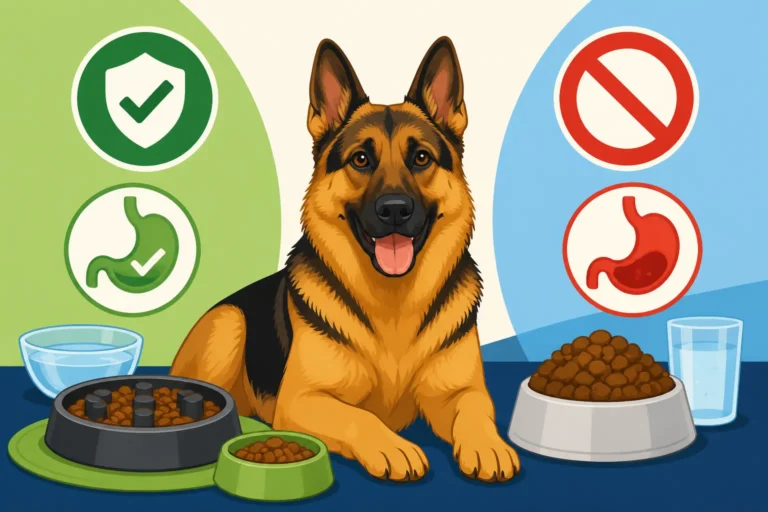
Alongside enzyme supplementation, your vet might recommend specific dietary adjustments, often a highly digestible, low-fat diet. Some German Shepherds also benefit from B12 (cobalamin) supplementation, as malabsorption can lead to deficiencies in this vital vitamin. Consistent treatment and regular veterinary check-ups are essential. With proper management, many German Shepherds with EPI can live long, comfortable, and happy lives, free from the debilitating symptoms. Learning about German Shepherd EPI Diet and Management will become a core part of your daily routine.
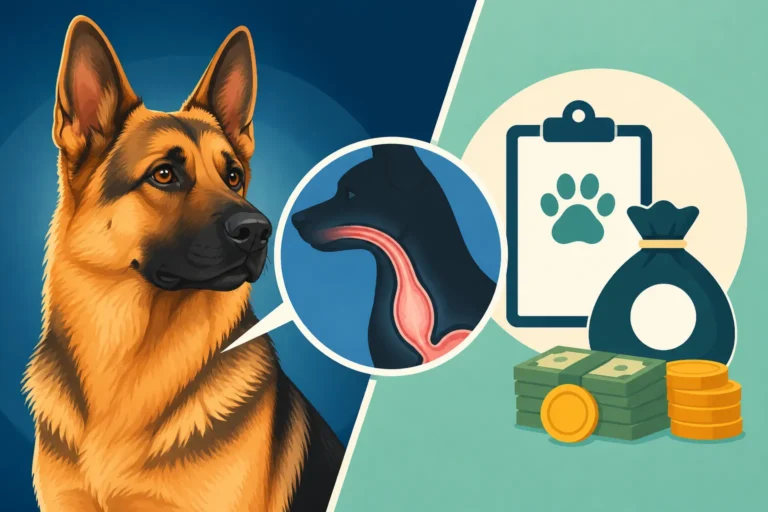
Of course, managing a chronic condition like EPI does come with ongoing costs, from enzyme supplements to specialized diets and regular vet visits. This is where having pet insurance can be a huge relief. Providers like Healthy Paws can help cover a significant portion of these expenses, allowing you to focus on your German Shepherd's health without the added financial stress. Think about it – if you’re concerned about German Shepherd Vet Costs Per Year, insurance offers peace of mind. Investing in a good pet insurance plan, such as one from Healthy Paws, early on can make a real difference in your ability to provide the best care without financial strain. It really is worth considering if Is Pet Insurance Worth It for a German Shepherd for a condition like this.
Remember, you're not alone in this journey. Thousands of German Shepherd owners successfully manage EPI, and with the right approach, your dog can continue to be the loyal, loving companion you cherish.
Disclaimer
The information provided in this article is for educational and informational purposes only and does not constitute medical advice. Always consult with a qualified veterinarian for any health concerns or before making any decisions related to your pet’s health or treatment.