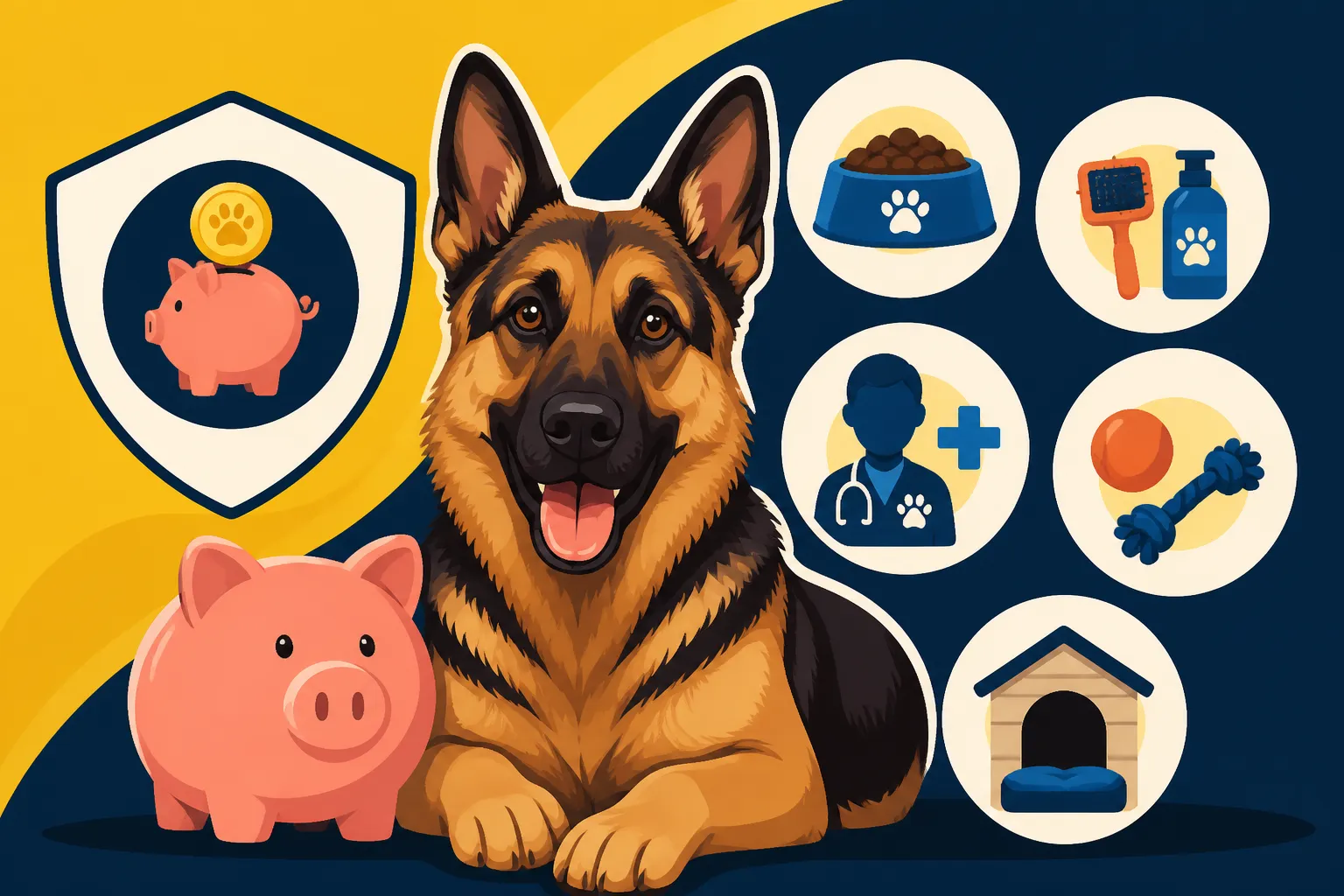
German Shepherd Budget: First-Year Costs
Bringing a German Shepherd puppy into your home is one of life's most exciting adventures, full of boundless joy, hilarious antics, and unwavering loyalty. However, beneath all that fluffy cuteness lies a significant financial commitment that often catches new owners off guard. It's not just the initial purchase price; it's the ongoing daily, monthly, and yearly expenses that truly add up. This comprehensive guide will meticulously break down the first-year costs of owning a German Shepherd, helping you prepare your budget and ensure your new best friend gets the best possible start in life without any stressful financial surprises.
The Initial Investment: Bringing Your German Shepherd Home
When you first decide to welcome a German Shepherd into your family, the very first thing that comes to mind for many is the upfront cost. This isn't just about the price tag of the puppy itself, but also all the immediate necessities you'll need to have ready the moment they step paw over your threshold. Understanding these foundational expenses is crucial for a smooth transition and setting the stage for a healthy, happy life together.
Puppy Purchase Price: Breeder Versus Rescue
The cost of acquiring your German Shepherd puppy can vary wildly depending on where you get them from. If you're looking at a reputable breeder, expect a significant investment. These breeders invest heavily in health testing, proper nutrition for the dam and puppies, early socialization, and often initial vaccinations and microchipping. They screen potential owners carefully and typically provide detailed health guarantees. For a well-bred German Shepherd puppy from a reputable source, you might be looking at anywhere from $1,500 to $5,000, sometimes even more for top-tier bloodlines with extensive titles. This price often reflects the extensive health clearances on the parents, such as OFA or PennHIP certifications for hips and elbows, and genetic testing for common German Shepherd ailments like Degenerative Myelopathy. This upfront cost helps reduce the risk of future expensive health problems, which is a big consideration in the long run. To learn more about this, you can check out our detailed guide on how much a German Shepherd puppy costs.
On the flip side, adopting from a German Shepherd rescue organization or a local shelter typically comes with a much lower adoption fee. These fees usually range from $250 to $700 and cover a portion of the dog's care, including spaying or neutering, initial vaccinations, and microchipping. While you might not get a young puppy, you could find an adult or adolescent German Shepherd who is already house-trained and has some basic manners. Rescues do incredible work, and often the dogs they have available are wonderful companions who simply need a second chance. It’s a truly rewarding way to bring a dog into your home, and financially, it’s often the more accessible option. For a deeper dive into the pros and cons, our article on German Shepherd Adoption vs Buying can offer more perspective.
Initial Vet Visits and Vaccinations
Even if your puppy comes with their first round of shots from the breeder or rescue, the first year is a whirlwind of veterinary appointments. Puppies require a series of vaccinations to protect them from serious diseases like distemper, parvovirus, adenovirus, and rabies. This initial series typically involves multiple visits spaced a few weeks apart, usually from 8 weeks until about 16 weeks of age. Each visit isn't just a jab; it's a full check-up where your vet will monitor their growth, listen to their heart and lungs, and address any immediate concerns.
Beyond vaccinations, your vet will discuss deworming, flea and tick prevention, and heartworm medication, all of which are critical for a young, vulnerable puppy. These preventative measures are ongoing and will be a monthly or quarterly expense. Expect to spend anywhere from $200 to $500 on these initial vet visits and core vaccinations in the first few months. This doesn't even include potential issues like kennel cough picked up from puppy classes or an upset stomach from trying to eat something questionable, which can add unplanned visits to the bill. Making sure your puppy is up to date on all their shots is paramount for their health and well-being.
Startup Supplies: Crate, Bowls, Leash
Before your German Shepherd puppy even arrives, you’ll need a whole host of essential supplies to make their new home comfortable and safe. A sturdy crate is a must for house-training, providing a safe den, and managing their "chew everything" phase. For a German Shepherd, you'll need a large-sized crate, which can run from $70 to $200, depending on the material and features. Many owners opt for an extra-large model that comes with a divider, allowing you to adjust the space as your puppy grows, saving you from buying multiple crates.
Food and water bowls are another fundamental. Stainless steel bowls are often recommended for their durability and ease of cleaning, costing around $20-40 for a good set. Don't forget a comfortable collar or harness and a sturdy leash for those first walks and training sessions. A good quality leather or nylon leash and collar combo might set you back $30-70. Beyond these basics, consider a comfy bed or mat for the crate, car restraints for safe travel, and some initial grooming tools like a brush and nail clippers. These initial setup costs can easily add another $150 to $400 to your budget before your puppy even eats their first meal at home.
Feeding Your Growing Guardian: Nutrition Costs
Proper nutrition is absolutely foundational for a German Shepherd, especially during their critical growth phases in the first year. These dogs grow incredibly fast, and their bodies require a carefully balanced diet to support healthy bone and muscle development, strong immune systems, and overall vitality. Skimping on food quality now can lead to significant health issues down the road, and nobody wants that for their beloved companion.
Puppy Food Expenses
German Shepherd puppies, being large breed dogs, have specific dietary needs. They require a puppy formula specifically designed for large breeds to ensure controlled growth, which helps prevent orthopedic issues like hip and elbow dysplasia later in life. These specialized foods are often more expensive than generic puppy kibble, but they are a worthwhile investment. Brands like Purina Pro Plan, Royal Canin, and Hill's Science Diet offer excellent large breed puppy formulas that many vets recommend. You can often find a good balance of quality and value with options like these.
A German Shepherd puppy will eat a considerable amount of food. As they grow, their appetite will increase, and you'll go through bags of kibble faster than you might expect. For example, an 8-week-old puppy might eat around 2-3 cups a day, while a 6-month-old could be eating 4-6 cups or more. A large bag (around 30-35 lbs) of premium large breed puppy food can cost anywhere from $60 to $90 and might last only 3-4 weeks for a rapidly growing pup. Over the course of the first year, you can anticipate spending roughly $700 to $1,200 on high-quality puppy food, depending on the brand and your dog's specific needs. For more specific advice on what to feed your growing companion, take a look at our German Shepherd Feeding Guide.
Treats and Chews
Treats are an indispensable part of puppy training and enrichment. You’ll use them constantly for positive reinforcement when teaching commands like "sit," "stay," and "come," as well as for house-training success. High-value training treats are small, soft, and palatable, and they tend to be used up quickly. A good supply of these can cost $10-20 per month.
Beyond training, German Shepherds are notorious chewers, especially during their teething phase, which can last for many months. Providing appropriate chew toys and chews is vital to protect your furniture and sanity, and to promote good dental health. Durable chew toys from brands like Kong, Nylabone, or Benebone are excellent investments. However, raw bones (if safe and approved by your vet) or dental chews like Greenies can also be a part of their routine. Expect to budget $20-50 per month on a variety of treats and safe chews. Without proper outlets, your German Shepherd might decide your shoe collection is fair game!
Special Diets and Supplements
While not every German Shepherd puppy will need a special diet, it's a possibility you should be aware of. Some puppies develop food sensitivities or allergies early on, requiring specialized hypoallergenic or limited-ingredient diets. These prescription or specialty foods are often significantly more expensive than regular kibble, adding an extra $20-50 per bag to your costs. For example, if your puppy develops signs of digestive upset, your vet might recommend a sensitive stomach formula.
Additionally, some German Shepherd owners opt for supplements to support joint health, especially given the breed's predisposition to conditions like hip and elbow dysplasia. Glucosamine and chondroitin supplements are popular choices, even for young dogs, as a preventative measure. Probiotics can also be beneficial for gut health. While some high-quality foods already contain these, you might decide to add extra, which can cost $20-40 per month. Always consult your veterinarian before adding any supplements to your puppy's diet to ensure they are appropriate and won't interact negatively with their food or any medications. For information on specific dietary needs, our guide on the Best Dog Food for German Shepherds offers more insights.
Keeping Them Healthy: Veterinary Care in the First Year
The first year of a German Shepherd's life is a critical period for establishing a strong foundation of health. Regular veterinary care is not just about reacting to illness but proactively preventing it. This means several scheduled visits, preventative medications, and potentially a major surgical procedure. Being prepared for these costs is essential for responsible pet ownership.
Wellness Exams and Preventative Care
As mentioned earlier, your German Shepherd puppy will have multiple vet visits for their initial vaccination series. Even after those are complete, an annual wellness exam is crucial. In the first year, your vet will want to see your pup a few times to monitor their growth, development, and overall health. These visits typically include a comprehensive physical examination, ensuring their heart, lungs, eyes, ears, and teeth are all developing normally.
Beyond the exams themselves, you'll have ongoing costs for preventative medications. This includes monthly heartworm medication, which is vital to protect against a potentially fatal parasitic disease, and regular flea and tick prevention, often given monthly or every three months. The cost for these preventative measures can range from $30 to $70 per month, depending on the brand, your dog's weight, and your geographic location. Some vets might also recommend routine fecal exams to check for internal parasites. These preventative steps are a non-negotiable part of responsible German Shepherd care and contribute significantly to their long-term health.
Spaying or Neutering Costs
Unless you plan on breeding your German Shepherd – and if you do, that's a whole other level of financial and ethical commitment – spaying or neutering is a standard part of responsible pet ownership. This surgical procedure typically happens between 6 months and 1.5 years of age, depending on your vet's recommendation and current research on large breed growth plate closure. For German Shepherds, some vets recommend waiting longer than for smaller breeds to allow for full bone development, which can impact joint health. Our guide on German Shepherd Spay and Neuter Timing goes into more detail on this.
The cost of spaying (for females) or neutering (for males) can vary significantly based on your location and the veterinary clinic. Generally, you can expect to pay anywhere from $250 to $700 for a routine procedure. This fee usually includes the surgery, anesthesia, pain medication, and sometimes pre-surgical blood work. For female dogs, spaying is a more invasive abdominal surgery and tends to be on the higher end of that range. While it’s a one-time cost, it's a significant one within the first year, and it's essential to factor it into your budget.
Emergency Fund and Pet Insurance
No matter how diligent you are with preventative care, accidents and illnesses can happen, especially with an active, curious German Shepherd puppy. They might ingest something they shouldn't, take a tumble and sprain a paw, or suddenly develop an allergic reaction. Emergency vet visits, diagnostic tests (X-rays, blood work), and treatments can quickly run into hundreds or even thousands of dollars. Having an emergency fund specifically for your pet is a smart financial move. Aim to have at least $1,000 to $2,000 readily available for unexpected situations.
Alternatively, or in addition to an emergency fund, many German Shepherd owners opt for pet insurance. This can be a lifesaver when major unforeseen health issues arise. Plans vary widely, covering everything from accidents and illnesses to wellness care. For a German Shepherd puppy, you might pay $30 to $70 per month for a comprehensive plan, depending on your deductible and reimbursement rate. It might seem like an extra expense, but when you consider that a sudden severe illness could cost $3,000-$10,000 or more, pet insurance like a plan from Healthy Paws can provide immense peace of mind. Many people find that insurance is definitely worth it for a German Shepherd, considering the potential for breed-specific issues.
Training Your Intelligent Companion: Behavior and Socialization Expenses
German Shepherds are renowned for their intelligence, loyalty, and strong work ethic. However, these traits also mean they thrive on guidance and structure. Training and socialization are not optional for this breed; they are absolutely crucial for developing a well-behaved, confident, and balanced companion. Neglecting these aspects in the first year can lead to significant behavioral problems down the line, which can be far more costly and challenging to fix.
Puppy Classes and Basic Obedience
Enrolling your German Shepherd puppy in a reputable puppy kindergarten class is one of the best investments you can make. These classes, typically for puppies aged 8-16 weeks, focus on early socialization, basic manners (sit, stay, come), and bite inhibition. It's a fantastic opportunity for your puppy to safely interact with other puppies and people in a controlled environment, which is vital for developing good social skills. Puppy classes often cost between $150 and $250 for a 6-8 week course.
After puppy kindergarten, moving on to a basic obedience class is highly recommended. German Shepherds excel at learning, and consistent training during their formative months will cement good habits. These classes build upon puppy basics, introducing more advanced commands, leash manners, and proofing behaviors around distractions. Group obedience classes usually run from $150 to $300 for a multi-week session. The benefit of a well-trained German Shepherd is immeasurable – they are a joy to live with and can accompany you confidently in various situations. Our German Shepherd Puppy Training Guide offers a great starting point for what to expect.
Advanced Training or Specific Behavior Help
While group classes are excellent, some German Shepherds (or their owners!) might benefit from more individualized attention. Private training sessions can be invaluable for addressing specific behavioral challenges or for owners who prefer a one-on-one learning environment. A single private session can cost $75 to $150, and many trainers offer packages of multiple sessions at a discounted rate.
For German Shepherds with higher drives or those destined for specific roles, advanced training like Schutzhund, IGP, or even just advanced obedience can be a rewarding pursuit. These specialized programs are more intensive and thus more expensive, potentially costing hundreds or even thousands of dollars depending on the duration and depth. If your German Shepherd develops a particular issue, such as excessive barking or leash reactivity, you might need to consult a certified professional dog trainer or a veterinary behaviorist. These experts can provide tailored solutions, but their services can range from $100 for a consultation to several hundred dollars for a series of sessions. Being proactive about training can prevent these more costly interventions. Our article on how to train a German Shepherd provides a broader overview of training methods.
Socialization Opportunities and Gear
Socialization isn't just about structured classes; it's an ongoing process throughout your German Shepherd's first year. Exposing your puppy to a variety of sights, sounds, people, and safe environments is crucial. This might involve trips to dog-friendly parks, walking around busy town centers (from a distance at first), or car rides to new places. These experiences might not have a direct cost, but they require your time and effort.
However, some socialization tools or opportunities do come with a price tag. High-quality training treats, as mentioned before, are essential. A good training leash, like a long line for recall practice in a safe area, might cost $20-40. Some owners invest in treat pouches, clickers, or specific harnesses that aid in leash training. If you live in an urban area, you might opt for doggy daycare occasionally, which offers supervised play and socialization for $30-60 per day. While these aren't mandatory, they contribute to a well-adjusted dog.
Grooming and Maintenance: Looking Sharp and Healthy
German Shepherds are majestic dogs with beautiful, dense double coats. While they are not considered high-maintenance in terms of fancy hairstyles, they do require consistent grooming to keep their skin and coat healthy, minimize shedding, and prevent discomfort. Overlooking regular grooming can lead to skin issues, painful matting, and an abundance of dog hair throughout your home.
Brushing Tools and Shampoos
The cornerstone of German Shepherd grooming is regular brushing. Their thick double coat, consisting of a dense undercoat and a coarser outer coat, sheds year-round, with heavy "blow-out" seasons twice a year. Investing in the right tools is paramount. You'll need a good quality slicker brush, an undercoat rake (like a Furminator or similar deshedding tool), and a sturdy comb. These tools can cost anywhere from $50 to $150 initially, but they are a one-time purchase that will last for years.
Bathing your German Shepherd isn't an everyday affair; too frequent bathing can strip their natural oils and irritate their skin. However, when they do get dirty, a bath is necessary. You'll want a high-quality dog shampoo formulated for their skin and coat type, avoiding harsh chemicals or human shampoos. A good dog shampoo typically costs $15-30 per bottle and will last for many washes. You might also want a conditioner, especially for longer-coated German Shepherds, to help with detangling and shine. Our guide on German Shepherd Shedding: How to Manage It has more tips on tools and techniques.
Nail Trims and Ear Cleaning
Regular nail trimming is essential for a German Shepherd's comfort and joint health. Overgrown nails can cause pain, affect their gait, and even lead to long-term orthopedic issues. You can purchase a sturdy pair of dog nail clippers (guillotine or scissor-style) or a Dremel tool for grinding. Clippers usually cost $10-25, while a Dremel can be $30-50. Learning to do this at home can save you money, but many owners prefer to have their vet or groomer handle it for $10-20 per session.
German Shepherds have upright ears that generally allow for good airflow, making them less prone to ear infections than floppy-eared breeds. However, regular checks and occasional cleaning are still important. A veterinarian-approved ear cleaning solution will cost around $10-20 and will last a long time. It’s important to only clean when necessary and to never insert anything deep into the ear canal, as this can cause damage. Your vet can show you the proper technique for ear cleaning during one of your wellness visits.
Professional Grooming if Desired
While many German Shepherd owners handle all their grooming needs at home, some opt for professional grooming, especially during heavy shedding seasons. A professional groomer can provide a thorough bath, blow-out, deshedding treatment, nail trim, and ear cleaning. This can be a huge help in managing the sheer volume of hair during coat blow season.
A full professional groom for a German Shepherd can cost anywhere from $70 to $150 or more, depending on your location and the services included. If you plan to do this a few times in the first year, particularly during the spring and fall shedding periods, it's an additional expense to factor in. For some owners, the time saved and the effectiveness of a professional deshedding treatment are well worth the cost. Just be sure to find a groomer experienced with double-coated breeds.
Everyday Essentials and Enrichment: Toys and More
Beyond the basic needs of food, shelter, and medical care, German Shepherds require mental and physical stimulation to thrive. They are highly intelligent and active dogs, and without appropriate outlets for their energy and minds, they can easily become bored, destructive, or anxious. This category covers the ongoing costs of keeping your German Shepherd engaged, entertained, and properly identified.
Chew Toys and Interactive Puzzles
As we've touched on, German Shepherds love to chew. It's a natural behavior that helps them explore their world, relieve stress, and keep their jaws strong. Investing in a variety of durable chew toys is crucial to redirect this instinct away from your furniture. Brands like Kong, Nylabone, Benebone, and West Paw offer tough toys designed to withstand strong chewers. You'll likely spend $15-30 on a single high-quality chew toy, and these will need to be replaced periodically as they wear out or get destroyed.
Beyond simple chews, German Shepherds benefit immensely from interactive puzzle toys and slow feeders. These items challenge their minds, encourage problem-solving, and can help prevent boredom and destructive behaviors. Puzzle toys where they have to work for treats, or snuffle mats, are excellent for mental enrichment. You can find these for $15-40 each. Shopping for these types of toys on platforms like Chewy or your local pet store can be a fun way to keep your dog engaged. Budgeting $20-40 per month for new toys or replacements in the first year is a realistic estimate.
Beds, Blankets, and Comfort Items
Every dog needs a comfortable place to rest and call their own, especially a large breed like a German Shepherd. A good quality dog bed offers orthopedic support, which is important for their developing joints. Look for beds with removable, washable covers for easy cleaning. A large or extra-large orthopedic dog bed can range from $50 to $150. You might want more than one, perhaps one for their crate and another for a common living area.
Beyond beds, simple blankets can provide comfort and a familiar scent, especially when crate training or traveling. Some owners also invest in doggy coats or sweaters for cold weather, or cooling mats for hot climates, though German Shepherds generally tolerate cold well due to their double coat. These comfort items, while not strictly essential, contribute to your dog's overall well-being and sense of security. Plan for an initial outlay of $50-200 for these items.
Licensing, Microchipping, and ID Tags
Responsible pet ownership includes ensuring your German Shepherd can be identified if they ever get lost. Most municipalities require annual dog licensing, which typically costs $10-30 per year, often with a reduced fee if your dog is spayed or neutered. This fee helps fund local animal services.
Microchipping is another crucial form of identification. This small, permanent chip implanted under their skin holds your contact information and can be scanned by any vet or shelter. Many breeders or rescues microchip their puppies, but if yours isn't, your vet can do it for $30-70 during a routine visit. The initial registration and any subsequent updates to the microchip database might incur small fees. Finally, a sturdy ID tag with your contact information attached to their collar is a simple yet effective first line of defense if they get separated from you. These tags usually cost $5-15 and are well worth the small investment.
Unexpected Costs and Future Planning: The "What Ifs"
Even with the best planning, life with a German Shepherd often throws a few curveballs. These dogs are intelligent, curious, and sometimes a little clumsy, especially as puppies. Being aware of potential "what if" scenarios and mentally (and financially) preparing for them can save you a lot of stress and heartache. This is where your emergency fund or pet insurance truly shines.
Accidents and Illnesses
Puppies, much like human toddlers, are prone to getting into mischief and experiencing minor (and sometimes major) health setbacks. They might eat a sock, get stung by a bee, or develop a sudden bout of diarrhea. These unexpected incidents almost always mean a trip to the vet, and sometimes an emergency vet visit. For instance, a German Shepherd puppy who decides a tennis ball is a tasty snack and ends up with an intestinal blockage could face thousands of dollars in emergency surgery.
Common puppy ailments like an upset stomach, mild infections, or even a sprain from playing too hard can easily lead to vet bills of $100 to $500 for diagnosis and treatment. For more serious issues, these costs can escalate dramatically. This is precisely why having an emergency fund or robust pet insurance coverage (like the kind offered by Healthy Paws) is so crucial. Without it, you could be faced with difficult decisions during an already stressful time.
Destructive Chewing or Damage
German Shepherds, particularly during their puppy and adolescent phases, can be incredibly destructive if not properly stimulated and supervised. That new couch, your favorite pair of shoes, or even door frames can become irresistible chew targets if boredom sets in or if they’re suffering from separation anxiety. While good training and ample chew toys can mitigate this, some damage is almost inevitable with a powerful chewer.
Repairing chewed furniture, replacing damaged items, or even having to fix portions of your home can add unexpected costs to your first year. A professional carpet cleaning after an accident, for example, could be $100-200. Replacing a particularly beloved item could be much more. While difficult to quantify precisely, budgeting a small contingency for such "wear and tear" from your active pup is a realistic approach. Providing plenty of mental stimulation, perhaps with a high-quality food delivery service like Ollie that offers fresh, engaging meals, can sometimes help redirect their energy.
Daycare or Pet Sitting
Life happens, and there will be times when you can't be home with your German Shepherd for an extended period. Whether it's a long workday, a weekend trip, or a planned vacation, you'll need reliable care for your dog. German Shepherds thrive on companionship and structured activity, so simply leaving them alone for long stretches isn't ideal.
Doggy daycare is a popular option for working owners, providing supervised play and socialization. Costs typically range from $30-60 per day. If you need overnight care, a reputable pet sitter or boarding facility can charge $40-80 per night. Even if you only use these services occasionally throughout the first year, they can quickly add up to several hundred dollars. For example, a week-long vacation could mean $300-500 in boarding fees. These are important considerations for future planning, especially if you anticipate travel or long days away from home.
Summary of First-Year Costs
To give you a clearer picture, here’s a generalized table summarizing the potential first-year expenses for a German Shepherd. Keep in mind these are estimates and can vary significantly based on your choices, location, and your individual dog's needs.
| Category | Estimated Low End (USD) | Estimated High End (USD) | Notes |
|---|---|---|---|
| Initial Acquisition | |||
| Puppy/Adoption Fee | $250 | $5,000 | Rescue vs. Reputable Breeder |
| Initial Supplies (Crate, Bowls, Leash, Bed) | $150 | $400 | Quality and number of items |
| Ongoing Veterinary Care | |||
| Initial Vet Visits & Vaccinations | $200 | $500 | Multiple puppy visits, deworming |
| Spay/Neuter | $250 | $700 | Depending on sex, clinic, age |
| Preventative Meds (Heartworm, Flea/Tick) | $360 ($30/mo) | $840 ($70/mo) | Monthly/quarterly costs |
| Pet Insurance (Optional but Recommended) | $360 ($30/mo) | $840 ($70/mo) | Monthly premiums; doesn't include deductible/reimbursement |
| Food & Nutrition | |||
| Puppy Food | $700 | $1,200 | High-quality large breed puppy food |
| Treats & Chews | $240 ($20/mo) | $600 ($50/mo) | Training treats, dental chews, durable toys |
| Supplements (Optional) | $0 | $240 ($20/mo) | Joint support, probiotics |
| Training & Enrichment | |||
| Puppy & Obedience Classes | $300 | $550 | Group classes; private sessions additional |
| Grooming & Maintenance | |||
| Grooming Tools | $50 | $150 | Brushes, rakes, clippers, shampoo |
| Professional Grooming (Optional) | $0 | $300 | 2-3 sessions in the first year |
| Miscellaneous | |||
| Licensing & Microchip | $40 | $100 | Annual license, microchip implant, registration |
| Emergency Fund (Savings for 'What Ifs') | $1,000 | $2,000 | Recommended amount to have readily available |
| Total First-Year Estimate (Excluding Emergency Fund/Insurance) | $3,000 | $12,000+ |
This table clearly illustrates the wide range of costs, emphasizing that while a German Shepherd is an incredible addition to any home, they also require a substantial financial commitment. Being prepared for these expenses ensures you can provide the best possible care for your loyal companion right from the start. Our articles like "Cost of Owning a German Shepherd Per Year" and "German Shepherd Monthly Expenses Breakdown" can give you an idea of what ongoing costs look like after this initial year.
Making Smart Financial Choices for Your German Shepherd
Bringing a German Shepherd into your life is a long-term commitment, and while the first year is often the most expensive due to initial setup and puppy care, the costs continue throughout their lifespan. Being financially prepared doesn't mean you have to break the bank, but it does mean making informed decisions and prioritizing what truly matters for your dog's health and happiness.
Prioritizing High-Quality Food and Preventative Care
One area where it’s truly worth investing is high-quality nutrition. As we discussed, German Shepherds need proper fuel for their rapid growth and active lifestyles. Choosing a premium large breed puppy food might seem more expensive upfront, but it can contribute to fewer health issues down the line, potentially saving you money on vet bills in the long run. Look for brands that focus on real meat ingredients and are formulated to support joint and bone health for large breeds. You might even explore options from companies like Ollie that provide fresh, human-grade food tailored to your dog's specific needs, though this usually comes at a higher monthly cost.
Equally important is consistent preventative veterinary care. Sticking to your German Shepherd vaccination schedule, regular deworming, and continuous flea, tick, and heartworm prevention are non-negotiable. These preventative measures are far less expensive than treating the diseases they prevent. For example, treating a severe case of heartworm can cost thousands of dollars and be incredibly hard on your dog, whereas a monthly preventative is a fraction of that cost.
Budgeting for Training and Socialization
Many new German Shepherd owners underestimate the importance (and cost) of consistent training and socialization. Yet, a well-trained and socialized German Shepherd is a joy to live with, while an undersocialized or untrained one can develop behavioral issues that are far more costly, time-consuming, and emotionally draining to correct. Puppy classes, basic obedience, and ongoing reinforcement are crucial. Consider these as an investment in your dog's future and your peace of mind.
If you’re on a tighter budget, look for community-based training classes that are often more affordable than private trainers. Many local shelters or humane societies offer basic obedience courses at a lower cost. YouTube and online resources can also supplement your training, but nothing truly replaces the guidance of a professional trainer for fundamental skills and problem-solving. A well-socialized German Shepherd, exposed to a variety of environments, people, and other dogs from a young age, will be more confident and less prone to fear-based aggression or anxiety.
Considering Pet Insurance Versus a Savings Account
The debate between pet insurance and a dedicated pet savings account is a common one for German Shepherd owners. Pet insurance can be an excellent option for mitigating the financial risk of major accidents or illnesses, especially given the breed's predispositions to conditions like hip dysplasia, elbow dysplasia, and degenerative myelopathy. A good plan means you won't have to choose between your dog's health and your financial stability if an unexpected crisis occurs.
However, pet insurance premiums are an ongoing monthly expense, and you'll still have a deductible and co-pay. A high-yield savings account dedicated solely to your dog's care, where you deposit a set amount each month, offers flexibility. If your dog remains healthy, that money accrues and can be used for routine care, or it can grow into a substantial emergency fund. The best approach for you will depend on your personal financial situation, risk tolerance, and peace of mind. For many, a combination of both – a high-deductible insurance plan to cover catastrophic events, coupled with a savings fund for smaller, routine unexpected costs – offers the best of both worlds.
The Long-Term Perspective
Remember, a German Shepherd can live 10-14 years, meaning your first-year investment is just the beginning of a wonderful, but financially involved, journey. While the initial costs are often the highest, continued expenses for food, vet check-ups, preventative care, and enrichment will persist. Plan for the long haul, and you'll be able to provide a stable and loving home for your German Shepherd throughout their entire life. Investing wisely in the first year truly sets the stage for many happy, healthy years together.
Disclaimer
The information provided in this guide is for general informational purposes only and does not constitute professional veterinary or financial advice. Costs can vary significantly based on location, service provider, product choices, and individual circumstances. Always consult with a qualified veterinarian for specific health concerns and a financial advisor for personalized budget planning.