German Shepherd Puppy Training Guide
Bringing home a German Shepherd puppy is an exhilarating experience, filled with boundless energy, adorable antics, and the promise of an incredible bond. However, many new owners quickly realize that these intelligent, powerful dogs also come with significant training needs. Without a clear plan, common puppy behaviors like nipping, chewing, and house-soiling can quickly spiral into frustrating challenges, leaving you feeling overwhelmed. This comprehensive guide is designed to equip you with the knowledge and strategies to navigate your German Shepherd puppy's crucial developmental stages, establish essential obedience, and shape them into a well-mannered, confident companion.
Understanding Your German Shepherd Puppy's Developmental Stages
Training a German Shepherd puppy isn't a one-size-fits-all endeavor; it's a journey that evolves with their growth. Understanding the different developmental stages is absolutely crucial because it dictates what kind of training and socialization your puppy is most receptive to, and when specific challenges might emerge. Trying to teach complex commands to a tiny eight-week-old is just as ineffective as neglecting socialization during their most formative weeks. It's about meeting them where they are and setting them up for success at every turn.
The Critical Socialization Window (8-16 weeks)
This period is perhaps the most vital time in your German Shepherd puppy's life, shaping their perception of the world. From about 8 to 16 weeks, your puppy's brain is like a sponge, soaking up every new experience. What they learn, or don't learn, during this time will profoundly impact their temperament and confidence as an adult. Think of it as their "pre-K" or "kindergarten" phase; positive interactions now build a foundation of resilience and friendliness.
During this critical window, your puppy needs safe, positive exposure to a wide variety of sights, sounds, smells, people, and other well-behaved dogs. This isn't just about meeting new friends; it’s about making everyday experiences seem normal and non-threatening. For example, introduce them to people of different ages, genders, and appearances (hats, glasses, beards), and let them hear common household noises like vacuum cleaners or doorbells without fear. A structured puppy class is an excellent way to provide controlled socialization, allowing them to interact with other puppies and learn appropriate play behaviors while also getting exposure to new environments. Many puppy parents find these early classes to be an invaluable resource.
The Fear Period and Adolescent Challenges (4-18 months)
Just when you think you've got this puppy thing figured out, adolescence hits, and it can feel like your sweet, compliant German Shepherd has suddenly forgotten everything they learned. This period, roughly from four months up to 18 months, is marked by significant physical and mental changes, including potential "fear periods." During a fear period, a puppy might suddenly become wary or fearful of something they previously ignored, like a trash can on a walk or a new sound. It's crucial to handle these moments with calm reassurance, not by coddling or forcing the issue, which can inadvertently reinforce the fear. Instead, redirect their attention, offer positive reinforcement for brave behavior, and allow them to observe from a safe distance until they feel comfortable.
Adolescence also brings increased independence, a testing of boundaries, and a surge in energy. Your German Shepherd might "forget" commands, pull more on the leash, or become more easily distracted. This isn't defiance; it's often a normal part of development as their brains mature. This is the time to double down on consistency with training, reinforce foundational commands in more distracting environments, and provide ample mental and physical exercise. Remember, a bored German Shepherd is a destructive German Shepherd, so providing appropriate outlets for their energy, such as engaging puzzle toys available on sites like Amazon, is paramount. This stage requires patience, a sense of humor, and a commitment to maintaining the structure you've built.
Continuing Education and Maturity (18+ months)
While the most intensive puppy training might wind down, the learning process for a German Shepherd truly never stops. These dogs thrive on purpose and mental engagement. Once they reach maturity, typically around 18 months to two years, their adult personality will be largely established, but ongoing training helps keep their minds sharp and strengthens your bond. Many German Shepherds excel in advanced obedience, agility, tracking, or even protection sports, which provide fantastic outlets for their intelligence and drive.
Even if you're not interested in competitive dog sports, continuing with daily training sessions, refreshing known commands, and teaching new tricks keeps your adult German Shepherd engaged. Regular walks, hikes, and play sessions that involve problem-solving or searching for toys are also excellent. Think of it as a lifelong partnership where communication and learning are continuous. Neglecting their mental and physical needs can lead to boredom and the resurgence of unwanted behaviors, even in a mature dog. Staying active together ensures a happy, well-adjusted German Shepherd throughout their life.
Essential Preparations Before Training Begins
Before you even think about teaching your German Shepherd puppy "sit" or "stay," it's vital to lay the groundwork. Just like building a house, a strong foundation is key. Rushing into commands without adequate preparation can lead to frustration for both you and your puppy, making the entire training process much harder. These initial steps are about creating an environment where learning can flourish, and where your puppy feels secure and understood.
Creating a Safe and Stimulating Environment
Your home needs to be a safe haven and a stimulating environment for your growing German Shepherd puppy. Start with puppy-proofing: secure electrical cords, remove toxic plants, put away small objects they could swallow, and block off areas that are off-limits. This not only protects your puppy from harm but also prevents them from developing bad habits, like chewing on furniture, because they can't access tempting items. A designated "puppy zone" – perhaps a crated area or a space cordoned off with baby gates – can provide a safe retreat where they can't get into trouble when unsupervised.
Beyond safety, ensure their environment is stimulating. German Shepherds are incredibly intelligent and need mental enrichment. Provide a variety of appropriate chew toys, puzzle feeders, and different textures for them to explore. Rotate toys regularly to keep things interesting. A stimulating environment prevents boredom, which is a common cause of destructive behavior in young German Shepherds. Think about how a child's room is set up for learning and play; your puppy's space needs a similar thoughtful approach.
Assembling Your Training Toolkit
Having the right tools at hand makes the training process smoother and more effective. You don't need fancy gadgets, but some basics are non-negotiable. High-value training treats are essential – these should be small, soft, and irresistible to your puppy, like tiny pieces of cooked chicken or cheese. A clicker can be a powerful communication tool, precisely marking the exact moment your puppy performs the desired behavior. Many owners find clicker training incredibly effective for clear communication.
Other key items include a durable leash (4-6 feet is ideal for walks, and a longer line, 15-30 feet, is great for recall practice in a safe, open area) and a comfortable, well-fitting flat buckle collar or harness. Avoid retractable leashes during initial training as they provide inconsistent tension and less control. A secure, appropriately sized crate is also a cornerstone for house-training and creating a safe den for your puppy. Don't forget durable chew toys; these are vital for redirecting inappropriate chewing behavior.
Setting Realistic Expectations and Mindset
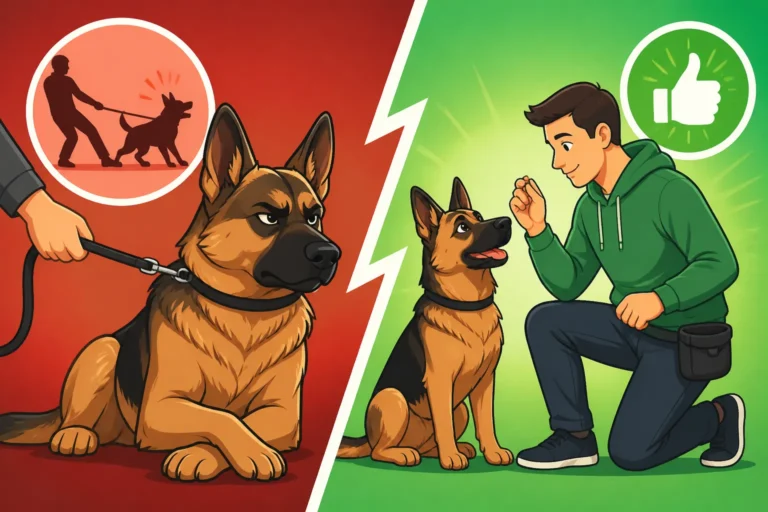
Perhaps the most important preparation is mental. Training a German Shepherd puppy requires immense patience, consistency, and a positive attitude. They are not robots; they will have off days, make mistakes, and test your boundaries. It's easy to get frustrated, but remember that your puppy is learning a new language and navigating a complex world. Yelling or harsh punishments are counterproductive, eroding trust and potentially leading to fear or aggression. Instead, focus on positive reinforcement, rewarding the behaviors you want to see.
Understand that training is a journey, not a destination. There will be setbacks, but every puppy learns at their own pace. Celebrate small victories and don't get discouraged by temporary regressions. Consistency from all family members is crucial – everyone needs to use the same commands and rules. If one person lets the puppy jump and another corrects them, it's confusing. This commitment to consistency, combined with a patient and understanding mindset, will build a strong bond and make the training process enjoyable for both of you.
Foundational Obedience Commands
Establishing a strong foundation in basic obedience is like teaching your German Shepherd puppy the alphabet of good manners. These commands aren't just tricks; they're vital communication tools that ensure your dog's safety, allow you to manage their behavior in various situations, and deepen your relationship. Without reliable basic commands, you’re trying to have a conversation with your dog in two different languages. The key here is clarity, consistency, and making learning fun and rewarding.
Teaching "Sit," "Down," and "Stay"
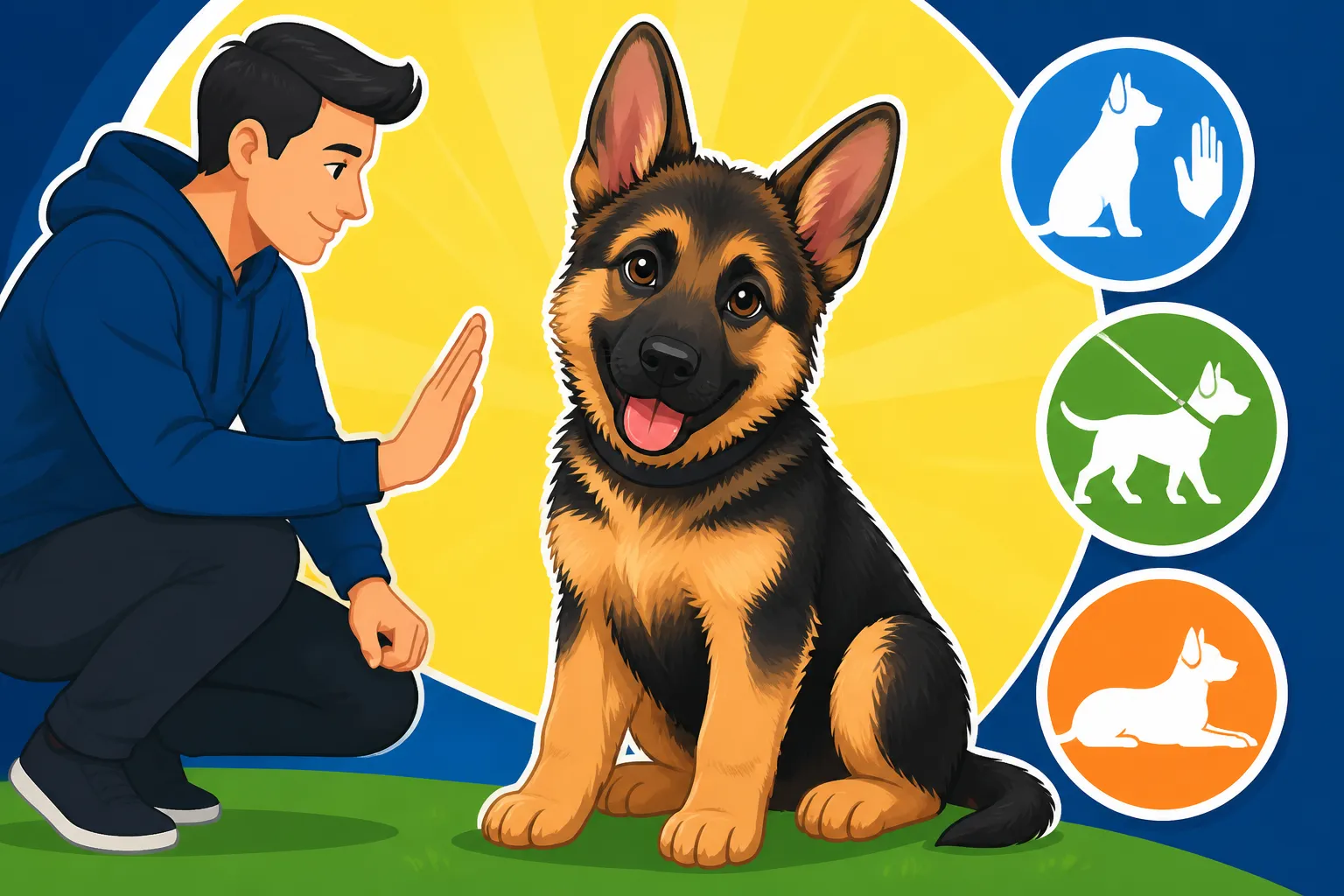
These three commands are the pillars of canine courtesy and control. "Sit" is often the first command taught and is fundamental. To teach "sit," hold a treat near your puppy's nose and slowly move it up and over their head, towards their tail. Their nose will follow, naturally lowering their rear into a sitting position. As soon as their bum touches the ground, say "Sit!" and immediately give the treat and praise. Repeat this many times in short, fun sessions throughout the day.
Once "sit" is solid, you can move to "down." From a sitting position, lure your puppy's nose with a treat down towards the floor and then away from them, creating an "L" shape. As they lie down, say "Down!" and reward. "Stay" is introduced once "sit" or "down" is understood. Have your puppy sit, then say "Stay," take one step back, pause for a second, then return and reward. Gradually increase distance and duration, always returning to them to reward, rather than calling them to you initially. These commands teach impulse control and responsiveness, which are crucial for a well-behaved German Shepherd. Consistency is vital in these early stages, and rewarding every successful attempt helps cement the behavior.
Mastering "Come" (Recall) and "Leave It"
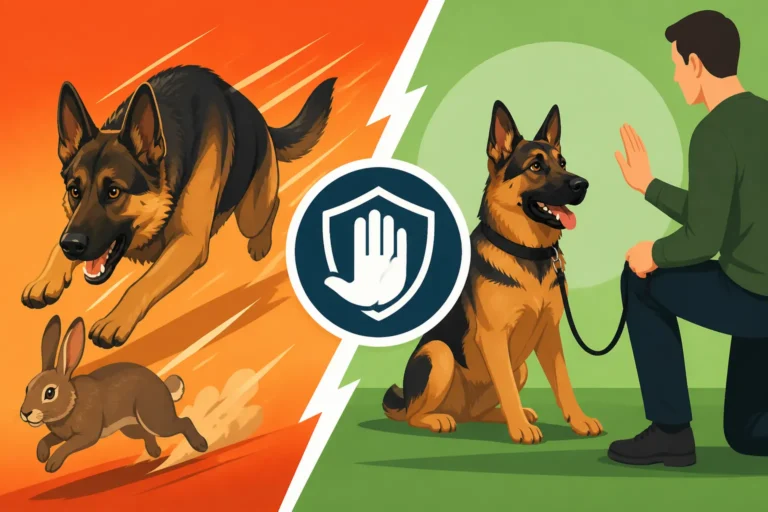
"Come" (recall) is arguably the most critical safety command you can teach your German Shepherd. A reliable recall can prevent countless dangerous situations, like your puppy darting into traffic or approaching an unfriendly dog. Start recall training in a quiet, enclosed area like your backyard. Get down to your puppy's level, sound excited, say "Come!", and when they approach, reward them with a high-value treat and enthusiastic praise. Never use "come" for something unpleasant, like giving medication, or it will lose its positive association. Make it the best game ever. As your puppy progresses, gradually introduce distractions, first on a long line, then eventually off-leash in safe, controlled environments. Remember, practice makes perfect, and a solid recall can literally save your dog's life. Check out our guide on German Shepherd Recall Training: Step-by-Step for more detailed instructions.
"Leave It" is another indispensable command for safety and managing your puppy's environment. It teaches your German Shepherd to ignore tempting or potentially dangerous items, whether it's discarded food on a walk or a child's toy. Begin by placing a low-value treat on the floor and covering it with your hand. When your puppy tries to get it, say "Leave It!" As soon as they look away from your hand, uncover the treat and give them a different, higher-value treat from your other hand. This teaches them that ignoring the forbidden item leads to a better reward. Gradually progress to leaving the treat uncovered, increasing distance, and eventually practicing with various distracting objects. The goal is for your puppy to understand that "Leave It" means good things will come their way for self-control.
Leash Training and Polite Walking
Walking nicely on a leash is a skill that makes life with your German Shepherd much more enjoyable for both of you. A large, strong German Shepherd pulling can be a safety hazard and turn walks into a chore. Start leash training early, even if it's just in the house or yard. Get your puppy accustomed to wearing a collar or harness for short periods, making it a positive experience with treats. Once they're comfortable, attach the leash and let them drag it around while supervised.
When it's time to walk, the goal is to teach them that a loose leash means forward movement and rewards. If your puppy pulls, stop immediately. Stand still like a tree. Only when the leash slackens (even for a moment) do you start walking again. When they walk by your side with a loose leash, praise and reward them frequently. You can use a specific marker word like "Yes!" or a clicker to pinpoint the exact moment of polite walking. Consistent practice in low-distraction environments, gradually increasing the challenge, will help your German Shepherd learn to walk politely beside you. Remember, pulling gets them nowhere, but a loose leash leads to good things! For more specific advice, our article on How to Leash Train a German Shepherd Puppy offers a step-by-step approach.
| Age/Stage | Key Training Focus | Core Activities | Expected Outcomes |
|---|---|---|---|
| 8-12 Weeks | Foundation, Socialization | House-training, Crate training, Bite inhibition, Name recognition, Handling, Puppy classes, Exposure to new sights/sounds/people. | Understanding basic household rules, Reduced mouthing, Positive association with new things. |
| 12-16 Weeks | Basic Obedience, Continued Socialization | "Sit," "Down," "Stay," "Come," Leash introduction, Continued positive exposure, Vet visits. | Reliable basic commands in low-distraction settings, Comfort with handling. |
| 4-6 Months | Reinforcement, Impulse Control | Strengthening all commands, "Leave It," Continued socialization, Managing adolescence, Increased exercise. | Better impulse control, Responding to commands with mild distractions. |
| 6-12 Months | Advanced Obedience, Consistency | Proofing commands with high distractions, Exploring dog sports, Adolescent boundary setting, Increased mental challenges. | Reliable obedience in varied environments, Managed energy levels, Strong bond. |
Crucial Life Skills and Behavior Management
Beyond basic obedience, there are essential life skills and behavior management techniques that are paramount for raising a well-adjusted German Shepherd. These aren't just about preventing bad habits; they're about teaching your puppy how to navigate the human world politely and safely. Addressing common puppy behaviors like house-soiling or nipping early on prevents them from becoming ingrained, much harder-to-break adult habits.
Potty Training and Crate Training Success
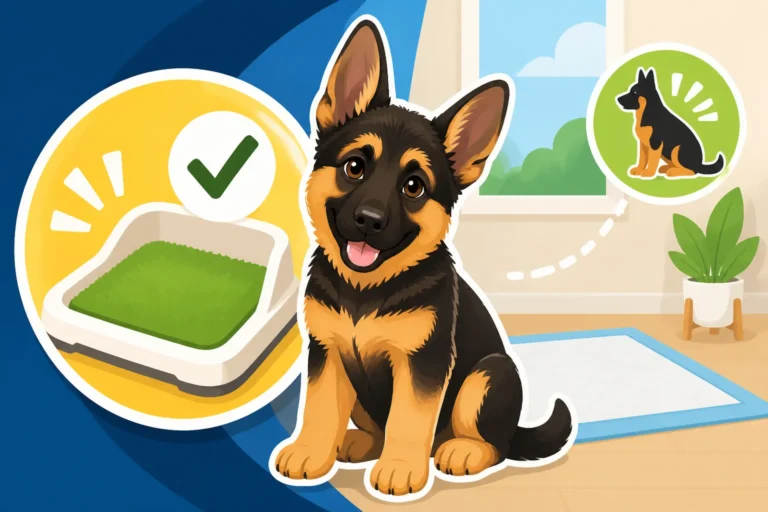
Potty training your German Shepherd puppy requires consistency, vigilance, and patience. The core principle is simple: frequent potty breaks, especially after waking up, eating, drinking, and playing. Take your puppy to their designated potty spot outside, and reward them lavishly with praise and a high-value treat immediately after they eliminate. This creates a strong positive association. Accidents will happen, but never punish your puppy for them; simply clean them up thoroughly with an enzymatic cleaner to remove odors that might attract them back to the same spot. Supervision is key indoors; consider using a tether or keeping them in a puppy-proofed area to prevent hidden accidents. For more specific guidance, check out our dedicated article on How to Potty Training with a German Shepherd.
Crate training is an invaluable tool that goes hand-in-hand with potty training. German Shepherds, like all dogs, naturally want to keep their sleeping area clean, making the crate an effective aid for house-training. Introduce the crate positively by feeding meals inside, tossing in treats, and associating it with good things. Never use the crate for punishment. The crate should be a safe, comfortable den where your puppy can relax and feel secure. It also provides a safe place for them when you can't actively supervise, preventing destructive chewing or accidents. Proper crate training ensures your German Shepherd sees their crate as a sanctuary, not a jail. You can find excellent, durable crates on Amazon. Our guide on How to Crate Train a German Shepherd provides a detailed walkthrough.
Curbing Nipping, Biting, and Chewing
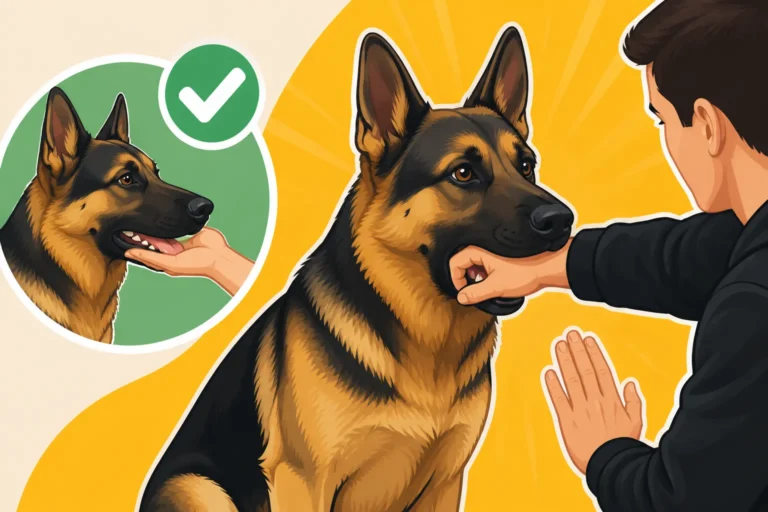
German Shepherd puppies, like all puppies, explore the world with their mouths. Nipping and biting are normal puppy behaviors, but they must be managed effectively to prevent them from escalating into problematic habits with adult teeth. The goal of bite inhibition is to teach your puppy to control the force of their bite. When your puppy nips too hard during play, yelp loudly (like another puppy would), and immediately withdraw attention for a short period (10-30 seconds). This teaches them that hard bites end the fun. Resume play only when they are calm. If they continue to nip, a short "time-out" in their crate can be effective.
Providing appropriate chew toys is also paramount. German Shepherds have strong jaws and a natural urge to chew, especially during teething. Redirect their chewing to acceptable items. If they start to chew on something inappropriate, calmly redirect them to a designated chew toy, praising them when they chew on it. Never allow them to chew on old shoes or household items, as this teaches them that these items are fair game. Consistency in redirection and providing engaging, durable chew toys is crucial. If you're struggling, our post on German Shepherd Puppy Biting: What to Do offers more strategies.
Addressing Jumping and Excessive Barking
Jumping up on people is a common puppy behavior that, while cute when they're small, quickly becomes problematic and potentially dangerous with a large German Shepherd. To address jumping, teach your puppy that four paws on the floor get attention, while jumping gets none. When your puppy jumps, turn your back, ignore them, or calmly step away. As soon as all four paws are on the ground, even for a second, turn back, praise, and reward them. If they jump again, repeat the process. Consistency is key here; every person who interacts with your puppy must follow this rule.
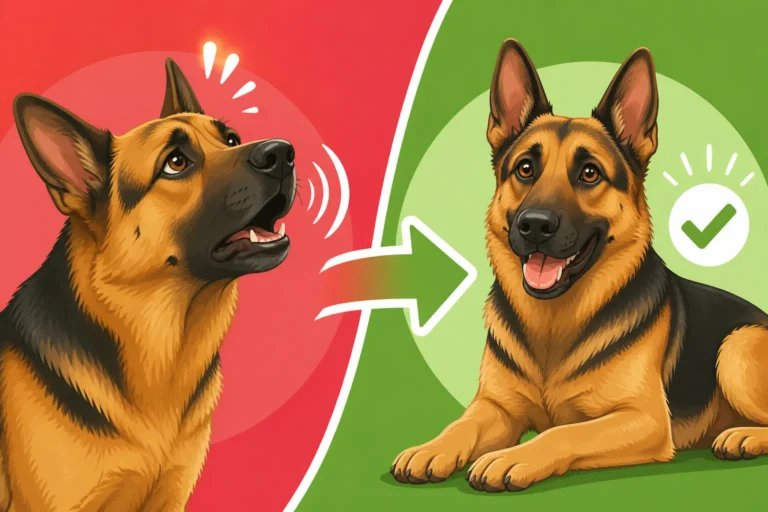
Excessive barking can be incredibly frustrating for owners and neighbors alike. German Shepherds are naturally vocal and alert, but constant barking needs to be managed. First, identify the cause: is it boredom, anxiety, attention-seeking, or an alert bark? Once you know the trigger, you can address it. For attention-seeking barking, ignore it until there's a pause, then reward the silence. For alert barking (e.g., at the doorbell), teach a "quiet" command: allow a few barks, say "Quiet!" and once they stop, reward. Gradually increase the duration of silence before the reward. Ensure your puppy is getting enough physical exercise and mental stimulation, as boredom is a huge contributor to excessive barking. Puzzle toys and interactive games can help burn off mental energy, reducing the likelihood of boredom barking.
Socialization: The Cornerstone of a Well-Adjusted German Shepherd
Socialization isn't just about letting your German Shepherd puppy play with other dogs; it's a critical process of exposing them to the world in a positive and controlled manner. A well-socialized German Shepherd is confident, adaptable, and less likely to develop fear-based aggression or anxiety. Neglecting proper socialization during their formative weeks can lead to a lifetime of behavioral challenges, making them fearful, reactive, or even aggressive towards new experiences.
Puppy Classes and Controlled Exposure
One of the best ways to kickstart your German Shepherd puppy's socialization is through well-run puppy classes. These classes, often led by professional trainers, provide a safe and structured environment for your puppy to interact with other puppies of similar age and size. This allows them to learn appropriate canine social cues, practice bite inhibition with their peers, and build confidence. Many trainers ensure that puppies meet people of different ages and appearances during these sessions, adding another layer of positive exposure.
Beyond puppy classes, controlled exposure means carefully orchestrating new experiences. For example, take your puppy to a park and sit on a bench, letting them observe people, bikes, and other dogs from a distance without direct interaction. This "watch and learn" approach allows them to process new stimuli without feeling overwhelmed. Always keep these exposures positive with treats and praise, and never force your puppy into a situation where they appear stressed or fearful. Gradually increase the intensity and variety of these experiences as your puppy gains confidence. The online puppy school BAXTER & Bella offers structured programs that can guide you through these controlled exposure exercises from the comfort of your home.
Introducing Your Puppy to New People, Places, and Sounds
The goal of socialization is to create positive associations with everything your German Shepherd puppy will encounter in life. This means making a concerted effort to introduce them to a diverse range of people. Think about inviting friends and family over who are calm and dog-savvy. Have them offer treats (if comfortable) and interact gently. Expose your puppy to children (always supervised), people wearing hats, sunglasses, or uniforms, and people with different voices and movements. The more variety they experience positively, the less likely they are to be wary or reactive later in life.
Similarly, introduce your puppy to a multitude of places and sounds. Take short, positive trips to pet-friendly stores, bustling parks, or even just sitting in your car in a busy parking lot. Let them hear the sounds of traffic, sirens, construction, and household appliances. Pair these experiences with high-value treats and praise to build positive associations. For example, if the vacuum cleaner comes on, give them a treat and offer calm reassurance. The more "normal" these things become during their critical development, the more resilient and confident your German Shepherd will be as an adult. Remember, you want to build curiosity, not fear. For a comprehensive list of ideas, our article on German Shepherd Socialization: Step-by-Step can be very helpful.
Safe Interactions with Other Dogs and Animals
While puppy classes cover initial dog-to-dog interactions, continuing safe exposure to other dogs is crucial. Always ensure that any dog your puppy meets is fully vaccinated, calm, and known to be friendly with puppies. Overwhelming or negative interactions can have a lasting detrimental effect. Supervise all play sessions closely, stepping in if play becomes too rough or one dog seems uncomfortable. The goal is to teach your puppy appropriate canine body language and how to interact respectfully.
Beyond dogs, if you have other pets at home, introduce your German Shepherd puppy gradually and under strict supervision. For cats, keep initial interactions short, on-leash, and allow the cat an escape route. Reward your puppy for calm behavior around other animals. If you don't have other pets, consider exposing your puppy to different species (e.g., a friend's calm, cat-friendly cat) in a controlled setting. The more varied and positive their early experiences with other creatures, the more adaptable and tolerant your German Shepherd will become. This proactive approach significantly reduces the likelihood of reactivity or aggression towards other animals in the future.
Advanced Training and Mental Stimulation
Once your German Shepherd puppy has mastered foundational obedience and is well-socialized, it's time to elevate their training and provide consistent mental stimulation. These dogs are working breeds, and their intelligent minds thrive on challenges. Neglecting their mental needs can lead to boredom, frustration, and the development of unwanted behaviors, even in an otherwise well-trained dog. Advanced training isn't just for competition; it’s about enriching their lives and strengthening your bond.
Engaging Your German Shepherd's Mind with Puzzle Toys and Games
German Shepherds possess remarkable intelligence, and simply relying on physical exercise won't fully satisfy their needs. Their brains need a workout too! Puzzle toys are fantastic tools for this. Brands like Kong and Nina Ottosson offer a wide range of interactive feeders and toys that require your German Shepherd to problem-solve to get their treats. Stuffing a Kong with peanut butter or wet food and freezing it can keep them happily occupied for a significant period. These toys can be particularly useful when you need to leave your puppy alone for a short while, or to help them settle in their crate. You can find a huge variety of these on Amazon.
Beyond physical toys, engaging games also provide excellent mental stimulation. "Find It" games, where you hide treats or favorite toys around the house and encourage your puppy to sniff them out, tap into their natural scenting abilities. Learning new tricks, even silly ones like "spin" or "weave" between your legs, offers a mental challenge and strengthens your communication. These activities build confidence, reduce boredom, and provide a constructive outlet for their energy, making them happier and more focused companions. Check out our detailed guide on Best Mental Stimulation for German Shepherds for more creative ideas.
Exploring Dog Sports and Activities
German Shepherds excel in a variety of dog sports and activities that provide both physical and mental stimulation. If you're looking for an avenue to channel your dog's intelligence, drive, and athleticism, exploring these options can be incredibly rewarding. Obedience trials, for instance, take basic commands to a higher level, requiring precision, focus, and responsiveness in distracting environments. Agility training involves navigating obstacle courses, demanding both speed and quick thinking from your dog. This sport is fantastic for building confidence and improving your communication.
Other popular options include tracking or nose work, which taps into their powerful sense of smell, allowing them to follow scents or locate hidden articles. Schutzhund (now IGP) is a demanding German dog sport specifically designed for working breeds like the German Shepherd, encompassing tracking, obedience, and protection phases. Even if you don't plan to compete, introductory classes in these sports can be an incredible way to bond with your German Shepherd, discover their hidden talents, and provide the intense mental and physical engagement they naturally crave. It gives them a "job," which German Shepherds truly thrive on.
Problem-Solving and Advanced Obedience
As your German Shepherd matures, continuing to challenge them mentally through problem-solving exercises and advanced obedience training is essential. This prevents them from becoming complacent or bored with repetitive tasks. Advanced obedience might include proofing commands under increasingly difficult distractions, performing longer "stays" with you out of sight, or learning complex sequences of commands. The goal is to build reliability and responsiveness in any situation.
Problem-solving can also involve teaching them practical skills, such as fetching specific items, opening doors (if appropriate and safe), or even simple tasks around the house. You can also introduce discrimination exercises, where they learn to choose one object out of many, or scent detection games that involve identifying a particular odor. These activities not only keep their minds engaged but also reinforce their understanding of cues and improve their cognitive abilities. A well-exercised German Shepherd, both mentally and physically, is a truly content companion, less prone to destructive habits or anxiety.
Troubleshooting Common Puppy Training Challenges
Even with the best intentions and consistent training, you'll inevitably encounter bumps in the road. German Shepherd puppies are complex creatures, and certain behavioral challenges are quite common. Feeling frustrated when your puppy suddenly seems to forget everything or develops an unexpected fear is a normal part of the journey. The key is to understand these challenges and approach them with empathy, strategy, and consistent positive reinforcement, rather than resorting to punishment.
Dealing with Separation Anxiety
German Shepherds are highly social and form strong bonds with their families, which can sometimes manifest as separation anxiety. This isn't just about a little whining; true separation anxiety involves intense distress when left alone, often displayed through destructive chewing, excessive barking or howling, house-soiling, or frantic attempts to escape. This behavior is heartbreaking to witness and frustrating to manage. It's crucial to address it early to prevent it from becoming deeply ingrained.
To help mitigate separation anxiety, start with very short absences and gradually increase the duration. Practice "alone time" by leaving your puppy for just a few minutes, returning calmly before they show signs of distress, and avoiding overly dramatic goodbyes or hellos. Provide engaging puzzle toys or a stuffed Kong when you leave to create a positive association with your departure. Crate training can be incredibly helpful here, as a den-like crate can provide a sense of security. If the anxiety is severe, consulting a professional dog trainer or veterinary behaviorist is highly recommended. Our guide on German Shepherd Separation Anxiety Solutions offers more in-depth advice.
Managing Reactivity and Fear
German Shepherds can be prone to reactivity, which often stems from fear, insecurity, or over-arousal. Reactivity might look like barking, lunging, or growling at other dogs, strangers, or specific stimuli on walks. It's a sign that your puppy feels overwhelmed and is trying to create distance or cope with stress. Punishing reactivity will only suppress the outward symptoms while intensifying the underlying fear. Instead, the approach should be to change your puppy's emotional response.
This involves counter-conditioning and desensitization. Identify your puppy's "trigger" (e.g., other dogs) and find their threshold – the distance at which they can observe the trigger without reacting. At that distance, continually feed them high-value treats. The goal is for them to associate the trigger with good things (treats), rather than fear or stress. Gradually decrease the distance as they become more comfortable. Work with a qualified positive reinforcement trainer who can guide you through these processes, as reactivity can be complex and requires careful management. Patience and consistency are paramount for helping your German Shepherd build confidence and calmly navigate their world.
Maintaining Consistency and Patience
Perhaps the most underestimated aspect of puppy training is the sheer amount of consistency and patience required. German Shepherds are intelligent, but they are still dogs, and they learn through repetition and clear communication. Inconsistency is the number one reason training breaks down. If one family member lets the puppy jump on them while another corrects it, the puppy receives mixed signals and doesn't understand the rules. Everyone in the household must be on the same page regarding commands, rules, and expectations.
There will be days when your puppy seems to forget everything you've taught them, or they have an accident right after coming inside. These moments can be incredibly frustrating. Take a deep breath. Remember that regressions are a normal part of the learning process, especially during adolescence. Avoid getting angry or using harsh corrections, as this can damage your bond and make your puppy fearful. Instead, calmly redirect, go back to basics, and celebrate every small success. Your German Shepherd puppy relies on you for clear guidance and unwavering support. With consistent effort and boundless patience, you'll build a strong, trusting relationship and raise a well-behaved companion.
Disclaimer
The information provided in this guide is for general informational purposes only and is not a substitute for professional veterinary advice, diagnosis, or treatment. Always seek the advice of your veterinarian or other qualified animal health provider with any questions you may have regarding a medical condition or health objectives for your German Shepherd. Similarly, for severe behavioral issues, consult a certified professional dog trainer or veterinary behaviorist.