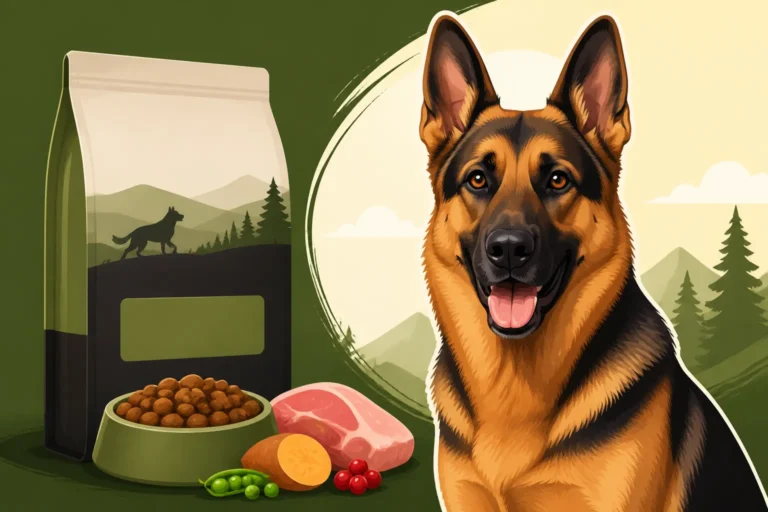
Best Dog Food for German Shepherds
It’s a common scenario for German Shepherd owners: standing in the pet food aisle, utterly overwhelmed by the sheer number of bags and brands, each claiming to be the absolute "best." You want what's optimal for your loyal companion, but deciphering ingredient lists, navigating marketing hype, and worrying about potential health issues like bloat or hip dysplasia can feel like a full-time job. Finding the right food for your German Shepherd isn't just about filling their bowl; it's about fueling their powerful physique, sharp mind, and ensuring they live a long, vibrant life. This comprehensive guide is here to cut through the confusion, helping you understand precisely what your German Shepherd needs in their diet and how to choose a food that genuinely supports their unique health and happiness.
Why German Shepherds Have Unique Dietary Needs
German Shepherds are magnificent creatures, renowned for their intelligence, strength, and unwavering loyalty. But with all that power and potential comes a specific set of nutritional requirements that can differ significantly from smaller breeds or even other large dogs. Their rapid growth as puppies, their propensity for certain genetic conditions, and their often high activity levels all factor into finding the perfect food. Ignoring these unique needs can lead to a host of problems, from stunted growth to chronic digestive issues, and even exacerbate joint problems later in life.
Large Breed Specifics
One of the most critical aspects of feeding a German Shepherd, particularly during their formative puppy months, revolves around their status as a large breed. These dogs grow incredibly fast, often reaching significant size within their first year. This rapid growth isn't without its challenges, especially concerning bone and joint development. Too much calcium, too many calories, or an improper balance of nutrients can contribute to orthopedic issues like hip and elbow dysplasia, which are unfortunately common in the breed. Therefore, a large-breed specific formula is not just a suggestion; it's a crucial component of preventive care.
These specialized formulas are designed to support a slower, more controlled growth rate, which allows bones and joints to develop properly without being overburdened. They typically feature carefully balanced calcium-to-phosphorus ratios and moderate calorie levels. Feeding a German Shepherd puppy a diet meant for smaller, faster-growing breeds could inadvertently lead to overgrowth and increased stress on their developing skeletal structure, potentially setting them up for lifelong pain and costly veterinary interventions. It’s an investment in their future mobility and overall comfort. You can learn more about specific concerns in our detailed guide on German Shepherd Hip Dysplasia Explained.
Digestive Sensitivities
Many German Shepherds possess notoriously sensitive digestive systems. It's not uncommon for owners to struggle with issues like loose stools, excessive gas, or even more serious conditions such as Exocrine Pancreatic Insufficiency (EPI). EPI is a genetic disorder where the pancreas fails to produce enough digestive enzymes, making it difficult for the dog to properly digest food and absorb nutrients. This leads to weight loss, chronic diarrhea, and a host of other problems if not managed correctly.
Beyond EPI, German Shepherds can also be prone to food allergies and intolerances, manifesting as skin irritations, ear infections, or persistent gastrointestinal upset. Common culprits often include chicken, beef, dairy, wheat, and soy, though any ingredient can potentially trigger a reaction. Identifying and avoiding these triggers is paramount for their comfort and health. This sensitivity means that a highly digestible diet with limited, high-quality ingredients is often the best approach, minimizing the strain on their digestive system and reducing the likelihood of adverse reactions. Our article on German Shepherd EPI: Symptoms and Treatment delves deeper into this specific condition.
High Energy Demands
Don't let their calm demeanor indoors fool you; German Shepherds are working dogs through and through. Whether they're engaged in competitive sports like IGP or agility, working as service or police dogs, or simply enjoying vigorous daily exercise with their families, they have significant energy requirements. This means their food needs to provide ample, sustained energy to support their active lifestyles without causing them to become overweight or sluggish.
An active German Shepherd needs a diet rich in high-quality protein and appropriate fats to maintain muscle mass and provide long-lasting fuel. A sedentary German Shepherd, however, would need a different calorie intake to prevent obesity. The type of protein and fat sources also matters; easily digestible options are crucial, especially given their digestive sensitivities. Owners of highly active or working line German Shepherds might find they need a diet with a higher fat content than average to meet their caloric demands, while a beloved family pet who enjoys daily walks and yard play might thrive on a more moderate formula. Understanding these nuances is key to keeping your dog at their peak physical condition.
Essential Nutritional Components in German Shepherd Food
Just like us, dogs need a balanced diet to thrive. For a German Shepherd, this balance is even more crucial due to their size, activity, and predisposition to certain health conditions. When you look at a dog food label, you'll see a breakdown of protein, fat, fiber, and moisture. But what do these percentages really mean for your German Shepherd, and what other vital nutrients should you be on the lookout for?
Protein: The Building Block
Protein is arguably the most critical macronutrient for German Shepherds. As muscular, active dogs, they require significant amounts of high-quality protein to build and repair tissues, support a strong immune system, and maintain their powerful physique. Think of protein as the bricks that build and maintain their body. Without sufficient protein, your German Shepherd could experience muscle wasting, a dull coat, and a weakened immune response.
When examining dog food labels, look for named meat sources as the first few ingredients. Chicken, beef, lamb, turkey, and fish are all excellent sources of animal-based protein. Terms like "chicken meal" or "lamb meal" are often misunderstood, but they can actually be superior protein sources. These "meals" are rendered forms of meat where the water has been removed, resulting in a concentrated protein source. So, a food with "chicken meal" as a primary ingredient might contain more actual protein than one listing "chicken" (which is mostly water). Aim for a food with at least 22-26% protein for adult German Shepherds, and potentially higher for very active dogs or puppies. Our German Shepherd Diet by Age and Weight guide offers more specific recommendations.
Fats: Energy and Skin Health
Dietary fats are not the enemy; they are a concentrated source of energy, provide essential fatty acids, and play a crucial role in nutrient absorption and overall health. For an active German Shepherd, fats provide a sustained energy release, helping them power through long training sessions or adventures. Beyond energy, fats are vital for a healthy skin and coat, maintaining cell membrane integrity, and supporting organ function.
Look for healthy fat sources like chicken fat, salmon oil, flaxseed, or sunflower oil. Omega-3 and omega-6 fatty acids, specifically EPA and DHA found in fish oils, are particularly beneficial. These essential fatty acids are well-known for their anti-inflammatory properties, supporting joint health – a major concern for German Shepherds – and promoting a shiny coat and healthy skin. A food with around 12-18% fat is generally suitable for adult German Shepherds, with active dogs potentially benefiting from the higher end of that spectrum. Adequate fat is also critical for nutrient absorption, helping your dog make the most of all the other good ingredients in their food. This is particularly important for managing German Shepherd Skin Problems and Fixes.
Carbohydrates: Fuel for an Active Life
While protein and fat often get the spotlight, carbohydrates are an important source of quick energy and dietary fiber. They fuel your German Shepherd's brain and muscles, especially during bursts of activity. The key, however, is to choose high-quality, complex carbohydrates rather than simple sugars or excessive amounts of fillers. Whole grains like brown rice, oats, barley, and quinoa, as well as vegetables like sweet potatoes and peas, are excellent sources of digestible carbohydrates and beneficial fiber.
Fiber, in particular, plays a vital role in digestive health. It aids in proper stool formation, helps regulate blood sugar, and supports a healthy gut microbiome, which is crucial for nutrient absorption and immune function. Given the German Shepherd's sensitive digestive system, a moderate amount of digestible fiber is often beneficial. Avoid foods with excessive amounts of corn, wheat, or soy as primary carb sources, especially if your dog shows signs of sensitivity. These ingredients can sometimes be harder to digest or act as allergens for some dogs. Ultimately, the best carbohydrate sources are those that provide sustained energy and support gastrointestinal regularity without causing digestive upset.
Decoding Dog Food Labels and Ingredients
Navigating the labyrinth of dog food labels can feel like trying to solve a puzzle written in a foreign language. Marketing claims often take center stage, making it hard to discern what's genuinely good for your German Shepherd. Understanding how to read an ingredient list and knowing what to look for – and what to avoid – is crucial for making an informed decision that impacts your dog's health.
Understanding Ingredient Lists
The ingredient list on a dog food bag is arranged by weight, meaning the ingredients listed first are present in the largest quantities. This is your primary tool for assessing the quality of a food. For a German Shepherd, you want to see one or more high-quality, named animal protein sources at the very top. For instance, "deboned chicken," "lamb meal," or "salmon" are excellent starts. Avoid labels that list generic terms like "meat by-products" or "animal digest" as the main protein source, as these can be less digestible and of lower nutritional value, and their exact origin can be unclear.
Beyond the first few ingredients, look for a balance of healthy fats (like chicken fat or fish oil), complex carbohydrates (such as sweet potatoes, peas, or brown rice), and a variety of fruits and vegetables (like carrots, apples, or spinach) for natural vitamins, minerals, and antioxidants. Remember the point about "meals"—they are not inherently bad and can be a concentrated source of protein. The key is that the source is clearly identified (e.g., "chicken meal" versus "poultry meal"). A well-structured ingredient list reflects a thoughtful formulation aimed at providing complete and balanced nutrition.
Avoiding Fillers and Questionable Additives
Just as important as knowing what to look for is knowing what to avoid. Many commercial dog foods, especially those on the lower end of the price spectrum, contain fillers and artificial additives that offer little to no nutritional benefit and can sometimes trigger sensitivities in German Shepherds. Common fillers include corn gluten meal, wheat middlings, and soy, which are often used to bulk up the food without providing substantial nutrients. While not inherently harmful to all dogs, they can be difficult for some sensitive German Shepherds to digest and may contribute to allergies.
Artificial colors, flavors, and preservatives are also best avoided. Ingredients like "caramel color," "Blue 2," "Red 40," or vague "artificial flavors" are there purely for aesthetic appeal or palatability to the human buyer, not for your dog's health. Similarly, chemical preservatives like BHA, BHT, and ethoxyquin, while approved for use, have raised concerns in some circles. Opt for foods preserved naturally with ingredients like mixed tocopherols (Vitamin E), ascorbic acid (Vitamin C), or rosemary extract. Choosing foods with transparent ingredient lists and minimal artificial components can go a long way in supporting your German Shepherd’s long-term health and minimizing potential digestive upsets.
Grain-Free vs. Grain-Inclusive Diets
The debate between grain-free and grain-inclusive diets has been a hot topic in the pet food world for years. Initially, grain-free diets gained popularity based on the misconception that grains were merely "fillers" and contributed to allergies. For some German Shepherds with genuine grain allergies, a grain-free diet can be beneficial. However, for most dogs, grains like oats, barley, and brown rice are highly digestible and provide valuable nutrients and fiber.
The more recent concern surrounding grain-free diets stems from potential links to Dilated Cardiomyopathy (DCM), a serious heart condition, particularly when legumes (peas, lentils) and potatoes replace grains as primary carbohydrate sources. While research is ongoing and the exact causal link isn't fully understood, many veterinarians and nutritionists now recommend caution. Unless your German Shepherd has a medically diagnosed grain allergy, a high-quality grain-inclusive diet is often a safer and more nutritionally complete choice. If you suspect a grain allergy, consult your veterinarian for proper diagnosis and guidance. They can help you determine if a grain-free diet is truly necessary and how to choose one safely.
Best Dog Food Types for German Shepherds
The world of dog food extends far beyond just dry kibble. From moist formulations to raw diets, each type comes with its own set of advantages and considerations. Understanding these differences can help you decide which format best suits your German Shepherd's needs, your lifestyle, and your budget.
Dry Kibble: Pros and Cons
Dry kibble remains the most popular choice for many German Shepherd owners, and for good reason. It’s convenient, cost-effective, and typically has a long shelf life. High-quality kibble formulations are scientifically balanced to provide complete nutrition, often fortified with vitamins, minerals, and probiotics essential for a large breed. The abrasive texture of kibble can also offer some dental benefits, helping to reduce plaque and tartar buildup on their teeth, which is a key part of German Shepherd Dental Care Explained.
However, not all kibble is created equal. The quality varies significantly between brands, and it's essential to scrutinize ingredient lists as discussed earlier. Some German Shepherds with extremely sensitive stomachs might find kibble too dry or difficult to digest, leading to constipation or discomfort. For these dogs, adding water or a quality broth to their kibble can sometimes help. The lower moisture content in kibble also means you need to ensure your German Shepherd has constant access to fresh water to stay properly hydrated. For many, the balance of convenience, nutrition, and cost makes kibble a perfectly suitable foundation for their German Shepherd's diet. You can find a vast selection of reputable kibble brands available for purchase on platforms like Chewy or Amazon.
Wet Food and Mix-ins
Wet dog food, characterized by its higher moisture content and often richer aroma, can be an excellent option for German Shepherds. The increased hydration is beneficial, especially for dogs who don't drink enough water, and its palatability can entice picky eaters or those with a reduced appetite due to illness or age. Wet food can be fed exclusively, or it can be used as a delicious and nutritious "mix-in" to enhance a kibble diet.
For German Shepherds prone to urinary tract issues or kidney problems, the extra moisture from wet food can be particularly advantageous. It's also often easier to chew and digest for senior German Shepherds or those with dental issues. The downside is that wet food is generally more expensive per serving and has a shorter shelf life once opened. It also offers minimal dental benefits compared to kibble. When choosing wet food, apply the same label-reading principles: look for named meat sources as the primary ingredients and avoid excessive fillers. Companies like Ollie offer fresh, human-grade wet food options that can be particularly appealing for owners looking for high-quality, palatable choices.
Raw and Homemade Diets
Raw (BARF – Biologically Appropriate Raw Food or Prey Model Raw) and homemade diets have gained a dedicated following among some German Shepherd owners. Proponents claim benefits such as shinier coats, cleaner teeth, improved digestion, and higher energy levels. Raw diets typically consist of raw muscle meat, organs, bones, and sometimes vegetables and fruits. Homemade diets can vary widely but generally involve cooking human-grade ingredients to create balanced meals for dogs.
While the appeal of feeding a "natural" diet is strong, these options come with significant responsibilities and potential risks. Crafting a truly balanced raw or homemade diet requires extensive research and often consultation with a veterinary nutritionist to ensure all essential vitamins, minerals, and macronutrients are present in the correct proportions. Without this expertise, there's a serious risk of nutritional deficiencies or excesses, which can be particularly detrimental for growing German Shepherd puppies or those with underlying health conditions. Furthermore, raw diets carry bacterial risks (like Salmonella or E. coli) for both the dog and humans in the household. If you're considering a raw or homemade diet, it is imperative to work closely with a veterinary professional to ensure it is nutritionally complete and safe. Our article on Raw Diet for German Shepherds Explained provides a deeper dive into this feeding approach.
Tailoring Food to Your German Shepherd's Life Stage and Specific Needs
One size does not fit all when it comes to dog food, especially for a breed like the German Shepherd. Their nutritional requirements shift dramatically throughout their lives, from the rapid growth phase of puppyhood to the slower metabolism of their senior years. Moreover, individual health conditions demand specific dietary adjustments to manage symptoms and support recovery.
Puppy Formulas: Growing Strong
The first year of a German Shepherd's life is critical for their development. Puppy formulas are specifically designed to support this intense growth period, providing higher calorie and protein levels than adult food. However, for large breeds like German Shepherds, the balance of these nutrients is paramount, particularly calcium and phosphorus. Too much calcium can contribute to orthopedic problems like osteochondrosis (OCD) and hip and elbow dysplasia.
Therefore, look for large-breed puppy formulas. These diets are carefully formulated with controlled calcium levels and an appropriate calcium-to-phosphorus ratio (typically between 1.1:1 and 1.5:1) to promote slow and steady growth, allowing bones and joints to mature properly. They also contain appropriate levels of DHA for cognitive and vision development. Feeding a standard puppy food, which is often too calorie-dense and calcium-rich for a large breed, can inadvertently accelerate growth and place undue stress on developing joints. Our German Shepherd Puppy Feeding Schedule provides a detailed guide on how much and how often to feed your growing pup. Remember, consistent, high-quality nutrition during this phase sets the foundation for a healthy adult life.
Adult Maintenance: Sustaining Vitality
Once your German Shepherd reaches full maturity, typically around 18-24 months of age, their growth rate slows down significantly, and their nutritional needs shift to maintenance. Adult dog food formulas are designed to sustain their energy, maintain ideal body weight, and support ongoing health. The exact calorie intake will depend heavily on their activity level. A highly active German Shepherd involved in dog sports or working roles will require more calories, protein, and fat than a more sedentary family pet who enjoys regular but less intense exercise.
Monitoring your adult German Shepherd's body condition score is essential. You should be able to feel their ribs without pressing hard, and they should have a discernible waistline when viewed from above. Adjusting food portions based on their activity level and weight fluctuations is crucial to prevent obesity, which can exacerbate joint issues and reduce their overall lifespan. Many quality brands offer specific "large breed adult" formulas that cater to the unique needs of bigger dogs, often including ingredients like glucosamine and chondroitin for joint support.
Senior Care: Supporting Aging Bodies
As German Shepherds enter their senior years, typically around 7-8 years old, their metabolism can slow down, and they may become less active. This often means a shift in dietary needs to prevent weight gain while still providing essential nutrients. Senior formulas are generally lower in calories and fat to help manage weight, but they are often enriched with ingredients that support common age-related concerns.
Look for foods with higher levels of omega-3 fatty acids, glucosamine, and chondroitin to support joint health, especially given the breed's predisposition to arthritis and other orthopedic conditions. Antioxidants (like Vitamins E and C) are also important to combat cellular aging and support a healthy immune system. Easily digestible proteins and fiber can help with potentially slower digestion in older dogs. If your senior German Shepherd has specific health issues like kidney disease, heart conditions, or cognitive decline, your veterinarian might recommend a prescription diet tailored to manage those conditions. Our German Shepherd Senior Care Guide offers comprehensive advice on caring for your aging companion.
Addressing Health Concerns
Beyond life stages, many German Shepherds face specific health challenges that necessitate particular dietary considerations.
- Allergies: As mentioned, German Shepherds are prone to food allergies. If your dog exhibits symptoms like itchy skin, chronic ear infections, or digestive upset, your vet might recommend an elimination diet to identify triggers. Once identified, a limited ingredient diet (LID) or a novel protein diet (featuring proteins your dog hasn't eaten before, like venison or duck) can be life-changing. Hydrolyzed protein diets, where proteins are broken down into tiny molecules too small to trigger an immune response, are another effective option prescribed by vets. Our German Shepherd Allergies: Symptoms and Treatment guide offers further insights.
- Sensitive Stomach: For German Shepherds with general digestive upset, even without a clear allergy, a highly digestible food with a single source of animal protein and carefully selected carbohydrates can make a huge difference. Look for prebiotics and probiotics on the ingredient list, which support a healthy gut microbiome. Brands like Purina Pro Plan Veterinary Diets (such as EN Gastroenteric) are often recommended by veterinarians for sensitive stomachs, available through vet clinics or online pet supply retailers like Chewy with a prescription.
- Weight Management: If your German Shepherd is overweight, a "light" or "weight management" formula can help. These foods are typically lower in calories and fat but higher in fiber to promote satiety. Always consult your vet before implementing a weight loss plan.
- Joint Health: Beyond senior formulas, many adult large breed foods incorporate joint-supporting ingredients. Our article on German Shepherd Joint Health Supplements can help you determine if supplements might also be beneficial alongside a joint-friendly diet.
Top Recommended Brands and What to Look For
When it comes to choosing the best dog food for your German Shepherd, it's not just about picking a "good" brand; it's about finding the right fit for your dog's individual needs, health, and activity level. While I can't give specific product recommendations (because every dog is unique!), I can guide you on what quality looks like in the marketplace and what types of brands consistently meet high standards.
Brands Known for Quality
Many reputable dog food brands consistently meet the high nutritional standards required for German Shepherds. These brands invest in research, employ veterinary nutritionists, and often conduct feeding trials to ensure their formulas are complete and balanced. Look for brands that clearly state they meet AAFCO (Association of American Feed Control Officials) nutritional guidelines for a specific life stage (e.g., "formulated to meet the nutritional levels established by the AAFCO Dog Food Nutrient Profiles for All Life Stages" or "for Adult Maintenance").
Examples of brands that often come highly recommended by veterinarians and experienced breeders for large breeds include Purina Pro Plan, particularly their large breed puppy and adult formulas, and those designed for sensitive skin and stomach. Royal Canin also has breed-specific formulas, including one tailored for German Shepherds, which focuses on their joint health and digestive sensitivities. Other brands like Orijen and Acana are known for their high-protein, grain-inclusive or limited-ingredient options, focusing on whole, fresh ingredients. Blue Buffalo and Wellness Core also offer various large-breed specific formulas that many German Shepherd owners have found success with. The key is to examine the specific formula and its ingredient list, rather than just the brand name itself.
The Importance of Third-Party Certifications
Beyond AAFCO statements, understanding what other certifications or quality control measures a brand undertakes can provide extra peace of mind. While AAFCO establishes nutrient profiles, it doesn't regulate manufacturing processes. Look for brands that own their manufacturing facilities, as this often means they have tighter control over ingredient sourcing and production quality.
Some brands go further by subjecting their products to independent third-party testing, though this isn't always prominently displayed. What is more common is transparency regarding ingredient sourcing (e.g., "human-grade ingredients," "ethically sourced meats") and testing for contaminants. For fresh food services like Ollie, their commitment to human-grade ingredients and precise nutritional formulation often means they adhere to very high standards, ensuring safety and quality. Always be wary of brands that make grand claims without providing any specifics on their quality control or scientific backing.
Here's a quick comparison of general features to look for in dog food types:
| Feature | Dry Kibble | Wet Food | Raw/Fresh Food (e.g., Ollie) |
|---|---|---|---|
| Convenience | Very High (easy to store, serve) | Moderate (refrigeration after opening) | Moderate (preparation, storage, thawing) |
| Cost | Low to Moderate | Moderate to High | High |
| Moisture Content | Low (approx. 10%) | High (approx. 75-85%) | High (approx. 60-70%) |
| Dental Benefits | Mild (abrasive action) | Minimal | Potentially good (raw bones if included safely) |
| Palatability | Good (varies by flavor) | Excellent (often preferred by picky eaters) | Excellent (highly palatable) |
| Nutrient Density | High (when quality ingredients used) | Good (often less calorie-dense) | Very High (when properly balanced) |
| Digestibility | Good (when quality ingredients used) | Excellent (often easier on sensitive stomachs) | Excellent (when properly balanced) |
| Customization/Tailoring | Limited (choose formula) | Limited (choose formula) | High (can adjust ingredients, often subscription) |
| Shelf Life (Unopened) | Very Long (months to years) | Long (years) | Short (weeks in freezer, days thawed) |
Where to Buy Quality Food
Accessing high-quality German Shepherd food is easier than ever thanks to a variety of retailers.
- Specialty Pet Stores: Stores like PetSmart or Petco often carry a wide range of premium and super-premium brands. The staff might also have some basic knowledge about different formulas, though it's always best to do your own research or consult with your vet.
- Online Retailers: Platforms like Chewy are invaluable for their vast selection, competitive pricing, and convenient subscription services. You can find almost any reputable brand, read reviews, and have large bags delivered right to your door. Amazon also offers a significant selection of popular dog food brands, often with fast shipping options.
- Direct from Manufacturer/Subscription Services: For fresh or raw food options, many companies operate on a direct-to-consumer model. Ollie, for example, delivers customized meal plans right to your home, ensuring freshness and convenience. This can be a great option for owners looking for human-grade, less processed food.
- Veterinary Clinics: For prescription diets tailored to specific health conditions (e.g., kidney disease, severe allergies, or advanced joint issues), your veterinarian is the primary source. They can recommend the appropriate therapeutic diet and often carry these specialized foods or can direct you to where to purchase them.
No matter where you choose to purchase your German Shepherd’s food, remember to always check the expiration dates, ensure the packaging is intact, and store it properly once opened to maintain freshness and nutritional integrity.
Transitioning Food and Monitoring Your German Shepherd's Health
So, you've done your research, talked to your vet, and picked out a new food for your German Shepherd. That's a huge step! But the journey doesn't end there. How you introduce this new diet, and how you monitor your dog's response to it, are just as important as the selection process itself. A sudden change can lead to digestive upset, which is the last thing you want for a breed already prone to sensitive stomachs.
The Gradual Transition Process
The most common mistake owners make when switching dog food is doing it too abruptly. Even if the new food is a higher quality, a sudden change can shock your German Shepherd's digestive system, leading to diarrhea, vomiting, or a decreased appetite. To avoid this, always implement a gradual transition over 7-10 days.
Start by mixing a small amount of the new food with your dog's old food. A good rule of thumb is to begin with about 25% new food and 75% old food for the first 2-3 days. If your German Shepherd tolerates this well, gradually increase the proportion of the new food every few days while decreasing the old food. By day 7-10, you should be feeding 100% of the new food.
During this transition period, keep a close eye on your dog's stool consistency, appetite, and energy levels. If you notice any signs of digestive distress, slow down the transition and maintain the current ratio for a few extra days until their system adjusts. Patience is key here; a smooth transition helps prevent unnecessary discomfort and stress for your German Shepherd.
Signs of a Well-Nourished German Shepherd
Once your German Shepherd has fully transitioned to their new food, it's vital to continue monitoring them to ensure the diet is truly benefiting their health. There are several key indicators of a well-nourished German Shepherd that you should regularly observe.
Firstly, their coat should be shiny, soft, and free from excessive dandruff or greasiness. A dull, dry, or flaky coat can often be a sign of nutritional deficiencies, particularly a lack of essential fatty acids. Secondly, their energy levels should be appropriate for their age and activity level. They should be alert, enthusiastic for walks and play, and not seem lethargic or overly restless. Thirdly, and perhaps most importantly, their stool should be firm, well-formed, and consistent. Loose, watery, or excessively smelly stools are a clear sign that something isn't quite right with their digestion, and often, the diet is the first place to look. Our guide on Signs of a Healthy German Shepherd provides even more detail on these indicators. Finally, maintaining an ideal body weight is crucial. Your German Shepherd should have a visible waist when viewed from above, and you should be able to easily feel their ribs without them being prominent or bony. Regular monitoring of these signs will give you confidence that you've found the right nutritional fit for your companion.
When to Consult Your Vet
While this guide provides a wealth of information, remember that your veterinarian is your most valuable resource when it comes to your German Shepherd's health and nutrition. If you've made a dietary change and are consistently observing negative signs – such as persistent diarrhea or vomiting, severe itching, significant weight loss or gain, or any other concerning symptoms – it's crucial to contact your vet immediately.
Digestive issues, in particular, can be complex in German Shepherds, sometimes indicating underlying conditions like EPI, inflammatory bowel disease, or severe allergies that require medical diagnosis and prescription diets. Your vet can perform diagnostic tests, rule out serious health problems, and provide tailored dietary recommendations or prescription foods that are specifically formulated to address particular ailments. They can also offer guidance on appropriate supplements or medication if needed. Never hesitate to seek professional veterinary advice; it’s an essential part of providing the best possible care for your beloved German Shepherd.
Disclaimer
The information provided in this article is for general informational purposes only and is not a substitute for professional veterinary advice. Always consult with a qualified veterinarian regarding your German Shepherd's specific health and dietary needs.